
Inactive· since Nov 7, 2025
- 206
- days it ran
- 6
- relaunches
Ad copy
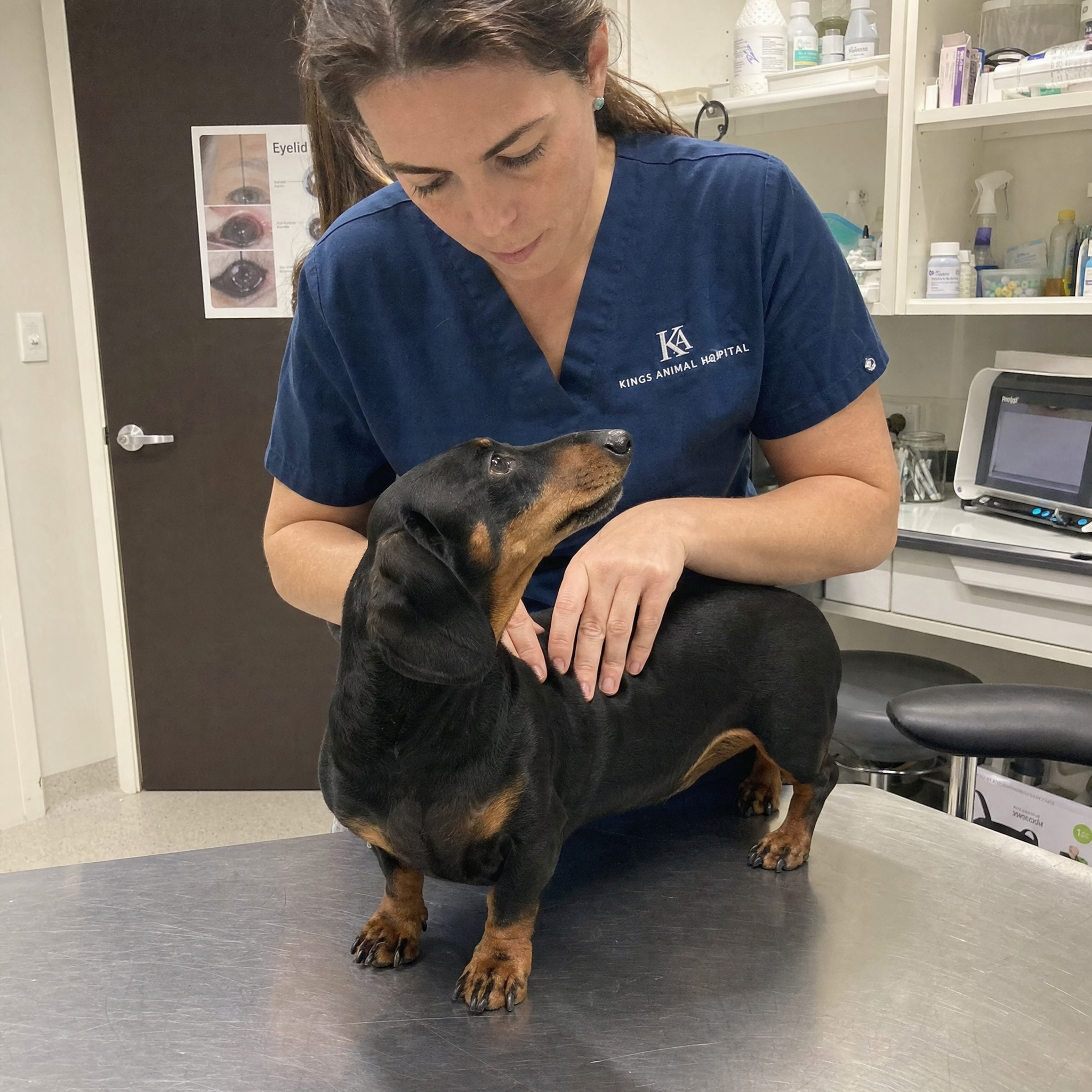
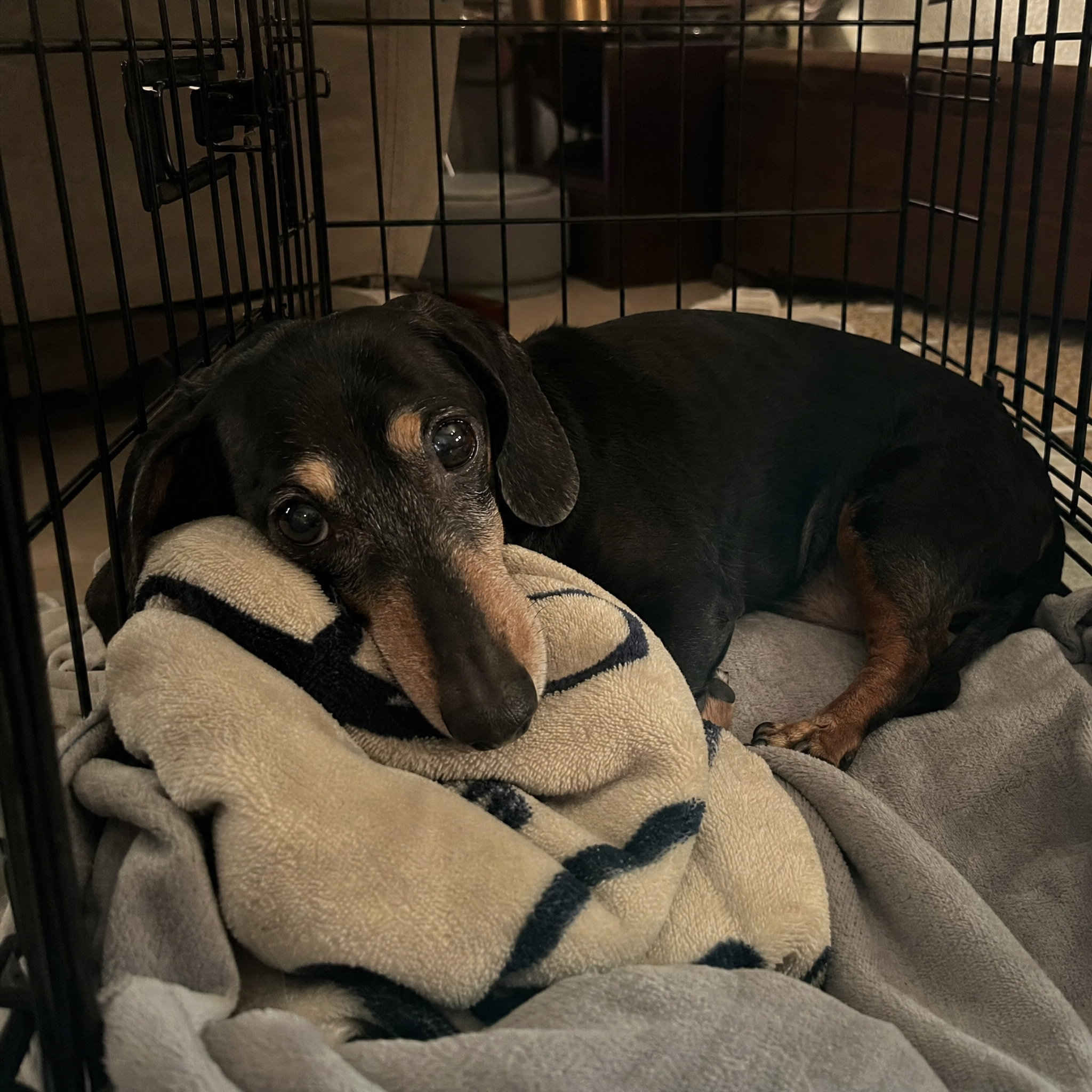
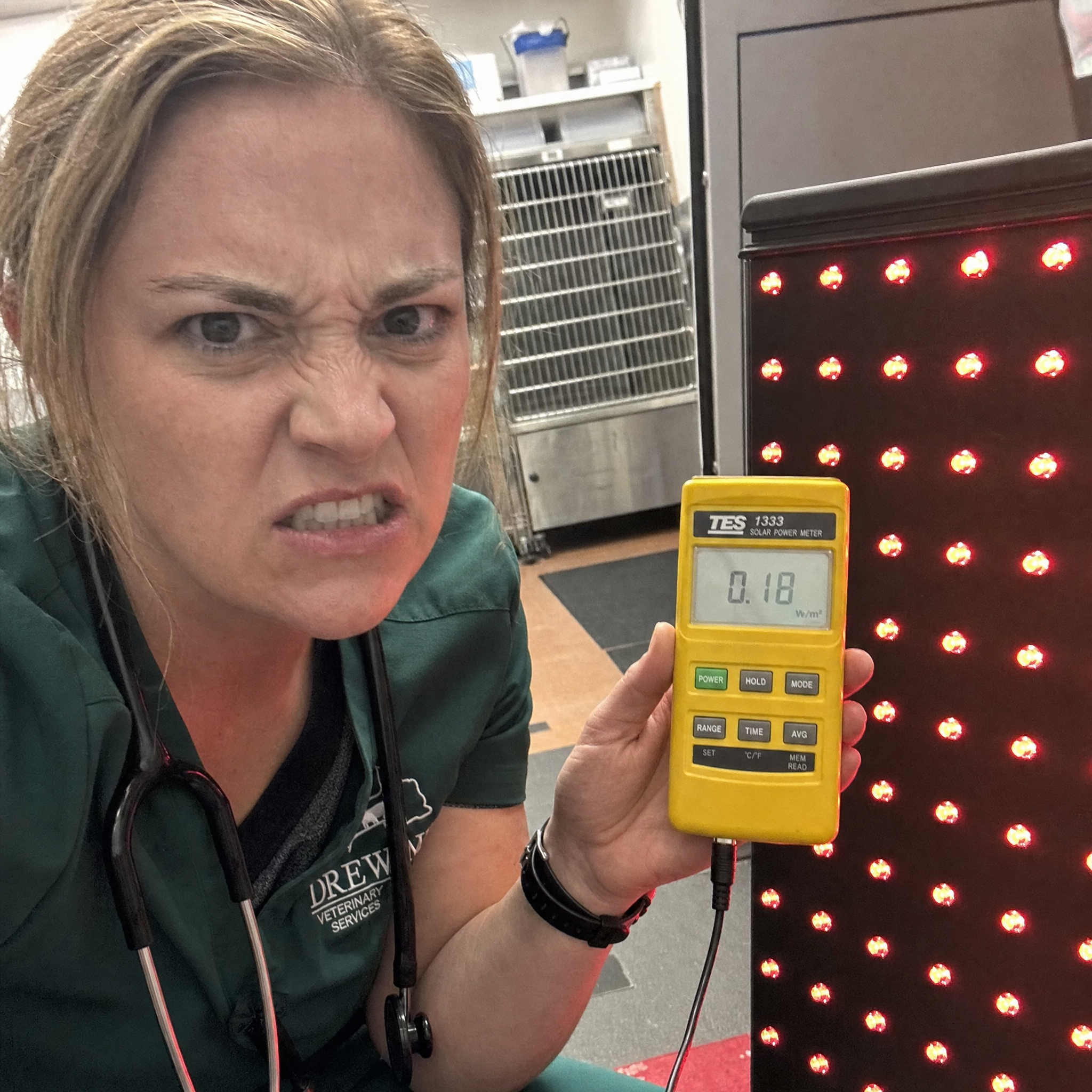
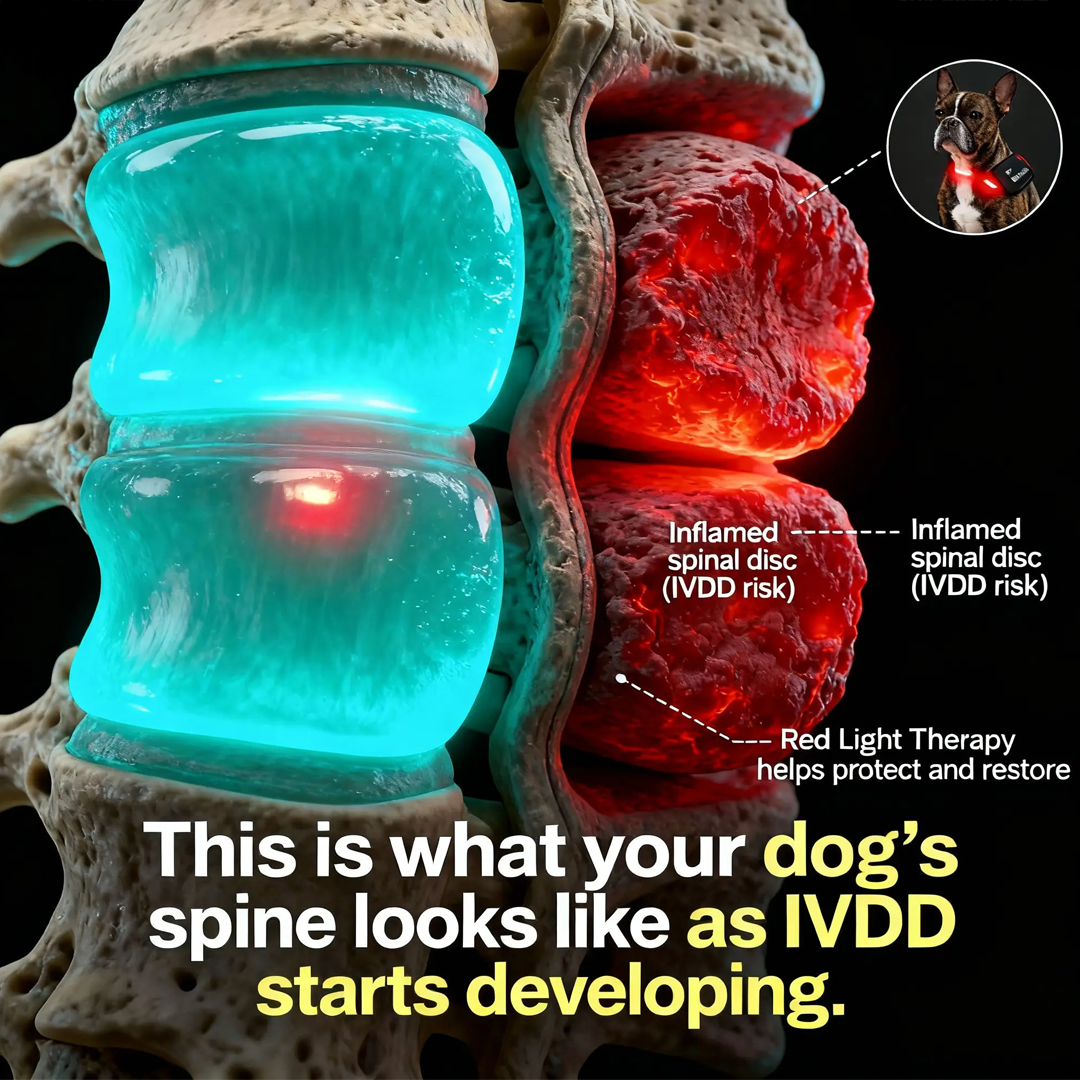
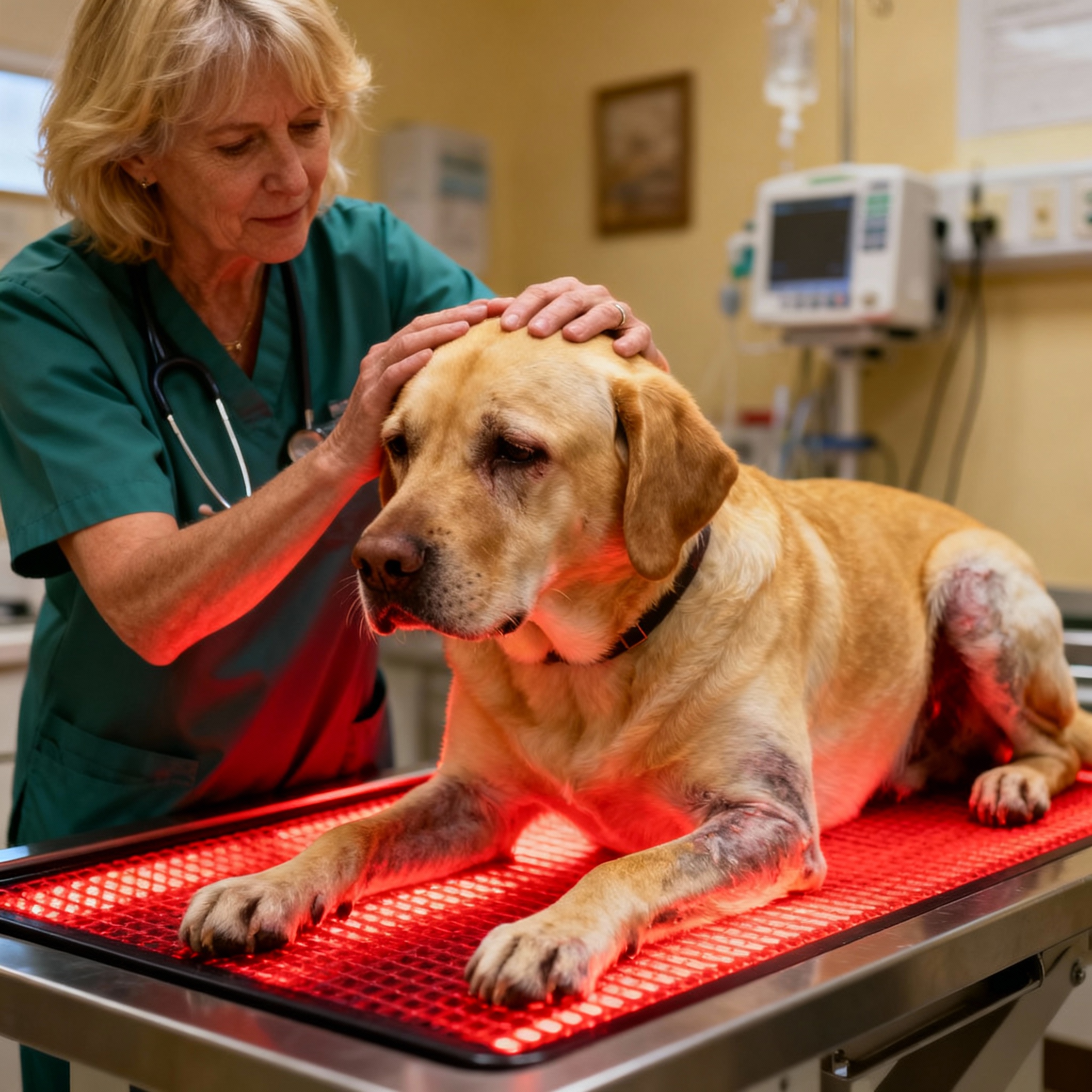
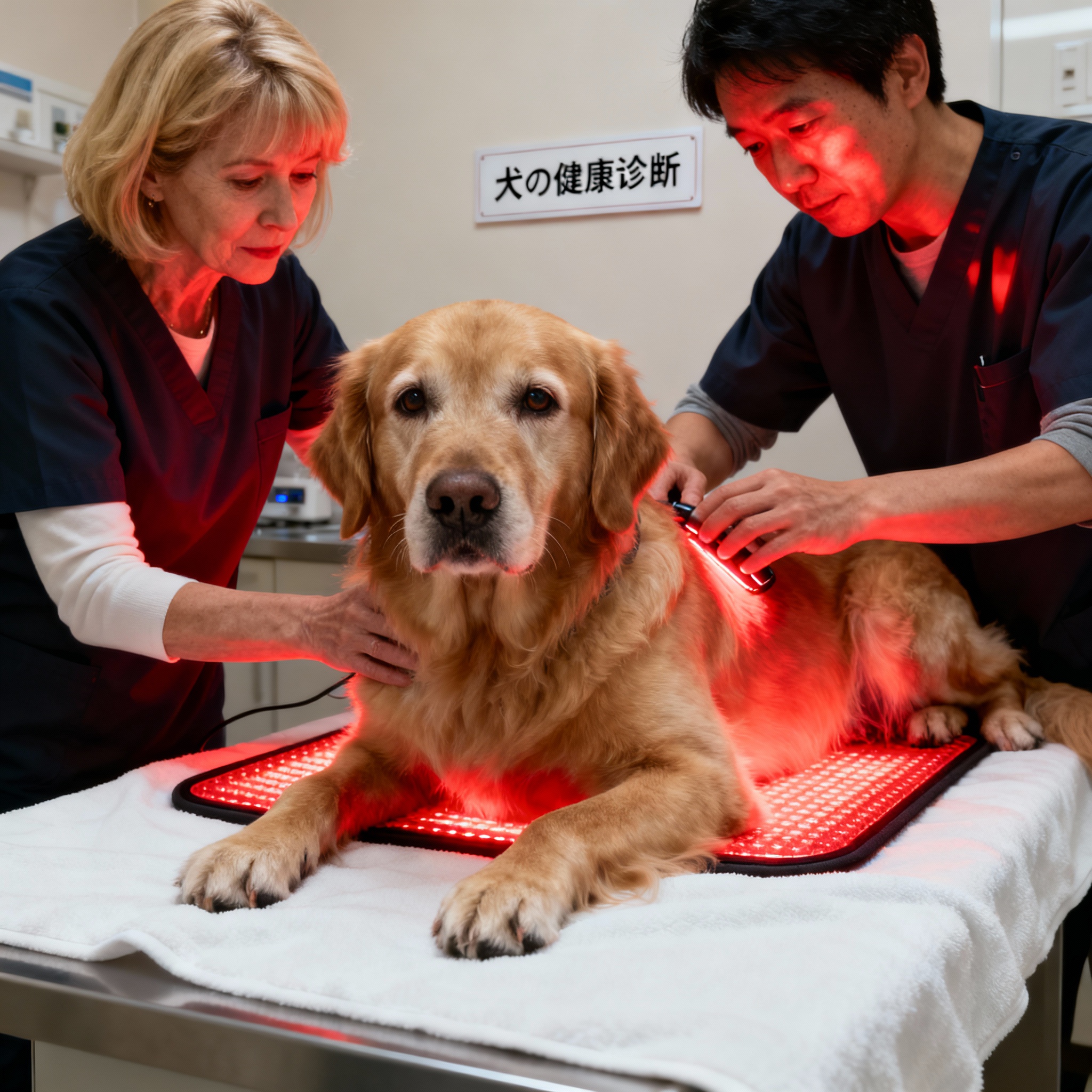
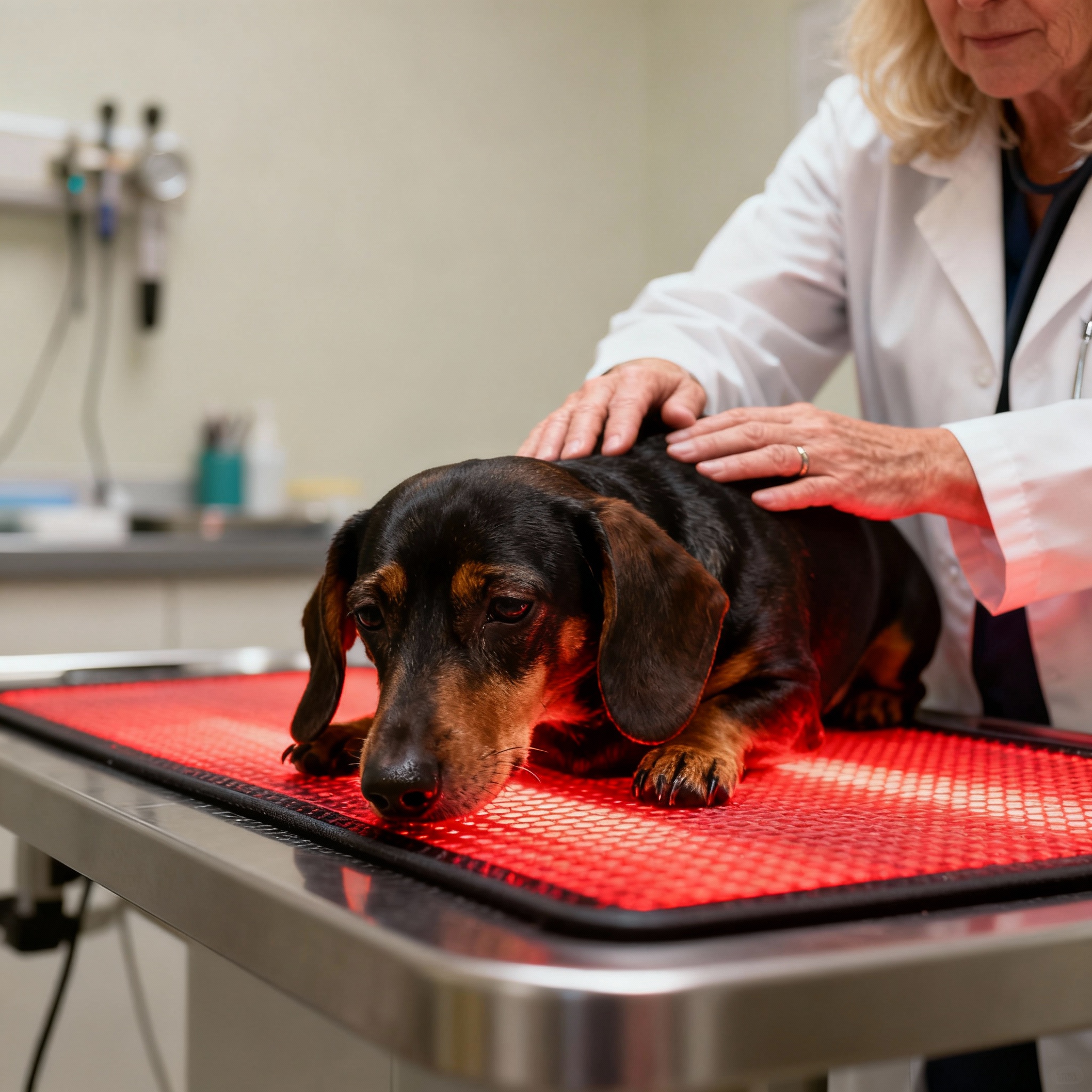
If you see someone call IVDD “unpreventable,” that’s a red flag 🚩 But I understand why people believe it... I’ve been a veterinary rehabilitation specialist for over a decade, working with French Bulldogs, Dachshunds, and Corgis who lose mobility from spinal injuries that never had to happen. The truth is, most cases of IVDD don’t appear out of nowhere. They build silently, disc by disc, until one small jump or twist becomes the moment everything changes. And the worst part? Pet owners almost always say the same sentence when it’s too late: “I thought he was just stiff from age.” The key to preventing IVDD isn’t surgery or pain medication—it’s maintaining healthy spinal discs before they fail. Here’s what most pet parents don’t know. When a dog’s back muscles tighten from inactivity, inflammation starts compressing the discs. Over time, blood flow decreases and the tissues weaken. That’s when IVDD begins. In my clinic, we’ve spent years using professional-grade red light therapy systems to help restore circulation, reduce inflammation, and strengthen spinal tissue. We see the results every single day. But the reality is, those machines cost thousands of dollars, and sessions can run $60–$80 each. That’s why I’m relieved that today, pet owners finally have access to safe, home-use versions of the same therapy we use in clinics. One of those devices is called Luma Pet. It delivers the same therapeutic wavelengths—650nm red and 940nm near-infrared light—that have been scientifically proven to reduce inflammation and support disc health. I first saw it when a client brought one to our rehab center for her dachshund, Milo. He was five years old and already showing the early warning signs—hesitation before jumping, trembling after short walks, and quiet whimpers when stretching. His x-rays showed mild disc inflammation. Not surgery-level yet, but close. We incorporated the Luma Pet pad into his home care routine. Ten minutes a day, gentle warmth, no pain. And within three weeks, Milo was walking smoother, more confident, even climbing onto the couch again. When we checked his spine a month later, the inflammation had completely subsided. That’s the power of light—it’s not magic; it’s biology. Red light therapy increases cellular energy and blood flow, allowing the body to repair itself instead of deteriorating over time. And now that technology has become accessible for home use, pet parents no longer have to wait until the damage is irreversible. Because IVDD doesn’t start with paralysis—it starts with small warnings that most people overlook: The hesitation. The trembling. The stiffness after naps. Those are your dog’s early alerts. Every day I see the heartbreak of owners who waited too long. Dogs that could have lived five more pain-free years end up in wheelchairs at six. Owners crying, asking if there’s still a chance. Prevention is the only way to avoid those moments. You can’t stop genetics, but you can stop what triggers them. Keeping your dog’s spine healthy, flexible, and well-circulated makes all the difference. That’s why I tell every Frenchie, Dachshund, and Corgi parent who comes through my clinic: Don’t wait for the yelp. Don’t wait for the trembling. Don’t wait for the diagnosis. Start before the pain starts. And now, you can. Luma Pet brings the same wavelengths we use in clinical rehab directly to your home—without needing appointments, drugs, or stress. It’s non-invasive, completely safe, and most dogs actually relax during sessions. Pet parents typically report visible improvements within two to four weeks: Better posture. More flexibility. Less stiffness after naps. And that unmistakable look of relief on their dog’s face when the light turns on. The biggest difference isn’t just physical—it’s emotional. You go from panic and guilt to peace of mind, knowing you’re actively protecting your dog’s spine instead of waiting for something to go wrong. The pet industry rarely talks about prevention, because crisis care is more profitable. But prevention is what keeps dogs walking, running, and living comfortably for years longer. I’m not here to sell you anything. I just want you to know that tools like Luma Pet now exist so you can take the same therapy we use in clinics and make it part of your dog’s daily life. If you’re seeing early signs—hesitation, stiffness, trembling after rest—don’t ignore them. They’re not “just aging.” They’re warnings. Ten minutes a day can change everything. Let the light do what medication can’t: help your dog’s body heal and strengthen itself. If you don’t see improvement in four weeks, you don’t pay. That’s how confident the company behind Luma Pet is in its results. They’re a small team of veterinary engineers, not a corporate pet brand. They don’t mass produce, and every batch is tested for precision and safety. That’s why it often sells out—especially when word spreads among Frenchie owners. If you click the link below and see it’s out of stock, I’m sorry. It happens every time awareness grows. But if it’s still available, I recommend getting one before your dog’s first IVDD scare. Because a year from now, you’ll either be the owner who prevented it, or the one who learned the hard way that waiting is what causes the heartbreak. We use red light therapy every day in our clinic because it works. And thanks to at-home options like Luma Pet, you can now protect your dog’s back the same way—without ever leaving home.
Like this ad? Make it yours.
Crush rebuilds this exact creative around your product — your brand, your colors, your offer — in about a minute.