
Inactive· since Jun 4, 2026
- 14
- days it ran
- 1
- relaunches
Ad copy
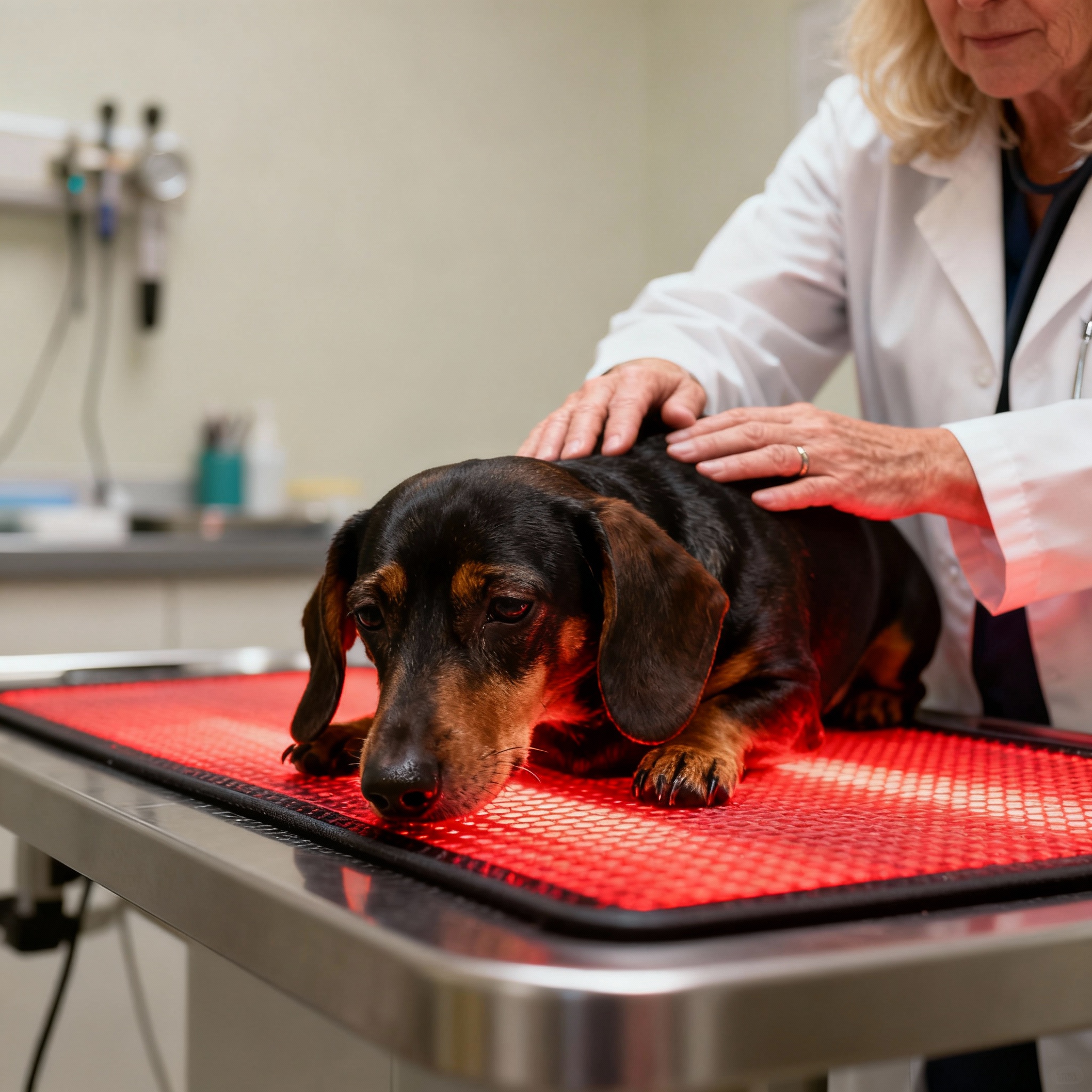
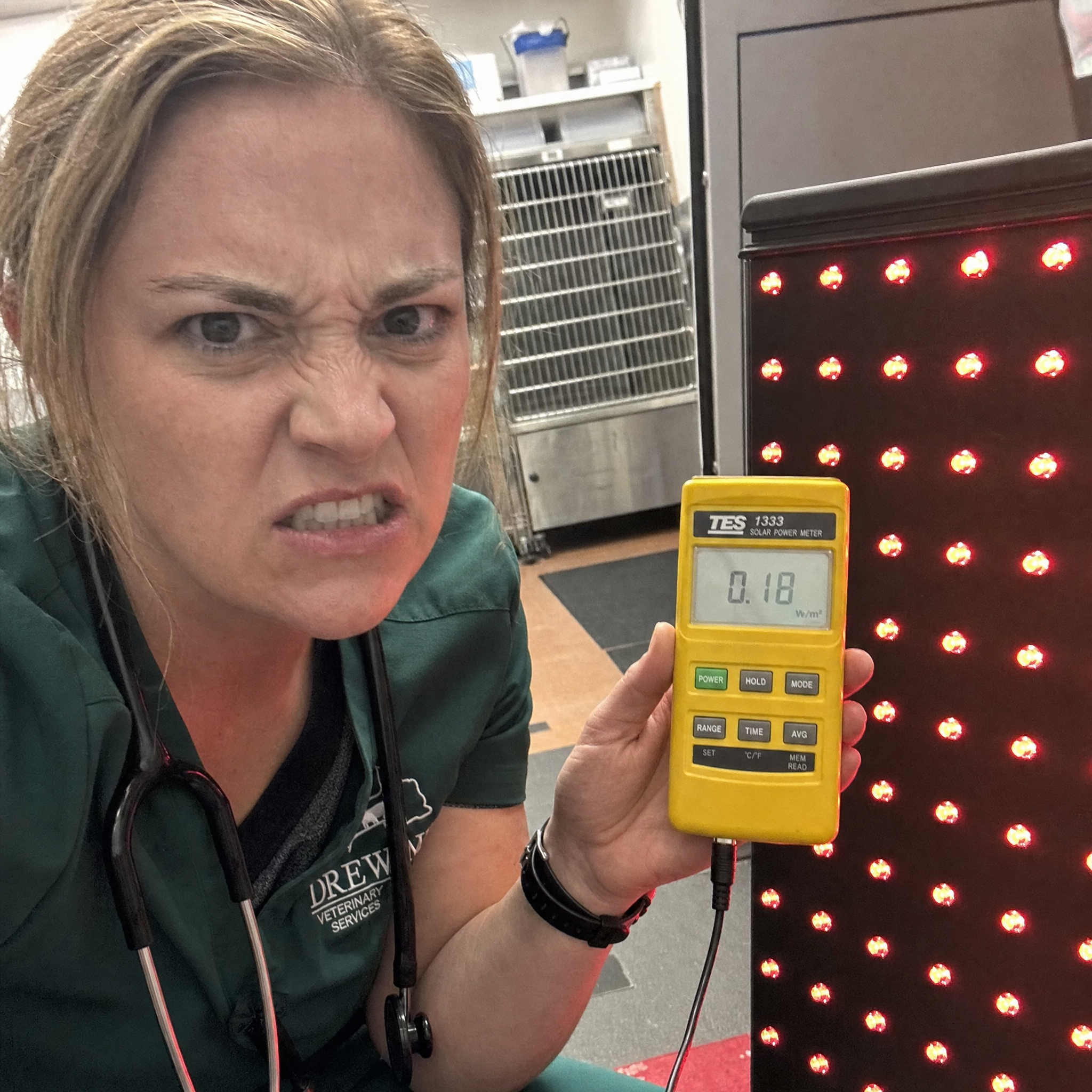
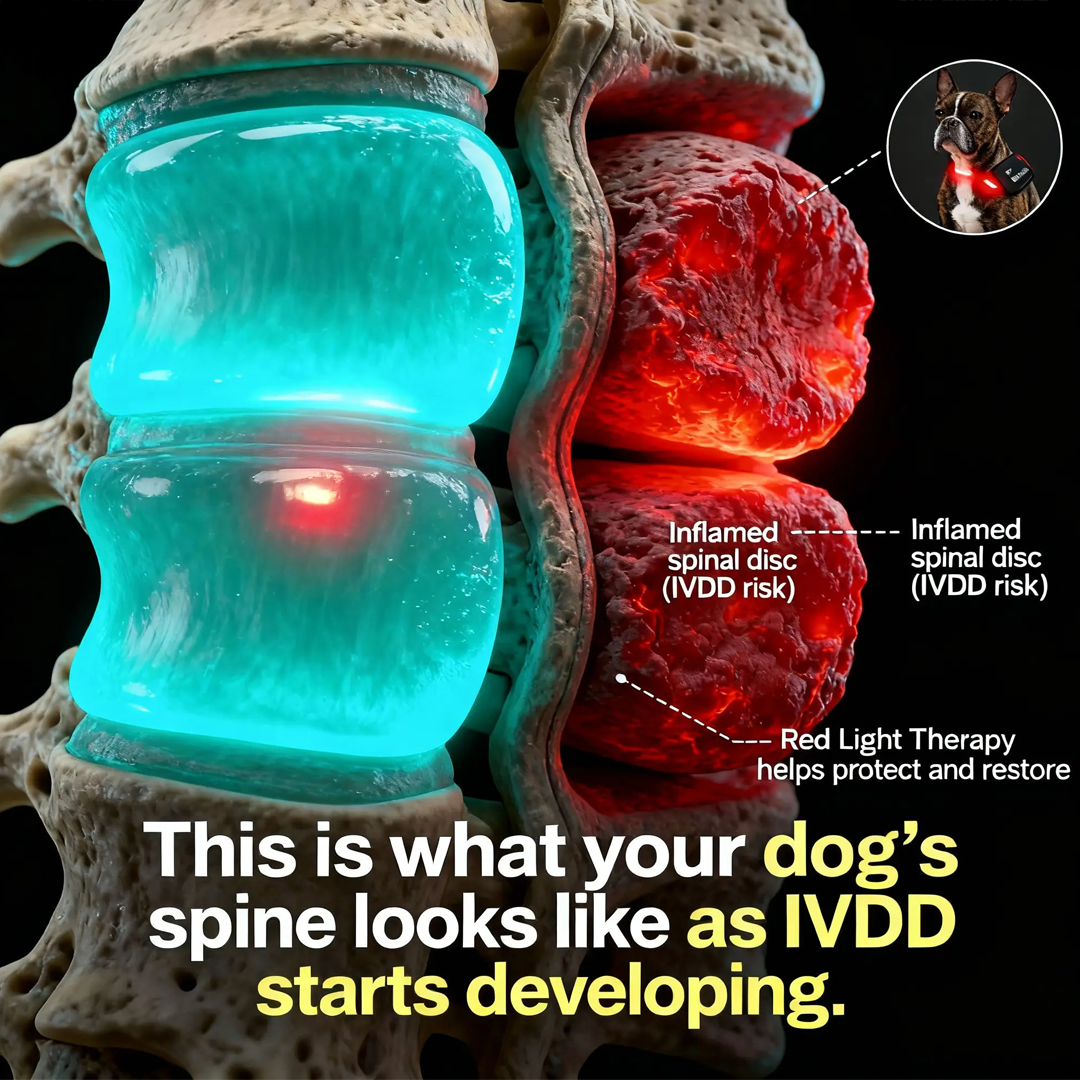
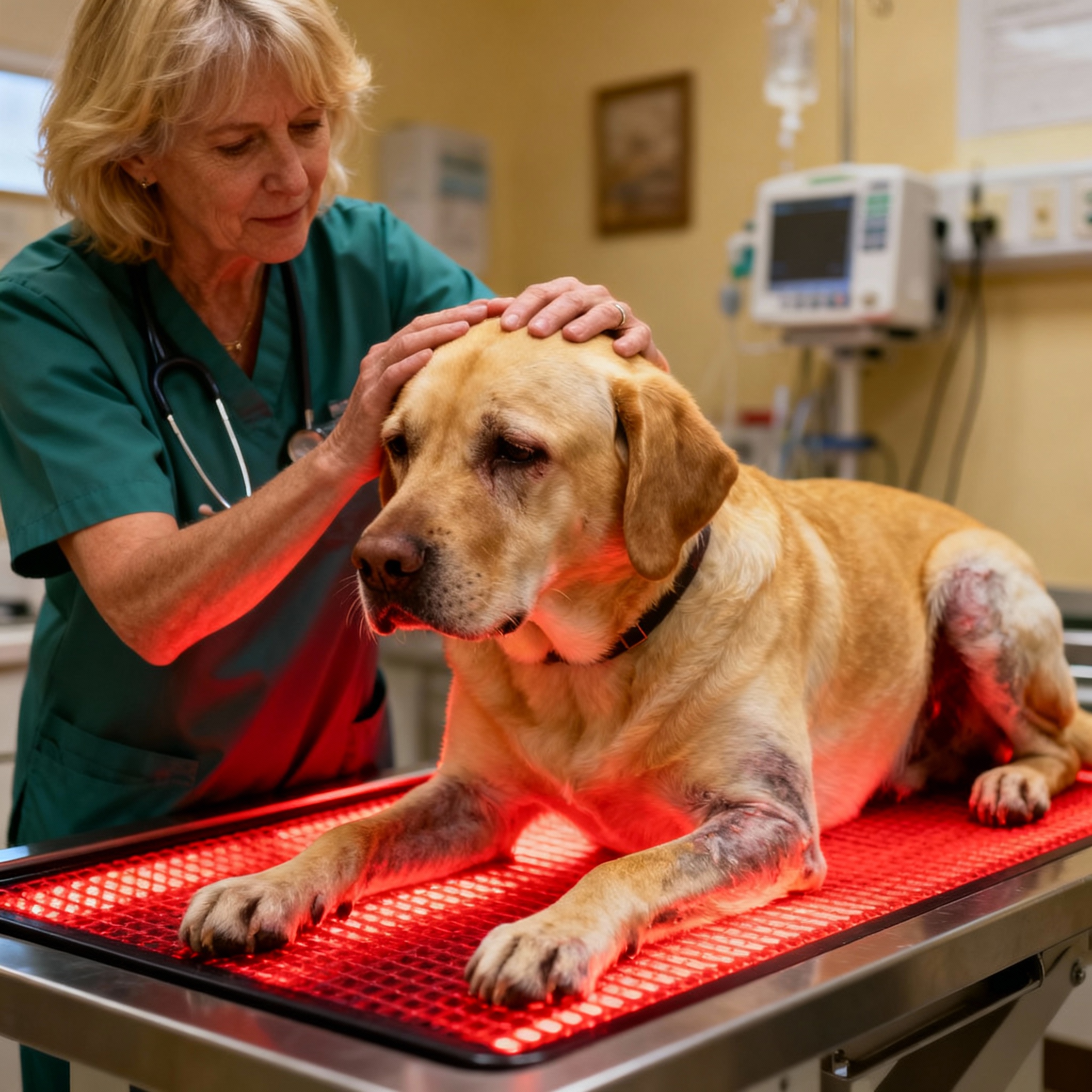
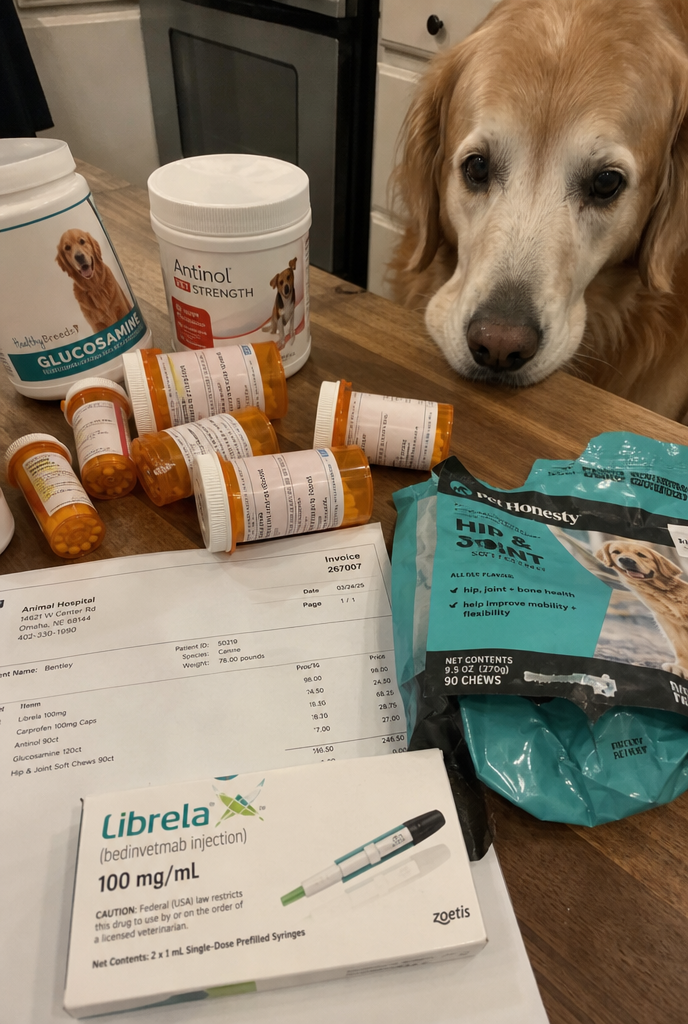
You are aging your dog faster than you think - and your vet is letting you. Every time we say "he's just getting old, let's manage it" and you nod and accept it, the real problem keeps destroying the joint underneath. It is not old age. I told clients that for twenty years before I understood what I was actually doing. I'm a holistic veterinarian now. I wasn't always. For two decades I practiced conventional medicine and prescribed exactly what everyone else prescribed. This is the post I wish someone had handed me back then. Read it to the end. Because I'm going to take apart every excuse that keeps your dog on a treadmill of medication that never actually fixes anything. ======== Her name was Maple. My own Golden Retriever. The dog who exposed everything I'd been getting wrong. She started slowing down at nine. Stiff mornings. Slow on the stairs. The little hesitation before the car. I did what I'd trained to do. Galliprant. Then an injectable when that faded. Then I reached for Librela. And this is where I have to stop and say something that will make some of my colleagues angry. I stopped the Librela. I'd had a growing pile of cases - my own dog included - where dogs got worse between injections, where the shots had to come closer and closer together, where owners reported their dog's back legs seeming weaker, not stronger. I am not the only vet quietly watching this. I pulled Maple off it. I trust what I saw with my own eyes more than what the rep told me. But pulling the medication wasn't a solution. It just stopped masking the problem. I still had to find what the problem actually was. So I did something most vets never do. I went back to the research. ======== Here is what is actually happening when a dog "slows down with age." And I need you to understand it, because every objection you have melts once you do. Cartilage in the joint is maintained by cells called chondrocytes. Their job is to repair, every single day. To do that they need energy, produced by the mitochondria inside them. With age and chronic inflammation, those mitochondria start to fail. Energy drops. The cells can't repair. Cartilage breaks down faster than it rebuilds. The breakdown causes inflammation. The inflammation suppresses repair further. The cycle feeds itself and speeds up. That is the slowing down. Not the birthday. A cellular energy collapse inside the joint. Now. Here is every reason people tell me they hesitate, and the truth about each one. "I already give supplements." Good. Keep them if you want. But understand what they do. Glucosamine, green-lipped mussel, fish oil, turmeric - they support the joint environment. None of them restore mitochondrial energy. That's why you've tried so many with so little to show for it. They were aimed at the wrong layer of the problem. "My dog is already on medication and my vet is involved." Then keep your vet involved. This is not instead of your vet. The owners who get the best results use this alongside everything else and tell their vet they're doing it. A good vet will be curious, not threatened. Mine would have been, if I'd known to ask. "I'm scared of the side effects - the kidneys, the liver." You should be. Long-term NSAIDs carry real organ risk and you are right to think about it. That is exactly why a non-invasive option that works on the cause instead of the inflammation matters so much for a senior dog. "He spits the pills out. He hates being medicated. The painkillers turn him into a zombie." I hear this constantly. This is light. Fifteen minutes lying down with a warm pad. There is nothing to swallow and nothing to fight. "Surgery was mentioned and I can't put my senior dog through anesthesia." Then don't, not until you've tried the thing that addresses the cause without a scalpel. Many of the dogs I see were headed for surgery and didn't end up needing it. "The clinic laser helped but I can only afford it once a month." This is the one that should make you angry. The clinic laser works because of the exact wavelengths it delivers. The reason it only works "sometimes" for you is that cellular repair needs consistency, and once a month is not consistency. The whole point of a home device is that you stop rationing the one thing that actually works. "I bought a cheap one online and it did nothing." I believe you. I've measured some of those. Many handhelds and bargain pads don't deliver the right wavelengths at therapeutic depth - the spec sheet lies. And a handheld you have to hold steady for several minutes on a wiggling dog is useless in practice. A pad that straps on and delivers verified output is a different category of product. "I don't want to pump my dog full of chemicals." Then you and I want the same thing. This is the opposite of a chemical. It's a wavelength of light your dog's cells already know how to use. ======== The mechanism that actually reaches the mitochondria is specific wavelengths of light. 660 nanometers and 850 nanometers. They penetrate the tissue, are absorbed by the mitochondria, and restart energy production. The cells repair. The inflammation comes down because the cause is being corrected, not silenced. This is the same physics as the clinic laser. The difference is you own it, and you use it every day, which is exactly what the biology requires. I tested it on Maple before I recommended it to a single patient. Twenty years of skepticism does not switch off easily. Week two: she stood up without the bracing pause I'd stopped noticing because it had become normal. Week three: she met me at the door. She hadn't in over a year. Week eight: she brought me a toy, unprompted, for the first time in longer than I could remember. She moved better at twelve on fifteen minutes of light a day than she had at ten on a full prescription protocol. ======== One more thing, because people ask. The reviews you've read - the ones you're hoping are real. I was suspicious of them too. Then I started seeing the same results in my own patients, in my own exam room, in my own dog. They're real. I wouldn't put my name on this if they weren't. If your dog is slowing down and you've been told it's just age - it isn't. It has a cause. The cause is treatable. And almost nothing you've been sold so far was aimed at it. This is the device I use and recommend. Same wavelengths as the clinic laser, in your hands, every day. You can find it here: dogspinehealth.com/jointadv1 I was wrong for twenty years. I'd rather you hear it from a vet who admits that than keep paying for the most comfortable lie in my profession. It is not old age.
The dangerous truth about these.
How Luma Pet Red Light Stops arthritis Before It Ever Starts
SEE DETAILSLike this ad? Make it yours.
Crush rebuilds this exact creative around your product — your brand, your colors, your offer — in about a minute.