Myrtle Carver
Myrtle Carver Facebook ad: “Soviets, 1956: fourteen operators dead. Then they switched…”
Ran for 7 days, from May 30 to June 5, 2026, the last day Crush saw it.
Run by Myrtle Carver on Facebook. Crush is not the advertiser and does not verify its claims. See this ad in Meta's Ad Library(opens in a new tab)
Want an ad like this for your product?
Crush makes new ad images for your product from this ad: your logo, your product photo, your offer.
Trials from $19.95 USD, then $79.95 USD a month. Cancel anytime.
About this ad
- Meta Ad Library ID
- 1188178486731172
- Platforms
- Facebook, Instagram, Audience Network, Messenger and Threads
- Relaunches
- 0
- Niche
- Gifts & Crafts
Ad text
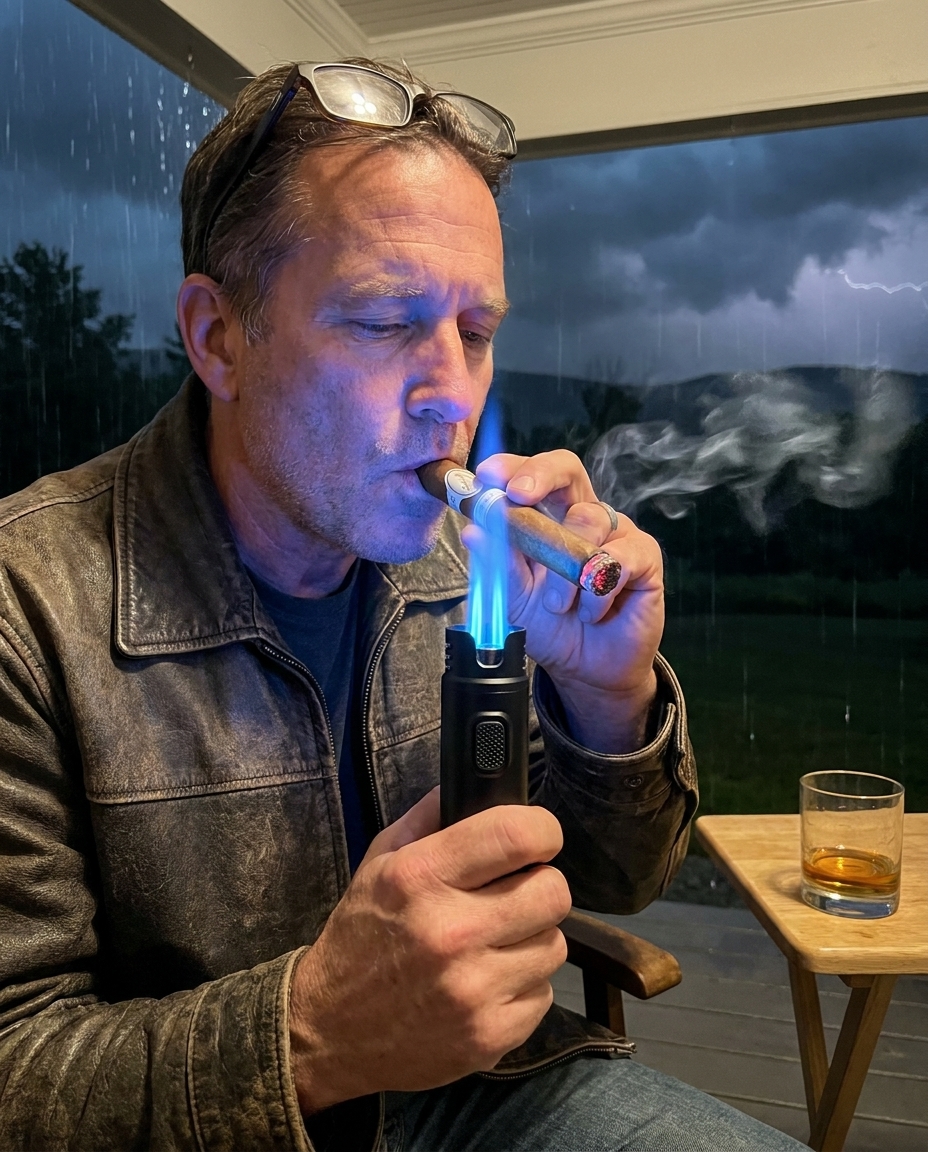
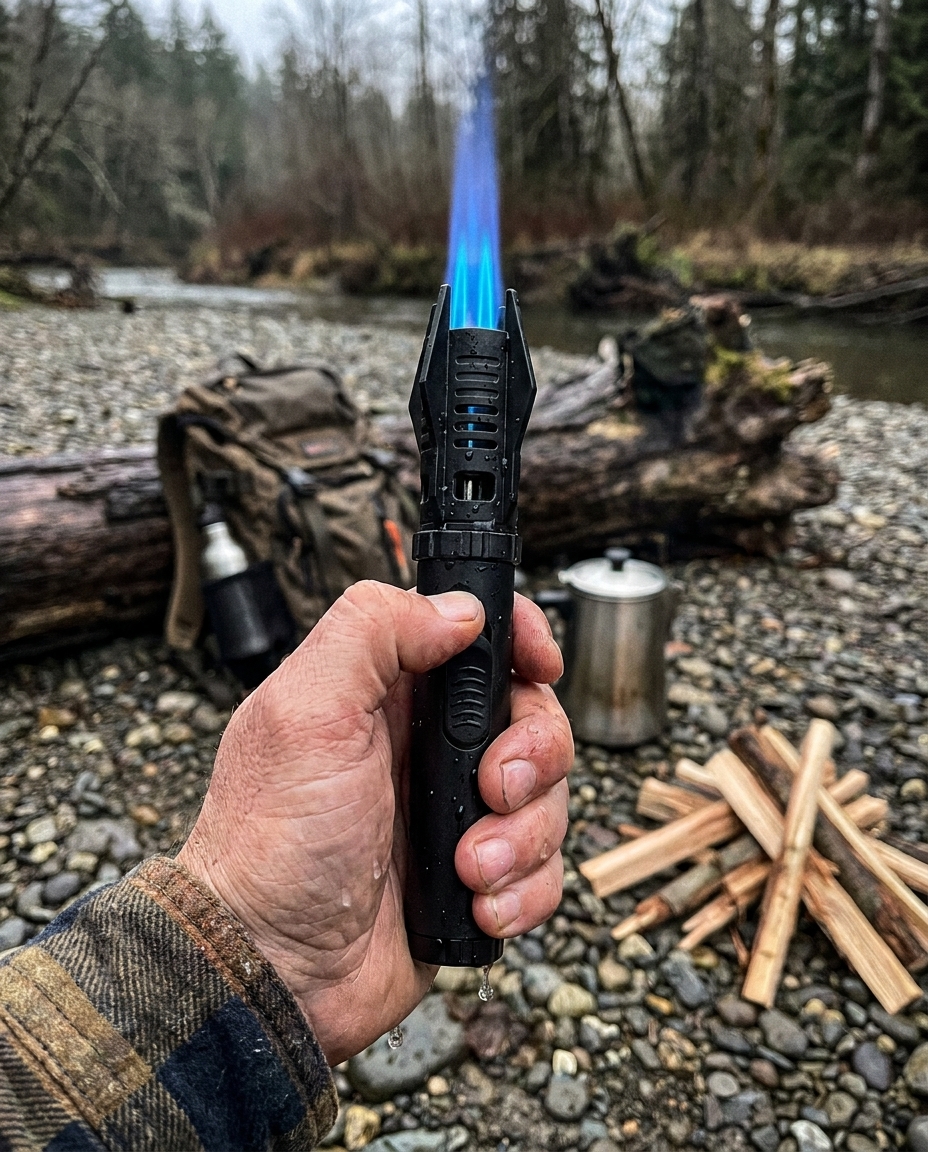
The Soviets stopped losing radio operators to dead lighters in 1956. Not because of better fuel, not because of warmer gloves, but because a procurement officer in Murmansk wrote a memo nobody outside the Red Army read for forty years. They lost fourteen men in three winters. Then they switched ignition sources. The losses stopped. I'm Hugo Pemberton. Saranac Lake, New York. Twelve years on Adirondack Search and Rescue as a coordinator. I keep a kit log that goes back to 2011 with every lighter failure I have ever logged on a callout. Two hundred and thirty-one entries. Every one of them butane or flint. At 2:17am two Tuesdays ago I was leaning over a printout of a 1956 Soviet field report on Arctic radio operator survival. The footnote that wouldn't leave me alone was three lines long. Fourteen operators lost. Cause of death: exposure following ignition failure. Remedy adopted: spark-gap arc devices replaced butane field lighters in cold-weather kits. End of footnote. I'm forty-five. I have run logistics on more cold-weather expeditions than I can count. I have buried three Bics on a single February callout above Avalanche Pass. I have watched a Zippo flint wheel grind itself smooth in a wet pocket by hour eight of a search. I have seen a $80 jet torch refuse to fire at twelve thousand feet because the butane vapor pressure had dropped below the threshold the valve needed. My wife found me at the kitchen table at 2:30am with the printout, three open browser tabs, and a yellow legal pad covered in notes. She said, what are you doing. I said, I think I have been buying the wrong lighter for thirty years. I spent the next six weeks reading. NOLS field reports. A 1971 Norwegian alpine club bulletin. Three independent product spec sheets. I called an old buddy who runs avalanche education in Jackson Hole. He said, you're late to the party. The guides have been carrying these for two seasons. What they were carrying is what I'm holding right now. A butane jet torch lighter with USB-C electric ignition. Black cylindrical body the size of a Zippo. Sealed zinc-alloy housing. A side slide-lock so it doesn't fire in a pocket. And a dual-burner fork-shielded vent at the top that fires one intense twin-jet flame straight up the moment you press the thumb-button. I took it out to the creek behind the cabin on Sunday at 6am. Thirty-eight degrees, light drizzle, a small wind off the lake. I dunked it. Held it under running water for a full count of ten. Pulled it out. Water beading off the black body, drops still falling from the bottom. Pressed the side button. Click. Hiss. Blue flame. Not a flint wheel rasp. A clean electric snap, then the audible hiss of pressurized butane, then a deep cobalt-blue twin-jet flame about four centimeters tall, the tip burning blue-white, shooting straight up out of the vent. I could feel the heat from a foot away. I touched it to a pile of damp birch kindling on a fallen log. The kindling carbonized in three seconds. The wind didn't move the flame. Jet pressure made the wind irrelevant. Twenty-five hundred degrees at the tip. Three to four times hotter than the Bic in my truck console at six hundred. Hotter than a Bunsen burner. The flame is jet-pressurized, which is the part the gear forums kept missing — wind cannot blow it sideways because it is moving too fast in the wrong direction. Forty-mile-per-hour gust will not put it out. The spec sheet that finally made me understand it: three hundred ignitions per USB-C charge of the electric ignition battery. The butane reservoir is refillable. The electrodes that fire the spark are tungsten-tipped — they do not wear like the ferrocerium flint wheel on every Bic and Zippo I have ever owned. My old Zippo's flint wheel ate itself in two years of weekly use. This one charges off the same cable as my phone, in ninety minutes. Same physics in three places I already trusted. The spark plug in my truck. The arc welder in my brother's shop. The plasma cutter at the boatyard down the road. Miniaturized into a forty-gram cylinder I can drop in a vest pocket. Thirty-nine dollars. I have spent more on butane refills this year. Run the math. Bic at six dollars, replaced four times a winter on a callout schedule — twenty-four dollars. A Zippo at twenty-four with eleven dollars of fluid a year and two flint packs — call it forty over its life before the flint wheel grinds out. A Vector or Colibri jet torch at eighty to a hundred and thirty dollars and still vulnerable to wet and cold. I have spent something like a hundred and thirty dollars a year on consumable lighter products and still buried three of them in elk camp. Thirty-nine dollars once. USB-C charging cable I already own. Refillable butane reservoir. Three hundred ignitions between charges. A flame that does not care about wind, rain, or a creek dunk. I updated my kit log the next morning. Two hundred and thirty-two entries. Entry two hundred and thirty-two is the first one without a failure. It just reads: IgniteX. First click. Blue flame. Pulled from creek. If you have ever buried a Bic in cold-weather kit, watched a Zippo flint wheel give up at hour eight, or paid eighty dollars for a Colibri that still failed at altitude — this is the thing. My buddy in Jackson texted me the link two months ago. I'll do the same for you. The link is below. Ninety-day money-back guarantee, free US shipping. If it doesn't do what I just said, send it back. I am not selling these. I am done losing lighters. ~ Hugo Pemberton, Saranac Lake, NY
Where the ad sends people
secure.buyignitex.com
Soviets, 1956: fourteen operators dead. Then they switched lighters.
Retired Adirondack SAR coordinator dunked a $39 butane jet torch lighter in a creek. First click. Blue flame. 2,500°F. Here is the link.
Shop now: secure.buyignitex.com(opens in a new tab)