
Stopped· since Jan 8, 2026
- 131
- days it ran
- 0
- relaunches
Ad copy
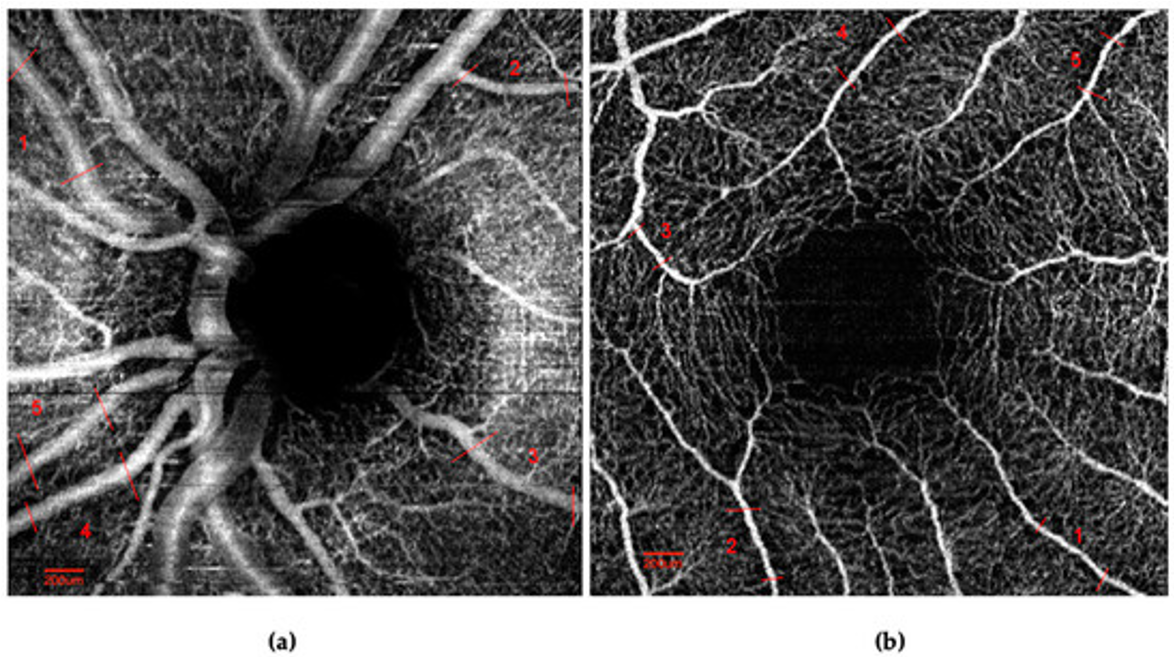
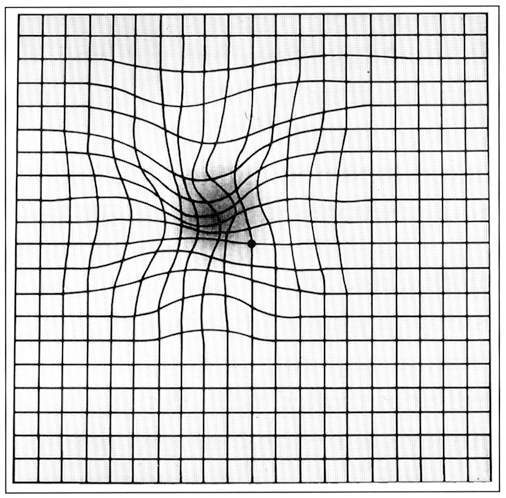
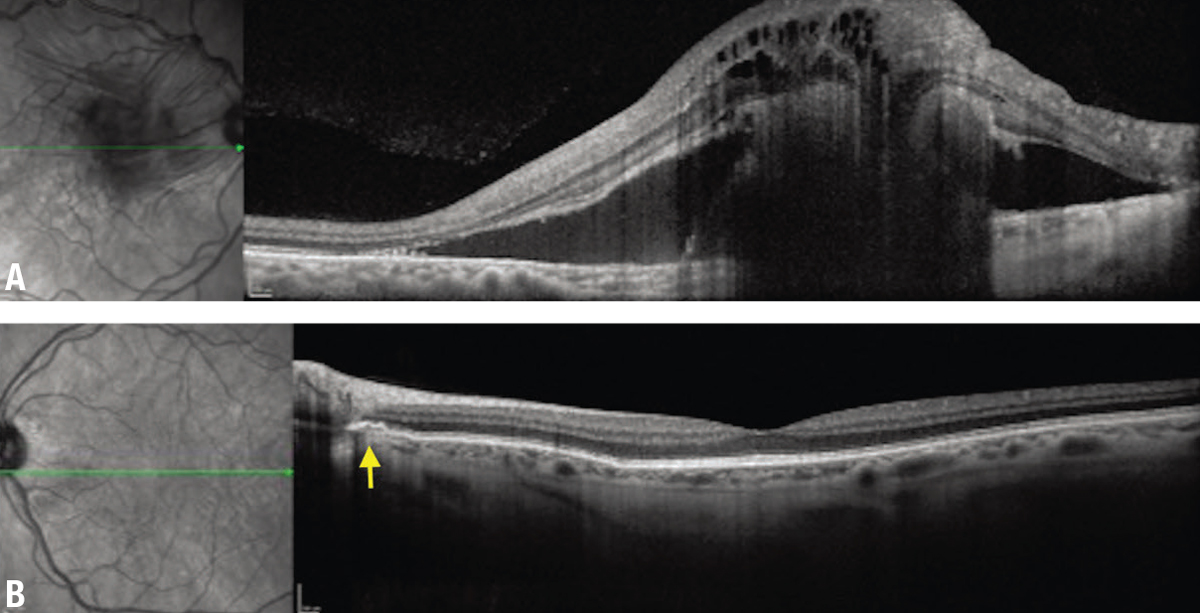
In 27 years as an ophthalmologist, I've watched over 3,000 patients lose their vision to macular degeneration. Most of them didn't have to. That's the tragedy that haunts me. That's why I'm writing this today. Because I know something that could have saved their sight—something I wish I could have told them five years, ten years before they ended up in my exam chair with irreversible damage. And I'm going to tell it to you right now. Every week in my practice, I see the same heartbreaking story play out. A 67-year-old woman comes in complaining that her vision "isn't what it used to be." She's been struggling for a few years but figured it was just aging. Now she can't read her medication bottles. Can't recognize faces across the room. Can't drive at night. I run my tests. I look at her retinal scans. And I see the damage. Significant macular degeneration. Years of accumulated destruction to the very center of her vision. And I have to tell her: "If you'd come to me five years ago, we could have done something. Now, we're just trying to save what's left." Her face crumbles. The hope drains from her eyes. And I watch another person realize they waited too long. 3,000 times I've had some version of this conversation. 3,000 times I've seen that look of devastation. It never gets easier. But here's what haunts me most. In almost every single case, there were warning signs YEARS before the severe damage. Signs that the patient noticed but dismissed. Signs that could have triggered early intervention. Signs that, if addressed, might have prevented the blindness that eventually took their independence. Do you want to know what those warning signs are? I'm going to tell you—because your eye doctor probably hasn't. It starts with symptoms so subtle you barely notice them. A slight blur that comes and goes. You think you're just tired. A few floaters—those little shadows swimming across your vision. You figure everyone has those. Glare that seems a bit worse than it used to be. Headlights at night are annoying but manageable. Colors that look slightly duller. You assume it's just the lighting. Fine print that's harder to read. You get new glasses and move on. These symptoms feel minor. Normal. Just "getting older." But to me—to someone who has spent 27 years looking at macular scans—these are not minor symptoms. These are distress signals. Your macula is sending you a message. And the message is: "I'm starving. I'm breaking down. I need help NOW—before it's too late." Most people don't hear that message. They ignore it for years. And by the time they finally come see me, the damage is done. Let me explain what's actually happening inside your eyes. At the very center of your retina is a tiny area called the macula. It's about the size of a pencil eraser—but it's responsible for ALL of your sharp, detailed, central vision. Reading. Recognizing faces. Seeing fine details. Driving. Everything that matters visually depends on this tiny spot. When your macula is healthy, it's protected by a layer of yellow pigment. This pigment is your eye's natural defense system. It filters damaging blue light, neutralizes toxic byproducts, and keeps your central vision sharp and clear. Here's what I see when I examine a healthy macula: a distinct yellow coloration at the center. Strong pigment density. Good protection. Here's what I see in a macula that's starting to degenerate: faded pigment. Depleted protection. The early stages of breakdown that will eventually destroy central vision. And here's what most people don't know—what most doctors don't take time to explain: Your body CANNOT manufacture this protective macular pigment on its own. It can only come from specific nutrients in your diet. If you're not getting these nutrients, your macular pigment depletes. Your protection breaks down. And the damage accumulates—slowly, silently, year after year—until one day you wake up and realize you can't see clearly anymore. This is the warning sign I see in 9 out of 10 patients over 50. Depleted macular pigment. The blur you've been dismissing? That's depleted pigment. The floaters driving you crazy? That's depleted pigment. The glare that seems to get worse every year? That's depleted pigment. The colors that look washed out? That's depleted pigment. The fine print you can't read even with new glasses? That's depleted pigment. Your macula is starving. And unless you feed it, the starvation will continue until you can no longer see. This is what I wish I could have told those 3,000 patients five or ten years before they ended up in my chair with advanced degeneration. Your symptoms are not normal aging. Your macula is sending distress signals. And there is something you can do about it—but only if you act while there's still time. So why doesn't your eye doctor tell you this? Because most eye doctors—myself included until recently—were trained to treat disease, not prevent it. We learn about drugs. Surgeries. Injections. We learn how to manage macular degeneration once it becomes severe. We don't spend much time learning about nutritional prevention. It's not part of the standard curriculum. It's not what insurance pays us to discuss. So we wait. We monitor. We watch the damage accumulate. And then, when it's finally bad enough, we intervene with treatments that can slow the progression—but can never undo what's been lost. It's backwards. It's frustrating. And it's why I finally decided to speak out. Because I've watched too many people go blind unnecessarily. Because I've had too many conversations that started with "If only you'd come sooner." Because I know there's a better way—and I can't stay silent about it anymore. Here's what the research shows—research that changed how I practice medicine. Your macula needs THREE specific nutrients to maintain and rebuild its protective pigment: Lutein. Zeaxanthin. And Meso-Zeaxanthin. These are called carotenoids—the yellow-orange pigments found in certain plants. When you consume them adequately, they accumulate in your macula and form the protective shield your vision depends on. Clinical studies from the National Eye Institute, the Waterford Eye Institute in Ireland, and universities worldwide have demonstrated that supplementing these carotenoids can: — Increase macular pigment density — Improve contrast sensitivity — Reduce glare sensitivity — Support and stabilize visual function The research is clear. Early nutritional intervention works. But here's the problem. The modern diet provides almost none of what your macula needs. You'd have to eat 20 cups of raw spinach every day to get therapeutic levels of Lutein. And Meso-Zeaxanthin? It barely exists in common foods. The only practical way to give your macula what it needs is through supplementation. But not just any supplement. Most eye vitamins are incomplete. They contain Lutein—maybe some Zeaxanthin. But they leave out Meso-Zeaxanthin entirely. And that's a critical failure. Because Meso-Zeaxanthin is the carotenoid that protects the very CENTER of your macula—the fovea—where your sharpest, most detailed vision is processed. Where you read. Where you recognize faces. Where everything important happens. Without all three carotenoids, you're leaving the most critical part of your vision unprotected. PreserVision? Incomplete. Ocuvite? Incomplete. Most eye vitamins at Walmart and CVS? Incomplete. They're giving you a partial shield with holes in the middle. After reviewing the research and examining the options, I found one formula that meets the standard I'd want for my own patients—and my own family. It's called Neurobella. Neurobella is a 15-in-1 complete macular support formula with all THREE carotenoids—Lutein, Zeaxanthin, AND Meso-Zeaxanthin—at clinical doses. But it doesn't stop there. It also includes: → Saffron Extract — Studies show it supports retinal function in macular degeneration patients → Astaxanthin — Crosses the blood-retina barrier for direct antioxidant protection → Bilberry — Supports retinal blood flow and has been used for centuries for vision → Ginkgo Biloba — Improves circulation to the vessels feeding your macula → Omega-3s — Essential for photoreceptor health → Zinc and Copper — The exact AREDS2 ratio → Plus additional supportive nutrients 15 ingredients total. Each one backed by research. Each one at therapeutic doses. This is the formula I recommend to patients who want to be proactive about protecting their vision—not wait until the damage is severe. This is what I give to my own family members when they start showing early warning signs. Two years ago, my 71-year-old brother came to me complaining of blurry vision and worsening glare. His scans showed depleted macular pigment—the same warning sign I see in thousands of patients. I put him on Neurobella immediately. Six months later, his macular pigment density had measurably improved. His symptoms had stabilized. He's still reading, still driving, still living independently. He didn't become another statistic. He didn't become patient 3,001 that I had to tell "you waited too long." Because he didn't wait. He acted while there was still time. Now let me speak directly to you. If you're over 50 and experiencing ANY of these symptoms: ↳ Vision that's gradually getting blurrier... ↳ Floaters swimming across your vision... ↳ Glare from headlights or sunlight that's getting worse... ↳ Colors that look duller than they used to... ↳ Fine print that's harder to read, even with glasses... ↳ Faces that are harder to recognize from across the room... ↳ That nagging feeling that your eyesight isn't what it used to be... Please hear me. These are not normal aging symptoms to dismiss and ignore. These are warning signs from a starving macula. And you have a choice right now. You can ignore these signals like 3,000 of my patients did. You can tell yourself it's just getting older. You can wait until the damage is severe enough that you finally end up in someone's exam chair hearing "we're just trying to save what's left." Or you can act now. Feed your starving macula. Rebuild your protective pigment while there's still time. I've watched too many people make the wrong choice. I've seen the consequences—the lost independence, the depression, the nursing homes, the faces they can no longer see. I don't want that for you. Neurobella offers a 90-day money-back guarantee. If you don't notice improvement in your visual comfort and clarity, you get a full refund. Right now they're offering 55% off plus free shipping. But I have to warn you—Neurobella is made by a smaller company. Because they use clinical-dose ingredients rather than the cheap, underdosed stuff most supplements use, they frequently sell out. If you click the link and they're out of stock, I apologize. My patients have waited months before catching them in stock again. But if they DO have supply available, I'd encourage you to act quickly. Your macula is starving right now. Every day you wait, more pigment depletes. More damage accumulates. The window for effective intervention gets smaller. Don't become another patient I have to tell "you waited too long." Click the link below and give your macula what it's been desperately missing. This is your warning sign. This is your chance to act. Take it—while you still can. — Dr. Michael Brennan Board-Certified Ophthalmologist, 27 years 👉 https://neuro-bella.com/products/15-in-1-advanced-eye-formula
Like this ad? Make it yours.
Crush rebuilds this exact creative around your product — your brand, your colors, your offer — in about a minute.