
Stopped· since Jan 8, 2026
- 44
- days it ran
- 1
- relaunches
Ad copy
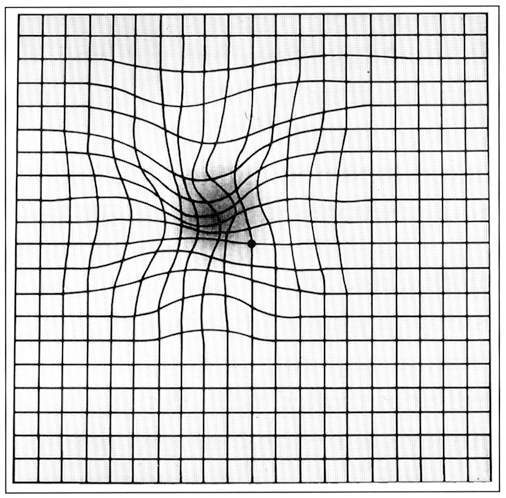
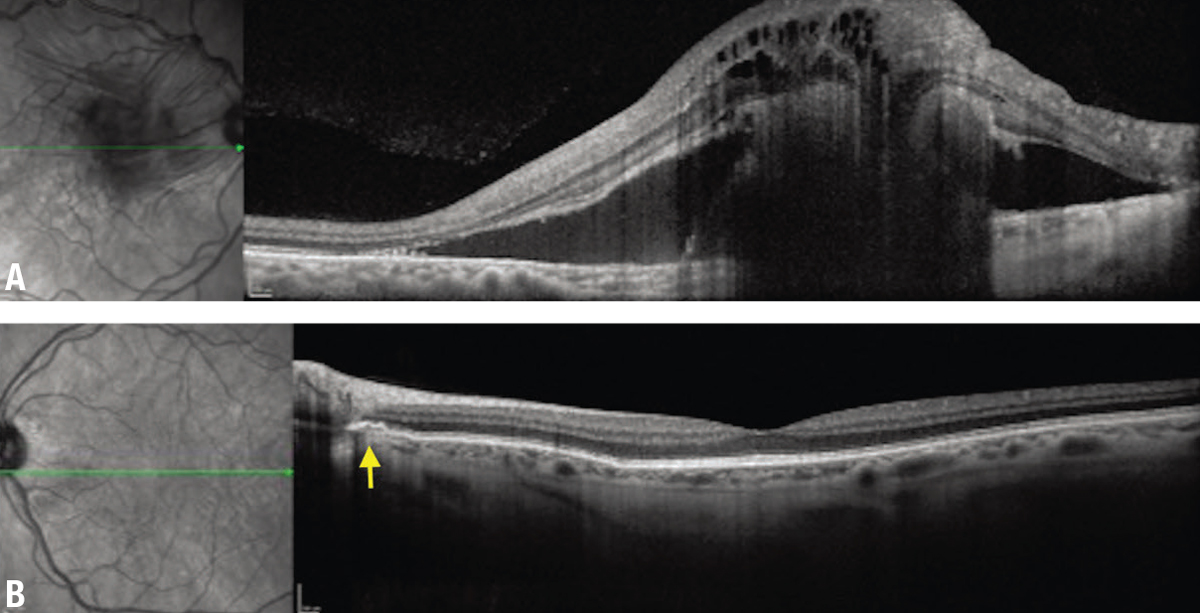
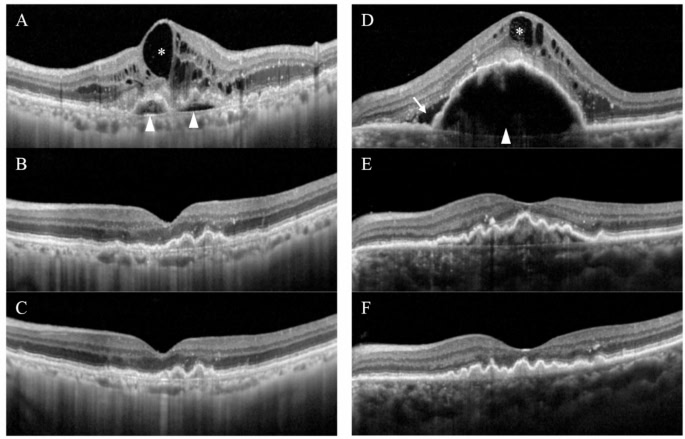
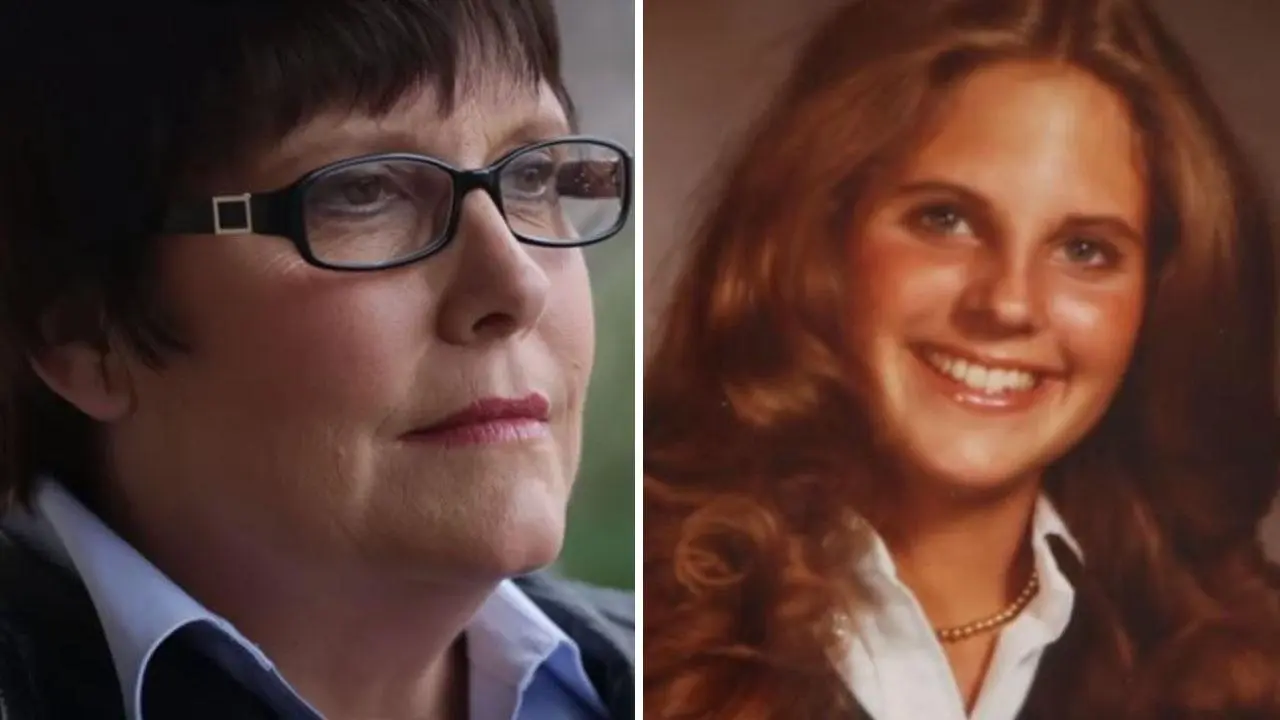
My eye doctor told me there's nothing I can do about my failing vision. That it's "just part of getting older." That I should "learn to live with it." He was wrong. If you're watching your eyesight slowly fade away and you've been told the same thing—that it's just age, that there's no solution, that you just have to accept it—please keep reading. Because what I discovered changed everything. And I wish someone had told me sooner. Let me start from the beginning. I'm 64 years old. I was an elementary school teacher for 38 years. Reading to children, grading papers, writing on chalkboards—my entire career depended on my eyes. About three years ago, I started noticing changes. At first it was little things. The words on my phone seemed slightly blurrier than before. I needed brighter light to read the newspaper. I'd squint at street signs that I used to see clearly. I figured I just needed new glasses. So I got them. Problem solved, right? Wrong. Six months later, the blur was back. So I got stronger glasses. Then six months after that, even stronger ones. Every single year, my prescription went up. And every single year, my vision got a little worse. But that wasn't the scary part. The scary part was what started happening next. I began seeing floaters—those little shadows and squiggles that swim across your vision and never go away no matter how much you blink. At first there were just a few. Then dozens. Then it felt like I was looking through a dirty window that I could never wipe clean. Then came the glare. Headlights at night became blinding. Like staring directly into the sun. I'd be driving and an oncoming car's headlights would hit my eyes and I'd be completely blind for two, three, four seconds. At 60 miles per hour. I almost rear-ended someone. Twice. So I stopped driving at night. Completely. Then my reading got worse—even with my new glasses. I'd hold a book and the words would swim and blur. I'd get headaches after just 15 minutes. I couldn't grade papers anymore without taking breaks every few pages. The colors started fading too. Everything looked duller, more washed out, like someone had turned down the saturation on the world. And the faces. God, the faces. I couldn't recognize people from across the room anymore. My own grandchildren would run up to me at family gatherings and I wouldn't know who they were until they were right in front of me. Do you know what that feels like? To not recognize the faces of the people you love most? I was terrified. So I went to my eye doctor. I told him everything—the blur, the floaters, the glare, the faces, the night driving. I was hoping he'd have answers. A treatment. Something. He ran some tests. Looked at my scans. And then he said the words that broke my heart. "You have early macular degeneration. There's really nothing we can do at this stage. It's just part of getting older. You'll need to learn to live with it and we'll monitor it to see if it gets worse." Learn to live with it. Monitor it to see if it gets worse. That was his solution. Watch and wait while I slowly go blind. I left that office in tears. I went home and sat in my living room and cried for an hour. I thought about my mother, who spent her final years legally blind, unable to read, unable to drive, unable to see her great-grandchildren's faces. I thought about becoming a burden on my daughter. I thought about losing everything. And then I got angry. I refused to accept it. I refused to believe that there was nothing I could do. I spent 38 years as a teacher—I know how to research. I know how to find answers. So I started digging. I read medical journals. I searched through research papers. I found studies from the National Eye Institute, the Waterford Eye Institute in Ireland, universities all over the world. And what I discovered made me furious at my eye doctor. Because he was wrong. There IS something I can do. There's something anyone with my symptoms can do. He just never told me. Here's what I learned—and what nobody in that doctor's office ever explained to me. At the center of your eye is a tiny area called the macula. It's about the size of a pencil eraser. But it's responsible for ALL of your sharp, detailed, central vision. Everything important—reading, faces, driving, seeing fine details—all happens in this tiny spot. Your macula is supposed to be protected by a layer of yellow pigment. This pigment acts like natural internal sunglasses. It filters out damaging blue light. It neutralizes the toxic byproducts your eyes create just from working. It keeps your central vision sharp and clear. Here's the critical part that changed everything for me. Your body CANNOT make this yellow pigment on its own. Let me say that again. Your body cannot manufacture the pigment that protects your macula. It can only come from specific nutrients in your diet. And here's the devastating truth. The modern diet—even a "healthy" one—provides almost NONE of what your macula needs. Our grandparents ate far more leafy greens, egg yolks, and colorful vegetables than we do. They spent less time staring at screens. Their eyes got the nutrients they needed. We don't. Which means for most people over 50, the protective pigment in our macula is slowly starving. Breaking down. Disappearing. That's the blur. That's the floaters. That's the glare. That's the fading colors. That's the difficulty recognizing faces. That's the "macular degeneration" my doctor diagnosed. It's not just "aging." It's nutritional starvation happening inside our eyes. And here's what made me furious. The things I was doing to "fix" my vision? They were completely useless against this problem. New glasses every year? Glasses just bend light to hit your eye differently. They do NOTHING to feed your starving macula. The pigment keeps breaking down whether you wear glasses or not. Eye drops for the dryness? Drops just add moisture to the surface. They don't deliver a single nutrient to the macula deep inside your eye. The starvation continues. "Eating healthy"? Unless you're consuming massive amounts of specific foods—we're talking multiple cups of raw spinach and kale every single day—you're not getting anywhere close to what your macula needs. No wonder my vision kept getting worse. I was treating the symptoms while the actual problem—starving macular pigment—went completely unaddressed. My doctor told me to "learn to live with it" because he was only looking at the damage that had already happened. He wasn't telling me WHY it was happening or how to stop it. But the research told me something different. Studies show that the macula needs THREE specific nutrients to maintain and rebuild its protective pigment: Lutein. Zeaxanthin. And Meso-Zeaxanthin. These are called carotenoids—the yellow and orange pigments found in certain plants and foods. They're what make egg yolks yellow and carrots orange. And they're what your macula is literally starving for. When you give your body these three nutrients in adequate amounts, something remarkable can happen. Research from the Waterford Eye Institute shows that macular pigment can actually be rebuilt. The protective layer can be restored. The starvation can be reversed. Not the damage that's already been done. But the ongoing breakdown can be stopped. And in many cases, vision can stabilize or even improve as the protective pigment is replenished. I was shocked. And hopeful for the first time in years. But then I discovered another problem. You can't just eat your way to healthy macular pigment. The amounts required are enormous. You'd have to eat 20 cups of raw spinach every single day to get therapeutic levels of Lutein alone. And good luck finding Meso-Zeaxanthin in any common food—it barely exists in the typical diet. The only practical way to get these nutrients in the amounts the research shows actually work is through supplementation. But not just any supplement. I spent weeks researching eye vitamins. And I found that most of them are incomplete. They contain Lutein—maybe some Zeaxanthin. But almost none of them contain Meso-Zeaxanthin. And here's why that matters. Each of the three nutrients protects a DIFFERENT part of the macula. Lutein protects the outer ring. Zeaxanthin protects the middle area. Meso-Zeaxanthin protects the very CENTER—the fovea—where your sharpest, most detailed vision happens. Without all three, you're leaving part of your macula unprotected. It's like putting sunscreen on your arms and legs but leaving your face completely exposed. You're still getting burned where it matters most. After all that research, I found one formula that had everything—all three carotenoids at clinical doses, plus additional nutrients that support macular health. It's called Neurobella. Neurobella is a 15-in-1 complete macular support formula. It has Lutein, Zeaxanthin, AND Meso-Zeaxanthin—the complete trio that most supplements leave out. Plus Saffron Extract, which studies show can improve retinal function. Astaxanthin for eye strain. Bilberry for circulation. Omega-3s. Zinc. And 8 more research-backed nutrients. I started taking it nine months ago. I'm not going to tell you it's a miracle cure. It's not. The damage that's already happened to my macula can't be completely reversed. But I can tell you this. Within 6-8 weeks, the constant tired, strained feeling in my eyes started easing. By month three, reading was easier. The blur wasn't spreading anymore. Colors seemed slightly brighter. By month six, I drove to my daughter's house after dark for the first time in over a year. The glare from headlights was still there—but it wasn't blinding me like before. I could recover in a second instead of four or five. At my last appointment, my eye doctor looked at my scans and said my macular pigment density had improved. He asked what I was doing differently. When I told him about the research—about the three carotenoids, about Meso-Zeaxanthin, about nutritional starvation—he actually wrote it down. He said he was going to look into it for his other patients. The same doctor who told me to "learn to live with it" was now taking notes on what I had discovered. I'm not angry at him anymore. He was trained to treat disease, not prevent it. He knows about drugs and surgeries and injections. He wasn't taught about nutritional support for the macula. But I am angry that I almost gave up. That I almost accepted blindness as inevitable. That I almost stopped looking for answers. If you're experiencing what I experienced—the blur, the floaters, the glare, the fading colors, the faces you can't recognize—please don't make the same mistake. It's not just aging. Your macula is starving. And there IS something you can do about it. Neurobella has a 90-day money-back guarantee. If you don't notice improvements in comfort, clarity, and confidence—you get every penny back. Even if the bottles are empty. Right now they're offering 55% off plus free shipping for new customers. I'm not a doctor. I'm a retired teacher who refused to accept "there's nothing you can do" as an answer. I did my own research, found the science, and took action. Nine months later, I'm still taking Neurobella every single day. And I'll keep taking it for the rest of my life. Because now I know the truth. My eyes weren't just aging. They were starving. And now they're finally being fed. Click the link below to learn more about Neurobella and decide if it's right for you. I wish someone had shared this with me three years ago. I'm sharing it with you now so you don't waste years thinking there's nothing you can do. There is. I'm living proof. 👉 https://neuro-bella.com/products/15-in-1-advanced-eye-formula
Like this ad? Make it yours.
Crush rebuilds this exact creative around your product — your brand, your colors, your offer — in about a minute.