
Inactive· since Mar 20, 2026
- 5
- days it ran
- 2
- relaunches
Ad copy
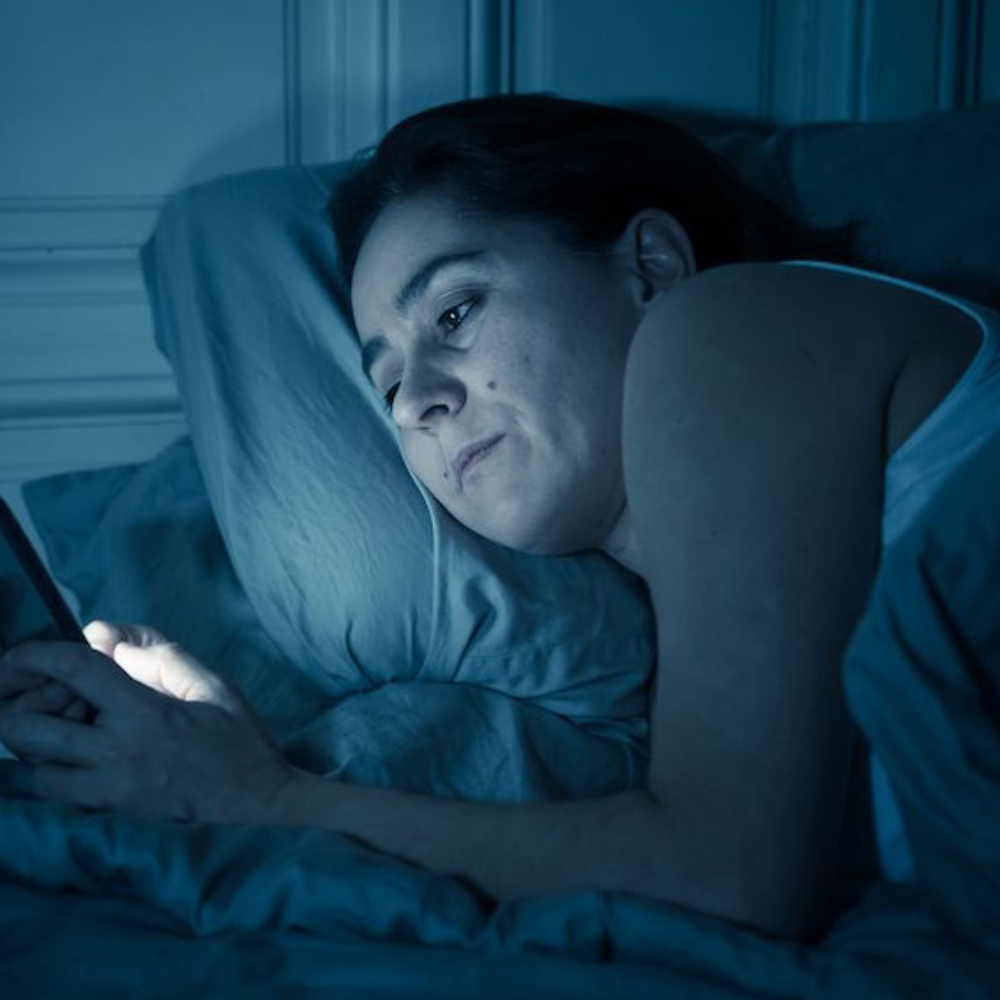
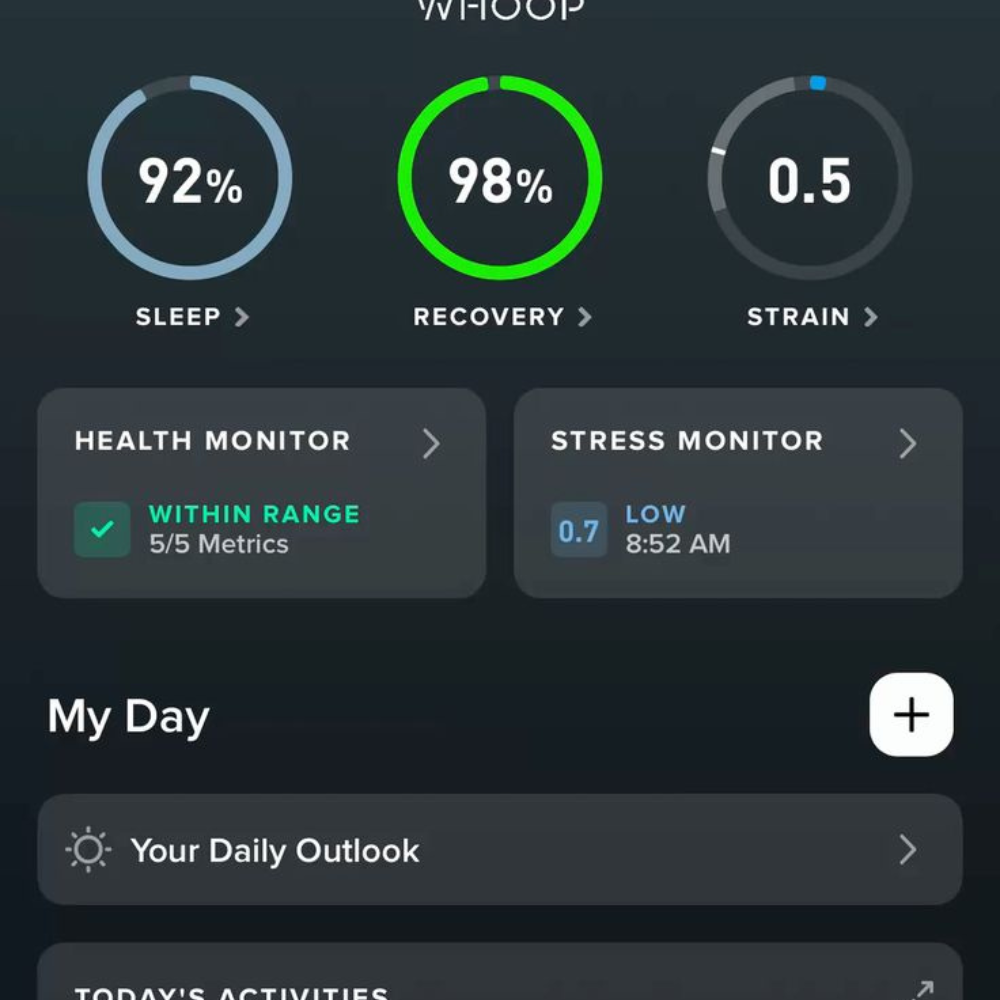
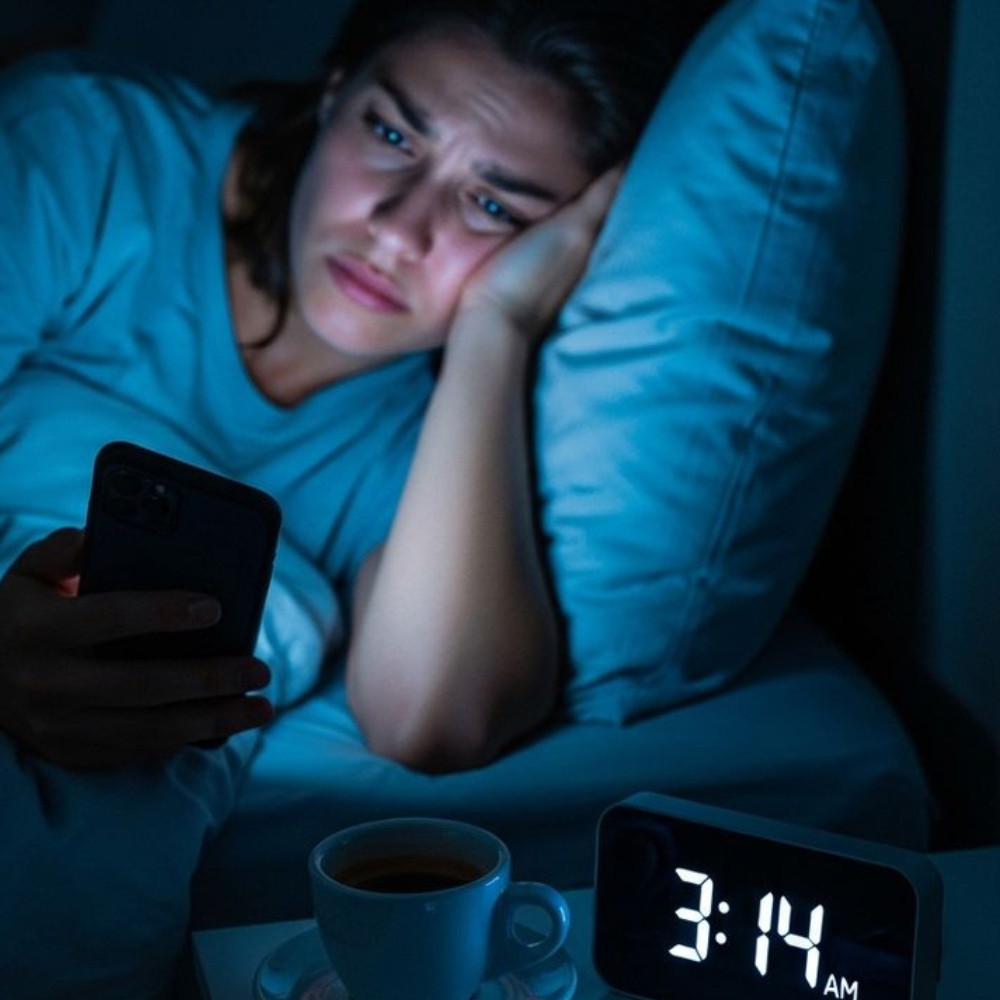
I'm a functional medicine physician, and last week a patient of mine canceled her sleep specialist referral. Not because she gave up. Because of something that happened during her follow-up appointment that I haven't seen in over a decade of practice. But before I tell you what happened in that room — I need to ask you something. Have you ever noticed that you don't actually want to go to bed? Not because you're not tired. You're exhausted. But you keep scrolling. Keep watching one more episode. Keep doing absolutely nothing productive, just... not going to sleep. Pushing bedtime later and later even though you know you'll regret it tomorrow morning. Your partner is already asleep. The house is quiet. You have to be up in six hours. And you're on your phone watching videos about absolutely nothing. Most people call that laziness. Bad habits. A discipline problem. I call it a symptom. Because after 14 years of treating chronic stress and sleep dysfunction, I can tell you exactly what's happening when your brain refuses to initiate sleep even when your body is begging for it. It's not that you don't want to sleep. It's that your brain has learned — at a deep, biological level — that going to bed doesn't actually give you rest anymore. So it stalls. It finds reasons to stay up. It reaches for the phone, the TV, the snack, anything that creates a tiny hit of reward to substitute for the restoration that sleep stopped providing months or years ago. Sleep researchers call this sleep procrastination. And it is not a willpower problem. It is what happens when your brain's sleep signal has been chemically blocked — when your nervous system is locked in a state of nighttime hyperarousal that makes lying down in a dark room feel like punishment — and your subconscious figures out that staying up until you physically crash is the only way to fall asleep at all. The body isn't broken. It's adapting to a broken signal. And the reason that signal is broken — the reason melatonin isn't being produced properly, the reason your brain is still running its threat-detection systems at midnight, the reason you lie awake staring at the ceiling even when you're desperate for sleep — that's what I need to tell you about. Because my patient figured it out. And what happened to her labs over ten weeks is one of the most striking things I've seen in fourteen years of practice. I've been treating chronic stress and sleep dysfunction for 14 years. I've seen every presentation, every severity level, every combination of symptoms that modern life produces in people who are running on empty. I can tell within the first ten minutes of a consultation what trajectory a patient is on. Last week, I couldn't. A patient came in expecting bad news. She'd been on my radar for two years with worsening sleep metrics, elevated cortisol markers, and a symptom cluster that had been expanding — not improving — despite everything we'd tried together. She was bracing for the conversation about the sleep specialist referral I'd been planning to make. I pulled up her latest labs and symptom journal. And I just… stopped. Her numbers looked different. Not worse. The opposite. Her evening cortisol had dropped significantly — the first decline in two years. Her sleep efficiency score, which she'd been tracking with a wearable, had gone from 54% to 79%. She reported zero 3am wake-up episodes in the past six weeks. Down from every single night for two years. Her anxiety score on the GAD-7 had dropped from an 11 to a 4. And the sleep procrastination she had described at every single appointment for eighteen months — that compulsive need to stay up scrolling until she physically crashed because lying down awake felt unbearable — she said it had almost completely stopped. She was going to bed when she was tired. And actually falling asleep. I looked at her. "What have you been doing differently?" "Nothing major. Just something I read about." I didn't believe her. "No new prescriptions? No therapy changes? No sleep protocol overhaul?" "Nothing like that. Just this one thing I've been taking for about ten weeks." I pulled up her previous assessments and compared them side by side. Her stress and sleep markers looked like they had reversed by three years. Her inflammatory indicators were dropping. I sat back. "I'm going to be honest with you. I don't think we need the sleep specialist referral anymore." She looked confused. "But my sleep — " "Your sleep metrics are better than they were when you first came to see me." Long pause. "So what do I do?" "Keep doing whatever you're doing. Because it's working better than anything I was about to recommend." She walked out. And I spent the rest of that week trying to understand what she knew that I didn't. Here's what bothers me. I've been in functional medicine my entire adult career. I know every intervention, every protocol, every tool that has legitimate evidence behind it. And I see the same pattern in my office every single day. People in their 40s and 50s whose stress response has stopped resetting properly. They fall asleep fine and snap awake at 3am with their heart pounding and their mind already racing through tomorrow's problems. Cortisol that should be at its lowest point in the evening is still elevated when they try to sleep. That constant low-grade anxiety that hums underneath everything — not a panic attack, just a baseline dread they can't shake and can't explain. That wired, buzzing feeling at night where the body is completely depleted but the brain will not stop. The nervous system stuck in the ON position when every cell in the body is begging it to shut down. And then the sleep procrastination. The staying up too late not because they want to — but because their subconscious has learned that lying down in a dark room with a hyperaroused nervous system is its own kind of torture. So the brain stalls. It finds something — anything — more tolerable than lying there wired and awake. The phone. The TV. The kitchen. Anything that delays the moment of lying down and waiting for sleep that may or may not come. That is not a screen addiction. That is a nervous system that has been chemically locked out of its own sleep signal — and has adapted its behavior around the broken pathway. Now here is what I need you to understand about timing. The neuroinflammation-melatonin blockade spiral does not stabilize on its own. It does not plateau at some manageable level and stay there. It progresses. Every month the inflammation runs, the suppression deepens. Your pineal gland's melatonin output drops a little further. Your nervous system's baseline shifts a little closer to the edge. The cortisol response that used to require a genuine stressor begins triggering at smaller and smaller provocations — because there is less and less melatonin available to buffer the impact. The sleep procrastination gets worse too. The longer the cycle runs, the more deeply your brain learns to associate bedtime with hyperarousal. The avoidance pattern reinforces itself. What started as occasionally scrolling late becomes a nightly ritual your nervous system insists on. The cycle compounds. That is its nature. The people who break it don't stop. Because they remember what they felt like before. The 3am wake-ups. The racing mind that wouldn't turn off. The anxiety that ran underneath everything. The exhaustion that no amount of sleep could touch. The hours lost every night to a phone in a dark room because going to bed felt like something to survive rather than something to look forward to. And they are not going back. Wellim does sell out — particularly in fall and winter when chronic stress accelerates, sleep quality deteriorates across the population, and the cortisol-neuroinflammation cycle intensifies for millions of people simultaneously. When it goes out of stock it tends to stay that way for weeks. Every order is backed by a 60-day money-back guarantee. Try it for a full month. If your sleep doesn't improve, if the 3am wake-ups don't ease, if the anxiety hum doesn't quiet, if you're still fighting yourself to go to bed at a reasonable hour — every dollar comes back to you. No friction. No questions. But if it works the way it worked for my patient? The way it worked for me? You will wonder why it took this long for someone to build a product around breaking this cycle instead of just managing its symptoms one prescription at a time. The medical system manages this spiral. It does not break it. There is no drug for what is fundamentally a neuroinflammatory blockade of the brain's own sleep signal. You have to break it yourself. And right now — with up to 55% off and a full 60-day guarantee — you have every reason to try and no reason not to. 👉 https://trywellim.com/
Like this ad? Make it yours.
Crush rebuilds this exact creative around your product — your brand, your colors, your offer — in about a minute.