Emma Taylor
Emma Taylor Facebook ad: “The Real Reason Your Migraines Keep Coming Back (It’s Not…”
Ran for 33 days, from January 21 to February 23, 2026, the last day Crush saw it.
Run by Emma Taylor on Facebook. Crush is not the advertiser and does not verify its claims. See this ad in Meta's Ad Library(opens in a new tab)
Want an ad like this for your product?
Crush makes new ad images for your product from this ad: your logo, your product photo, your offer.
Trials from $19.95 USD, then $79.95 USD a month. Cancel anytime.
About this ad
- Meta Ad Library ID
- 1202658148688409
- Platforms
- Facebook, Instagram, Audience Network, Messenger and Threads
- Relaunches
- 0
- Niche
- AI & Software
Ad text
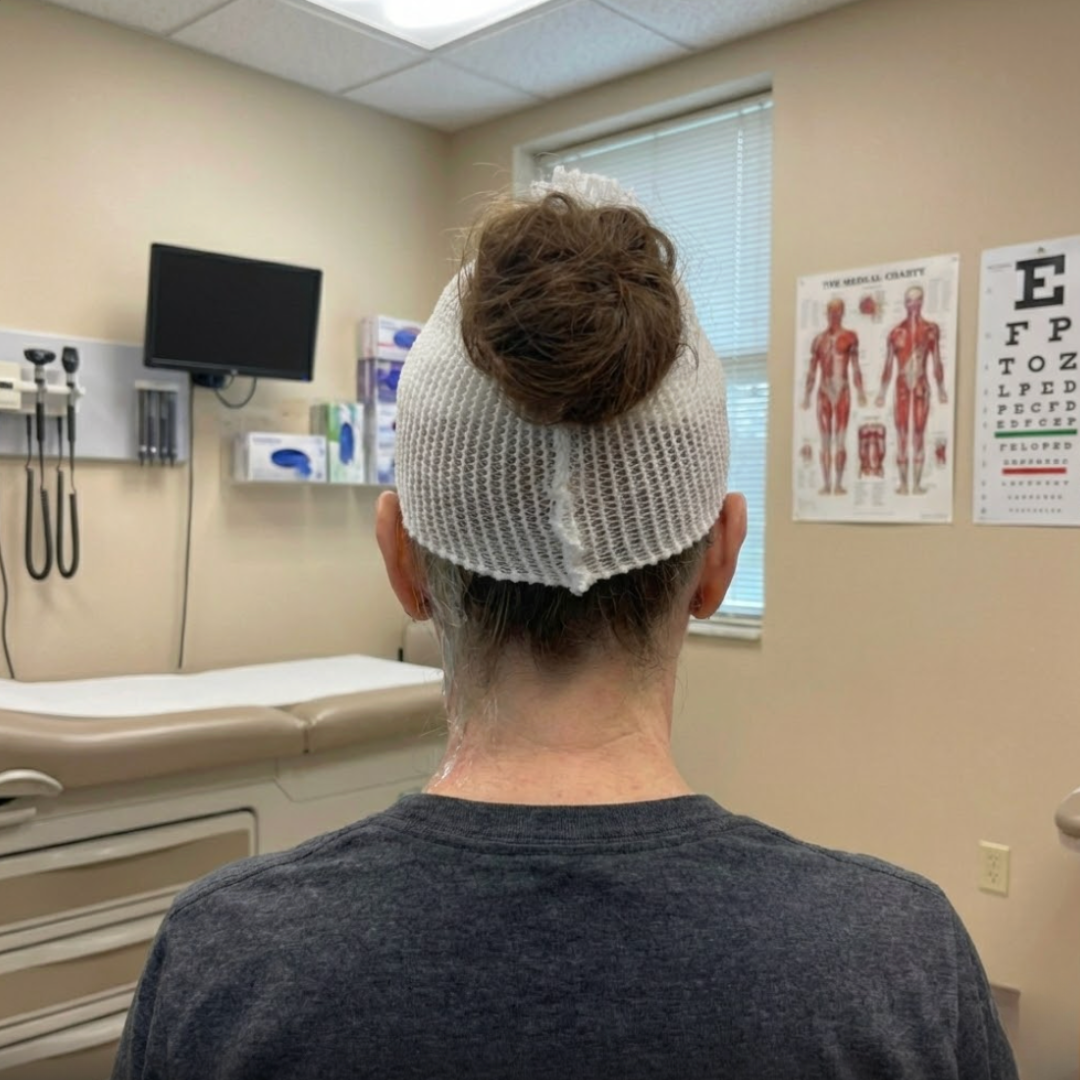
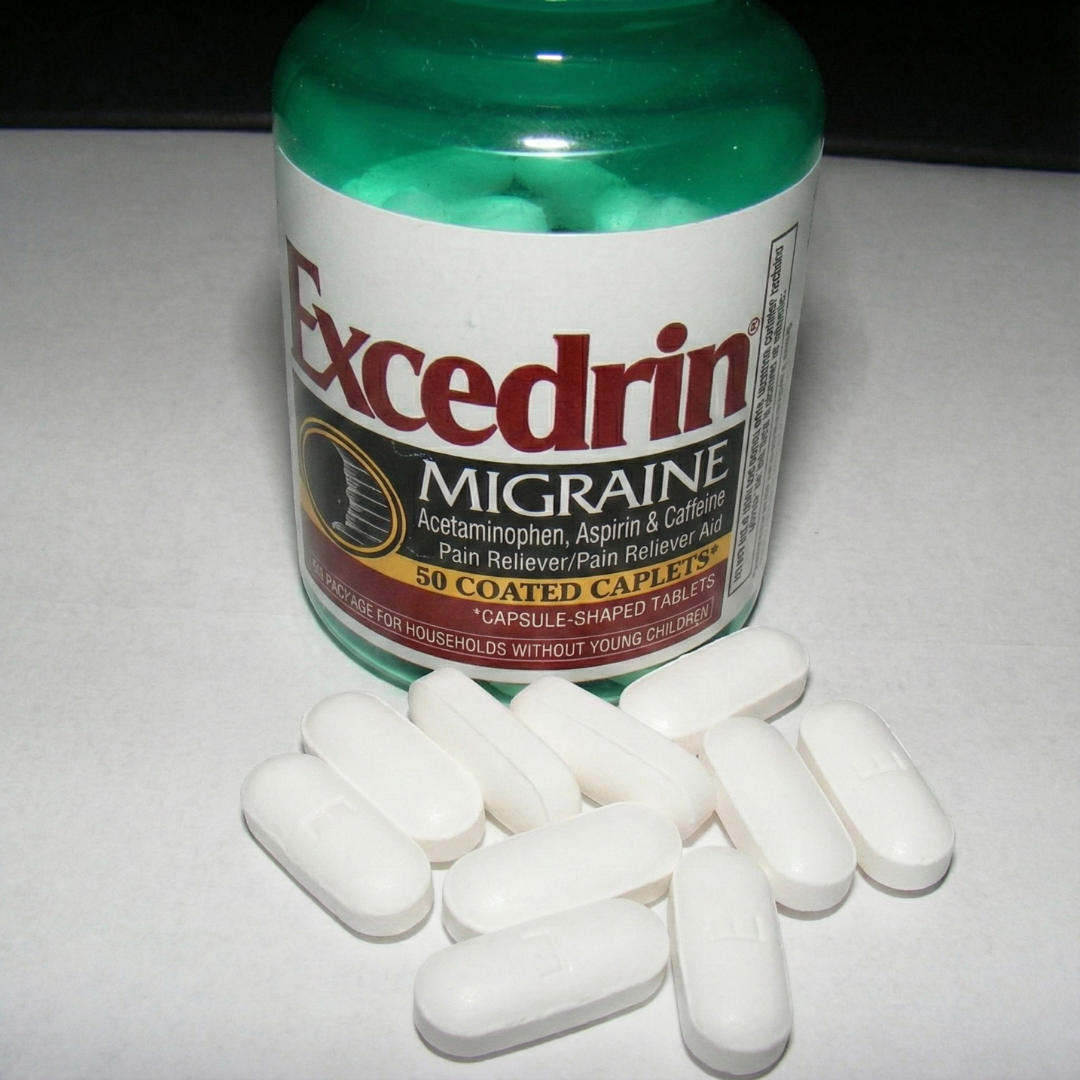
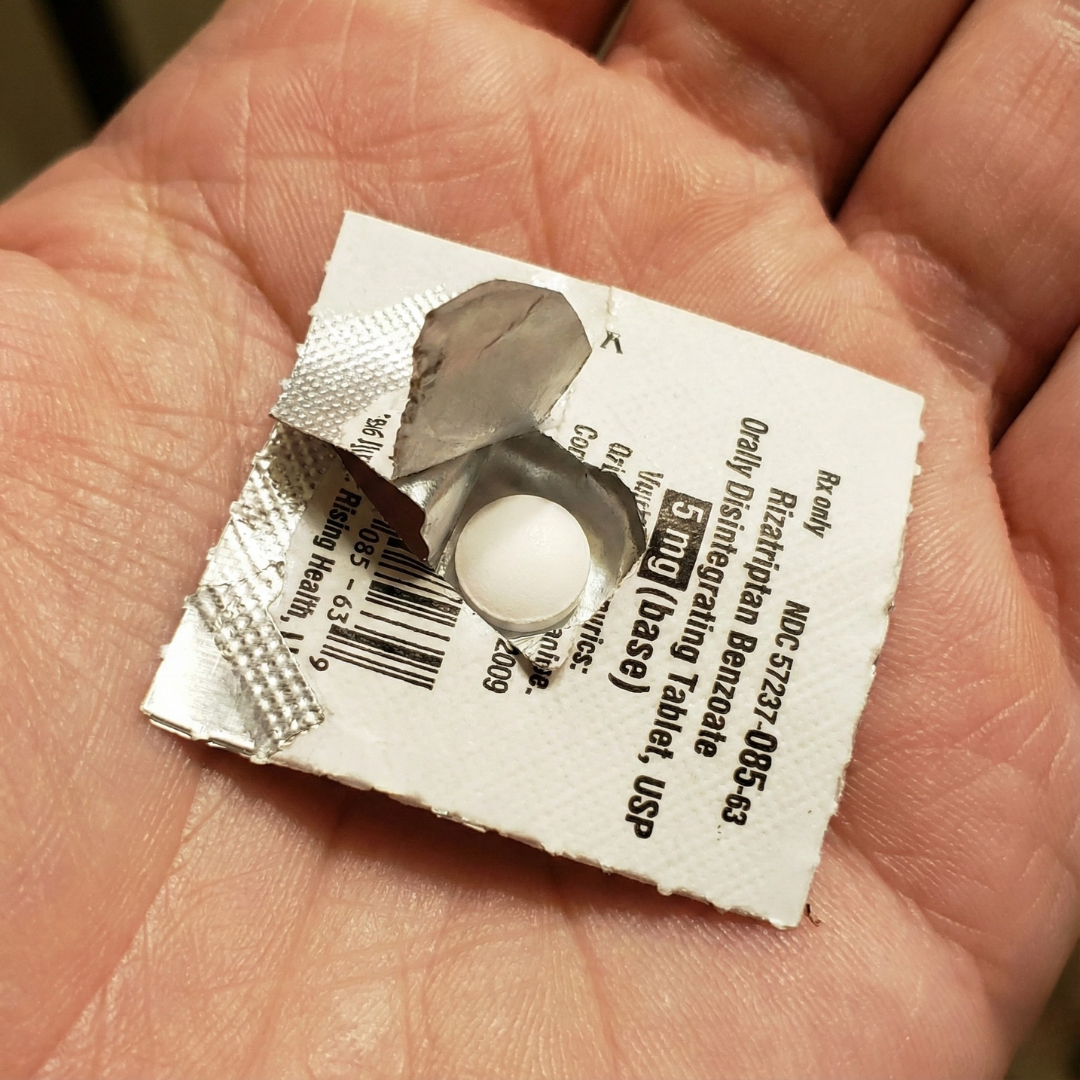
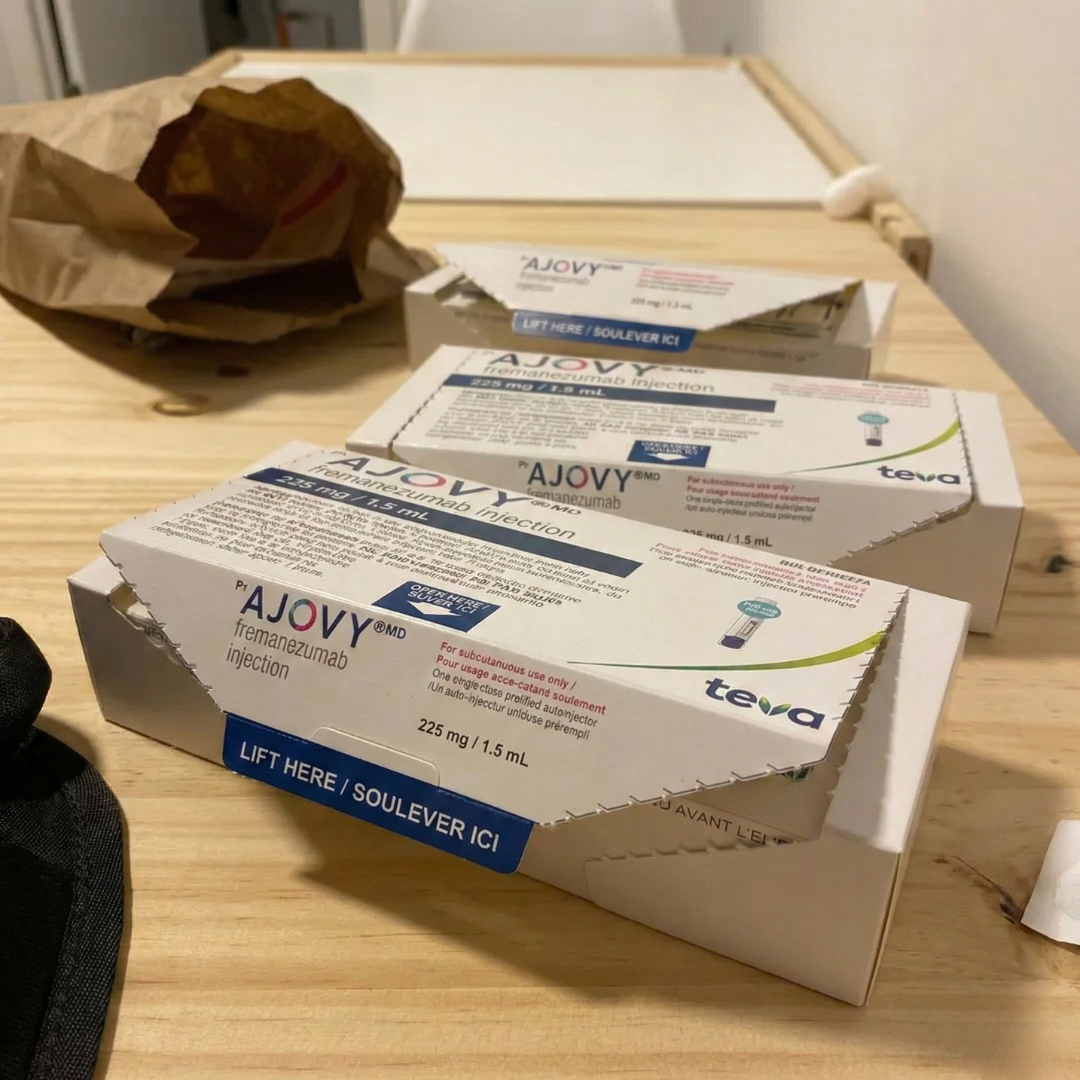
After being fired by three neurologists and trying 62 different treatments, I learned something that made me want to scream: I was never "treatment resistant." I was just treating the wrong thing. Every morning, I wake up and do the same thing. I check. Eyes still closed. Is it there? It's always there. I open my headache tracking app before I even sit up. Day 3,847. Level 6. Again. My husband stopped asking how I feel years ago. I stopped telling the truth anyway. "I'm managing." That's what we say now. Not "fine." Not "better." Managing. The doctors called me "treatment resistant." Like I chose this. Like my body is refusing to cooperate on purpose. I laid there this morning staring at over ten years of data on my phone. Every single day logged. Pain levels, triggers, medications, CGRP blocker doses, weather patterns. Everything documented. And I still wake up exactly the same. I've tried everything they told me to try. Topamax made me unable to think. Couldn't find words. Couldn't do my job properly. Still had the migraines. Then Propranolol. Then Amitriptyline. Then combinations of four medications at once. Each one promising to be "the breakthrough." Botox was supposed to be the answer. Six rounds of injections. Seventy-eight needles every three months. I kept going back even though nothing changed because what else was I going to do? Then came the CGRP blockers. The "newest generation" of migraine treatment. Vyepti. Nurtec. Qulipta. Finally, something worked. For eight months, I went from Level 7 days to Level 3 days. I thought I'd found my answer. Then they stopped working. The migraines crept back. Slowly at first. Then completely. My neurologist increased the dose. Switched me to a different CGRP. Added backup abortives. Nothing. My body adapted. Figured out the trick. I tried upper cervical chiropractic. Three different physical therapists. Pain reprocessing therapy. Ketamine infusions. The twelve-day inpatient stay at the headache clinic cost me everything. My vacation days. My savings. My hope. They ran every test. Tried medication combinations I can't even pronounce. Spinal taps. Nerve blocks that left me crying in the parking lot. On day ten, the neurologist told me I was "one of the most complex cases" he'd seen. "Highly refractory." Medical language for "we don't know what to do with you." I came home and updated my spreadsheet. Treatment #62: Failed. My third neurologist fired me last year. Said I was "non-compliant" because I refused another SSRI after the last one made me suicidal. My family thinks I'm not trying hard enough. My friends stopped inviting me places around year five. I don't even explain anymore. How do you tell someone you've tried 62 different treatments—literally everything modern medicine offers—and you're still waking up in pain? So I kept tracking. Because I didn't know what else to do. Maybe if I logged enough data, someone would finally see the pattern I couldn't. But every morning, I just wake up and check. And it's always still there. It wasn't until year eleven that someone finally asked the right question. Not a neurologist. Not a headache specialist. Not the CGRP rep pushing higher doses. A physical therapist I almost didn't go see—because I'd already "tried PT twice." She looked at my neck for thirty seconds and asked me one question: "What pillow do you use?" I actually laughed. A bitter, exhausted laugh. I told her I'd tried seven different pillows. Memory foam. Cervical pillows. Expensive orthopedic ones. The pillow marketed specifically for migraines. She shook her head. "They're all doing the same thing. For eight hours every night, your head sits at an angle that compresses the nerves running from the base of your skull into your head. You wake up with those nerves already inflamed. Already primed for the migraine response." I stared at her. "Every medication you've tried—every CGRP blocker, every injection, every preventative—they're all trying to manage inflammation during your waking hours." "But the mechanical compression is happening while you sleep." "You're spending sixteen hours a day medicating what eight hours of cervical misalignment keeps causing." That was the first time in eleven years anyone had explained it like that. "Your CGRP blockers worked at first because they blocked the protein cascade. But they can't fix mechanical nerve compression. No drug can." "And your body adapted to the CGRPs because you were still compressing those nerves every night. The medication was fighting a battle it could never win." She told me about a medical-grade cervical support pillow. Not the consumer ones that are just shaped memory foam. An actual therapeutic device designed by physical therapists to maintain proper cervical alignment and decompress the occipital nerve pathways. The one she used in her clinical practice was called VitaSleep. "It's not like the pillows you've tried. Those collapse under your head's weight or force your neck into unnatural angles. This one uses a contoured butterfly design that cradles the head while supporting the natural curve of the cervical spine. Side grooves allow the shoulders to settle naturally." "The medical-grade adaptive foam holds its shape all night. Doesn't flatten. Doesn't shift. It keeps your head, neck, and spine in neutral alignment during the hours when your body should be recovering—not accumulating inflammation." I didn't believe her. How could a pillow fix what Vyepti and 62 other treatments couldn't? But she explained it differently. "You don't have a medication problem. You have a mechanical problem no medication can solve." "CGRP blockers reduce inflammation. But they can't stop eight hours of nightly nerve compression from creating new inflammation." "That's why they worked temporarily—you were reducing inflammation during the day. But every night, you were creating more." "You were trying to bail out a boat without plugging the hole." I ordered it that night. Not because I believed it would work—I'd stopped believing anything would work around year seven. I ordered it because I had nothing left to try. And because I was so angry I wanted to scream. Angry that in eleven years and 62 treatments, not one doctor had asked me about the eight hours I spent unconscious every night. It arrived three days later. I took it out of the box and just looked at it. The butterfly contour. The side grooves. The firm, medical-grade foam. It looked so... simple. How could something this simple fix what 62 treatments couldn't? The first night felt strange. My head rested higher than I was used to—but not uncomfortably. My neck settled into the curve naturally. I could feel the support immediately. My shoulders dropped into the side grooves without me forcing anything. I woke up at 2 AM out of habit. That's usually when the pressure starts building behind my eyes. Nothing. I waited. Did my mental scan. Still nothing. I fell back asleep—something I almost never do when I wake up during the night. When my alarm went off at 6:30 AM, I did my check. Eyes closed. Scanning for the familiar ache. Level 2. Maybe even a 1. I opened my app. Day 3,848. For the first time in eleven years, I logged a number below 3. The first week, I thought maybe I was imagining it. But by day seven, I hadn't reached for an abortive once. Not once. By week three, I woke up without that familiar pressure behind my eyes. My neck felt loose for the first time in eleven years. My head felt clear. I cried. Not because the migraines disappeared completely—I still get them occasionally, and I probably always will. But they're not waiting for me every single morning anymore. That was seven months ago. I still track my headaches. But now the numbers look different. Most mornings are 0s and 1s. Occasionally a 2 or 3 during barometric pressure changes or high stress. But never a 6. Never a 7. Never waking up already defeated. I went to a full-day outdoor event last month. Sat in the sun for six hours. Didn't need my tinted migraine glasses. Didn't need to leave early. Didn't spend the next day recovering in a dark room. My husband asked me last week how I was feeling. I realized he'd started asking again. And I realized I'd started telling the truth. "I'm actually good." Not "managing." Good. I'm not "treatment resistant." I never was. I was just treating inflammation while ignoring what kept causing it every single night. The CGRP blockers didn't fail me. They did exactly what they were designed to do—block the protein cascade. But they can't fix a mechanical problem. No drug can. If you've been tracking your headaches for years... If you've tried CGRP blockers that worked at first then stopped... If doctors have used words like "refractory," "treatment-resistant," or "complex case"... If you've been fired by neurologists, denied by insurance, or told you're "non-compliant"... I need you to consider something. What if you're not broken? What if you're not resistant? What if every treatment failed because they were all trying to manage inflammation—not prevent the nightly mechanical compression causing it? You can't medicate away a positional problem. You can't inject your way out of eight hours of cervical nerve compression. You can't CGRP-block your way past a pillow that's misaligning your spine every single night. The VitaSleep Migraine Pillow addresses what's happening during the hours you can't control—the hours when your body should be healing, not accumulating the nerve inflammation you'll spend all day managing. It's a medical-grade cervical positioning device designed to maintain proper spinal alignment and decompress the occipital nerve pathways during sleep. You've spent years trying everything else. You've tried 47 treatments, 62 treatments, maybe more. Maybe it's time to fix the eight hours no one ever asked you about. Visit vitasleeps.com/products/vitasleep-migraine-pillow and see if this is the mechanical solution you've been missing while chasing medical ones. You deserve to stop checking every morning. You deserve to stop "managing." You deserve to just wake up.
Where the ad sends people
vitasleeps.com
The Real Reason Your Migraines Keep Coming Back (It’s Not What You Think)
If you're still getting migraines after trying everything, there's something your doctor probably never asked you about: how you sleep.We keep blaming hormones, stress, food triggers… but here's what nobody's telling you: while you're chasing those triggers, your neck's been compressed for 8 hours...
Learn more: vitasleeps.com(opens in a new tab)