Emma Taylor
Emma Taylor Facebook ad: “The Real Reason Your Migraines Keep Coming Back (It’s Not…”
Ran for 58 days, from January 10 to March 9, 2026, the last day Crush saw it.
Run by Emma Taylor on Facebook. Crush is not the advertiser and does not verify its claims. See this ad in Meta's Ad Library(opens in a new tab)
Want an ad like this for your product?
Crush makes new ad images for your product from this ad: your logo, your product photo, your offer.
Trials from $19.95 USD, then $79.95 USD a month. Cancel anytime.
About this ad
- Meta Ad Library ID
- 25636681045996101
- Platforms
- Facebook, Instagram, Audience Network, Messenger and Threads
- Relaunches
- 0
- Niche
- AI & Software
Ad text
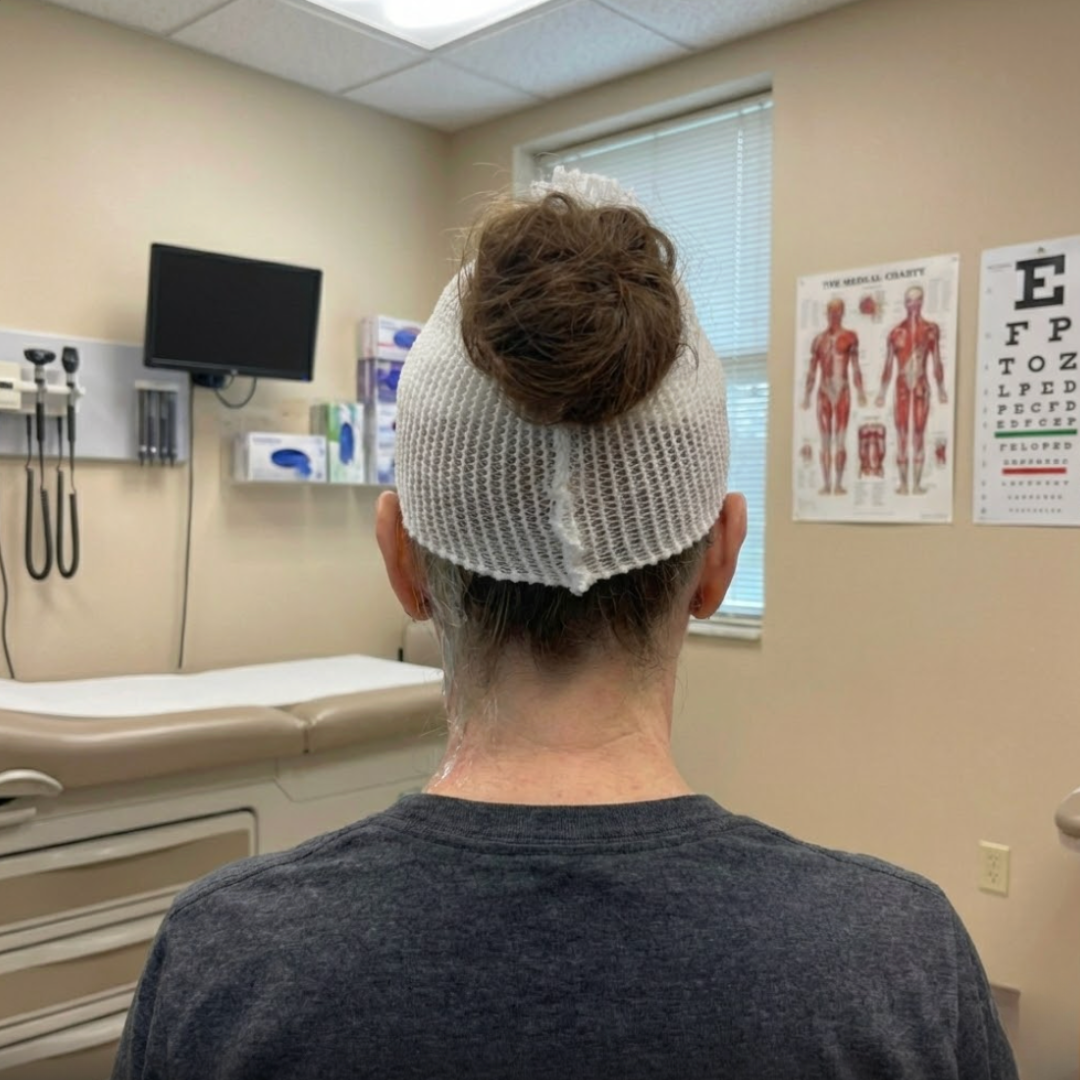
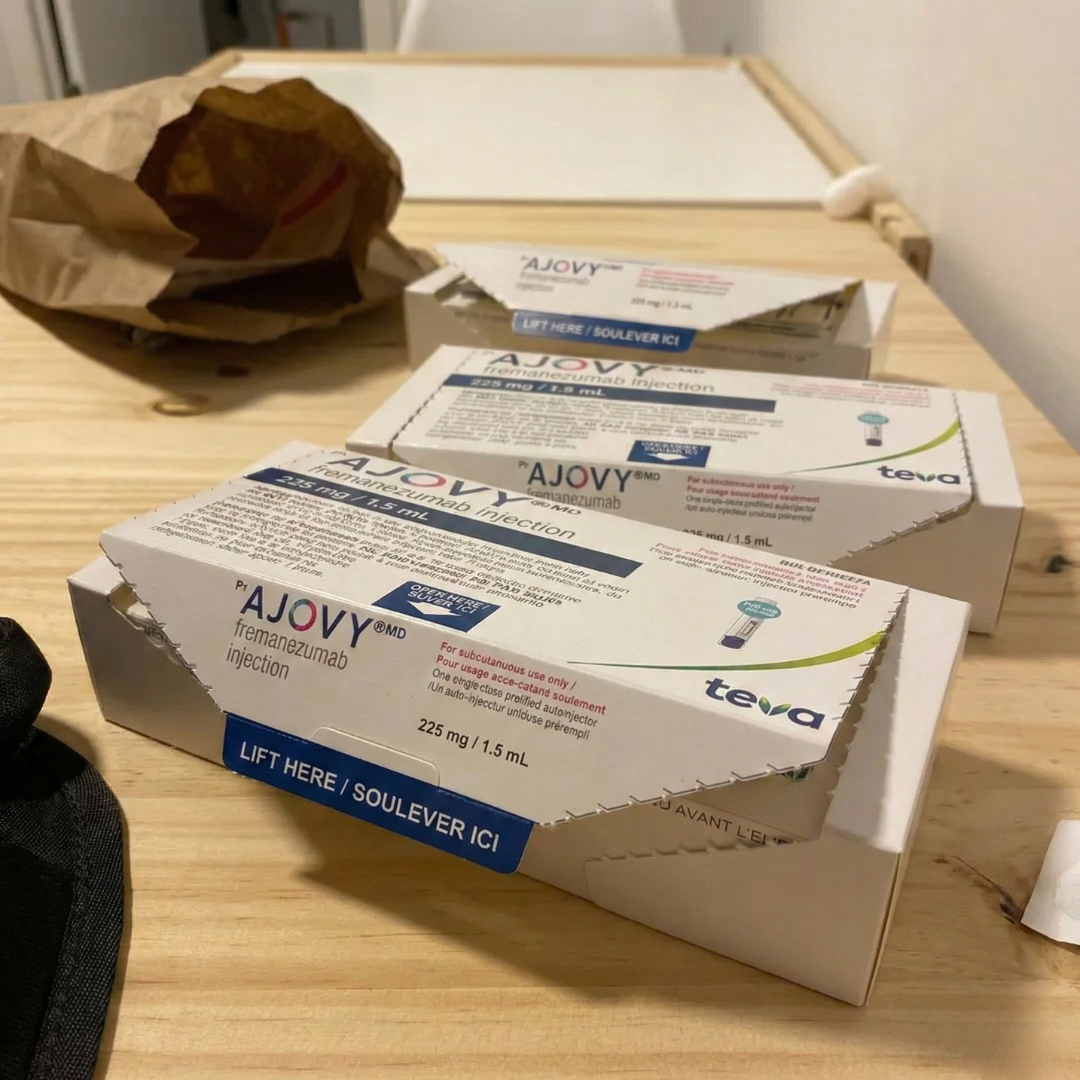
I tracked my headaches for 2,920 days. It took me eight years to realize I was tracking the symptom — not the source. I don’t know what’s wrong with me. Every morning, I wake up and do the same thing. Eyes still closed. I check. Is it there? It’s always there. I open my headache tracking app before I even sit up. Day 2,920. Level 7. Again. My husband stopped asking how I feel. I stopped telling the truth years ago anyway. “I’m fine.” What else is there to say? The doctors called me “resistant to treatment.” Like I’m choosing this. Like my body is refusing to cooperate on purpose. I lay there this morning staring at eight years of data on my phone. Every single day logged. Pain levels. Triggers. Medications. Sleep quality. Weather patterns. Everything documented. And I still wake up exactly the same. The first neurologist put me on Topamax. It made me feel slow. I couldn’t find words. Couldn’t think clearly. The headaches stayed. Then Propranolol. Then Amitriptyline. Then combinations of three medications at once. Each one promised to be “the one.” None of them were. Botox was supposed to be the answer. Five rounds of injections. Seventy-eight needles in my face, head, neck, and shoulders every three months. I kept going back even though nothing changed. Because what else was I going to do? The twelve-day inpatient stay at the headache clinic cost me everything. My vacation days. My savings. My hope. They ran every test. Tried medication combinations I can’t even pronounce. Spinal taps. Nerve blocks that left me crying in the parking lot. On day eleven, the doctor told me they’d never encountered a patient like me. “Resistant to everything we’ve tried.” I came home and added it to my spreadsheet. Treatment #47: Failed. My family thinks I’m not trying hard enough. My friends stopped inviting me places around year three. I don’t even try to explain it anymore. How do you tell someone you’ve done everything — literally everything — and you’re still waking up broken? So I kept tracking. Because I didn’t know what else to do. Maybe if I logged enough data, someone would finally see the pattern I couldn’t. But every morning, I just wake up and check. And it’s always still there. It wasn’t until month ninety-seven that someone finally told me the truth. Not a neurologist. Not a headache specialist. A physical therapist I almost canceled on — because I’d already “tried physical therapy.” She looked at my neck for less than a minute and asked me one question: “What pillow do you use?” I laughed. I told her I’d tried six. Memory foam. Cervical pillows. Expensive ones. Cheap ones. Cooling ones. She shook her head. “They’re all doing the same thing,” she said. “For eight hours every night, your head is sitting at an angle that compresses the nerves running from your neck to your head.” “You’re waking up with those nerves already irritated. Already triggering the migraine response.” I just stared at her. “Every medication you’ve tried,” she continued, “every injection, every treatment — they’re all trying to manage what happens during the day.” “But the stress is happening while you sleep.” “You’re spending sixteen hours a day trying to undo what eight hours on the wrong pillow keeps doing to your neck.” That was the first time anyone had ever explained it like that. She told me about a medical-grade cervical support pillow — a non-invasive, drug-free wellness solution designed to maintain the natural curve of the neck during sleep and reduce unnecessary pressure on surrounding nerves. Not the lumpy memory-foam pillows marketed as “cervical.” An actual therapeutic support design used in physical therapy settings. The one she recommended was called VitaSleep. “It’s not like the pillows you’ve tried,” she said. “Those collapse during the night or force your neck into unnatural angles.” “This one uses a contoured butterfly design that cradles the head while supporting the cervical spine. Side grooves allow the shoulders to settle naturally. The structure is designed to maintain alignment whether you sleep on your back or your side.” I didn’t believe her. How could a pillow help when medications, injections, and clinics couldn’t? But she explained it differently. “You don’t have a medication problem,” she said. “You have a mechanical one.” “No drug can undo eight hours of nightly nerve compression.” “You have to stop the pressure from happening in the first place.” The adaptive support foam is designed to hold its shape throughout the night. It doesn’t flatten. It doesn’t shift. It keeps the head, neck, and spine aligned during the hours when the body should be recovering — not being stressed. I ordered it that night. Not because I believed it would work. I stopped believing anything would work years ago. I ordered it because I had nothing left to try. It arrived three days later. I took it out of the box and just looked at it. The butterfly shape. The contours. It looked almost too simple. How could something this simple matter after eight years of failure? The first night felt different. My head rested higher than I was used to — but comfortably. My neck settled naturally into the curve. My shoulders dropped into the side grooves without forcing anything. I woke up at 3 a.m. out of habit. Usually that’s when the pressure starts building. Nothing. I waited. Still nothing. I fell back asleep — something I almost never do once I wake up. When my alarm went off at 7 a.m., I did the check. Eyes closed. Scanning. Level 3. Maybe even a 2. I opened my app. Day 2,921. For the first time in eight years, I logged a number below five. That was four months ago. I still track my headaches. But now the numbers look different. Most mornings are zeros and ones. Occasionally a three or four during bad weather or high stress. But never an eight. Never waking up already defeated. I went to my kids’ soccer game last weekend. Sat in the sun for two hours. No ice mask afterward. No dark room recovery. My husband asked me yesterday how I was feeling. I realized he’d started asking again. And I realized I’d started telling the truth. “I’m actually fine.” I’m not “resistant to treatment.” I never was. I was just treating the wrong eight hours. If you’ve been tracking headaches for months or years… If doctors have used words like chronic, resistant, or we’ve tried everything… If you wake up every morning doing the same check I did — I need you to consider something. What if you’re not broken? What if every treatment failed because they were all trying to manage symptoms — not prevent the nightly mechanical stress causing them? You can’t medicate away a mechanical problem. You can’t inject your way out of eight hours of nerve pressure. You can’t “push through” a pillow that’s putting your neck in the wrong position every single night. The VitaSleep Migraine Pillow is designed to support proper cervical alignment during sleep — addressing what happens during the hours you can’t control. The hours when your body should be healing. You’ve spent years trying everything else. Maybe it’s time to fix the eight hours that matter most. Visit https://vitasleeps.com/products/vitasleep%E2%84%A2-migraine-pillow and see if this is the mechanical solution you’ve been missing while chasing medical ones. You deserve to stop checking every morning. You deserve to just wake up.
Where the ad sends people
vitasleeps.com
The Real Reason Your Migraines Keep Coming Back (It’s Not What You Think)
If you're still getting migraines after trying everything, there's something your doctor probably never asked you about: how you sleep.We keep blaming hormones, stress, food triggers… but here's what nobody's telling you: while you're chasing those triggers, your neck's been compressed for 8 hours...
Learn more: vitasleeps.com(opens in a new tab)