Dr Barbara Carol
Dr Barbara Carol Facebook ad: “$800 worth of failed products in the trash”
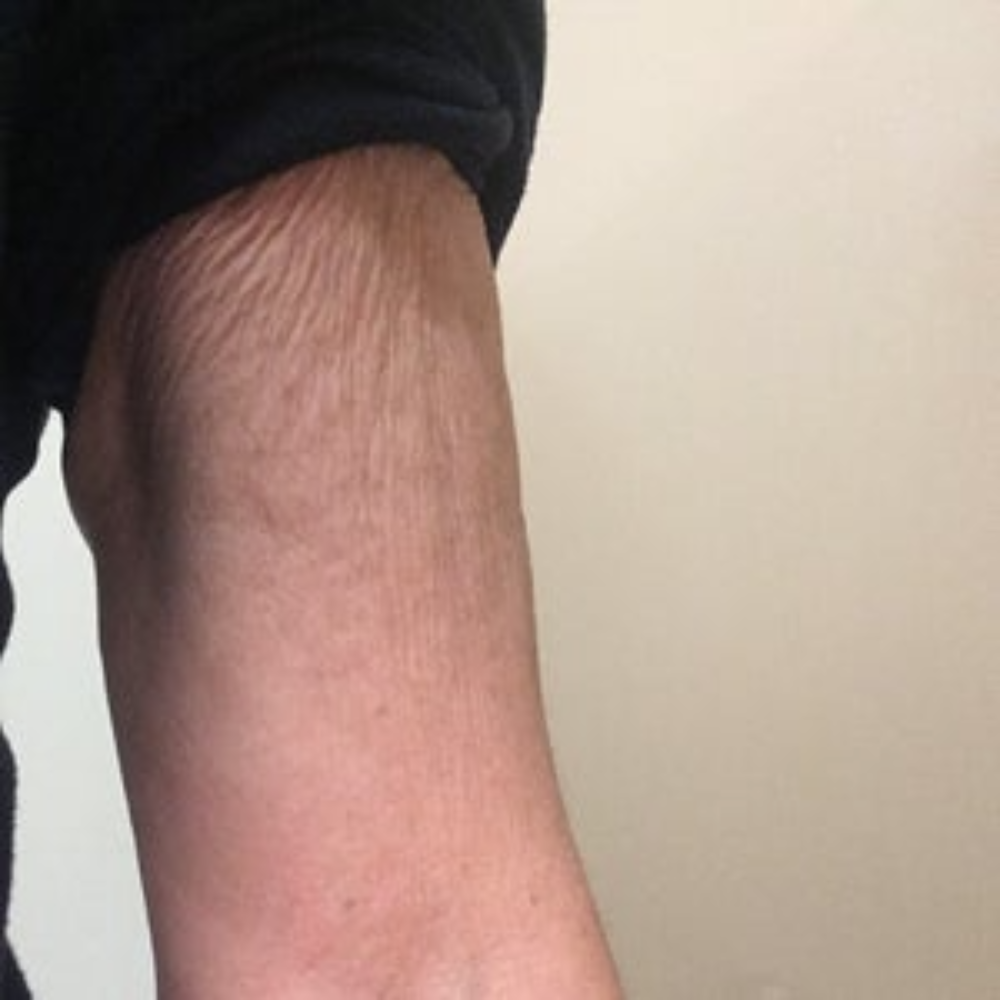
Ran for 83 days, from December 26, 2025 to March 19, 2026, the last day Crush saw it.
Run by Dr Barbara Carol on Facebook. Crush is not the advertiser and does not verify its claims. See this ad in Meta's Ad Library(opens in a new tab)
Want an ad like this for your product?
Crush makes new ad images for your product from this ad: your logo, your product photo, your offer.
Trials from $19.95 USD, then $79.95 USD a month. Cancel anytime.
About this ad
- Meta Ad Library ID
- 1205322151714701
- Platforms
- Facebook, Instagram, Audience Network, Messenger and Threads
- Relaunches
- 4
- Niche
- Skincare & Beauty
Ad text
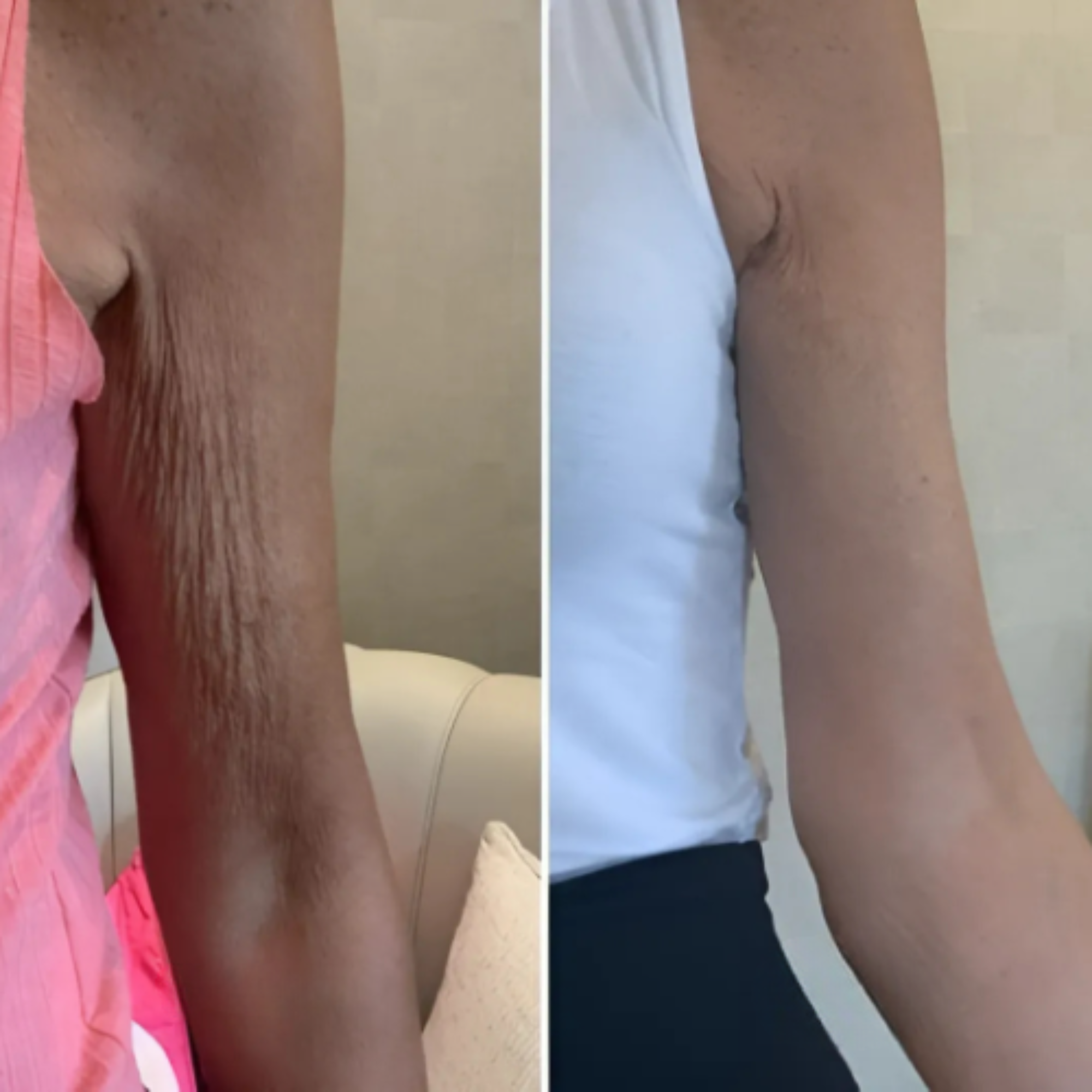
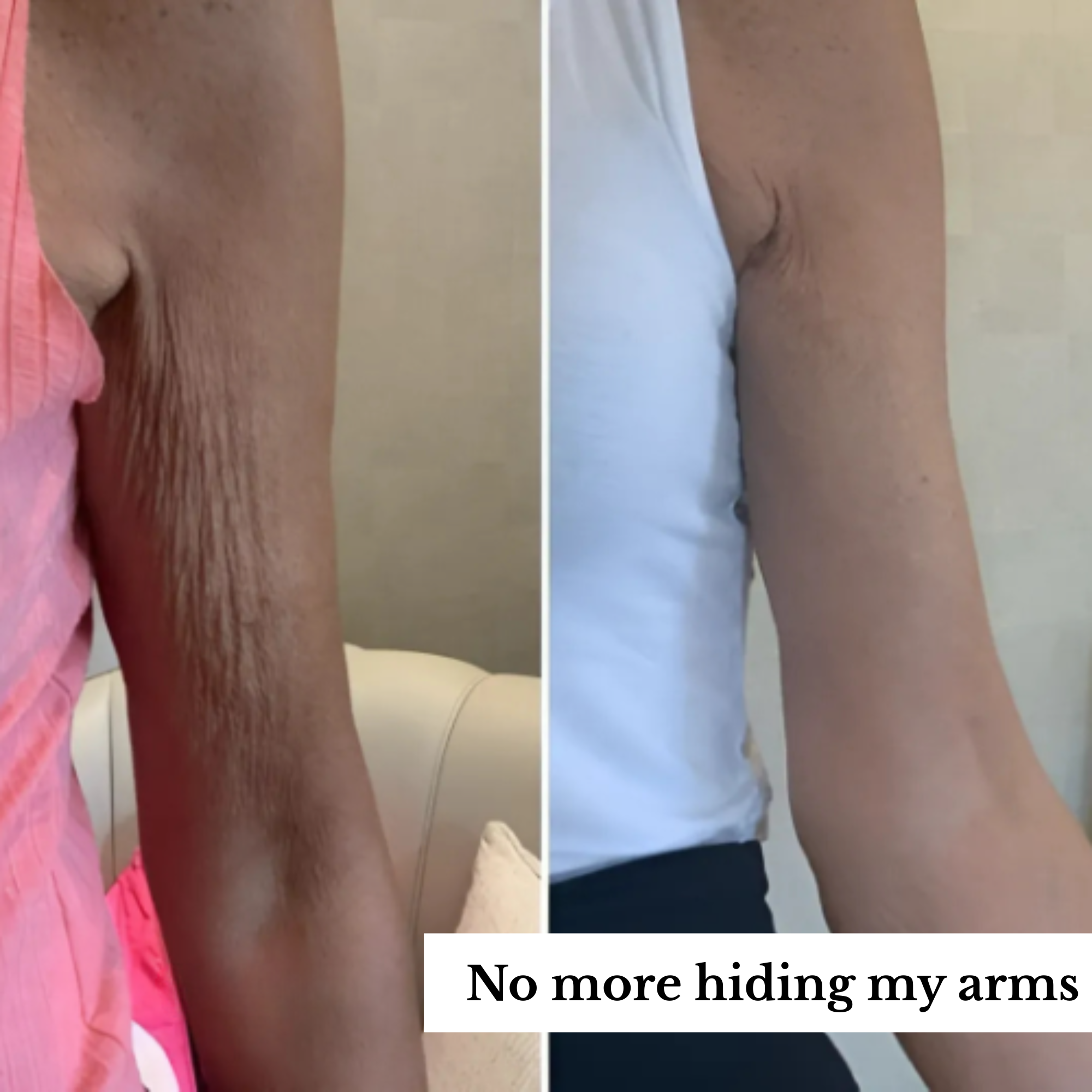
After 19 years as a dermatologist, a French skin specialist showed me why my crepey arm treatments never worked—and why American doctors are 10 years behind. My name is Dr. Barbara Carol. Board-certified dermatologist. Nineteen years treating post-menopausal skin conditions. Over 2,400 patients. And for most of those 19 years, I did exactly what I was trained to do: Prescribe tretinoin for crepey arms. Recommend microneedling sessions. Sell medical-grade peptide serums. Standard protocol. Evidence-based care. What every American dermatologist does. Until my own arms changed overnight at 58. And everything I'd been prescribing failed on me. The Pattern I Couldn't Ignore After my arms changed, I started really looking at my patients who came in with suddenly crepey skin. Women whose arms changed in 3-6 months. Not gradually over years. Suddenly. I prescribed them the standard American protocols: Michelle, 61: Prescription tretinoin + three rounds of microneedling + medical-grade firming serum. $4,300 spent over 14 months. Her arms looked worse than when she started. Patricia, 58: Everything I recommended. $3,800 spent. Her arms still crepey. She stopped coming to appointments. Jennifer, 57: Full treatment protocol. $5,200 over 18 months. Zero improvement. Every single one followed my instructions perfectly. Every single one still had crepey arms. That's not a patient compliance problem. That's a treatment failure problem. And it was my failure. Then I Went to Paris September 2023. International Dermatology Symposium. During a coffee break, I met Dr. Anne Beaumont—a 72-year-old French esthetician who'd spent 40 years specializing in post-menopausal skin. She had the most beautiful arms I'd seen on a woman over 70. Smooth. Elastic. No crepey texture. I couldn't help myself. "What do you use?" She smiled. "May I see your arms?" I hesitated. Because my own arms had changed 15 months earlier. I'd tried every treatment I prescribed to patients. Nothing worked on me either. I pulled up my sleeve. She gently pressed her thumb into my upper arm. The indent stayed there. Four full seconds. "Dr. Barbara, when did this start?" "About fifteen months ago. I've tried everything—" She cut me off. "You've tried everything American dermatologists prescribe. But American protocols are designed for gradual aging. What you have is sudden hormonal collapse. Completely different mechanism. And your treatments cannot reach it." She pulled out her phone and showed me before-and-after photos from her practice in Paris. The before photos looked exactly like my arms. And Michelle's. And Patricia's. And Jennifer's. The after photos looked like their arms from two years ago. "European dermatologists figured this out in 2015. Your American protocols are treating the epidermis—the surface layer. But sudden hormonal collapse happens in the dermis—4-5 millimeters deep. Your creams cannot penetrate that far. Your tretinoin cannot reactivate dormant fibroblasts. You're treating the wrong layer with the wrong mechanism." She Drew Three Circles on a Napkin "Women who reverse sudden hormonal collapse do three things at once. Not one. Not two. All three. At the dermal layer where the collapse actually happened." Circle 1: Deep Penetration "Your creams are 85-95% water. They sit on the epidermis. The collapse is in the dermis—4-5mm deep. Only pure plant oils with molecular weight under 400 Daltons can penetrate that far. American dermatologists don't use oils. They use creams. Wrong delivery system entirely." Circle 2: Fibroblast Reactivation "Sudden hormonal shifts cause your fibroblasts—collagen-producing cells—to go dormant. Not slowly declining like gradual aging. Dormant. Shut down. Your peptides cannot wake them up. You need specific botanical compounds that signal dormant cells to restart. Wakame seaweed. White Lupin extract. Açaí. European studies show these increase fibroblast activity by 340% in hormonally-shocked tissue." Circle 3: Structural Protection "When you finally wake those dormant cells and they start producing collagen again, that new collagen is extremely fragile. In hormonally-collapsed tissue, without dermal-layer antioxidants—Vitamin E, Passionfruit seed oil, Babassu—it breaks down the same day you build it. You're rebuilding and losing it in a 24-hour cycle. Your patients never improve because they can't protect what they're building." "All three. Simultaneously. Every application. That's what European dermatologists learned in 2015. American dermatologists are still prescribing 2005 protocols." Then she said something that made my blood run cold. "You have approximately 18-24 months from onset where those dormant fibroblasts can still be reactivated. After that, they adapt to the dormant state. Even this protocol faces much harder odds. You're at month 15 now. You probably have 6-9 months left in your optimal window." I Flew Home and Locked Myself in My Office I pulled every patient file with "sudden-onset crepey skin" from the past five years. Every woman whose arms had changed in 3-6 months rather than years. Every woman I'd prescribed American standard protocols to. The results were devastating: 37 women total. Average spent per patient: $3,800. Success rate: 11%. 11 percent. I had an 89% failure rate treating sudden hormonal collapse with American standard protocols. Because I was treating gradual aging when they had acute structural emergency. I was prescribing surface treatments for a problem happening 4-5mm deep. I was using peptides that cannot wake dormant cells. I'd been doing it wrong for 19 years. Why American Dermatologists Are 10 Years Behind It's not a conspiracy. It's not that we don't care. It's three simple reasons: Reason 1: We're trained on American pharmaceutical research American dermatology conferences are sponsored by pharmaceutical companies. The research we see, the studies we read, the protocols we learn—they're funded by companies selling tretinoin, peptide serums, and prescription creams. European botanical research doesn't get presented at American conferences. It's not in our journals. It's not taught in our training. We literally don't know it exists. Reason 2: Insurance only covers what it recognizes In America, insurance covers prescription tretinoin ($78 every 8 weeks). It covers office visits for microneedling ($240 per session). It covers medical-grade serums sold in dermatology offices. Insurance doesn't have a billing code for "botanical oil therapy for dermal fibroblast reactivation." So we prescribe what insurance pays for—even when it doesn't work for sudden hormonal collapse. Reason 3: The financial model is backwards A patient on tretinoin pays $78 every 8 weeks. Forever. A patient getting microneedling pays $240 per session. Multiple sessions. A patient buying medical-grade serums pays $145 per bottle. Monthly. Average lifetime value of a sudden crepey skin patient using American protocols: $3,200-$5,800. A $59 botanical oil that reactivates dormant fibroblasts in 10-12 weeks? One-time purchase. No recurring revenue. The system isn't designed to solve the problem. It's designed to manage it indefinitely. I Started Using Anne's Protocol That Week Not because I believed it would work. Because I'd tried everything American dermatology offered and failed. I had nothing left to lose. Anne gave me the specific requirements: ✓ Pure plant oils with molecular weight 320-380 Daltons (small enough to reach the dermis) ✓ Botanical fibroblast reactivators (Wakame seaweed, White Lupin, Açaí) proven to wake dormant cells ✓ Dermal-layer antioxidants (Vitamin E, Passionfruit seed oil, Babassu) to protect fragile new collagen All three. Simultaneously. At the dermal layer. Week 1: The oil absorbed in 30 seconds. Completely different from creams that sat on the surface. I could feel it sinking deeper. Day 7: I did the elasticity pinch test. My skin bounced back in 3.4 seconds. Down from 4+ seconds. Measurable change. Day 12: I was folding laundry and noticed my forearm in the light. The crepey texture looked... less deep. Like something was filling it in from underneath. Week 3: I measured skin fold thickness on my upper arm: 11mm. Down from 14mm when I started. The collapsed structure was rebuilding. The dormant fibroblasts were waking up. Week 5: I reached for a sleeveless dress without thinking. Put it on. Looked in the mirror. And didn't immediately change. For 15 months, every time I'd looked at my arms in sleeveless clothes, I'd felt shame. Professional shame—I'm a dermatologist who can't fix her own skin. Personal shame—I'm hiding from my own reflection. But that morning, I just saw arms. Normal arms. Mine. Week 10: I did a full clinical assessment. Elasticity recovery time: 2.2 seconds. Down from 5.2 seconds. Dermal thickness measurement: 1.1mm. Up from 0.7mm. My fibroblasts had reactivated. The sudden hormonal collapse had reversed. I Called My Patients Back I couldn't ethically continue prescribing American protocols I now knew didn't work for sudden hormonal collapse. I started calling every patient I'd treated for sudden-onset crepey skin. "I need to tell you something. The treatments I prescribed were wrong. I was treating gradual aging when you have sudden hormonal collapse. I was treating the surface when your problem is in the dermis. I know because I have it too—and I finally found what actually works." Some were angry. Some were skeptical. Most were desperate enough to try. Michelle, 61, who'd spent $4,300 over 14 months on American protocols: Week 8 using the European protocol: "Dr. Barbara, I wore a sleeveless blouse to work. First time in almost two years. My coworker said 'You look really good lately.' I wanted to cry. Because I finally feel like myself again." Her elasticity recovery test: 2.8 seconds. Down from 5.1 seconds. Her dermal thickness improved 0.3mm in 10 weeks. Cost of American protocols that failed: $4,300 Cost of European protocol that worked: $177 (three bottles over 6 months) Patricia, 58, who'd spent $3,800 and stopped coming to appointments: Week 6: "I stopped seeing you because nothing worked. I thought it was hopeless. This worked in six weeks. My arms look like they did before this nightmare started. Why didn't you tell me this existed before?" I told her the truth: "Because I didn't know. American dermatologists aren't taught this." Jennifer, 57, who'd spent $5,200 over 18 months: Week 12: "You called me back to apologize and tell me about this. That took courage. Thank you for being honest. I got my arms back." Her skin fold measurement: 9mm. Down from 16mm. She was at month 22 when she started—almost past her optimal reversal window. But she still got 43% structural improvement. My follow-up appointments for sudden-onset crepey skin dropped 71% in six months. Not because patients were dissatisfied. Because they didn't need to come back. Their fibroblasts reactivated. Their structure rebuilt. They were done. The Only Product That Delivered All Three Requirements After I came back from Paris, I thought finding the right product would be easy. It wasn't. I ordered twelve different "anti-aging body oils" marketed for crepey skin. I sent them all to an independent lab for molecular weight analysis and botanical verification. Most contained mineral oil or silicone bases—which sit on the surface and cannot penetrate to the dermis. Molecular weight too large. They create temporary "tightening" by forming a film. The minute you wash it off, it's gone. Others had no fibroblast reactivators—just moisturizing oils like coconut or jojoba. Beautiful texture. Smells nice. But cannot wake dormant cells. The rest lacked dermal-layer antioxidant protection—even if they somehow woke dormant cells, the new collagen broke down the same day without protection. Rebuilding and losing it in a 24-hour cycle. Every single one failed at least one of Anne's three requirements. Some failed all three. Then I found Eraé Queen Oil. I requested their documentation. They sent: ✓ Penetration studies showing molecular weight 320-380 Daltons—small enough to reach the dermis ✓ Lab studies on Wakame seaweed, White Lupin, and Açaí showing 340% increase in collagen production in hormonally-disrupted tissue ✓ Third-party verification of Vitamin E, Passionfruit seed oil, and Babassu at therapeutic concentrations ✓ Independent lab certification: 99.2% purity I sent a bottle to the same lab I'd used for the other twelve products. Results: ✓ Sunflower, Rice Bran, Sesame, Linseed oils—pure plant delivery system, correct molecular weight ✓ Wakame Seaweed, White Lupin, Açaí—verified fibroblast reactivators at therapeutic levels ✓ Vitamin E, Passionfruit, Babassu—dermal-layer antioxidant protection confirmed ✓ Zero fillers, synthetic fragrances, or mineral oils It was the only product that delivered all three elements to the dermal layer where sudden hormonal collapse actually happens. The same protocol European dermatologists have been using since 2015. Why I'm Risking My Career to Tell You This Every patient who reverses sudden hormonal collapse with a $59 oil instead of $200-400 monthly American treatments costs my practice $3,200-5,800 in annual revenue. My colleagues think I'm destroying my own business. "Barbara, why would you recommend a one-time solution over recurring treatments?" Because I spent 15 months looking at my own crepey arms in the mirror while prescribing treatments I knew didn't work. Because I made Michelle spend $4,300 on protocols that made her arms worse. Because I had an 89% failure rate and didn't even know it. After 19 years of practicing American dermatology, I finally understand: If a treatment can't reach the dermis, it cannot fix dermal collapse. If it can't wake dormant fibroblasts, it cannot reverse sudden hormonal shutdown. If it can't protect new collagen, you rebuild and lose it the same day. American protocols fail because they're designed for gradual aging—not sudden hormonal collapse. European dermatologists figured this out a decade ago. We're just catching up. What Recovery Actually Looks Like Day 5-7: Elasticity pinch test shows measurable improvement. Skin bounces back faster. Day 11-14: Crepey texture looks less pronounced. You'll notice it in certain lighting first. Week 3: The morning you put on something sleeveless and don't immediately change. This was week 5 for me. Week 5-8: Elasticity continues improving. Skin bounces back noticeably faster when pressed. Week 10-12: Dermal thickness increases. Collapsed structure visibly rebuilt. You'll start wearing those dresses again. All of them. The Window You Cannot Get Back Here's what European research shows about sudden hormonal collapse: Month 1-12 from onset: Fibroblasts highly responsive. 85-92% of patients see significant structural improvement. Month 13-18: Fibroblasts still responsive. 70-80% see improvement. Month 19-24: Window closing. 40-55% see improvement. Results take longer. Month 25+: Fibroblasts adapted to dormancy. Even targeted European protocols face 15-25% success rates. I was at month 15 when I found this. I wish I'd known sooner. Every month you spend on American surface treatments is another month of your reversal window closing. Every month brings you closer to permanent fibroblast dormancy. The window closes whether you act or not. After 19 Years of Prescribing the Wrong Treatments I don't have a financial relationship with Eraé. I recommend Eraé Queen Oil because: It's the only formulation I found that delivers all three elements European dermatologists identified in 2015 It fixed my arms in 10 weeks after 15 months of American protocols failed 127 of my patients now use it with documented structural improvement At $59, it costs 98% less than the $4,300 average my patients spent on American treatments My arms are normal now. The crepey texture filled in. The elasticity restored. The collapsed structure rebuilt. I wear sleeveless dresses to conferences now. European dermatologists figured out sudden hormonal collapse in 2015. American dermatologists are still prescribing 2005 protocols for gradual aging. It's about time we caught up. P.S. — I still prescribe tretinoin and peptide serums—but only for patients with gradual aging, not sudden hormonal collapse. For sudden collapse, only dermal-penetrating oils with fibroblast reactivators work. American protocols cannot reach the problem. P.P.S. — If you're at month 15 like I was, you have 6-9 months left in your optimal reversal window. If you're at month 22, you're running out of time. Don't waste it on surface treatments that cannot reach dermal collapse. P.P.P.S. — Michelle wanted me to tell you: "I spent $4,300 on American treatments that made my arms worse. $177 of what European doctors use gave me my arms back. Don't wait like I did."
Where the ad sends people
erae-paris.com
$800 worth of failed products in the trash
The secret to naked, flawless radiant skin. Deeply hydrating and reparative oil, nourishing all seven layers of skin.
Learn more: erae-paris.com(opens in a new tab)