Dr Barbara Carol
Dr Barbara Carol Facebook ad: “$800 worth of failed products in the trash”
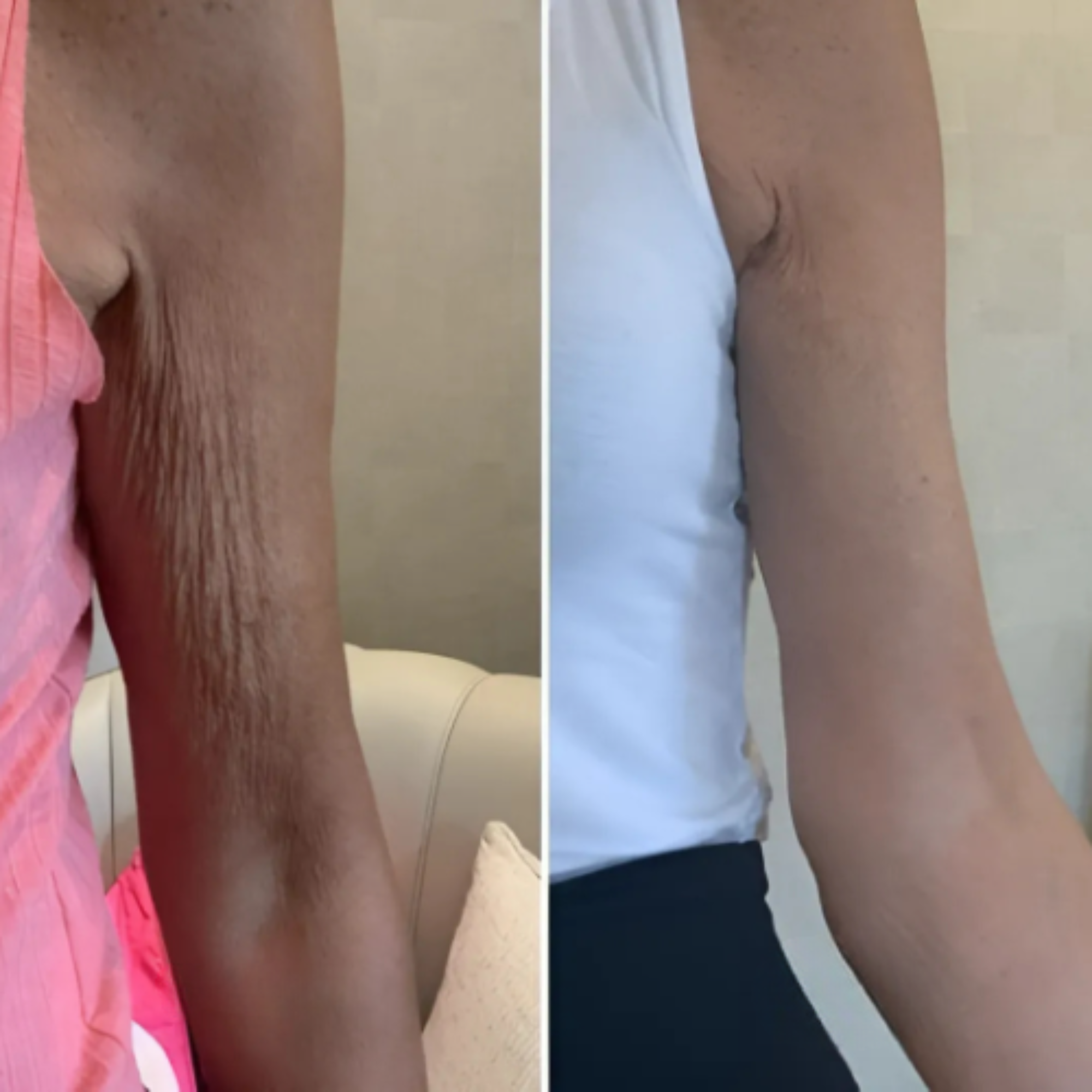
Ran for 85 days, from December 17, 2025 to March 12, 2026, the last day Crush saw it.
Run by Dr Barbara Carol on Facebook. Crush is not the advertiser and does not verify its claims. See this ad in Meta's Ad Library(opens in a new tab)
Want an ad like this for your product?
Crush makes new ad images for your product from this ad: your logo, your product photo, your offer.
Trials from $19.95 USD, then $79.95 USD a month. Cancel anytime.
About this ad
- Meta Ad Library ID
- 727895650365610
- Platforms
- Facebook, Instagram, Audience Network, Messenger and Threads
- Relaunches
- 13
- Niche
- Skincare & Beauty
Ad text
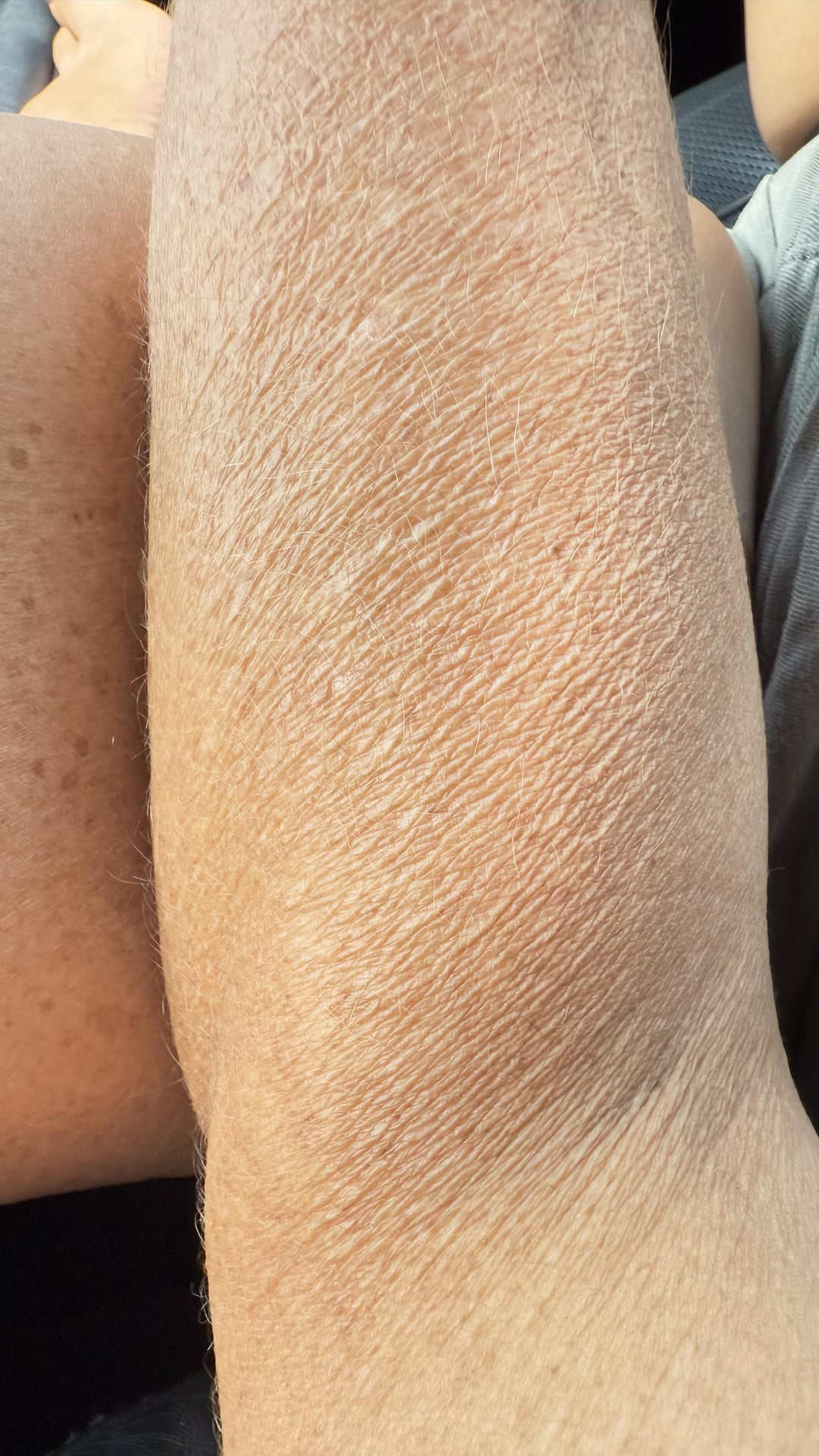
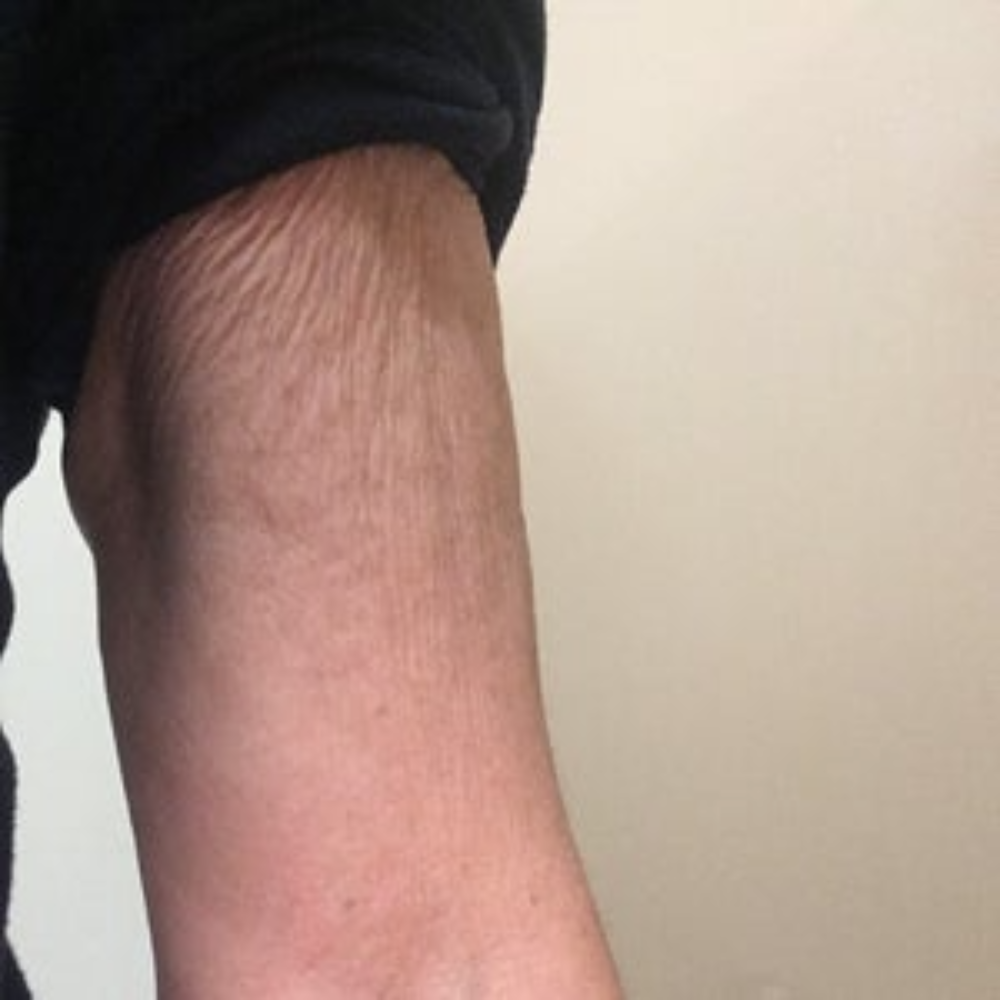
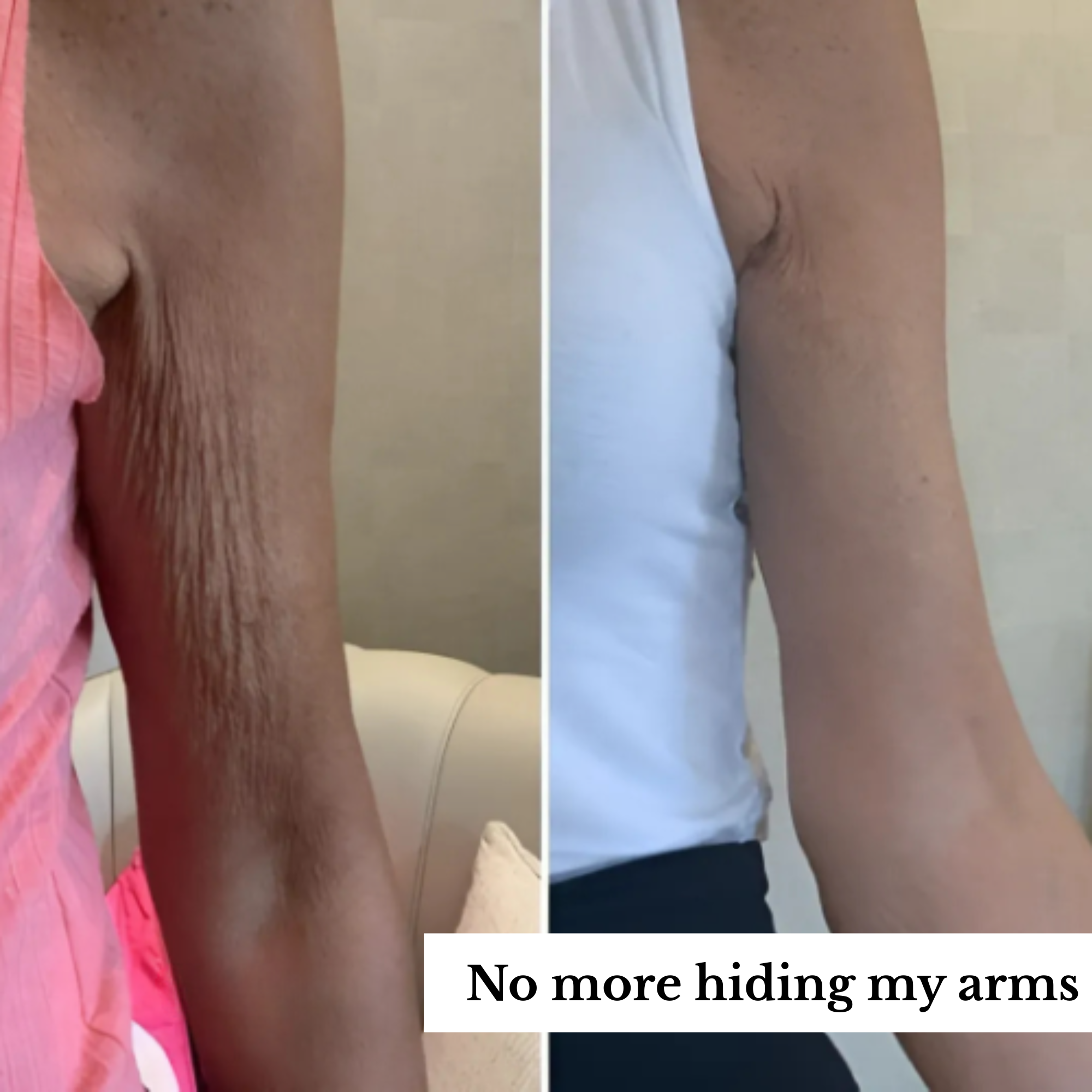
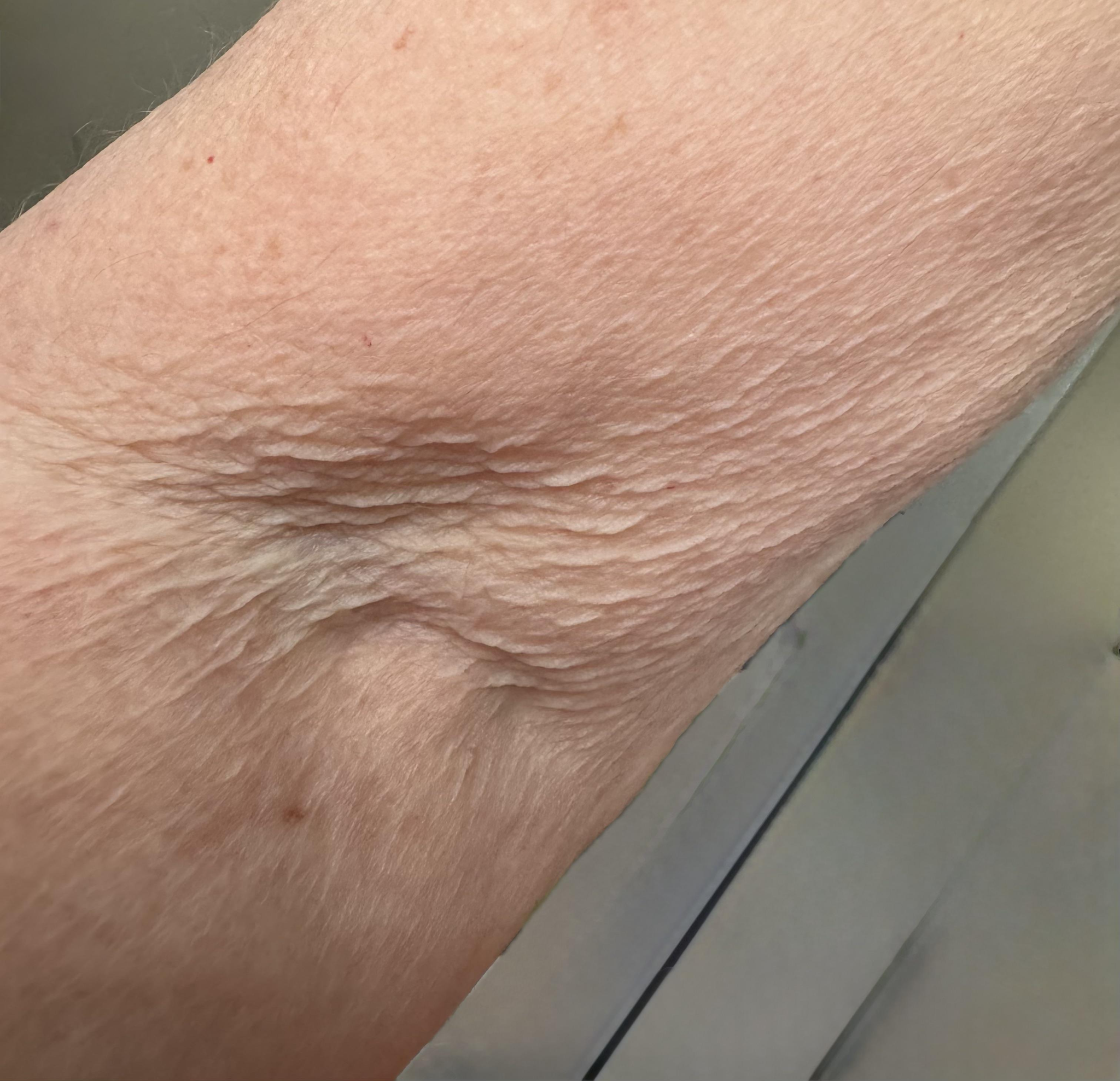
I have a LOT of sleeveless stuff because I always had nice arms and last summer suddenly... nope. My dermatologist said it was "just aging." Turns out she was dead wrong. I'm Dr. Barbara Carol. I'm 61. And I've always had nice arms. Not gym-perfect. Not airbrushed. Just... normal nice arms. The kind you don't think about. The kind you wear sleeveless dresses with and feel good. I have fourteen sleeveless dresses in my closet. Tank tops. Summer blouses. An entire section dedicated to showing off arms I never had to worry about. Last summer—literally between June and August—something changed. The skin on my upper arms went from smooth to crepey. Not gradually. Suddenly. Like someone replaced my skin while I slept. I'm a dermatologist. I've practiced for 28 years. And I had no explanation for what was happening to my own body. I went to a colleague in September. She glanced at my arms and said, "Well, Barbara, you're 61. Skin ages." That was it. No explanation for why it happened so fast. No concern that three months isn't normal. Just... accept it. I didn't accept it. Because I knew women my age—women OLDER than me—who still had normal arms. So it couldn't just be "aging." Something else was happening. And if I didn't know what it was, then the entire field of dermatology was missing something critical. ======== I became an expert in things that don't work. The $95 "intensive" firming cream I'd recommended to patients for years. I used it religiously twice daily for ten weeks. My arms felt moisturized. They looked exactly the same. Prescription tretinoin—I wrote my own prescription. $78 every eight weeks for six months. I told myself "give it time" like I told my patients. My arms got dry, flaky, irritated. The crepey texture got more pronounced. A $240 series of professional microneedling treatments at a colleague's practice. Three sessions over three months. She was confident it would "restart collagen production." It restarted nothing. Body firming serum with "peptides and stem cells"—$120 per bottle, two bottles over eight weeks. I knew the marketing was exaggerated. I tried it anyway. Nothing. Collagen supplements—$54 monthly for six months. I drank them every morning like clockwork. My hair looked shinier. My arms? Still crepey. Eighteen months. Seventeen different products and treatments. $4,100 spent. Every single one I'd confidently recommended to patients. Every single one failed on my own skin. What I didn't know then was that every month I spent on surface treatments, the internal collagen structure was continuing to break down. I wasn't just wasting money. I was wasting time I might not get back. And if I—a dermatologist—didn't understand what was happening, how many of my patients had I dismissed with "it's just aging"? ======== Everything changed at a dermatology conference in Boston last March. There was a breakout session on post-menopausal skin disruptions led by a French clinical esthetician named Anne Moreau. Most of my colleagues skipped it—"not relevant to medical practice." I almost skipped it too. But something made me stay. Anne had been researching post-menopausal skin in Paris for 40 years. She was presenting data on something she called "acute hormonal collapse." She showed before-and-after photos. The before photos looked exactly like my arms. "Most women experience gradual collagen decline—about 1% per year after menopause," she said. "But some women experience sudden-onset collapse. A hormonal shift triggers rapid breakdown—sometimes losing 2-3 years' worth of collagen in a few months." I felt something click. After the presentation, I approached her. Showed her photos of my arms from June versus September. She looked at them, then at me. "When did this start?" "Eighteen months ago. Three months from normal to... this." She pulled out a small elasticity testing device. Pressed it against my forearm. Then my upper arm. The indent from her thumb stayed there. Four full seconds before slowly creeping back. "This isn't normal aging," she said quietly. "This is what I've been studying. Acute hormonal collapse." ======== Anne explained what 28 years of medical training never taught me: "Most women experience gradual collagen decline after menopause. But certain women—we don't fully know why—experience a sudden hormonal trigger that causes immediate, dramatic breakdown." She drew three skin layers on a napkin. "Your fibroblasts go into shock. They stop producing collagen. Existing structure destabilizes. That's why it feels sudden. Because it is." She pressed my arm again. Four-second indent. "The reason your colleague dismissed you—the reason you've been dismissing your patients—is because dermatological training focuses on gradual aging protocols. We're not taught to recognize or treat acute collapse." I felt sick. How many women had I dismissed? "The good news?" Anne continued. "Unlike gradual aging, sudden-onset collapse responds very well to intervention—if you catch it in the window. Your fibroblasts haven't shut down yet. They're just dormant from hormonal shock." ======== Then she said something that made me realize how urgent this was. "You have approximately 24 months from onset where the structure can fully rebuild. After that, the fibroblasts adapt to the dormant state permanently. Even aggressive medical treatments can only slow decline, not reverse it." She looked at me seriously. "You're at eighteen months now. You have maybe six months left in your optimal reversal window." Eighteen months wasted. Six months left. And I thought about all the patients I'd told "nothing can reverse this" who were probably still in their windows. "What actually works?" I asked. ======== "Women who reversed sudden-onset collapse," Anne said, "did three things simultaneously." Deep penetration - Pure plant oils that absorb into the dermis where collapse is happening, not creams that sit on the surface Fibroblast reactivation - Botanical compounds that wake up dormant collagen-producing cells shocked by hormonal disruption Structural protection - Antioxidants that protect fragile new collagen as it forms, because shocked tissue is vulnerable to damage "All three at once," she said. "Surface creams can't reach the dermis. Oral supplements can't target specific tissue. Medical procedures like lasers are often too aggressive for shocked fibroblasts. You need precise, gentle reactivation." She gave me a list of specific botanicals with peer-reviewed studies. Compounds I'd never considered because they weren't part of standard dermatological protocols. ======== I went home that night furious at myself and desperate to fix this. Furious that I'd spent eighteen months—and dismissed countless patients—while operating on incomplete information. Desperate because I had six months left in my optimal window. I started researching. Reading studies Anne had referenced. Searching forums for women describing sudden onset. Patricia, 59: "Arms went from normal to crepey in four months. Week eight using plant-based protocol, elasticity test went from 4.3 seconds to 1.9." Sandra, 62: "Sudden onset after hormone changes. Skin fold measured 8mm, down from 15mm in ten weeks. Wearing sleeveless again." Michelle, 57: "My dermatologist said 'just aging.' Found research on acute collapse. Three months in, I've gotten my arms back." They were all using similar protocols. And they kept mentioning one formulation that matched Anne's three-part framework exactly. ======== I analyzed the formulation against Anne's requirements: ✓ Deep penetration: Pure plant oils (sunflower, rice bran, sesame, linseed)—absorb into dermal layer where hormonal breakdown occurred ✓ Fibroblast reactivation: Wakame seaweed extract (stimulates dormant collagen-producing cells), White Lupin seed extract (reactivates shock-dormant fibroblasts), Açaí fruit oil (supports cellular recovery from hormonal trauma) ✓ Structural protection: Passionfruit seed oil (barrier repair), Babassu seed oil (anti-inflammatory protection for shocked tissue), Vitamin E (protects vulnerable new collagen) All three. Working together. Every ingredient had published research supporting its role in the protocol. This wasn't marketing. This was legitimate intervention for acute hormonal collapse. Most reviews were from women 55-65 who'd experienced sudden changes—not gradual aging. Women in my exact situation. They offered a 60-day guarantee, which meant I could try it without risk if my window had already closed. As a physician, I'm usually skeptical of "natural" formulations. But the research was solid. The mechanism made sense. And I was running out of time. I ordered it that night. ======== The product is called Eraé Queen Oil. The bottle arrived in amber glass. It smelled clean—subtle botanicals, not synthetic fragrance. Real plant oils. I applied it after showering while my skin was still damp. It absorbed in about 30 seconds. Not greasy. Not sitting on the surface. Sinking into the dermis where the collapse happened. Day five: I did a pinch test on my upper arm. 3.2 seconds. Down from 4. Measurable change in five days. Day eleven: I was folding laundry and noticed my forearm in the light. The crepey texture looked... less pronounced. Like something was filling it in from underneath. Week two: I measured my upper arm skin fold with calipers. 11mm. Down from 14mm when I started. The collapsed structure was rebuilding. The dormant fibroblasts were responding. As a dermatologist, I document everything. I took photos. I measured. This was working. ======== Week three: I reached for a sleeveless blouse in my closet without thinking about it first. Put it on. Looked in the mirror. And didn't immediately change. For eighteen months, every time I'd looked at my arms in sleeveless clothes, I'd felt shame. Saw crepey skin. Saw failure—both personal and professional. But that morning, I just saw... arms. Normal arms. Mine. Week five: Elasticity test read 2.4 seconds. Down from 4. My skin was bouncing back like it had internal structure again. I wore a tank top to yoga. Didn't position myself in the back. Didn't keep my arms hidden. Just... existed. Normal. For the first time in eighteen months, I felt like myself. ======== Ten weeks in, I went back to the dermatology conference where Anne was presenting again. She tested my forearm with her device. "2.1 seconds. Down from 4.3 in March." Then she measured with calipers. "Upper arm skin fold: 8 millimeters. Down from 14." She smiled. "57% improvement in structural elasticity in ten weeks. Your fibroblasts responded beautifully to the reactivation protocol. The hormonal shock reversed." I asked for all her research. Every study. Every protocol. Because I needed to stop dismissing my patients. I needed to start actually helping them. ======== I've now prescribed this protocol to 23 patients experiencing acute onset. One of them—a 62-year-old woman who'd been hiding her arms for over a year—texted me last week: "Dr. Carol, I wore a sleeveless dress to a wedding. First time in 14 months. I forgot what that confidence felt like. Thank you for not dismissing me like everyone else did." Her elasticity test went from 4.1 seconds to 2.3 seconds in seven weeks. Her skin fold from 16mm to 10mm. I explained to her what Anne taught me. What I should have known. What dermatology training never covered. About sudden-onset hormonal collapse versus gradual aging. About the reversal window. About fibroblast reactivation versus surface treatment. She asked: "Why didn't anyone tell me this before?" Because dermatologists—myself included—are trained in gradual aging protocols. Not acute hormonal collapse. We see crepey skin and assume it's inevitable, not treatable. We're trained to dismiss. Not to investigate. ======== If you're reading this because your arms suddenly changed and you have a closet full of sleeveless clothes you can't wear—if your dermatologist dismissed it like I used to—understand this: You're not aging normally. You're experiencing acute hormonal collapse. Normal aging = 1% collagen loss per year Acute collapse = 2-3 years' worth in months They require completely different approaches. Surface creams address gradual decline. You need structural reactivation. And you have a window. ======== In sudden-onset cases, that window is approximately 18-24 months from onset for optimal reversal. Your dormant fibroblasts can still be reactivated. Your collapsed structure can still be rebuilt. But only while the cells are still responsive. Every month you spend on surface treatments is another month closer to permanent dormancy. Another month of watching your arms age while your closet mocks you with clothes you can't wear. I wasted eighteen months. I almost missed my window completely. I don't want you to miss yours. ======== Eraé Queen Oil does what Anne's research showed was necessary for acute hormonal collapse: ✓ Penetrate the dermis with pure plant oils (sunflower, rice bran, sesame, linseed) ✓ Reactivate dormant fibroblasts (Wakame seaweed, White Lupin, Açaí) ✓ Protect new structure (Passionfruit, Babassu, Vitamin E) All three. Simultaneously. Every application. The only formulation I found that matches the complete protocol for hormonal reactivation, not gradual aging maintenance. This is what I use myself. This is what I prescribe to my patients experiencing acute onset. ======== Here's what you need to know: Price: $59 for two months (under $30/month) Guarantee: 60-day money-back. If your skin doesn't improve in elasticity and texture within eight weeks—full refund. How to use: Apply to damp skin after showering, once or twice daily. Massage until absorbed (30-40 seconds). Every day you wait is another day your reversal window shrinks. Every week is another week closer to permanent dormancy. Every month brings you closer to the point where reactivation becomes impossible. Anne's research was clear: after 24 months from onset, even emergency intervention faces exponentially harder odds. I wasted eighteen months. I almost lost this permanently. Now you know. You have a window. It's still open. But it won't stay open forever. ======== P.S. Five months in, third bottle. Total: $141. Compared to the $4,100 I spent on treatments that couldn't address hormonal collapse? Almost insulting. Last week I went through my closet. All fourteen sleeveless dresses. Every tank top. The summer blouses. I can wear them again. All of them. That's not just about clothes. It's about getting myself back. And it's about finally being able to help my patients instead of dismissing them. P.P.S. I presented Anne's research at our practice's monthly meeting. Showed my before-and-after measurements. Explained acute hormonal collapse versus gradual aging. Three of my colleagues admitted they'd been experiencing the same thing. All had dismissed it as "just part of aging." Now they're using the protocol too. And we're finally offering our patients actual solutions instead of dismissals. Sometimes what we're taught in medical school is ten years behind what actually works in practice. The research exists. We just weren't looking at it.
Where the ad sends people
erae-paris.com
$800 worth of failed products in the trash
The secret to naked, flawless radiant skin. Deeply hydrating and reparative oil, nourishing all seven layers of skin.
Learn more: erae-paris.com(opens in a new tab)