
Active· since Jan 9, 2026
- 248
- days running
- 0
- relaunches
Ad copy
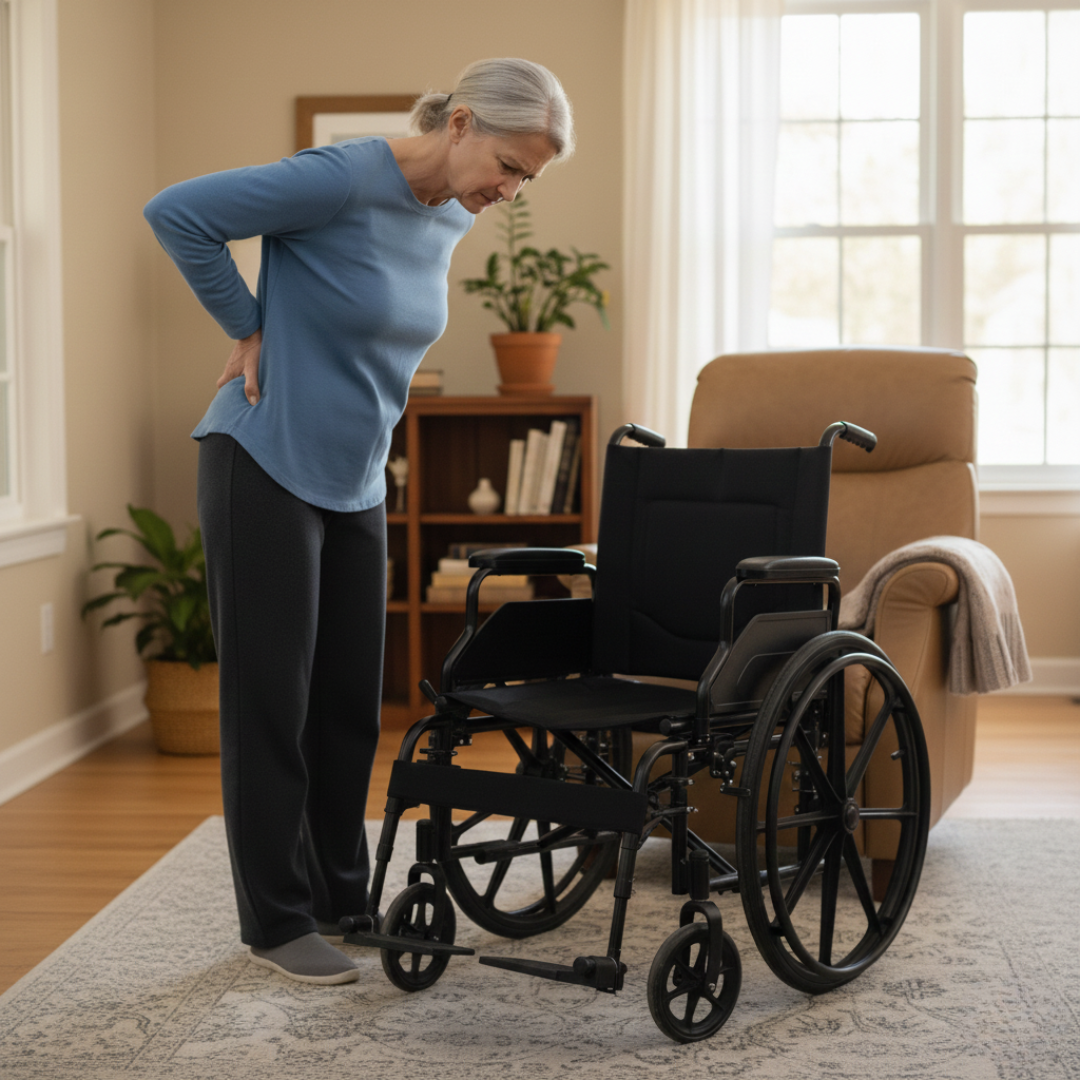
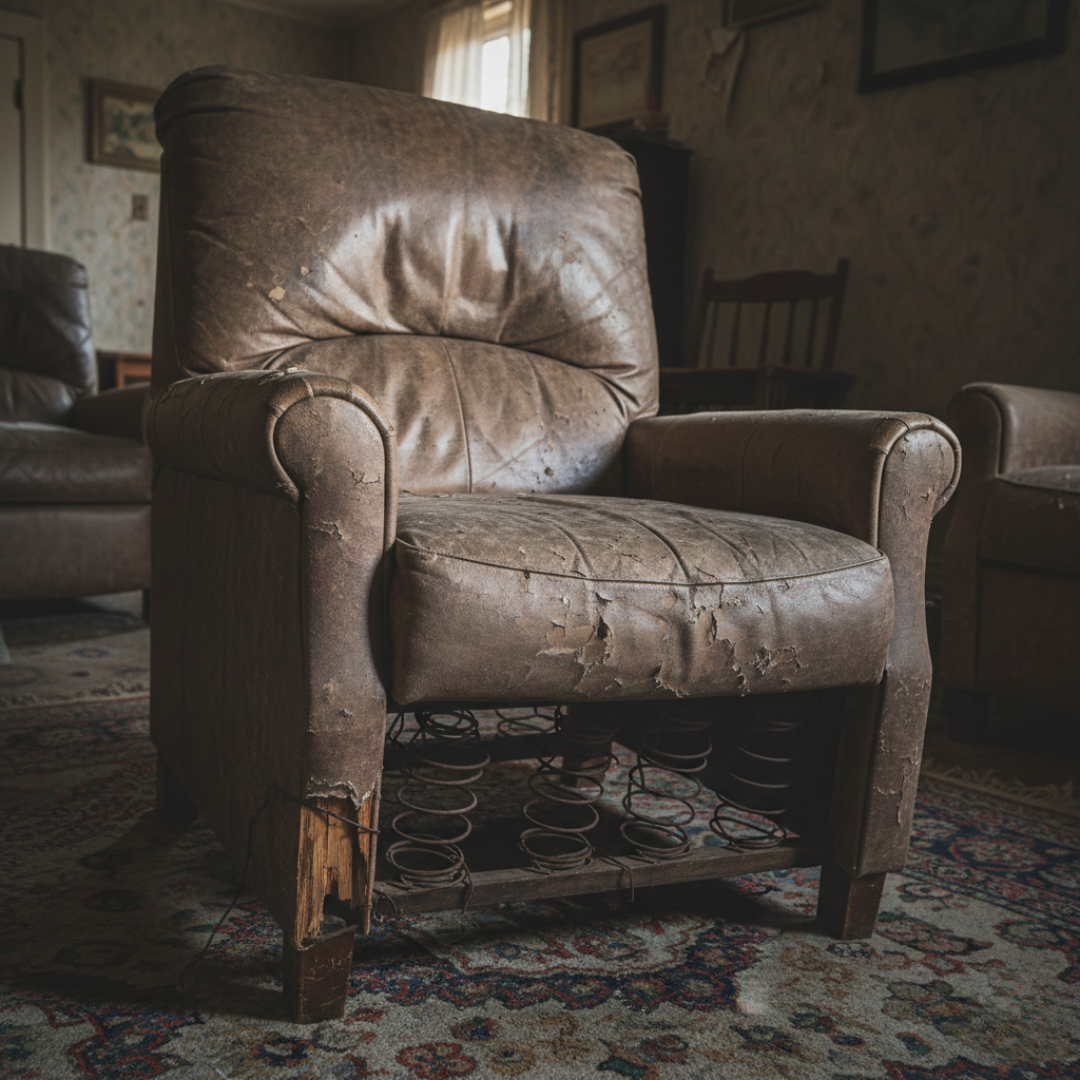
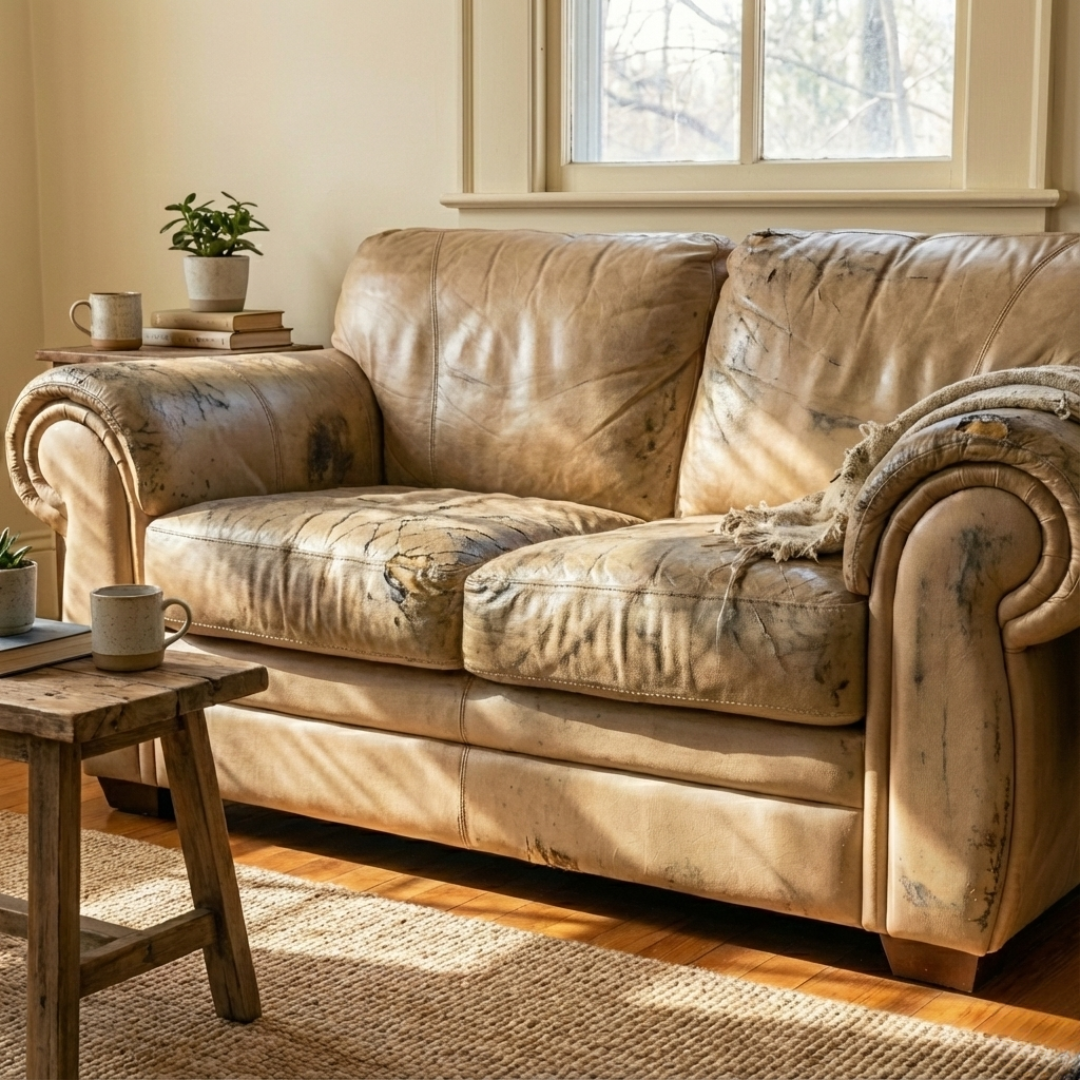
I learned the most frightening truth of my life in a hospital ER, standing next to my father’s bed, moments after telling a nurse something I was absolutely sure was true. Something that almost killed him. The truth is this: For an elderly person, sitting on their favorite recliner is the same as sitting on a concrete block. As we age, our skin thins. We lose the fat and muscle that once protected us. And without that natural padding, the entire weight of the body presses down onto one fragile point. I didn’t understand this simple reality. That’s why the cushions I bought my dad didn’t work. That’s why I believed him when he said he was “fine.” That’s why I confidently lied to an ER nurse — without knowing it. My dad, Arthur, is 72. He’s worked blue collar his entire life. A man who built our backyard deck with his own hands and still insists on mowing his lawn, even though it takes him all afternoon. Since my mom passed two years ago, our weekly phone calls followed the same script. “How are you, Dad?” “I’m fine, sweetheart. Stop fussing.” But I knew he wasn’t fine. I could hear it in his voice. He spent most of his days in a big, worn leather recliner — the one I bought him 30 years ago, he called it his throne. The leather was cracked. The stuffing was crushed into a permanent dad-shaped groove. And a quiet part of me knew that chair was a problem. I tried to help. I really did. I bought one of those soft egg-crate foam cushions from the pharmacy. A month later, I found it in the garage, covered in sawdust. “Didn’t need it,” he said. I bought him a goose feather pillow, telling him it was for comfort. He used it as a mat for his dog. Every attempt to help felt like an attack on his independence. So eventually, I stopped pushing. I swallowed my fear. I told myself he was a grown man. I told myself he’d tell me if something was really wrong. He didn’t. Then, on a Tuesday morning at 10:15 AM, my phone rang. An unfamiliar number from his town. My heart dropped before I answered. It was a paramedic. My dad had fallen trying to get out of his chair. He had a high fever, and they were taking him to St. Mary’s. The drive to the hospital was a blur of panic and guilt. All I could think about was that chair. In the ER, he looked so small. Pale. Exhausted. Scared. The doctor explained he had a serious infection and needed immediate antibiotics. Then a nurse pulled me aside. “We need to check him for skin breakdown,” she said. “Does he have any sores?” “No,” I said confidently. “He’d have told me.” She nodded and helped roll him onto his side. What I saw made my stomach drop. On his tailbone was an open wound — red, angry, and larger than a silver dollar. That sore caused the infection. That sore caused the fall. That sore could have taken him from me. And it had been forming silently, day after day, while he sat in that chair telling me he was “fine.” I had to leave the room. I stood in the hallway, covering my mouth, trying not to sob. I hadn’t just missed something. I had failed him. That night I didn’t sleep. I sat beside his bed, scrolling through search results that felt like horror stories. “infected pressure sore elderly” “Best permanent solution to tailbone pain” “how to help stubborn aging parent” The next morning, a wound-care nurse named Sophia came in. She looked at my dad’s chart, then at me. “You’re blaming yourself,” she said gently. “I bought him cushions,” I whispered. “He wouldn’t use them. I should have made him.” She shook her head. “Even if he had, you’d probably still be here,” she said. “You can’t solve this problem with softness.” She explained what I had never understood. Foam flattens. Pillows compress. Soft cushions fail. For aging skin, softness doesn’t protect — it suffocates. All the pressure stays on one tiny point. Blood can’t flow. The skin breaks down fast. Then she pointed to the blue grid cushion beneath him. “This is what we use,” she said. “Pressure distribution. We don’t pad the pressure point. We make it disappear.” For the first time, I felt hope. When my dad came home, I replaced the cushion in his recliner without asking. He sat down. Paused. Then sighed. “Oh,” he said. “I don’t feel that spot anymore.” Weeks later, the visiting nurse smiled at me. “The skin is closed,” she said. “You’re doing a great job.” I cried — not from fear, but relief. That cushion didn’t just heal a wound. It kept my dad in his home. It preserved his dignity. It gave me peace of mind. If you have a parent who insists they’re fine, please hear me. The danger isn’t stubbornness. It’s physics. And softness won’t save them. Science will.
Like this ad? Make it yours.
Crush rebuilds this exact creative around your product — your brand, your colors, your offer — in about a minute.