
Inactive· since Jan 9, 2026
- 49
- days it ran
- 0
- relaunches
Ad copy
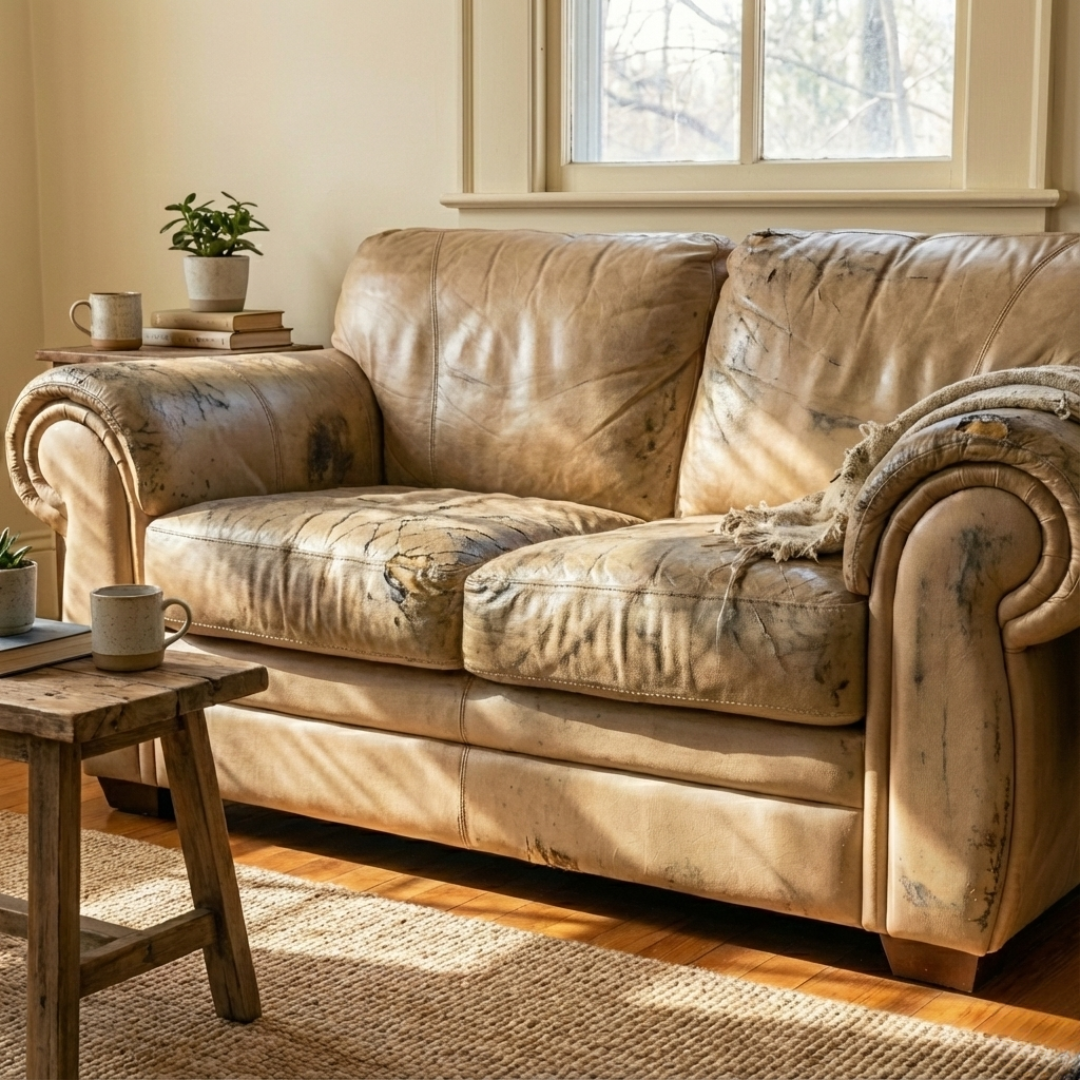
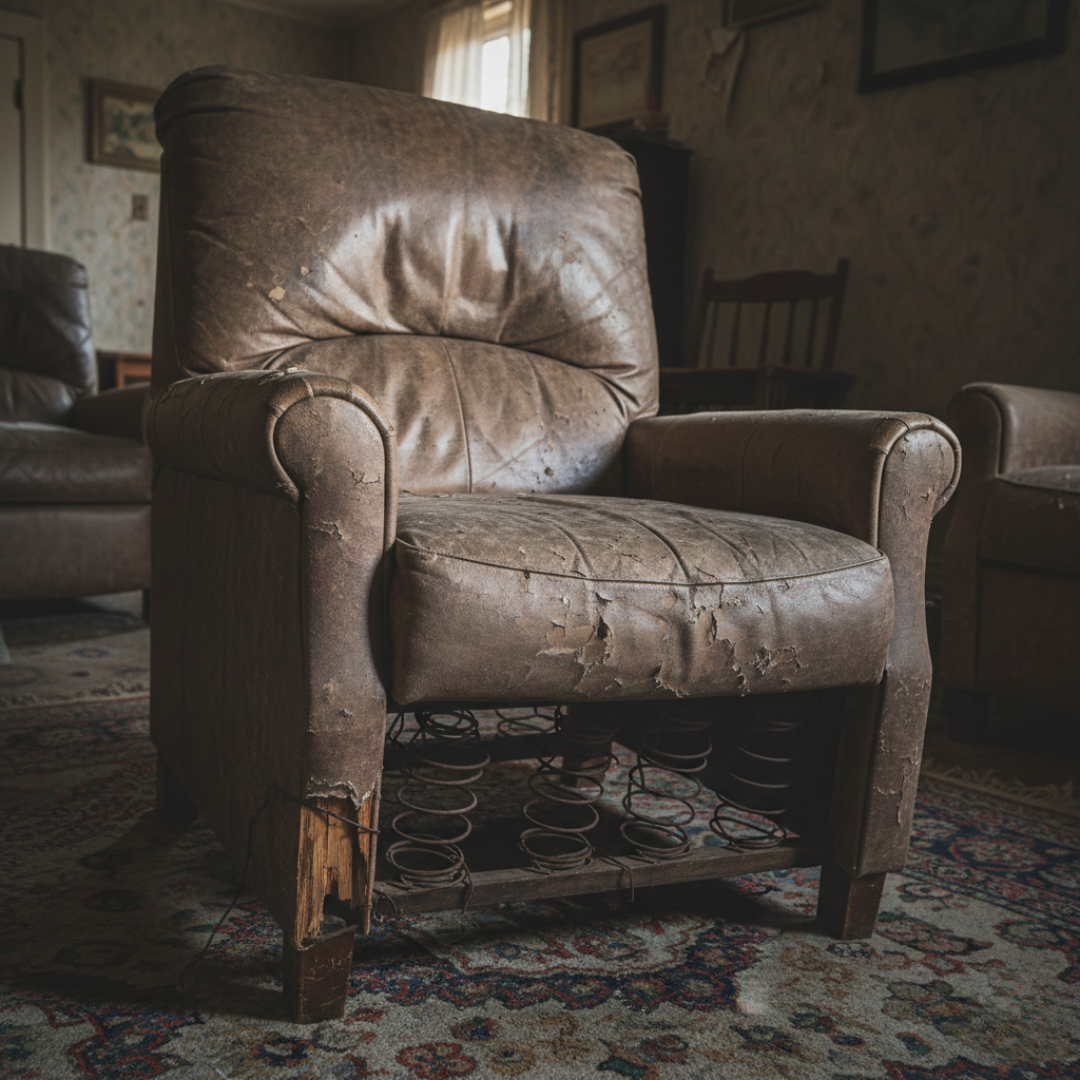
Last weekend, my son asked if I wanted to watch a movie with him. A simple question. One I used to say yes to without thinking. But instead of answering, I froze. Because all I could picture was… the recliner. My recliner — the one I used to love, the one I bought because everyone told me it was “comfortable,” the one that now feels like a torture device after fifteen minutes. He waited for my answer, bowl of popcorn in his hands. And I stood there doing the calculations I always do now: “Could I last through the first act?” “Should I pretend I need to get up for water?” “What excuse can I use when the burning starts?” “Will he notice if I shift every two minutes?” I said yes. Of course I did. He’s my kid. But inside, something twisted. I wasn’t thinking about the movie. I was thinking about surviving the chair. My husband noticed. When my son walked away to queue up the film, he glanced at me with a look I wasn’t prepared for. Not annoyed. Not confused. Just… heartbroken. “You’re already in pain and you haven’t even sat down yet,” he said softly. “I’m fine,” I lied. “You’re bracing,” he said. “You do that now.” That word — bracing — hit me like a punch. Because he was right. My mind wasn’t in the living room. It was already in that recliner, imagining the pressure on my tailbone, the heat against my lower back, the way the cushion sinks unevenly and traps me in one awful position. This is what my life has become: Before sitting to eat: “How long until I need to stand?” Before visiting a friend: “Do they have soft chairs or hard ones?” Before resting for the evening: “Will the recliner trigger that deep ache again?” It’s not the pain that exhausts me. It’s the anticipation. The mental gymnastics. The future suffering rehearsed in my head before anything actually happens. That night, long after everyone went to bed, I sat up scrolling on my phone — searching, again, for an answer. “Why does my recliner hurt my back” “Why does sitting make my tailbone burn” “Why can’t I relax in a chair anymore” Same advice as always. Stretch. Strengthen your core. Use heat. Get a massage. Buy a lumbar pillow. Done all that. None of it mattered. Then I stumbled across a clinical article — boring, dense, the kind that usually puts me to sleep. But one sentence made me stop: “Anticipatory pain is a conditioned neurological response triggered by repeated localized pressure at specific contact points.” I didn’t understand every term, but the meaning was painfully clear: My brain wasn’t overreacting. It wasn’t anxiety. It wasn’t in my head. It was training. Conditioning. After years of sitting in a chair that loads all my weight onto two tiny bones, my nervous system learned: sitting = pressure points = pain coming soon so it started warning me early. Before the pain even arrived. Before I even sat down. That meant all my dreading, all my calculating, all my bracing… was biological. Learned. Automatic. Not weakness. And the article said something else no one ever told me: Recliners are one of the worst offenders. They *seem* comfortable because they’re padded. But padding isn’t the same as pressure distribution. Most recliners create: – concentrated pressure on the tailbone – poor thigh support – uneven weight loading – heat buildup that irritates nerves And that triggers the nervous system’s “danger” signals again and again… until the brain starts firing them before you even sit. I just sat there staring at the screen, breathing like someone had finally explained a language I didn’t know I was speaking. Then I read the part that changed everything: The only way to retrain a sensitized sitting response is to *change the pressure pattern*, not the posture. And the studies that did this successfully used medical-grade gel cushions — the kind that: – spread pressure across the entire surface, – remove tailbone loading, – prevent heat trapping, – and stop localized compression. Within weeks, participants showed reduced anticipatory pain. Meaning: their brains stopped bracing. Not because they “toughed it out.” Because the physical trigger was removed. I ordered one that night. When it arrived, I put it on the recliner with no expectations. The first time I sat down, I didn’t feel a miracle. I felt… neutral. But then my husband walked in an hour later and noticed something I didn’t: “You’re still sitting,” he said. I blinked. I hadn’t shifted. I hadn’t clenched my jaw. I hadn’t done the slow, careful, micro-adjustments I usually do every few minutes. I was *actually* watching the movie. Present. Calm. Not bracing. That was six weeks ago. Something strange has been happening since. I still think about pain sometimes — you don’t undo years of conditioning overnight. But the dread? The mental calculations? The constant whisper of “how long will I last?” They’re fading. On Tuesday, my son walked in and asked, “Movie night again?” And the first thing I thought wasn’t the recliner. It was: “I’d love that.” I didn’t realize how much life I’d been missing while negotiating with chairs. How many moments I half-lived because part of my brain was always preparing for pain. If any of this sounds familiar — the bracing, the calculating, the constant scanning for chairs that won’t hurt you — please hear me: You’re not fragile. You’re not overthinking. You’re not “obsessed” with pain. Your nervous system is responding to a pattern it learned. And it can unlearn it. Not with affirmations. Not with willpower. But by removing the physical trigger that taught it to be afraid in the first place. If you’ve been dreading your own recliner… now you know why. And more importantly:Here’s a full, emotionally grounded variation written for a woman who **dreads sitting in a wheelchair**, keeping the same tone, depth, pacing, and “quiet breakthrough” moment — but completely original. --- Last month, my doctor suggested I start using a wheelchair for longer outings. Not full-time. Not permanently. Just for the days when walking becomes too much and the pain in my hips feels like fire. I nodded politely. Smiled. Said I’d “think about it.” But inside, a familiar dread bloomed. Because the truth is… I wasn’t afraid of how it would look. I was afraid of **sitting**. Sitting in *that* chair. For hours. Locked in a position I can’t easily change. My husband tried to be encouraging. “We could take it to the museum,” he said one morning over breakfast. “You’d actually be able to enjoy the exhibits without needing to rest every ten minutes.” But instead of picturing the museum, my mind jumped straight to the wheelchair seat: “How long before the burning starts?” “What if the cushion presses right on that sensitive spot?” “What if I’m stuck and can’t shift?” “What if the pain hits and I can’t hide it?” He saw the look on my face. “You’re already hurting,” he whispered. “You’re not even sitting yet and you’re already bracing.” That word again. Bracing. I opened my mouth to defend myself… but there was nothing to say. Because he was right. I wasn’t afraid of the wheelchair as a device. I was afraid of what my nervous system had learned sitting feels like. Every time I use a chair — any chair — my brain goes into overdrive: “How long will I last?” “Where is the pressure going to hit?” “Can I escape without making it awkward?” “What excuse can I use to stand up?” The planning. The predicting. The pretending. It’s exhausting. And a wheelchair? A chair you can’t wiggle out of easily? That felt like stepping directly into a nightmare. That night, lying awake at 1 AM, I found myself searching the same desperate things I always do: “Why do wheelchair seats hurt?” “Why does sitting cause burning in my tailbone?” “Why do I dread chairs so much?” But then — for the first time — I found something different. A research paper. Clinical. Dry. Technical. I almost scrolled right past it. And then I saw one sentence: “Chronic wheelchair users exhibit anticipatory pain due to repeated nociceptive stimulation at localized pressure points.” I didn’t understand every word. But the message hit me like lightning: My dread wasn’t emotional. It was neurological. My brain had learned that sitting = concentrated pressure = pain coming soon. So it started sounding the alarm **before** the pain even hit. Before I sat down. Before I even wheeled up to the chair. My body wasn’t overreacting. It was trying to *protect* me. The study explained something nobody had ever said out loud: Wheelchair seats — even padded ones — often create: – intense pressure on the sitting bones – compression of the tailbone – trapped heat – reduced blood flow – limited ability to shift naturally And when the same pressure spots get triggered over and over, the nervous system becomes hypersensitive. It learns the pattern. It starts yelling “danger” before you even sit. That’s why I dread the chair. Not because I’m anxious. Not because I’m dramatic. Not because I’m “mentally weak.” Because my nervous system is anticipating damage. But the study said something else — something that changed everything: The only proven way to retrain a hypersensitive sitting response is to **change the pressure distribution**, not the posture. They tested medical-grade gel cushions — the kind used for long-term wheelchair users — that: – distribute weight evenly – eliminate pressure points – cool instead of trapping heat – prevent tailbone loading – allow micro-movements without instability And within weeks, the subjects reported a decrease in anticipatory pain. Not because they “got used to it.” Because the physical threat was removed. I ordered a clinical gel wheelchair cushion that night. When it arrived, I placed it in the wheelchair and sat down slowly, expecting the same spike of fear. But something was… different. The seat didn’t push into me. It *held* me. Evenly. Softly. Every part of me supported, none of me screaming. I didn’t feel magic. I just didn’t feel dread. I watched the clock. Five minutes passed. Ten. Twenty. No burning. No clenching. No countdown. No urge to escape. I was just… sitting. My husband walked in and froze. “You look relaxed,” he said. I hadn’t heard that word applied to me in years. That was seven weeks ago. Has everything changed? Not overnight. But something huge has shifted: I don’t dread the chair anymore. Yesterday, when my husband asked if I wanted to go to the museum, my first thought wasn’t the wheelchair seat. It was: “I’d like that.” I can be present again. Not calculating. Not rehearsing pain. Not bracing. Just *there*. If you’re reading this and you dread sitting in your wheelchair — not because of the chair itself but because of what your body expects sitting to feel like — I need you to know something: You’re not broken. You’re not imagining it. You’re not weak. Your nervous system learned to fear pressure because the pressure was real. And you can teach it a new pattern. Not by toughing it out. By changing the physical reality. By removing the pressure points that trained your brain to expect pain. If you’ve been dreading the wheelchair more than the outing itself… now you finally know why. And — more importantly — you know what can change. You finally know how to change it.
Like this ad? Make it yours.
Crush rebuilds this exact creative around your product — your brand, your colors, your offer — in about a minute.