
Inactive· since Jan 22, 2026
- 7
- days it ran
- 0
- relaunches
Ad copy
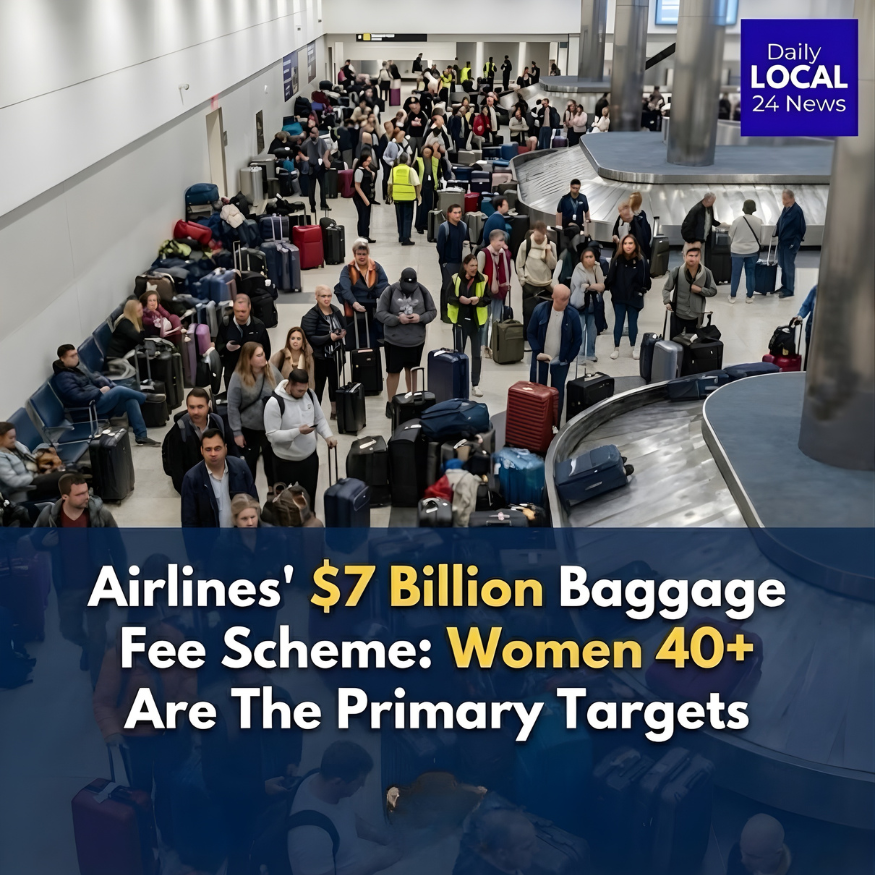
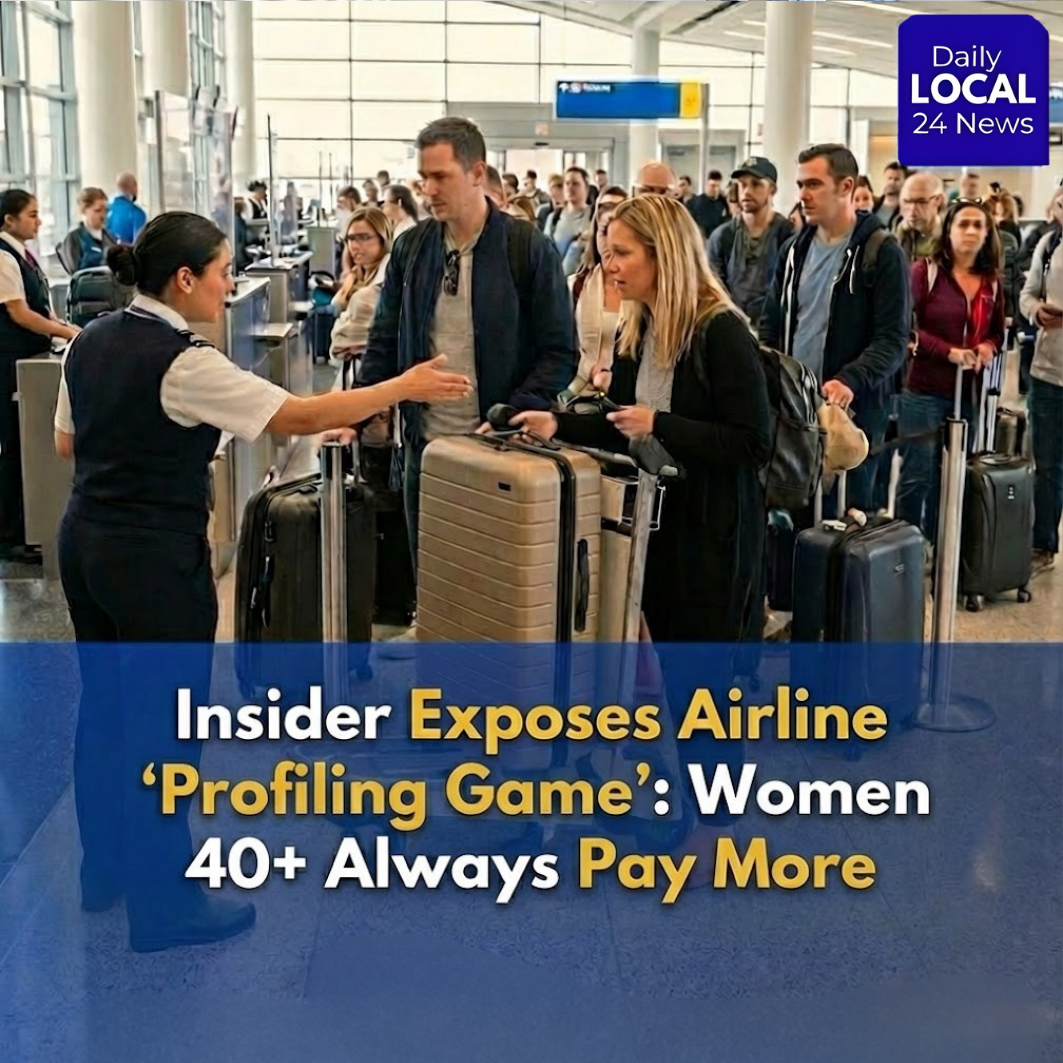
We asked 50 frequent flyers at a major U.S. airport what bag they use. 23 of them pulled out the same one. READ MORE: The "invisible bag" spreading through airport lounges, and why airlines are furious about it. Last month, we conducted an experiment at one of America's busiest airports. We stationed ourselves in an elite members-only lounge. The kind reserved for travelers with 100,000+ miles per year. Road warriors. Consultants, executives, and sales directors who spend more time in the air than most people spend in their cars. We asked a simple question: What bag do you travel with, and why? The answers revealed something the airline industry doesn't want you to know. Of the 50 travelers we interviewed, 23 carried the same bag. Not the luxury brands you see in airport luggage stores. Not the $600 hard-shells influencers pose with on Instagram. A soft black weekender most of us had never seen. THE WOMAN WHO STARTED THE CONVERSATION Her name was Dr. Patricia Okonkwo, 58. A hospital administrator from Detroit. She was headed to San Francisco for a medical conference. Four days. Two presentations. One black-tie dinner. She had one bag. "I used to be loyal to one of the big luggage brands," she told us. "I had the matching set. The roller. The garment bag. The laptop case. I looked very professional dragging $1,800 worth of luggage through the terminal." She laughed. "Then one day I calculated what I was actually paying. Checked bag fees. Replacement wheels every 18 months. The time I spent at baggage claim instead of getting to my hotel. I was hemorrhaging money and hours to look like a serious traveler." Dr. Okonkwo pulled her bag onto the table. It looked deceptively simple. Soft-sided. Black. No flashy logos. "This is a Luhxe," she said. "Watch." She unzipped it flat—180 degrees like a butterfly opening its wings. Inside, we counted: • Two full suits (pressed, unwrinkled) • Five blouses • Three pairs of dress pants • A cocktail dress • Two pairs of heels • Workout clothes and sneakers • A full toiletry kit • Her laptop and chargers • A week's worth of medication • Three medical journals Four days of executive travel. One bag that fit under an airplane seat. "I haven't checked a bag in three years," she said. "I haven't paid a baggage fee in three years. And I haven't waited at a carousel in three years. That's probably 50 hours of my life I got back." THE PATTERN WE COULDN'T IGNORE Dr. Okonkwo wasn't an anomaly. Over the next four hours, we interviewed 49 more frequent flyers. The demographics varied. Consultants. Tech executives. Pharmaceutical reps. Attorneys. Entrepreneurs. But a pattern emerged fast. The travelers still using traditional luggage complained constantly. Wheels that stuck. Zippers that jammed. Bags that got gate-checked on full flights despite being "regulation size." Fees that added up to thousands per year. The travelers using the Luhxe? They talked like they'd discovered a cheat code. "Gate agents don't even look at it," said Michael Reeves, 44. A management consultant who flies 180 days a year. "Hard-shell bags scream 'measure me.' This bag whispers 'I'm just a personal item.' I walk right on." "I've done two-week international trips with this bag," said Sandra Liu, 51. A biotech executive. "My colleagues check bags and wait 40 minutes at customs. I'm already in my Uber." "The compression system is what sold me," said James Whitmore, 62. A retired pilot. "I spent 30 years watching passengers fight with overhead bins. This bag molds to whatever space you have. It doesn't fight. It surrenders. That's good engineering." When we asked how they discovered the Luhxe, the answers were almost identical. "A colleague showed me." "I saw it in a lounge and asked." "Someone on my team had one and I interrogated her." Word of mouth. No advertising. No retail stores. Just frequent flyers quietly telling other frequent flyers about the bag that makes checked luggage obsolete. THE WOMAN WHO DESIGNED IT (AND WHY SHE GOT FIRED) The Luhxe wasn't invented by a luggage company. It was invented by a flight attendant named Sarah Nichols. She spent 11 years working international routes. And got terminated for telling passengers what she knew. "Airlines make billions on baggage fees," Sarah told us. "Billions. And most of that comes from travelers who don't realize they're being played." Sarah explained the game. Hard-shell roller bags are designed to bump against size limits. They're rigid. They don't compress. When flights are full and airlines need to gate-check bags for "space reasons," hard-shells are the first to get tagged. "I watched gate agents profile luggage the same way TSA profiles passengers," Sarah said. "They see a hard roller bag and think 'that's $95.' They see a soft weekender and think 'not worth measuring.'" Sarah spent years watching first-class passengers and pilots carry a specific type of bag. Soft-sided. Compression-based. Engineered to exploit the gap between "carry-on" and "personal item." When she started sharing the strategy with economy passengers, her supervisors noticed. "I was written up three times for 'fraternizing inappropriately with customers,'" she said. "The third time, they terminated me. But by then, I'd already started designing my own version." The Luhxe launched two years ago. It's sold out seven times. THE ENGINEERING BEHIND THE "LOOPHOLE" We asked Sarah to explain exactly how the bag works. "Traditional luggage is a box," she said. "You throw clothes in, they pile up, you run out of space, you check a second bag. The luggage industry loves this. They sell you multiple bags and the airlines charge you to transport all of them." The Luhxe uses a different architecture. First, it unzips flat. Your clothes don't get stuffed into a hole. They lay across the full surface of the bag. Second, the garments wrap around the bag's interior lining. Dresses, suits, and pants stay flat. No folding. No creasing. Sarah showed us a blazer she'd packed three days ago. It looked like it just came from a dry cleaner. Third, a compression panel cinches everything down. Military-grade webbing rated for 80+ pounds of pressure. Two weeks of clothing compresses into a space the size of a bed pillow. Fourth, the exterior is soft-sided ballistic nylon. It has no rigid frame. When you slide it into an overhead bin or under a seat, it molds to the available space. "A hard bag fights the airplane," Sarah said. "This bag cooperates with it. That's why gate agents ignore it. It looks like it belongs." WHAT THE LUGGAGE INDUSTRY DOESN'T WANT YOU TO KNOW If the Luhxe works this well, why isn't it everywhere? We spoke to a former product director at a major luggage brand. He requested anonymity. "The big luggage companies make their money on replacement cycles," he said. "Wheels break. Handles snap. Shells crack. The average hard-shell suitcase lasts 2-3 years before something fails. That's not accidental. That's engineered obsolescence." A soft-sided compression bag with no wheels, no telescoping handle, and no rigid shell has almost nothing that can break. "Bags like the Luhxe are a threat to the entire business model," the executive said. "If travelers figure out they can replace three pieces of luggage with one bag that lasts a decade, the industry loses billions." He confirmed what we suspected. Major retailers have declined to stock compression weekenders despite customer demand. "Big department stores make margin on traditional luggage brands. They're not going to push a product that makes those brands obsolete." The Luhxe remains direct-to-consumer only. No retail distribution. No national advertising. Growth comes entirely from travelers telling other travelers. THE MATH AIRLINES HOPE YOU NEVER DO Let's run the numbers. The average checked bag fee is now $35-$45 each way on domestic flights. $75-$100 each way on international routes. A frequent traveler taking 10 round trips per year pays $700-$1,000 annually. Just to transport their own belongings. Over five years: $3,500-$5,000. Over ten years: $7,000-$10,000. A family vacation to Europe. Gone…one checked bag at a time. And that's before you factor in: • 23 minutes average wait at baggage claim per flight • 1-in-200 chance your bag is lost or damaged • $1,500 average value of lost contents (airlines cap this) • The stress of watching the carousel spin... wondering if your luggage made the connection The 23 frequent flyers we met using the Luhxe had done this math. They'd opted out of the system entirely. "I've saved roughly $4,200 in baggage fees over three years," Dr. Okonkwo calculated. "The bag cost $149. That's a 2,700% return on investment. Show me a stock that performs like that." A WARNING FOR TRAVELERS Here's where it gets complicated. Because the Luhxe uses premium materials and manufactures in small batches, inventory is perpetually limited. We contacted the company for comment. A representative confirmed: "Our manufacturer is implementing a production pause in February for equipment retooling. Orders placed after our current inventory sells out won't ship until late March at the earliest. We've already seen a 280% spike in orders since the holiday travel season. Our stock is critically low." She added that the company is considering a price increase when production resumes. Rising material costs. "We've held our price at $149 for two years despite inflation. That's becoming unsustainable. Travelers who want the current price should order before the February cutoff." THE BOTTOM LINE In a year when U.S. airlines collected over $7 billion in baggage fees— While simultaneously mishandling tens of millions of bags— The smartest travel investment isn't a luggage tracker. Or a TSA-approved lock. It's a bag that makes the entire checked-luggage system irrelevant. The 23 frequent flyers we met figured this out years ago. They're not waiting at carousels. They're not handing over credit cards at the gate. They're not watching their bags disappear into the belly of a plane and praying they arrive intact. They're walking straight to their gates with everything they need in one bag. Dr. Okonkwo is probably landing in San Francisco right now. Her four days of executive attire tucked neatly beneath her seat. Somewhere in baggage claim, a traveler with a $600 hard-shell is still waiting for the carousel to start spinning. The difference between them? One bag.
Like this ad? Make it yours.
Crush rebuilds this exact creative around your product — your brand, your colors, your offer — in about a minute.