
Inactive· since Feb 18, 2026
- 3
- days it ran
- 0
- relaunches
Ad copy
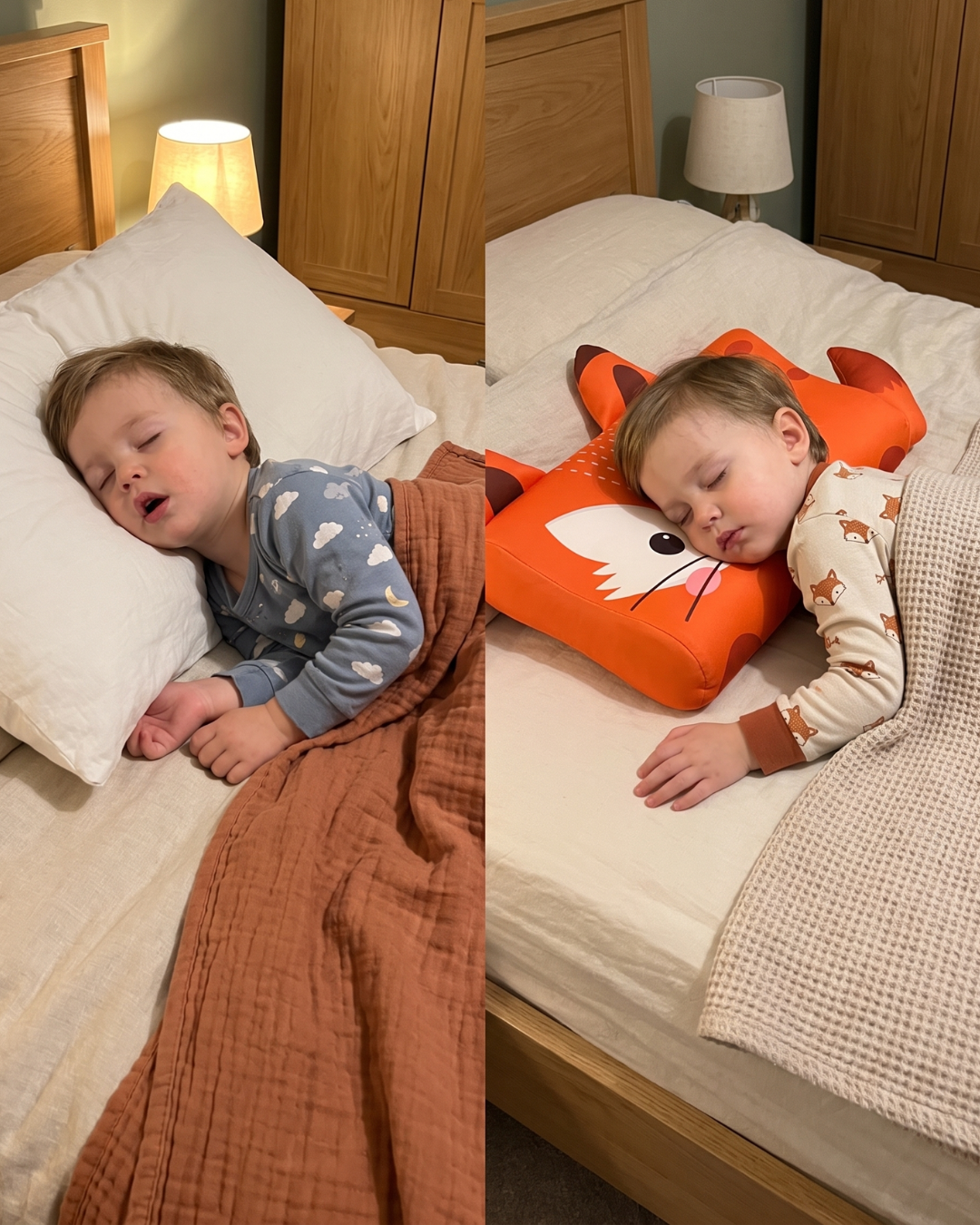
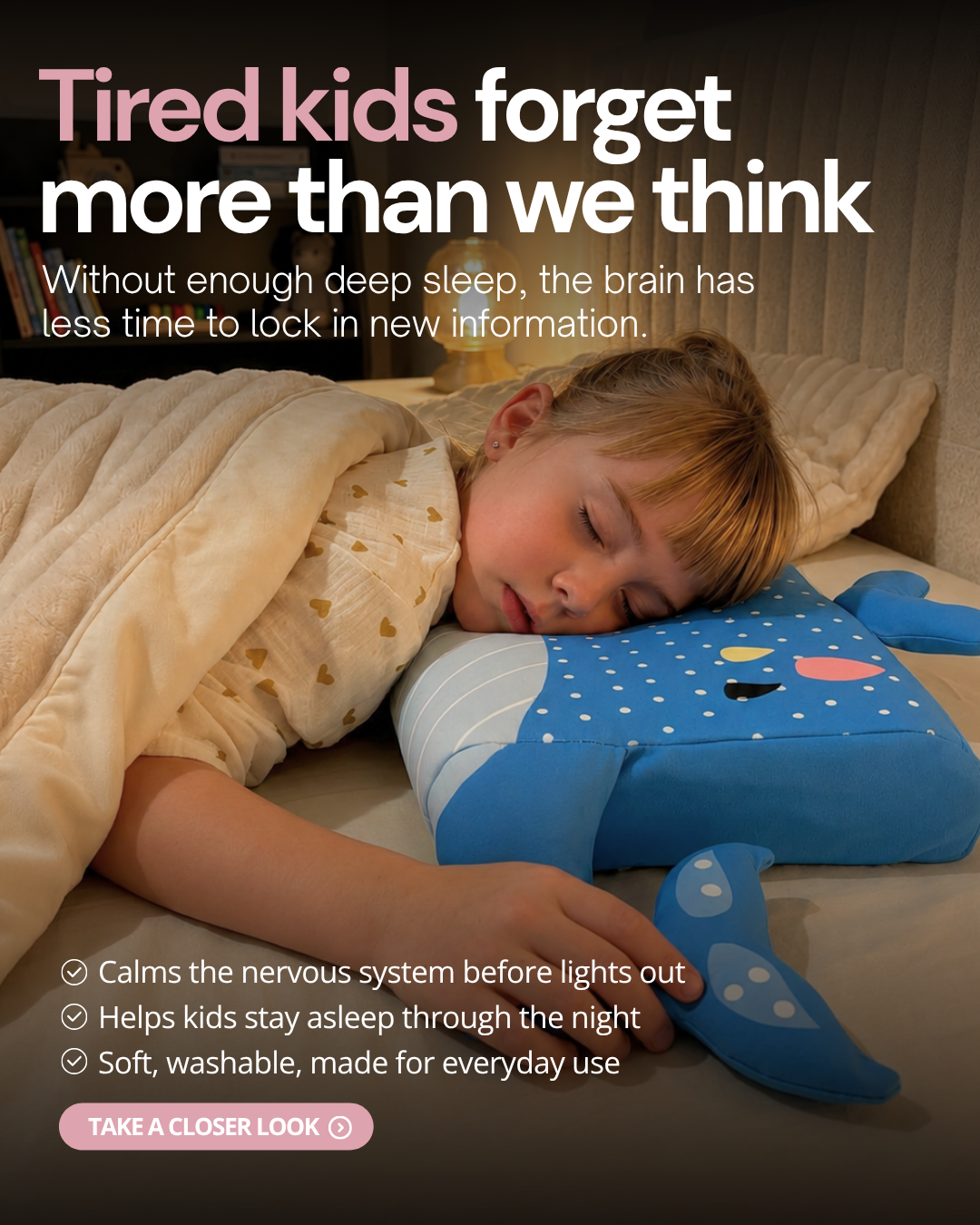
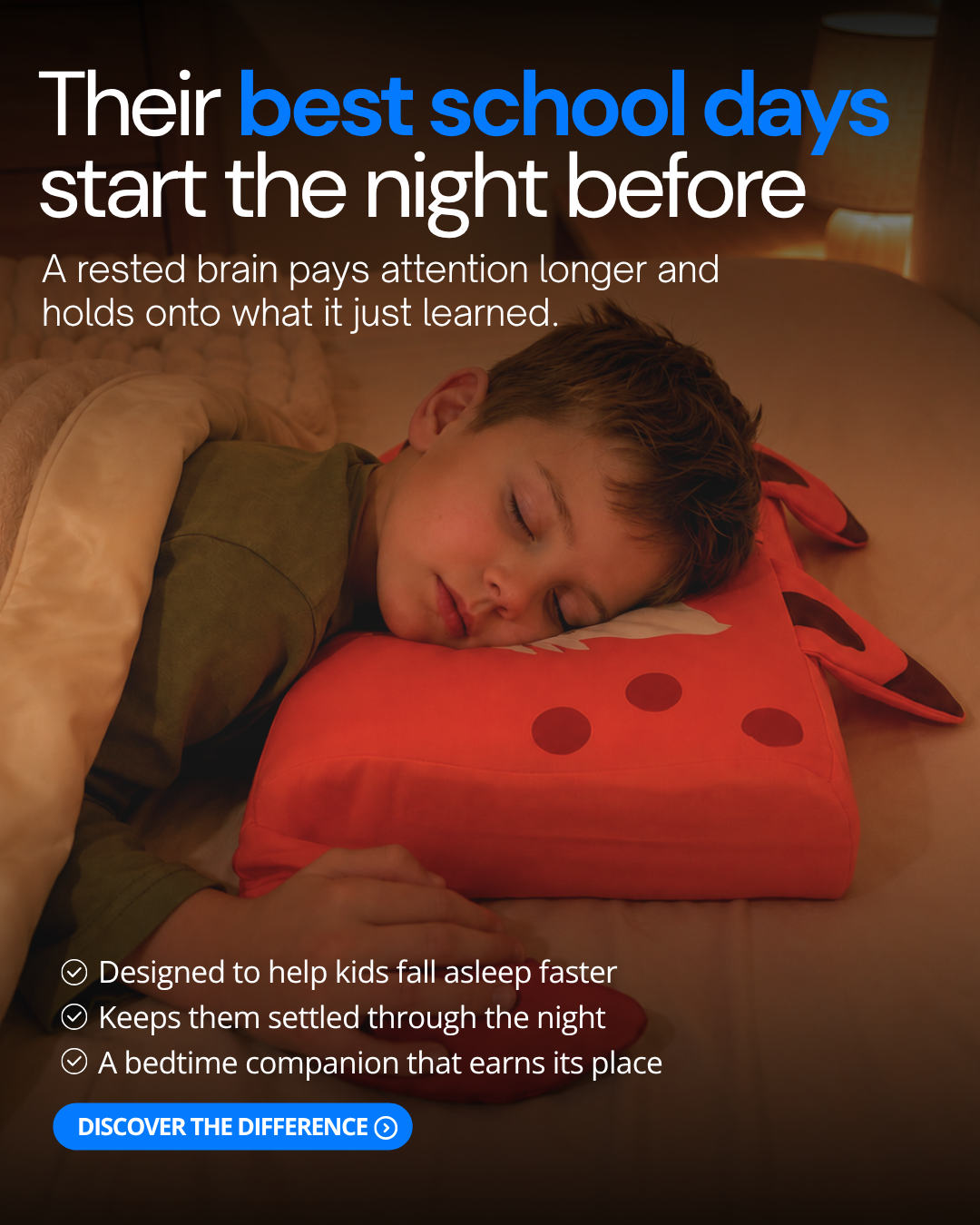
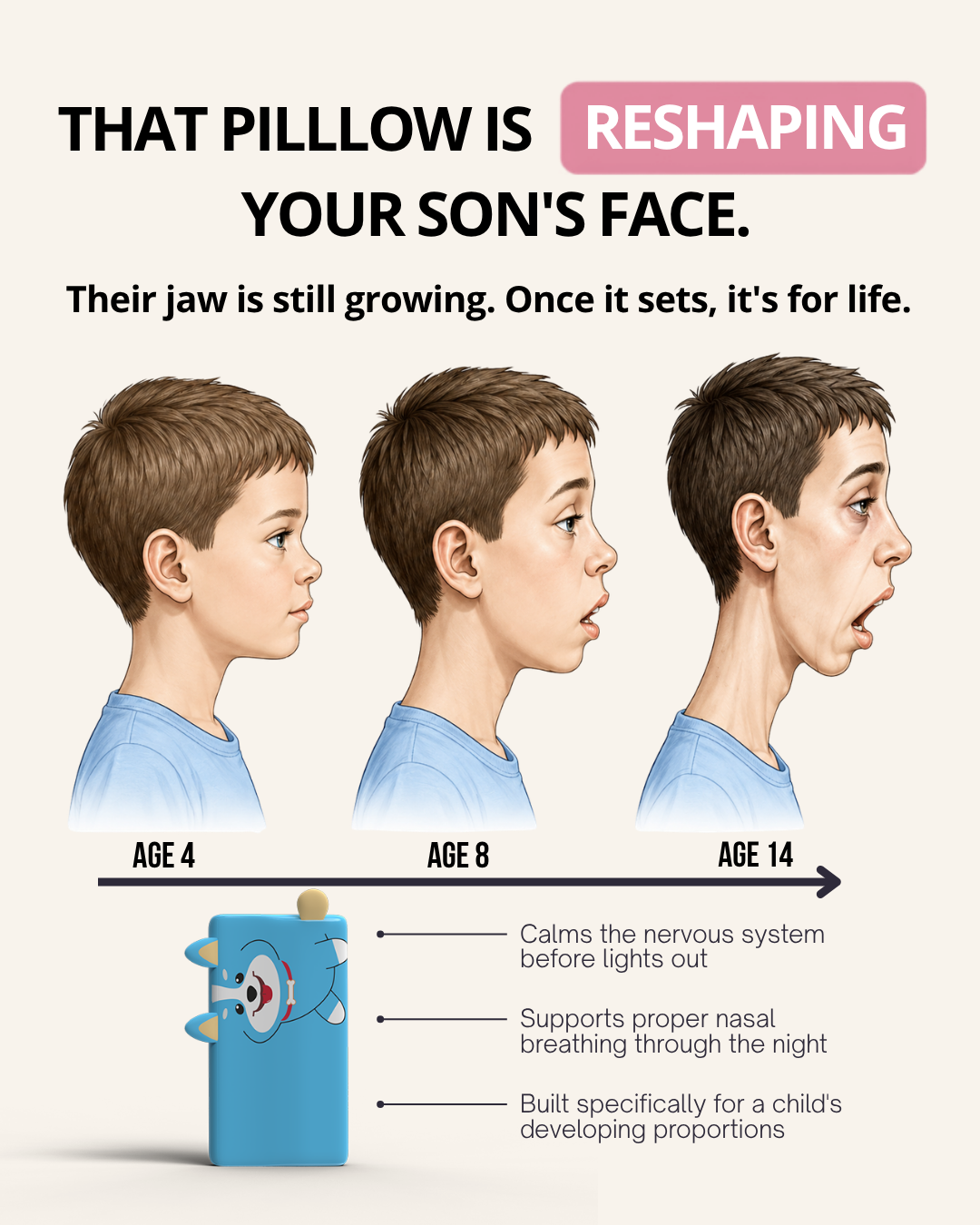
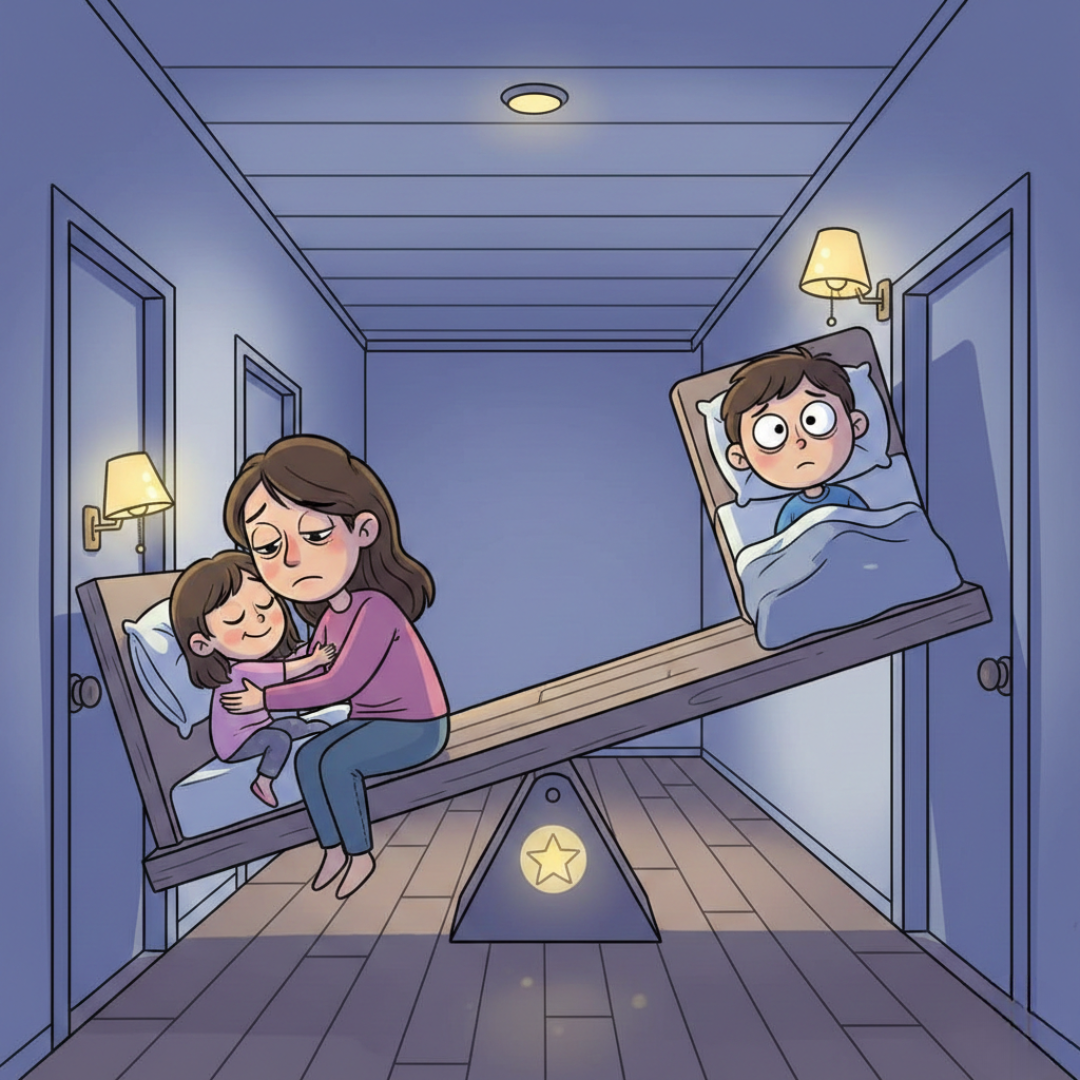
I love my son and daughter equally, yet every night I sat longer beside her than him… until I understood why no bedtime routine was actually calming her body. For a long time, I told myself this was just how it was going to be. I’m a single mom. Evenings are my most fragile time of day. By eight o’clock I have nothing left. No patience. No softness. No backup adult to tap in when I’m about to lose it. My son brushes his teeth, climbs into bed, and waits for his story. He has always liked knowing what comes next. He doesn’t argue much. He just wants his hug, his chapter, his light off at the usual time. My daughter is different. She doesn’t scream. She doesn’t throw things. That would almost be easier to explain. She lies there stiff. Eyes open. Fingers picking at her blanket. As soon as I stand up, her body tightens like I just pulled the ground out from under her. “Stay.” Not dramatic. Just quiet and urgent. So I stayed. At first, it was ten minutes longer than my son. Then twenty. Then forty. Eventually, some nights, I was still sitting on the edge of her bed when the house had gone completely silent and my son had been alone in his room for over an hour. He never complained. That was the part that broke me. One night, after I finally slipped into his room to check on him, he was still awake. “I didn’t want to bother you,” he said. Seven years old and already minimizing himself. I love them equally. I would never choose one over the other. But every single night, I was doing exactly that. And the worst part was, I thought I was doing the right thing. I thought she needed me more. I tried everything I was supposed to try. The calm bedtime routine. Same order every night. Bath. Pajamas. Story. Song. Lights out. White noise. A softer nightlight. No screens after dinner. I even tried a weighted blanket because someone told me it works wonders for sensitive kids. She kicked it off within fifteen minutes and asked me to sit closer. I tried a sticker chart for “staying in bed.” That lasted three days before she cried so hard she couldn’t breathe when I left the room. I tried wearing her out during the day. Park after school. Long walks. Extra outside time. She just got overtired and even more wired at night. Meanwhile, my son started asking for fewer things. Fewer stories. Fewer hugs. He’d shrug and say, “It’s okay.” It didn’t feel okay. I was exhausted. Not just physically. Mentally split in two. I would sit on her bed, rubbing her back, staring at the wall, thinking about the dishes, the laundry, the work I still had to do. And then I’d think about my son lying alone down the hall. Some nights I’d feel resentment. Some nights guilt. Most nights both. I kept telling myself she just had separation anxiety. That as a single mom, maybe she felt things more deeply. Maybe she needed extra reassurance because it’s just the three of us. But something didn’t sit right. If this was just about missing me, why did her whole body stay tense even when I was sitting right there? Why did her fingers keep searching for something to hold, even when my hand was in hers? One night, I stopped rubbing her back for a second just to see what would happen. Her shoulders lifted instantly. Her breathing got shallow. Her hands started moving again, restless, almost frantic. It hit me quietly. It wasn’t me she was clinging to. It was the sensation. The pressure. The touch. The grounding. All the routines I’d been obsessing over were about behavior. Be calm. Lie still. Close your eyes. But her body wasn’t calm. Her body was buzzing. And my son, who could regulate himself more easily, was paying the emotional price for that difference. That realization was uncomfortable. It meant I had been solving the wrong problem. I wasn’t dealing with a child who refused bedtime. I was dealing with a child whose nervous system didn’t know how to settle without input. I started reading late at night after they were asleep. About sensory seeking. About how some kids actually need something in their hands to calm down. Not as a distraction, but as a way to regulate. That’s when I came across the calming children's pillow. It didn’t promise independence. It didn’t talk about training or discipline. It simply explained how some children fall asleep easier when they have gentle tactile input and proper support under their head and neck. It made sense in a way nothing else had. She was already reaching for my sleeve. My hair. The edge of the blanket. What if she just needed something safe and consistent to touch? I ordered it quietly. I didn’t make it a big moment. When it arrived, I put it on her bed and told her she could try it if she wanted. She ran her fingers over the little fabric details immediately. Not in an excited way. In a focused way. Like her body recognized something useful. That first night, I still sat beside her. But I noticed something small. Her hand wasn’t gripping mine as tightly. It was moving along the pillow instead. Pressing. Rubbing. Squeezing gently. Her breathing slowed without me having to constantly rub her back. After about twenty minutes, I said I was going to check on her brother. She hesitated. Then she nodded. I stood outside her door waiting for the usual call. It didn’t come. It wasn’t magic. The next night she still asked me to come back once. But something had shifted. She had something that wasn’t me. Over the next couple of weeks, my time in her room slowly shortened. Fifteen minutes. Sometimes ten. Some nights longer, yes. She’s still herself. But I was no longer anchored there for an hour every evening. And the most unexpected part? I started lingering in my son’s room again. Not out of guilt. Because I finally could. We read longer chapters. Talked about his day without me glancing at the clock in my head. He started asking for extra hugs again. The hallway between their rooms stopped feeling like a line dividing my attention. My daughter still has nights where she needs reassurance. I still sit with her sometimes. But she reaches for the pillow now when her body starts to tense. She presses it to her chest. Her fingers move. And I can see her settle without needing all of me. The difference isn’t dramatic. It’s steady. And steady feels fair. I used to think I had to push independence harder. That I needed to teach her to be okay alone. What I actually needed was balance. I love my son and daughter equally. Now my evenings reflect that a little more honestly. And for the first time in a long time, bedtime doesn’t feel like I’m quietly choosing one child over the other.
Read the shift that changed our evenings 🧠
SHOP NOWLike this ad? Make it yours.
Crush rebuilds this exact creative around your product — your brand, your colors, your offer — in about a minute.