
Inactive· since Feb 16, 2026
- 11
- days it ran
- 2
- relaunches
- 120
- EU reach
Ad copy
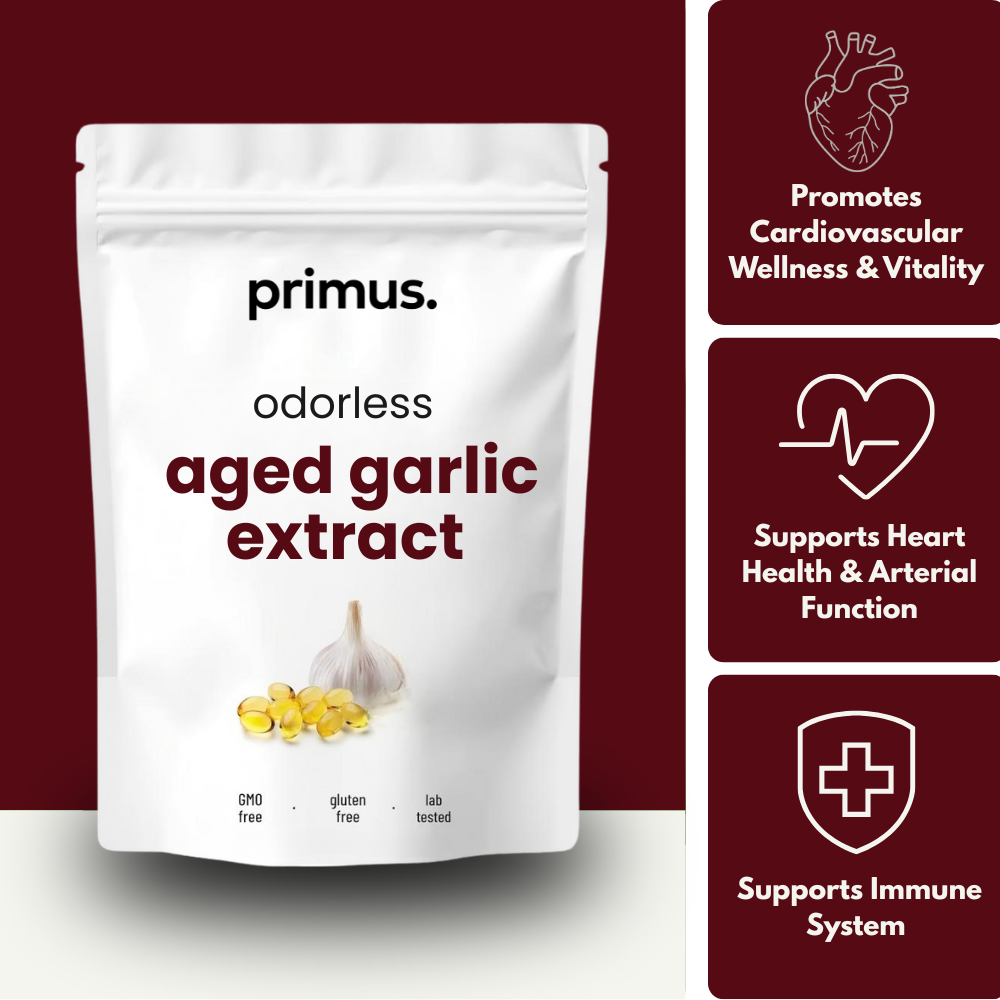
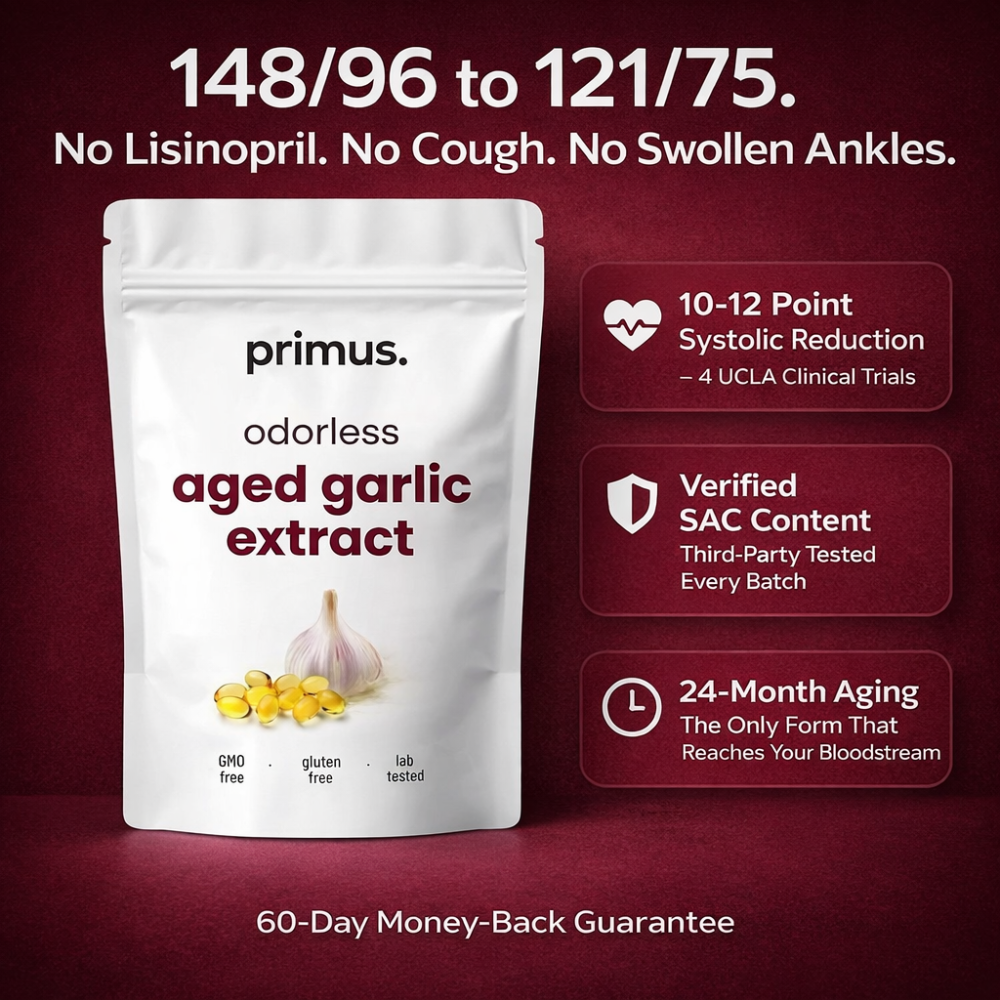
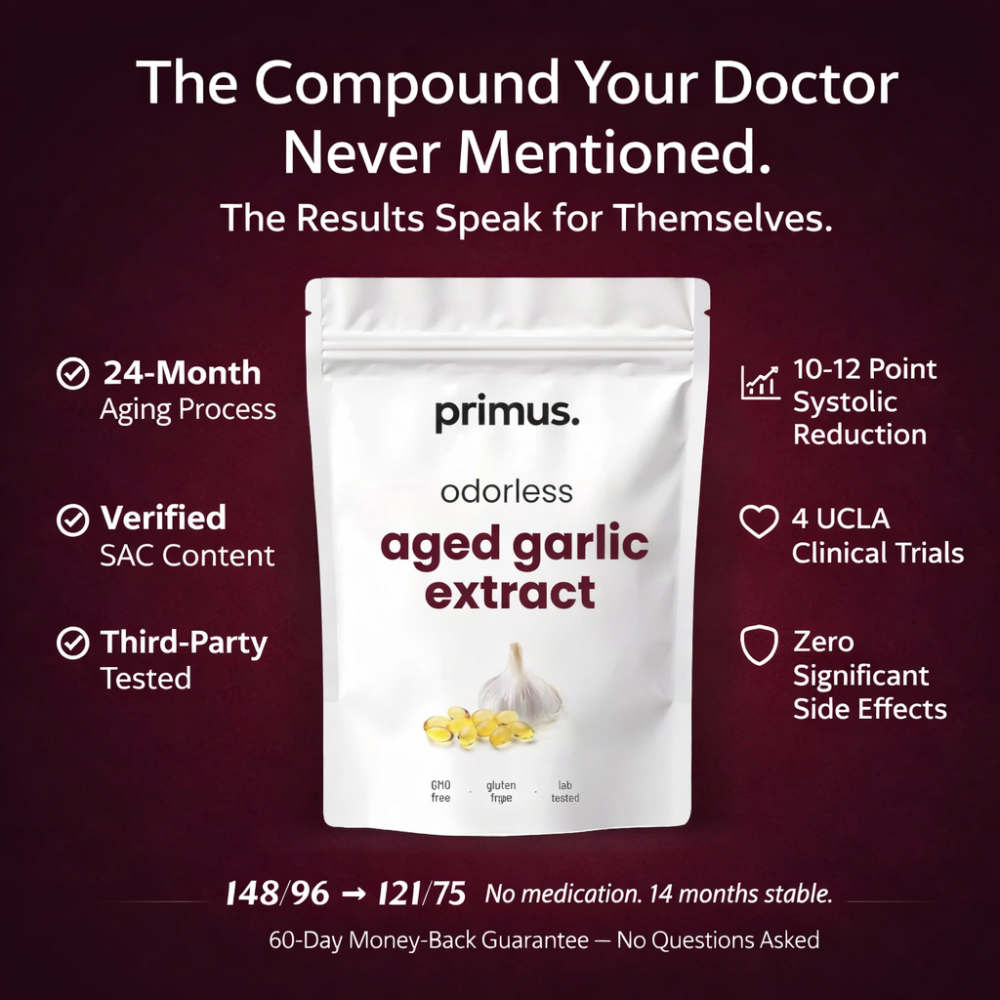
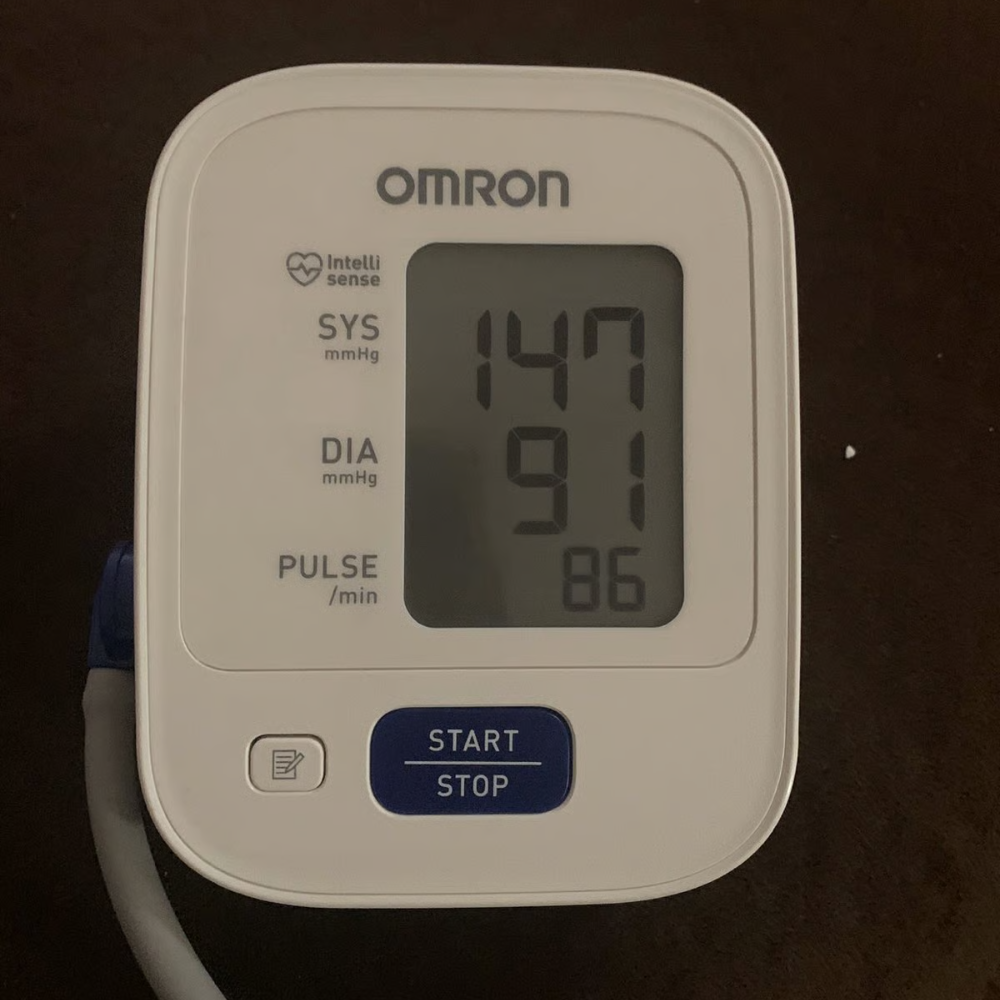
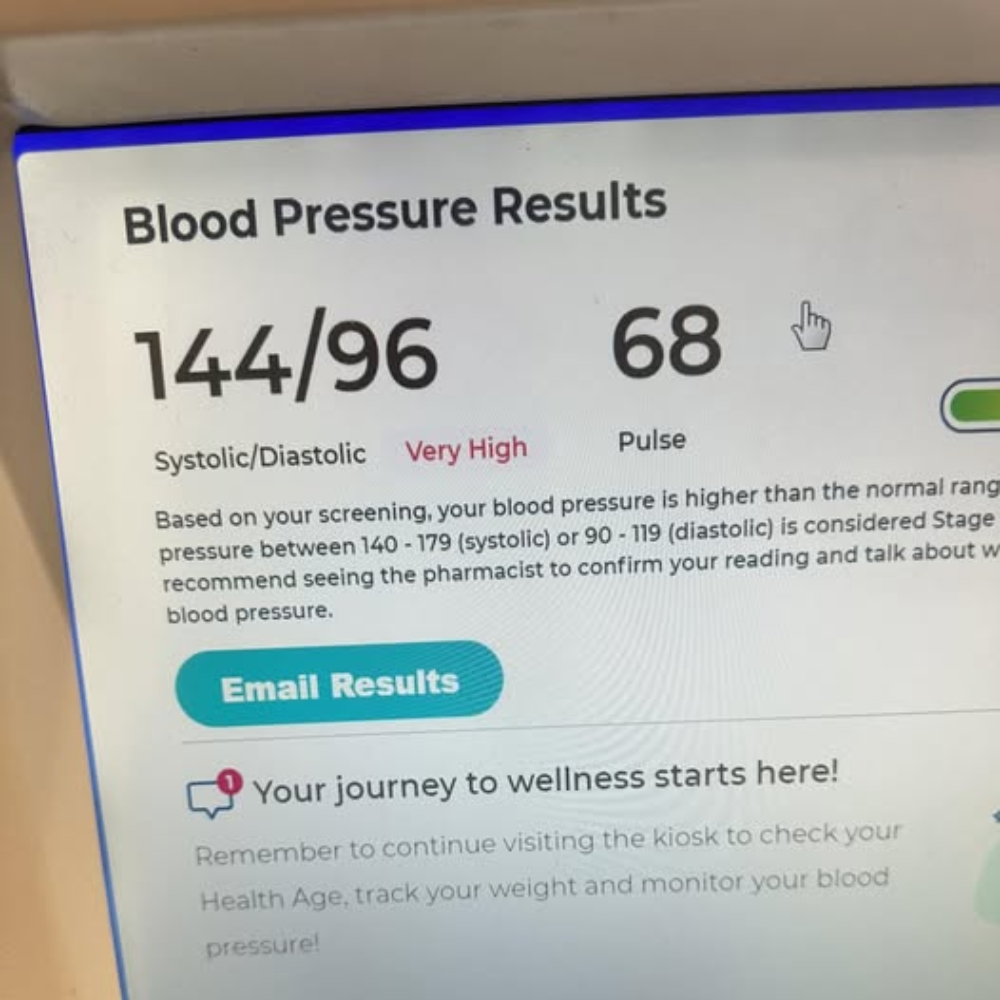
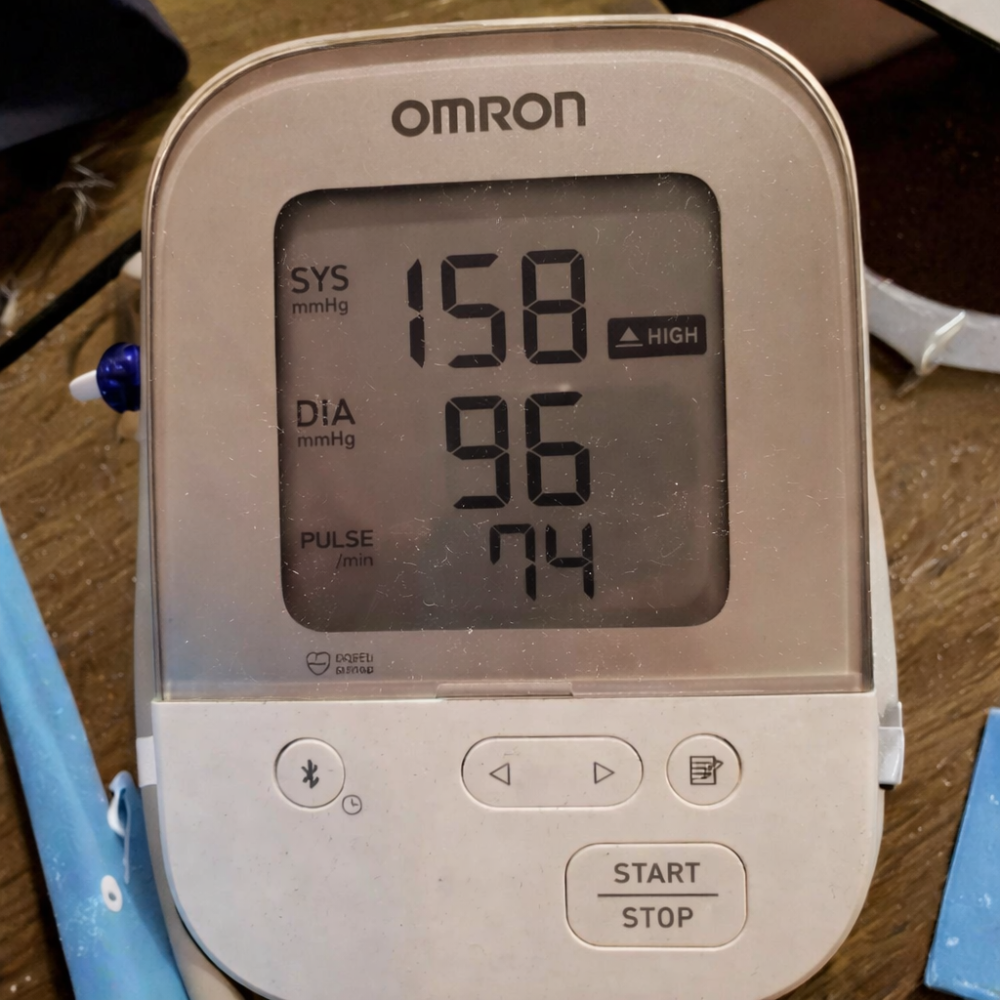
I've optimized almost everything. Resting heart rate: 52. HRV: 68. Fasting glucose: 84. Sleep score: 89. VO2 max: 42. ApoB: 62. hsCRP: 0.4. Blood pressure: 148/93. That last number has been staring at me for 14 months. I've thrown everything at it. Zone 2 cardio. Magnesium. Potassium loading. Beetroot. Hibiscus. Breathing protocols. Cold exposure. Nothing moves it more than 3-4 points. Until I found the one variable I'd missed. Let me explain. Because this isn't a story about feeling scared at a doctor's office. I'm not afraid of medication. I'm not running from a diagnosis. I'm trying to solve a problem the same way I solve every other health variable — with data, research, and targeted intervention. I'm 54. I've been serious about longevity for about 6 years. Started after I listened to Peter Attia talk about the four horsemen — cardiovascular disease, cancer, metabolic dysfunction, neurodegenerative disease. Realized I needed to get proactive instead of reactive. So I built a protocol. Bloodwork every 6 months. Full panel — lipids, metabolic, inflammatory markers, hormones. I track trends, not just snapshots. Daily tracking: HRV, resting heart rate, sleep stages, respiratory rate through my Oura ring. Glucose variability through a CGM for two weeks every quarter. Exercise: Zone 2 cardio 4x/week (150+ minutes). Resistance training 3x/week. VO2 max tested annually. Nutrition: Mostly whole foods. High protein. Low refined carbs. Moderate alcohol — maybe 2 drinks a week. Supplements: Magnesium threonate (sleep + cardiovascular), omega-3 (2g EPA/DHA), vitamin D3/K2 (5000 IU / 200mcg), CoQ10 (200mg), creatine (5g). Each one chosen based on evidence. Nothing random. Every biomarker I track has responded to this protocol. Resting heart rate went from 64 to 52. HRV from 38 to 68. Fasting glucose from 98 to 84. ApoB from 95 to 62 (with some lipid intervention). hsCRP from 1.8 to 0.4. VO2 max from 34 to 42. All moving in the right direction. All responding to inputs. Except blood pressure. 148/93. Fourteen months ago I started specifically targeting it. Added interventions one at a time. Controlled for each variable. Ran each for at least 6 weeks to give it a fair trial. Here's my n=1 data: Potassium loading (4,700mg daily from food + supplement): 148/93 → 146/91. Two points. Marginal. Magnesium glycinate (added 400mg on top of threonate): No measurable change. Beetroot extract (1,300mg, standardized nitrates): Morning readings dropped to 140/88. Evening readings back to 147/92. Temporary effect — already knew this from the literature but wanted to confirm. Hibiscus tea (3 cups daily, 6 weeks): 146/91. Within noise. Box breathing protocol (10 minutes, twice daily): Acute readings dropped during the session. Resting readings unchanged. Cold exposure (2 minutes cold shower daily): No measurable BP effect. Good for other things. Not this. Garlic (standard allicin-based, 1000mg): No change. Expected — stomach acid degrades allicin before absorption. Total time spent: 14 months. Total supplements tested: 7. Total blood pressure reduction: 2-4 points depending on the day. Every other biomarker in my panel responds to targeted intervention. Blood pressure sits there like a wall. I started digging deeper into the mechanism. Not surface-level "nitric oxide relaxes blood vessels" — I already knew that. I wanted to understand WHY my blood pressure specifically wasn't responding to a protocol that was fixing everything else. The answer was in a concept I'd read about but never specifically targeted: endothelial dysfunction. Here's what I'd been getting wrong. I understood the downstream pathways. Nitric oxide relaxation. Potassium-sodium balance. Sympathetic tone. Inflammation reduction. My supplements were addressing each of these. But they're all downstream effects of one upstream system: the endothelium. The endothelium is the inner lining of every blood vessel. It's a single-cell-thick layer that functions like a control center — it regulates nitric oxide production, inflammatory response, clotting factors, vascular tone. Everything. When the endothelium is healthy, blood pressure self-regulates. Nitric oxide gets produced continuously. Arteries flex with each heartbeat. The system is responsive. When the endothelium is dysfunctional — damaged by oxidative stress, age-related wear, glycation, inflammation — every downstream pathway gets compromised simultaneously. My magnesium was trying to relax vessels that couldn't respond properly because the control system was broken. My beetroot was providing temporary nitric oxide that the endothelium should have been producing on its own. My potassium was optimizing a sodium balance that wasn't the bottleneck. I was optimizing 6 downstream variables while the upstream controller was deteriorating. It's like tuning the software on a computer with a failing processor. You can optimize the code all you want — the hardware is the bottleneck. My endothelium was the bottleneck. Once I framed it that way, I searched specifically for compounds with evidence of endothelial repair. Not nitric oxide support. Not vasodilation. Not anti-inflammatory effects. Direct endothelial function improvement measured by flow-mediated dilation or similar validated endpoints. That search led me to Dr. Matthew Budoff's lab at UCLA. Four randomized, double-blind, placebo-controlled trials on a compound called S-allylcysteine — SAC. Found only in garlic aged for 20-24 months. The data: ✅ 10-12 point mean systolic reduction — sustained across the full study period ✅ Measurable improvement in arterial flexibility — pulse wave velocity changes ✅ Reduced coronary artery calcium progression — plaque buildup slowed ✅ Favorable safety profile — no significant adverse events, no drug interactions reported But the mechanism is what sold me: SAC doesn't just provide exogenous nitric oxide like beetroot. It doesn't just relax smooth muscle like magnesium. It supports the endothelial cells in restoring their own nitric oxide synthase activity. It's targeting the upstream controller. The processor, not the software. The compound has antioxidant properties specific to endothelial tissue — reducing the oxidative stress that causes dysfunction in the first place. It supports hydrogen sulfide signaling alongside nitric oxide — both are endothelium-derived relaxing factors. This wasn't a broad-spectrum supplement claiming to do everything. It was a specific compound with a specific mechanism targeting the specific bottleneck I'd identified. That's the kind of intervention I add to my protocol. I sourced an aged garlic extract with verified SAC content. Full 24-month aging process — the same form used in Budoff's trials. Started it alongside my existing stack. I ran it the same way I run every n=1 experiment. Baseline readings for 2 weeks before starting. Daily monitoring. No other changes to the protocol. Week 1-2: 143/89. More movement than 14 months of targeted interventions. Week 3-4: 137/85. Morning and evening readings both improving. No temporary spikes and crashes like beetroot. Week 5-6: 131/81. Week 8: 126/78. 22 points systolic. In 8 weeks. After 14 months of everything else combined gave me 2-4. I checked it against all my other variables. Nothing else had changed. Same exercise. Same diet. Same sleep. Same supplement stack minus the beetroot and standard garlic I'd dropped. The only new input was SAC. The one variable I'd been missing. Here's my updated biomarker panel: Resting heart rate: 52 ✅ HRV: 71 ✅ (slight improvement — possibly related to reduced BP) Fasting glucose: 83 ✅ VO2 max: 42 ✅ ApoB: 60 ✅ hsCRP: 0.3 ✅ Blood pressure: 126/78 ✅ Full green across the board for the first time. My doctor — who's used to me showing up with spreadsheets and asking about specific biomarkers — looked at the trend and said: "Your cardiovascular numbers are excellent across every metric. Whatever you're doing, it's working." I added SAC to my protocol permanently. Dropped beetroot, standard garlic, and the potassium supplement (blood pressure is normalized so the extra potassium loading isn't necessary). Net result: fewer supplements, better outcome. If you're someone who tracks data and optimizes inputs — you already understand that not all interventions are equal. Some address symptoms. Some address root causes. The highest-leverage intervention is always the one that targets the upstream bottleneck. For blood pressure, that bottleneck is endothelial function. And the most evidence-backed compound for endothelial support I've found is S-allylcysteine from 24-month aged garlic. Not a cure. Not a miracle. A specific compound with a specific mechanism supported by randomized controlled trial data from a major research university. That's the standard I hold every intervention to. This one meets it. The brand I use is Primus. ✅ Full 24-month aging process — verified, not marketing claims ✅ Measured SAC content in milligrams — not "garlic equivalent" estimations ✅ Third-party tested — Certificate of Analysis available ✅ Odorless — the aging process eliminates volatile sulfur compounds ✅ Same form factor as the UCLA trials 60-day money-back guarantee. If your numbers don't respond, return it. If you've optimized everything else and blood pressure is the one metric that won't cooperate — you might not need another supplement. You might need a different target. The endothelium. That's the variable. 👉 https://primus-health.com/products/aged-garlic-extract-7-500mg-odorless-skep
Every Biomarker Responded To My Protocol. Except Blood Pressure.
HRV: 68. Glucose: 84. ApoB: 62. Blood pressure: 148/93. 14 months of targeted intervention couldn't move it. One compound did.
LEARN MORELike this ad? Make it yours.
Crush rebuilds this exact creative around your product — your brand, your colors, your offer — in about a minute.