
Inactive· since Mar 5, 2026
- 27
- days it ran
- 0
- relaunches
- 1,162
- EU reach
Ad copy
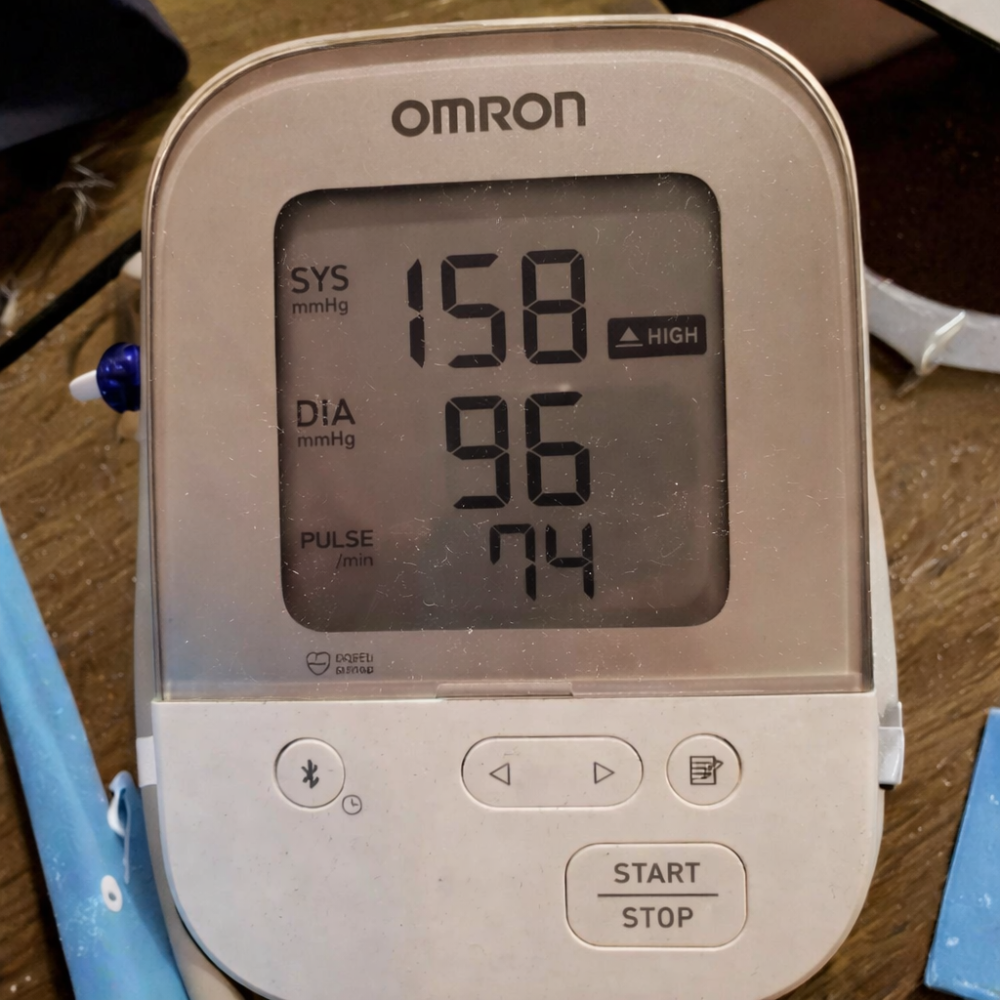
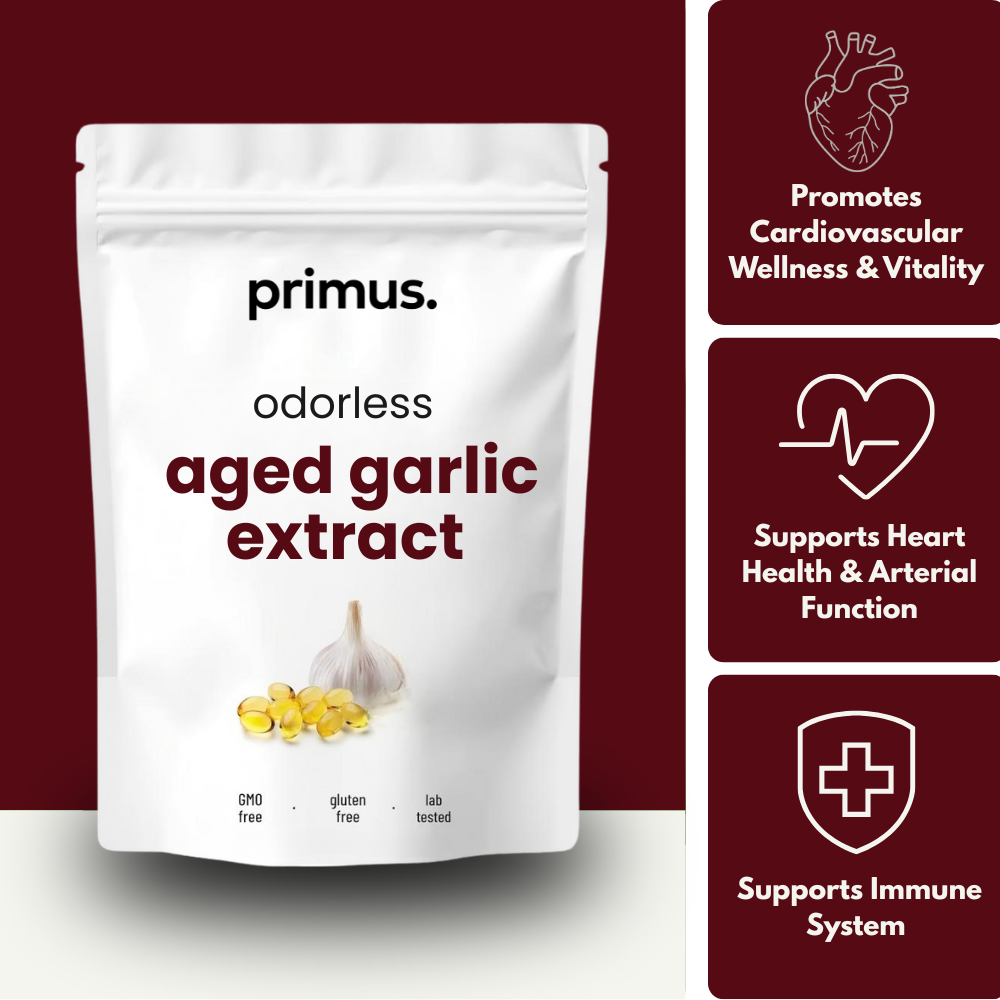
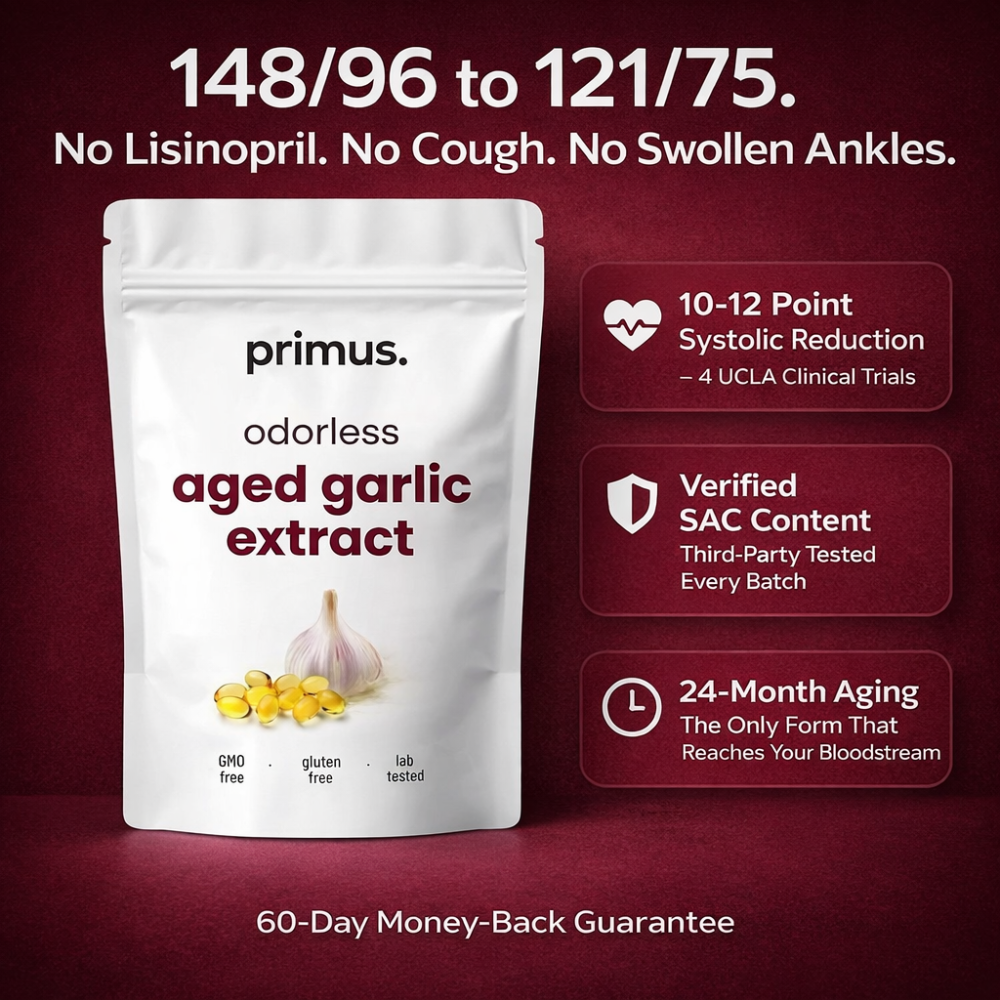
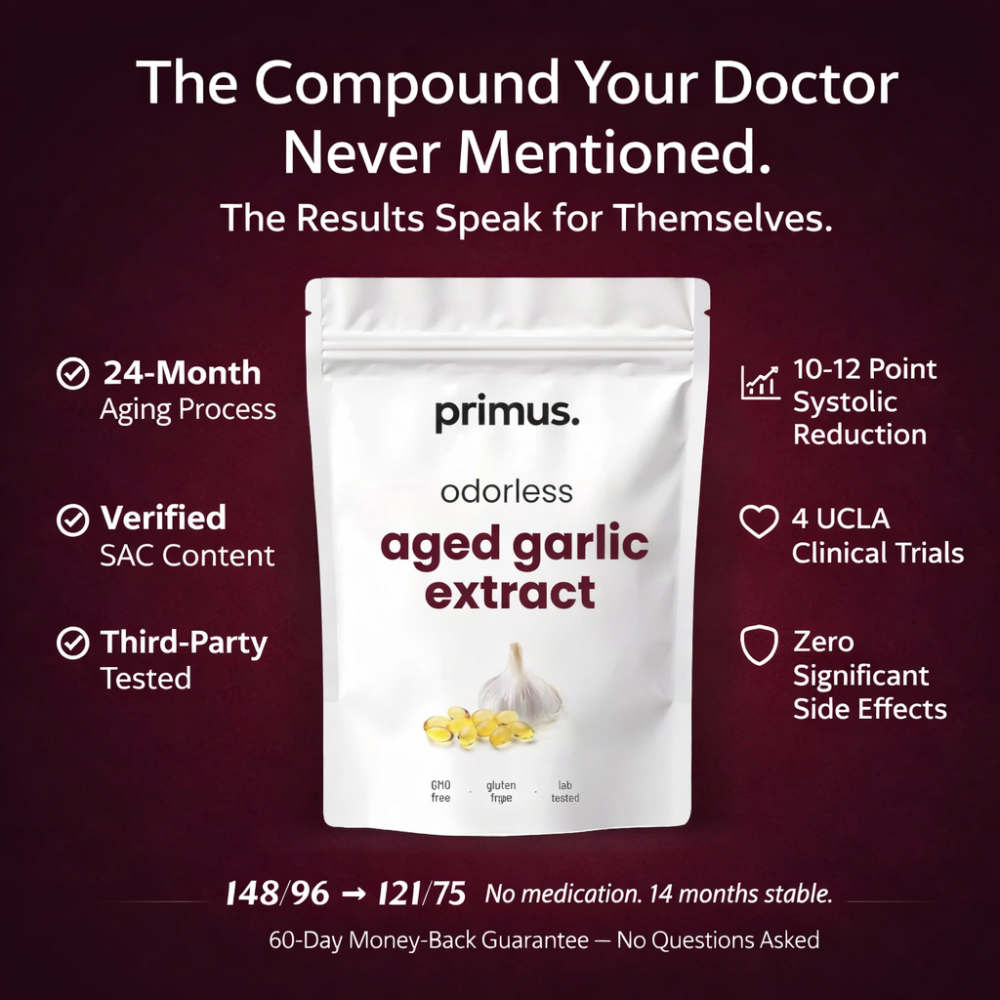
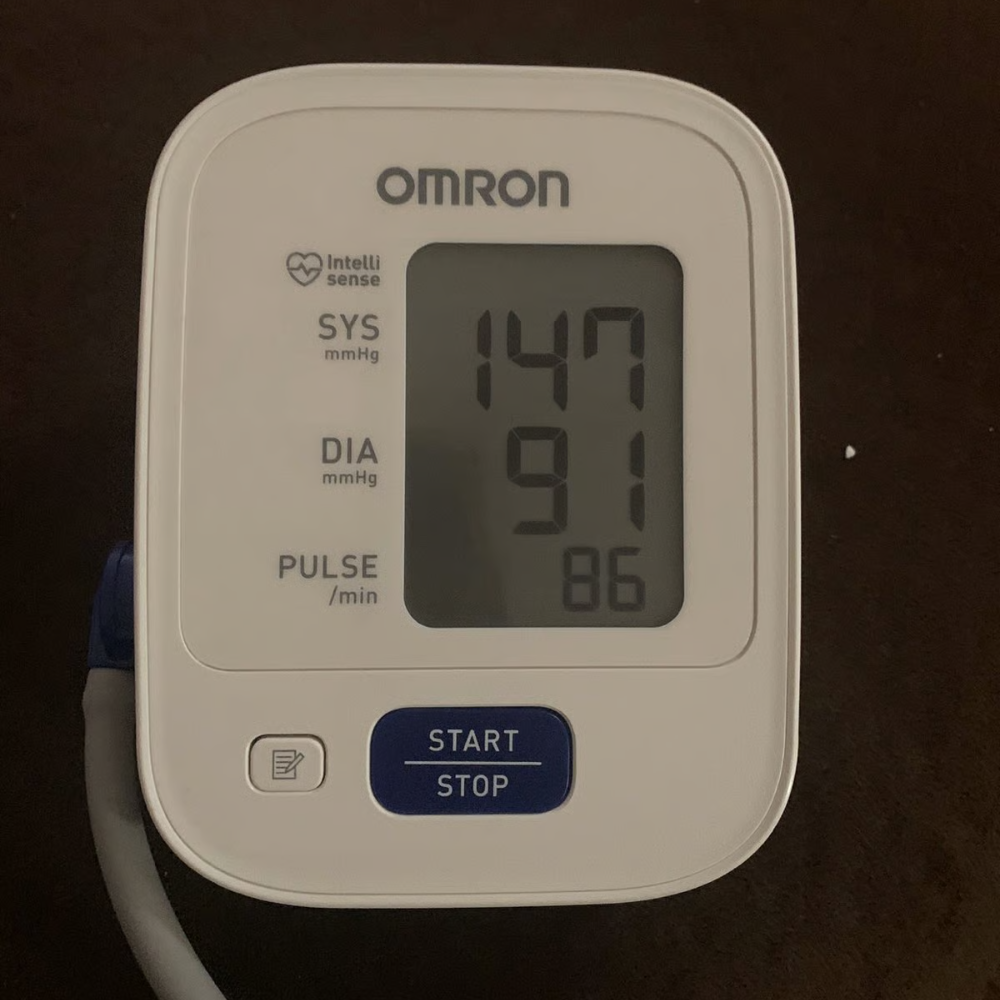
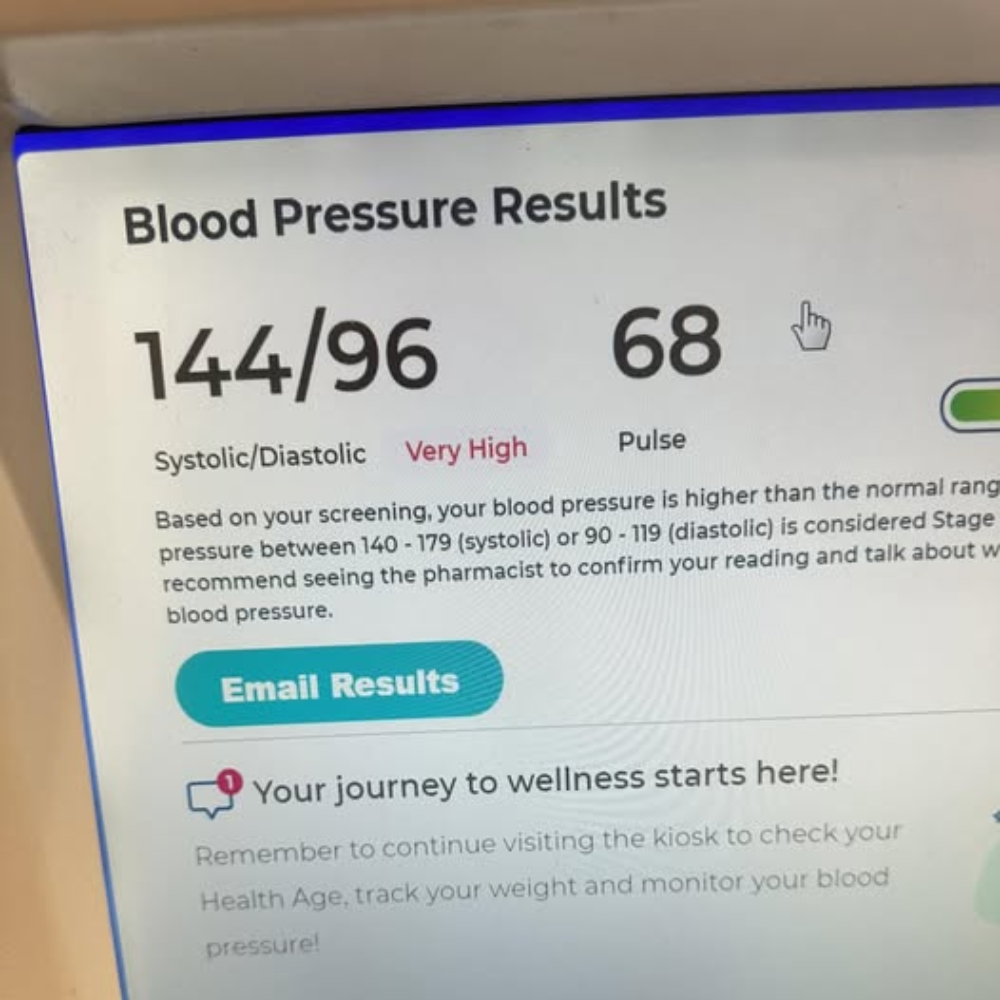
I took beetroot for 7 months straight. Every morning, like clockwork. My blood pressure would drop for a few hours — then climb right back up by dinner. I was on a nitric oxide rollercoaster. And I couldn't get off. Let me explain what I mean. I'm 61 years old. Retired electrical engineer. When my blood pressure hit 154/96, I did what any rational person would do — I researched. I wasn't going on medication. I'd watched my older brother deal with Lisinopril for six years. The cough. The fatigue. The dizziness that made him grab the wall every time he stood up. No thanks. So I went looking for natural solutions. Everything pointed to nitric oxide. The science made sense. Nitric oxide relaxes blood vessels. Blood flows easier. Pressure drops. Simple. And the most popular natural source of nitric oxide? Beetroot. I ordered a 3-month supply of beetroot capsules. 1,300mg per day. Organic. Cold-pressed. The good stuff — or so I thought. I'm not going to lie — beetroot did something. Week 1: I noticed my readings were lower in the morning. 148/92 instead of the usual 154/96. Not dramatic, but movement. Week 2: Started tracking more carefully. Morning readings after taking beetroot: 142/88. Felt encouraged. Week 3: Still hovering around 140-144 in the morning. But then I noticed something. I started checking my blood pressure in the evening too. Around 6 PM. Sometimes 8 PM. The numbers were back up. 150/94. Sometimes 153/96. Right back where I started. Every morning: down. Every evening: back up. Down. Up. Down. Up. Like clockwork. I thought maybe I needed a higher dose. Bumped it to 2,600mg — doubled up. Same pattern. Morning readings improved slightly more. Evening readings? Right back up. I tried splitting the dose — half in the morning, half at lunch. That helped keep the afternoon numbers lower, but by 9 PM I was back at 148/93. I was managing my blood pressure the way you manage a headache with Tylenol. Take it. Feel better. Wait for it to wear off. Take it again. Month after month. I spent $247 on beetroot capsules in 7 months. And my blood pressure wasn't fixed. It was just being temporarily suppressed for a few hours at a time. I was renting relief. And the rent was due every single morning. I couldn't sleep one night. My evening reading had been 156/97 — the highest in weeks. I'd taken my beetroot that morning like always. Didn't matter. So I did what I always do when I can't sleep. I went down a research rabbit hole. And I found something that explained everything. Beetroot works through dietary nitrates. Your body converts nitrates into nitric oxide. This relaxes your blood vessels temporarily. Blood pressure drops. But here's what nobody tells you: The effect lasts 4-6 hours. Then it's gone. The nitric oxide from dietary nitrates gets used up and cleared from your system. Your blood vessels constrict again. Pressure rises again. Beetroot doesn't fix WHY your blood pressure is high. It just temporarily overrides the symptom. It's like running the air conditioning in a house with broken insulation. The room gets cooler while the AC is blasting. Turn it off? Temperature climbs right back up. You haven't fixed the insulation. You've just masked the problem with brute force. Your arteries are the broken insulation. Here's what I should have researched from the beginning. The reason blood pressure rises as we age isn't a nitrate deficiency. It's not that we need to eat more beets. The real problem is endothelial dysfunction. The endothelium is the inner lining of your blood vessels. When it's healthy, it produces its own nitric oxide — naturally, continuously, 24 hours a day. But as we age, the endothelium becomes damaged. Oxidative stress. Inflammation. Arterial stiffness. The cells that are supposed to produce nitric oxide start failing. Your body's nitric oxide factory breaks down. Beetroot doesn't repair the factory. It just trucks in temporary supplies from the outside. The moment you stop taking it, the supply dries up. Because the factory is still broken. That's why my evening readings were always back up. The external nitric oxide from beetroot was gone. And my endothelium still couldn't make its own. That night at 2 AM, I found research from UCLA. Dr. Matthew Budoff — a cardiologist — had conducted four randomized, double-blind, placebo-controlled clinical trials on a compound called S-allylcysteine (SAC). SAC is found only in garlic that has been aged for 20-24 months. It's completely different from allicin (the compound in regular garlic that stomach acid destroys). What Dr. Budoff's research showed: ✅ 10-12 point average systolic reduction — not temporary, sustained over the full study period ✅ Improved arterial flexibility — the arteries themselves became more elastic ✅ Reduced arterial plaque progression — the buildup was slowing down ✅ Zero significant side effects — no stomach issues, no interactions But here's what caught my attention — the part that separated this from everything else I'd tried: SAC doesn't just add nitric oxide from the outside. It supports the endothelial cells in producing their own nitric oxide again. Read that again. It doesn't override the system like beetroot does. It helps repair the system itself. The difference: Beetroot: Provides external nitrates your body converts to NO. Lasts 4-6 hours per dose. Effect disappears when you stop. Doesn't address endothelial dysfunction. Aged Garlic (SAC): Supports endothelial cells to produce their own NO. Sustained — endothelial function improves over time. Arterial improvements persist. Directly supports endothelial repair. Backed by 4 UCLA randomized controlled trials showing sustained reduction + arterial flexibility. This was the difference between renting and owning. Beetroot rents you temporary relief. SAC helps your body rebuild the machinery that keeps blood pressure normal on its own. I ordered aged garlic extract — a brand that uses the full 24-month aging process with verified SAC content. I didn't stop beetroot immediately. I ran them together for the first two weeks, then dropped the beetroot. Week 1-2 (both): Morning readings similar. Evening readings started holding better — 144/90 instead of climbing back to 150+. Something was different. Week 3 (SAC only, no beetroot): This was the test. If SAC was actually doing something, my evening readings should hold without beetroot propping them up. Evening reading: 140/87. Not climbing back up. Week 4: Morning: 136/84. Evening: 138/86. The gap between morning and evening was closing. My body was maintaining more consistent numbers throughout the day. Week 6: 131/82 morning. 133/84 evening. Consistent. Stable. No rollercoaster. Week 8: 128/79. The nurse at my doctor's office took it twice. Checked the cuff. Took it a third time. "128 over 79." My doctor looked at my chart. A year of readings hovering around 150. Months of the beetroot rollercoaster documented. "What changed?" I told him everything. The nitric oxide research. The difference between dietary nitrates and SAC. The endothelial repair mechanism. Dr. Budoff's UCLA trials. He listened. Pulled something up on his computer. Nodded slowly. "Your numbers are excellent. No medication needed. Whatever you've found, keep doing it." I don't blame beetroot companies. Their product does what it claims — it temporarily increases nitric oxide through dietary nitrates. That's real. That's measurable. But they never tell you the effect is temporary. They never explain that you're not fixing anything — you're just overriding the symptom for a few hours. They never mention endothelial dysfunction or why your body stopped producing nitric oxide in the first place. Because if they did, you'd ask: "Is there something that actually fixes the underlying problem?" And the answer would lead you away from their product. I wasted 7 months and $247 on the nitric oxide rollercoaster before I found what actually works. Not because beetroot is a scam. It's not. But because it's a band-aid on a broken system. S-allylcysteine repairs the system. After researching dozens of aged garlic brands, I found Primus. Here's why: ✅ Full 24-month aging process — not 6 months, not 12 months. The full conversion from allicin to SAC. ✅ Verified SAC content — actual measured S-allylcysteine in milligrams. Not "garlic equivalent" marketing math. ✅ Third-party tested — Certificate of Analysis available. You can verify what's in the capsule. ✅ Completely odorless — the aging process eliminates garlic smell entirely. ✅ Same form studied at UCLA — the type Dr. Budoff used in his clinical trials. I still eat beets in my salad sometimes. They're healthy. Good for you. But I stopped relying on beetroot capsules to manage my blood pressure the day I understood the difference between renting nitric oxide and restoring my body's ability to make it. 60-day money-back guarantee. If your numbers don't improve, you pay nothing. If you're tired of the rollercoaster — this is how you get off. 👉 https://primus-health.com/products/aged-garlic-extract-7-500mg-odorless-skep
I Quit Beetroot After 7 Months. Here's Why.
My blood pressure dropped every morning on beetroot. By dinner it was back up. 7 months of that before I found what actually lasts.
LEARN MORELike this ad? Make it yours.
Crush rebuilds this exact creative around your product — your brand, your colors, your offer — in about a minute.