
Active· since Feb 2, 2026
- 227
- days running
- 0
- relaunches
Ad copy
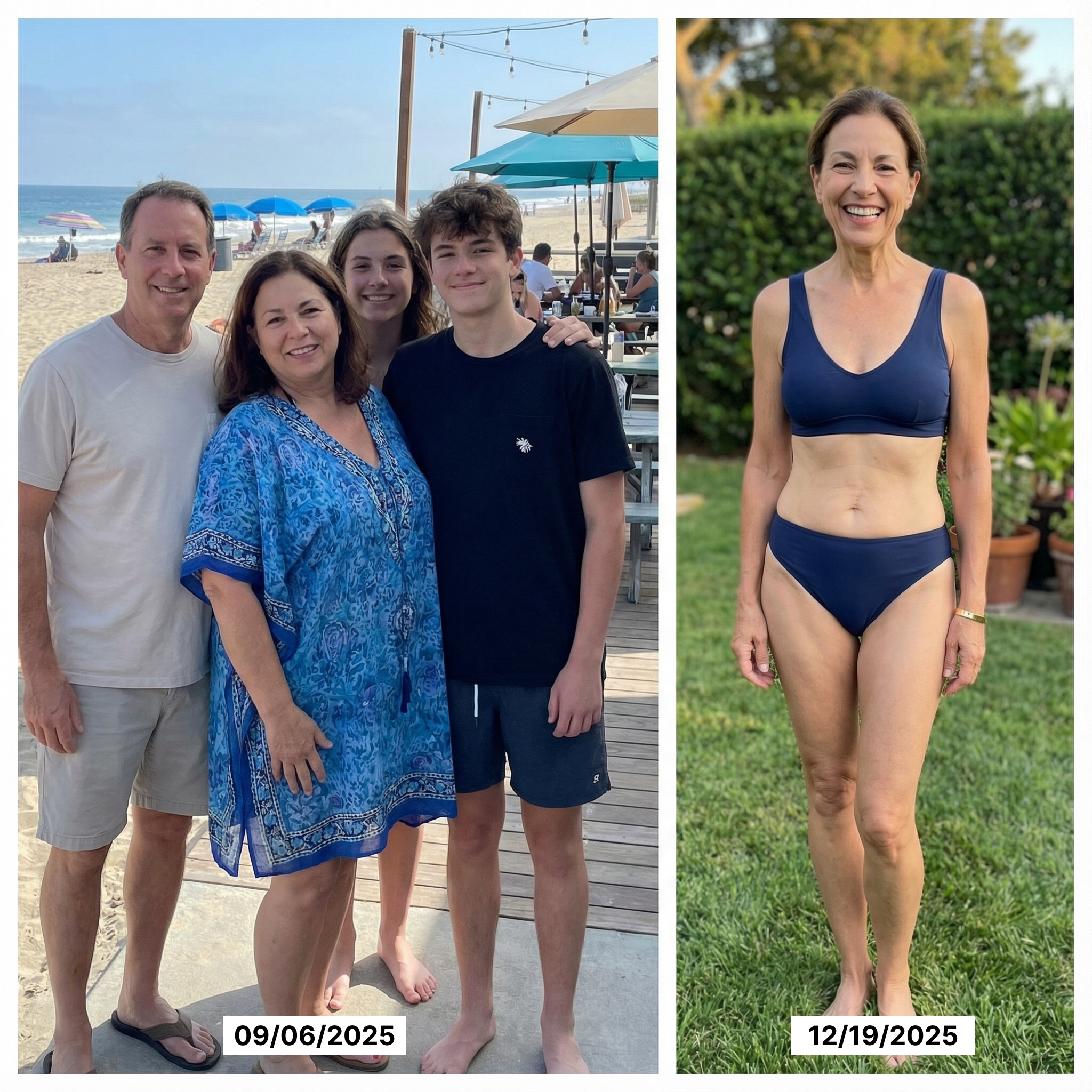
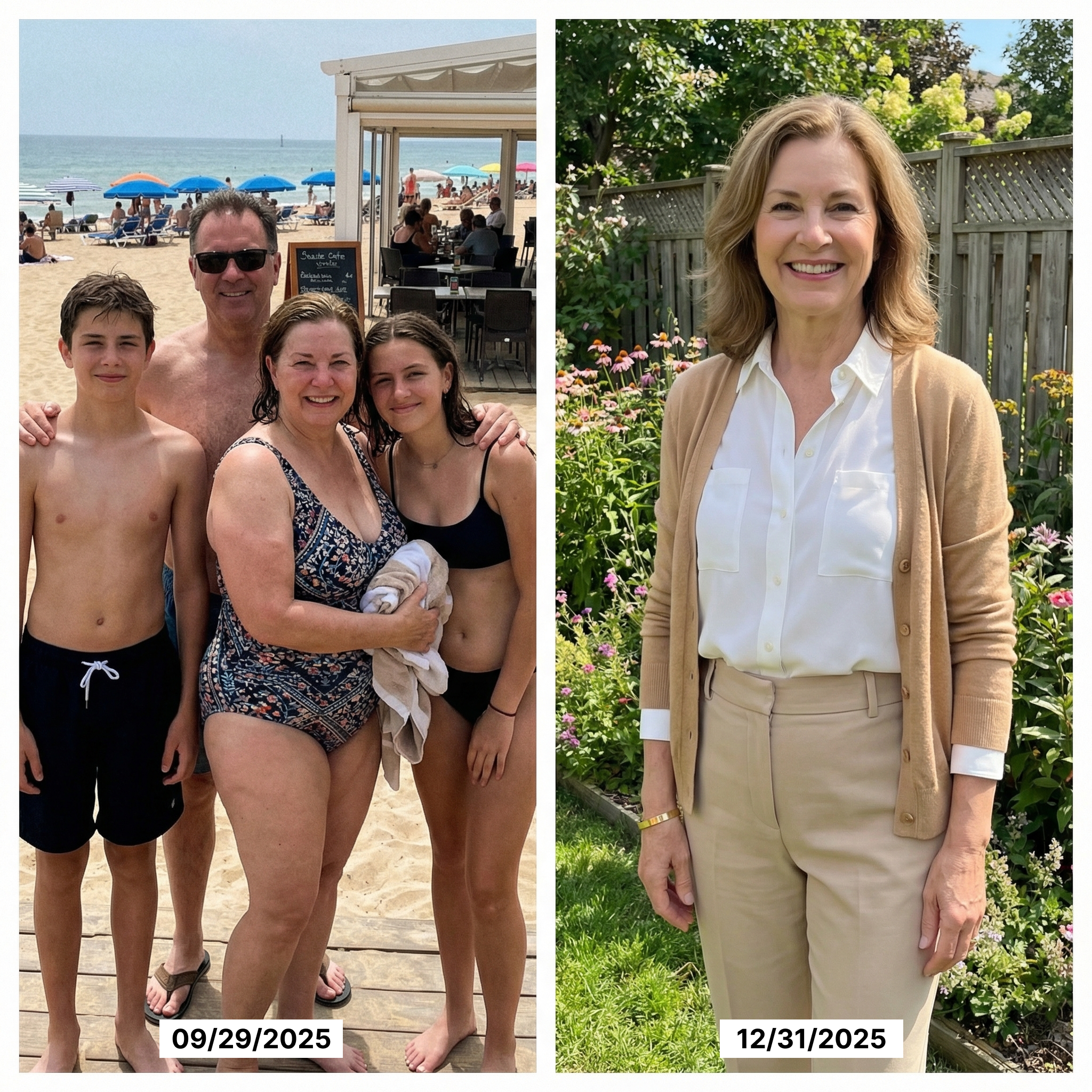
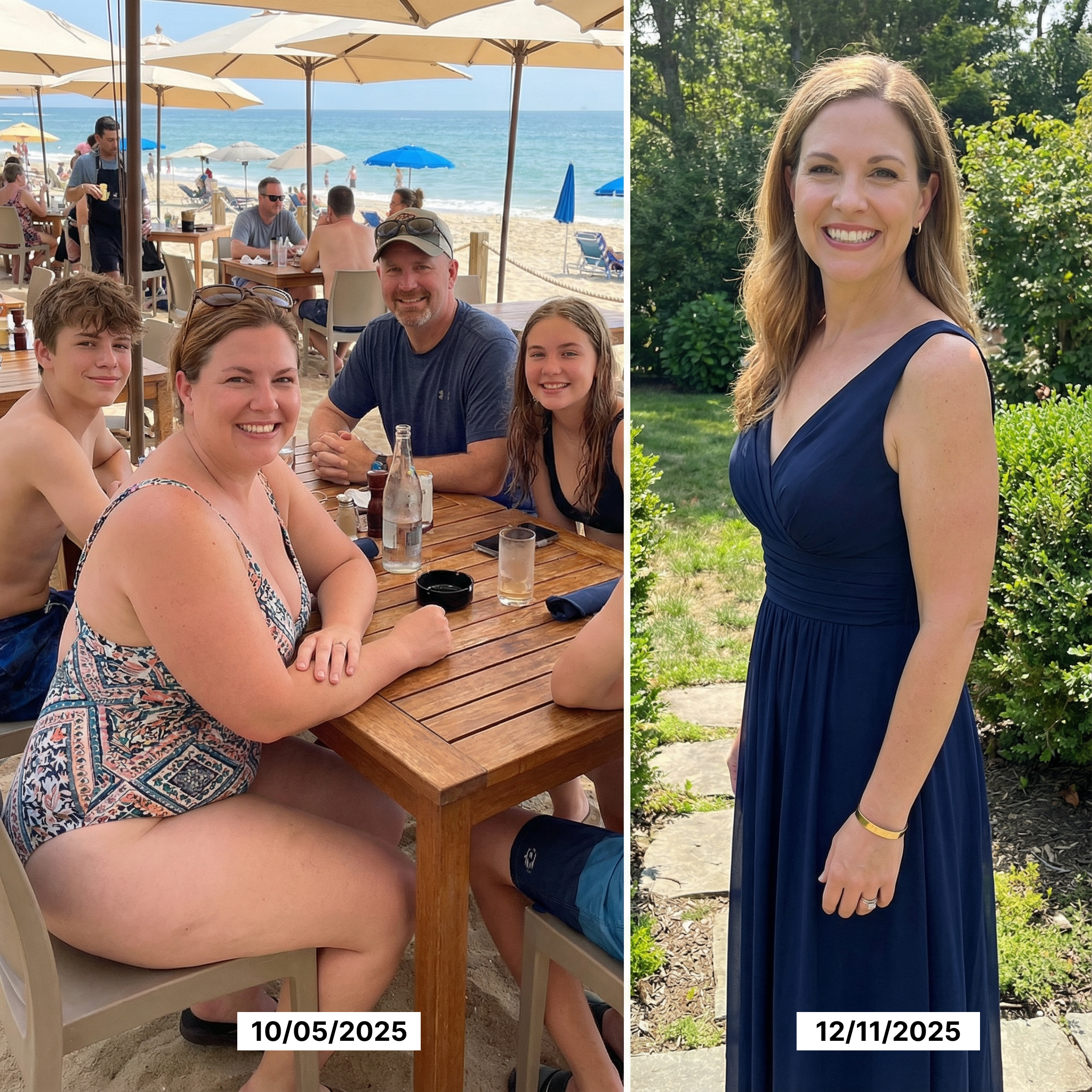
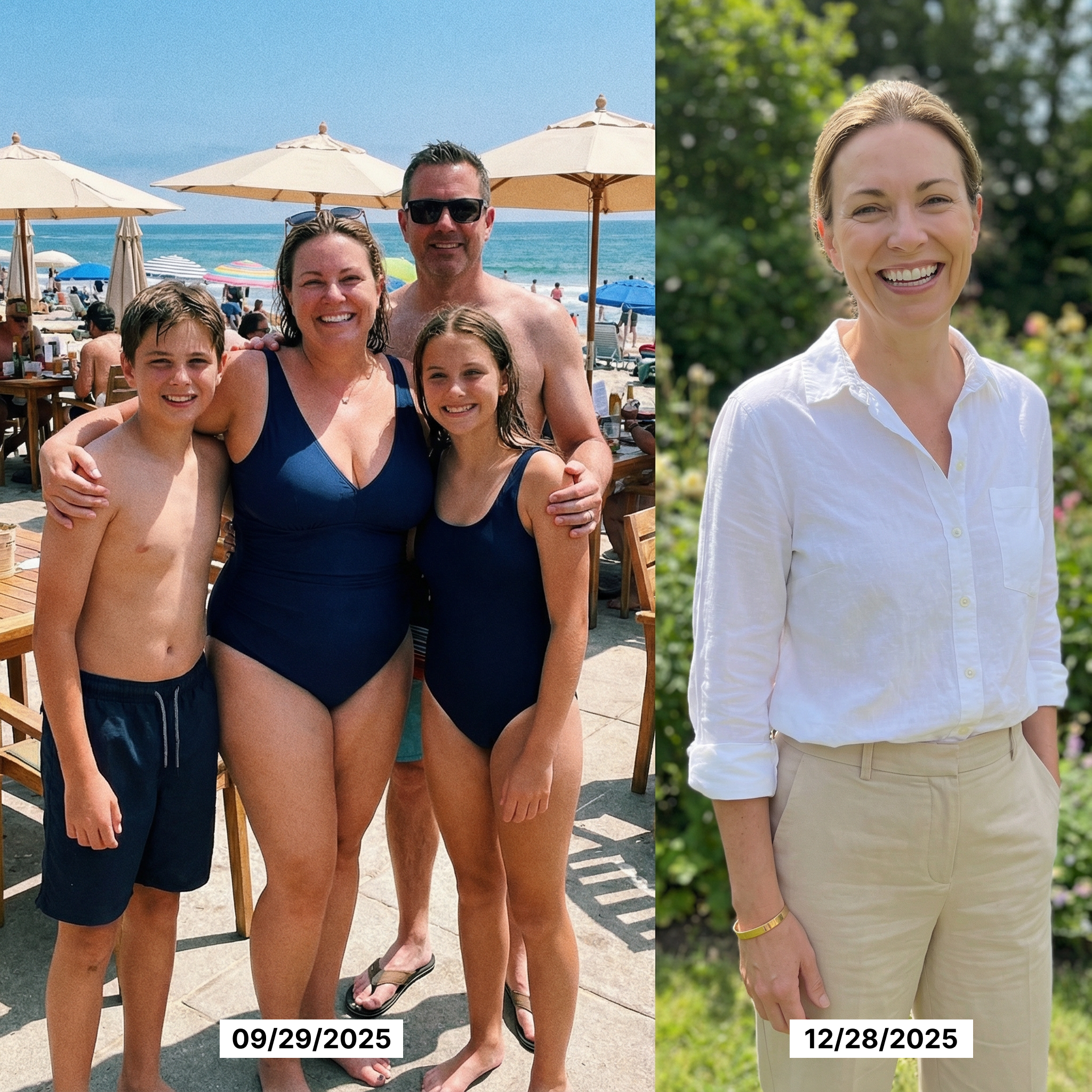
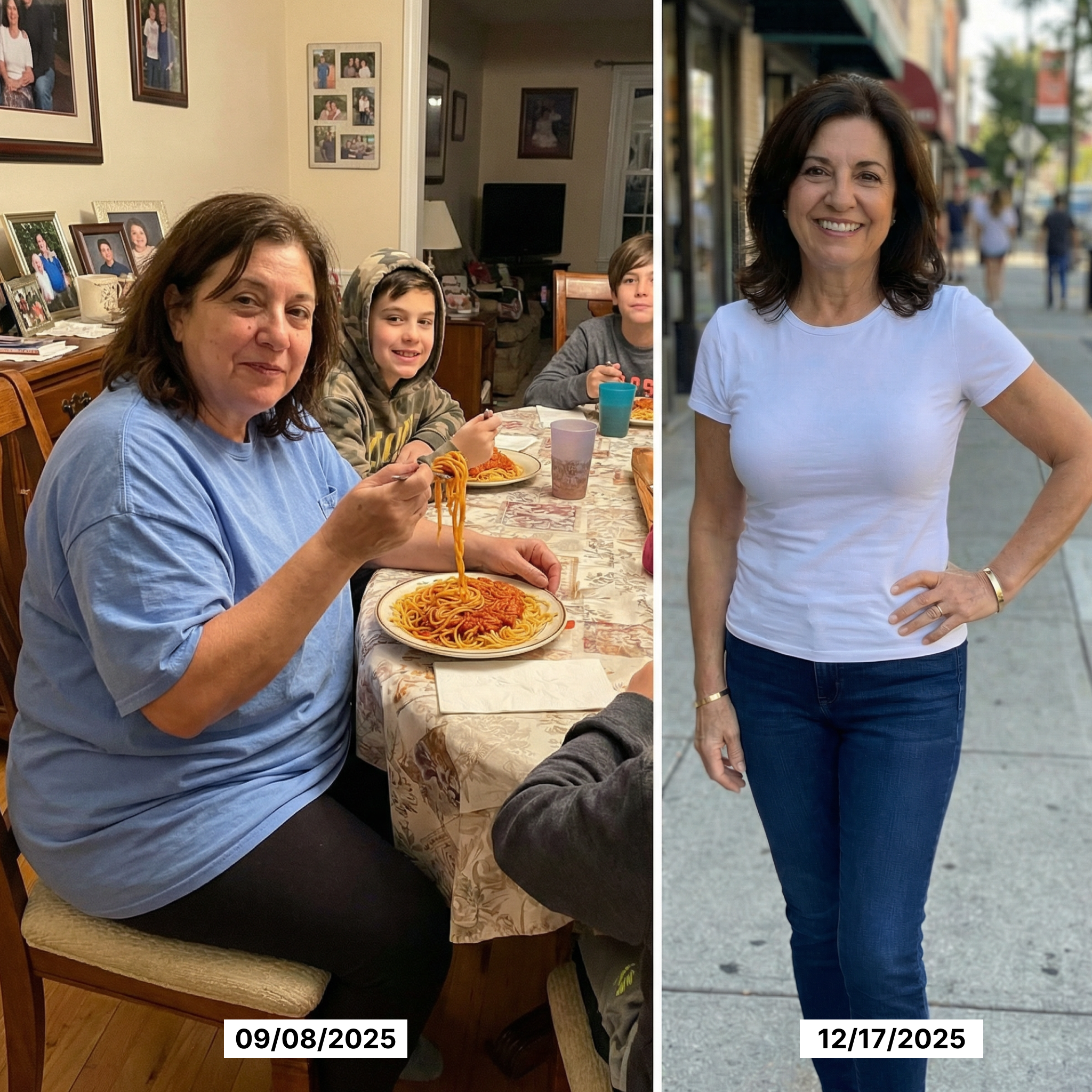
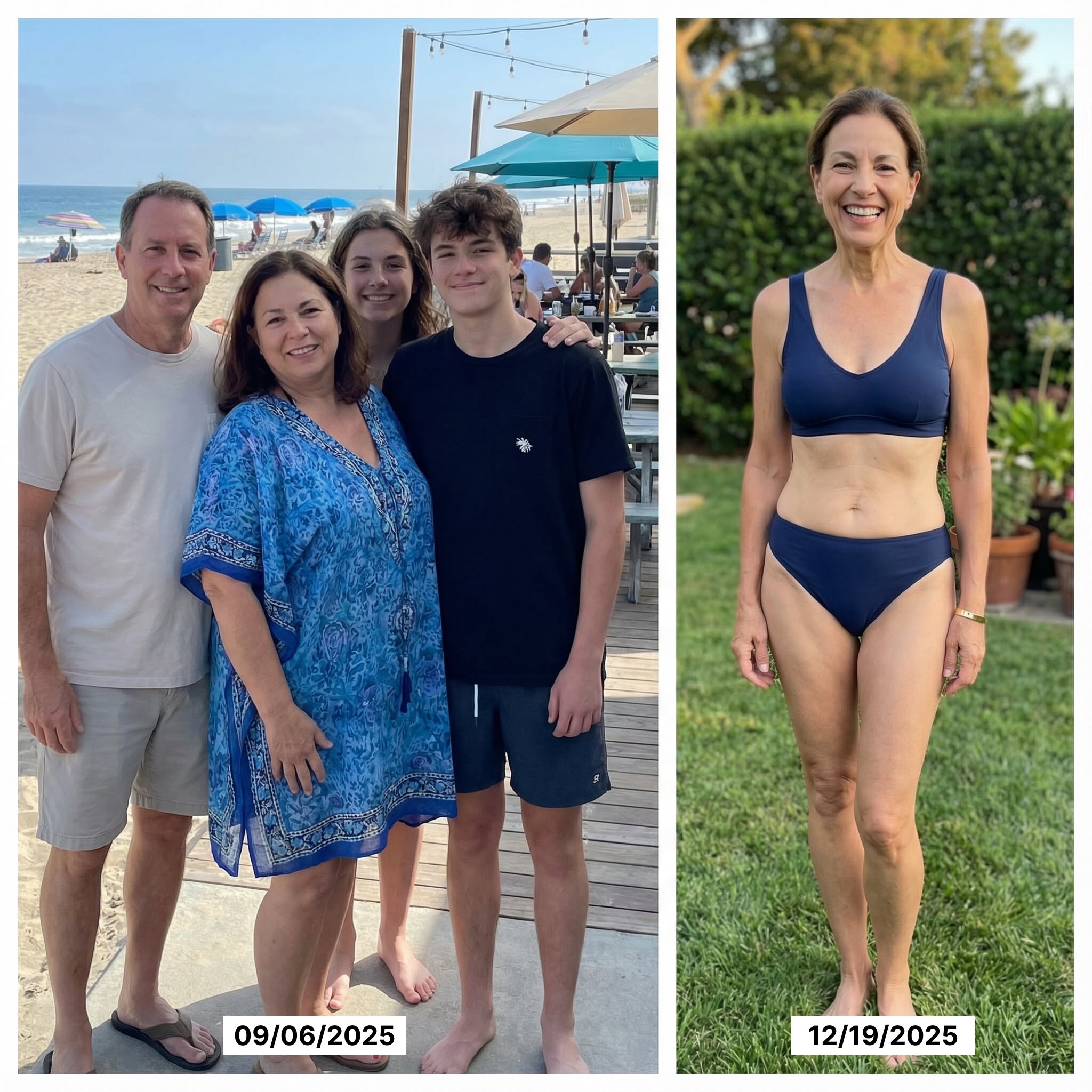
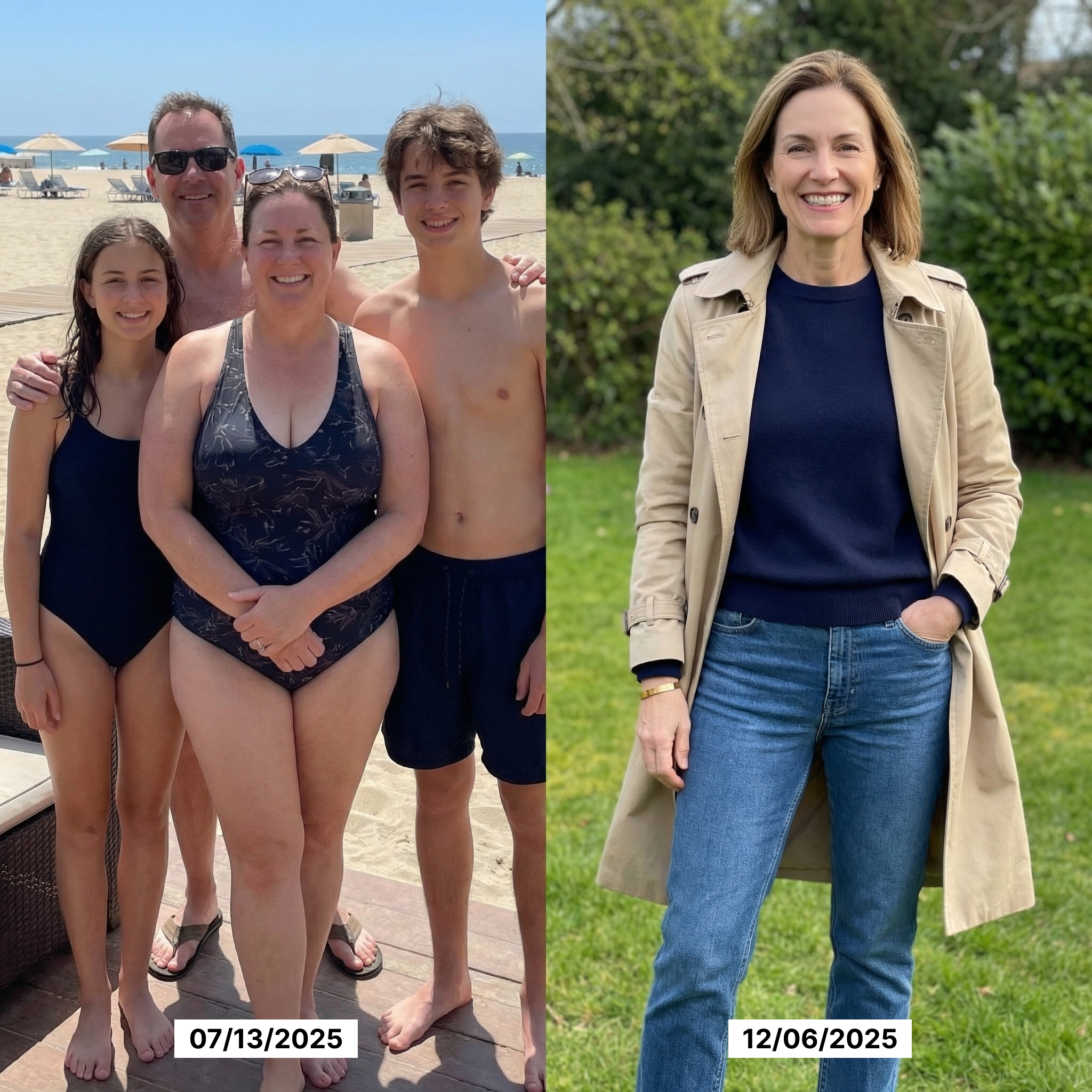
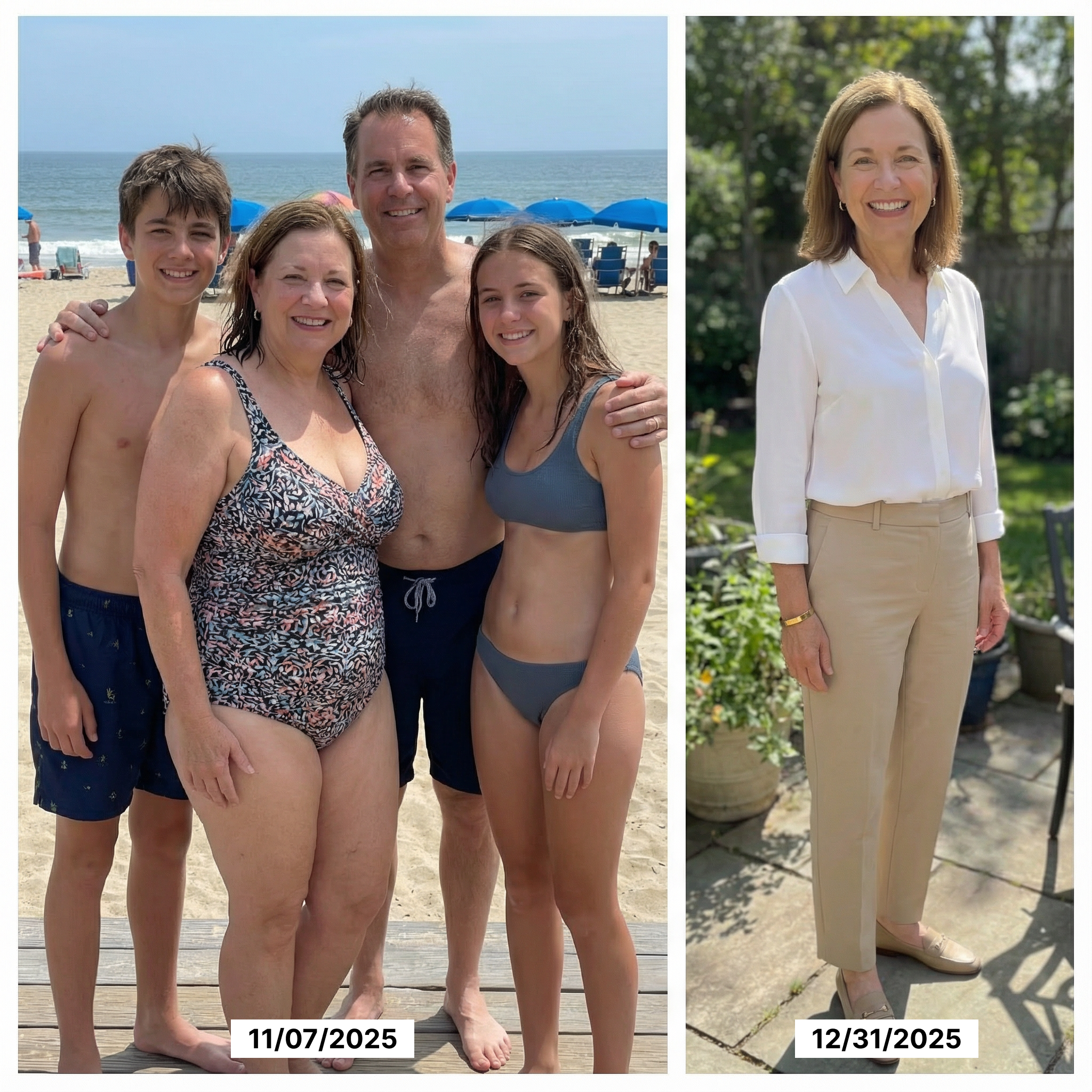
"My endocrinologist asked which Metf*rmin dosage my primary care started. I'm 54. I'm not on Metf*rmin. My fasting glucose dropped from 121 to 88 in 15 weeks." I'm a clinical laboratory scientist. I've worked in hospital labs for 18 years. Dr Emily Brooks has been my endocrinologist for seven years. She knows my glucose progression, my insulin resistance, my prediabetic trajectory. At my quarterly metabolic panel review, she pulled up my results. Stared at the screen. Then at me. "Patricia, your fasting glucose is 88. Three months ago you were 121. That's a 33-point drop in 15 weeks. What Metf*rmin dosage did your primary care prescribe? 500 milligrams? 1000?" I was confused. "I'm not on Metf*rmin. No diabetes medication." She frowned. "This level of glucose reduction doesn't happen without pharmaceutical intervention. Your A1C dropped from 6.3% to 5.4%. Are you sure you're not taking Metf*rmin or another diabetes drug?" The Glucose Climb I Documented : Here's what they don't tell you about being a lab scientist during menopause: You run glucose tests all day. You see the numbers. You know what prediabetes looks like. You know the progression: fasting glucose 100, then 110, then 120, then diabetic. And you watch your own numbers climb year after year. From 49 to 54, I gained 35 pounds. Every pound settled in my midsection. My waist from 30 inches to 39 inches. I'd run glucose assays. See fasting levels at 125, 130, 140. Know those patients were diabetic or heading there. Know my own 121 put me in the same category. The Numbers That Terrified Me : My labs before everything changed: Fasting glucose: 121 mg/dL (prediabetic, normal <100) A1C: 6.3% (prediabetic, normal <5.7%) Fasting insulin: 19.8 mIU/L (elevated, normal <10) HOMA-IR: 5.9 (insulin resistant) Waist: 39 inches (high risk for diabetes) Weight: 177 pounds (from 142 five years ago) My father developed type 2 diabetes at 56. On Metf*rmin for six years. Then insulin. Then complications. Neuropathy in his feet. Vision problems. Kidney function declining. He told me: "Once you start the medications, you never stop. The diabetes just progresses. I wish I'd prevented it when I had the chance." Dr Brooks had been monitoring me for three years: "Patricia, you're prediabetic. Your glucose is climbing. Your insulin resistance is worsening. If this continues, you'll be diabetic within two years. We need to start Metf*rmin soon." Metf*rmin. The beginning of my father's path. The Money I Spent Trying to Reverse It I tried everything to lower my glucose naturally: Diabetes prevention program: $1,900 for one year. Exercise, diet, group support. Glucose 121 to 115. A1C 6.3% to 6.1%. Still prediabetic. Low-carb diet program: $1,600 for six months. Strict carb restriction. Glucose 115 to 112. Lost 8 pounds. Gained 10 back. Glucose 118. Prescription berberine and chromium: $740 over eight months. Supposed to improve insulin sensitivity. Glucose unchanged. Continuous glucose monitor: $920 for four months. Tracked every spike. Avoided trigger foods. Glucose averaging 117. Still prediabetic. Total spent: $5,160. Result: Fasting glucose 121 to 118. A1C 6.3% to 6.2%. Still prediabetic. Still insulin resistant. Still heading toward diabetes. Still needing Metf*rmin. Dr Brooks scheduled medication discussion: "You've tried lifestyle interventions for three years. Your glucose isn't improving. It's time for pharmaceutical support before you become diabetic." What a Patient's Chart Revealed : Then I saw something in a patient's lab history that stopped me. Mrs. Anderson, 66, regular patient for diabetic monitoring. I'd been running her glucose tests for four years. Four years ago: Fasting glucose 138 mg/dL (diabetic), A1C 7.4% (diabetic), on Metf*rmin 1500 mg daily, discussing adding second medication. Current labs (routine monitoring): Fasting glucose 92 mg/dL (normal), A1C 5.5% (normal, non-diabetic), medication list showed zero diabetes medications. During her blood draw, I had to ask. "Mrs. Anderson, I've been running your glucose tests for four years. You were diabetic on Metf*rmin. Now you're not on medication and your glucose is completely normal. What reversed it?" She smiled. "My granddaughter is a functional medicine nutritionist. She said type 2 diabetes in menopause is driven by chronic stress. Stress elevates cortisol. Cortisol creates insulin resistance and raises blood sugar. This bracelet regulates the stress response." She showed me her wrist. "When stress normalizes, cortisol drops. When cortisol drops, insulin sensitivity improves, glucose stabilizes. My endocrinologist took me off Metf*rmin eight months ago. Labs still normal. No diabetes." As a lab scientist, I understood the mechanism. Cortisol antagonizes insulin. Elevated cortisol creates insulin resistance. Insulin resistance raises glucose. But I'd never seen intervention reverse it without medication. "How much?" "$65. I was spending $140 a month on Metf*rmin and managing side effects." My 15-Week Transformation : I ordered it that night. Documented everything: Week 1 through 4: Sleep improved dramatically. Energy stable all day. No afternoon crashes. Fasting glucose (home monitor): 118 average. Week 5 through 8: Sugar cravings disappeared. No more constant hunger. Lost 11 pounds. Fasting glucose: 108 average. Week 9 through 12: Waist visibly smaller. Belly bloating gone. Lost 13 pounds. Fasting glucose: 96 average. Week 13 through 15: Abdomen flat. Mental clarity exceptional. Lost 11 pounds. Fasting glucose: 88 average. Total: 35 pounds lost. 9 inches off waist. Dr Brooks ordered comprehensive metabolic labs at week 15. The Labs That Confused Her Results: Fasting glucose: 121 to 88 mg/dL (prediabetic to normal) A1C: 6.3% to 5.4% (prediabetic to normal) Fasting insulin: 19.8 to 6.2 mIU/L (elevated to optimal) HOMA-IR: 5.9 to 1.3 (insulin resistant to highly sensitive) Waist: 39 to 30 inches (9-inch reduction) Weight: 177 to 142 pounds Dr Brooks reviewed the results three times. "Patricia, glucose doesn't drop from 121 to 88 in 15 weeks without Metf*rmin. Your A1C went from prediabetic to optimal. Your insulin sensitivity completely reversed. What medication are you taking?" "I'm not on medication. I addressed my chronic stress. Chronic stress during menopause keeps cortisol elevated. Elevated cortisol blocks insulin receptors and raises glucose. This bracelet regulates the stress response. When cortisol normalized, my insulin sensitivity improved, my glucose stabilized." She pulled up research on her computer. Cortisol and glucose metabolism. Stress hormones and insulin resistance. HPA axis dysfunction and diabetes risk. "The endocrinology is sound. Chronic stress and elevated cortisol do drive insulin resistance and hyperglycemia. You addressed the root cause. In 19 years of endocrinology, I've seen glucose improvements like this only with Metf*rmin or significant weight loss from bariatric surgery. You achieved it by regulating your stress response." She updated my chart: Prediabetes resolved. Insulin sensitivity normalized. Metf*rmin not indicated. Nine Weeks Later : Dr Brooks now discusses stress management and cortisol regulation with prediabetic patients before prescribing Metf*rmin. Four patients have tried the bracelet. Three are seeing fasting glucose reductions of 22 to 38 points in 12 to 18 weeks. Mrs. Anderson maintains her diabetes reversal 18 months later. Still no Metf*rmin. Glucose still normal. A1C still 5.5%. I've recommended it to six lab colleagues with prediabetes who were facing Metf*rmin prescriptions. All six are wearing it. Five are seeing glucose improvements of 15 to 30 points. Last week, Dr Brooks mentioned my case at an endocrinology grand rounds: "Reversing Prediabetes Through Stress Reduction and Cortisol Normalization." The Lab Scientist Truth Here's what 18 years running glucose tests taught me: Metf*rmin works. For diabetes and advanced prediabetes, it's appropriate medication. But for stress-driven insulin resistance in menopause, Metf*rmin treats the symptom, not the cause. The cause is chronic stress elevating cortisol. Elevated cortisol blocks insulin receptors. Blocked receptors create insulin resistance. Insulin resistance raises glucose. Metf*rmin forces glucose into cells despite the resistance. But it doesn't fix the cortisol blocking the receptors. My father's diabetes progressed on Metf*rmin because the cortisol stayed elevated. The root cause was never addressed. When I addressed my chronic stress, cortisol normalized. When cortisol normalized, my insulin receptors became sensitive again. My glucose stabilized naturally. I reversed prediabetes that was progressing toward my father's fate. For me and my patients, that started with a $65 bracelet that did what Metf*rmin was going to do, but by fixing the cause instead of forcing glucose into resistant cells. I still work in the lab. I still run glucose tests for prediabetic and diabetic patients. But now when I see fasting glucose at 115, 120, 125, I think: "Have they addressed their stress and cortisol?" 👉 If your glucose is climbing, if you're heading toward diabetes and Metf*rmin... Click below to discover the Kalm Bracelet. Just $64.90 at the official store. Wear it consistently. Check your fasting glucose weekly for 15 weeks. https://mykalm.co/original-bracelet
Reduces menopause symptoms naturally
Don't miss out! Get TWO original Kalm Bracelet for the price of ONE. These are our largest discounts of the year. and supplies are running low. Secure yours now while they last!
LEARN MORELike this ad? Make it yours.
Crush rebuilds this exact creative around your product — your brand, your colors, your offer — in about a minute.