
Inactive· since Jan 26, 2026
- 19
- days it ran
- 1
- relaunches
Ad copy
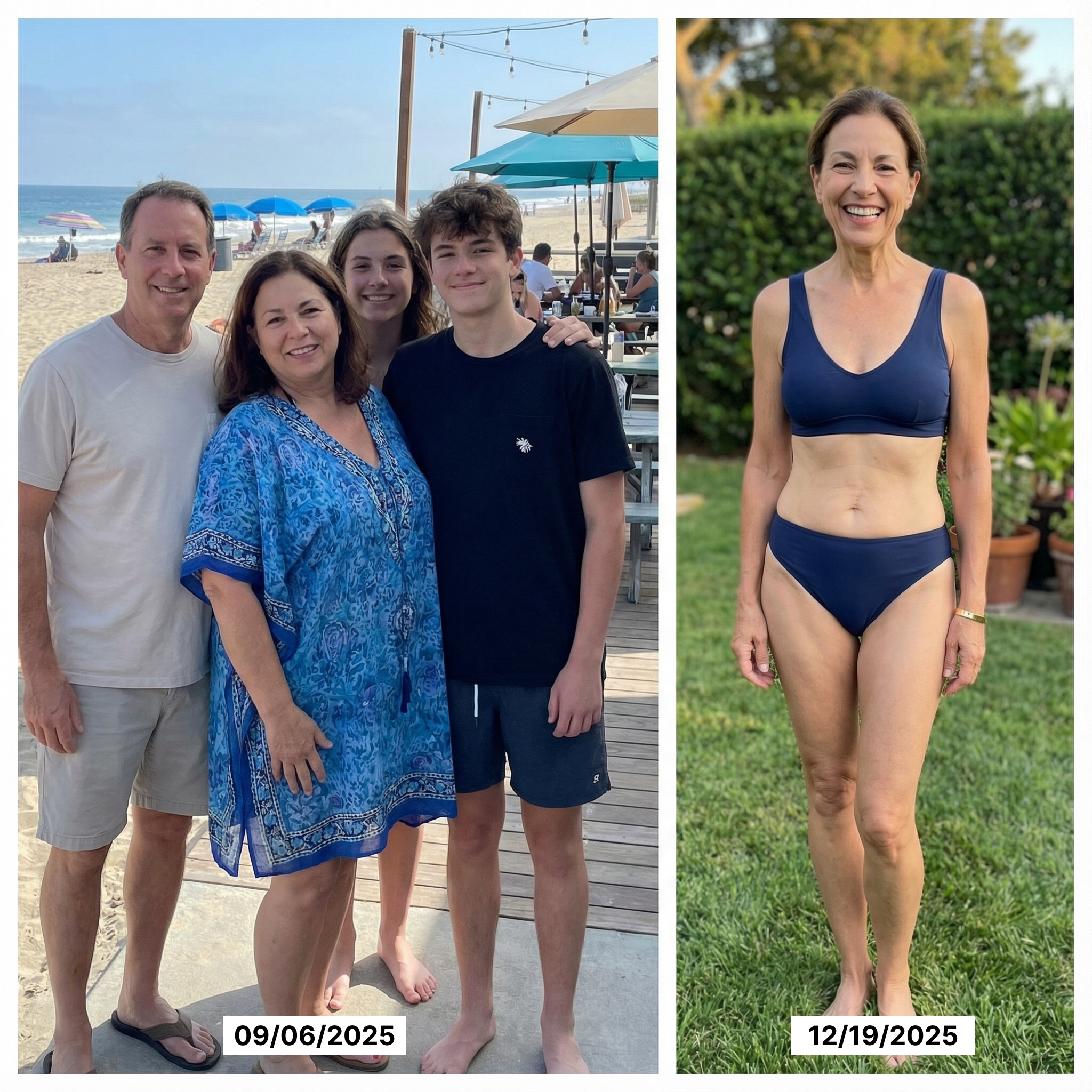
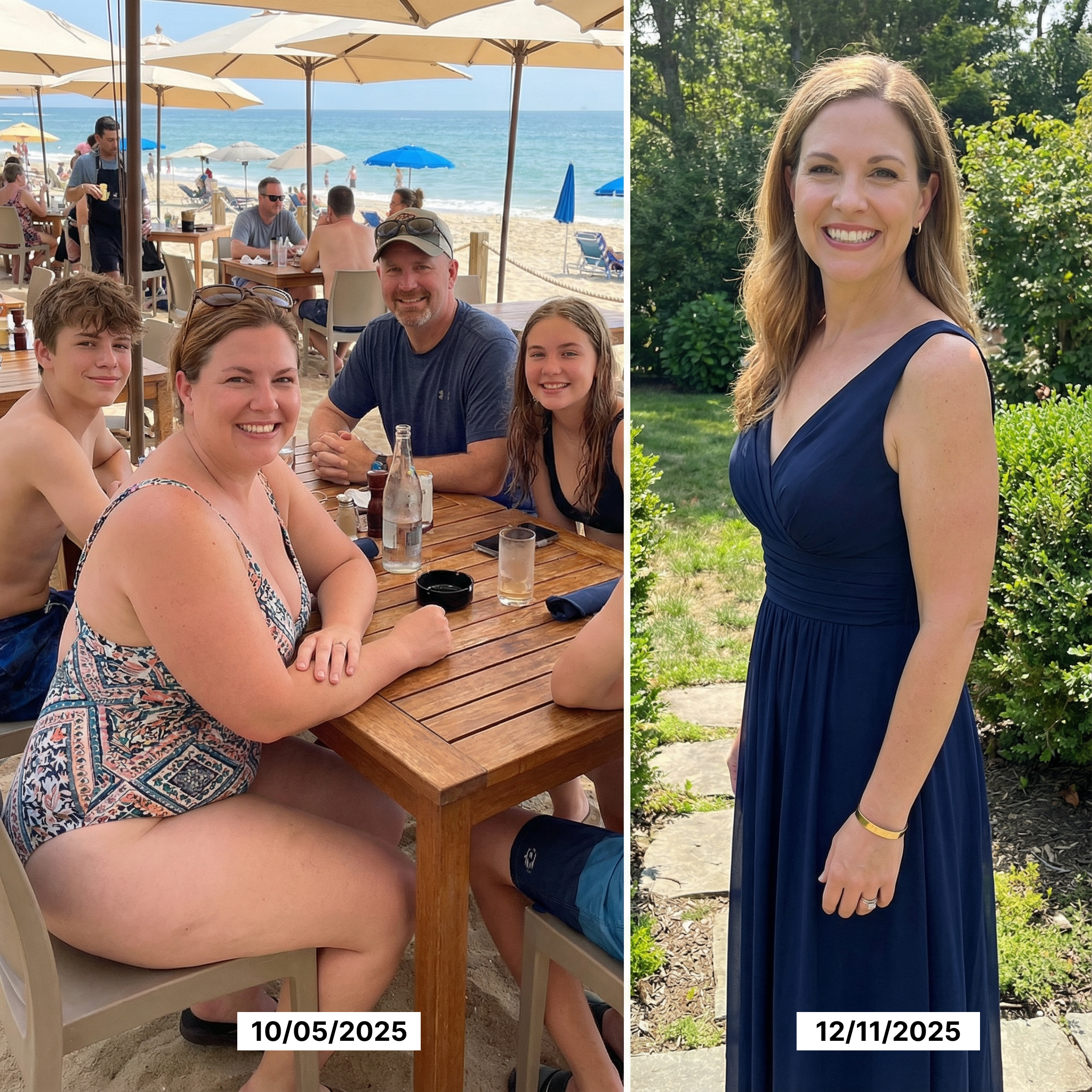
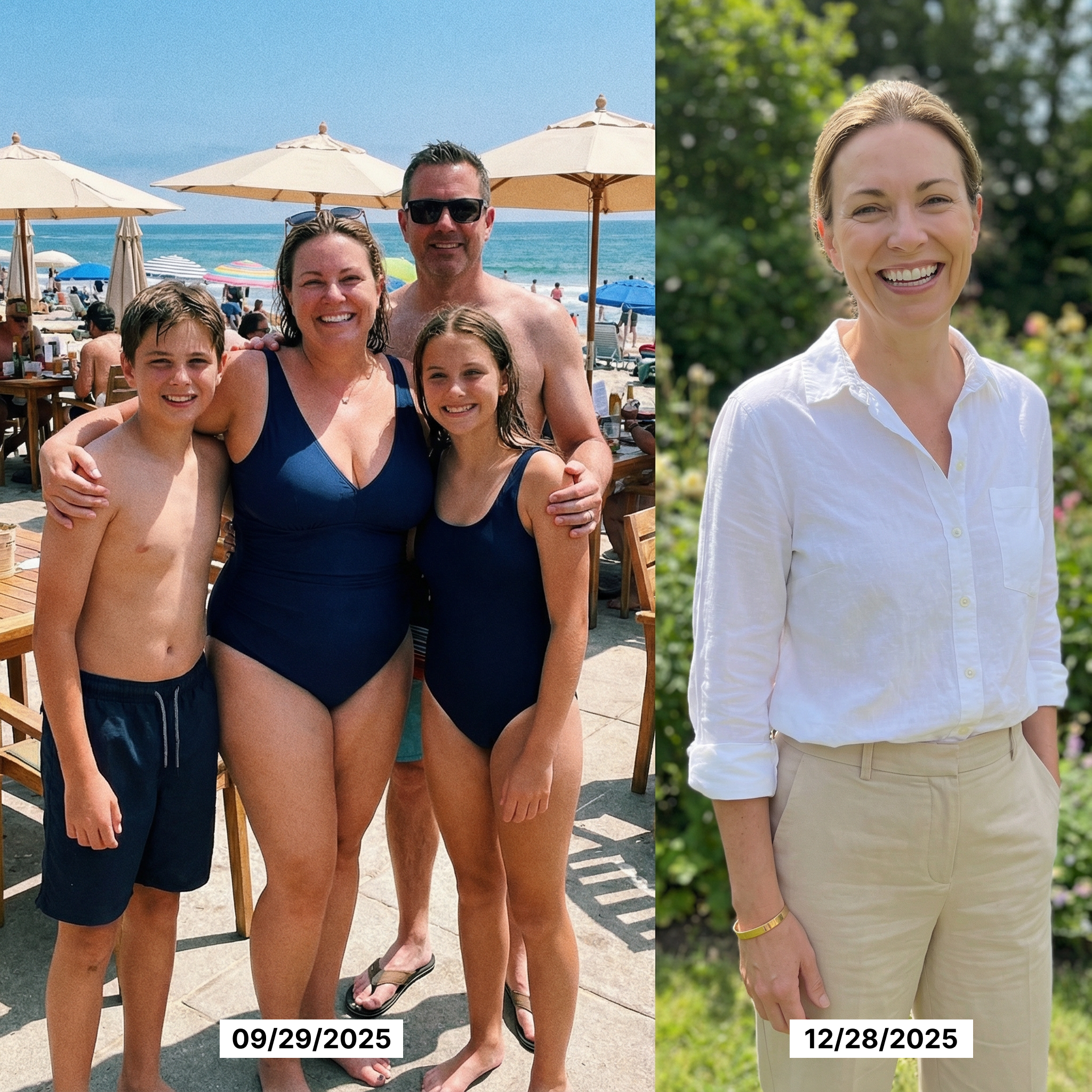
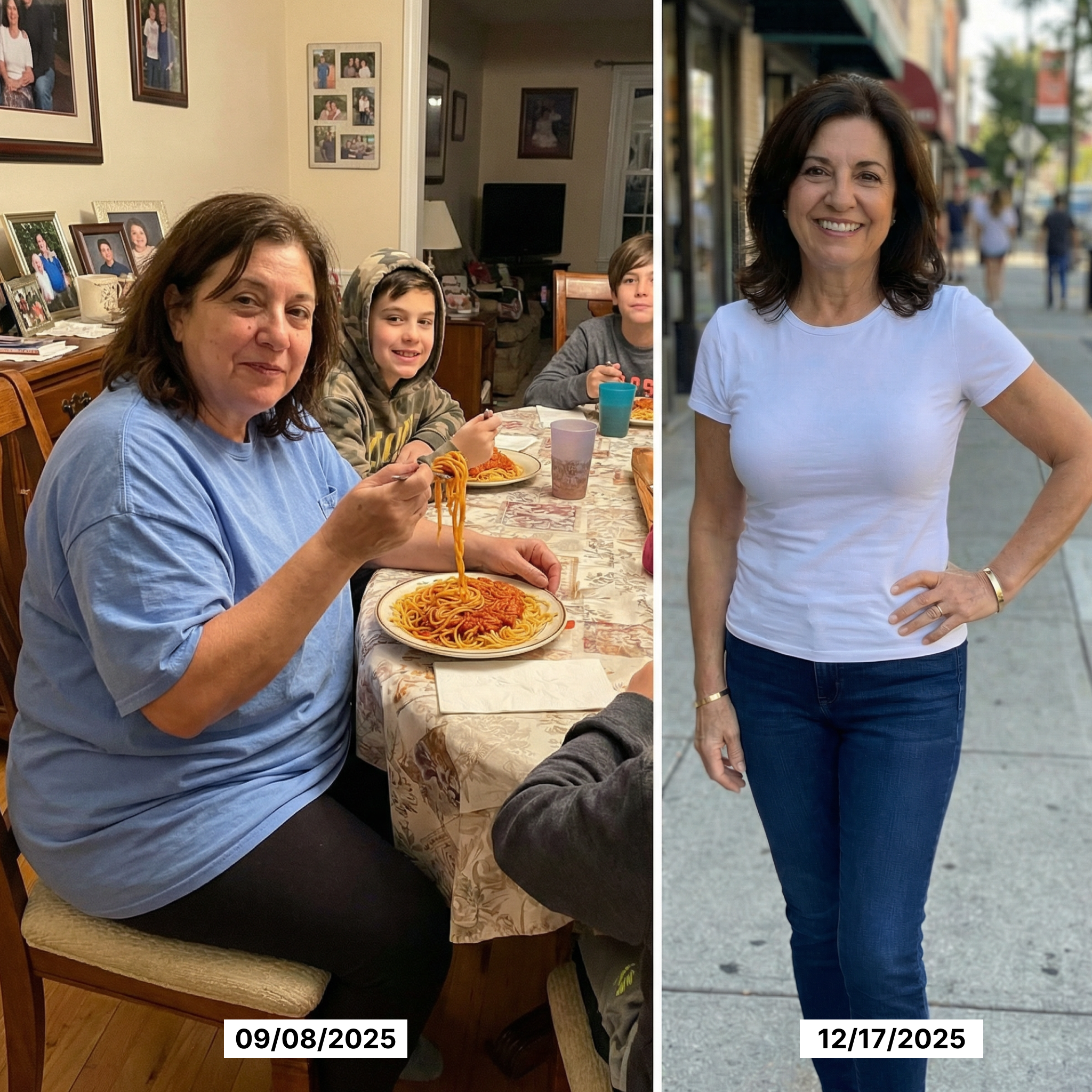
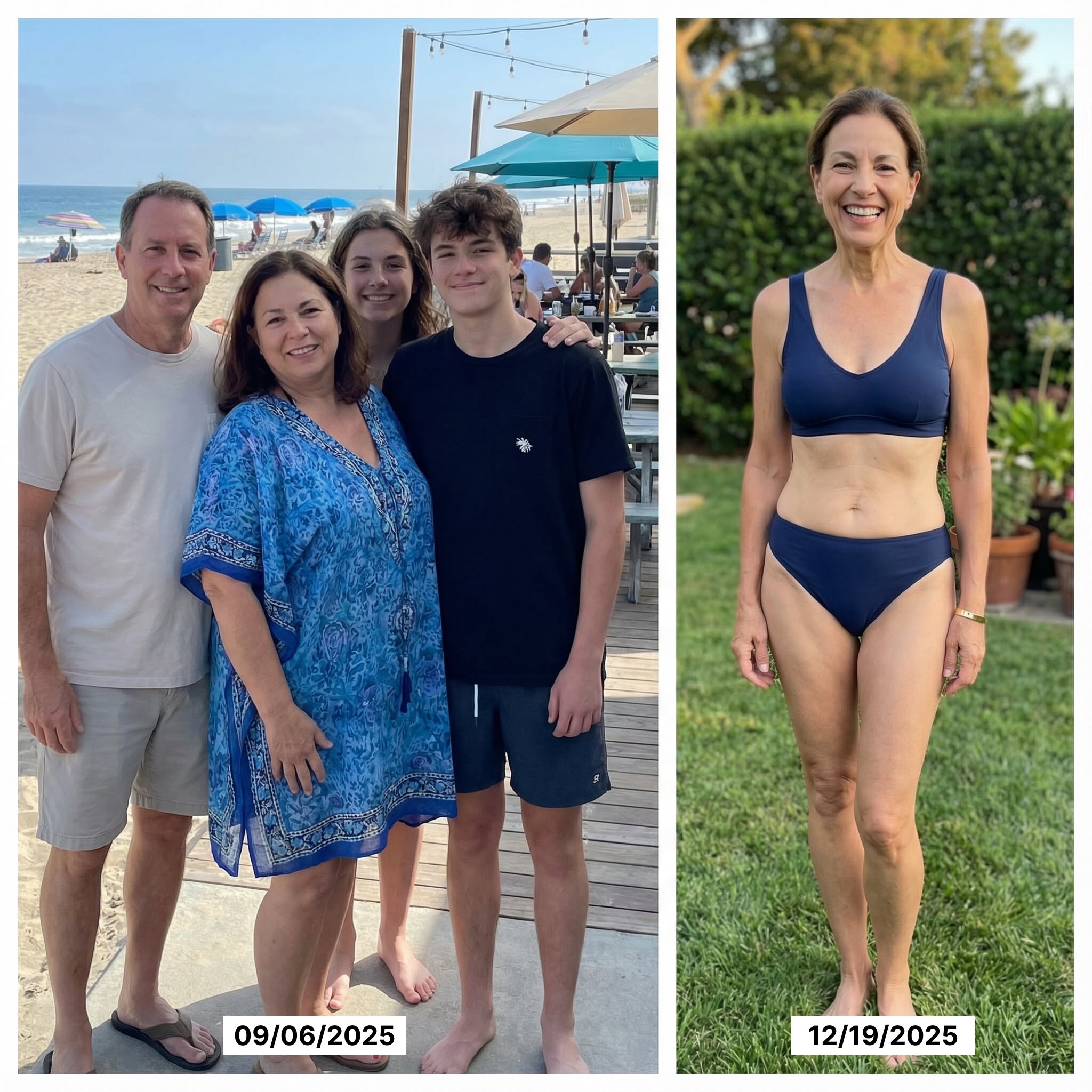
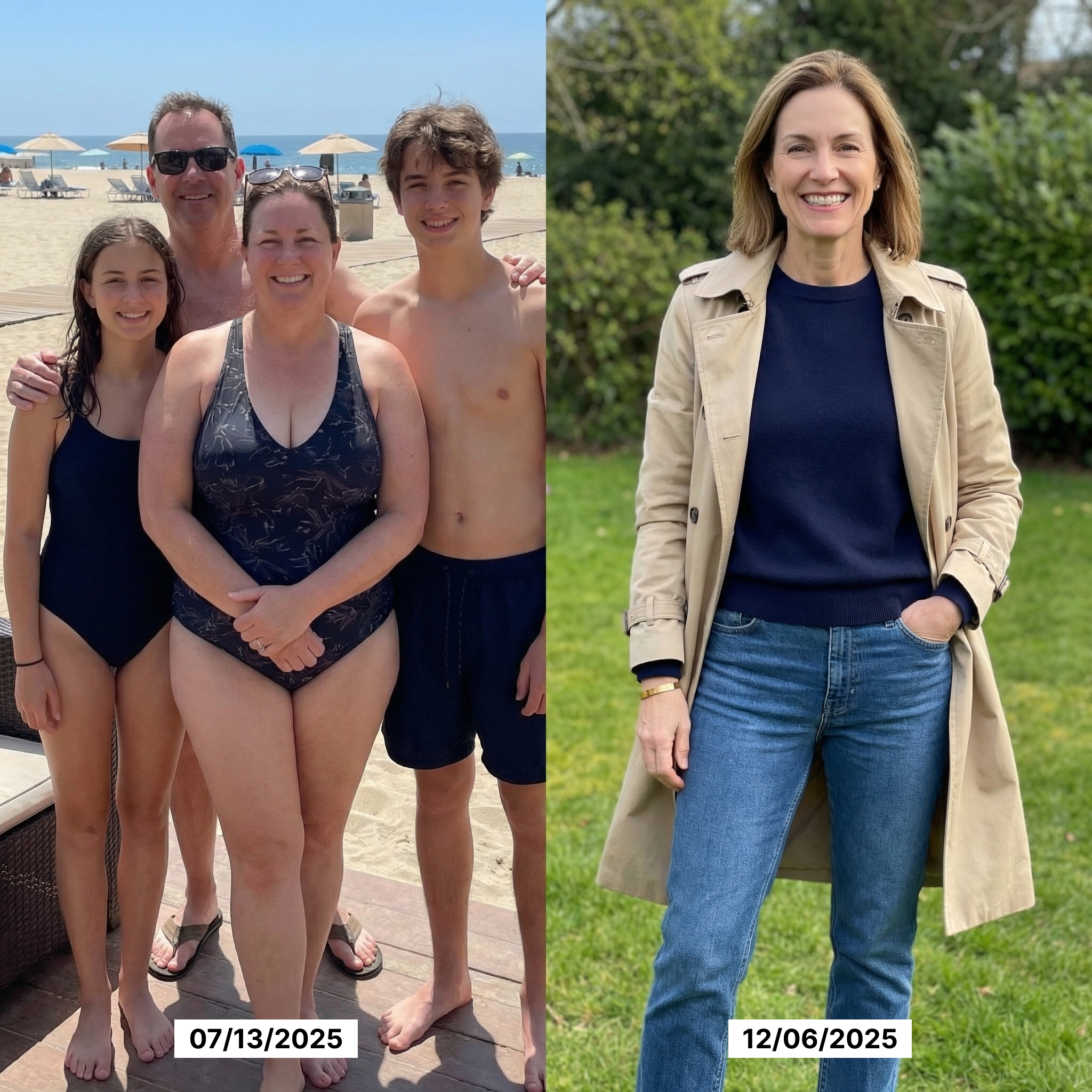
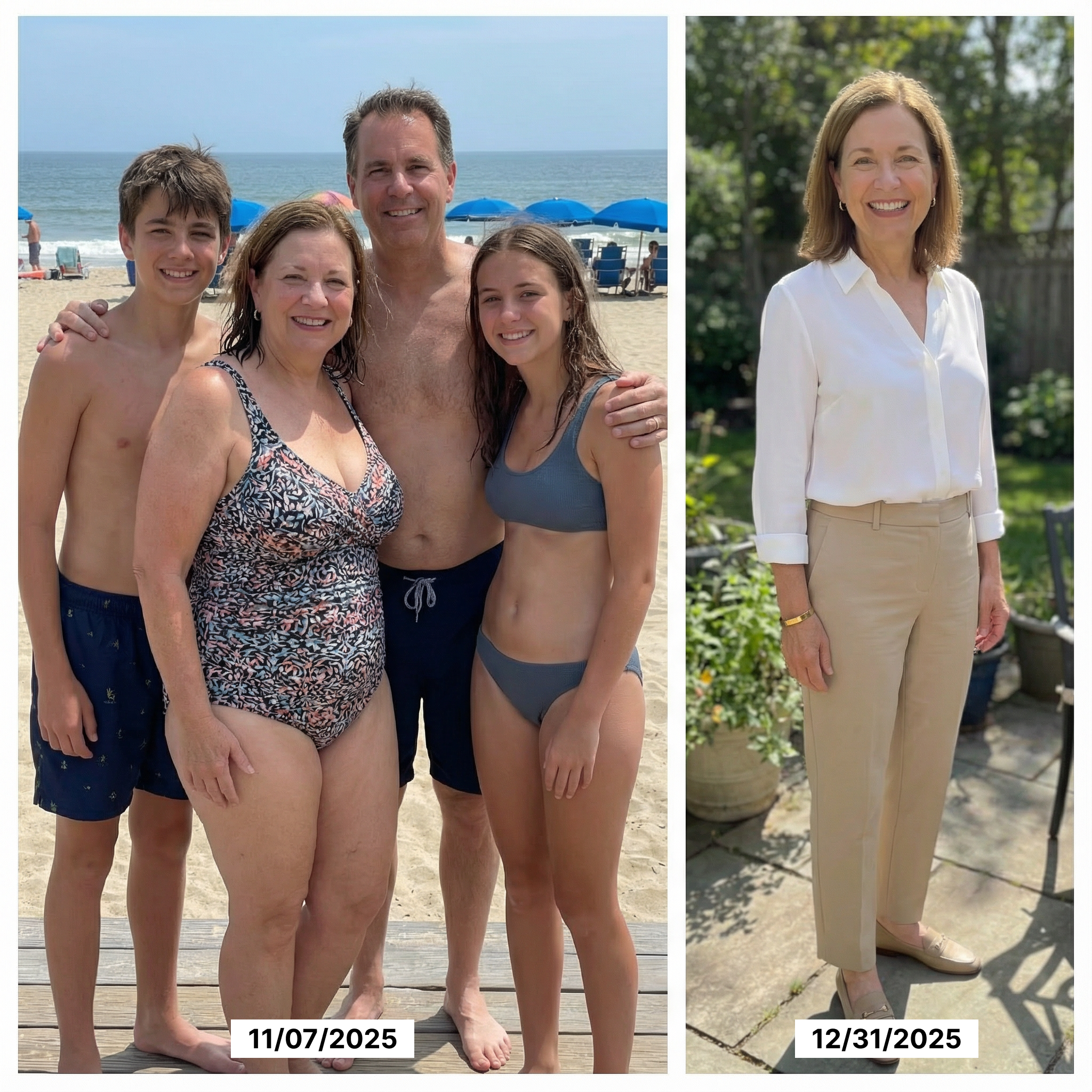
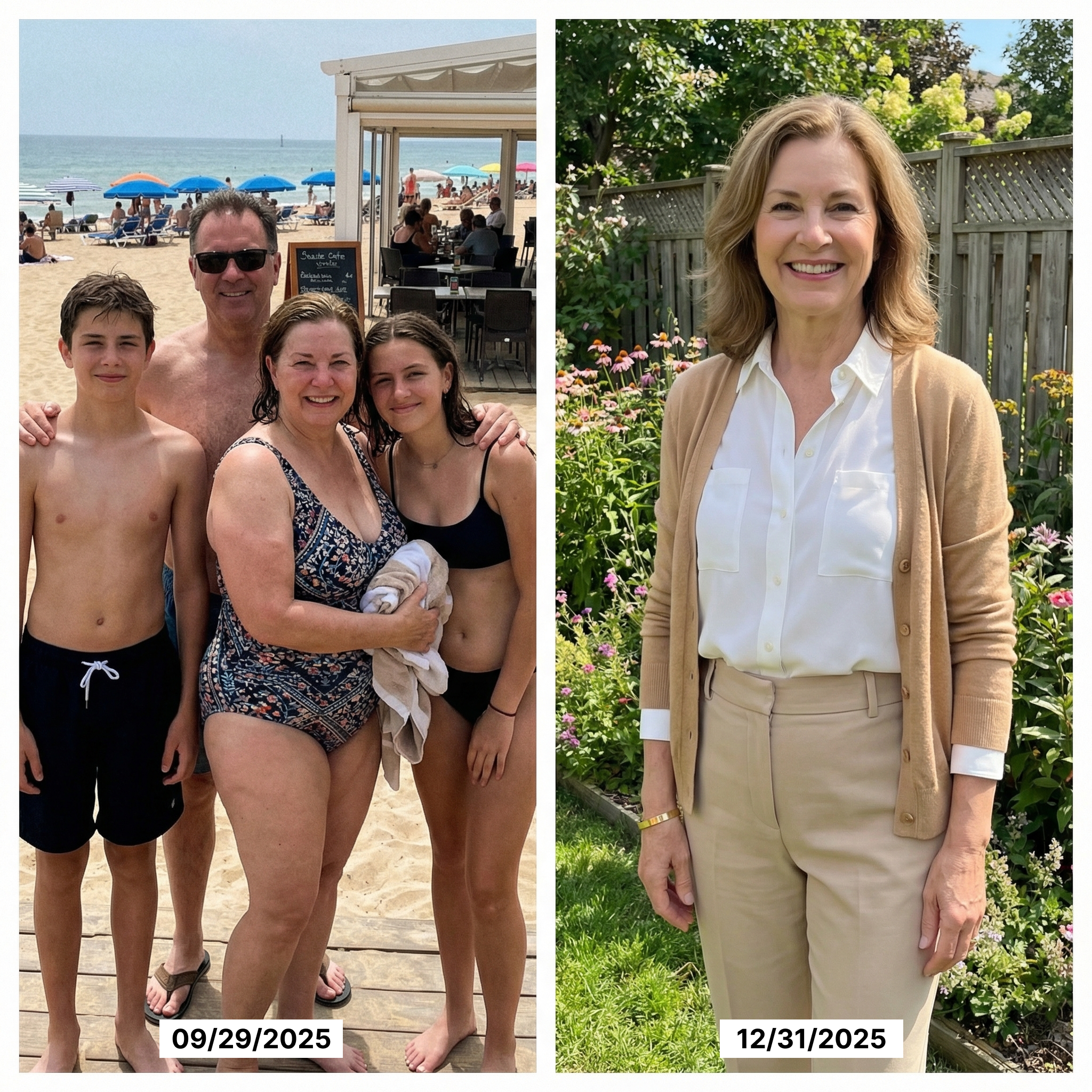
"My doctor asked if I'd developed an eating disorder. She thought losing 41 pounds in 17 weeks meant something was psychologically wrong. I'm 53. I haven't." I'm a psychiatric nurse. I've worked in behavioral health for 19 years. Dr Karen Walsh has been my primary care physician for eight years. She knows my mental health history, my menopausal weight gain, my healthy relationship with food. At my quarterly checkup, she weighed me. Checked her notes. Weighed me again. "Olivia, you've lost 41 pounds since your last visit 17 weeks ago. That's 2.4 pounds per week. This rate of weight loss without medical supervision raises red flags. Have you been restricting food? Purging? Using laxatives?" I was shocked. "No. I'm eating normally. I feel great." She pulled out a mental health screening form. "As a psychiatric nurse, you know rapid weight loss can indicate eating disorders, depression, anxiety disorders. Your history is clean, but this weight loss pattern concerns me. I need to refer you for psychological evaluation." The Meno Belly That Defined Me Here's what they don't tell you about being a psych nurse during menopause: You screen patients for eating disorders every day. You know the warning signs. You know the DSM criteria. You know rapid weight loss triggers clinical concern. And you watch your own body gain weight year after year, knowing it's not psychological. From 48 to 53, I gained 41 pounds. Every pound settled in my midsection. My waist from 30 inches to 41 inches. I'd assess patients with body image issues. Screen for disordered eating. Document their weights. All while my own body was changing in ways I couldn't control. The Numbers Before Everything Changed : My measurements that concerned Dr Walsh: Weight: 183 pounds (from 142 five years ago) Waist: 41 inches (from 30 inches) BMI: 31.2 (obese category) Body fat percentage: 42% (very high) Blood pressure: 144/88 (elevated) Mental health status: No depression, no anxiety, healthy food relationship My aunt developed anorexia at 56 during menopause. Started restricting to control the weight gain. Hospitalized twice. Still struggles at 62. She told me: "The weight gain made me feel so out of control. Restricting was the only thing that worked. But it nearly killed me." Dr Walsh knew my aunt's history. That's why my weight loss terrified her. "Olivia, given your family history and your profession, you understand why I'm concerned. Menopausal weight changes can trigger disordered eating even in people with no prior history. I need to rule out psychological causes." The Money I Spent on Physical Solutions : I tried everything to lose weight the "right" way: Registered dietitian program: $1,600 for six months. Balanced meals, portion control, weekly weigh-ins. Lost 8 pounds. Gained 10 back. Medical weight loss clinic: $2,100 for one year. Doctor-supervised, meal replacements, accountability. Lost 12 pounds. Plateaued. Gained 9 back. Personal trainer: $1,400 for eight months. Three sessions per week. Strength training, cardio. Lost 7 pounds. Waist 41 to 39 inches. Prescription appetite suppressant: $680 for four months. Side effects terrible. Anxiety, insomnia, heart palpitations. Lost 6 pounds. Stopped medication, gained 8 back. Total spent: $5,780. Result: Weight 183 to 176 back to 181. Waist 41 to 39 back to 40. Nothing sustainable. Nothing that addressed why menopause made weight accumulate so easily. Dr Walsh reviewed my efforts: "You've tried evidence-based approaches. Your eating is healthy. Your exercise is consistent. But the weight persists. Some women just can't lose menopausal weight without extreme measures." Extreme measures. Like the eating disorder she was now screening me for. What a Patient's Chart Showed Me : Then I saw something in a patient's medical record that changed everything. Ms. Garrett, 61, psychiatric patient I'd been seeing for two years for generalized anxiety disorder. Two years ago: Weight 196 pounds, waist measured at 43 inches during physical exam, notes showed discussing weight-related health concerns. Current chart (routine medication review): Weight 151 pounds, waist 31 inches, primary care notes showed concern about rapid weight loss, eating disorder screening completed, results negative, patient reported using stress regulation device. During our session, I had to ask. "Ms. Garrett, I noticed in your chart you've lost 45 pounds. Your primary care screened you for eating disorders. But you're eating normally. What changed?" She smiled. "My niece is a health psychologist. She told me anxiety and chronic stress in menopause elevate cortisol constantly. Elevated cortisol drives weight gain, especially belly fat. This bracelet regulates the stress response." She showed me her wrist. "When stress normalizes, cortisol drops. When cortisol drops, the weight releases naturally. My anxiety improved too. I lost 45 pounds in 18 weeks. My doctor thought I was sick or had developed an eating disorder. But I was just addressing the root cause." As a psychiatric nurse, I understood stress physiology. Chronic stress, HPA axis activation, cortisol elevation, weight gain. But I'd never seen intervention target it this directly. "How much?" "$65. Cheaper than all the failed diets I'd tried." My 17-Week Transformation : I ordered it that night. Documented everything: Week 1 through 4: Sleep improved dramatically. Night sweats reduced 80%. Morning anxiety gone. Energy stable. Weight: 179 pounds. Week 5 through 8: Stress eating stopped completely. No more evening snacking. Belly bloating disappeared. Lost 13 pounds. Weight: 166 pounds. Week 9 through 13: Waist visibly smaller. Colleagues asking questions. Feeling calmer than I'd felt in years. Lost 15 pounds. Weight: 151 pounds. Week 14 through 17: Abdomen flat. Mental clarity exceptional. Stress response completely regulated. Lost 13 pounds. Weight: 142 pounds. Total: 41 pounds lost. 11 inches off waist. That's when Dr Walsh asked about eating disorders. The Appointment That Cleared Me : When Dr Walsh insisted on psychological evaluation, I brought my documentation. Food journal showing normal eating. Energy levels high. Mood stable. Sleep excellent. No restriction. No purging. No compensatory behaviors. "Dr Walsh, I'm a psychiatric nurse. I know eating disorder criteria. I'm not meeting any of them. I addressed my chronic stress. When stress normalized, the menopausal weight released." She reviewed my documentation carefully. Weight: 183 to 142 pounds (41 pounds, 17 weeks) Waist: 41 to 30 inches (11-inch reduction) Blood pressure: 144/88 to 118/76 (normalized) Mental health: Improved (less anxiety, better sleep) Eating pattern: Healthy, consistent, no restriction "Olivia, you're right. This doesn't fit eating disorder presentation. Your mental health actually improved. Your eating is normal. Walk me through what you did." I explained: "Menopause creates chronic stress on the body. Chronic stress elevates cortisol constantly. Elevated cortisol drives weight gain, especially abdominal fat. This bracelet regulates the autonomic nervous system. When the nervous system calms, cortisol normalizes, the weight releases naturally." She was quiet. Then: "In 24 years of primary care, I've seen rapid weight loss indicate illness or eating disorders 90% of the time. You're the exception. You addressed a physiological cause and your body responded." She updated my chart: Weight loss secondary to stress reduction and cortisol normalization. No eating disorder. No psychological intervention needed. Nine Weeks Later : Dr Walsh now asks about stress levels and cortisol before screening for eating disorders when menopausal women lose weight rapidly. Two patients have tried the bracelet. Both lost significant weight without any disordered eating patterns. Ms. Garrett maintains her weight loss two years later. Anxiety still managed. No eating disorder ever developed. I've recommended it to four psychiatric nurse colleagues with menopausal weight gain. All four are seeing weight loss and improved mental health simultaneously. The Psychiatric Nurse Truth Here's what 19 years in behavioral health taught me: Eating disorders are serious. When weight loss is rapid, screening is appropriate. But for menopausal women, rapid weight loss can also mean addressing the cortisol driving the weight gain. Menopause creates chronic stress. Chronic stress elevates cortisol. Elevated cortisol stores belly fat. When you regulate stress, cortisol normalizes, weight releases quickly because you're finally addressing the cause. It looks like disordered eating to doctors who don't understand the mechanism. When I addressed my chronic stress, my body released 41 pounds in 17 weeks. Not from restriction. From cortisol normalization. For me and my patients, that started with a $65 bracelet that did what $5,780 in programs couldn't: calmed the stress response driving the menopausal weight gain. I still work in psychiatric nursing. I still screen for eating disorders. But now when menopausal women lose weight rapidly, I ask: "Did you address your stress and cortisol?" 👉 If you're struggling with menopausal weight that won't budge, if you want to address the cortisol driving it... Click below to discover the Kalm Bracelet. Just $64.90 at the official store. Wear it consistently. Track your weight and stress levels weekly for 17 weeks. https://mykalm.co/original-bracelet
Reduces menopause symptoms naturally
Don't miss out! Get TWO original Kalm Bracelet for the price of ONE. These are our largest discounts of the year. and supplies are running low. Secure yours now while they last!
LEARN MORELike this ad? Make it yours.
Crush rebuilds this exact creative around your product — your brand, your colors, your offer — in about a minute.