Nutrition Therapy
Nutrition Therapy Facebook ad: “Read This If Your Stomach Is Ruining Your Life”
Ran for 10 days, from February 14 to February 24, 2026, the last day Crush saw it.
Run by Nutrition Therapy on Facebook. Crush is not the advertiser and does not verify its claims. See this ad in Meta's Ad Library(opens in a new tab)
Want an ad like this for your product?
Crush makes new ad images for your product from this ad: your logo, your product photo, your offer.
Trials from $19.95 USD, then $79.95 USD a month. Cancel anytime.
About this ad
- Meta Ad Library ID
- 1225722082438609
- Platforms
- Facebook, Instagram, Audience Network, Messenger and Threads
- Relaunches
- 1
Ad text
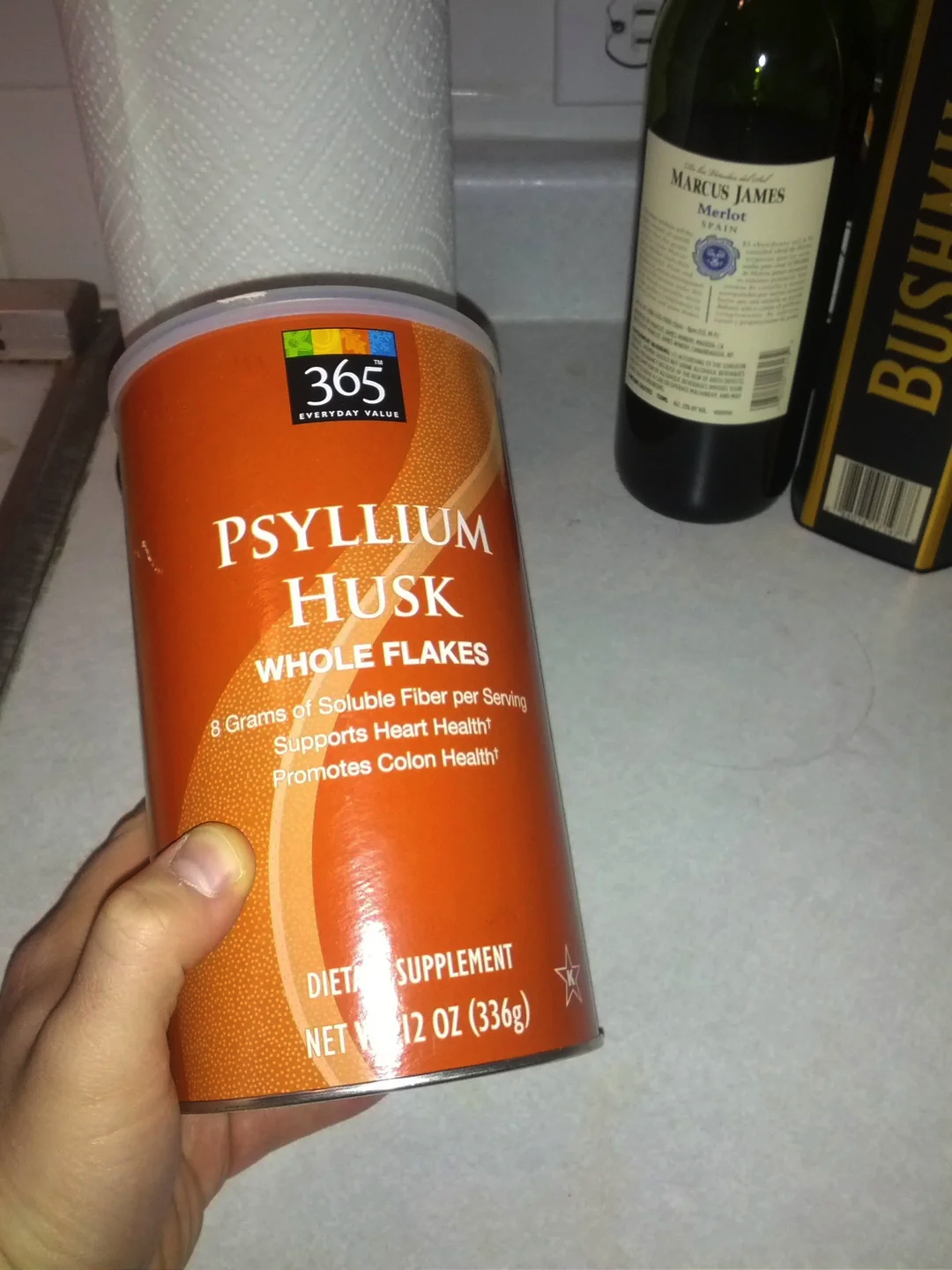
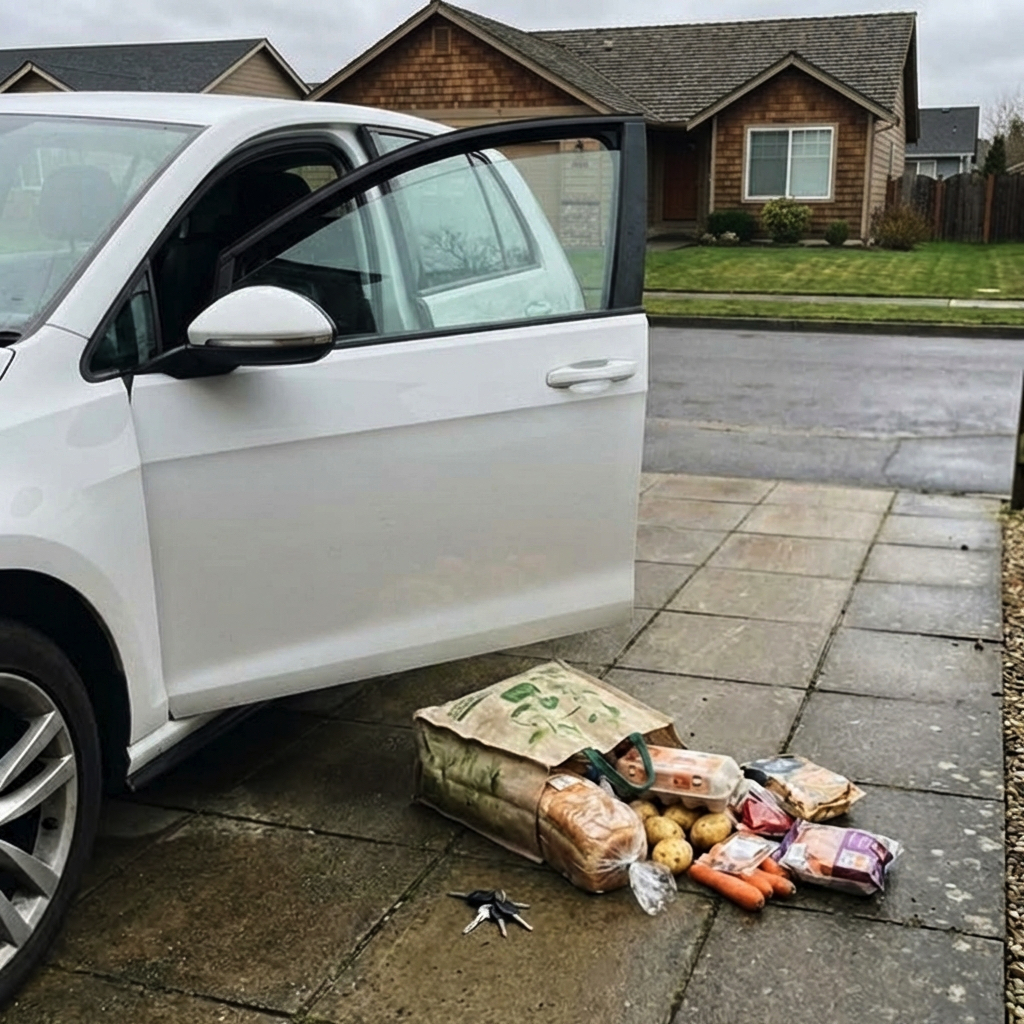
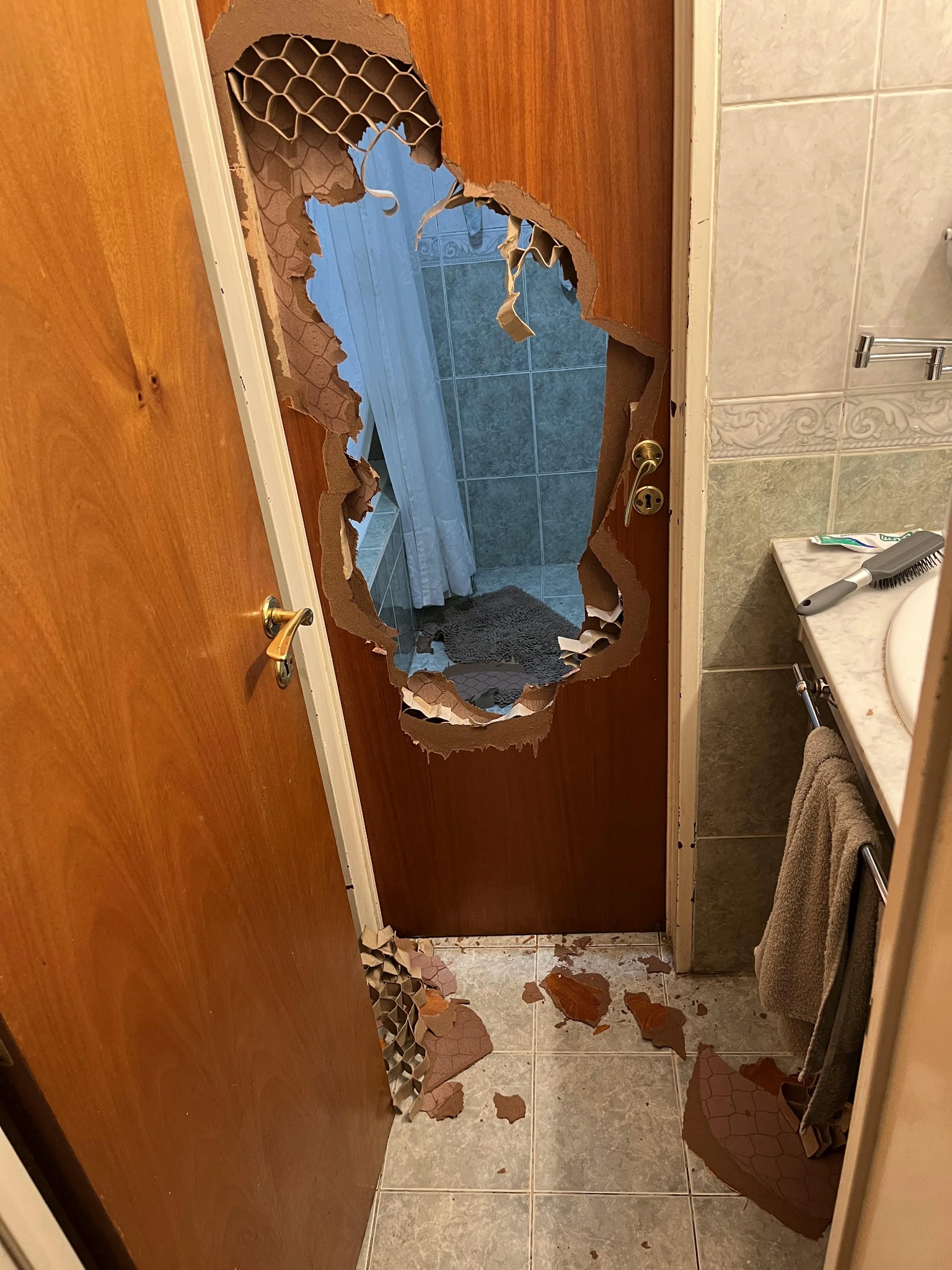
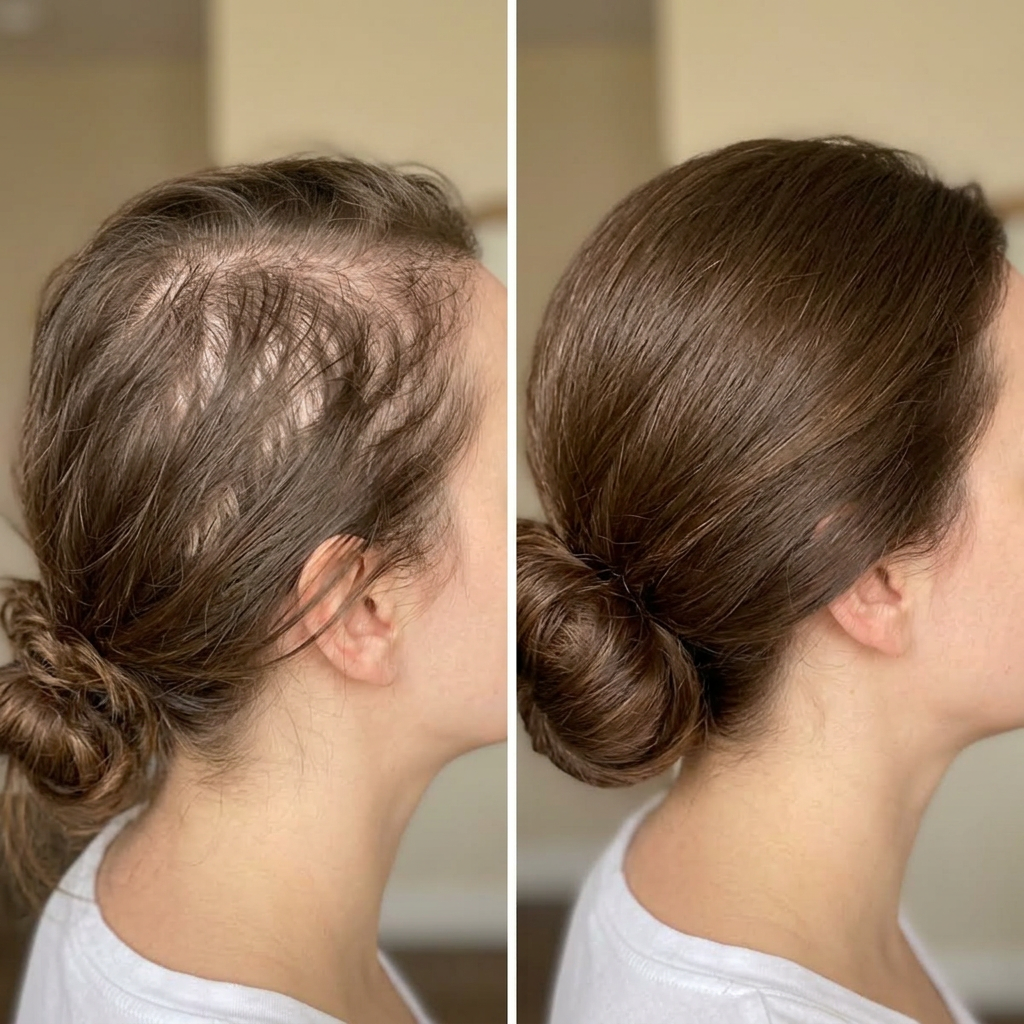
I suffered with IBS for 8 years. Then I found out I didn't have IBS at all. Four doctors. Dozens of tests — all "normal." Over £400 on supplements. They called it IBS and told me to eat more fibre. But they never once mentioned the ONE thing that was actually wrong. Turns out my bowel muscles weren't broken. They weren't diseased. They weren't reacting to food. They were deficient in the signal that tells them to relax. Something called nitric oxide. Something doctors never test for. And once I finally knew that… everything changed. But let me back up to where this nightmare actually started. Because if you'd told me this 8 years ago — when I was standing in a department store on Oxford Street, realising I'd just sharted in front of my daughter because I tried to let out what I thought was a small, safe fart — I wouldn't have believed you. I was Christmas shopping. Just killing time before lunch. Looking at scarves. My daughter was three feet away, looking at gloves. I sort of had to fart. Not even that bad. Definitely didn't need to go to the toilet. So I let out what I thought would be a very small, very silent fart. It wasn't. I felt it immediately. Warm. Wet. Wrong. I froze. Stood completely still in the middle of the accessories department. My mind went into survival mode. Dark jeans. Long coat. Things were contained — for now. But I could feel it. And I knew if I moved too much, it would get worse. "Mum, what do you think of these?" "Lovely, love. I just need the loo. Back in a minute." I walked — carefully, slowly, clenching everything — to the nearest toilet. Third floor. Had to take the escalator. Every step was a negotiation. I got into a stall, locked the door, and assessed the damage. It was bad. I cleaned up with toilet paper. Not enough. Found a Boots two doors down, bought baby wipes and a cheap pair of joggers, went back to the department store bathroom, and changed. I shoved my favourite jeans — the ones I'd bought two months ago, the ones that actually fit properly — into a bag and dropped them in the bin outside. Then I went back to my daughter, smiled, and said, "Right, where were we?" She had no idea. She'll never have any idea. I'm 56 years old. And I shit myself in a department store because I tried to let out a small fart. I spent the rest of that shopping trip — and the lunch I'd been looking forward to for weeks — sitting in cheap joggers, terrified it would happen again, barely eating, counting the minutes until I could get home. That was the day I decided something had to change. But I want to tell you what the eight years before that day looked like. Because if I'd known then what I know now, I wouldn't have wasted a single day of it. I discovered the pattern early on. Eat anything after 6 PM = 2 AM bathroom emergency. Every single time. First comes the gurgling around midnight. Then the cramping that drags you out of sleep. By 2 AM, I'm on the toilet, sweating, praying my husband doesn't wake up and hear the explosion through the wall. By morning, I'm exhausted, sore, and dreading whatever food is going to do to me today. But the 2 AM emergencies were just the beginning. Nobody tells you what living with IBS actually looks like. It's not just "stomach problems." It's scanning every room you enter for the bathroom location before you even say hello. It's memorising which toilets in every shop, restaurant, and petrol station have single stalls with locks and fans loud enough to cover the sound. It's keeping a mental map of every public loo within five miles of your house. My sister asked me once: "How do you always know where the toilets are?" I laughed it off. But the truth? I'd scouted them the first time I visited. Before I'd even sat down for coffee. Because living with IBS means you're never actually present. You're always three moves ahead, planning your escape route. The reality nobody talks about? I kept emergency supplies in my handbag. In the car glovebox. In my coat pocket. Spare knickers. Baby wipes. A plastic bag for the soiled ones. Dark leggings rolled up tight, just in case. Like I was preparing for a natural disaster. Except the disaster was my own body. I started wearing only dark trousers. Black jeans. Navy. Charcoal. Because I'd learned the hard way that light colours show when you're sweating through fabric, clenching everything, trying to make it to a toilet. I kept a diary for years. Not a food diary — I'd already done that and ended up with a trigger list of basically every food I'd ever eaten. A bathroom diary. Every accident. Every near-miss. Every cancelled plan. Every penny spent. More accidents than I want to count. £400+ on supplements, capsules, tablets, and over-the-counter remedies that didn't work. Dozens and dozens of cancelled plans. Countless times I left gatherings early, claiming a headache. The peppermint capsules gave me six hours of slight relief — then the rebound bloating would hit. Then the gas. Then the cycle would start over. The pharmacist at Boots knew me by name. "The usual?" "Yeah. The usual." Like I was buying chewing gum, not trying to get through my daughter's school play without shitting myself. And the actual bathroom experiences? I won't sugarcoat it. Sometimes it was liquid. Pure liquid. Like someone turned a tap on. Sometimes it was rock solid and wouldn't move for three days. Sometimes it was both in the same day. The cramping was so intense I'd sweat through my top, sitting on the toilet, biting down on my hand to keep from making noise. The bloating made me look six months pregnant by dinner time. I stopped wearing anything fitted. Started wearing loose tops. Floaty dresses. Anything to hide the distension. Someone at my book club asked if I was expecting. I'm 56. I just laughed and changed the subject. But inside I was dying. The gas was its own circle of hell. Not normal gas. The kind that fills a room. The kind that makes your eyes water. The kind where your husband opens windows in December and pretends he's "just getting some fresh air." The kind that came in waves so painful I'd curl into the foetal position on my bed, knees to chest, rocking, trying to breathe through it. The kind I'd hold in so long at my daughter's school play that I physically shook in my seat. The kind I couldn't even trust — because sometimes it wasn't gas at all. Sometimes it was a shart that ruined my jeans and my entire day. One morning my husband gently said, "It's okay, love. I know." I wanted the floor to swallow me. The moment that broke me wasn't dramatic. It was a Tuesday evening. My sister called about Easter lunch. "You're coming, right? I'm doing lamb." And I felt my chest tighten. Because I knew what would happen. The drive there: 40 minutes. No toilet. Lunch: two hours minimum. Their bathroom is next to the dining room. One wall. Everyone can hear. I played it out: Panic during lunch. Sweating through my top. Locked in their bathroom while everyone eats dessert. Or worse — an accident. At my sister's table. "I'll let you know," I said. But I already knew I wasn't going. Because how do you say: "My bowels control my entire life and I can't promise I won't shit myself at your Easter lunch"? You don't. You just become the sister who always cancels. The mum who always has a headache. The friend who stopped showing up. She was kind about it. Said she understood. But I heard the disappointment. And I knew: this wasn't just about Easter. I wasn't just losing events. I was losing relationships. My social life. My confidence. Everything. I was 56 years old, and IBS had taken everything. The social life had gone completely. Dinners out. "I'm not feeling great tonight, you go without me." Weekend walks. "I'll sit this one out." My book club — eight years of every other Wednesday. "I'll be back next time." I wasn't back next time. Family gatherings. Birthday parties. Christmas. All gone. Easier to stay home than to live in fear at every gathering. The joy of food was gone too. Completely gone. I used to love cooking. Farmers' markets on Saturday. New recipes. Having people round for dinner. Now food was the enemy. Every meal was a gamble. Will this be okay today? It was fine yesterday. How far am I from a toilet? Should I just not eat until I'm home? Because eating meant an hour later I might be locked in a bathroom with liquid pouring out of me and nothing I could do to stop it. My husband started tiptoeing around mealtimes. "What do you fancy for dinner?" "Something plain." "Something plain" became our nightly ritual. Boiled chicken. White rice. Plain toast. The same four things on rotation because they were the only things I was less afraid of. His wife used to make Sunday roasts for eight people. Now she could barely get through a slice of toast without clutching her stomach. I'd seen four doctors in those eight years. Doctor One. My GP. Ran tests. Everything "in range." Told me to eat more fibre. More fibre made it worse. So much worse. The bloating. The gas. The 3 AM cramps. I was in the foetal position on my bathroom floor one night with gas pain so severe my husband almost rang 999. Doctor Two. Different GP. Typed the entire appointment. "Probably IBS. Very common in women your age." Told me to try the low-FODMAP diet. And more fibre. The low-FODMAP helped slightly with bloating. Did nothing for the urgency. Nothing for the diarrhoea. Nothing for the unpredictability — same toast, fine on Monday, liquid on Wednesday. Doctor Three. Gastroenterologist. Colonoscopy. Nothing abnormal. "It's IBS. Functional. Your gut looks perfectly healthy." My gut looked "perfectly healthy." I'd sharted in a department store. Doctor Four. Another GP. "Sometimes these things are hormonal. It might just be a phase." A phase. Eight years of shitting myself in shops and not trusting my own farts — and she called it a phase. Four doctors. Every one of them tested for the same things. Ruled out the same things. Then labelled it "IBS" and sent me home with the same advice. Eat more fibre. Try the low-FODMAP. Manage your stress. But none of them — not a single one — ever tested for what was actually wrong. Then came the night that changed everything. Monday after the Oxford Street incident. Midnight. Husband asleep. Me in bed with my phone. But something was different this time. I wasn't just scrolling. I was angry. Properly angry. The kind of angry that comes after humiliation wears off and you're left with nothing but fury at your own body and the system that keeps telling you there's nothing wrong. I didn't search "IBS treatment" like I'd done a thousand times. I searched: "tried everything for IBS doctors say nothing wrong" And I found a forum thread that stopped me cold. A women's health forum. Posted about nine months earlier. Hundreds of replies. The title: "I spent £400+ on gut supplements over 3 years. Probiotics, fibre, enzymes, the lot. Here's why none of them worked." I clicked. The woman who wrote it sounded exactly like me. Same symptoms. Same doctors. Same advice. Same results — none. But then she wrote something I'd never heard before. "Every supplement I tried was trying to DO something to my gut. Add bacteria. Add enzymes. Add fibre. Stimulate digestion. But my gut didn't need stimulating. It needed to CALM DOWN. The urgency? That's bowel muscles contracting too hard, too fast, at the wrong time. The gas and bloating? Gas getting trapped because the bowel tightens unevenly. The cramping? Muscle spasms and internal pressure. The diarrhoea? Everything moving through too fast because the muscles won't stop clenching. My gut wasn't lazy. It wasn't broken. It was OVERACTIVE. Clenching. Spasming. Reacting to everything. It didn't need more supplements thrown at it. It needed something to help the muscles actually relax." I felt my hands shaking as I read. Eight years. Four doctors. Every single one had focused on what was IN my gut. Bacteria. Inflammation. Fibre. Diet. Not one of them had ever mentioned HOW my gut was moving. The muscles. The rhythm. The contractions. She continued: "That's when I found out about L-Arginine. It's an amino acid. Your body uses it to produce nitric oxide. And nitric oxide is one of the key signals that tells your bowel muscles to RELAX. To stop spasming. To stop clenching. To let gas pass through gradually instead of trapping it. To coordinate smooth, calm movement instead of the violent, urgent chaos. Researchers found that people with motility issues — the exact kind of gut dysfunction we've been living with — tend to be DEFICIENT in this nitric oxide pathway. Years of fibre and probiotics and elimination diets. And not one person ever mentioned that the actual RHYTHM of my gut might need support." I stared at my phone. Nitric oxide deficiency. In people with motility issues. The exact symptoms I'd had for eight years. And not one doctor — not the GPs, not the gastroenterologist, not anyone — had ever mentioned it. They'd tested for cancer. IBD. Coeliac. Parasites. All "normal." Then labelled it "IBS" and sent me home. But they never tested the rhythm. The muscle coordination. The signalling. The ONE thing that was actually off. I didn't have IBS. I had a gut that was missing the signal it needed to function normally. Then she wrote something that hit even harder: "But here's the other thing I figured out. Every supplement I'd tried — probiotics, enzymes, fibre, peppermint — was a capsule or tablet. When your stomach is already sensitive, capsules and tablets have to break down IN your stomach. That process creates gas. Irritates the lining. Adds to the bloating. I was trying to calm my gut by swallowing things that were aggravating it. Adding fuel to the fire and calling it medicine. The answer wasn't just the RIGHT ingredient. It was the RIGHT FORMAT. Drops. Liquid drops. No capsule breaking down in my stomach. No tablet dissolving and creating gas. Nothing sitting in my gut causing irritation. Gentle. Simple. Nothing for my stomach to fight." I thought about every capsule I'd swallowed over eight years. Every probiotic that made the bloating worse. Every fibre tablet that gave me gas. Every supplement that caused some kind of reaction within thirty minutes. And it hit me: I'd been aggravating my gut every single time I tried to help it. She'd looked for a liquid L-Arginine drop designed specifically for bowel support. Not a bodybuilding supplement. Something for guts like ours. Compared eleven options. Seven were capsules or tablets. Out. Two were powders — still processed through the stomach. One was liquid but marketed for sports recovery. Wrong dosage. Full of additives. One was specifically designed as liquid drops for bowel support. Clean formula. Right ingredient. Right format. One out of eleven. Bowel Support Drops by Nutrition Therapy. One dropper a day. I scrolled to the comments. Hundreds of replies. Women who'd been burned by every probiotic, every enzyme, every "gut health" capsule on the market. One woman wrote (237 likes): "Three years of probiotics in capsules. Every one made me gassier and gave me the runs. I thought that meant they were 'working.' No — they were just irritating my stomach. Been on the drops about two months. I don't map toilets anymore. Haven't had an accident since. That alone is worth everything." Another (194 likes): "The food unpredictability — 'fine on Monday, liquid on Wednesday' — that's been my life for six years. Since starting the drops, things have evened out. Not perfect. But consistent. I ate the same lunch three days running and got the same result. Solid. Normal. I cried." Another (311 likes): "I just got back from lunch with my daughter. A FULL MEAL. At a RESTAURANT. I didn't spend half the time in the bathroom. I didn't have to deal with explosive diarrhoea in a public toilet with someone in the next stall. I sat there, ate, talked, laughed, and drove home. I can't tell you the last time that happened." Another (143 likes): "Stopped going to my walking group two years ago. Terrified of shitting myself on a country lane with no toilet. Started the drops. Went back last Thursday. Walked the full route. No panic. Cried in the car park — good tears." Another (278 likes): "My husband said something last week that broke me. He said, 'You ate dinner like you used to.' He didn't mean I ate more. He meant I ate without fear. Without the calculation. Without the dash to the bathroom afterward. I just… ate. That's what the drops gave me back. Not a miracle. Just normal." I read for two hours. Hundreds of comments. The same pattern. Women who'd spent years swallowing capsules that made things worse. Women who'd tracked every trigger and ended up with a list of every food ever. Women who'd added fibre and ended up in the foetal position at 3 AM. Women who'd stopped going out because the fear of an accident in public was worse than the loneliness of staying home. Then tried liquid drops — and things gradually settled. And the sceptics — the ones who'd been burned worst — were the ones confirming it. This wasn't a sales pitch. This was women who were exhausted from being told to eat more fibre. I ordered at 1:58 AM. One bottle. 60-day money-back guarantee. Told nobody. Not my husband. Not my GP. Because if it didn't work, I didn't want to explain another failed attempt. But also — I was protecting a tiny spark of hope I hadn't felt in years. The morning it arrived, I took the first dropper. And the very first thing I noticed? Nothing. No gas. No bloating. No cramping. No rush to the toilet. No diarrhoea. Just… nothing. After eight years of every supplement causing some kind of stomach response within thirty minutes, the absence of a reaction was the most noticeable thing about it. My gut didn't fight it. For the first time, I was taking something that wasn't adding to the problem. First few days, nothing dramatic. I almost wrote it off. But I kept going. One dropper. Every morning. Then something shifted. Not all at once. More like the volume slowly turning down. The urgency softened. Not a sixty-second siren anymore. More like a calm signal. Manageable. Gave me actual time to walk to the bathroom instead of sprinting. The diarrhoea eased. Not every trip to the toilet was an emergency. Things started to firm up. Become predictable. Become normal. The unpredictability evened out. Same rice on Monday and Wednesday — same result. I almost didn't trust it. But it kept happening. The bloating quieted. The gas became manageable — not the trapped, painful, room-clearing kind. Just normal. And trustworthy. I could feel the difference between gas and something worse. My body wasn't lying to me anymore. The cramping faded. The spasms that used to wake me at 2 AM started spacing out. Then stopping. Full days where my gut just did its job quietly. Full days where I went to the toilet once or twice and it was just… unremarkable. I'd forgotten that was even possible. The real test came a few weeks in. My sister called about Sunday lunch. Every instinct said no. Eight years of conditioning screaming at me to stay home where it was safe. But I said yes. I sat at her table. Ate what everyone else ate. Not plain chicken and rice. What EVERYONE ate. Roast lamb. Vegetables. Crusty bread. A small glass of wine. I didn't leave the table once. Didn't calculate. Didn't panic. Didn't map the route to her bathroom. Didn't spend the next hour clenched, waiting for the cramps to start. Just ate. Talked. Laughed. Stayed for pudding. On the drive home, my husband was quiet. Then he said: "That was nice. You being there. Really being there. It's been a while." I couldn't speak. Just reached over and squeezed his hand. Two weeks later, I mentioned the drops to my GP at a routine check. She looked at me for a moment. "You do seem different. Whatever you're doing, I'm glad it's helping." She paused. "I wish we had more to offer patients like you. The standard advice doesn't work for everyone." Most honest thing a doctor had said to me in eight years. It's been five months now. Not everything is perfect. Some days are harder than others. This isn't a cure. But the ratio has completely flipped. Eight years ago, mostly bad days with the occasional okay one. Now mostly calm, normal days with the occasional off one. My book club has me back. Every other Wednesday for three months straight. Went to my daughter's school play last week. Sat through the whole thing without once thinking about where the nearest toilet was. Cooked a proper roast dinner for the first time in over a year. For eight people. My husband cried when he saw the table set. Not because of the food. Because his wife was back. I stopped carrying the emergency supplies in my handbag last month. The spare knickers. The baby wipes. The plastic bag. The rolled-up leggings. All of it. Gone. I wear light-coloured trousers again. First time in years. My daughter asked me to go Christmas shopping next month. Oxford Street again. Eight years ago I would have said no. Would have made an excuse. Would have stayed home where it was safe. This year I said yes without hesitating. And I won't be buying emergency joggers this time. Last week, my friend from book club called me. "I can't do this anymore," she said. "The cramping, the accidents, the cancelling everything… I feel like my life is shrinking." I knew that voice. I'd been that voice. I told her about the drops that night. She texted me last week: "I went to my granddaughter's birthday party. Three hours. Ate cake. Didn't think about the toilet once. Is this what normal people feel like?" Yes. It is. So look. If you're reading this at 2 AM, exhausted and desperate. If you've seen multiple doctors who all said the same thing. If you've tried fibre, probiotics, elimination diets, and nothing worked. If every capsule and tablet you've swallowed has made things worse. If you're tired of managing symptoms while everyone else just lives their life. You're not failing at this. You're not broken. You're not destined to "learn to live with it." You probably don't even have IBS. Not really. Your gut might just be missing the signal it needs to calm down. L-Arginine. Nitric oxide. The rhythm your bowel muscles have been missing. In gentle liquid drops that don't aggravate your stomach. One dropper. Every morning. 60-day money-back guarantee. If nothing shifts, full refund. 👉 https://nutritiontherapy.co/products/bowel-support Because here's the truth nobody wants to say: If this condition affected people's ability to run businesses, close deals, or chair board meetings... If CEOs were shitting themselves at conferences... If politicians were mapping toilets before every public appearance... There'd be a national task force. Prime-time specials. Billions in research funding. But when it happens to women like us? "Eat more fibre." "Try the low-FODMAP again." "Have you considered it might be stress?" No. You deserve to leave your house without fear. To eat a meal without calculating the risk. To go to a family lunch without mapping every toilet on the route. To trust a fart again. To actually be present in your own life. One dropper. Every morning. 60 days to decide. 👉 https://nutritiontherapy.co/products/bowel-support P.S. — My daughter asked what was different about me the other day. I didn't know what to say. How do you explain to your child that you spent eight years terrified of your own body and now you're not? You don't. You just say: "I feel good, love." And for the first time in years, it's actually true. I still notice when I have a good day. Still feel grateful when I get through a meal without the cramps. Still feel a little surge of relief when I go to the toilet and everything is just… normal. Because when you've lived in bathroom hell for eight years, you notice normal. You celebrate it. And I want you to know what that feels like. Not eight years from now. Not after one more doctor's appointment that ends with "eat more fibre." Now. 👉 https://nutritiontherapy.co/products/bowel-support
Where the ad sends people
nutritiontherapy.co
Read This If Your Stomach Is Ruining Your Life
NT.CO
Learn more: nutritiontherapy.co(opens in a new tab)