
Inactive· since Apr 27, 2026
- 9
- days it ran
- 0
- relaunches
- 43
- EU reach
Ad copy
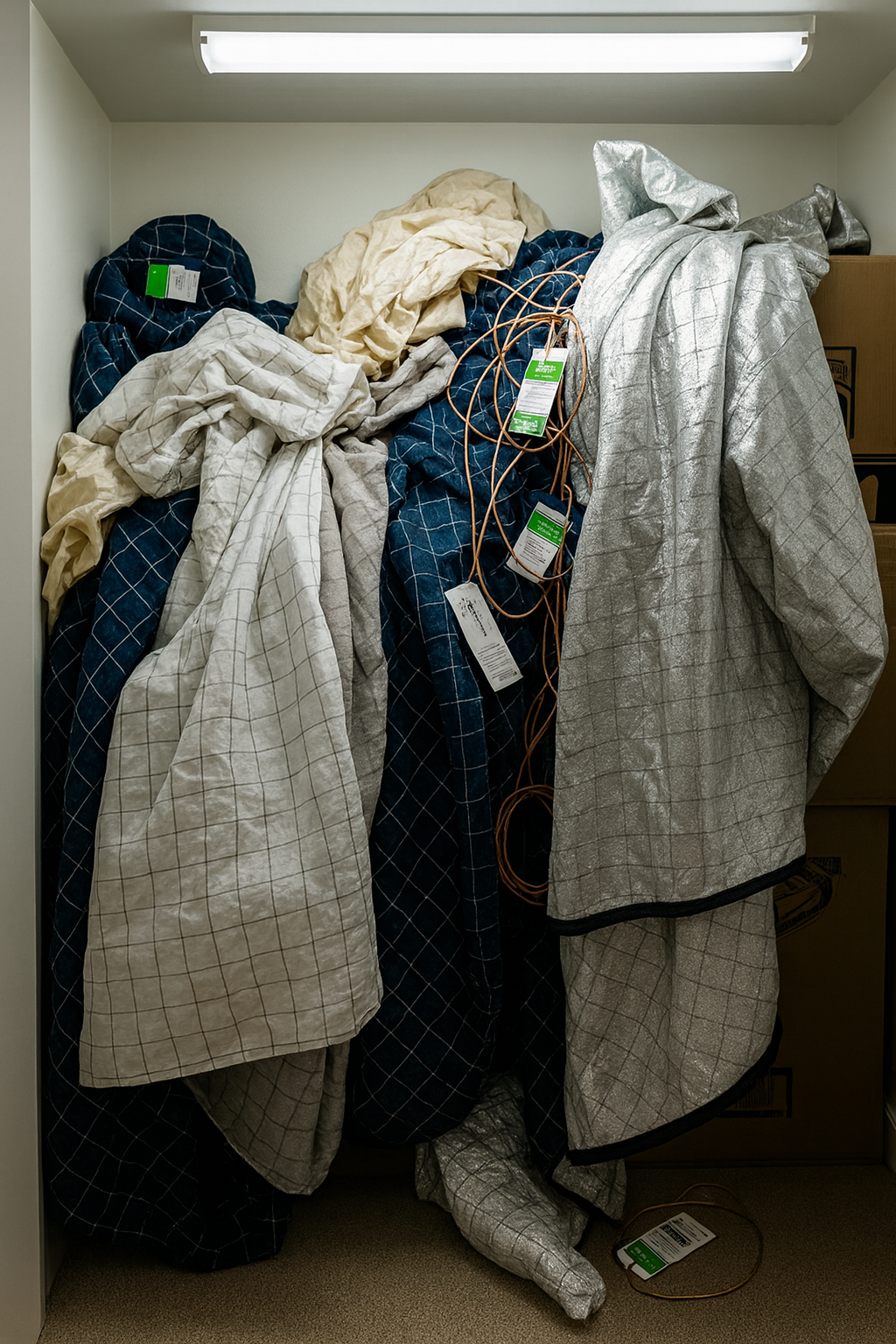
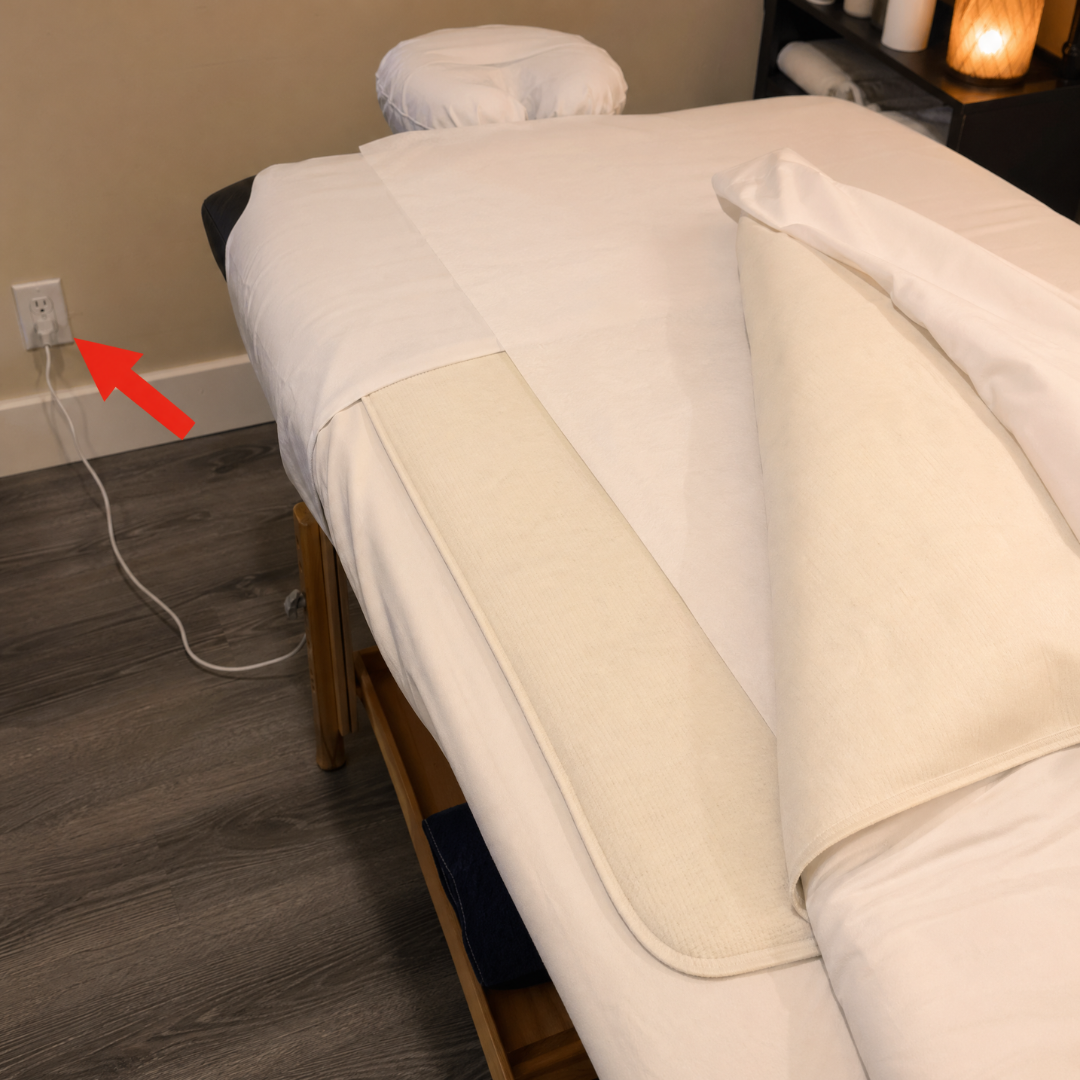
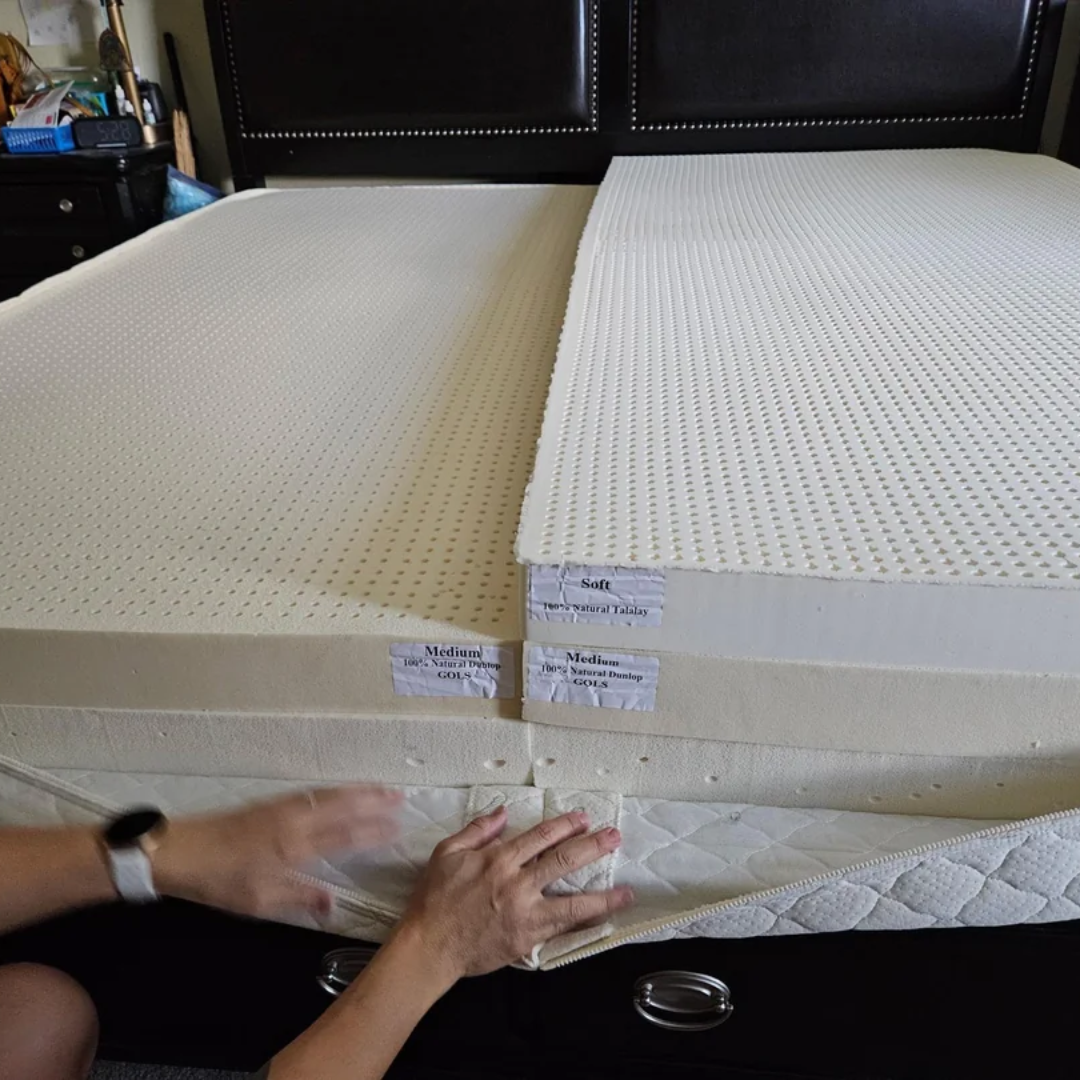
I've been building mattresses for eleven years. I know exactly what's inside the $2,000 one you're sleeping on. And I know why spending $600 more wouldn't have changed a thing Let me start with something I probably shouldn't say out loud. When you walk into a mattress store and the salesperson steers you toward the $2,600 model instead of the $2,000 one, they're going to tell you it's better for your back. Better for your joints. Better for your sleep. They're going to use words like "orthopedic" and "advanced support system" and "pressure relief technology." I build those mattresses. I know what's actually inside them. And I'm telling you right now — half the time the foam is identical. Same supplier, Same density, Same everything. The cover is different. Maybe there's an extra inch of something on top. The label says something fancier. But the thing that's actually going to determine whether you wake up feeling rested or wake up feeling like you've been hit by a truck? That's not in the mattress. And it never was. I figured that out the hard way. My name is Kirsty and I've been working the floor of a mattress factory for eleven years. I've seen everything that goes into these beds before the covers go on and before they get the brand names attached and before they show up in those showrooms with the soft lighting and the salespeople in nice shoes. I know which luxury brands source their foam from the exact same supplier as the budget lines. I know what "orthopedic" actually means from a legal standpoint — which is nothing, by the way. There is no regulation on that word. Any mattress can call itself orthopedic. It means absolutely nothing. I know all of this. I've known it for years. And for most of those years I slept terribly. Not a little terribly. Like properly, consistently, waking-up-more-tired-than-when-I-went-to-bed terribly. The kind of sleep where you lie there for what feels like hours before you drift off, and then you wake up at 3am for no reason, and then you finally fall back asleep about forty five minutes before your alarm goes off. And you spend the whole morning feeling like you're walking through something thick. The cruel irony of working in a mattress factory is that I had access to samples most people would never be able to afford. I brought home a $3,000 model once — a memory foam hybrid with individually wrapped coils and three layers of pressure-relieving foam and a cover made from some kind of temperature-regulating fabric that costs more per yard than most people spend on a full mattress. I slept on it for three weeks. Same broken sleep. Same 3am wake-up. Same exhausted mornings. I tried a cooling topper after that because someone told me I was probably sleeping hot. Tried a weighted blanket because I read it was supposed to calm the nervous system. Tried melatonin — started at 5mg, worked up to 10mg, which mostly just made me groggy in the morning without actually making me sleep better at night. Tried magnesium and also Tried cutting caffeine after noon. Tried a sleep tracker that gave me a score every morning that basically just confirmed I already knew I was sleeping badly, which was not particularly helpful. Nothing moved the needle in any meaningful way. And I kept thinking — I literally build mattresses for a living. If the mattress was the answer I would have found it by now. So maybe the mattress wasn't the answer. I started going down a research rabbit hole about eighteen months ago. Not about mattresses — I already knew more about mattresses than I ever wanted to. I started looking at sleep from a completely different angle. Why does the body struggle to switch off? Why does sleep not restore people the way it's supposed to? Why do people wake up in the middle of the night feeling wired when they're exhausted? That's when I found something I'd never come across before. It had nothing to do with foam density or sleep hygiene or supplements. It had to do with electricity. Here's what I found out. Your body runs on electrical signals. Every cell, every nerve, every process that happens while you sleep — all of it is electrical. Hospitals measure this every day with EKGs and EEGs. This isn't fringe science. This is basic biology. And for basically all of human history, the human body had a way of keeping its electrical system balanced. We were in direct contact with the Earth every day. Barefoot on soil. Sleeping close to the ground. The Earth has a natural electrical charge — free electrons — and our bodies were just quietly absorbing that the whole time without us knowing that's what was happening. Those electrons keep inflammation down. They regulate cortisol — the stress hormone that's supposed to drop at night so you can actually sleep. They keep your nervous system from running in that low-level activated state that makes you lie awake at 3am for no reason you can identify. About sixty years ago that connection broke. Rubber soled shoes. Elevated beds. Insulated floors. Modern buildings that haven't touched the Earth since they were built. We've been completely cut off from that charge all day and all night, and nobody noticed because it happened gradually over decades. And here's what that means for your sleep. When your body can't discharge that accumulated electrical charge — when cortisol can't fully drop, when your nervous system can't fully switch off — your sleep doesn't restore you. Your body goes through the motions but it can't complete the repair work it's designed to do overnight. You wake up a little more depleted than when you went to bed. Not dramatically. Not enough to notice day to day. But it compounds. Week after week, month after month, year after year. And no mattress — not the $2,000 one, not the $2,600 one, not the $3,000 sample I brought home from the factory floor — addresses any of that. Because a mattress is designed to support your body. And that's genuinely useful. But it was never designed to restore your electrical balance. That's a completely different problem. I sat there reading that and thinking — this is why. This is why eleven years of access to the best mattresses in the business didn't fix my sleep. I was solving the wrong problem the whole time. I kept reading that night. Found the actual research. A 2004 study in the Journal of Alternative and Complementary Medicine — people with ongoing pain and broken sleep slept grounded for several weeks. Their cortisol normalized. Inflammation markers dropped. Sleep measurably changed. A 2013 study on blood flow and circulation. A 2017 study on premature babies in NICUs where grounding improved nervous system regulation. Then I started looking at how people were actually doing this at home. Because you can't exactly sleep on soil every night. The practical solution is a grounding sheet — fabric with pure silver fibers woven through it, connected by a cord to the ground port of your wall outlet. While you sleep your body reconnects to the Earth's electrical charge. The silver conducts the electrons. Eight hours a night, passive, nothing to do except sleep on it. I ended up in forums where people had been comparing products and testing them properly. And what I found there was — honestly, not surprising to me at all given what I do for a living. Most of the grounding sheets on the market use a thin silver coating painted onto the fabric. Not woven through — painted on top. And it washes off. Within a month or two of regular washing the conductivity is essentially gone and you'd never know because it still looks like a sheet. You'd just think grounding doesn't work :/ I know exactly what that looks like from a manufacturing standpoint. It's the same conversation I've had a hundred times on the mattress side. What's the cheapest way we can do this and still have it look legitimate. The answer is always a coating instead of the real thing. One brand kept coming up consistently in everything I read — a company called GroundingWell. Always the same thing from people who weren't being asked to say it — the silver is actually woven into the fabric itself, not coated on top. It holds conductivity after months of washing. It still reads properly on a conductivity meter a year later. As someone who's spent eleven years watching the difference between a product that's built properly and a product that just looks like it's built properly — that distinction matters more than most people realize. I ordered one before I closed my laptop. The first morning I woke up after sleeping on it, I just lay there for a moment. Out of habit I started waiting for the inventory — the checking in with each part of myself before attempting to get up, the assessment of how broken I felt and how long it was going to take to feel functional. And then I realized I'd already been awake for a few minutes and I hadn't started the inventory because there was nothing there to assess. My back wasn't asking for anything. My hips felt normal. I hadn't woken up at 3am. I sat up and walked to the kitchen and was halfway through my coffee before I even thought about it. I stood there thinking — I brought home a $3,000 mattress and slept worse than this. That was about three months ago. The 3am wake-ups are gone. I wake up once in the morning when my alarm goes off, and I get up, and my body just cooperates. I didn't know that was still possible. I told a colleague who'd been complaining about her sleep for as long as I'd known her — always tired, always dragging, always saying she just doesn't sleep well and probably never will. She messaged me about three weeks after ordering. "I don't know what you gave me but I slept through the night twice this week. Twice. I can't remember the last time that happened." Another woman I know — she'd been trying everything for her sleep for years, melatonin, magnesium, the whole list — sent me this about a month later: "I keep waiting for it to stop working. It hasn't happened yet.” They'd both spent years trying to solve their sleep problem with the same kinds of things I'd tried. Better mattresses. Better supplements. Better sleep hygiene. All of it working on the surface while the actual problem just kept quietly running underneath. Here's what I know after eleven years in this industry. A good mattress matters. It genuinely does. If you're sleeping on something uncomfortable, something that doesn't support your body properly, that's a real problem and it's worth fixing. But if you've already got a decent mattress and you're still waking up exhausted, still lying awake at 3am, still feeling like your sleep doesn't actually restore you — the mattress was never going to fix that. Because the problem isn't the surface you're sleeping on. The problem is the electrical environment your body is trying to recover in. That's not something any mattress manufacturer is going to tell you. Because no mattress solves it. I'm sharing the link below. It'll take you to a full breakdown of why the technology works so well. Read it before you order anything — from them or anyone else. Go read it yourself. Then decide. https://www.groundingwell.com/pages/special-sheet-listicle?view=special-sheet-listicle-v2
What eleven years in a mattress factory taught me about sleep
Experience the healing power of our grounding sheets and mats, promoting better sleep, more energy, & less stress from the comfort of home. Shop now.
SEE DETAILSLike this ad? Make it yours.
Crush rebuilds this exact creative around your product — your brand, your colors, your offer — in about a minute.