
Inactive· since May 4, 2026
- 28
- days it ran
- 0
- relaunches
- 1,679
- EU reach
Ad copy
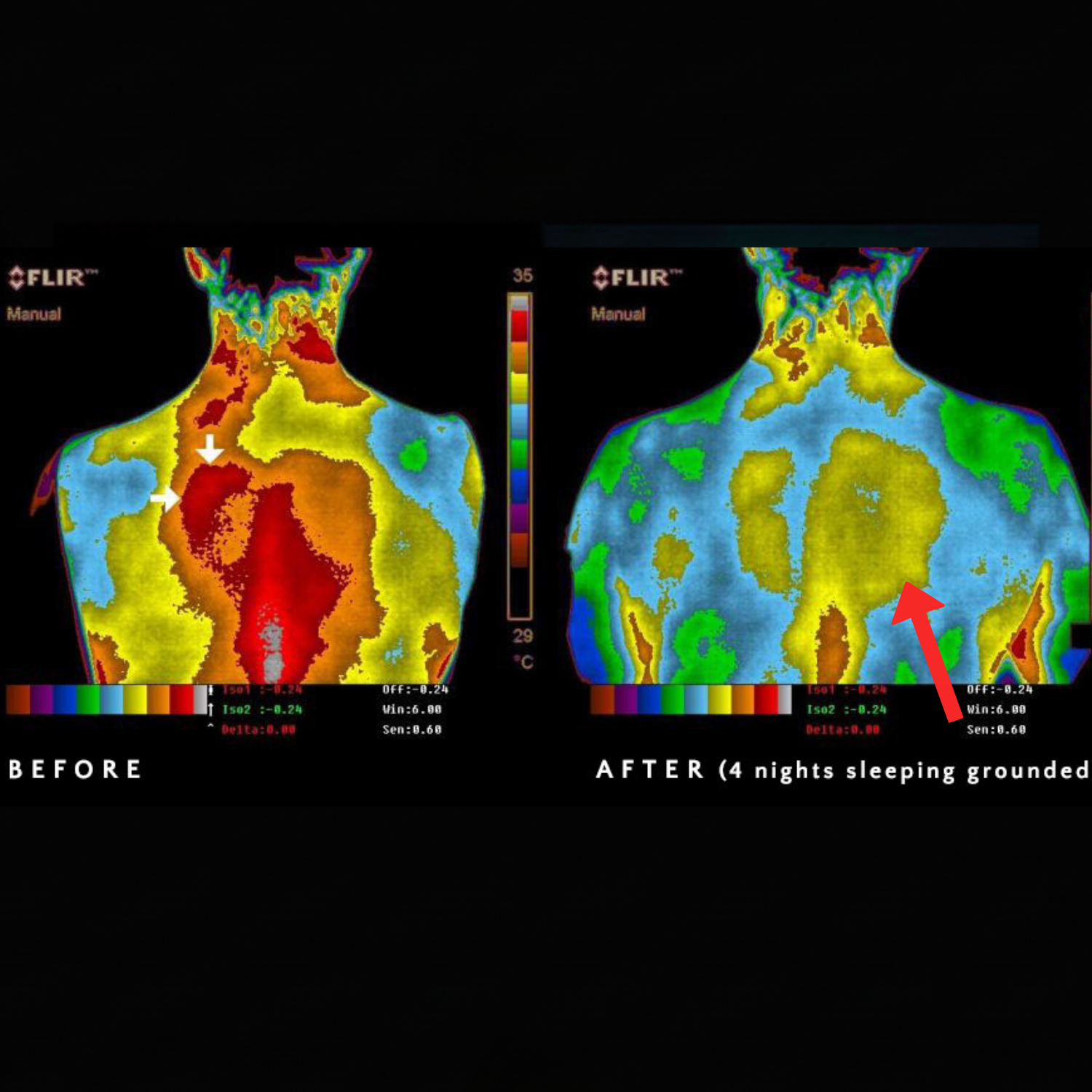
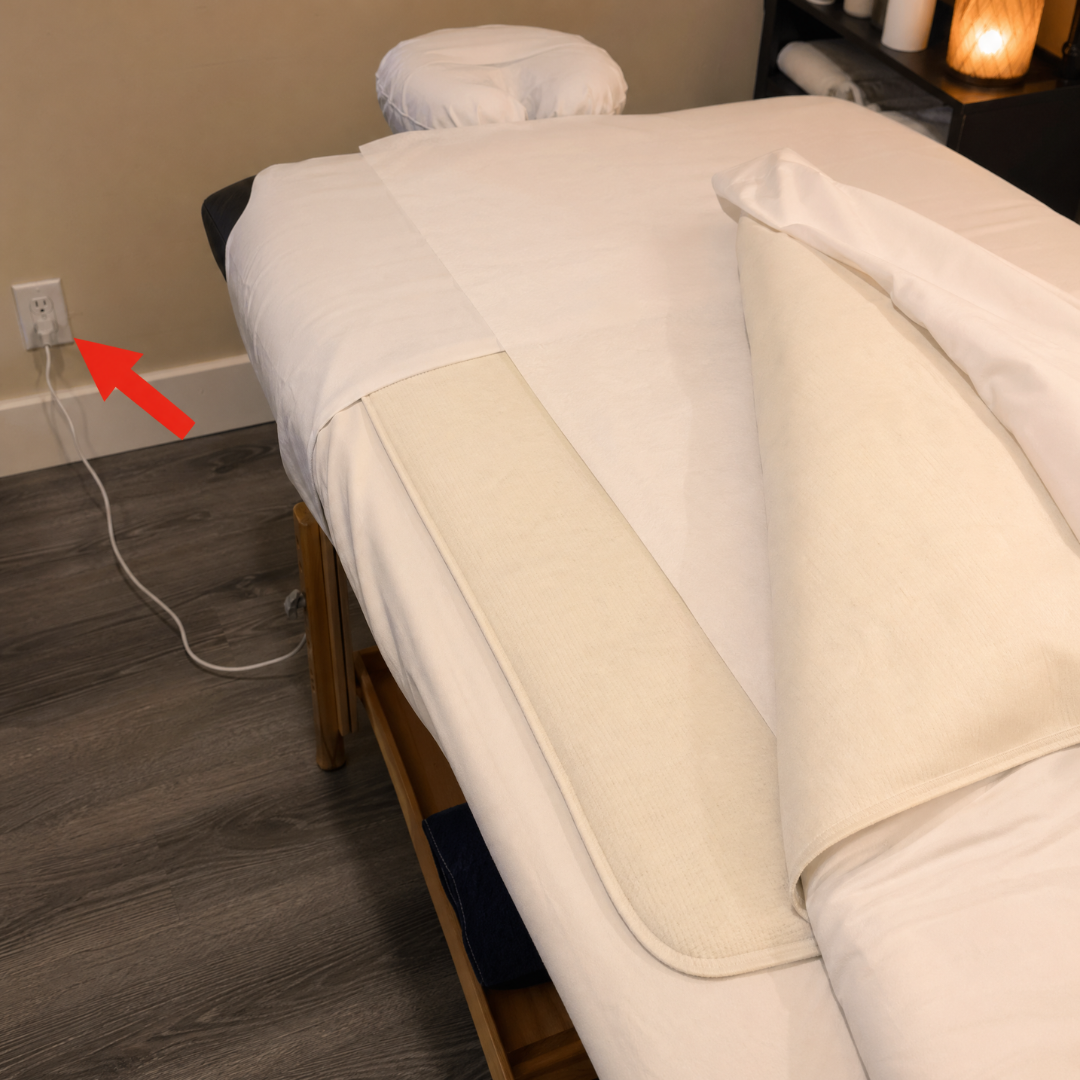
I was diagnosed with hypertension at 46. I’m 55 now. Turns out I never had hypertension at all. For nine years, I “managed” a number on a cuff while the real cause went untreated every single night. Nine years of lisinopril that brought my numbers down — and left me with a dry cough I couldn’t shake for eighteen months until my doctor finally switched me to something else. Nine years of metoprolol — a beta blocker my cardiologist added when one pill wasn’t enough — that left me too exhausted to climb my own stairs. Nine years of being told my pressure was “controlled” and sent home with a new prescription whenever the numbers crept back up. I did everything they asked. I went on the DASH diet. Then Mediterranean. Then tracking sodium to 1,500mg a day, weighing every portion. I lost thirty pounds over eighteen months. I cut out alcohol. Then caffeine. Then both. I meditated every morning — twenty minutes, eyes closed, the Calm app running — because every doctor said stress was the biggest factor. I walked three miles before work, five days a week. I did a stress management program at my hospital — $200 a session — because my cardiologist said that was the only path to lower numbers besides more medication. It helped a little. For a while. Then it didn’t. When that stopped working, they sent me to a specialist. Primary care first. Then a cardiologist. Then a nephrologist when my doctor got worried it might be affecting my kidneys. Eight months. Tests and scans and 24-hour monitors. They did an EKG. Normal. Echocardiogram. Normal heart function. Kidney function. Normal. Aldosterone and renin. Normal. Thyroid. Normal. Blood work. Perfect. “Everything looks fine,” my cardiologist said. “It’s essential hypertension. Your heart is structurally healthy. Your kidneys are fine. We just need to keep those numbers where we want them.” Essential. I looked it up that night. It just means they don’t know. She handed me a pamphlet on the DASH diet and told me to come back in three months. I felt like I was crazy. The heart was healthy. The kidneys were fine. The doctors weren’t alarmed. But the cuff sat at 155 over 95 no matter what I did. By the time my alarm went off, my hand was already shaking on the cuff. By 8am I'd taken it three times. 152. 156. 161. The number kept climbing the more I checked. By noon I'd be back on the monitor in the bathroom at work. Locked the door. Wrapped the cuff. Watched the number creep up while my heart raced trying to make it not. By evening I'd already taken nine readings. I was feeding the thing I was terrified of, and I couldn't stop. And the thinking never stopped. If we had an argument, I'd be checking the cuff before I'd finished crying. If I forgot my morning pill, I'd be thinking about it all day. If we ate out, I'd be on the monitor at 6am, holding my breath. My husband ate what he wanted. Stayed up late. Got frustrated at traffic. Had a second glass of wine on a Tuesday. His numbers didn’t change. I tracked every meal. Every sodium gram. Every potential stressor. I watched him live a 120 over 78 life from behind a cuff. I resented him for it. Then felt awful about that. Then went back to my monitor. I stopped saying yes to anything that felt like it might send my pressure up. I turned down a promotion at work because my cardiologist said the added stress would be “counterproductive to our goals.” I skipped my brother’s fiftieth birthday because the flight, the hotel, the family dynamics — I could feel my heart reacting just thinking about it. I stopped wearing my smartwatch because every time it alerted me my resting heart rate was elevated, I’d spiral for an hour. I looked fine on the outside. My numbers said “controlled.” My cardiologist wasn’t worried. To everyone else, I was fine. Inside I was drowning. And every doctor just nodded. “That’s essential hypertension. It’s often genetic. Have you tried losing more weight?” I lost ten more pounds over the next four months. The numbers barely moved. I tried yoga. I tried breathwork — 4-7-8 every morning before I opened my eyes. I tried hibiscus tea, beetroot powder, CoQ10, magnesium, pomegranate juice. I tried a sauna blanket. I tried an elimination diet. Nothing worked. I started to believe this was just my life now. That the numbers would keep creeping up, the medications would keep stacking, and I’d spend the rest of my life as a ticking time bomb my cardiologist had already accepted as permanent. Then my neighbor said something no cardiologist ever had. She’s a functional medicine nurse. We were talking over the fence, and I was telling her my doctor had just added a third medication because the first two weren’t enough anymore. “Has anyone ever actually checked what your cortisol is doing at night?” I almost laughed. “I’ve had my cortisol tested. It came back normal.” She shook her head. “A single morning blood draw doesn’t tell you what your cortisol is doing at 2am. When your blood pressure is supposed to be dropping.” “You’re telling me my cortisol is behind my blood pressure?” “I’m telling you your blood pressure might not be a disease at all. It might be the measurement of something else.” She leaned against the fence. “Your blood pressure is supposed to rise and fall in a rhythm. High in the morning to wake you up. Then dropping at night — ten, fifteen, twenty percent — when your body is supposed to be repairing your cardiovascular system. That nighttime drop is how your vessels reset. How they remember how to relax.” “But if something is keeping your cortisol elevated at night, the drop never happens. Your vessels go to bed tense and wake up tense. Over years, they forget how to do anything else. That’s not a disease. That’s a rhythm that got broken and nobody noticed.” “What could possibly be doing that?” “There’s something every single person is exposed to daily,” she said. “And new research is pointing to it as the hidden cause behind what gets labeled essential hypertension.” She looked at me. “Your phone. Your WiFi. Your laptop. The power lines running through your walls. Every single day, your body absorbs the EMFs they emit. It builds up in your body. Researchers are calling it dirty electricity. And it keeps your nervous system stuck in a chronic stress response — even when you’re sitting completely still, even when every test comes back perfect, even when you’re doing everything your doctor asked.” “Your cortisol never resets. The nocturnal dip never happens. Your vessels never get the rest they need. And your medication has to fight against a cause that doesn’t sleep.” She wasn’t done. “That morning surge — when your pressure is highest the second you wake up? That’s not genetics. That’s your cortisol staying elevated overnight because it never got the signal to drop. Your vessels went to bed tense. They’re still tense.” “And why does every stressful moment spike me?” I asked. “Because your system is already maxed out. There’s no buffer left. Your vessels are running at ninety-five percent capacity all the time. Any little stressor pushes you over.” “But I’m on three medications,” I said. “They’re forcing the pressure down,” she said. “But they’re fighting something upstream that never stops. That’s why you keep needing more of them. You’re not treating the problem. You’re holding the ocean back with a bucket.” I stared at her. Nine years. Three specialists. Three medications. Thousands of dollars on devices and diets and stress programs. And nobody had ever mentioned dirty electricity. I went home and couldn’t stop thinking about it. I Googled “dirty electricity cortisol blood pressure” and fell into a rabbit hole I wasn’t prepared for. Studies out of major research universities. Peer-reviewed papers showing that chronic EMF exposure keeps cortisol elevated — and that people whose blood pressure doesn’t dip at night have twenty-one times the cardiovascular event rate of people whose does. Everything she said checked out. I texted my neighbor the next morning. “Okay. Let’s say you’re right. What do I actually do?” She called me on her lunch break. “You need to discharge the buildup,” she said. “And the fastest way to do that is with a grounding sheet.” “It’s a bedsheet woven with silver fibers. You plug it into the grounding port of your wall outlet — the third prong — which connects directly to the Earth beneath your house.” “While you sleep, electrons flow from the ground into your body all night long. Those electrons neutralize the dirty electricity your body has been carrying for years. Your cortisol rhythm gets the signal to reset. The nocturnal dip that’s supposed to happen — finally happens. And your blood vessels get the overnight rest they’ve been denied.” “We started recommending them at our clinic last year. The results were unlike anything we’d seen before. People who’d been on blood pressure medication for years. Whose morning numbers started dropping. Whose cardiologists were asking them what changed.” This honestly sounded crazy to me. But I’d been checking a monitor every morning for nine years. So I asked. “Where do I get one?” “You can’t just grab any one off Amazon,” she said. “Most of them are made with cheap materials and barely any silver — not enough to actually neutralize anything. The one our clinic uses is GroundingWell. Made with high-quality silver fibers for maximum conductivity. Honestly, it’s the only one I’ve seen work.” I looked it up immediately. 90-day money-back guarantee. After nine years of medications and specialists that failed — what was one more try? I started sleeping on it that same week. Night one, I didn’t notice much. Night two, I woke up at 3am. But my heart wasn’t pounding in my ears. I lay there waiting for it — the familiar racing that had been waking me up for so long I couldn’t remember going to bed any other way. It didn’t come. I fell back asleep before I’d even realized it was missing. That hadn’t happened in nine years. By day four, something I hadn’t expected. I reached for the cuff on my nightstand, put it on, and watched the number come up. 128 over 82. I read it twice to make sure. I sat there staring at the screen, not trusting it. By the end of week two, I pulled out the spreadsheet I’d been keeping for years — the one where I logged every morning reading. The last seven days, the top number had stayed under 135 every single morning. I sat on the edge of the bed and cried. Then came week three. I went to my cardiologist for my scheduled three-month follow-up. She put the cuff on me herself. Watched the number come up. “Something’s different,” she said. “What have you changed?” I told her. She raised an eyebrow. Then she said something I hadn’t heard in nine years. “Let’s talk about reducing one of your medications.” For the first time in nine years, I walked out of my cardiologist’s office with fewer pills than I walked in with. For the first time in nine years, I went to a family event without once thinking about what my pressure was doing. For the first time in nine years, my husband walked into the bedroom in the morning and didn't ask what my number was. Neither had I — in three weeks. I don’t have essential hypertension. I never did. I had nine years of dirty electricity silently keeping my cortisol elevated until my blood vessels forgot how to relax at night. And not one cardiologist ever thought to look for it. I still have my phone. My WiFi. My laptop. I still live the same modern life I always have. But now I protect myself from it. Every night, I sleep grounded. My body discharges. My cortisol resets. My blood vessels finally get the rest they’ve been missing. It takes thirty seconds to set up. That should be standard care for anyone living the way we all live now. If you’ve been diagnosed with hypertension… If your doctor keeps adding medications and the numbers still climb… If every test you’ve taken comes back fine but the cuff tells a different story… If you’ve eliminated sodium and caffeine and alcohol and your pressure barely moved… If you check your monitor every morning hoping today is the day the number finally stays down… I’m not saying you definitely have a dirty electricity problem. But I spent nine years managing a number on a cuff while the real cause built up in me every single night. GroundingWell is a small company. They make their sheets in limited batches, using pure silver fiber woven throughout the entire fabric — not a cheap coating that washes off after a few washes like the Amazon knockoffs. That level of quality takes time. Which is why when they sell out, restocks take months. Right now they’re running a sale. I checked the site this morning and ordered a second one for my guest room. To be honest, I panicked a little when I saw it — because every time they run a sale like this, they sell out fast. They have a 90-day money-back guarantee. Three full months to see if it works for you. If nothing changes, send it back. No questions asked. But if it works? If by week one your morning number is the lowest you’ve seen it in years? If by week two your resting heart rate drops ten beats without changing anything else? If a month from now your cardiologist looks at your reading and asks you what you’ve changed? You’ll wish you’d started nine years ago. I know I do. https://www.groundingwell.com/products/groundingwell-bedsheet You don’t have to keep managing a condition you might not even have.
Get Grounded While You Sleep
The GroundingWell™ Bedsheet channels Earth's electrons into your body, promoting deeper sleep, reduced stress, and faster healing while you rest.
LEARN MORELike this ad? Make it yours.
Crush rebuilds this exact creative around your product — your brand, your colors, your offer — in about a minute.