
Active· since Jan 11, 2026
- 197
- days running
- 3
- relaunches
Ad copy
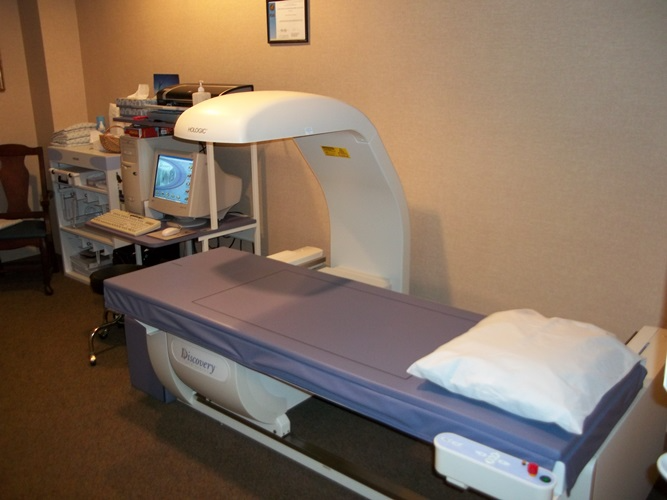
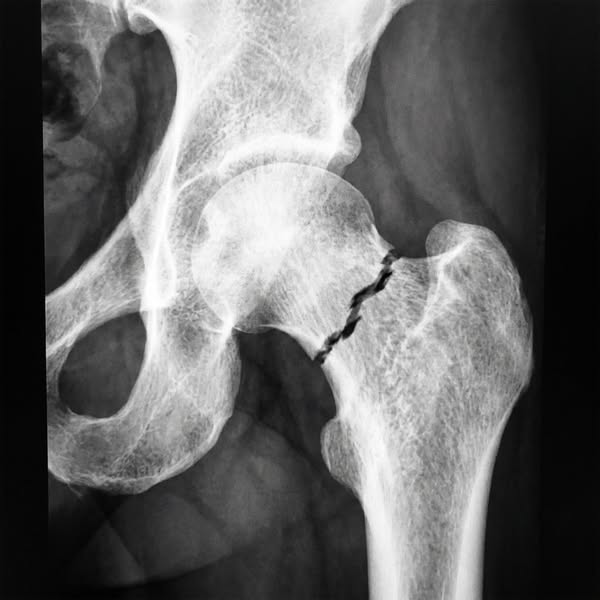
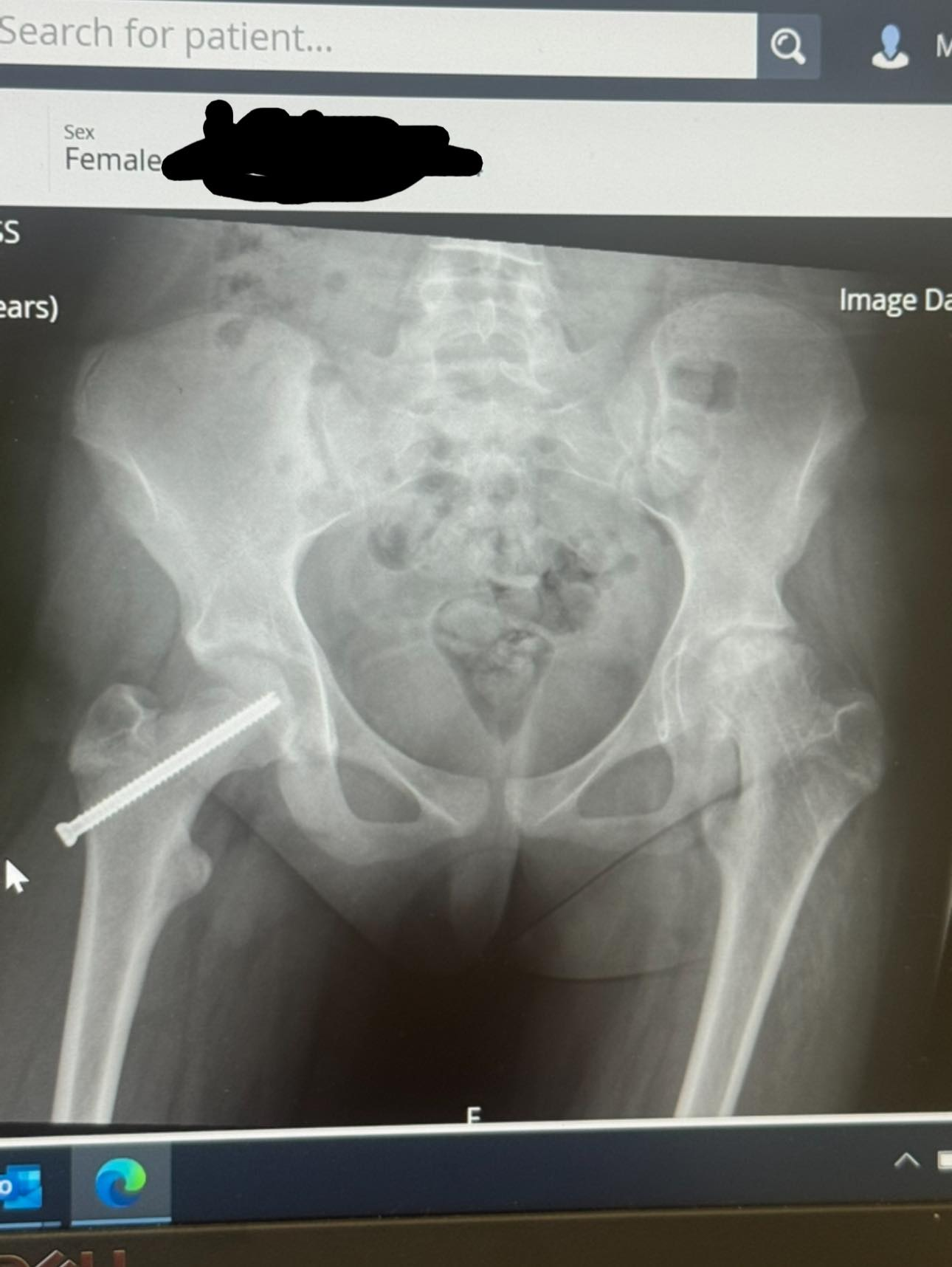
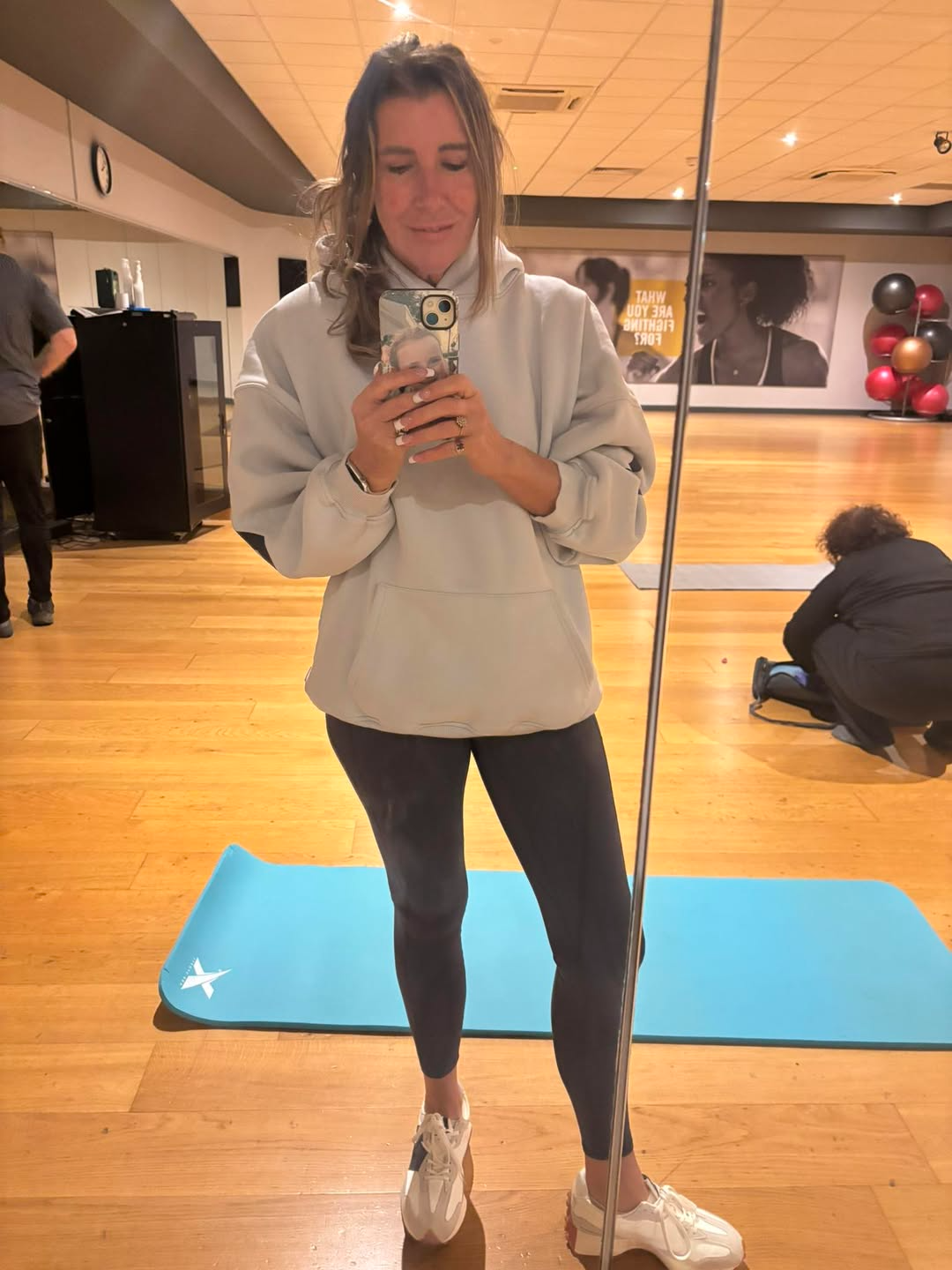
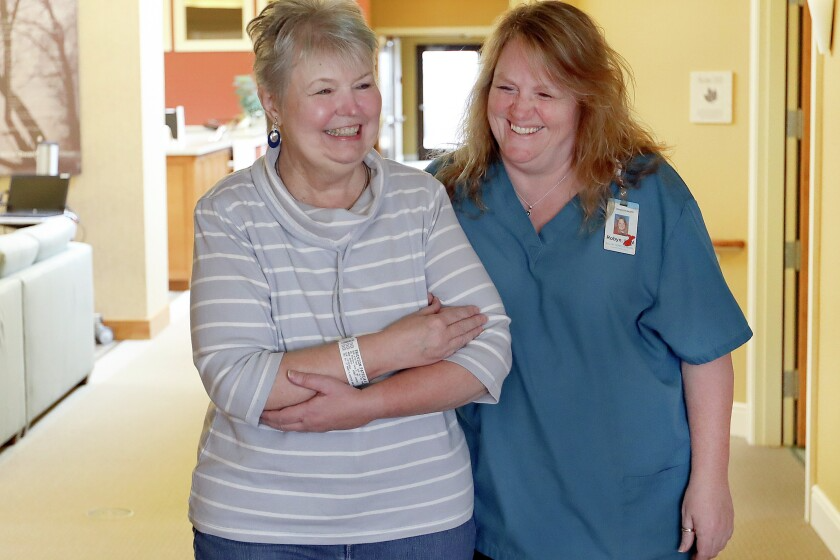
The moment my endocrinologist saw my 6-month follow-up DEXA scan, she cancelled my Prolia prescription and asked what I'd been taking. "Something changed. Your lumbar spine improved 11% in six months. Your hip improved 8%. That doesn't happen at 61." Six months earlier, I couldn't carry a gallon of milk from my car without stopping to rest. The fear had started slowly. First, just being extra careful on stairs. Then avoiding curbs. By last fall, I was planning entire shopping trips around stores with benches where I could sit down. I'd stopped playing with my grandson on the floor. Stopped gardening. Stopped taking walks with my daughter after dinner. The day I had to ask a stranger in the parking lot to help me step up onto the curb, I knew I'd lost. I wasn't just getting older. I was becoming my mother. My doctor had called three weeks before that. "Your DEXA scan came back. T-score negative 2.3 in your lumbar spine. That's osteoporosis." I'd been taking calcium since my thirties. A big chalky pill every morning for almost thirty years. "You need to increase your calcium to 1200 milligrams daily," she said. "And we should discuss hormone replacement therapy and possibly Prolia." I looked up the medications that night. Read about jaw bone complications. Femur fractures. Women who'd been on them for years and still broke their hips. Then I read about HRT — the increased risks after age 60, the blood clots, the stroke risks my doctor had warned me about. That night, I sat at my kitchen table and did the math I'd been avoiding. If I lived to 85, that was 24 years. If I stayed healthy? Maybe 15 good years before I'd need help with basic things. Fifteen years. Mom had her first fracture at 67. Broke her wrist reaching for a coffee cup. She was dead at 73, eighteen months after her hip fracture. The nursing home, the smell, watching her shrink into someone I didn't recognize. I didn't have much time left to fix this. I spent that night googling "alternatives to bone loss medications" until my eyes burned. Read about strontium supplements banned in some countries. Vitamin K supplements that might help or might not. Online forums full of women as scared as I was, all of us trading suggestions. That's when I started really digging into the research. Not just "what to take" but "how does this actually work in the body." I even tried algae-based calcium — the kind that's supposed to be better because it comes from whole food sources and has all those trace minerals. I switched everything to the "right" forms. Spent hundreds on the highest quality versions I could find. My next DEXA scan three months later? Worse. That's when I called my old friend Janet, a research nurse who'd worked at Johns Hopkins before she retired. Hadn't talked to her in almost two years, but desperation makes you do strange things. "Still taking all that calcium?" she asked after I explained. "Of course. The right form, too… I assumed. 1200 milligrams daily, split into two doses for better absorption. Plus D3, K2, magnesium." She was quiet for so long I thought we'd been disconnected. "Where do you think all that calcium is going?" The question hit me like cold water. I'd researched forms and dosages and timing. But I'd never thought about that. She explained it simply. You can have all the calcium in the world. All the right forms. All the right timing. But if your bone-building cells don't have energy, they can't use any of it. Think about it like this. Your bones have tiny workers inside them. Their job is to take the calcium you eat and pack it into your bones to make them dense and strong. But those workers need fuel to do their job. That fuel is called NAD+. NAD+ is basically your cells' battery. Every cell in your body runs on it. Your heart, your brain, your muscles — they all need NAD+ to work. When you're young, you're making plenty of NAD+. Your cells are charged up. Your bone workers are energized. They grab that calcium and build like crazy. But here's what happens after 50. Your body starts making less NAD+. It's not something you did wrong. It's just what happens. Your cells' batteries start running low. So those bone workers get tired. Really tired. They still show up for work. They see the calcium sitting there. But they don't have the energy to pack it into your bones anymore. Instead, that calcium just floats around. Your body doesn't know what to do with it, so it deposits it in your arteries. Your kidneys. Your soft tissues. Your bones stay weak because the workers are too exhausted to build. That's why I could take perfect calcium for thirty years and my bones got weaker anyway. I wasn't feeding my bones. I was feeding tired workers who didn't have the fuel to work anymore. "So what do I do?" I asked. "Force them to work anyway?" "No," she said. "You give them their energy back. You restore their NAD+." That night, I couldn't sleep. Not from pain — from anger. How many women were doing exactly what I'd done? Reading all the right research, buying all the right supplements, taking all the right forms — and still getting worse? 2:47 AM, I was still researching. Reading studies about NAD+ and bone loss. About how NAD+ is the signal that tells your bone cells to actually work. The science was there. Published. Peer-reviewed. Just not in the supplement articles I'd been reading. I found research on NAD+ restoration. Clinical trials on postmenopausal women with osteoporosis. Forty-eight weeks. The results showed it naturally restored cellular energy in bone cells. Not synthetic hormones. Not drugs with side effects. Natural NAD+ restoration to healthy ranges. And with that cellular energy restoration came actual improvements in bone density. Not maintained. Improved. Because they weren't just adding more calcium. They were restoring the NAD+ that gives bone cells the power to use that calcium. I found Thryve — a brand that specifically targets NAD+ restoration for bone health. Made in the USA. No fillers. No binders. Just the standardized formula with transparent results. Small capsules instead of giant calcium pills. Arrived in four days. Week one: Nothing. Almost sent it back. Week two: Realized I'd slept through the night. In bed. Not waking up with joint pain. Week four: Went up my stairs normally. Not one step at a time like a toddler. Week six: My daughter asked if I wanted to go for a walk. I said yes without thinking about it. Month three: Got down on the floor to play blocks with my grandson. Got back up without help. Month five: Planted my entire vegetable garden. Spent four hours kneeling, standing, kneeling again. My husband watched from the kitchen window, shaking his head. When I showed up for my six-month DEXA scan, my endocrinologist pulled up my original images, then the new ones, then the originals again. "This is remarkable. Your bone density increased. What changed?" I told her about the research. About the NAD+ mechanism. About Thryve. She took notes. "Why didn't you tell me about this?" I asked. "Calcium and vitamin D are the standard protocol for osteoporosis. HRT & Prolia for those who can tolerate the risks." Standard protocol nearly cost me my independence. My future with my grandson. The fifteen good years I thought I had left. Last week, my daughter asked if I wanted to go hiking at the state park. The trail with the lookout point we used to do before Mom got sick. Two years ago, I would have said no and felt my heart break a little. Last week, I said yes. We hiked three miles. Took photos at the lookout. I didn't need to stop once. On the drive home, she said, "I was so scared you were going to end up like Grandma." "Me too," I said. But I'm not. Because someone finally explained to me what all my research had missed. Your bones aren't failing because you're not taking enough calcium. They're failing because your bone cells lost their energy, and without energy, calcium goes nowhere. The studies are there. The science is clear. The solution naturally restores cellular energy without hormone therapy risks. I was planning my future around walkers and bathroom rails. Now I'm planning hiking trips with my daughter. Not because I found better calcium. Because I finally understood the mechanism I actually needed to fix. When I ordered Thryve, I bought plenty. I ordered enough to last me through my next DEXA scan. Best decision I ever made. Because now, instead of counting down the "good years" I have left, I'm just living them.
Want A Better T-Score? Read this ☝️
At Thirmik, we design science-backed solutions to support every season of womanhood.
LEARN MORELike this ad? Make it yours.
Crush rebuilds this exact creative around your product — your brand, your colors, your offer — in about a minute.