
Active· since May 3, 2026
- 85
- days running
- 0
- relaunches
Ad copy
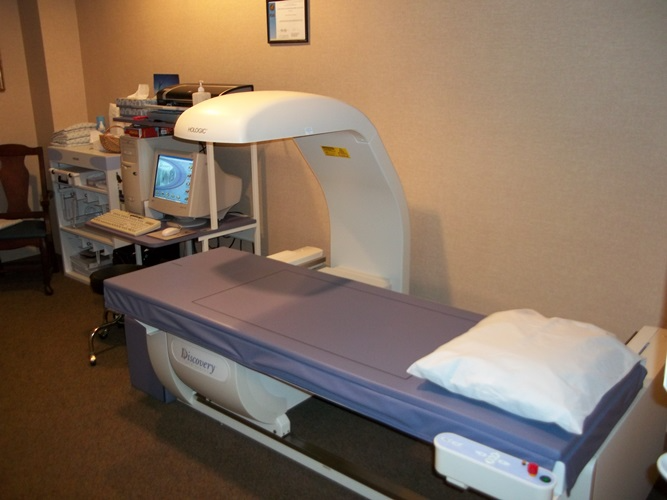
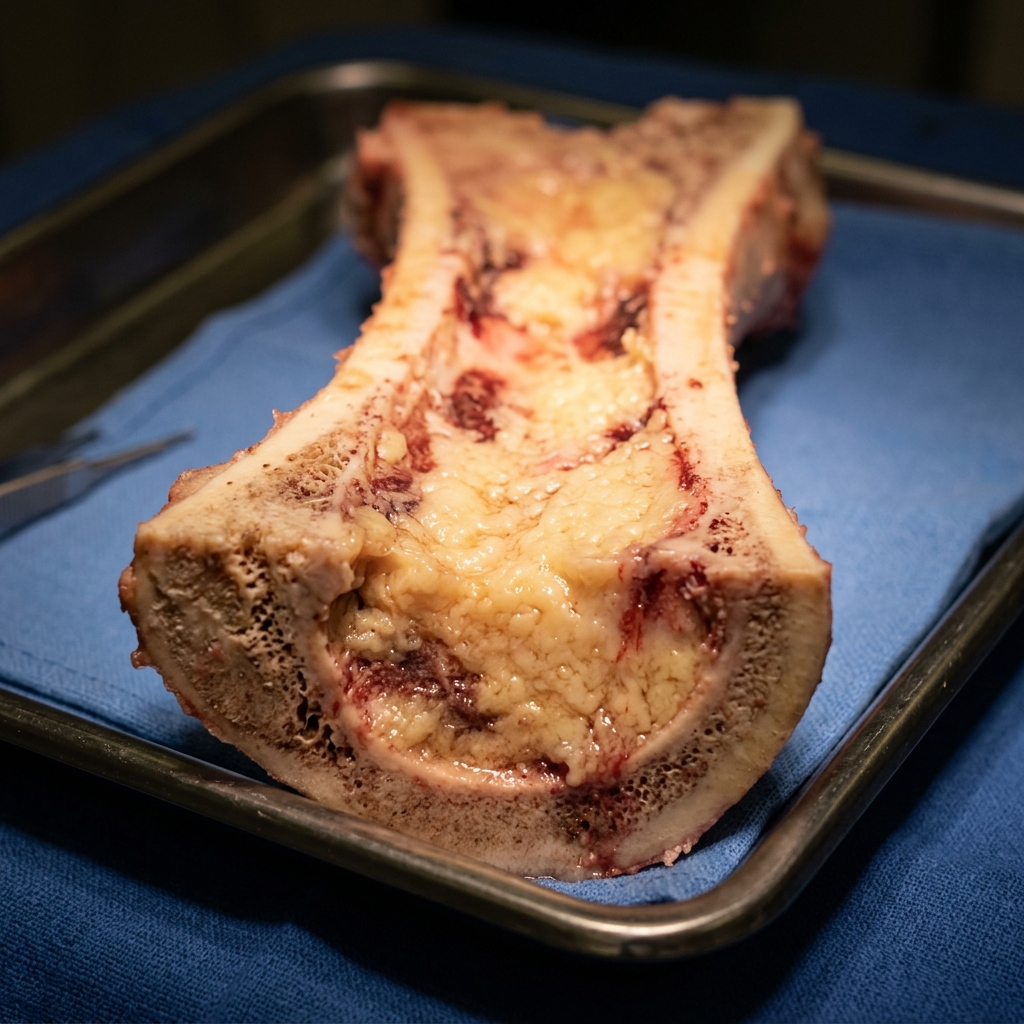
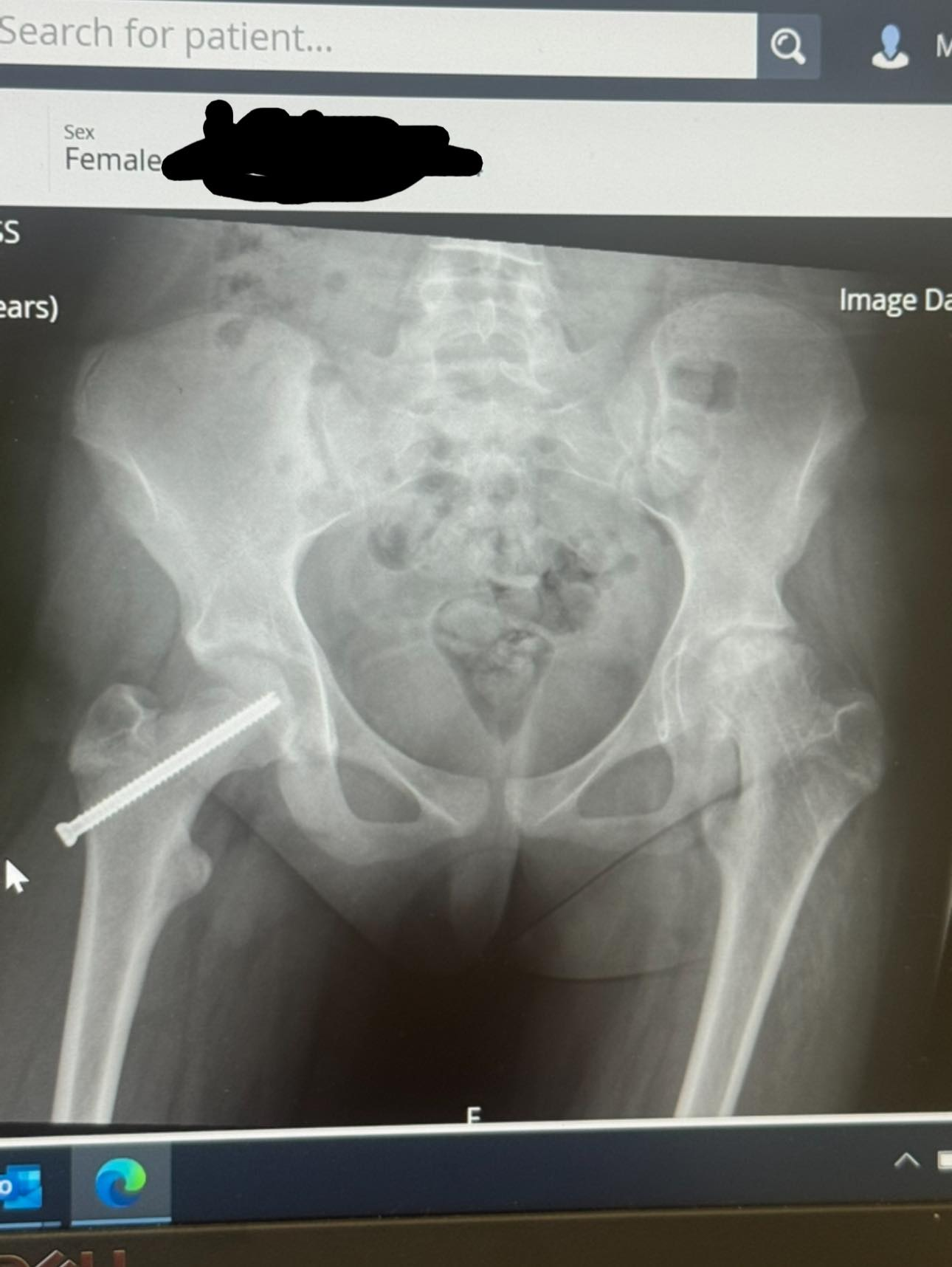
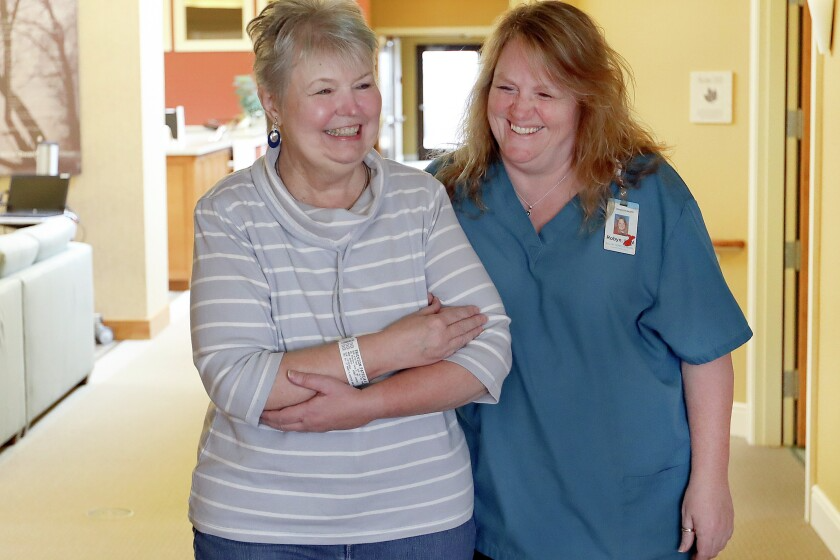
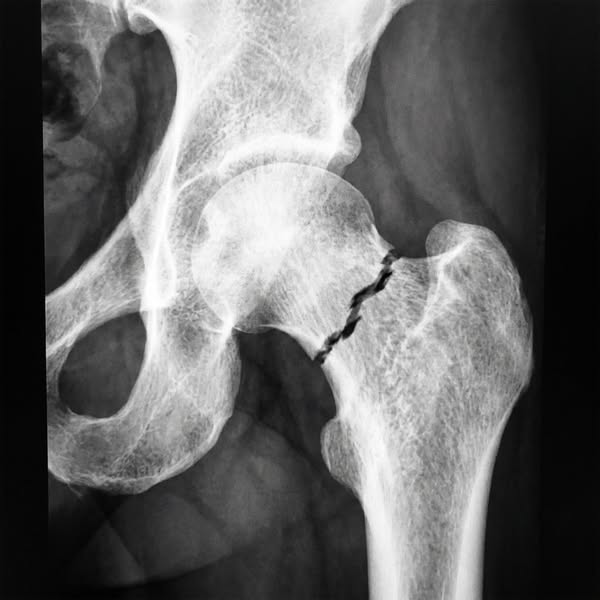
My daughter is a nurse. She told me to stop listening to my doctor about Prolia. That was the best medical advice I've ever received. I know how that sounds. Your own child telling you to ignore your doctor. But Rachel works in orthopedic surgery. She sees what happens after the falls. After the fractures. After the ambulance rides. She sees the women who did everything their doctors told them to do and ended up on her operating table anyway. I was becoming one of them. My DEXA results came back last January. T-score negative 2.9 in my lumbar spine. Osteoporosis. My doctor said the same thing she'd been saying for ten years. Keep taking calcium. Make sure you're getting your vitamin D. We should talk about Prolia. I'd been taking calcium since my late thirties. Calcium citrate because I'd read carbonate doesn't absorb well. Vitamin D3, not D2. K2 as MK-7 because that's the form that stays in your system longer. Magnesium glycinate at night. I wasn't guessing. I'd done more research than most people do on their first home purchase. Compared forms. Read labels. Learned which versions actually absorb. Between the calcium, the D3, the K2, the magnesium, and six months of AlgaeCal at $80 a month, I was spending over $140 a month on supplements. My bones kept getting worse. And I was already doing the same things my mother did. I'd stopped helping with the Tuesday meal program I'd given eleven years to. Told them my schedule had gotten busy. That wasn't true. I was scared of the parking lot. The uneven pavement. The steps with no railing on the left side. I was choosing seats near walls. Pausing at curbs. Gripping railings I used to walk right past. I hadn't told anyone. It felt like something I was keeping from myself. I told Rachel about the Prolia conversation over the phone. She went quiet. "Mom, can I come over this weekend? I need to talk to you about something." She drove three hours on a Saturday. That's when I knew this wasn't casual. We sat at my kitchen table. She had her laptop open and a folder of printed studies. My daughter, who I used to help with her biology homework, was about to give me a medical education my own doctor never did. "Mom, do you know how many women I see every week who took their calcium every single day, did their weight-bearing exercises, got their vitamin D levels checked, did everything right, and still ended up on my operating table with a broken hip?" "I don't want to think about that." "Almost all of them." "So what am I supposed to do? Stop taking everything?" "No. You're supposed to understand why it's not working." She turned her laptop toward me and took a breath. "Okay. Picture a construction site. Big one. They're building a wall." "Every single morning a truck pulls up and delivers bricks. Right on schedule. Plenty of bricks. More than enough bricks." "That's your calcium. You've been delivering bricks for thirty years." She paused to make sure I was following. "Now. The workers whose job it is to pick up those bricks and actually build with them — they need fuel to do that. Lunch. Energy. Without it they sit down, lean against the wall, and nothing gets built." "There's a molecule inside every one of your bone-building cells called NAD+. It's basically their fuel supply. And between the age of 40 and 60, most women lose about half of it." "Half." I just stared at her. "So the bricks keep showing up every morning. But the workers are slumped against the wall running on empty. And here's the part nobody talks about — when those builder cells run out of fuel long enough, your bone marrow gives up on making new bone cells entirely. The stem cells that were supposed to become bone? They look around, see there's no energy, and they turn into fat cells instead." "Right there inside your bones, Mom. Fat instead of bone. Because the fuel ran out." "So the teardown crew — the cells that break old bone down — they're still going. Full speed. But the builders can't keep up. Not because there aren't enough bricks. Because nobody gave them lunch." I felt something go cold and still in my chest. Thirty years. Thirty years of calcium. "Why didn't Dr. Morrison tell me this?" Rachel closed her eyes for a second. The way she does when she's trying not to say something she'll regret. "Because the standard protocol is calcium, vitamin D, and bisphosphonates. That's what she learned in school. That's what the guidelines say. It doesn't matter that I watch it fail every single week on the operating table. The protocol is the protocol." "Your doctor isn't bad Mom. She's just following a playbook that doesn't account for the one thing that actually matters after menopause." "Those drugs — Fosamax, Prolia — they work by paralyzing the teardown crew. Bone loss slows down. But no new bone gets built either. They call it frozen bone. Old brittle mineral with no turnover. And some of them, if you stop taking them, the breakdown comes back twice as fast." I thought about my mother. She took calcium every day until she couldn't swallow pills anymore. Fell getting out of the bathtub at 71. Hip fracture. Surgery. Infection. Three months in a rehab facility that smelled like bleach and resignation. She never came home. I was 63. Eight years from where she was when she fell. "So what do I do?" She pulled up a clinical trial on her laptop. Forty-eight weeks. Postmenopausal women. Randomized. Placebo-controlled. "A formula that actually restores NAD+ levels. Gives the builders their fuel back. Real universities. Published journals. Not a wellness blog." She walked me through how it worked. When NAD+ is restored, the builder cells wake back up. The stem cells that were drifting toward fat get redirected back toward bone. The teardown crew doesn't stop — but the builders can finally keep pace. "The women in this trial didn't just maintain their bone density Mom. They improved. The placebo group kept losing bone. The treatment group built it back." In twelve years of DEXA scans and doctor visits and calcium pills nobody had ever used that word about my bones. Not once. Built it back. I sat there and just let that land. The anger came up hot and fast. I could feel it behind my eyes. Thirty years. Thirty years of doing the right thing. "So what do I order?" She found one that met everything. Thryve, by a brand called Thirmik. Clinically relevant doses — not the trace amounts most products list on the label. Third-party tested. Less per month than what I was already spending on a stack that wasn't working. She ordered it for me before she left. Kissed my forehead in the driveway like I used to kiss hers before school. Week one. Nothing I could point to. Texted Rachel. She texted back: "It's been five days Mom. Stop checking." Week two. Woke up and realized I'd slept through. Both hips quiet. I lay there for a minute trying to remember the last time that had happened. Week four. Walked up my porch steps and was already inside before I noticed I hadn't reached for the railing. Week six. My neighbor asked if I wanted to walk the loop around the park. I said yes before I thought about it. We went. I didn't look for the benches. Month three. Got down on the floor to play with my granddaughter. Got back up without help. My husband looked at me from across the room and didn't say anything. Just looked. Month four. Called the meal program. Told them I wanted to come back. Showed up the following Tuesday. Walked across that parking lot without one thought about the pavement. Took the steps. Didn't look for the railing on the left side. Eleven years I'd given to that place. I wasn't ready to be done. Six months after Rachel drove three hours to sit at my kitchen table I went for my DEXA scan. My doctor pulled up my old images. Then the new ones. Then the old ones again. "Your lumbar spine improved from negative 2.9 to negative 2.1. Your hip improved 11%. What changed?" "I stopped listening to the standard protocol and started listening to my daughter." She didn't say anything. "The research shows that after menopause the bone-building cells run out of fuel — a molecule called NAD+. Without it they can't do their job no matter how much calcium is present. Restore the fuel and the builders start working again. That's what changed." She was quiet for longer than felt comfortable. I watched her look at the numbers again. Negative 2.9 to negative 2.1. A patient she'd been managing for a decade. Same protocol the whole time. And now this. She didn't try to explain it away. She just sat there with it. "I'd like to read that research," she said finally. "I'll have Rachel send it to you." That night I called my daughter. She picked up on the first ring. "Negative 2.1," I said. She didn't say anything for a few seconds. Then I heard her voice crack. "I see women your age every week Mom. After the fall. After the fracture. After the surgery that half of them never fully recover from. I wasn't going to let that be you." "It's not going to be me." "No. It's not." I think about my mother. Nineteen years of Thursdays at the church pantry that just stopped one day because nobody told her the one thing that might have changed everything. There was nothing inevitable about what happened to her. Your bones aren't failing because you need more calcium or a better vitamin or a prescription. They're failing because the builders ran out of fuel. And nobody told you. My daughter told me. Because she sees what happens when nobody does. Thryve by Thirmik. They don't sell through Amazon — third-party storage can't guarantee what you're actually getting — so order directly through their website. Less per month than a supplement stack that isn't working. Ninety-day guarantee. https://thirmik.com/products/thryve-nad-blend-for-her-strong-bones-formula
Want A Better T-Score? Read this ☝️
At Thirmik, we design science-backed solutions to support every season of womanhood.
SEE DETAILSLike this ad? Make it yours.
Crush rebuilds this exact creative around your product — your brand, your colors, your offer — in about a minute.