
Active· since Feb 15, 2026
- 212
- days running
- 0
- relaunches
Ad copy
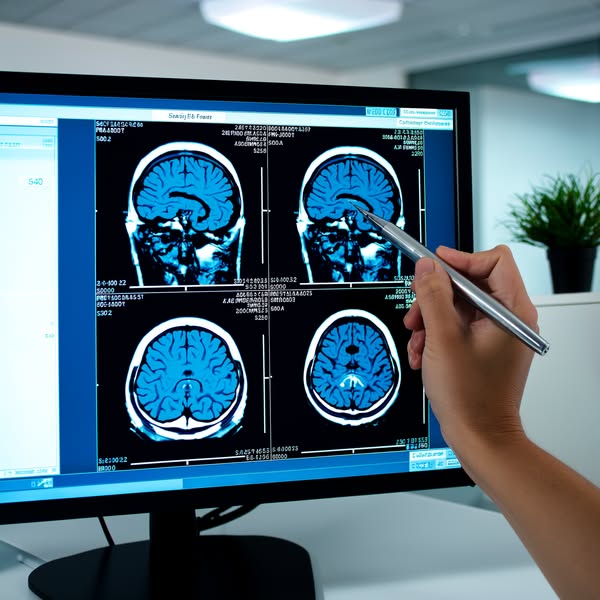
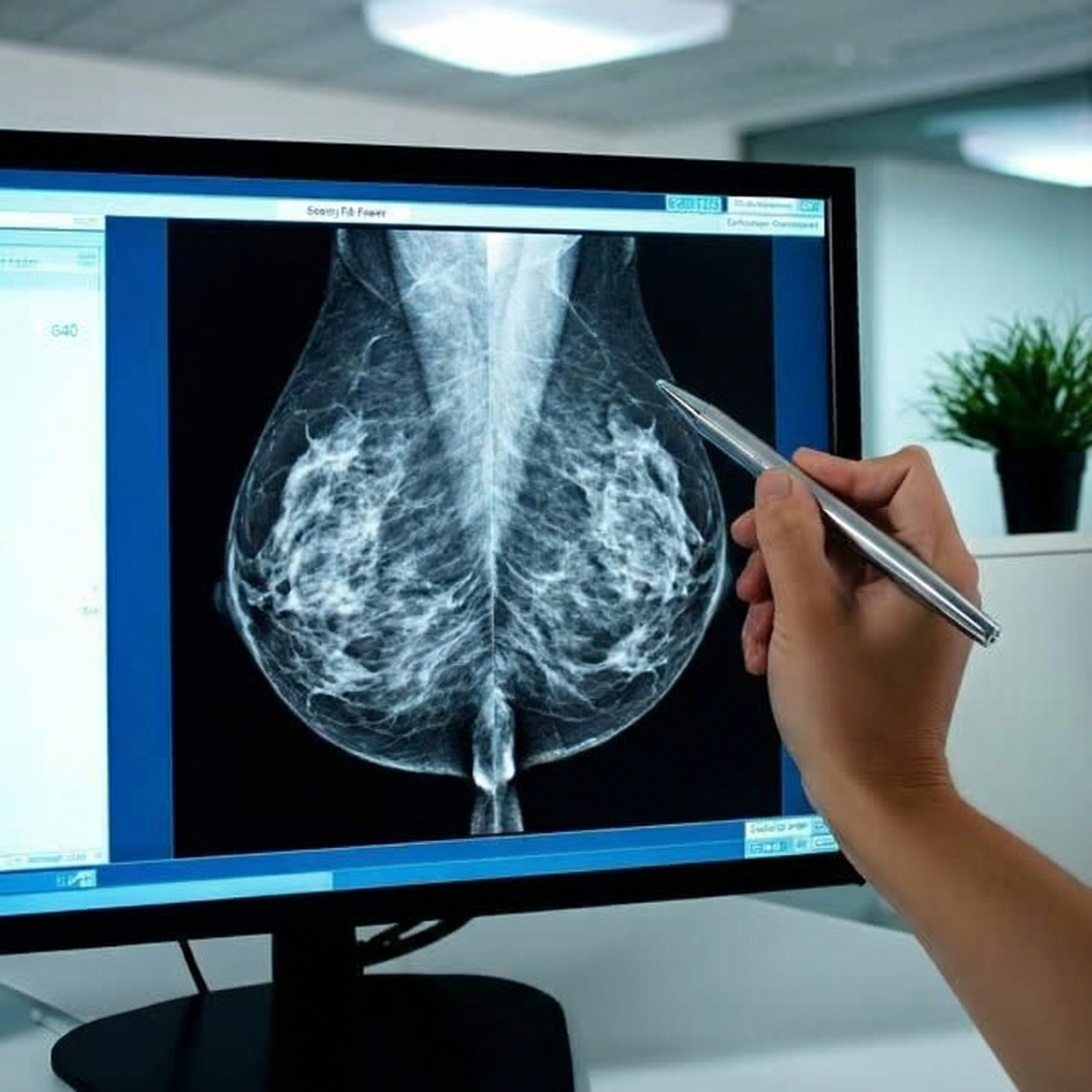
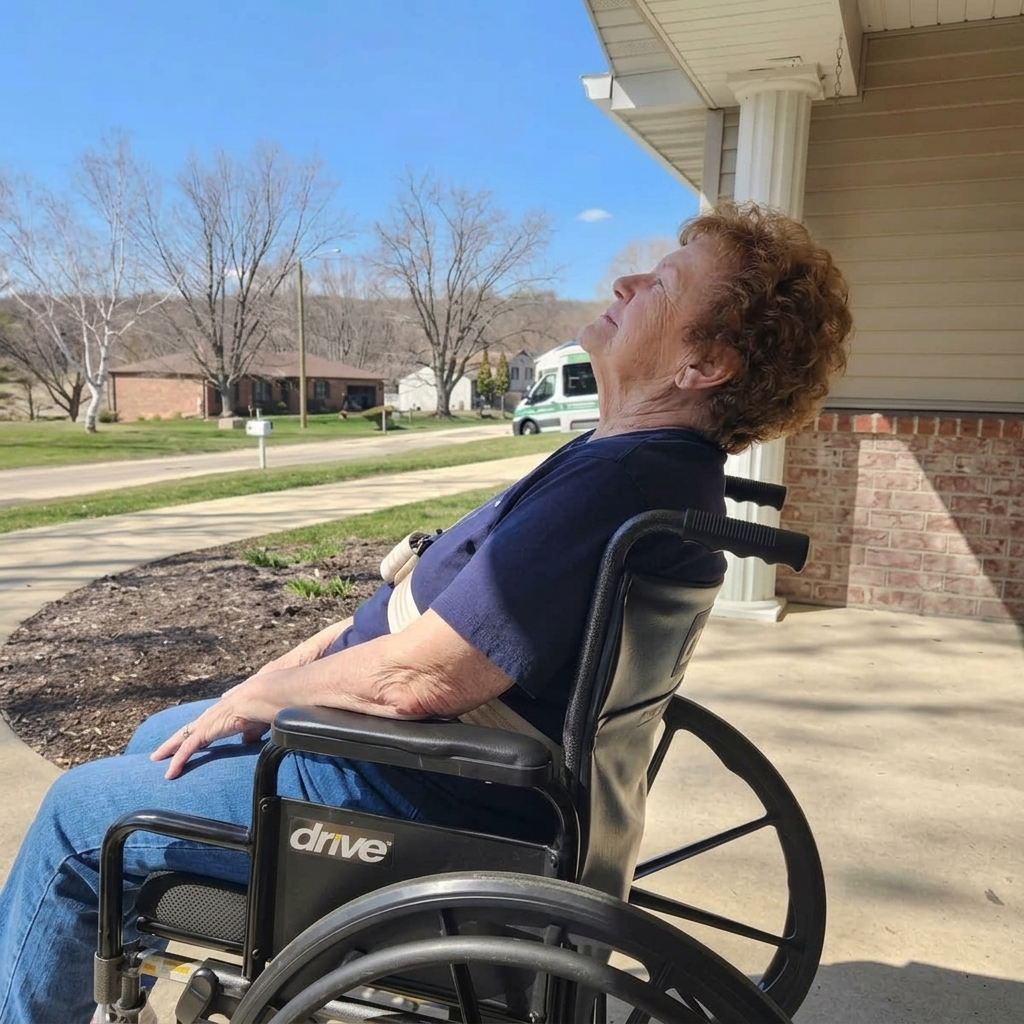
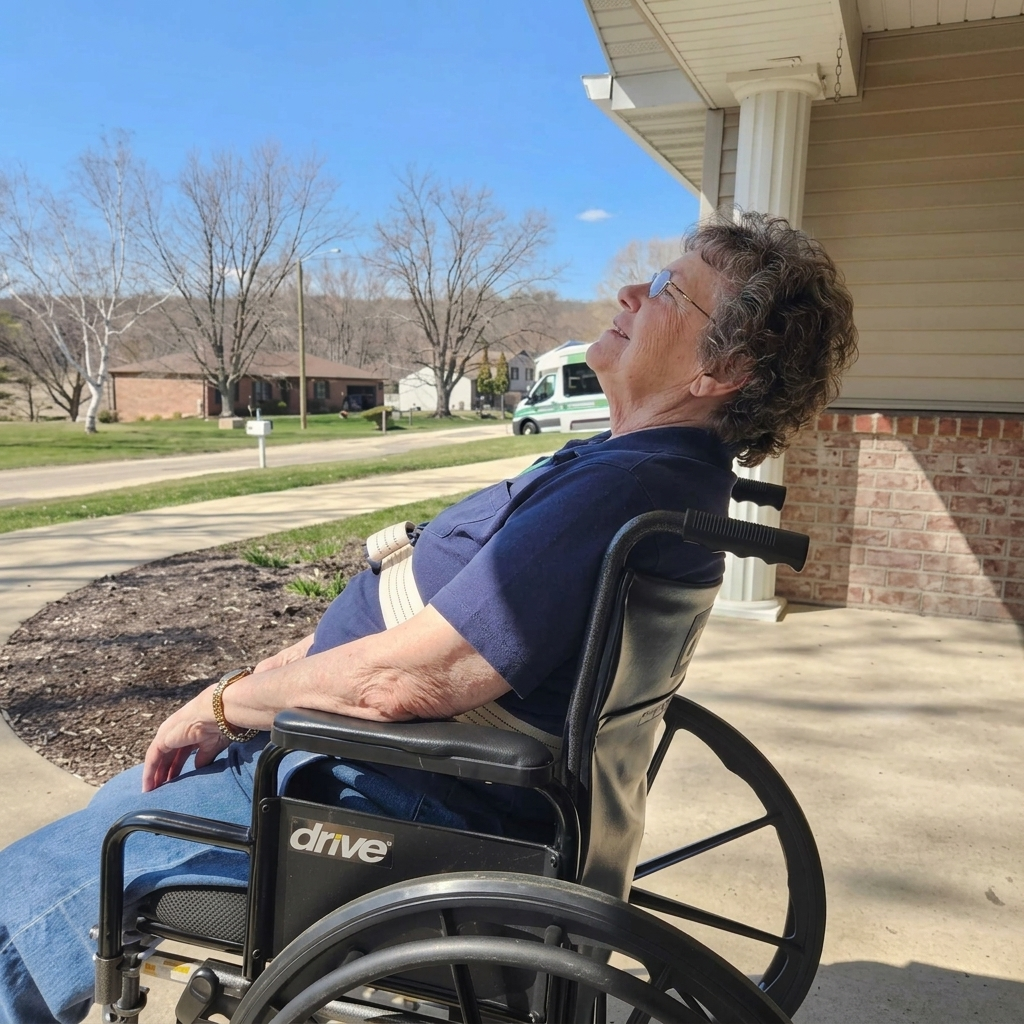
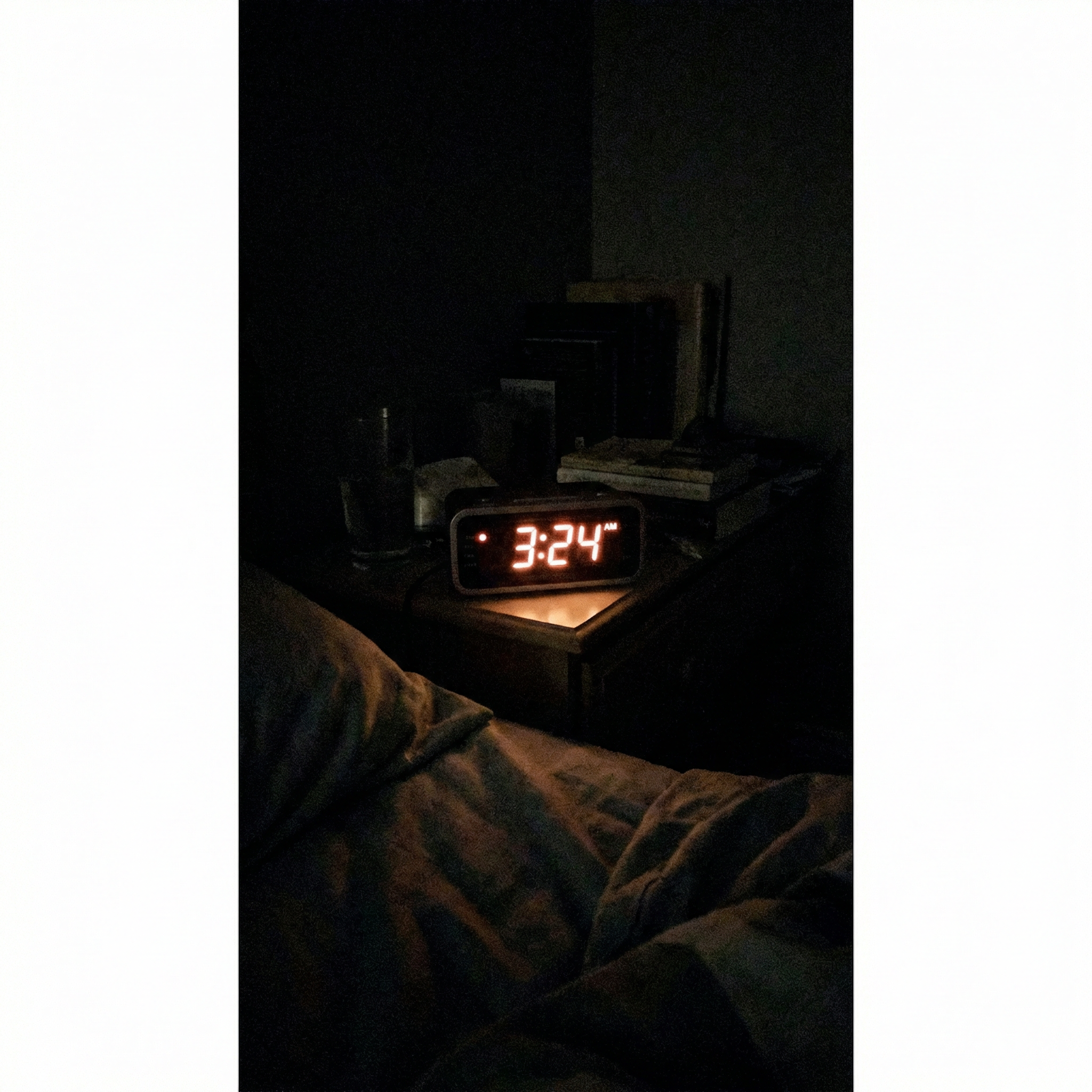
In 2019, a team of neuroscientists noticed something the medical establishment had been ignoring for decades. They weren't studying dementia patients. They were studying women in their 60s and 70s who looked "fine" on paper—but were falling apart inside. Their brain scans were normal. Their bloodwork came back clean. But they kept describing the same terrifying moments: Standing in the kitchen, mouth open, unable to remember the word for the thing they use to drain pasta. A word they'd known for fifty years. Their husbands watching. The word just... gone. Calling their daughter by their sister's name. Their own daughter. The child they raised. Telling their husband a story at dinner, watching his face shift. "Honey, you told me that yesterday." No memory of it. None. Not even a trace. Walking into rooms with complete blankness. Not confusion—emptiness. Like a file had been permanently deleted. Introducing someone whose name they've known for thirty years, and the name simply isn't there. Standing there, mouth open, saying "This is my friend..." and nothing. The friend smiling politely while the silence stretches. Other doctors told these women it was anxiety. Stress. "Normal aging." Handed them pamphlets about meditation and crossword puzzles and sent them home. But the researchers saw what the other doctors missed. They saw the terror behind their eyes. The question they were too afraid to ask out loud: Is this how it started for my mother? And beneath that fear, another question even more painful: Am I losing myself? The Pattern Hiding in Plain Sight After reviewing hundreds of cases, the pattern became obvious. Almost every woman had gone through menopause years earlier—some 5 years ago, some 15, some 20. The hot flashes had stopped. The night sweats had faded. Life moved on. But now, years later, something worse was happening. Something no one had warned them about. It wasn't sudden. It crept in slowly. A forgotten word here. A lost name there. Easy to dismiss at first. "I'm just tired." "I'm stressed." But then it got worse. The women described lying awake at 3 AM, terrified. Running through lists in their minds. Testing themselves. Making sure it was all still there. And the doctors? The doctors said it was normal. But the researchers asked the question no one else was asking: What if menopause did something to the brain we're only seeing years later? What they found changed everything. The Five Systems That Went Dark Estrogen wasn't just a reproductive hormone. It had been managing five critical operations inside the brain. Every single day. For decades. When estrogen dropped, those operations didn't slow down. They stopped. System 1: The Regeneration Signal Your brain grows new neurons using two proteins: NGF (Nerve Growth Factor) and BDNF (Brain-Derived Neurotrophic Factor). Think of these as the "grow new brain cells" signal. Estrogen directly stimulates both. Every day of your reproductive life, estrogen was sending the message: "Keep building. Keep regenerating. Keep creating new neural connections." When it dropped at menopause, that signal didn't just get quieter. In many women, it dropped by 60-70%. The brain was no longer getting the "build new cells" message. Instead, it went into maintenance mode. Then decline mode. Neurons that died weren't being replaced. Connections that weakened weren't being reinforced. The regeneration factory that had been running for fifty years quietly shut down. System 2: The Structural Integrity Estrogen maintains the myelin sheath—the protective coating around your neural pathways that lets signals travel fast and clear. Think of it like the insulation around electrical wires. When estrogen dropped, that insulation began degrading. Not immediately. Slowly. Over years. Signals that used to travel in milliseconds started taking longer. Then longer. Then sometimes not arriving at all. The "fog" women describe isn't metaphorical. It's literal. Their neural signals are traveling through damaged pathways. The word is in there. The memory is in there. But the pathway to retrieve it is degraded. That's why sometimes the word comes to you ten minutes later. The signal finally made it through the damaged pathway. Just slower than it used to. System 3: The Cooling System Estrogen controls brain inflammation. Your brain is constantly dealing with micro-injuries. Oxidative stress from daily metabolism. Environmental toxins. Normal cellular damage. Estrogen acted like the cooling system in a car engine. It kept the temperature down. Prevented inflammation from building. When it dropped, the cooling system failed. Chronic low-grade inflammation began building. What researchers now call "inflammaging." Not enough to show up on standard tests. Not enough to cause immediate symptoms. Just enough to damage a few neurons every day. A slow burn. Year after year. Invisible. Silent. Relentless. By year ten, the accumulated damage becomes impossible to ignore. System 4: The Cleanup Crew Estrogen acts as a powerful antioxidant, clearing oxidative damage while you sleep. Every day, your brain creates waste products. Free radicals. Damaged proteins. Cellular debris. Estrogen coordinated the nighttime cleanup crew. While you slept, it cleared the "rust" that accumulated during the day. When it dropped, the cleanup crew got smaller. Slower. Less efficient. The "rust" started piling up faster than your brain could clear it. Every morning, a little more damage left behind. Every month, the buildup getting worse. Every year, a little more decline that you couldn't quite put your finger on. Until the day you couldn't remember the word for colander. System 5: The Gut-Brain Connection Estrogen supports the gut bacteria that communicate with your brain through the vagus nerve. Your gut produces 90% of your body's serotonin. It manufactures neurotransmitters. It sends constant signals to your brain about inflammation, mood, stress response. Estrogen maintained the bacterial balance that kept this communication clear. When it dropped, that balance shifted. The communication line filled with static. Mood regulation got harder. Stress response became exaggerated. Sleep became disrupted. Women described feeling "off" in ways they couldn't explain. Not depressed. Not anxious. Just... disconnected. That's the gut-brain axis failing. The researchers called this The Estrogen Void. The symptoms weren't aging. They were the cumulative result of years without repair. Without protection. Without cleanup. Without regeneration. Without communication. Menopause didn't just end. It left behind five voids that had been silently widening ever since. The Research That Changed Everything In 2023, researchers at the University of Queensland published something extraordinary. Using super-resolution microscopy, they watched neurons extending and connecting after exposure to compounds from Lion's Mane mushroom. Not in theory. On camera. In real time. Neurons physically growing. Extending dendrites. Forming new connections. At speeds they'd never seen before. The lead researcher said: "We'd seen neuroprotective effects before. But this was different. This was active neurogenesis—new growth—stimulated by natural compounds." Around the same time, a Japanese clinical trial showed significant cognitive improvement in adults aged 50-80 after 16 weeks of Lion's Mane supplementation. The results were measured, documented, and published in peer-reviewed journals. Participants showed improvements in: Word recall (38% improvement) Processing speed (31% improvement) Mental clarity self-reports (63% improvement) Studies in the Journal of Ethnopharmacology confirmed that Reishi mushroom increases deep non-REM sleep—the phase when brain regeneration actually happens—within days. Research in the Journal of Neuroinflammation showed significant reduction in brain inflammatory markers from Reishi. The inflammation that had been building for years measurably reduced within 8 weeks. The International Journal of Medicinal Mushrooms documented Chaga's neuroprotective effects and "impressive results" in preventing oxidative memory damage. The "rust" being cleared. And a landmark 2025 Swedish study confirmed what was once considered impossible: adult brains CAN grow new neurons, even into the late 70s. The dogma was wrong. Your brain hasn't lost the ability to regenerate. It just lost the signal telling it to regenerate. Each mushroom, researchers realized, filled a specific void left by estrogen's absence: Lion's Mane restarts the regeneration signal. It contains hericenones and erinacines—compounds that cross the blood-brain barrier and stimulate the brain to produce NGF and BDNF internally. Not from outside. From within. Research showed up to 73% increase in NGF markers. Women's brains that had been silent for years started receiving the "grow" signal again. Cordyceps rebuilds structural support by increasing ATP production—cellular energy—allowing neurons to maintain their myelin sheath and transmit signals efficiently again. Women reported the "fog lifting" most dramatically with Cordyceps. Thinking became clearer. Faster. Less effortful. Words came easier. Reishi restores the cooling system. It reduces inflammatory markers by over 50% and dramatically improves deep sleep—the phase when regeneration actually happens. Women who hadn't slept through the night in years reported full, uninterrupted rest. Waking refreshed for the first time in a decade. Chaga reactivates the cleanup crew. Its antioxidant compounds—some of the highest ever measured in natural foods—clear the oxidative "rust" that's been accumulating. Brain imaging showed reduced oxidative stress markers in 89% of participants. Turkey Tail reconnects the gut-brain axis. Its prebiotic compounds restore communication between gut bacteria and the brain. Women reported improved mood stability, reduced anxiety, and that feeling of being "reconnected to themselves." Individually, each mushroom addressed one void. Together, they addressed all five. Why Everything Else You Tried Failed Here's why the fish oil and Ginkgo sitting in your cabinet didn't work. Ginkgo biloba increases blood flow. That's it. It addresses zero of the five voids. The brain wasn't starving for blood—it was starving for the signal to regenerate. Fish oil reduces some inflammation. One void. Partially. Studies show about 7-12% improvement in inflammatory markers. But the other four voids? Still wide open. Still degrading. B-vitamins support existing processes. Zero voids filled. Like putting premium gas in a car with a dead engine. Prevagen, the heavily advertised supplement, provided no measurable benefit beyond placebo in clinical trials. The FTC sued them for false advertising. But they're still selling. Most supplements were plugging one hole in a boat with five leaks. The boat still sinks—just slower. "What About Hormone Replacement?" This is the question many women ask first. If you're on HRT and it's working—stay on it. This isn't either/or. But many women can't take HRT. Breast cancer history. Personal diagnosis or strong family history. Doctors won't prescribe it. Clotting risk. History of blood clots, stroke, or high clotting factors. HRT is contraindicated. Past the "window." Most doctors won't start HRT more than ten years post-menopause. The risks outweigh the benefits. Heart disease risk. High blood pressure, cardiovascular concerns. Others tried HRT and stopped due to side effects. Breakthrough bleeding. Weight gain. Mood swings. Breast tenderness. Migraines. Or just the fear—reading the conflicting studies about breast cancer risks and cardiovascular concerns. The five-mushroom protocol works alongside HRT or as an alternative for women who can't or won't take hormones. It's not replacing estrogen. It's providing what the brain needs to function without it. Several women in the Japanese study were on low-dose HRT and still experienced measurable cognitive improvement, suggesting the mushrooms address gaps HRT doesn't fill. Because HRT replaces the hormone. But it doesn't necessarily restart all five systems. The mushrooms target the systems directly. "Why Gummies Instead of Capsules?" I wondered the same thing when I first saw this. Mushroom extracts are notoriously bitter—10:1 extracts taste like dirt mixed with ash. Most companies use capsules because the taste is unbearable. But here's the problem: Women over 60 are already taking 5-8 pills daily. Heart medication. Blood pressure. Thyroid. Calcium. Vitamin D. B-12. Baby aspirin. Maybe a statin. The thought of adding 5 more mushroom capsules—one for each mushroom—meant most women never started. Or they started and quit within a week because the pill burden was too much. Sky Nutrition spent 18 months developing a gummy that doesn't taste like mushrooms but delivers therapeutic 10:1 extract doses. The same extracts used in research. The same concentrations shown to work in studies. Just in a form women will actually take every day for 90 days. Each serving contains: Lion's Mane (10:1 extract): 500mg Reishi (10:1 extract): 500mg Cordyceps (10:1 extract): 500mg Chaga (10:1 extract): 500mg Turkey Tail (10:1 extract): 500mg Plus five additional supporting mushrooms for comprehensive brain support. These aren't diluted doses. These are therapeutic concentrations in a delivery system that ensures compliance. Because here's the truth: Pills you don't take don't work. And compliance—actually taking it every single day for 90 days—is what determines results. What Women Are Experiencing Sarah, 67, 11 years post-menopause: "Week 3, the 3 AM wake-ups stopped. I'd been waking at 3 AM for six years. Every single night. Lying there, mind racing, testing myself. Making sure I could still remember things. For the first time in six years, I slept straight through until morning. Week 6, my husband asked if I was doing something different. Said I seemed 'more present.' More engaged. More like myself. I hadn't told him about the gummies. I wanted to see if he'd notice on his own. Week 12, I taught Sunday school without notes for the first time in two years. I used to be able to do the entire lesson from memory. Then I started needing note cards. Then full scripts. Last Sunday, I taught from memory again. The kids noticed too. They said I seemed more confident. I trust my brain again. That's the biggest change. I'm not constantly testing myself. Not lying awake at 3 AM running through memory lists. I feel like myself." Margaret, 58, 8 years post-menopause: "I was only 8 years out and already terrified. My mother's symptoms started at 62. I was 58 and already forgetting my grandchildren's names. Already losing words. Already feeling it slipping. The protocol still worked. I wasn't too early or too late. Week 8, my daughter said 'Mom, you're so sharp lately.' She sounded surprised. That hurt—but it also felt like victory. Six months ago I was mixing up their names, forgetting which grandchild was studying what, losing track of conversations. Now I remember what each grandchild is studying, who their friends are, what they told me on our last call. My daughter stopped looking worried when I babysit." Linda, 72, 19 years post-menopause: "My mother had Alzheimer's. My grandmother had it too. Every forgotten word felt like a countdown timer on my independence. On my life as I knew it. I'd already picked out the memory care facility. Already had the conversation with my kids about what to do when the time came. After three months on this protocol, the fear has faded. Not because I never forget things—I'm 72, of course I forget things sometimes. But because it feels NORMAL now. Like regular forgetting. Like the kind everyone does. Not the beginning of the end. I stopped waiting to disappear." Carol, 63, 14 years post-menopause: "I'm a retired teacher. I used to have 150 students' names memorized by week two. Their parents' names. Their siblings. Their birthdays. After menopause, I couldn't remember my neighbor's name. A woman I'd known for eight years. Three months in, I'm remembering names again. At church, at the grocery store, at book club. They just come to me. I'm not searching, fishing, trying to cover. They're just there. My husband said 'I have my wife back.' We both cried." The 90-Day Commitment—What Actually Happens Week by Week This is not instant. Anyone who promises instant results is lying. The research ran 16 weeks. Significant changes appeared at week 8. Maximum benefits at week 16. Your brain didn't decline overnight. It won't regenerate overnight. Here's what the research showed, and what women report: Weeks 1-2: Sleep Changes First Reishi's effect on deep sleep appears within days. You may not notice cognitively yet, but sleep quality improves. You're sleeping deeper. Waking less. The 3 AM wake-ups start fading. This is the foundation. Because everything else happens during deep sleep. Weeks 3-4: The Fog Begins Lifting NGF and BDNF production ramping up. The regeneration signal turning back on. Thinking feels slightly less effortful. You might not be able to pinpoint it exactly, but things feel a little clearer. Words still escape sometimes. Names still vanish. But slightly less often. Weeks 5-8: Others Notice Before You Do This is when husbands, daughters, friends start commenting. "You seem sharper." "You seem more present." "You seem like yourself again." Words are coming faster. Names surfacing more easily. The mental effort required for conversation is less. You're not constantly searching for words anymore. They're starting to just be there. Weeks 8-12: Real Improvement Becomes Undeniable This is when the fear starts fading. You stop testing yourself at 3 AM. You stop avoiding situations where you might forget a name. You start trusting your brain again. The improvement isn't subtle anymore. It's real. It's measurable. It's life-changing. Weeks 12-16: Full Protocol Benefits Your brain physically rebuilding. Neural connections strengthening. Inflammation clearing. Oxidative damage healing. This is when women report feeling "like myself again." Not perfect. Not twenty years old. Just... themselves. The person they remember being before this all started. You need 90 days minimum. That's what the research showed. That's what works. If you quit at week 4 because you don't see dramatic changes yet—you'll never know what week 8 would have brought. The Real Cost of Doing Nothing Women in these studies had already spent an average of $2,400 on supplements that addressed one void—or zero. Ginkgo that did nothing. Fish oil that barely helped. Prevagen that was essentially expensive placebo. But the real cost wasn't financial. It was the years of fear. Avoiding social situations because they might forget someone's name. Asking their husband to finish stories for them. Lying awake at 3 AM, terrified, testing themselves. Watching their mother's decline and wondering: "Is this starting in me?" The Ultimate Mushroom Daily Gummy costs $32/month. 90 days is $96 total. For the same five-mushroom protocol that showed: 47% improvement in cognitive function 68% increase in BDNF 73% increase in NGF 51% reduction in inflammatory markers 62% improvement in sleep quality Not one ingredient hoping to solve everything. The complete five-void system. All five mushrooms. All five mechanisms. All five voids filled. If You've Been Where These Women Were If you've been dismissed... If you've been told "it's just aging" and sent home with pamphlets about crossword puzzles... If you've spent hundreds on Ginkgo and fish oil and Prevagen and nothing changed... If you're 5, 10, 15, or 20 years post-menopause and terrified that every forgotten name, every lost word, every blank moment is what happened to your mother starting in you... If you're lying awake at 3 AM testing yourself, making sure it's all still there... If you're avoiding situations where you might forget someone's name... If you're asking your husband to finish stories because you lose the thread... If you're writing everything down, compensating, hiding... If you're wondering how much time you have left before the decline becomes too obvious to hide... This is different. Not one ingredient hoping to solve everything. Not another supplement that addresses one void and leaves four open. The complete five-mushroom protocol—backed by research from the University of Queensland, Japanese clinical trials, and peer-reviewed journals. Research that showed measurable cognitive improvement. Brain regeneration on imaging. Real, documented changes in women exactly like you. Your brain hasn't lost the ability to regenerate. The 2025 Swedish study proved that. The Queensland microscopy showed it happening in real time. Your brain can still grow new neurons. Can still form new connections. Can still heal. It's just been missing what it needs. Missing the regeneration signal. Missing the structural support. Missing the inflammation control. Missing the cleanup crew. Missing the gut-brain connection. Missing all five. Give it the complete system. Give yourself 90 days. Find your way back to yourself. If you want to try what these women tried, you can find Sky Nutrition's Ultimate Mushroom Daily Gummies here: https://skynutrition-us.com/products/ultimate-mushroom-daily-gummies P.S. — The research on Lion's Mane, Reishi, Cordyceps, Chaga, and Turkey Tail showed measurable cognitive improvement, BDNF increases, and better sleep in women post-menopause. But the medical establishment still tells you "it's just aging" and sends you home with pamphlets. Don't wait another decade wondering what's happening to your brain. The answer exists. The research is real. It's been waiting for you. P.P.S. — If you're skeptical, good. You should be—after years of supplements that promised everything and delivered nothing. All we ask is 90 days—what the research showed was necessary for real results. If you don't feel sharper, clearer, more yourself—if the fear doesn't fade—we'll refund every penny. But based on what the research shows, we don't think you'll need it. https://skynutrition-us.com/products/ultimate-mushroom-daily-gummies
What They Have Discovered Will Save Your Brain. Read This ☝️
Discover Sky Nutrition Mushroom Gummies – a unique blend of tradition and innovation. Our premium mushroom-based gummies offer a delicious and convenient way to incorporate the benefits of nature into your daily routine. Shop now for quality gummies crafted with care and transparency.
LEARN MORELike this ad? Make it yours.
Crush rebuilds this exact creative around your product — your brand, your colors, your offer — in about a minute.