
Inactive· since Apr 9, 2026
- 49
- days it ran
- 1
- relaunches
Ad copy
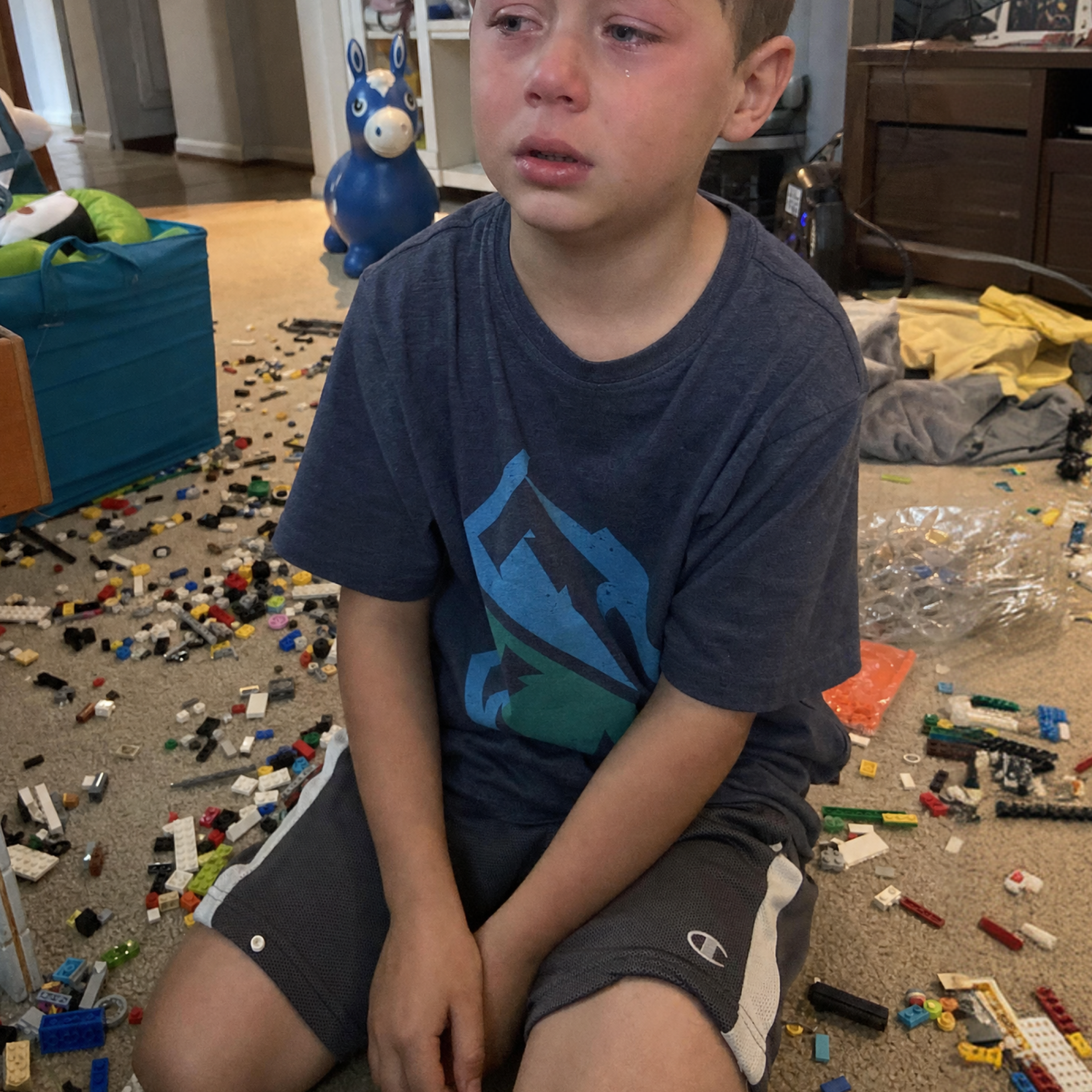
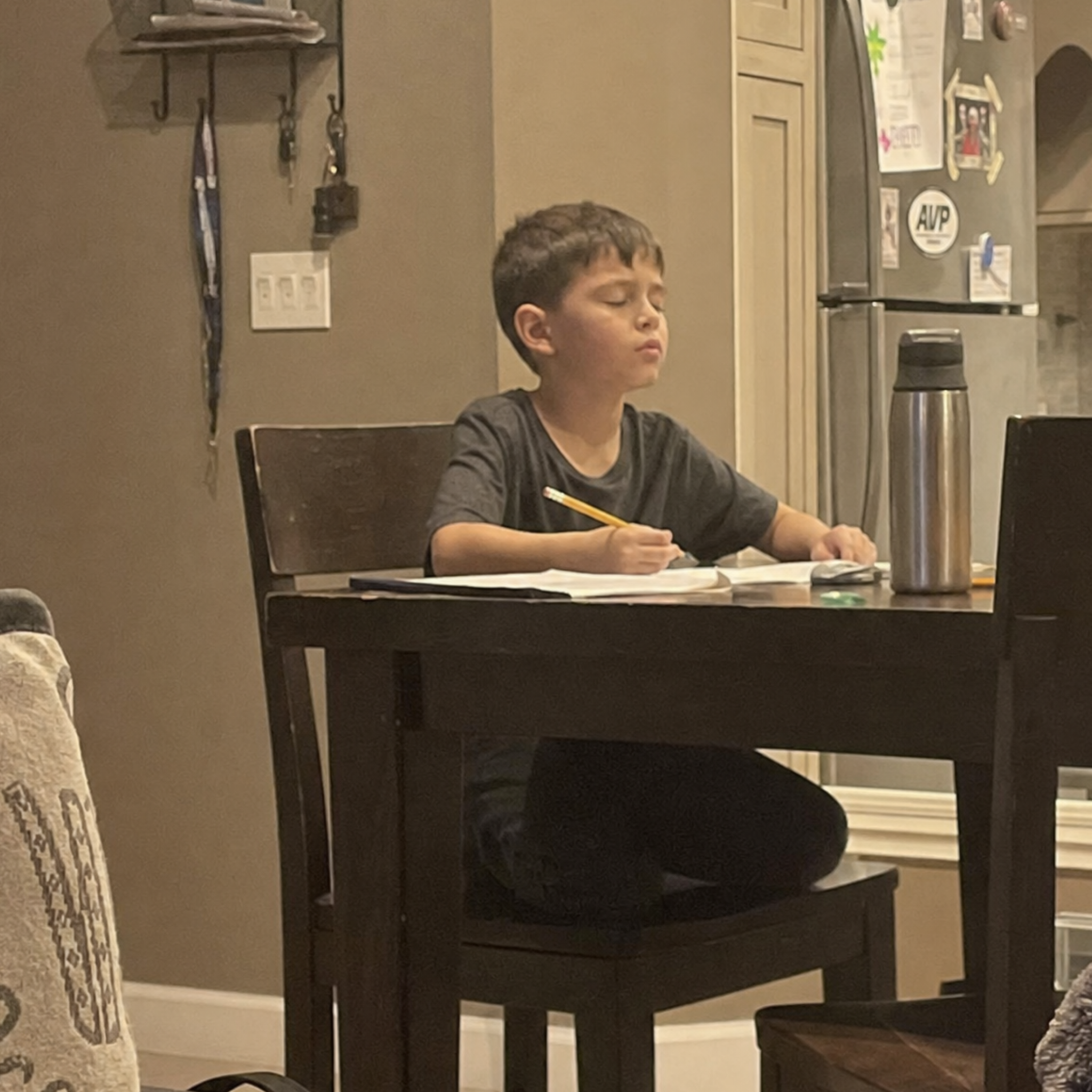
The meltdowns aren't about homework. They're about how your child sees themselves. You already sense this. You just haven't had the words for it. Because the reaction never matches the trigger. A single wrong answer produces 30 minutes of tears. A crooked letter produces a crumpled page and "I can't do anything right." A B+ on a test they studied for produces a spiral that ruins the entire evening. And you keep thinking: it's just homework. Why does this keep happening? It keeps happening because the homework isn't the problem. The homework is a mirror. And your child doesn't like what they see in it. Every assignment is a reflection. Every grade is a verdict. Every mistake is confirmation of something they already believe about themselves but can't articulate: "I'm not good enough." The wrong answer doesn't make them feel stupid. It confirms they are stupid. The imperfect letter doesn't frustrate them. It proves they can't do anything right. The B+ doesn't disappoint them. It validates that they're not who everyone thinks they are. The meltdown isn't a reaction to the homework. It's a reaction to the mirror. And that's why nothing you've tried has worked: "It's just homework" doesn't work — because it's not about the homework and they know it even if they can't say it. "You're so smart" doesn't work — because the mirror just showed them evidence to the contrary, and your words can't compete with what they saw. "Everyone makes mistakes" doesn't work — because they don't believe everyone hates themselves after mistakes the way they do. They think it's just them. And that makes it worse. You're treating the meltdown. You need to treat the mirror. Because right now, your child looks at themselves and sees someone who has to be perfect to be acceptable. Someone whose worth rises and falls with every grade, every answer, every performance. Someone who is only okay when everything goes right — and broken the moment anything goes wrong. That's not a homework problem. That's a self-concept problem. One father discovered this after years of fighting the meltdowns without understanding what was behind them… When Sonny Caberwal's daughter was eight, every evening was a battlefield. Homework triggered spirals. Mistakes triggered self-hatred. "I'm so stupid" and "I hate myself" were nightly refrains. He tried fixing the meltdowns — therapy, pep talks, gentle parenting, reward charts. None of it worked. Because he was treating symptoms while the mirror stayed broken. So he quit his cushy job as a corporate lawyer and spent five years working with researchers from Yale, Harvard, and Stanford to understand what actually determines how a child sees themselves. They identified three pillars: self-concept (how kids see themselves), self-efficacy (how much they believe in their abilities), and self-compassion (how they treat themselves when things go wrong). The mirror is self-concept. When it's distorted, everything reflects back as "not good enough." Fix the mirror, and the meltdowns lose their fuel. He built a daily training program called Legends. 5 minutes a day. Stories about real heroes who failed and kept going. Mini exercises that reshape how kids see themselves — not through praise, but through practice. Parent and child. Side by side. His daughter's mirror changed. The girl who saw "stupid" after every mistake started seeing "someone who tries." The girl who melted down over homework started moving through it. Not perfectly. But without the crisis. Over 20,000 families have done the same. Over 90% report noticeable improvements within 30 days. You do it together. That's what makes it different. You're not sending your child to someone else to fix the mirror. You're sitting with them, 5 minutes a day, helping them see what you've always seen — a capable, worthy kid who doesn't need perfection to be enough. Every day the mirror stays distorted, the meltdowns get more entrenched. The self-image hardens. And the child who sees "not good enough" at 8 carries that reflection into adolescence, relationships, and adulthood. For a limited time, try Legends free for 5 days. No commitment. No risk. Just 5 minutes a day. See what happens when you stop treating the meltdown and start fixing the mirror. Less than a dollar a day to continue. Cancel anytime. The trial is free. The risk is zero. And your child deserves to look at themselves and see what you see.
Like this ad? Make it yours.
Crush rebuilds this exact creative around your product — your brand, your colors, your offer — in about a minute.