
Inactive· since May 24, 2026
- 52
- days it ran
- 7
- relaunches
Ad copy
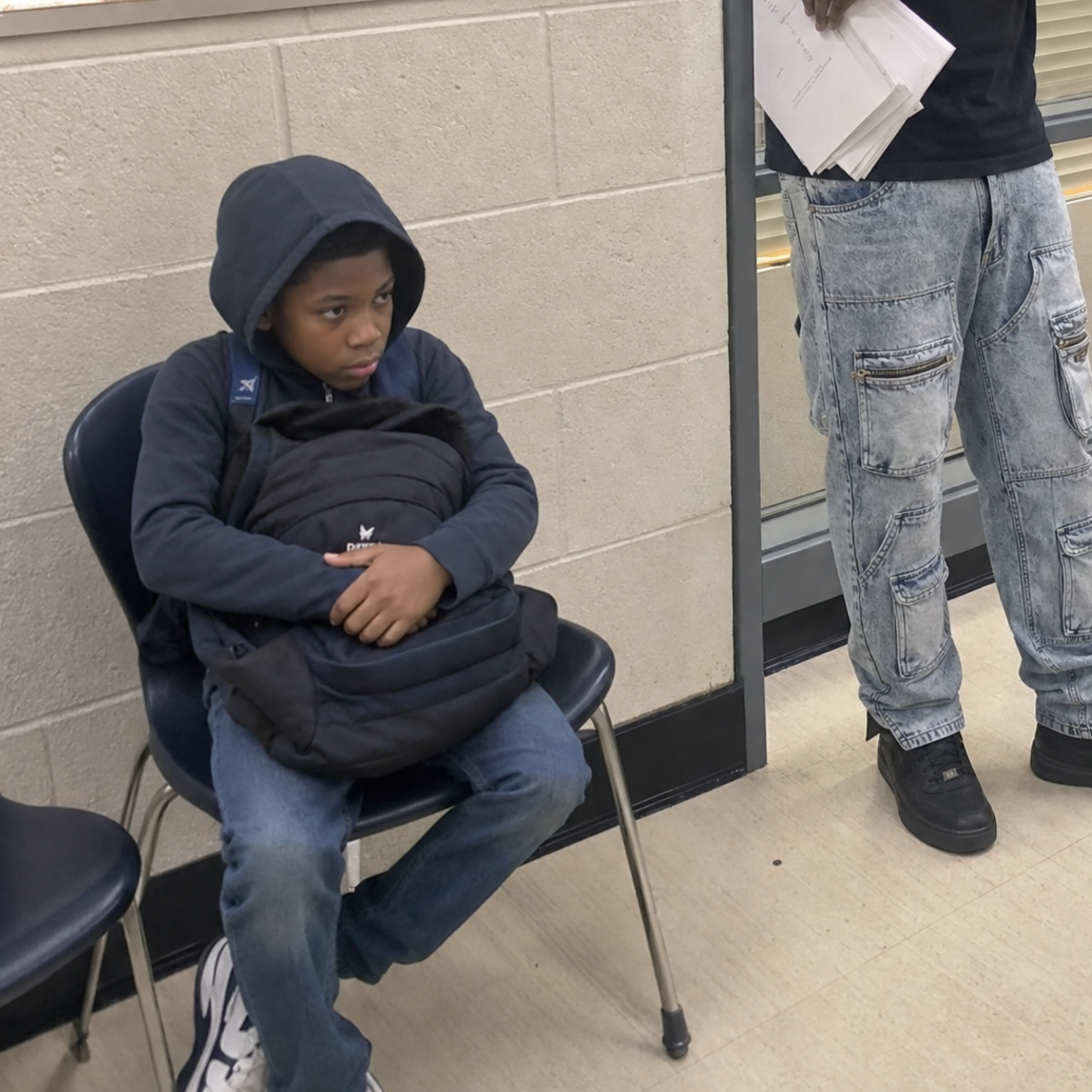
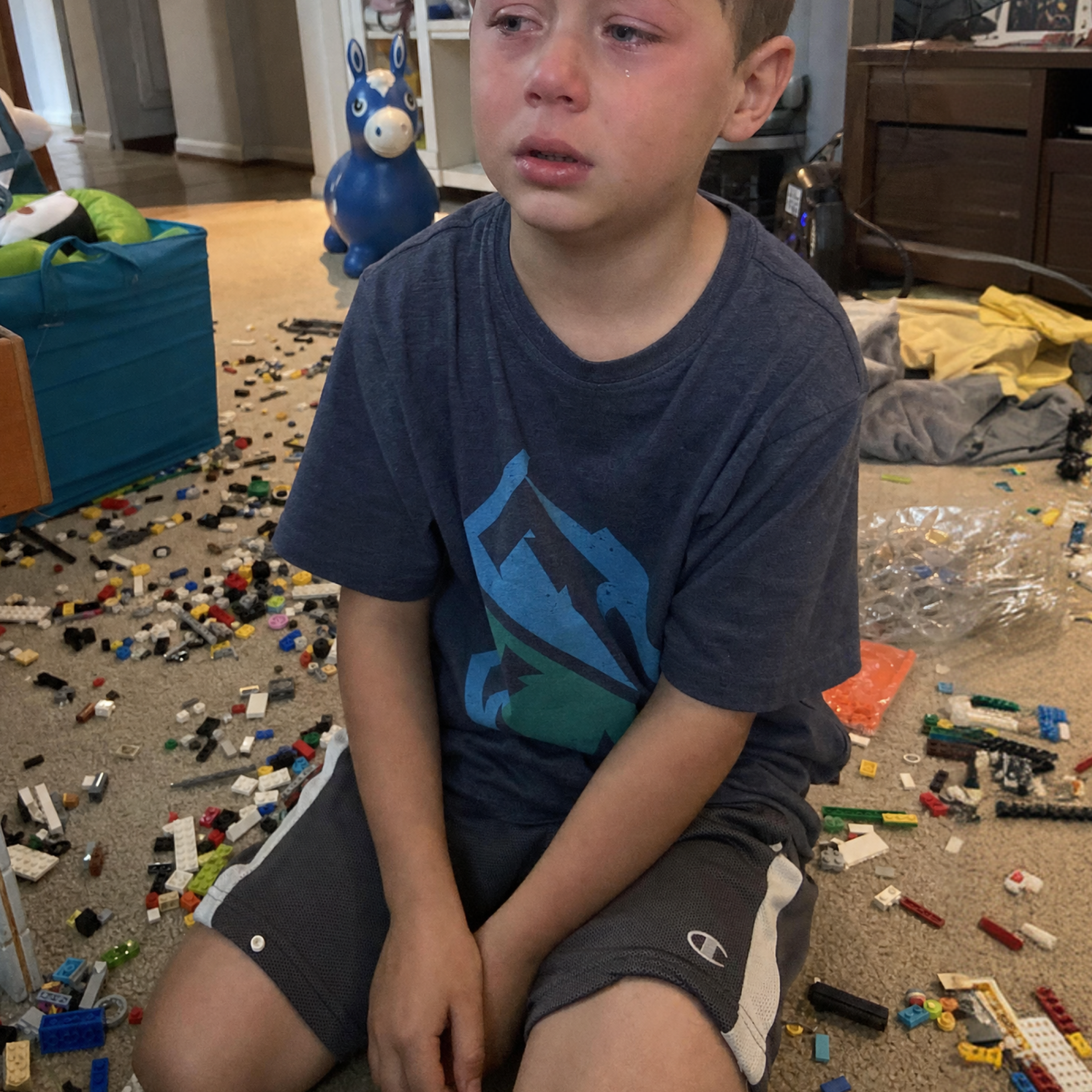
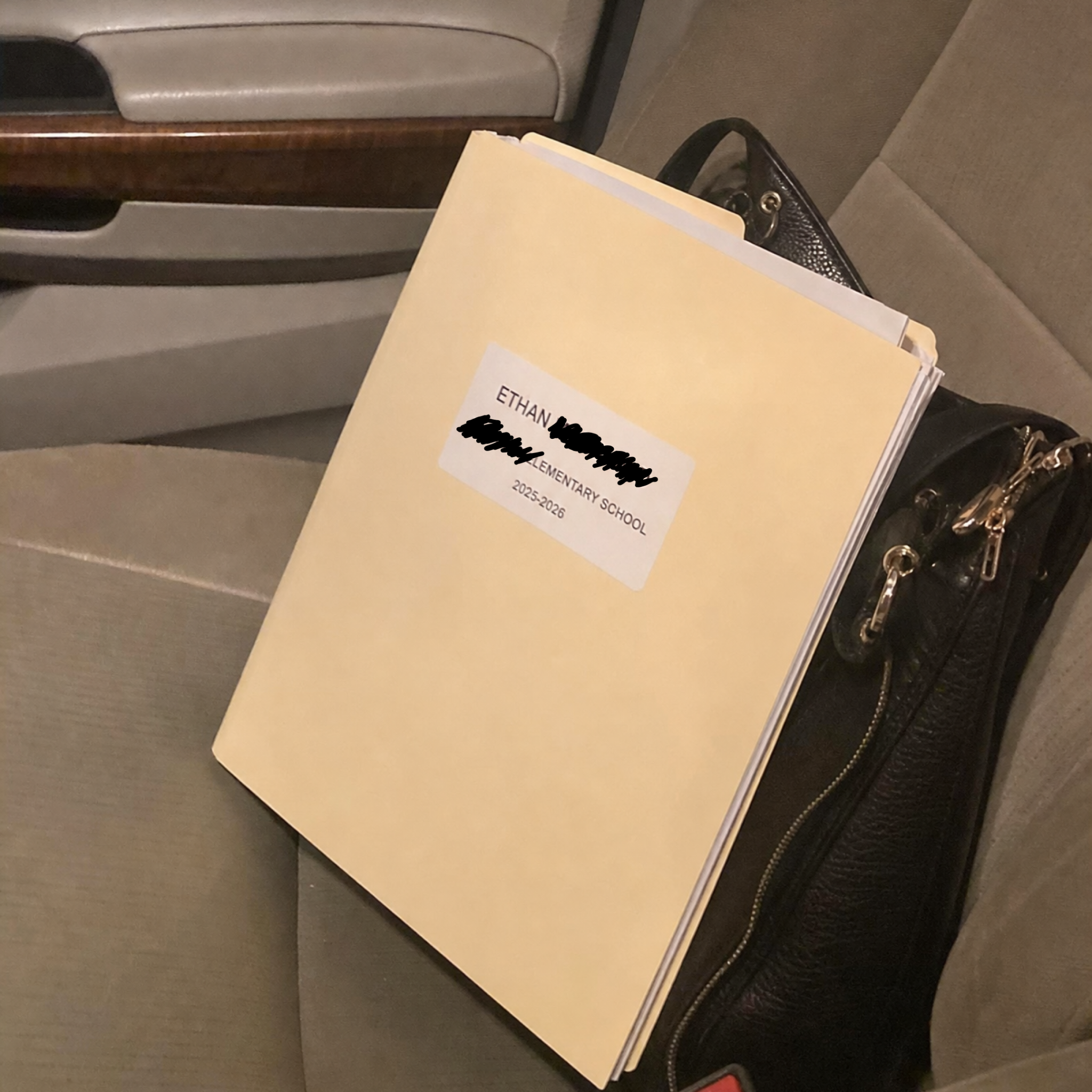
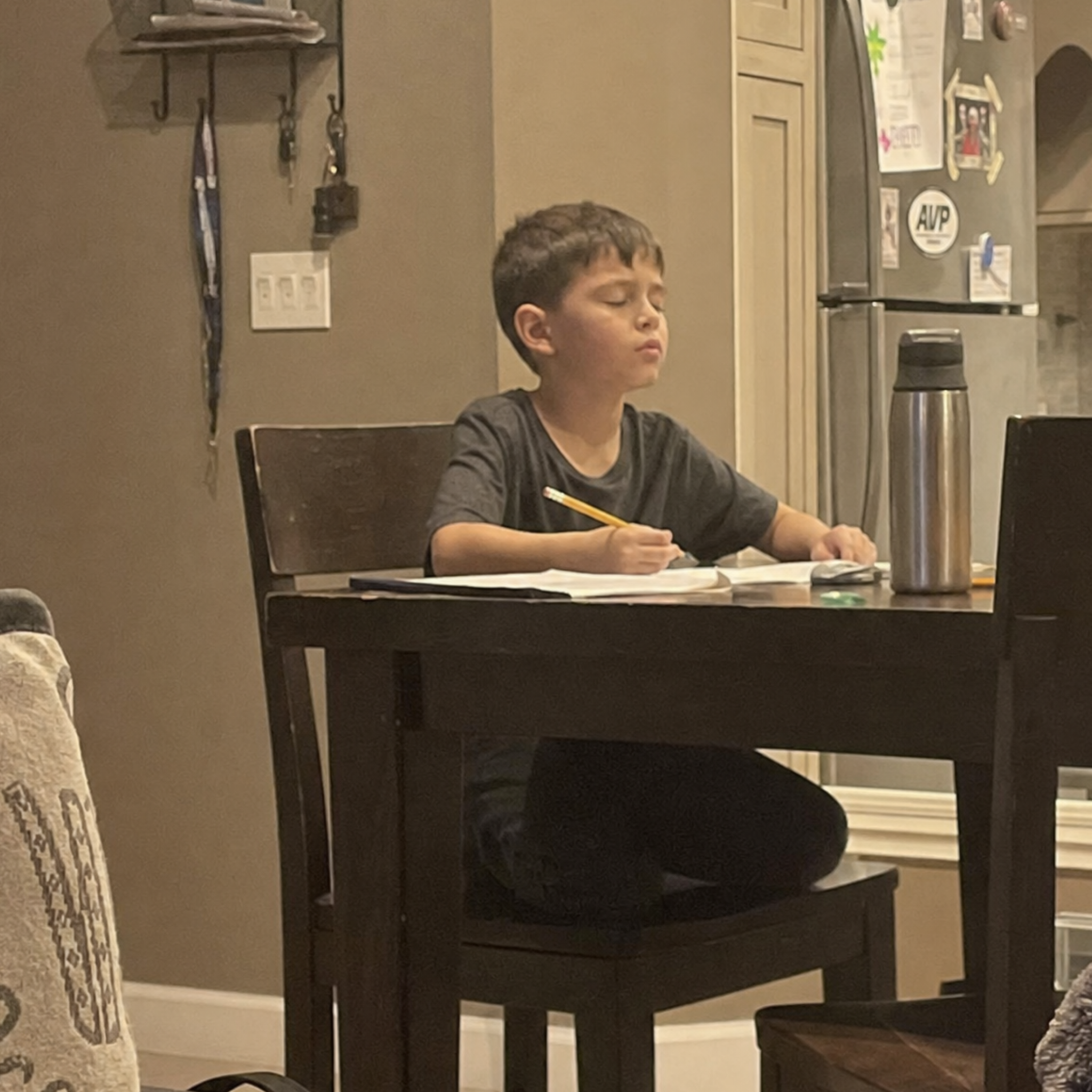
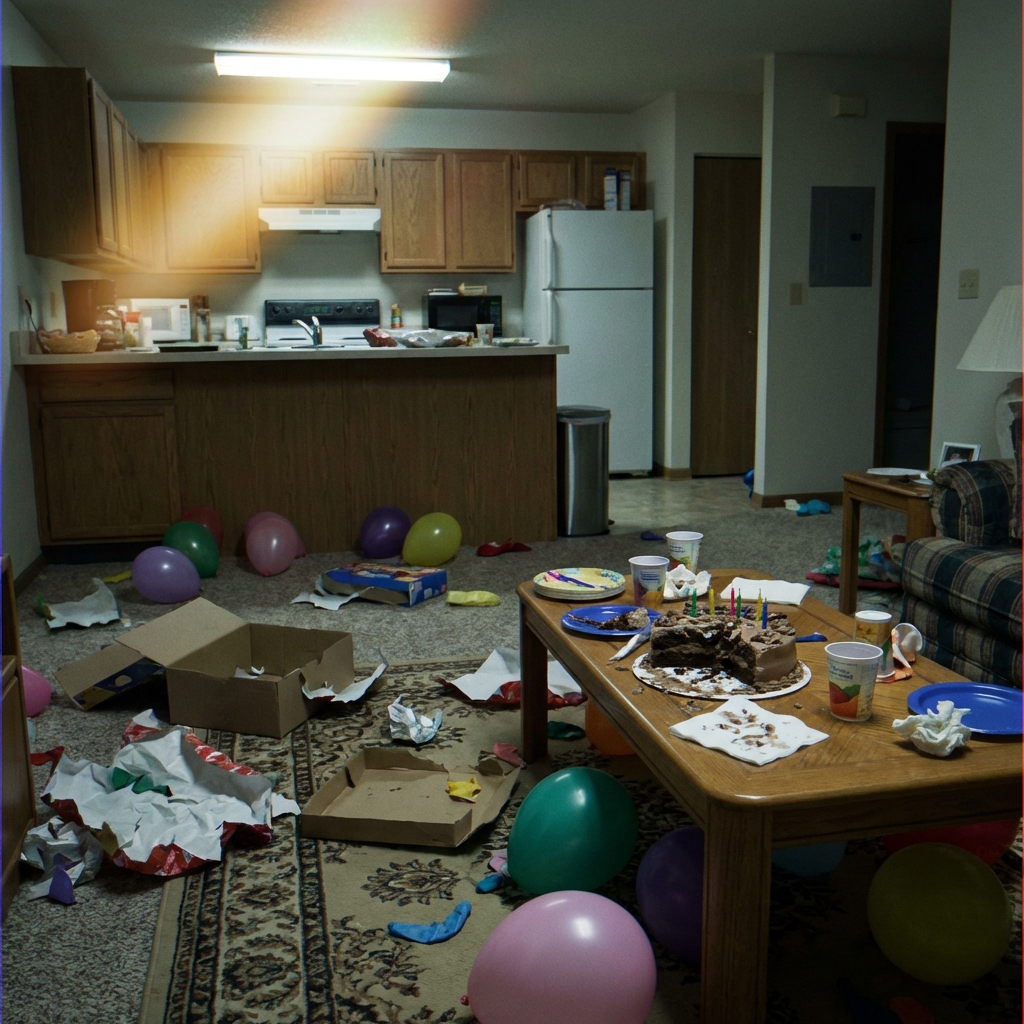
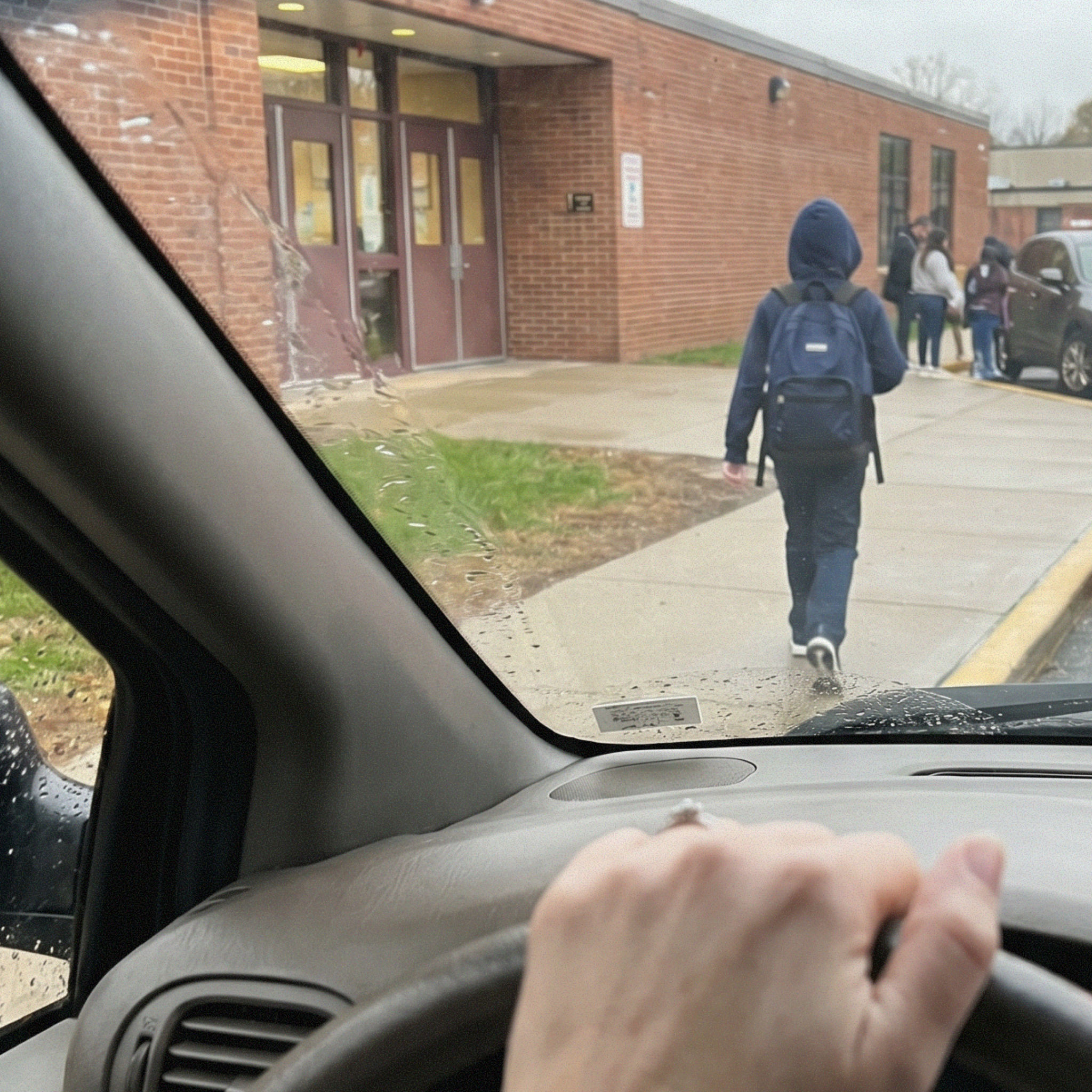
I love my son. I'm also, quietly, afraid of him. I typed that sentence into a Reddit throwaway at 2 AM last Tuesday after the school called for the third time this month. He's nine years old and he has yelled "I HATE YOU" at me so many times this year I've stopped counting. I have not told my husband. I have not told my mother. I have not told the woman who sits next to me at his soccer games. Some things you can only tell strangers. Especially the strangers in a Reddit thread at 2 AM, because by then my husband is asleep and the dishwasher is running and I'm sitting on the cold bathroom tile because it's the only room in the house with a lock. That's where I do my crying now. Bathroom floor. Lights off. Phone screen turned down so the glow doesn't reach under the door. I used to cry in my car. But the school is too close to home and someone always sees. Earlier that night, he had thrown his math binder across the kitchen and screamed that he was stupid, that I was the worst mom, that he wished he lived somewhere else. Then he locked himself in his room and I stood in the hallway listening to him sob through the door, not knocking, because the last time I knocked he threw a shoe at it. My daughter — she's seven — came out of her room with her stuffed rabbit and asked if she could sleep in the guest bed tonight. She didn't ask why. She already knew why. That's the part nobody warns you about. Not the meltdowns. Not the phone calls from school. Not the chair he threw or the words he screamed. It's the way the rest of your family quietly learns to disappear. My husband eats dinner with one ear tilted toward the stairs, the way a deer listens for a snapped twig. My daughter has started doing her homework in the laundry room. My mother stopped coming over on Sundays "for a little while." And me? I have a script now. For the school. For the neighbors. For the in-laws. "He's just a sensitive kid." "He's been having a hard week." "We're working on it." I have said those sentences so many times they have lost all meaning. They are just shapes my mouth makes while my eyes do the actual talking — which is why I have stopped making eye contact with people who know us well. The morning after the binder, I drove him to school in silence. He sat in the back seat with the hood of his sweatshirt pulled all the way up, his small hand picking at a hangnail until it bled onto the cuff. At the drop-off lane he didn't say goodbye. He didn't look back. He just got out of the car and walked toward the doors with his shoulders pulled up around his ears, like a kid bracing for a sound he already knows is coming. And I sat there in the carpool line, foot on the brake, watching the back of his small body get smaller, and I thought — God forgive me — I thought: I don't know how to love him through this anymore. And I don't know who to tell. So I did what I always did. I went home and opened the parenting playbook one more time. Gentle parenting. I had memorized it like scripture. "I see you're having a big feeling." "It's okay to be upset." "I'm here when you're ready." I had said those lines through clenched teeth. I had said them with a shoe flying past my head. I had said them while my own hands were shaking. And here's the part no one told me — the more I stayed calm, the louder he got. The more I validated, the harder he threw. The more space I held for his "big feelings," the more my house turned into a war zone. I tried being firmer. He escalated. I tried being softer. He escalated. Every Instagram therapist, every book, every gentle parenting expert — they were all handing me the same script. A script that assumed my son could hear me. A script that assumed there was a logical little person on the other side of the screaming who just needed a few deep breaths and a feelings chart. And one night, sitting in the wreckage of another meltdown with a bag of frozen peas pressed against my own forehead where a Lego had hit me, I finally said it out loud to the empty kitchen: "I have done everything they told me to do. And it has made everything worse." Then I gave up. Not on him. On the advice. That same night — 2:14 AM, bathroom tile, the only light in the house — I went down a Reddit rabbit hole that ended on a video by a Stanford-trained researcher. She wasn't selling anything. She was explaining a brain scan. She said my son's bad behavior wasn't bad behavior at all. It was a stage of child development. A specific one. With a name. He had a weak prefrontal cortex. The prefrontal cortex is the part of the brain that handles emotional regulation — the brakes, basically. And in every kid, it develops slowly. But in ADHD kids, it develops up to 30% slower than their peers. She said it the way a mechanic explains why your car won't stop at a red light. Calmly. Mechanically. Without judgment. "You can't talk a child into using a brake that hasn't been built yet." I sat on the bathroom floor and I cried for a different reason than usual. Because every single thing I had been told to do — talk it out, name the feeling, use your words, count to ten — required the exact part of his brain that wasn't strong enough yet to do the job. I had been handed a fire extinguisher for a flood. It wasn't bad parenting. It wasn't a bad kid. It was a weak prefrontal cortex. And then she said the sentence that changed everything. "The good news is — you can actually strengthen it. And it's really easy." The prefrontal cortex is like a muscle. The weaker it is, the more the alarm wins. The stronger it gets, the more your child can ride out a hard moment without coming apart. You don't strengthen it during the meltdown. You strengthen it in the calm moments. Through short, daily exercises that build the three things the prefrontal cortex needs to actually do its job: a clear sense of self, the ability to be kind to yourself when you mess up, and the lived belief that you can handle hard things. I didn't need a different script. I needed to train a different muscle. That was the night the search started — for something that would actually do that. Something my son would actually want to do. I found it about a week later. It's called Legends, and it's the simplest, science-backed system I've ever found for strengthening a kid's prefrontal cortex. Five minutes a day. That's it. Five minutes that have replaced the ninety-minute meltdowns. Five minutes that have replaced the post-bedtime crying. Five minutes I used to spend Googling "is my child a bad person" at 1 AM. Now those same five minutes are the part of the day my son and I both look forward to. Here's how it works. Every day, a new short workout unlocks. My son and I sit on the couch and watch a little story about a real person — a real legend — who faced something hard. An athlete. A scientist. A musician. People he actually looks up to. 10,000+ kids love these stories. He's one of them. He asks for it now. Then a confidence coach walks him through a short exercise tied to what that legend did. Sometimes it's a Mood Meter check-in to name where his nervous system actually is. Sometimes it's box breathing. Sometimes it's a tool called Catch & Replace, where he learns to catch the voice in his head that calls him stupid and replace it with something accurate. He doesn't think he's doing therapy. He thinks he's training to be a legend. And here's the part that broke me open a little — it's built for the parent and the kid to do together. For two years, I had been the villain in his story. The one who said no. The one who held the limit. The one whose voice he heard right before he started screaming. Five minutes a day on this couch, and I am not the villain anymore. I'm on his team. Watching the same screen. Laughing at the same joke. Doing the same exercise. Instead of fighting, we're laughing together. The whole thing is grounded in research from Harvard and Yale on the three things a child needs to regulate big emotions: Self-Concept, Self-Compassion, and Self-Belief. Not parenting fads. Not Instagram scripts. Actual developmental science. It works for 20,000+ families. And it's free to try. For the first time in years, I had something I could open without dread. And about a week in, I started thinking — quietly, carefully, the way you think anything when you've been disappointed this many times: Unlike everything else we've tried… this is actually something that works. I'm starting to really see a difference. Week 1: He made a mistake on his math homework, slammed his pencil down, started to spiral — and then I watched him take one slow breath, draw a square in the air with his finger, and whisper "shake it off." Box breathing. His mistake ritual. From the app. On his own. The meltdown that should have been forty-five minutes was forty-five seconds. Week 3: His sister knocked over his Lego build. He turned bright red. He stood up. He walked into the kitchen and said, out loud, to nobody — "That's not true. She didn't do it on purpose." Catch and Replace. Without me prompting him. Without me anywhere near the room. Week 6: The school's number lit up my phone at 1:47 PM on a Tuesday. I picked up on the first ring. The receptionist said his name and I braced for the gentle voice. But it wasn't the gentle voice. It was the regular voice. She said, "He just wanted to call and tell you he had a really good day. He used his tools when Kai took his pencil. He wanted you to know." I pulled into the next parking lot I saw and cried for ninety seconds with my hands at 10 and 2. For a completely different reason this time. I sat there for a long time after I hung up. And the doubt came in — quiet, familiar, the voice I've heard my whole motherhood: was this a fluke? A good week? Am I about to get my hopes up and pay for it later? So I did what every desperate parent does. I went looking for other people's stories. I went into the Legends community and started scrolling. Sarah, a mom in the group whose kids couldn't handle setbacks before, wrote about her son finally pushing through learning the Rubik's Cube on his own. "My kids know that they can do hard things." A dad named Brandon talked about his son, who used to come home anxious about not fitting in at school. "He's running around like with his buddies giving fist bumps and saying — Dad, I had a great day." A mom named Millie summed up what I had been feeling but couldn't put words to. "One of the most powerful things about Legends is that it's given us as a family a shared language." A dad named Ryan, who had tried everything, said the thing that wrecked me a little. "There's a protocol for everything. There's training for everything. And parenting doesn't have that. Until now." And Kristen — the one whose words I keep going back to — described the part I didn't know I was buying when I signed up. "It's a really fun, really short, little nightly ritual. An opportunity to just set some time aside, totally focused on your kid. That, to me, is what the magic is all about." 20,000+ families. All quietly building the brake the school couldn't build. The therapist couldn't build. The gentle parenting books couldn't build. I closed the app and put my phone down and just sat with it. It wasn't a fluke. It was a movement. And we were finally in it. The program is called Legends. And right now, you're standing at a fork in the road. Path one: you close this tab. You go back to the script that doesn't work. The phone calls from school. The shoe through the door. The bathroom floor at 2 AM. The seven-year-old daughter who has started doing her homework in the laundry room because the kitchen isn't safe anymore. You already know where that road goes. You've been walking it. Path two: you give your child five minutes a day. And you finally start strengthening the one thing nobody else thought to train — the prefrontal cortex that hasn't caught up yet. Five minutes. That's less time than one meltdown takes. Less than one car ride spent crying in a parking lot. Less than the time it takes to type "I'm afraid of my son" into a Reddit throwaway. And here's what makes this the easiest decision you'll make this week — Legends is free to try, and it comes with a full money-back guarantee after that. Try it with your child. Do the workouts together. Watch what happens over the next few weeks. If you don't see the shift — in the way he handles a mistake, in the way he talks to himself, in the way he walks back into a room after a hard moment — you get every penny back. No questions. No forms. No "are you sure." You risk nothing. Your child gains the one skill nobody else thought to train. Click the link below to see if Legends is still open for new families and start your child's first confidence workout tonight. P.S. You don't have to type the sentence into a Reddit throwaway tonight. You don't have to do your crying on a bathroom floor with the light off. You don't have to flinch when the school's number lights up your phone at 1:47 PM on a Tuesday. Somewhere on the other side of five minutes a day is the version of your son who calls home from the office — not because he threw a chair, but because he wanted you to know he handled it. He's still in there. The brake just hasn't been built yet.
Like this ad? Make it yours.
Crush rebuilds this exact creative around your product — your brand, your colors, your offer — in about a minute.