
Inactive· since Mar 26, 2026
- 9
- days it ran
- 3
- relaunches
Ad copy
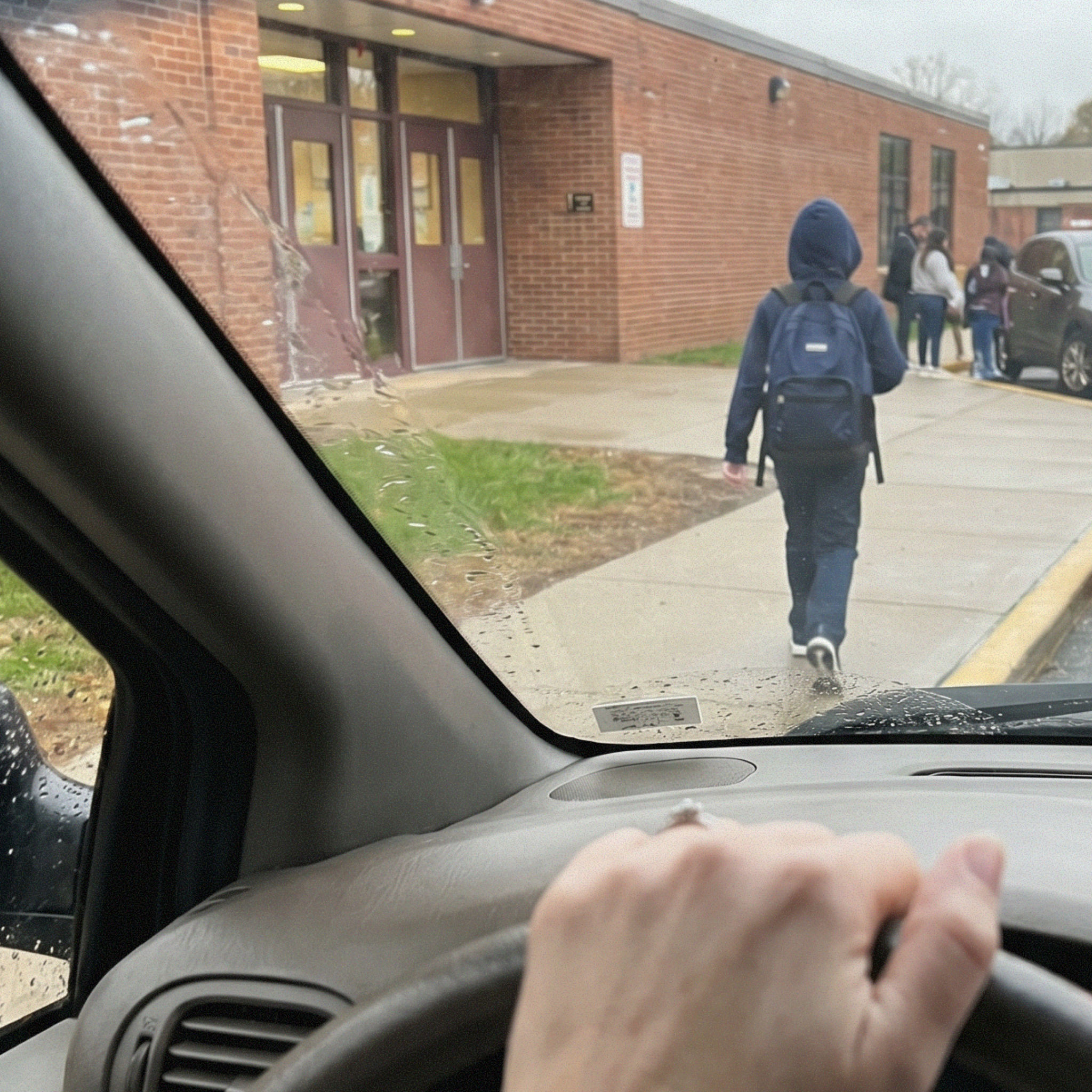
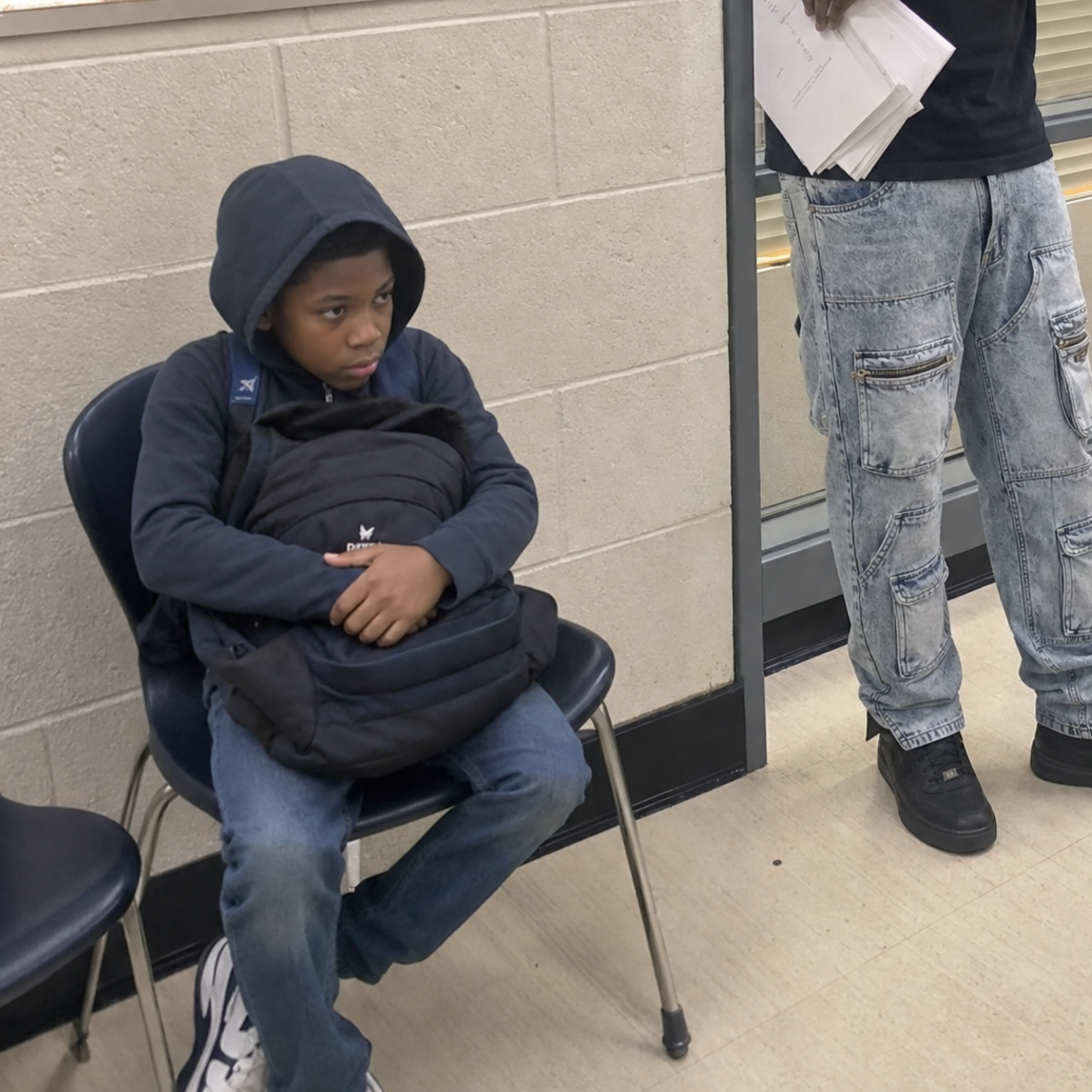
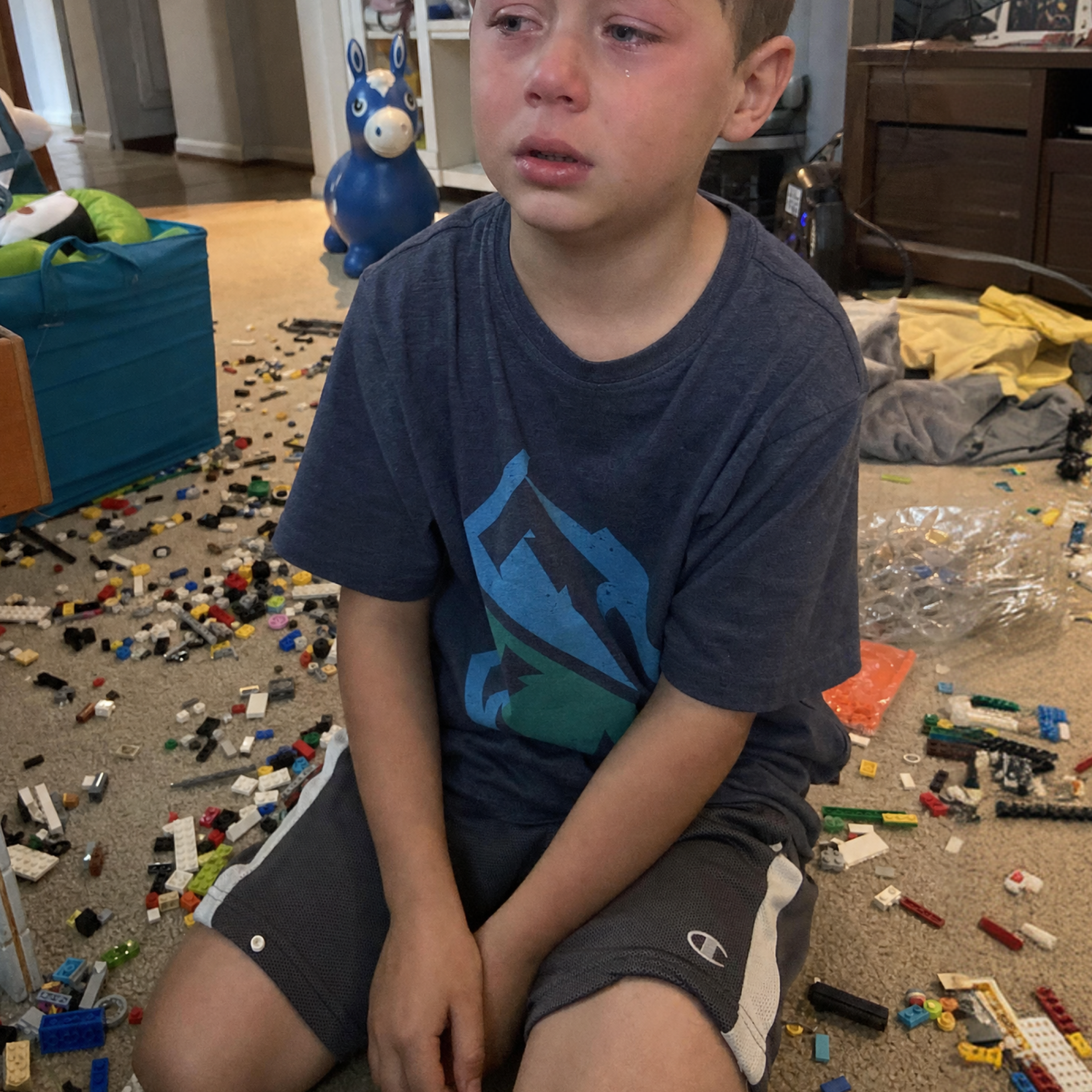
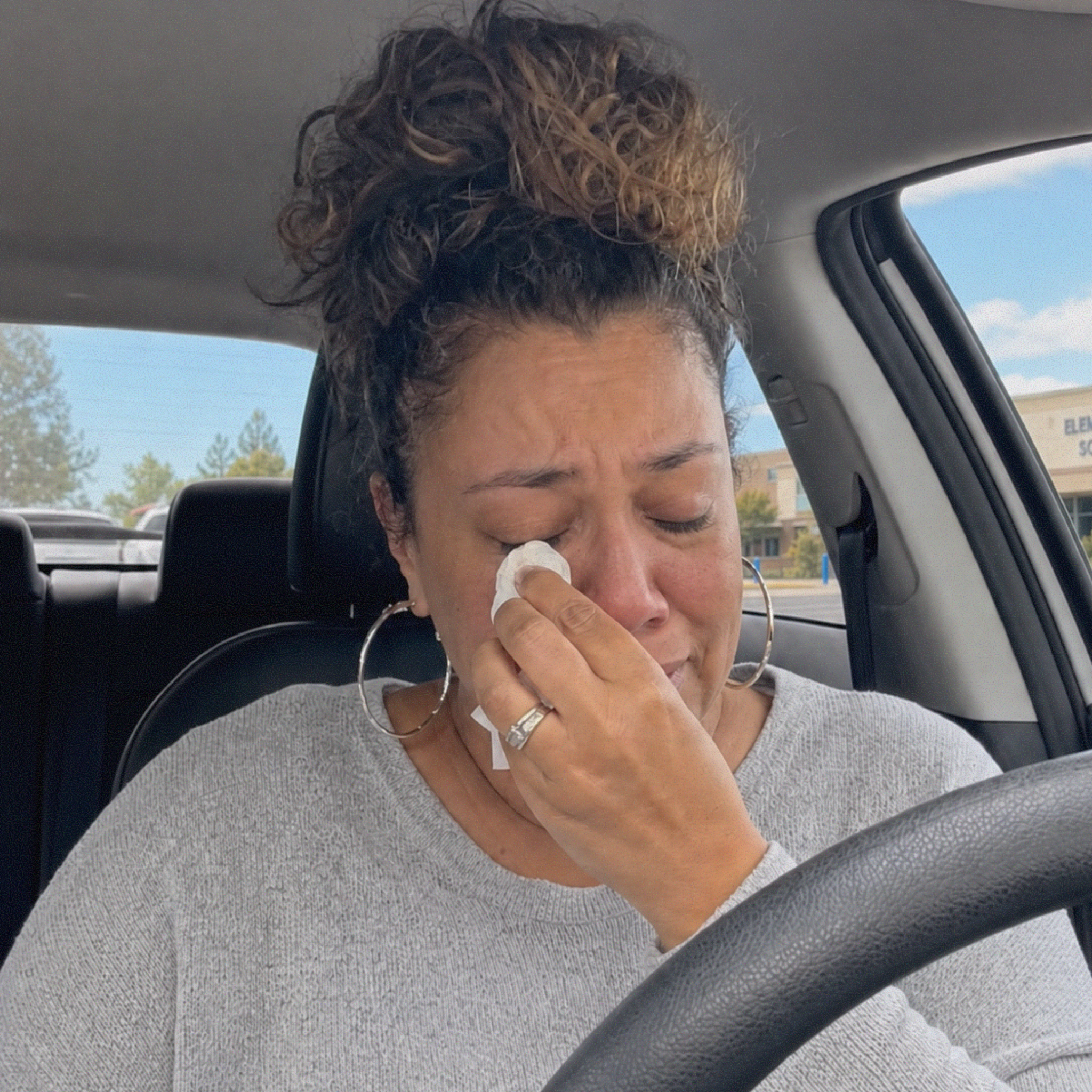
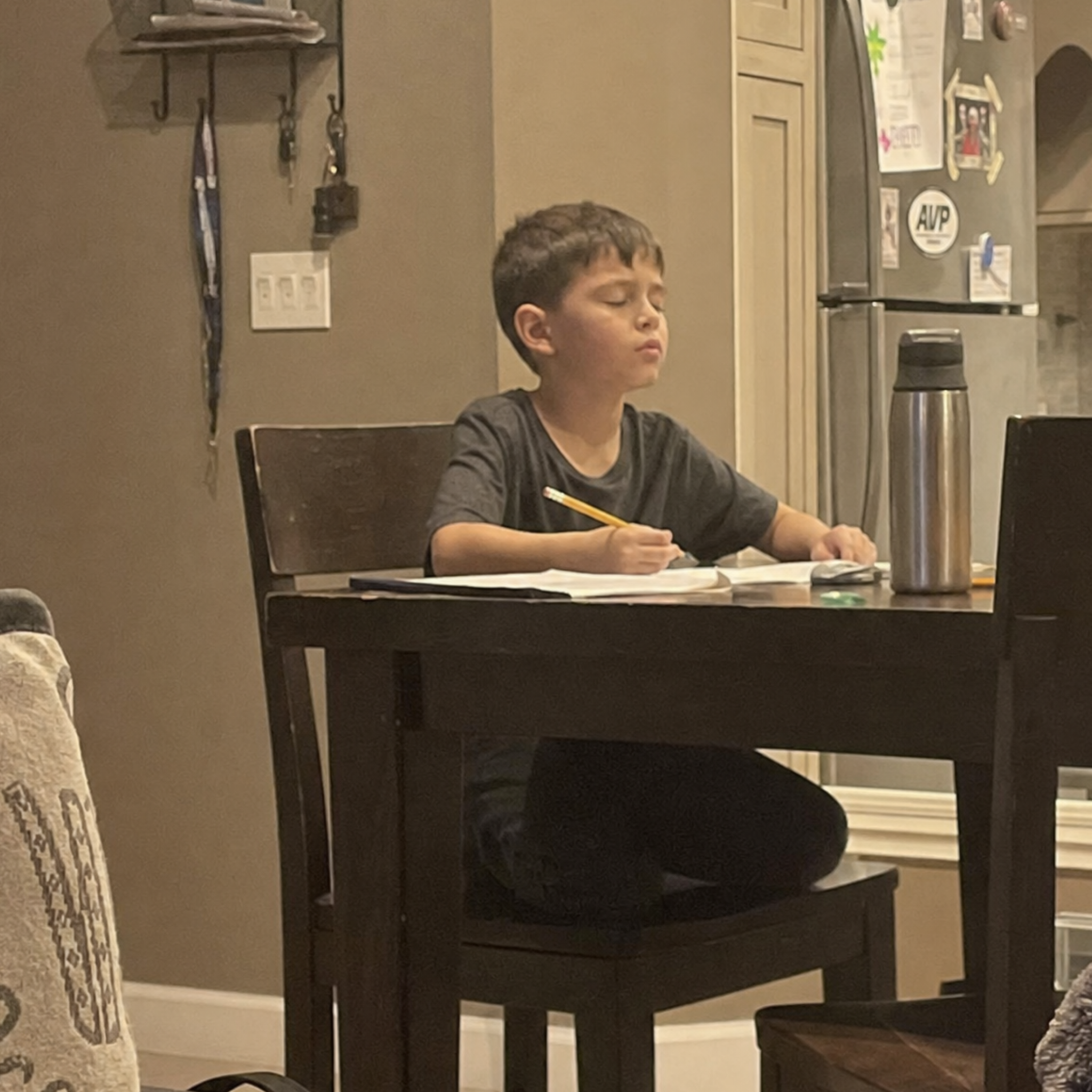
My son's hands were still shaking when he looked up at me from the kitchen floor and whispered, "Mommy, can you take me to the hospital so they can fix my brain?" He's six. Six years old, and he's sitting in a puddle of his own tears and snot, little plastic Candy Land pieces scattered around us like shrapnel, asking me—begging me—to take him somewhere, anywhere, because he already knows that what just happened inside his body isn't normal and he can't make it stop. Ninety minutes before that whisper, he'd been laughing. Counting spaces on the board. Being the kid I know lives somewhere inside him. Then he lost. Not dramatically. Not unfairly. He just… didn't win. And the light behind his eyes went out like someone flipped a breaker. First the lip quiver. Then the board got shoved. Then the pieces were flying—little plastic gingerbread men skittering across the tile. Then came the screaming. Not angry screaming. Anguished screaming. The kind that comes from somewhere primal and deep… from a place inside him that has no words yet. His sister froze, fork halfway to her mouth. His dad stood up—jaw tight, hands open—wanting to help but knowing from experience that touching him right now would make it worse. He threw a chair. Kicked the wall. Told me he hated me… …then five seconds later was clawing at my shirt, trying to climb inside my body, sobbing so hard he was gagging. Ninety minutes. An hour and a half of a six-year-old at war with his own brain. I held him on the kitchen floor, my back against the cabinets, rocking him like an infant, my own tears running silently into his hair. The dinner I'd made went cold. His sister took herself quietly to her room and shut the door. And when the storm finally passed… when his body went limp and his breathing slowed from ragged gasps to hiccups… that's when he looked up at me and said those words. The next morning, I drove him to school. Neither of us spoke. He sat in the back seat, staring out the window, picking at a scab on his knuckle he'd gotten from punching the kitchen wall. I watched him in the rearview mirror and thought… he looks tired. Not sleepy-tired. Soul-tired. The kind of tired a six-year-old should never be. When I pulled into the drop-off lane, he didn't move. Just sat there. Backpack in his lap. Eyes down. "Have a good day, buddy," I said. My voice cracked on the word "good." He nodded. Didn't look up. Slid out of the car and walked toward the doors with his shoulders curled in like he was trying to make himself smaller. I made it two blocks before I had to pull over. Because the thought that hit me—the one I couldn't outrun—was this: He's not just struggling. He's disappearing. So I did what any desperate mother would do. I threw everything I had at the problem. The biggest bet? Therapy. $200 a session, every Tuesday at 4:15. His therapist was kind. Patient. She taught him to name every feeling in his body with the precision of a tiny psychologist. "I'm frustrated." "I'm disappointed." "I'm overwhelmed." He could label the tornado perfectly. The tornado didn't care. He'd scream "I KNOW I'M ANGRY!" while hurling a shoe at the wall. The feelings had language now. They just didn't have brakes. I sat in her waiting room week after week, writing checks and whispering the same prayer: "Please let this be the week it clicks." It never clicked. At home, I followed the gentle parenting playbook like scripture. "I see you're having a big feeling." "It's okay to be upset." "I'm here when you're ready." I validated and validated and validated… while the meltdowns got longer. More violent. More desperate. And here's what no one warned me about: while I was busy "holding space" for my son, my daughter learned to disappear. My marriage collected hairline fractures. And I forgot what it felt like to actually hold the line. But I kept going. Because every expert, every book, every Instagram therapist said the same thing—stay calm, name the feeling, ride it out. So why was it getting worse? That question haunted me. Because it meant one of two things: Either something was deeply wrong with my son… …or something was deeply wrong with the advice. I didn't have the answer yet. All I knew was this—I'd done everything "right." Every strategy. Every script. Every Tuesday at 4:15. And my six-year-old was still begging me to take him to the hospital. I was out of answers. Out of energy. Out of hope. I remember sitting in my car after pickup one afternoon, engine running, hands on the wheel, going absolutely nowhere… and thinking for the first time: What if nothing works? What if this is just… him? Forever? That was the lowest moment of my life. Three nights later, I was in bed at 1am doing what I always did—doom-scrolling parenting forums with the lights off, reading the same recycled advice from the same recycled experts. Then I saw a comment that stopped me cold. A mother—not an influencer, not a therapist, just another exhausted woman typing in the dark—had written: "We spent two years in therapy teaching our son to name his feelings. Nothing changed. Then someone told me confidence isn't a feeling. It's a skill. You don't talk about skills. You train them. Like a muscle." I read it three times. And something cracked open in my brain… because that was the piece that had been missing from every therapist's office, every parenting book, every "validate his feelings" infographic. They were all treating my son's meltdowns as an emotional problem. Something to be felt through. Talked through. Medicated through. But what if the real issue wasn't that he had too many feelings? What if it was that he'd never been trained in the foundational skill underneath all of them—the quiet, load-bearing skill that lets a kid lose a board game without losing himself? Think of it this way: every expert had been teaching my son the vocabulary of swimming. They'd given him textbooks on buoyancy, lectures on stroke technique, flash cards about water safety. But nobody had ever actually put him in the pool. So every time a wave hit… he drowned. Not because he was broken. Because he'd never built the muscle. Confidence. Self-belief. The bone-deep ability to feel the storm and whisper, "I can handle this." That's not a personality trait. It's not something you're born with. It's architecture—and my son's had never been built. The relief I felt in that moment was physical. Because it meant the meltdowns weren't his fault. They weren't my fault. It wasn't bad parenting or bad genes or a broken brain. It was just a skill no one had ever taught him. I didn't need more therapy. I didn't need more scripts. I didn't need medication. I needed a way to actually train my son's confidence—directly, repeatedly, the way you'd train any muscle—until his emotional foundation could bear the weight of a lost board game… and eventually, the weight of a full life. I kept digging. And at 1:47am, I found exactly that. It was a program built on one radical premise: confidence isn't a trait. It's a trainable skill. And it only takes 5 to 10 minutes a day to build it. Five minutes. That's it. After the $200 therapy sessions. After the 90-minute meltdowns. After the hours spent reading parenting books that made me feel like I was failing… the thing that actually asked something of my son took less time than brushing his teeth. We did our first workout the next morning before school. Just me and him, side by side on the couch, working through a short exercise on his tablet. And here's what I didn't expect: he liked it. He actually wanted to do it. No resistance. No negotiations. No bribing him with screen time after. Just… five quiet minutes where my son wasn't being analyzed or fixed or managed. He was being trained. Like an athlete. Like it was something he got to do, not something done to him. That five-minute pocket quickly became our thing. The calmest, most connected part of our entire day… him leaning into me, talking about what he was learning, sometimes laughing. Bonding in a way that therapy waiting rooms and meltdown aftermaths never allowed. And unlike the rotating carousel of parenting trends and Instagram hacks… this wasn't built on vibes. It was built on decades of research in developmental psychology—the same science studied at places like Harvard and Yale. Real frameworks. Real evidence. Not another "gentle parenting" fad that sounds beautiful and collapses at the first tantrum. That's when the shift happened inside me. I realized I wasn't helpless anymore. I wasn't outsourcing my son's future to a therapist's office, a school counselor's checklist, or a coach who sees him once a week. I was the one building his foundation now. Every morning. Five minutes at a time. Directly training the root cause—not managing the symptoms. Unlike everything else we've tried, this is actually something that works. I'm starting to really see a difference. And that difference? It came faster than I ever thought possible. Here's what the next six weeks looked like in our house: Week 1: He spilled juice all over his homework. I braced for the explosion… and it never came. He stared at the mess, clenched his fists, let out one long breath, and said, "I need a new piece of paper." That's it. No screaming. No tears. Just… a frustrated kid solving a problem. Week 3: His sister beat him at Uno. I watched from the doorway, heart in my throat. His jaw tightened. His eyes got glassy. And then—without me saying a single word—he set his cards down and said, "Good game. Can we play again?" I had to leave the room so he wouldn't see me cry. Week 6: Family game night. His dad suggested Candy Land. My stomach dropped. But my son just shrugged and said, "Okay." He lost. Same game. Same board. Same little plastic gingerbread men. He pushed back from the table, took a breath, and said, "Ugh. I really wanted to win that one." Then he asked for a snack. No flying pieces. No 90-minute meltdown. No begging to go to the hospital. Just a six-year-old boy who lost a board game… and kept going. I looked at my husband across the table. He looked at me. Neither of us said a word. We didn't have to. Part of me wondered if we'd just gotten lucky. A good week. A good phase. Something that would quietly fade. So I did what I always do when I need the truth—I went looking for other parents. I opened the app's community page and started scrolling. Within minutes, I was shaking. Not from fear this time. From relief. Because it wasn't just us. "Therapy, meds, years of worrying… but he BEGS for this every single night. It's really made a difference in the way he sees himself," wrote one mom. "My son actually cried after Day 1 and told me how happy he was. He said he talks to himself in a negative way and wants to stop," shared another parent. "Made my eyes leak." "We started this to help my 9-year-old with his negative self-talk. Six months in, it has truly improved his ability to handle stressful situations. His confidence has greatly improved," wrote a mom named Lisa. "He had an incident on the playground and used breathing techniques, inner critic self-talk tools—all of it—to de-escalate the situation. The school called us for the FIRST TIME this year to say he de-escalated," shared Alisa, mom to a 10-year-old. "One month in and seeing higher confidence and stronger coping skills. My kids absolutely love it," wrote Cassie. Story after story after story. Thousands of families—kids who used to shatter at the first sign of failure—now handling disappointment like it was just… part of the game. I sat there in the dark, phone glowing, tears streaming, and thought: we're not alone anymore. We were never alone. We just didn't have the right tool until now. The program is called Legends. And right now, you're standing at a fork in the road. Path one: you close this page. Go back to the scripts that don't work, the therapy that labels but doesn't build, the slow erosion of watching your child shrink from the world. You already know where that road leads. You've been walking it. Path two: you give your child five minutes a day… and the chance to finally build the one skill nobody else thought to train. Five minutes. That's less than one meltdown. Less than one car ride spent crying. Less than the time it takes to google "why is my child so angry" at 1am. And here's what makes this a no-brainer: Legends comes with a full money-back guarantee. Try it with your child. Do the workouts together. Watch what happens over the next few weeks. If you don't see the shift—in their self-talk, in their resilience, in the way they carry themselves through a hard moment—you get every penny back. No questions. No hoops. No guilt. You risk nothing. Your child gains everything. Click the link below to see if Legends is still available and start your child's first confidence workout today. https://try.buildlegends.com/listicle1/main Don't wait for the next meltdown to remind you why you're here. You already know. P.S. — I keep thinking about that night on the kitchen floor. My son's swollen eyes looking up at me. His tiny voice asking me to take him to the hospital so they could fix his brain. He was six years old… and he already believed he was broken. If your child is whispering something similar—with their words or with their behavior—please don't let another week go by. This isn't about an app. It's about giving your kid the one thing every therapist, every school, and every parenting book forgot to build: the quiet, unshakable belief that they can handle whatever comes next. Five minutes a day. That's all it takes to start rewriting their story.
Like this ad? Make it yours.
Crush rebuilds this exact creative around your product — your brand, your colors, your offer — in about a minute.