
Inactive· since Mar 26, 2026
- 16
- days it ran
- 0
- relaunches
Ad copy
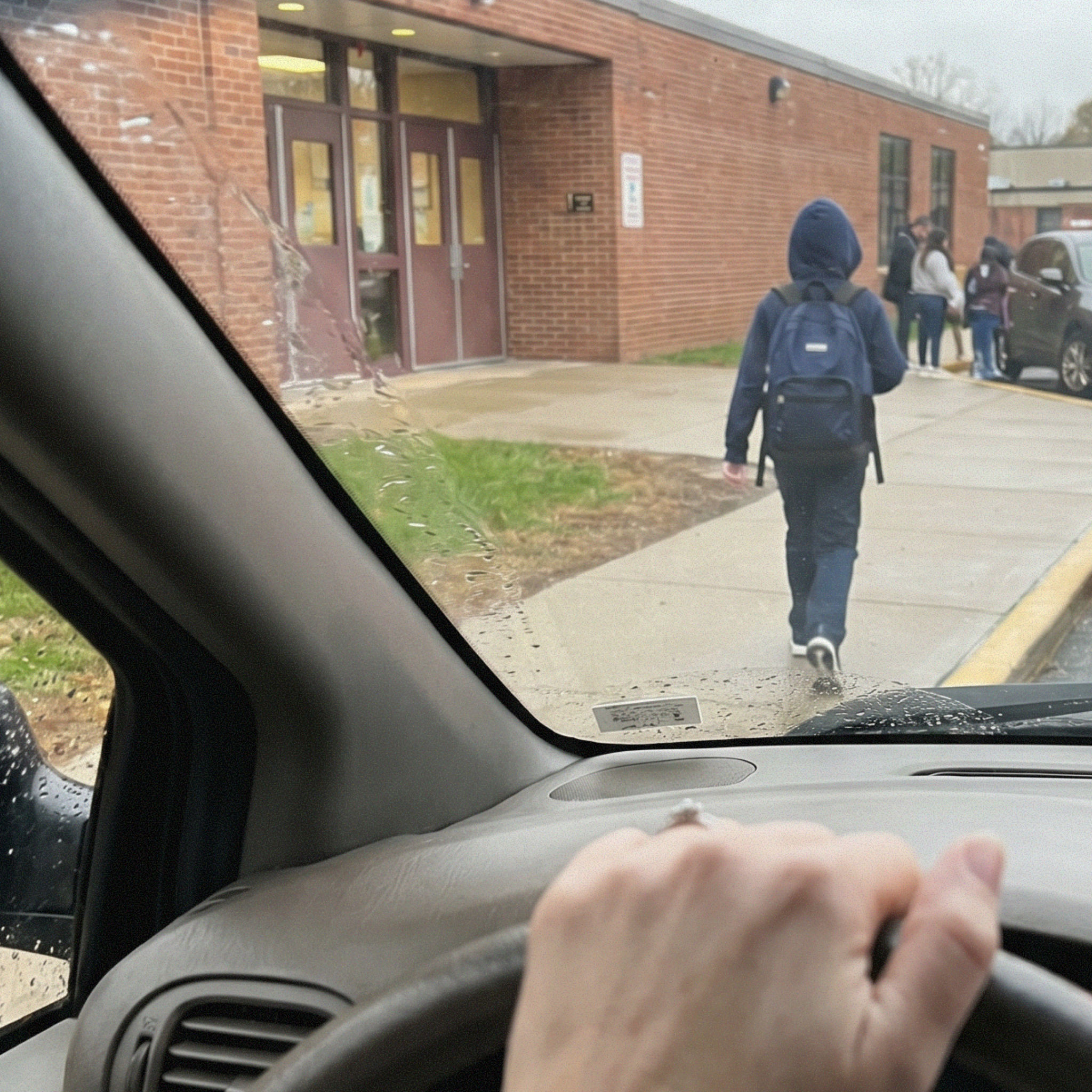
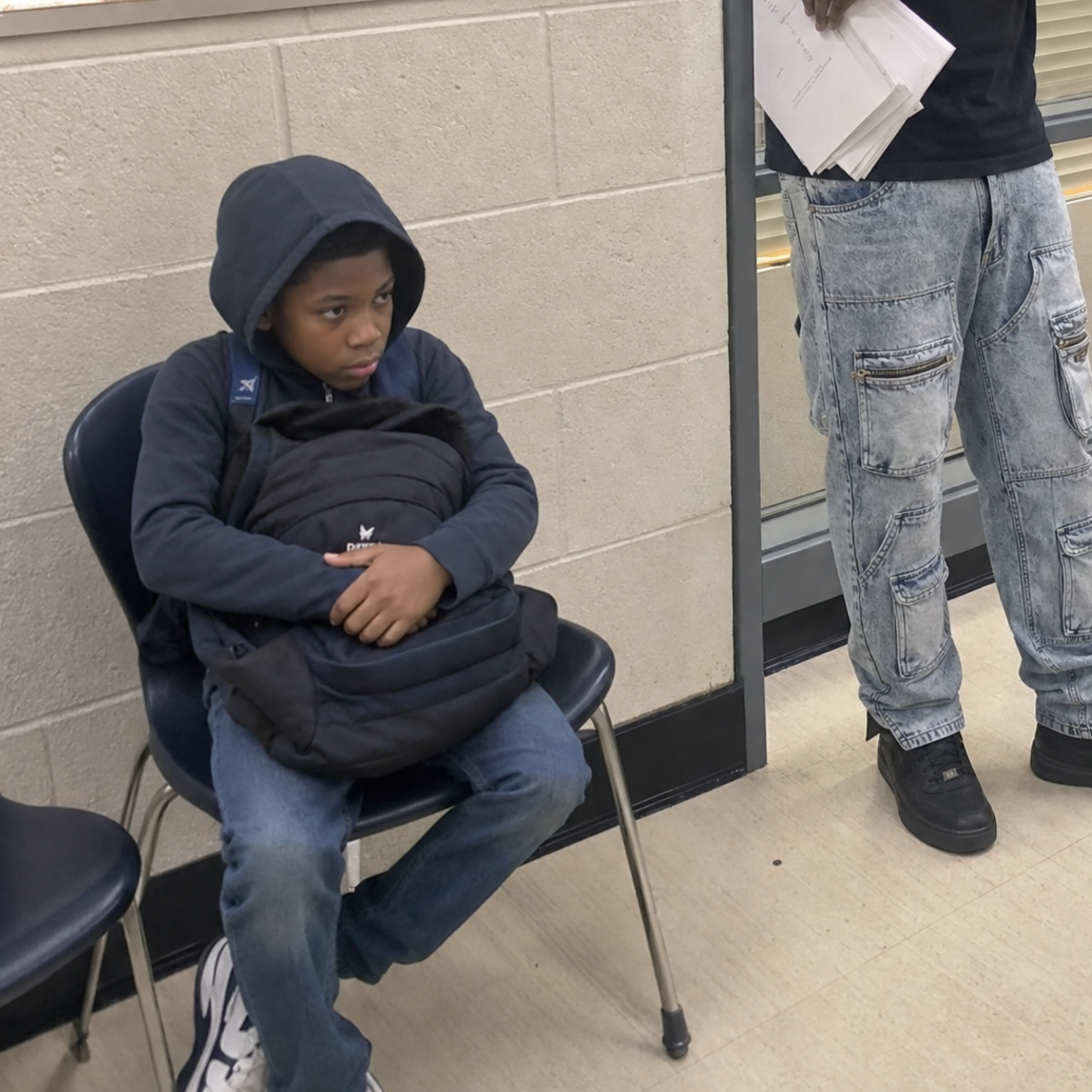
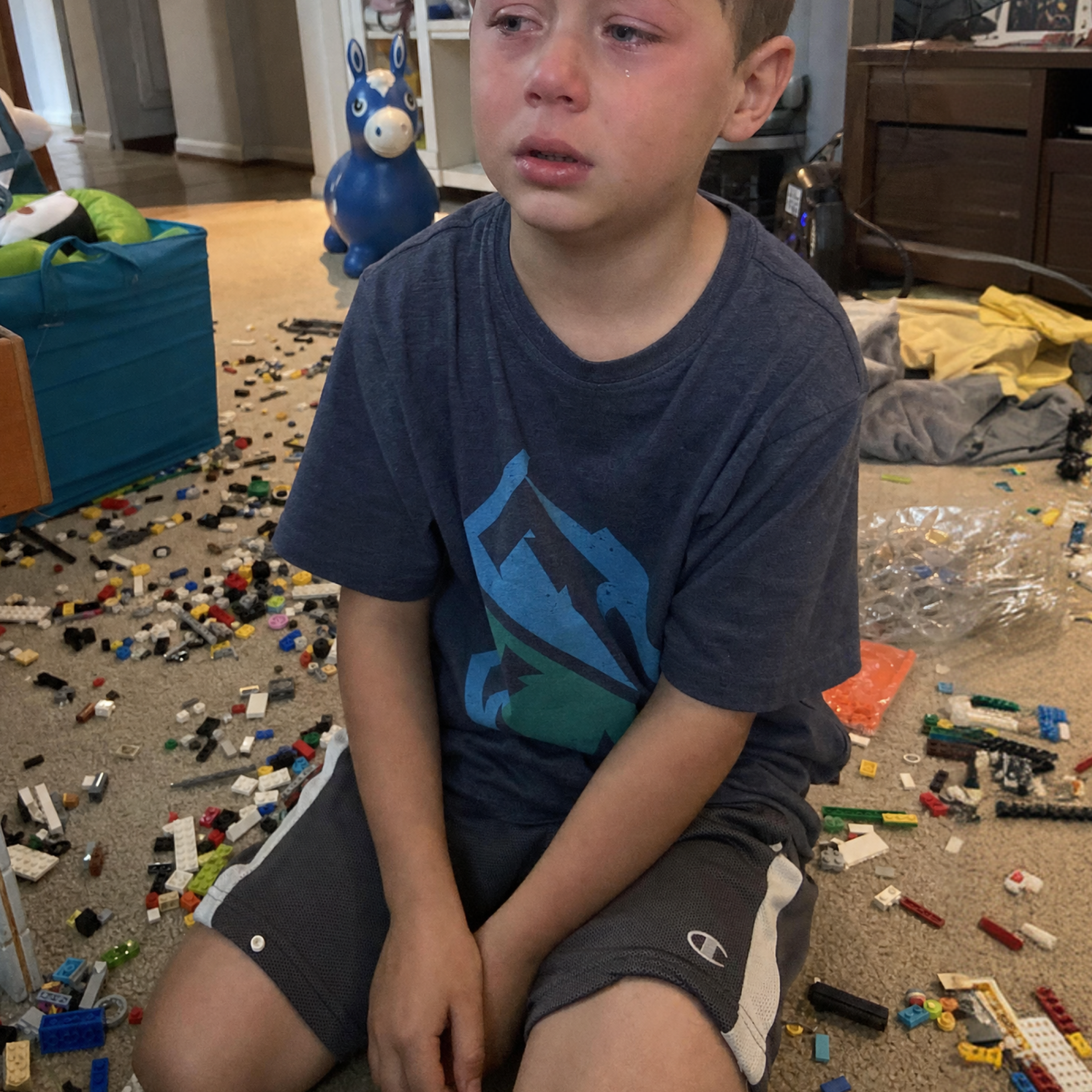
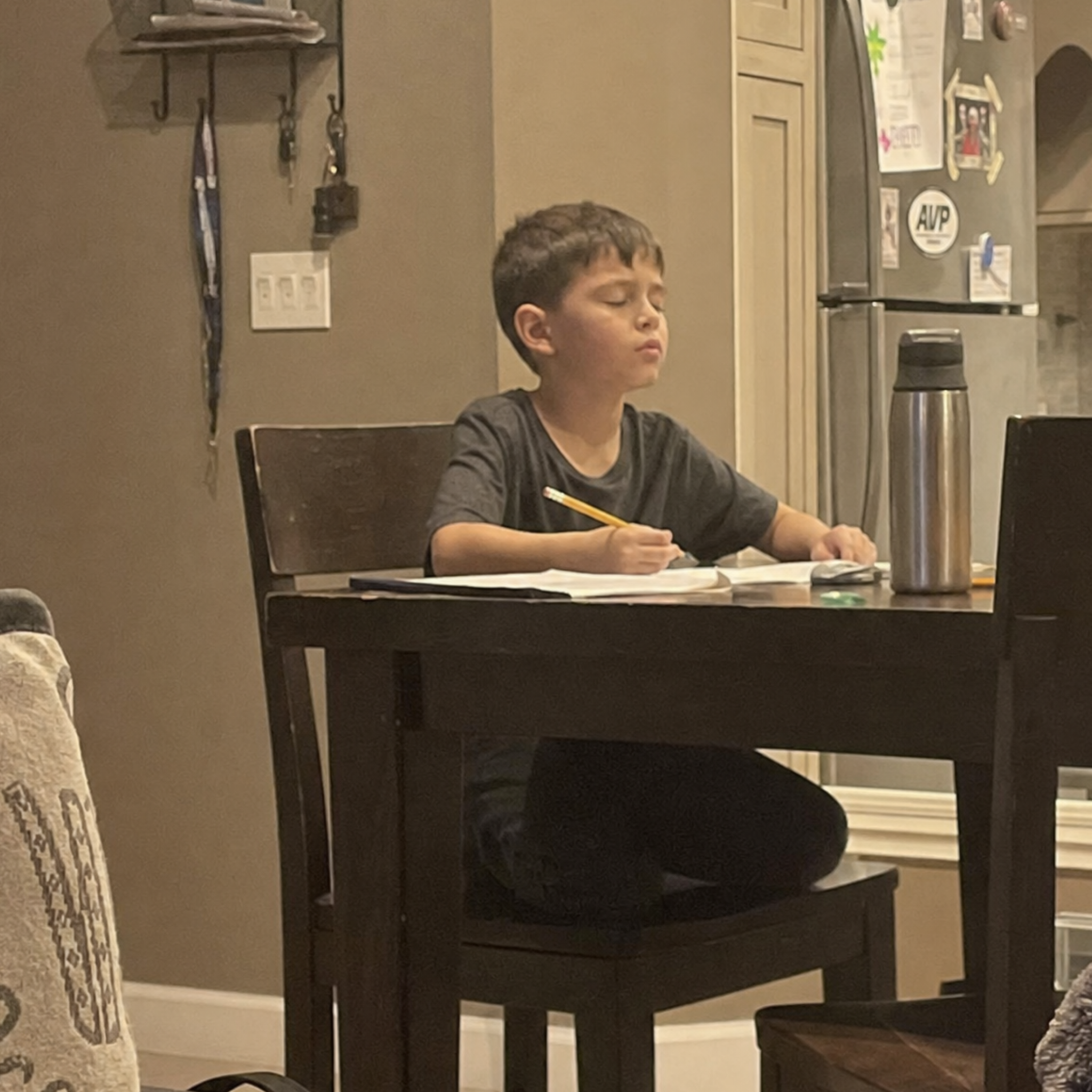
This made me stop pretending that everything was “ok” We sent out 25 invitations, and no one came. By 2pm, it was just me and my son eating birthday cake. Mid-bite, my son asked me: "why does no one like me?" And I had to hold my tongue even though I knew exactly why. My kid is extremely gifted. He's one of the smartest kids in his class. But being smart has never been his problem. His problem is that his emotions can't keep up with his brain, and this problem makes it really hard for him to make friends. He's the kid who corrects people mid-sentence. Who melts down when a game doesn't go his way. Who can get straight As, debate like a lawyer, and explain how black holes work — but cannot get through a single playdate without saying or doing something that makes the other kid never want to come back. His brain is years ahead of every kid in that room. But his emotional & social skills are way behind. Three weeks before the party, I watched a playdate fall apart in real time from the kitchen. They were fine for maybe twenty minutes. Building something out of Legos. Then the other kid put a piece in the wrong spot and my son couldn't let it go. He explained why it was wrong. Then explained again. The other kid went quiet. Then asked to go home. I drove that kid back to his house and neither of us said anything the whole ride. That was the third playdate this year that ended early. The invitations went out anyway. I hand-addressed every single envelope. I told myself maybe it would be different. Maybe the party setting would be easier — more structure, more to do, less room for things to go sideways. By 1:30pm I started checking my phone. By 2pm I stopped. We ate cake. He asked me his question. I told him everyone probably just had something going on. He nodded and asked if he could have another slice. He's eight years old and he's already learned how to accept it. That's the part I keep coming back to. So I did what any parent would do. I went looking for help. His pediatrician referred us to a social skills group. Eight weeks, forty dollars a session, run by a child psychologist out of a beige office near the highway. My son came home after week one and told me they'd practiced how to start a conversation. He demonstrated the script on me word for word. He was perfect at it. Week six, I got a call from another parent in the group. Apparently my son had spent the session explaining to the other kids why their conversation starters were statistically less effective than his. The psychologist pulled me aside after week eight and said he'd "graduated" the program. I asked if he thought my son was ready. He paused just long enough for me to have my answer. The scripts didn't work because no one wants to be talked to like a protocol. The other kids could feel it — that he was performing connection instead of having it. And underneath the performance, nothing had actually changed. He still couldn't handle being wrong. Still couldn't let something go. Still fell apart the second anything didn't go the way his brain had decided it should. I'd spent $320 teaching my son how to fake it. And he still had no friends. Here's what I couldn't stop thinking about. Right now, he's eight. Being the kid who doesn't get invited is painful, but it's not permanent. Kids are still figuring out who they are. There's still room. But middle school doesn't work like that. In middle school, the social order calcifies fast. The kids who can't read a room, who say the wrong thing at the wrong moment, who fall apart when they lose — they don't just get left out. They become a story the other kids tell. And once you're that story, it follows you. I've seen it. I remember it. By high school, he won't try out for things he actually wants. Won't raise his hand when he knows the answer. Won't ask anyone to do anything because he'll have already decided the answer is no. Not because he isn't brilliant — he is. But because somewhere between eight and fifteen, he'll have learned that putting himself out there just leads to the same place it always has. And I think about what that does to a person. Not just in school — over a lifetime. The job he doesn't apply for. The person he doesn't talk to. The version of himself he stops believing in because no one ever showed him how to get out of his own way. He's eight years old. The window isn't closed. But it doesn't stay open forever. Three weeks after the party, I was on a parenting forum at 11pm. I'd typed "gifted child no friends not my fault" into the search bar and just sat there reading. I found a thread about something called Asynchronous Development. The idea was simple but it stopped me cold. Gifted kids develop unevenly — their intellect races ahead, but their emotional development follows a completely normal, age-appropriate timeline. The gap between the two is what causes all of it. The meltdowns. The rigidity. The inability to let something go. His brain is running two different operating systems at the same time. One is years ahead. One is exactly eight years old. And every strategy we'd tried — the scripts, the social skills group, the gentle reminders to "use your words" — all of it was aimed at the wrong system. We kept talking to his intellect. His emotions were the part that needed the work. That was the first time I'd read something and felt relief instead of more guilt. It wasn't that I'd failed him. It wasn't that he was broken. His brain just needed his emotional development to catch up — and no one had ever told me that was actually something you could train. Emotional skills aren't fixed. They're built. Like a muscle. And if you work them consistently, every day, they grow. I didn't need a social skills class. I needed something that would build his emotional foundation from the inside out — so that the connection could be real instead of rehearsed. That same thread led me to Legends. Another parent had posted about it. Her son sounded exactly like mine — brilliant, intense, zero friends. She'd been using it for two months. I read her comment three times. I downloaded it that night. The concept is simple. Five minutes a day, and I do it together with my son — just the two of us on the couch before bed. Each session starts with a story about a real person — an athlete, a musician, someone kids actually look up to — who felt different, struggled socially, couldn't control their emotions, and found their way through. Then a short confidence exercise that builds one of three things: how my son sees himself, how he talks to himself when things go wrong, and whether he believes he can handle hard things. That's it. Five minutes, every night, the two of us. I'd spent months driving to a beige office, writing forty-dollar checks, sitting in plastic chairs while a stranger tried to teach my son how to be a person. This was something I could do myself, at home, without any of that. Five minutes before he falls asleep, working on the thing that actually needed working on. The research behind it comes from Harvard, Yale, and Duke. Not a parenting trend. Not an Instagram therapist with a course to sell. Actual neuroscience, translated into something an eight-year-old will sit still for and genuinely enjoy — because it doesn't feel like therapy or homework. It feels like watching a cool story about someone who went through something hard and came out the other side. The first night, my son asked who we were going to learn about tomorrow. I'm not outsourcing his emotional development to a stranger in an office anymore. I'm the one doing it, right next to him, every single night. And that shift — from helpless observer to the person actually in the driver's seat — is something I didn't know I needed as much as he did. I won't say I knew it was going to work. But for the first time in a long time, I felt like I was doing something that actually made sense. Here's what the next three months looked like. Week 2: He lost a board game against his little cousin and didn't spiral. He sat there for a second, jaw tight, and then said "good game" and asked if they could play again. His cousin looked at me. I looked at the ceiling. Week 5: His teacher emailed to say he'd let a wrong answer go in class without arguing. She said she "did a double take." I read that email four times. Week 10: A kid from his class named Theo asked if he wanted to hang out after school. My son came home and told me about it like it was just a normal thing that happened. Like kids ask him to hang out all the time. They played for two hours. Theo came back the next weekend. He's not a different kid. He still notices everything, still has opinions about everything, still gets frustrated when things don't go his way. But something shifted in how he handles it. The feelings come — and now he has somewhere to put them. I think about that birthday party sometimes. The empty chairs. The balloon arch. Him sitting there eating cake alone, telling me it was probably just a scheduling conflict. Last week he asked me if we could start planning his next one. I'll be honest — part of me wondered if we just got lucky. If this was a good phase and the old version of my son was going to come back. So I went looking. I found the Legends parent community and started reading. A dad named Brandon had posted about his son — a boy who told him he felt scared talking to other kids at school, that he didn't feel like he was fitting in the conversation. His dad said it hurt his heart just to hear it. He signed his son up that same week. "Now he's running around with his buddies giving fist bumps. There was a switch that flipped. He's learning that what he's thinking in his mind is just in his mind. 30 days, 40 days — he's changed significantly and for the better." A mom described watching her son use what he'd learned on a rough day at the playground — a situation that six months earlier would have blown up completely, ended in tears, maybe a call home. "He had an incident and he used the breathing techniques. He used the inner critic self-talk tools. They called us for the first time this year to say he had deescalated a situation. That was worth bazillions of dollars to me." Another parent wrote about something smaller, but in some ways just as meaningful. Her kids had started using the language from the app in their everyday life — bringing it into conversations on their own, without being asked or reminded. "Hey, let's do our box breathing. Let's talk about accept and reset. These things that we've learned in Legends, my kids will just bring up. It's the five minutes every day that's doing it. It's just really cool." And then there was the dad who said the thing I hadn't been able to put into words myself. "It's hard when you can't fix something for your kids. We've tried all different kinds of things. Legends just came at the right time. I know she's getting a positive framework to express her emotions. We finally have something tangible that she actually enjoys doing." Thousands of parents who'd tried everything and gotten nowhere — finally seeing real progress. Not because they found a better script. Because they found something that worked on the part that actually needed fixing. So here's where you are right now. You can keep doing what you're doing. More scripts. More sessions in more beige offices. More waiting for your son to grow out of it, hoping middle school doesn't cement what elementary school started. That's one road. Or you can try this. Five minutes a day, next to your kid on the couch, working on the thing that actually needs working on. Legends offers a free 5-day trial. No credit card required to start. You get full access to the program — the stories, the exercises, the tools — and you can see for yourself whether it moves the needle before you spend a dollar. If it doesn't work, you've lost nothing but five minutes a night. If it does work, you've changed the trajectory of your son's life. That's about as low-risk as it gets. Start the free trial here: https://try.buildlegends.com/listicle1/giftedKids Try it tonight. Do the first session together. Watch his face when the story starts. Ask him what he thinks afterward. Let him tell you who he wants to learn about tomorrow. That's where it begins. P.S. I know how easy it is to read something like this, feel it land, and then close the tab and go back to your day. I did that more times than I can count before I finally downloaded the app. But every week I waited was another week my son was practicing how to be okay with being alone. He'd gotten very good at it. I didn't want him to get any better. If any part of this story sounds like yours, don't wait. The window is still open. Start here: https://try.buildlegends.com/listicle1/giftedKids
Like this ad? Make it yours.
Crush rebuilds this exact creative around your product — your brand, your colors, your offer — in about a minute.