Olivia Hartwell
Olivia Hartwell Facebook ad: “Continue Reading”
Ran for 1 day, from March 12 to March 13, 2026, the last day Crush saw it.
Run by Olivia Hartwell on Facebook. Crush is not the advertiser and does not verify its claims. See this ad in Meta's Ad Library(opens in a new tab)
Want an ad like this for your product?
Crush makes new ad images for your product from this ad: your logo, your product photo, your offer.
Trials from $19.95 USD, then $79.95 USD a month. Cancel anytime.
About this ad
- Meta Ad Library ID
- 1252007560459054
- Platforms
- Facebook, Instagram, Audience Network, Messenger and Threads
- Relaunches
- 0
- Niche
- Pets
Ad text
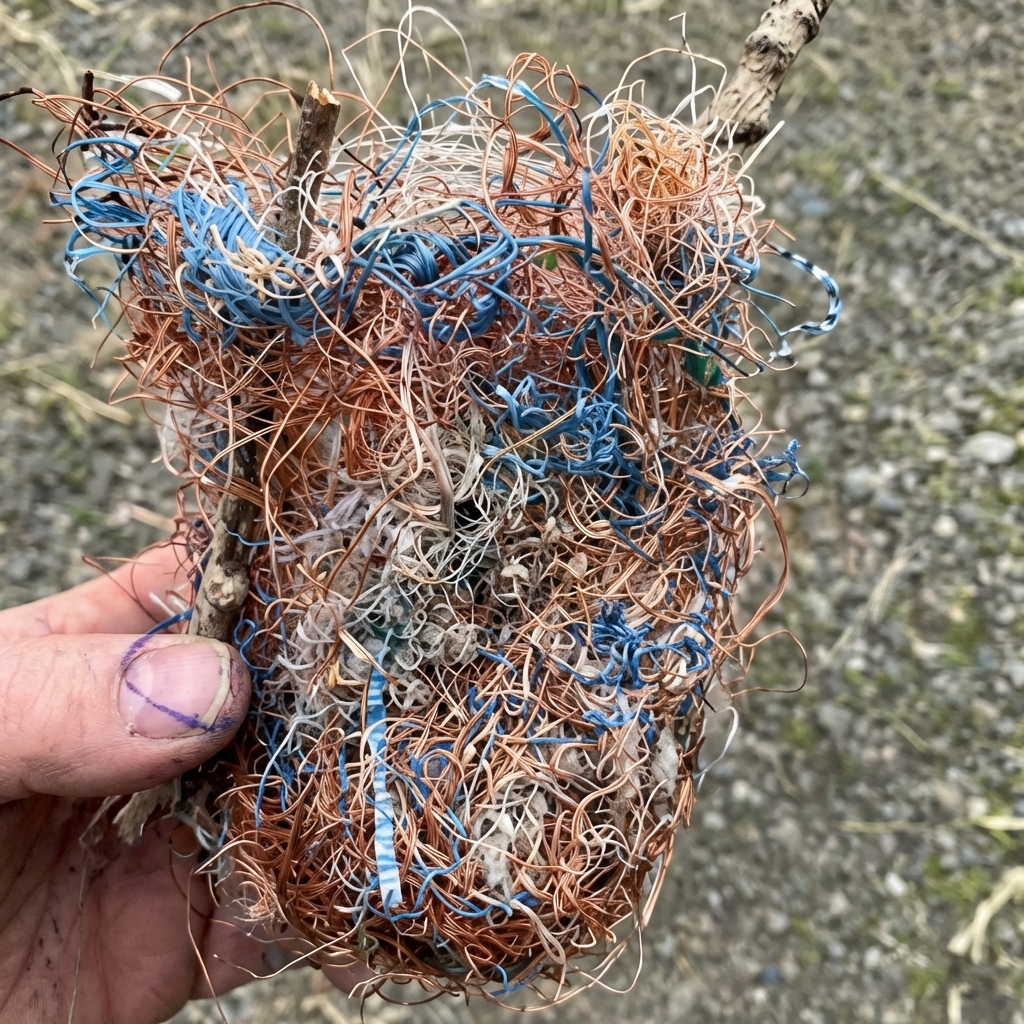
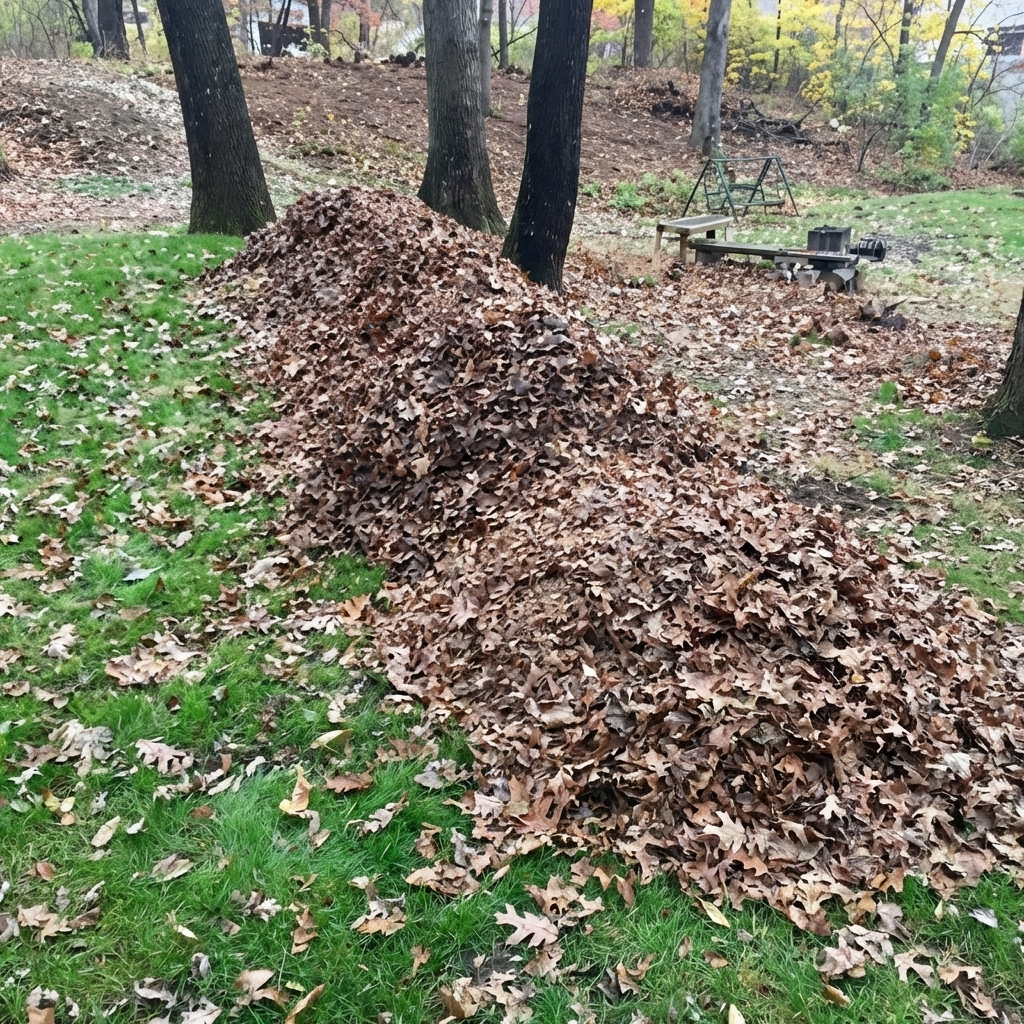
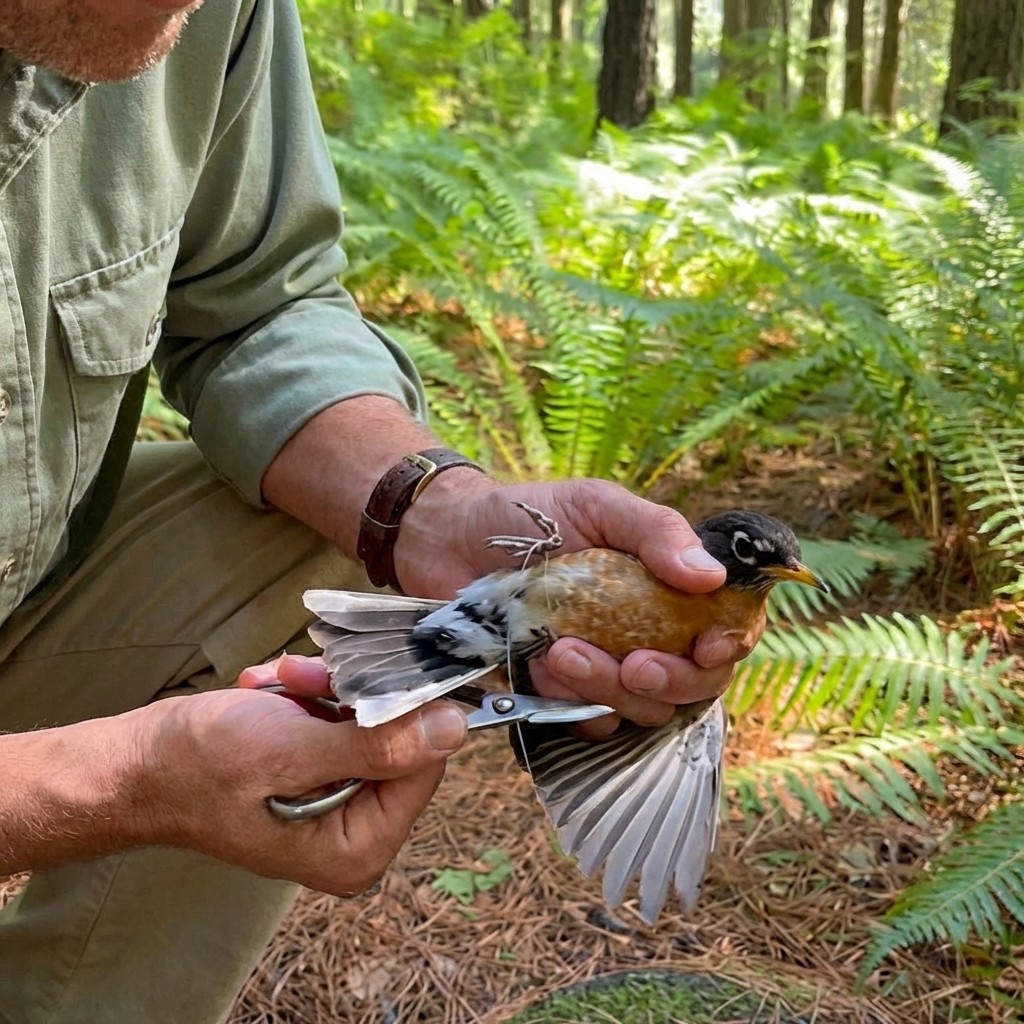
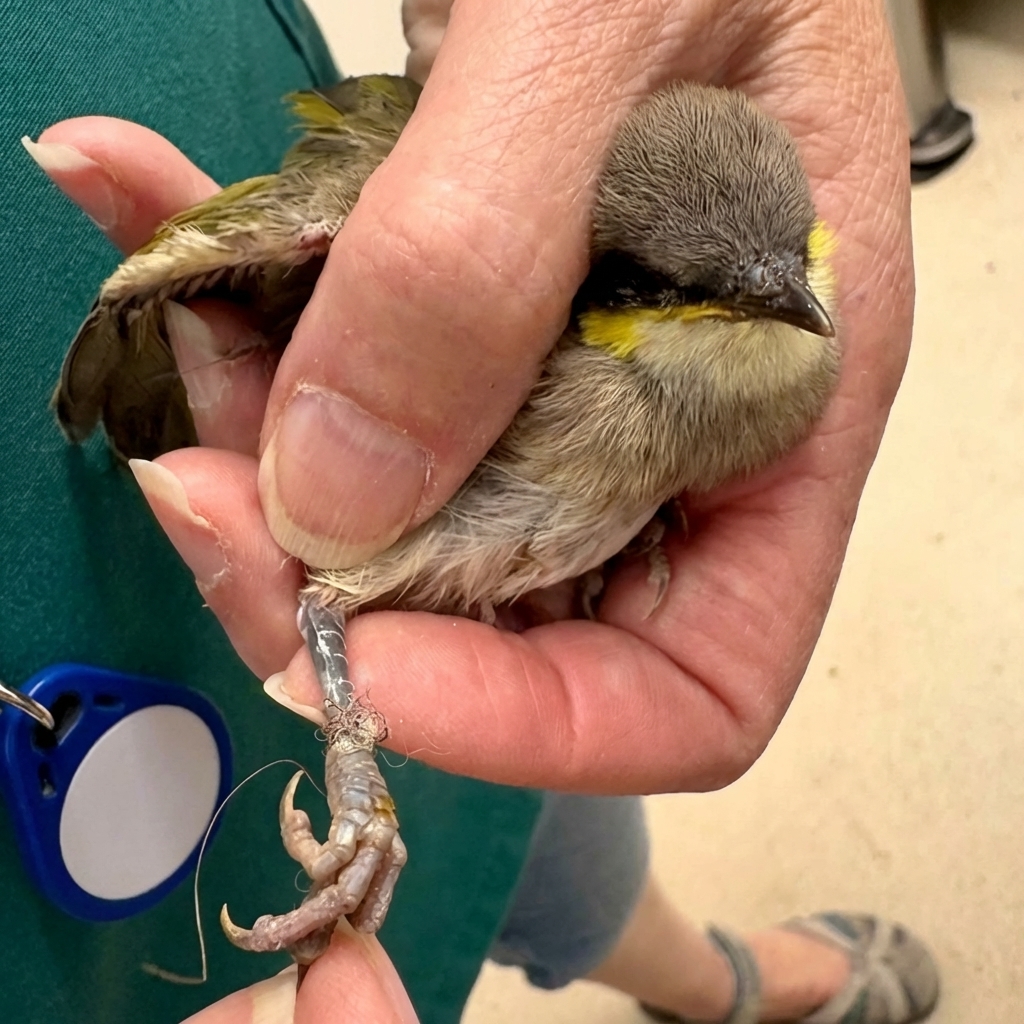
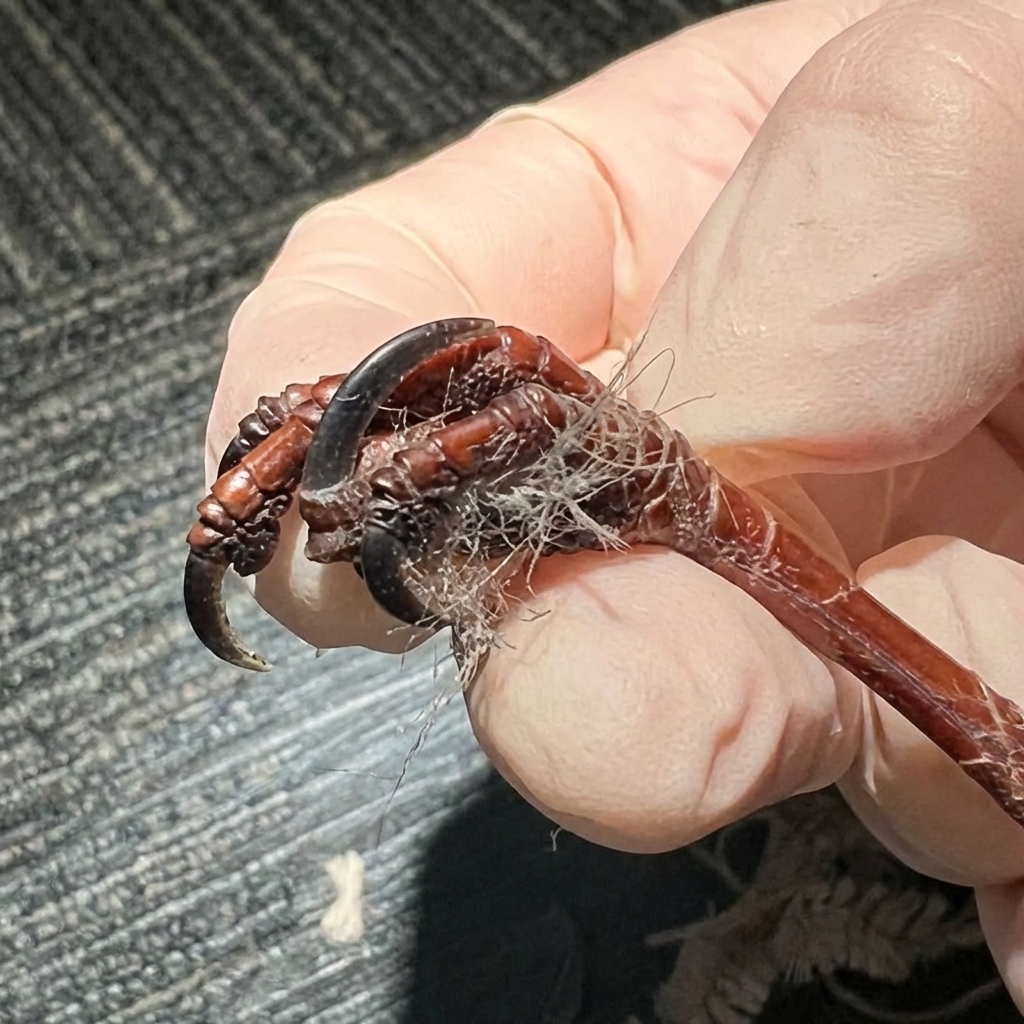
Even the smallest piece of rubbish can have fatal consequences for wildlife. That sentence stopped me cold when I read it on a wildlife rescue page last week. Because I knew exactly what kind of rubbish they were talking about. Not trash from a landfill. Not litter from a highway. The kind that comes from people like me. People who love birds. People who think they're helping. Two young Singing Honeyeaters were brought into a rehabilitation center on a Friday afternoon. Found struggling together on the ground, tangled in synthetic twine. The kind of twine that looks a lot like the yarn scraps I used to hang in my yard every spring. The rescue team cut them free. Gently. Carefully. But it was already too late. The tissue underneath the twine had gone dark. Necrotic. Their tiny feet were swollen and deformed from being constricted for so long. Both birds were in shock. One had to be euthanized that day. The injuries were too severe. The sibling died the next morning. I read that and my hands went numb. Because for three years, I had been putting out yarn scraps, cotton thread, and dryer lint in little mesh bags hanging from my serviceberry tree. I thought I was giving birds nesting material. I thought I was being resourceful. Eco-friendly. Kind. I had no idea I might have been handing them the same thing that killed those two honeyeaters. A wildlife biologist told me the truth after I'd been doing it for three full nesting seasons. Synthetic fibers and long strands — yarn, twine, thread, anything over half an inch — wrap around nestlings' legs as they grow inside the nest. The babies can't remove them. As the birds get bigger, the fibers get tighter. They cut into skin. They cut off circulation. The tissue dies. The bones deform. She'd seen fledglings found dead in nests, strangled by the same material their mother had carefully woven in to keep them warm. She told me yarn isn't nesting material. It's a trap that looks like a gift. Then she told me about the dryer lint. It's mostly synthetic microfiber saturated with residue from detergent, fabric softener, and dryer sheets. It feels soft in your hand. But when spring rain hits it, it absorbs water and collapses into a cold, dense compress. A nest lined with dryer lint turns into a hypothermia chamber. The parents keep incubating. The nest looks fine from the outside. But the lining has failed and the babies are already dying. Then she asked about my dog. I'd been saving Bowie's fur. Golden retriever. Gorgeous coat. I brush him every Sunday. I thought putting his fur out for the birds was the most beautiful thing — my two loves feeding into each other. She asked if he was on flea or tick medication. Frontline. Since he was a puppy. She explained that flea prevention saturates the fur with a chemical designed to kill insects on contact. It doesn't wash out. When a bird weaves that fur into a nest, every surface becomes coated in insecticide. Nestlings weigh less than a nickel. Their skin is nearly translucent. What's a trace amount to a sixty-pound dog is a catastrophic dose to a bird that weighs four grams. I had essentially lined their nursery with poison. I went home and pulled everything down. The lint. The yarn. The bags of Bowie's fur. All of it. Then I had nothing to give them. And nesting season was already starting. The answer turned out to be so simple it made me angry that nobody had told me sooner. Short-strand natural fiber. Unbleached. Undyed. Untreated. Cut under half an inch so it can never tangle around a leg. Structured enough to hold its shape when wet so it never collapses. A wildlife rehabber told me about alpaca fiber. The strands are hollow inside, like tiny insulating tubes. They trap warm air without absorbing moisture. After a downpour, the fiber stays fluffy. Dry. Intact. No chemicals. No synthetics. Nothing that can wrap or tighten or cut. She uses it in every rehabilitation nest she builds. The same kind of nest they would have built for those two honeyeaters if they'd arrived in time. I found a company called Warmed Homes that makes nesting hearts filled with alpaca and natural wool fiber. Tested for safety. Designed for nesting birds. Not repurposed from your laundry room. Not recommended by a Pinterest board. Made for this. It cost less than the deshedding tool I use on Bowie. I hung one outside my kitchen window. Within a week, a titmouse landed on it. Tilted its head. Pulled a single strand and disappeared into the hedge. That summer I confirmed three nests in my yard for the first time. Chickadees. Titmice. A hummingbird whose nest was the size of a walnut, held together with spider silk and white fiber I recognized. She raised two broods. I watched both sets of babies fledge. Two babies that lived. Because what was inside their nest was made for them. I keep thinking about those two honeyeaters. Found on the ground. Tangled together. Too damaged to save. They didn't get tangled in trash from a stranger. They got tangled in something that was put out with love. By someone who thought they were helping. Someone exactly like me. Nesting season opens in weeks. The mothers are already scouting your yard. Whatever they find is what their babies will be wrapped in for the most vulnerable weeks of their lives. Your feeders are good. Your birdbath matters. But the nest is where it either works or it doesn't. And this year, you get to decide what's inside it.
Where the ad sends people
homehavin.store
Continue Reading
WarmedHomes
Shop now: homehavin.store(opens in a new tab)