Olivia Hartwell
Olivia Hartwell Facebook ad: “READ IF YOU PUT OUT NESTING MATERIALS IN SPRING.”
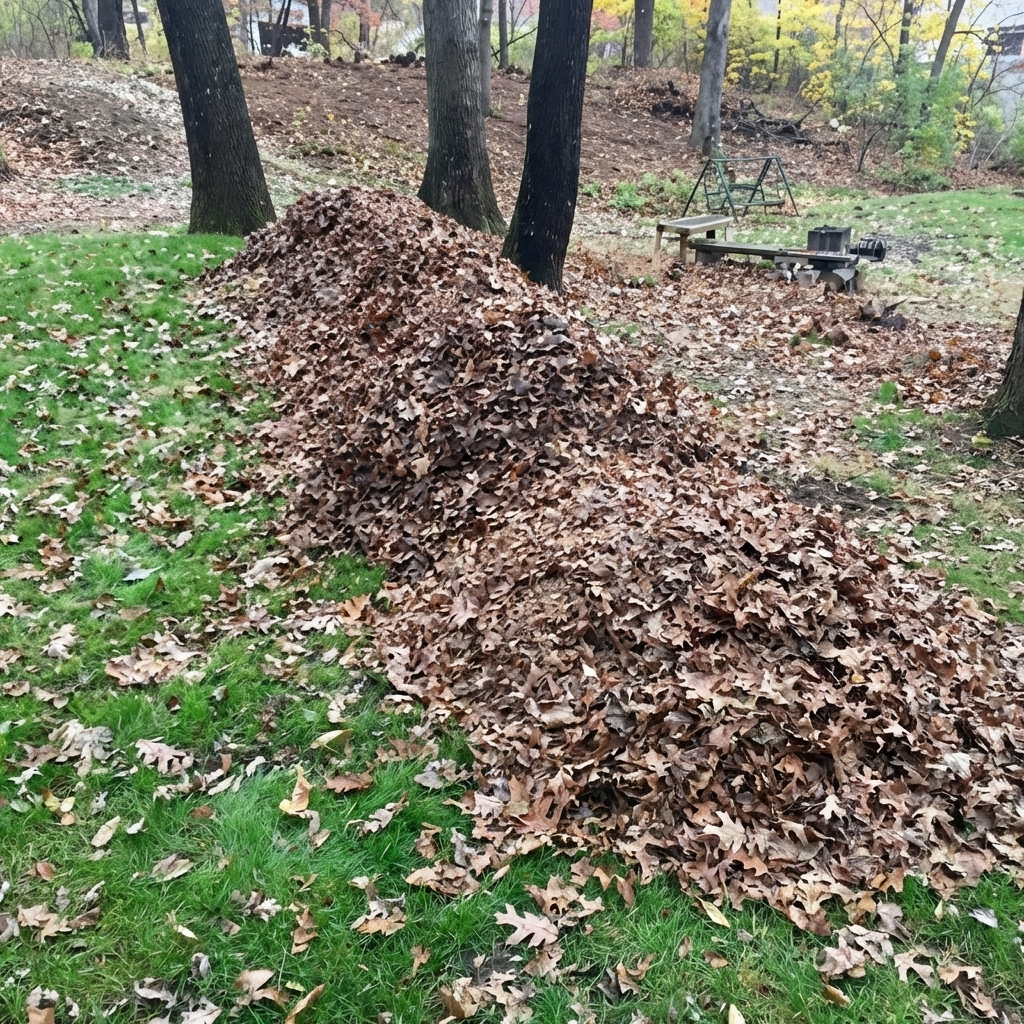
Ran for 5 days, from March 14 to March 19, 2026, the last day Crush saw it.
Run by Olivia Hartwell on Facebook. Crush is not the advertiser and does not verify its claims. See this ad in Meta's Ad Library(opens in a new tab)
Want an ad like this for your product?
Crush makes new ad images for your product from this ad: your logo, your product photo, your offer.
Trials from $19.95 USD, then $79.95 USD a month. Cancel anytime.
About this ad
- Meta Ad Library ID
- 1276690837734943
- Platforms
- Facebook, Instagram, Audience Network, Messenger and Threads
- Relaunches
- 0
- Niche
- Pets
Ad text
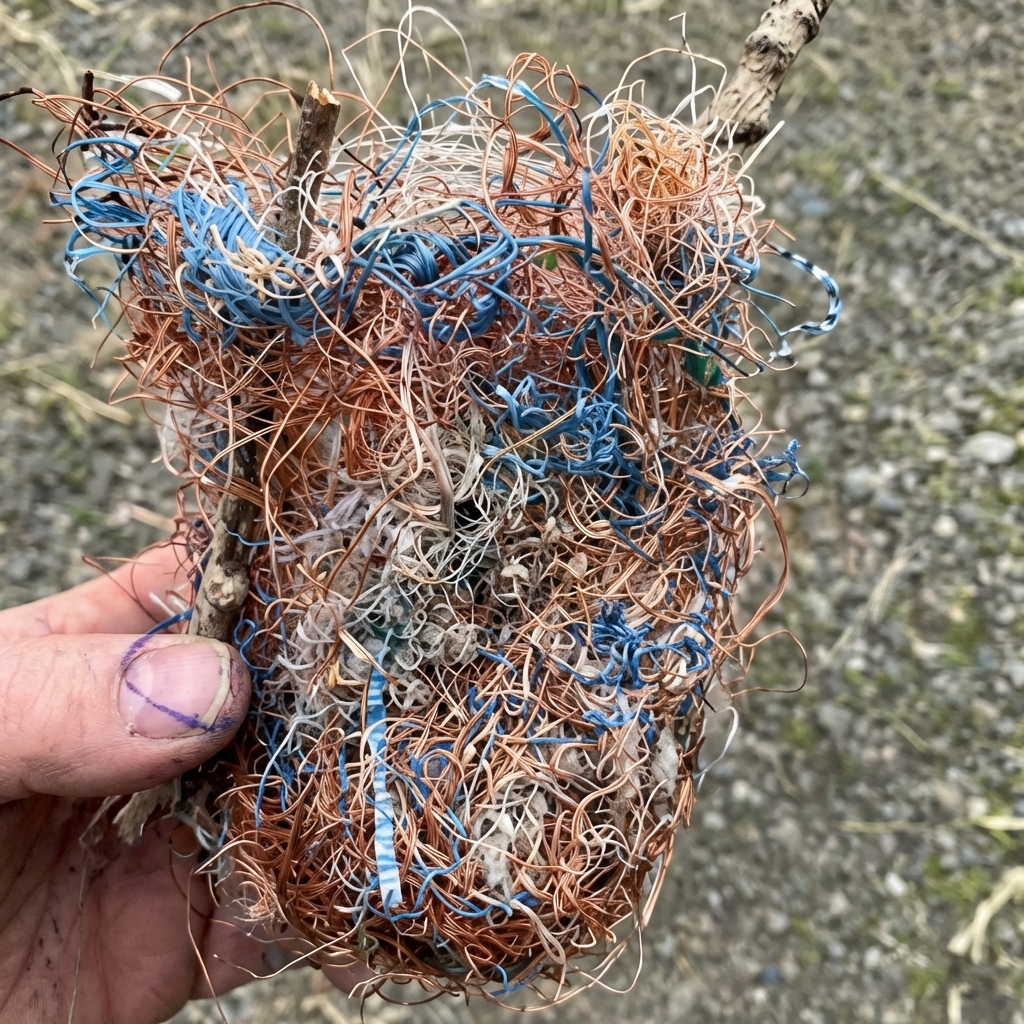
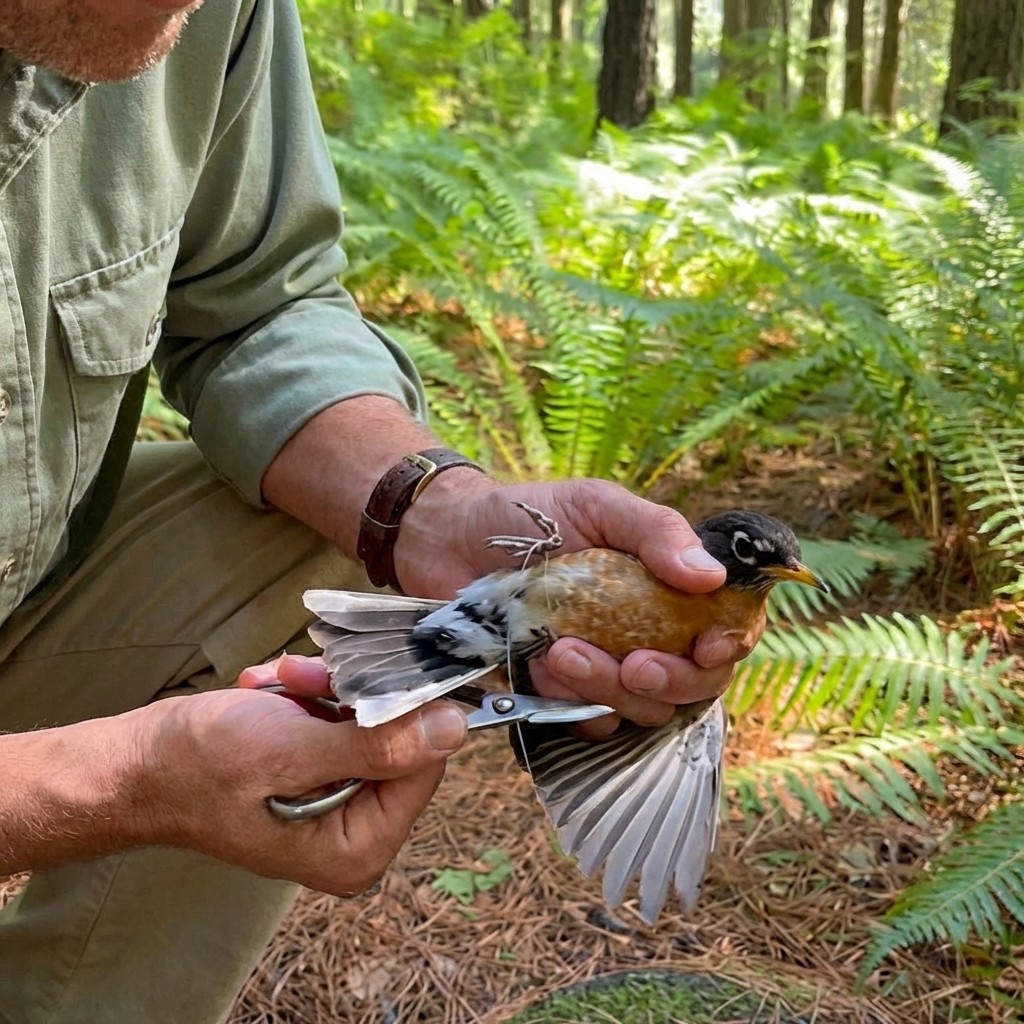
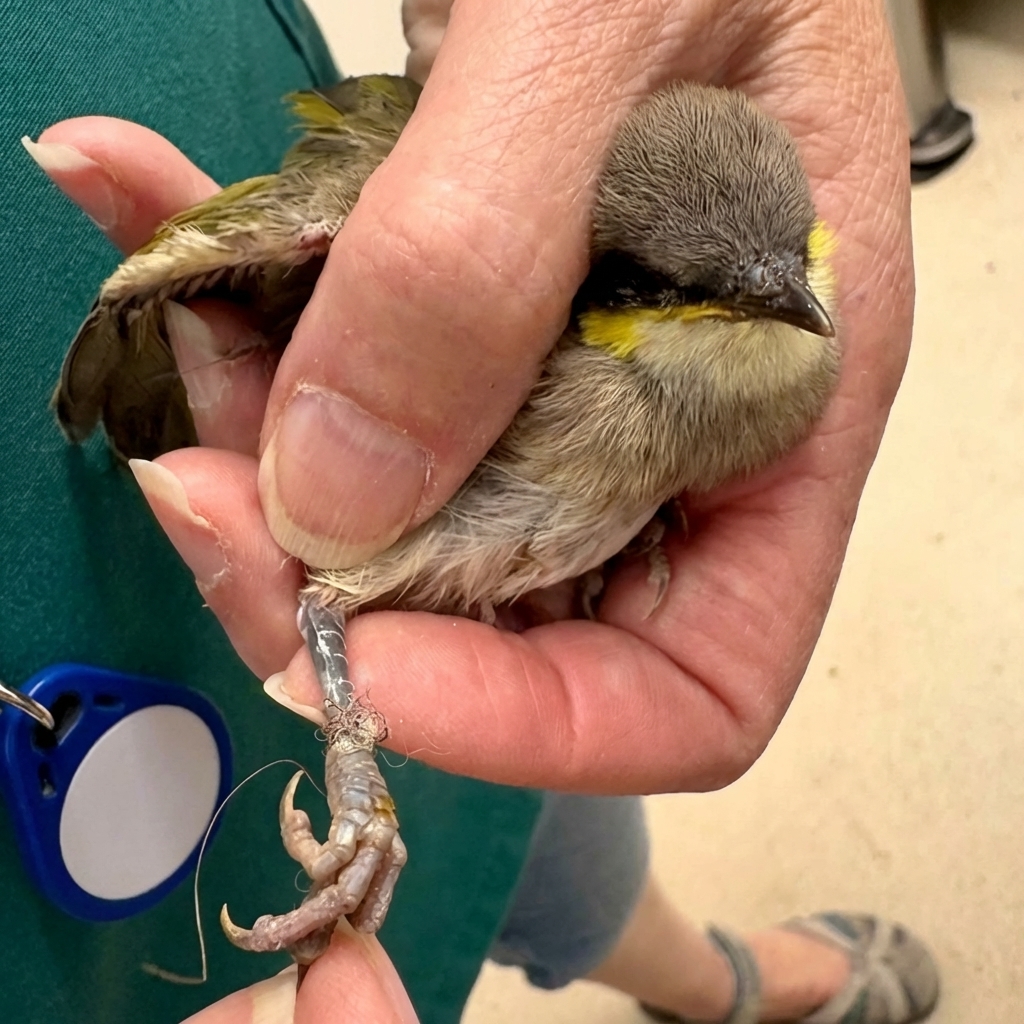
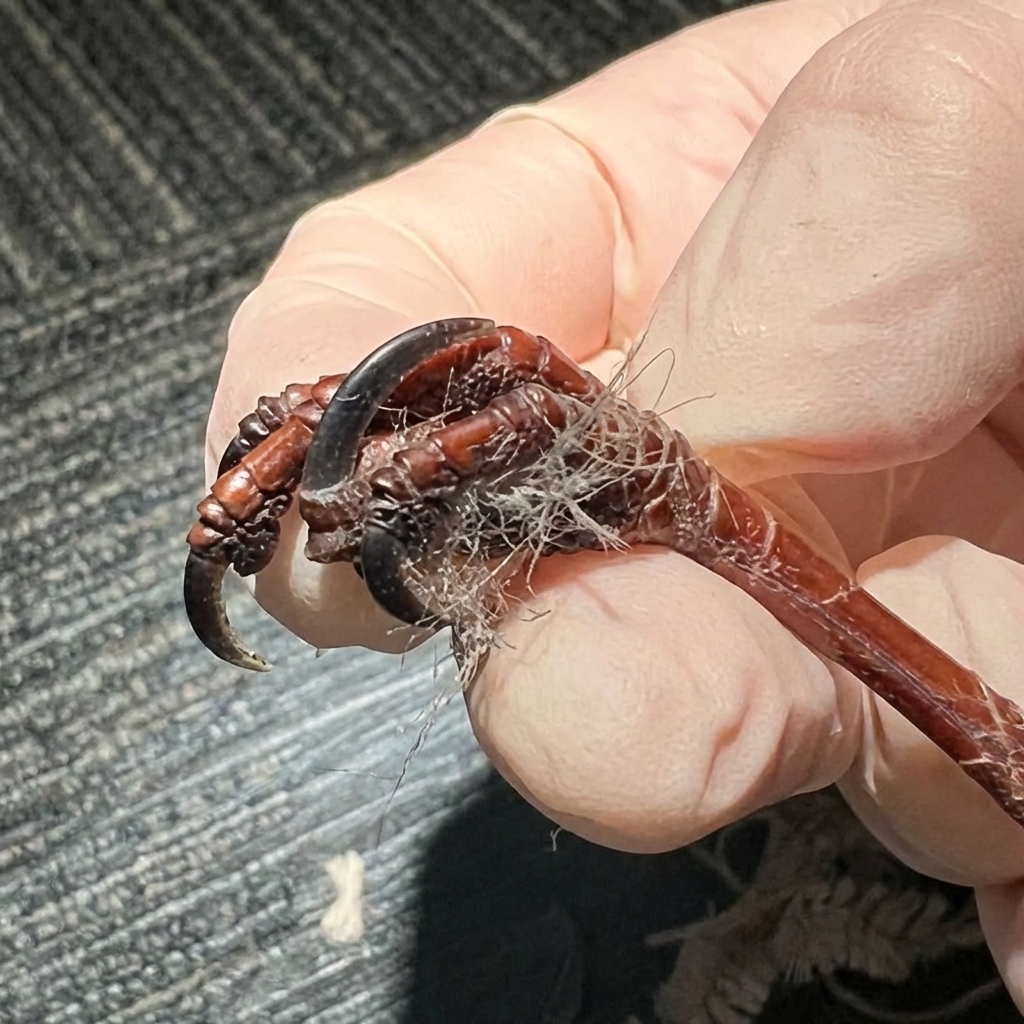
I walked the yard the morning after that first big April storm and found a nest on the ground beneath the eave, soaked through and falling apart, lined with what looked like the dryer lint I had put out two weeks before. I just stood there in the wet grass holding it in my hand. It was so light. Almost nothing to it. The whole thing was basically disintegrating between my fingers. Whatever structure it had was gone. The lint had turned into this damp, grayish paste that smelled faintly like laundry detergent, and the twigs and bits of leaf the bird had woven around it were the only things still holding any shape at all. There was nothing inside. No eggs. No babies. I do not know if there ever were any or if the nest blew down before it got that far. But I stood there looking at it and the only thought in my head was, I did this. I need to explain how I got here. I have been feeding birds in my yard for about five years now. It started small. A tube feeder on the deck railing. Then a platform feeder near the garden. Then a suet cage for the woodpeckers. It grew into the kind of quiet hobby that fills the margins of your day without demanding anything from you. Mornings were the best. Coffee on the back step, watching the finches argue over the sunflower seeds, listening to the cardinals. It became the part of my day that felt the most still. When I learned that birds need more than just food during nesting season, that they actually struggle to find safe, soft material to line their nests with, I wanted to help with that too. It felt like the natural next step. Not just feeding them but giving them something for their homes. So I did what a lot of people do. I went online and looked up what to leave out. Pinterest had dozens of ideas. Dryer lint was everywhere. People said it was soft and free and the birds loved it. Some posts suggested yarn scraps cut into short pieces. Others said dog hair or cotton balls. I had a dryer full of lint, so that seemed like the obvious choice. I started saving it in a paper bag on top of the washing machine. When I had enough I would stuff it into the suet cage and hang it from the shepherd's hook near the back fence. I felt genuinely proud of that little system. Zero waste. Recycling something from the laundry into something that helped wildlife. I watched the birds take it too. A Carolina wren would come and pull out a big tuft and fly off with it trailing from her beak like a little flag. Chickadees would pick at the edges. I would stand at the kitchen window with my coffee and just watch them work and feel like I was contributing to something good. That went on for two springs. Then there was that storm in April. The one that knocked a branch off the maple and left puddles in the yard for two days. And I found that nest on the ground and held it in my hand and something just cracked open inside me. Because I had started reading things. Not on Pinterest. In actual birding groups where people who rehabilitate wild birds were talking about nesting materials. And what they were saying made my stomach drop. Dryer lint falls apart when it gets wet. It has no structural integrity once water hits it. In a spring rainstorm, a nest lined with dryer lint basically collapses from the inside. It turns into a cold, soggy layer that holds moisture against the babies instead of insulating them. And on top of that, lint is full of residue from detergent and fabric softener and synthetic fibers from our clothes. All of those chemicals end up pressed against skin on birds that are only days old and have no feathers yet. I read that and then I looked at the nest in my hand and the timeline matched perfectly. The guilt was physical. It sat right in my chest like a weight. I had been so careful about the food I put out. I researched which seeds were best. I cleaned the feeders every two weeks. I did everything I could think of to take care of them. And the whole time I was stuffing the suet cage with something that might have been putting their babies at risk every time it rained. That is the part that stays with you. Not the mistake itself but the fact that you thought you were helping. You really, deeply believed you were doing something kind. And then you find out the opposite might be true and there is nowhere to put that feeling. I stopped putting anything out for nesting after that. I threw out the bag of lint. I took down the suet cage. I still fed the birds but when nesting season came I stayed out of it completely because I did not trust my own judgment anymore. That lasted about a year. Then late one night, the way these things always happen at midnight, I was reading through a birding forum and someone was asking the same question I had asked. What is actually safe to put out for nesting birds. Most of the answers said the same thing I already knew. Not lint. Not yarn. Not cotton. Not human hair because it wraps around tiny legs and cuts off circulation. But one person mentioned alpaca fiber. They said it was different because the fibers are naturally short, so there is no risk of them tangling around feet or legs the way long threads do. And then they said the thing that made me stop scrolling. They said alpaca fiber is naturally hydrophobic. It repels water instead of absorbing it. I read that sentence three times. That was the entire problem with the dryer lint. It soaked up water like a sponge and fell apart. If there was a fiber that actually shed moisture and stayed dry even in a rainstorm, that changed everything. That was the piece I had been missing. I kept reading. Alpaca fiber has no lanolin, which is the oily substance in sheep wool. And because it is naturally clean, it does not need to be chemically washed or treated. So there is nothing on it. No detergent. No dye. No fragrance. Just the raw fiber the way it comes off the animal. That is how I found the Warmed Homes Bird Nesting Heart. It is a small wire frame shaped like a heart, filled with raw alpaca fiber. You hang it from a branch or a hook and the birds pull out the fiber themselves to line their nests. I ordered one and hung it from the same shepherd's hook where the suet cage used to be. The one I could see from the kitchen window. It took about three days. Then a chickadee landed on it and started tugging at the fiber. It pulled a little tuft loose and flew off toward the hedge. Came back a minute later for more. I watched from the window with my coffee getting cold in my hand. Over the next couple of weeks the wrens found it, then the titmice. I would see them flying back and forth all morning, beaks full of this soft cream colored fiber. Building nests somewhere in my yard that I would probably never see. Then the storms came. Mid April, just like the year before. Heavy rain, wind, the whole thing. And I will be honest, I stood at the window that night watching the rain and my chest was tight. Old fear. The same feeling from the year I found the nest on the ground. The next morning I walked the yard the way I always do after a storm. Checking the feeders. Looking at the garden. And then I looked up at the spots where I knew the birds had been building. Everything was still there. The nests I could see were intact. Nothing on the ground. Nothing falling apart. I cannot see the lining inside those nests. But I know what went into them, and I know it was not going to dissolve the first time it got wet. That knowledge alone changed the way I felt standing in my yard that morning. The tight feeling in my chest was not there. I still check the yard after every storm. That is just who I am now. But the dread is mostly gone. I do not stand at the window during a downpour wondering if I made things worse. That particular kind of guilt has loosened its grip and I did not realize how much space it was taking up until it started to let go. I am not a wildlife expert. I am just someone who drinks coffee by the window and watches the birds and wanted to do right by them. The Warmed Homes Bird Nesting Heart was the thing that let me try again after I thought I had lost the right to. If the storms this spring have been sitting heavy with you the way they used to sit with me, it might be worth looking into. The wrens seem to think it was a good call, and honestly that is the only review I needed.
Where the ad sends people
homehavin.store
READ IF YOU PUT OUT NESTING MATERIALS IN SPRING.👆
WarmedHomes
Shop now: homehavin.store(opens in a new tab)