
Active· since May 1, 2026
- 140
- days running
- 0
- relaunches
Ad copy
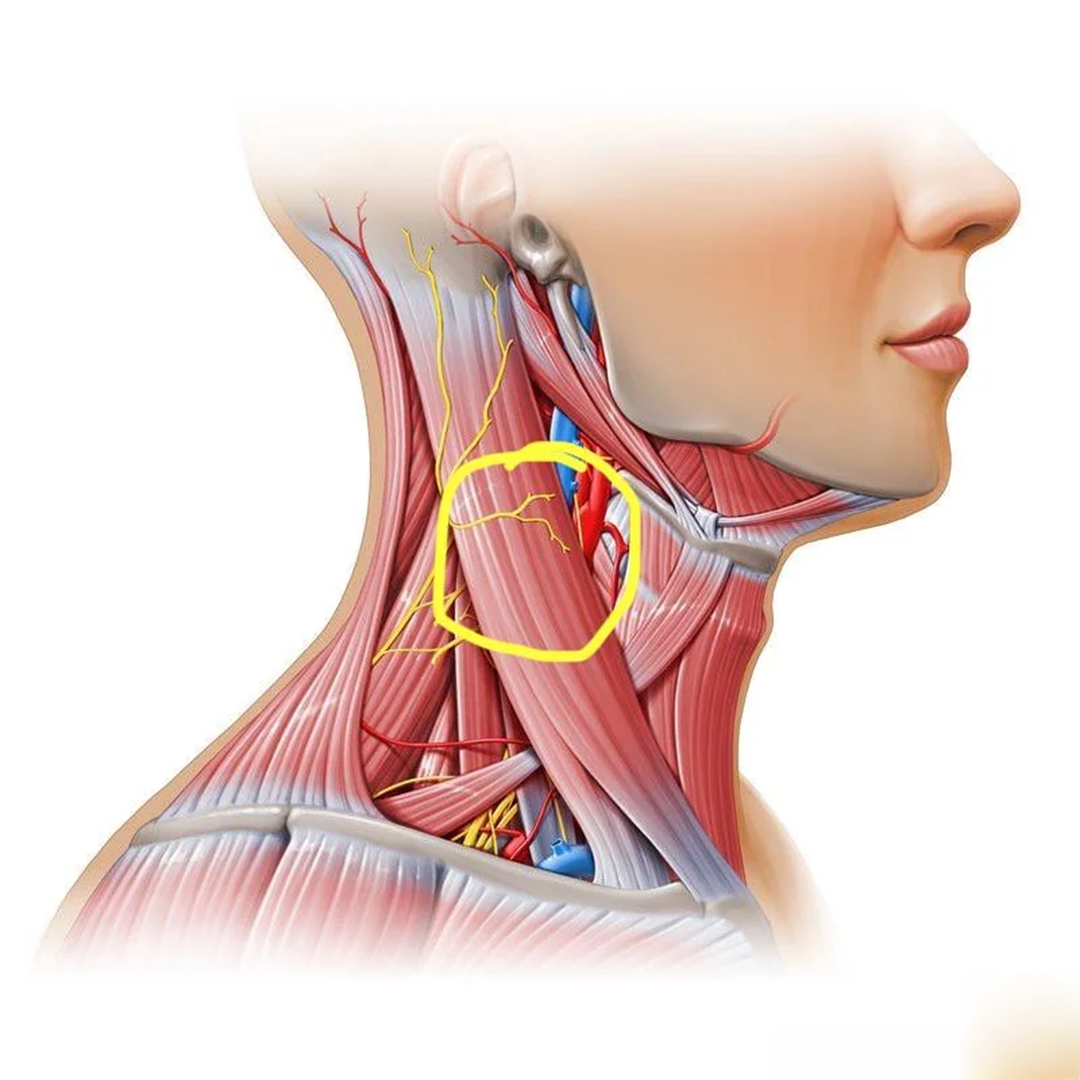
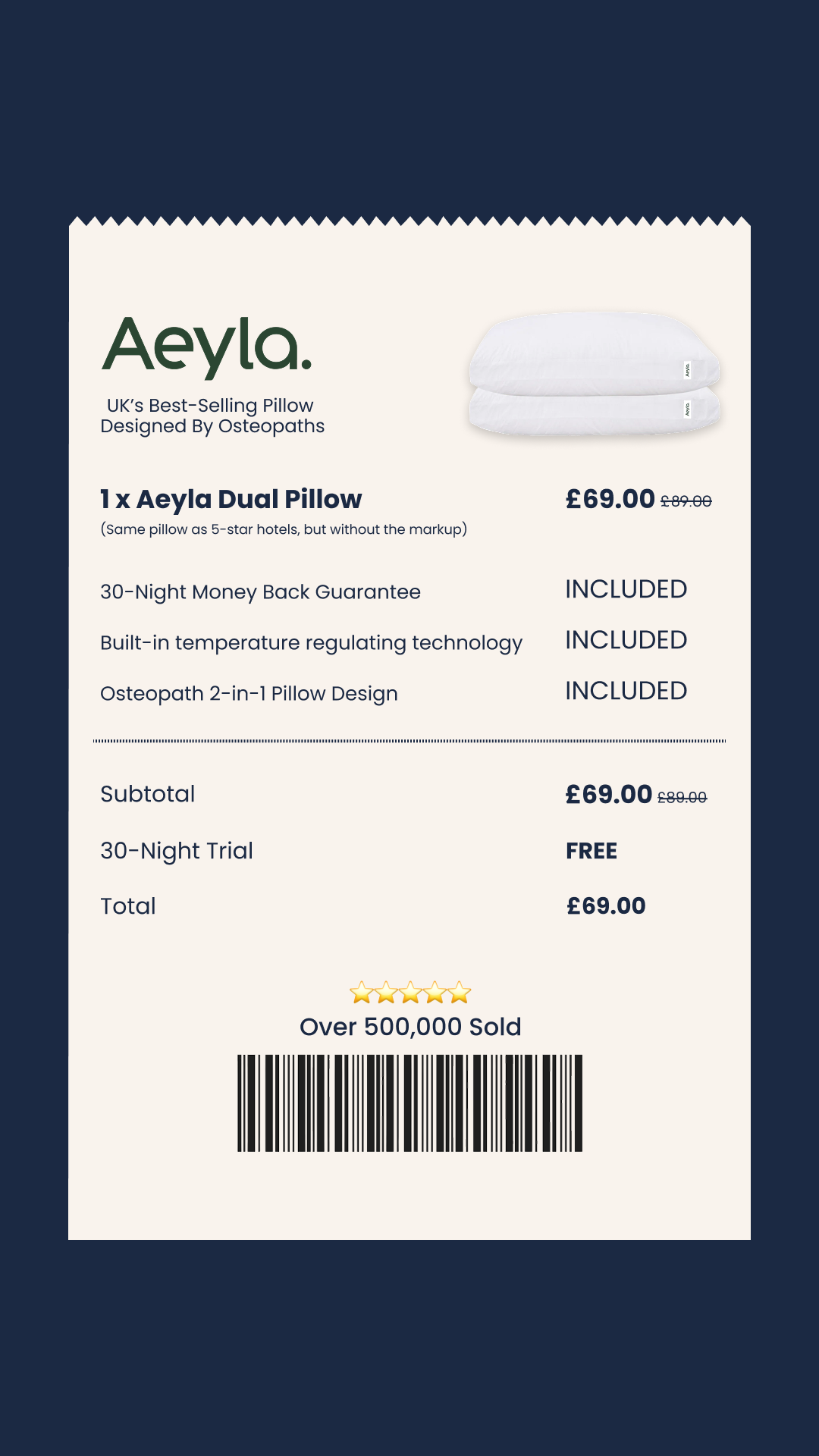
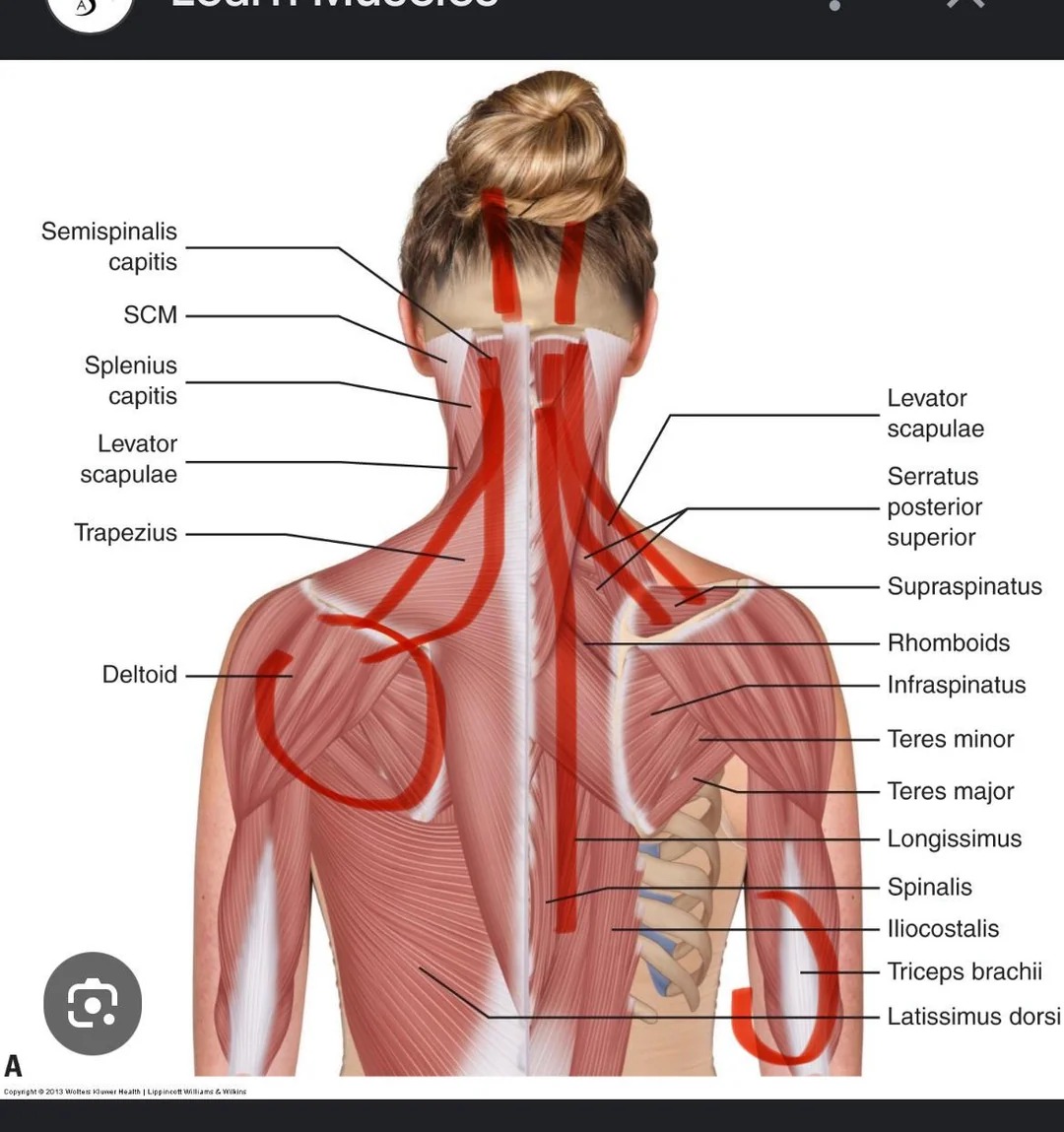
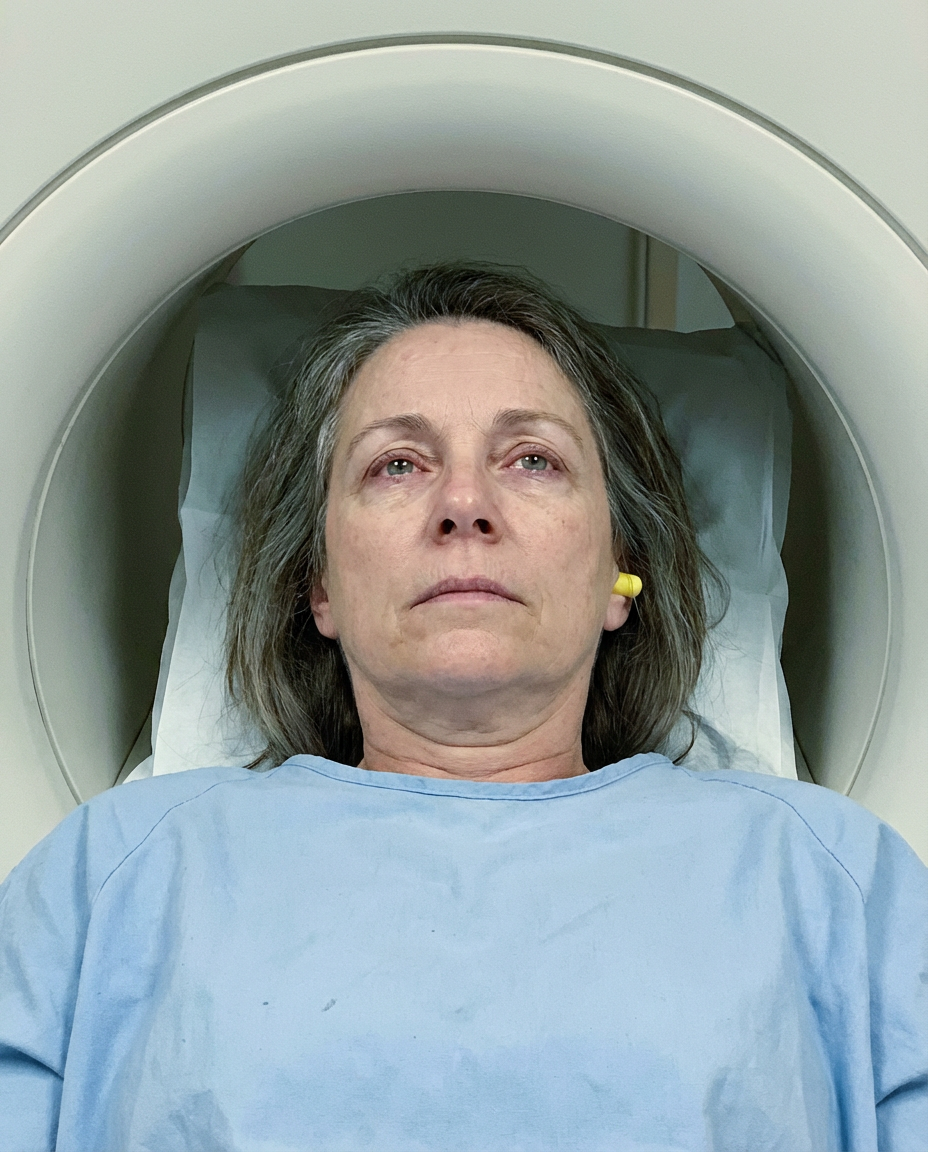
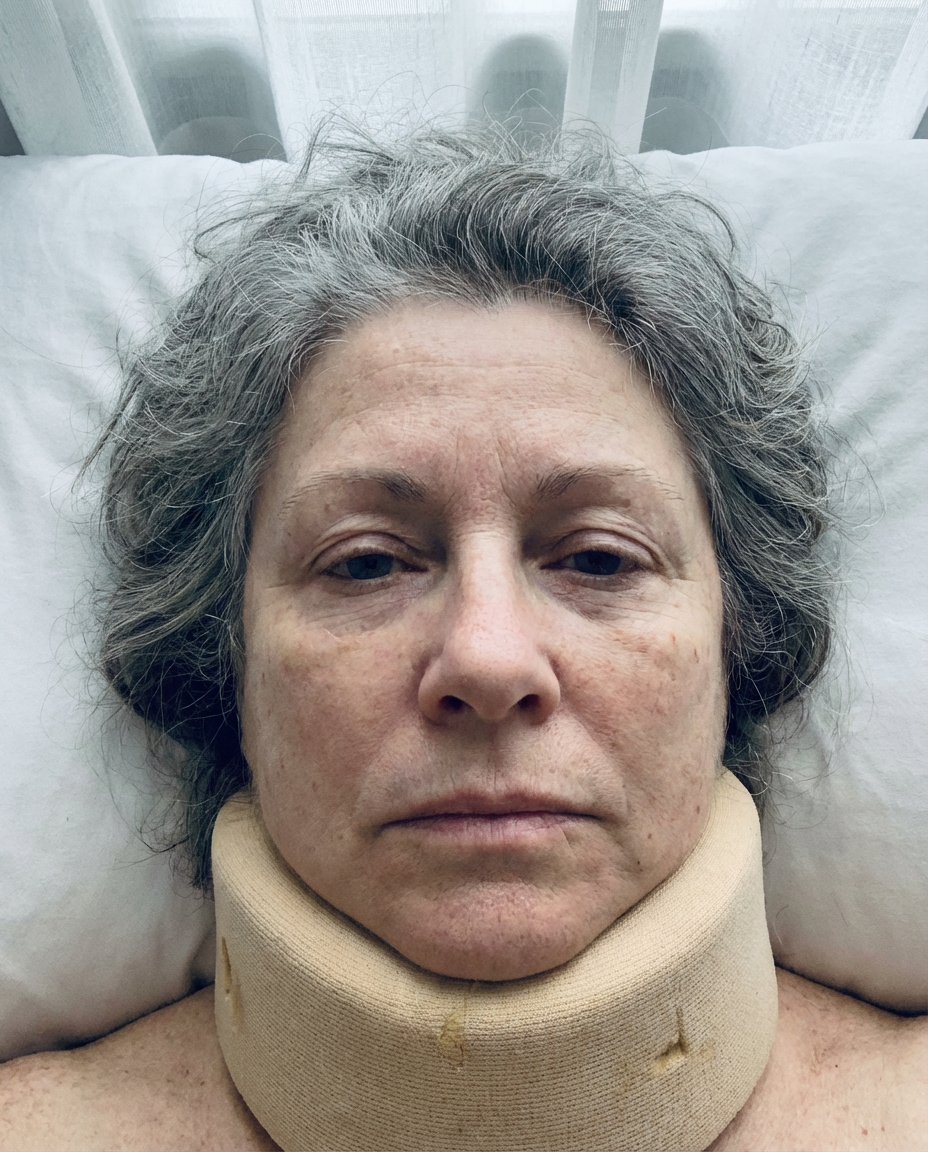
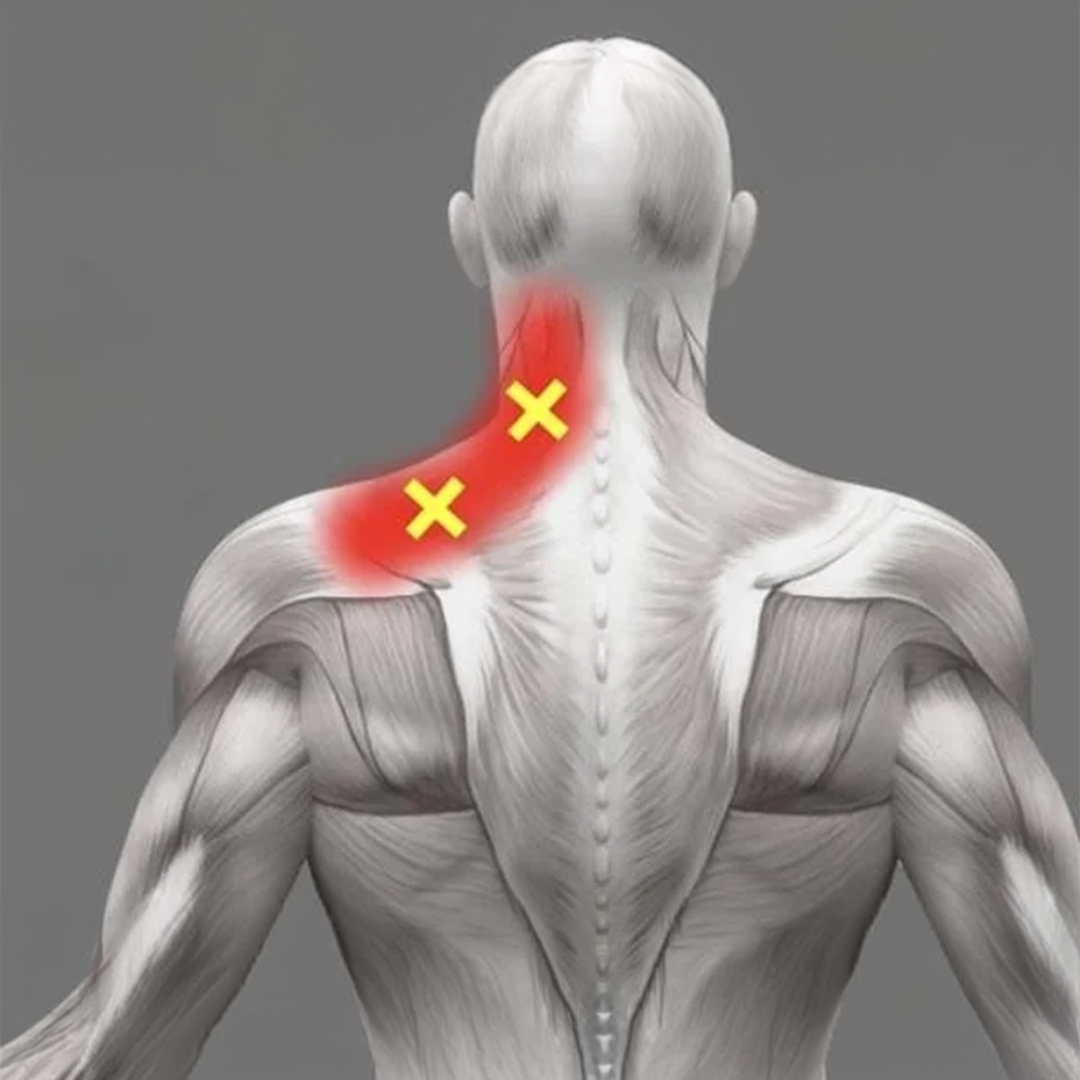
I spent three weeks reading about neck and back muscles before I understood why mine hurt every morning. Then I spoke to my doctor. What she confirmed changed everything. My doctor looked at my notes last October and said something that stopped me completely. She said: "You have addressed your desk setup. You have done the physiotherapy. You have worked on your posture during the day. Has anyone asked you about what happens at night?" Nobody had asked me about what happens at night. My name is Caroline Webb. I am 52, I live in Bristol, and I have had neck and shoulder pain every morning for fifteen years. Not severe. Not the kind that sends you to A&E. The persistent, grinding kind that is simply there before you have opened your eyes — a tightness at the base of the skull, a deep ache across the right trapezius, a shoulder that takes twenty minutes to feel like it belongs to you again. Fifteen years. I had attributed it to everything except the actual cause. In my thirties I assumed it was the stress of a demanding job. I changed jobs. The pain continued. In my early forties I invested in an ergonomic chair, a monitor arm, a standing desk. I saw a physiotherapist for eight months. I tried massage regularly for a year. I saw an osteopath twice. I bought three different pillows across that period, each of which felt adequate for a fortnight and then seemed to make no difference. By the time I reached fifty I had accepted the morning pain as a permanent feature of my life. Not because I had stopped caring. Because I had tried everything I knew to try and nothing had produced a lasting result. The research began last September, not as a clinical investigation but out of frustration. I had woken up on a Tuesday morning with my right shoulder aching badly enough that I could not lift my arm above my head comfortably, and something about that specific morning — the particular quality of it, fifteen years in — made me want to understand the mechanism rather than simply manage the outcome. I started with the anatomy. I found diagrams of the cervical and upper back musculature — the trapezius, the sternocleidomastoid, the splenius capitis, the levator scapulae, the rhomboids — and began reading about how these structures interact during sustained postural loading. What I found was more specific than I expected. The muscles of the neck and upper back are not designed for sustained static contraction. They are designed for dynamic use — movement, adjustment, response. When they are required to hold a fixed position under load for an extended period, they accumulate what the literature describes as ischaemic tension — a reduction in blood flow to the muscle tissue caused by sustained contraction that prevents adequate oxygen delivery and waste product removal. The result is the deep, persistent aching that does not respond to stretching in the short term because the tissue itself is oxygen-depleted rather than simply tight. I had been reading about this in the context of desk posture. Then I found an article that shifted the frame entirely. It was a piece about hotel pillows — specifically why people consistently sleep better in hotels than at home, and what hotel-grade pillows are actually engineered to do differently. The article is here if you want to read it first: aeyla.co.uk/pages/best-hotel-pillows-uk-2026 What it explained stopped me mid-scroll. Hotels, the article noted, do not use standard single-material pillows. The pillows that produce consistently better sleep across millions of different sleepers are built on a dual-layer architecture — a firm supportive core to maintain head and neck alignment, wrapped in a softer outer layer for comfort. The reason this matters is biomechanical. Your skull weighs between 5 and 6 kilograms. During sleep that weight needs to be held at a precise height relative to the spine. A pillow that is too soft allows the head to drop. A pillow that is too firm pushes the head too high. Either way, the neck muscles compensate. They do this for eight continuous hours while you are unconscious and unable to adjust. You feel the result before you have opened your eyes. The article also noted that adults shift sleeping position between 20 and 40 times per night. A single-material pillow is, at best, optimised for one position. At every other transition it is failing — too much give or not enough — and the cervical musculature is compensating accordingly. I had spent fifteen years addressing the eight hours I was awake and completely ignoring the eight hours I was not. I had an ergonomic chair. I had a standing desk. And I had been sleeping on a standard polyester pillow I could not clearly remember purchasing. I booked a GP appointment the same week. My doctor was thorough. She asked me to describe the pain in detail — not just where it was but when it was worst, what made it better, what made it worse. I told her. Worst before movement. Eases with activity. Present every morning without exception for fifteen years. She listened without interrupting. Then she said the thing about the night. She explained what she called the nocturnal loading problem in terms that mapped precisely onto what I had been reading. During sleep, she said, the cervical spine requires external support to maintain its natural curve. If the pillow is not providing that support consistently — holding the head at the correct height across every position change, across every hour — the muscles of the neck and upper back engage to compensate. The trapezius. The levator scapulae. The splenius capitis. The structures I had been reading about in the context of desk posture, working throughout the night for reasons that had nothing to do with sitting at a screen. She said: "The pattern you are describing — pain worst before movement that eases as the day progresses — is the pattern of nocturnal muscular loading. Not disc pathology. Not structural arthritis. Muscular fatigue accumulated during sleep." She asked what pillow I was using. I described it. She asked how old it was. I could not say with confidence. She confirmed what the hotel pillows article had described. The only architecture that resolves both requirements — structural support and pressure point comfort — uses two genuinely distinct layers. A firm inner core to maintain head height and spinal alignment regardless of position changes. A softer outer layer to cushion the contact surfaces without the structural support beneath it giving way. One material cannot do both. Every standard pillow is a single density making a single compromise, and failing both requirements partially across every night. She mentioned the Aeyla Dual Pillow specifically. UK brand, osteopath-endorsed, Oeko-Tex certified. Built on exactly the dual-layer architecture the hotel article had described. Thirty-night trial, full refund. I ordered it that evening. When it arrived I unzipped the outer layer and held the two components separately. The inner core was genuinely firm — structural and load-bearing in a way that was immediately apparent. The outer layer was genuinely soft without any sense that the support beneath it would compress under body weight. No chemical smell. They were physically different in a way that no pillow I had previously owned had been. The first two nights were adjustment. Night four the morning assessment returned something noticeably quieter. The ache was present but receded. Background rather than foreground. Week two I got out of bed on a Wednesday and was making tea before I noticed I had not stood at the bedroom door doing the shoulder rotations I had apparently been performing every morning for so long they had become invisible to me. Week three I turned my head to look out of the kitchen window and the movement was unremarkable and complete. The trapezius that had been the first thing I felt every morning for fifteen years was simply quiet. Week four I went back to the diagrams I had been reading in September. The trapezius. The levator scapulae. The splenius capitis. The muscles I had spent three weeks reading about in the context of postural loading, not knowing that the loading event I needed to address was not the desk. It was the pillow. Fifteen years. Eight hours a night. The most consistent postural load in my life and the last one I thought to examine. You do not need three weeks of anatomy research to act on this. The article that started it all is here: aeyla.co.uk/pages/best-hotel-pillows-uk-2026 And the pillow is here: aeyla.co.uk/products/the-dual-pillow £69. 30-night trial. Free returns. Caroline Webb, Bristol. Fifteen years of morning pain. Three weeks of research. One GP appointment. Four weeks on the Aeyla Dual Pillow. The trapezius that woke me up every morning for fifteen years is quiet. P.S. The nocturnal muscular loading that produces morning-dominant neck and shoulder pain does not resolve between nights. Each morning you wake up stiff is evidence that the previous eight hours compounded the problem rather than repaired it. I spent fifteen years addressing the waking hours and none addressing the sleeping ones. The research took three weeks. The resolution took four. If your pain is worst before you have moved, the cause is nocturnal and it is addressable tonight. P.P.S. Aeyla do not pay me to write this. I have no commercial relationship with any sleep or wellness brand. I am a 52-year-old woman from Bristol who spent three weeks reading about cervical and upper back musculature, spoke to her GP, and spent four weeks on the Aeyla Dual Pillow confirming what both the research and the clinician had indicated. After fifteen years, the morning pain is gone. Your neck deserves that.
Pain relief, finally.
We tested 8 hotel-quality pillows. The winner replicates the hotel pillow menu in a single product. From 19p a night.
LEARN MORELike this ad? Make it yours.
Crush rebuilds this exact creative around your product — your brand, your colors, your offer — in about a minute.