
Active· since May 1, 2026
- 140
- days running
- 1
- relaunches
Ad copy
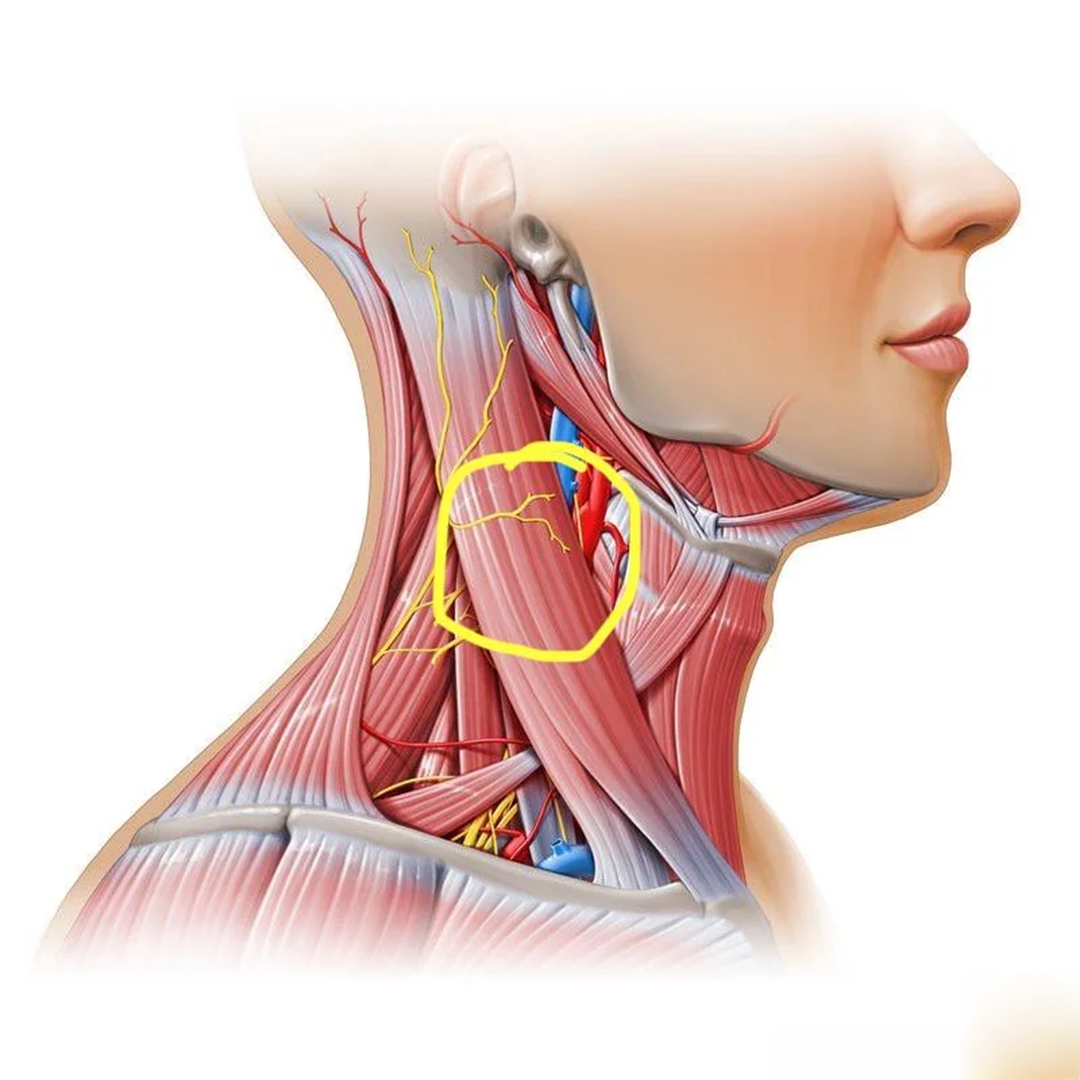
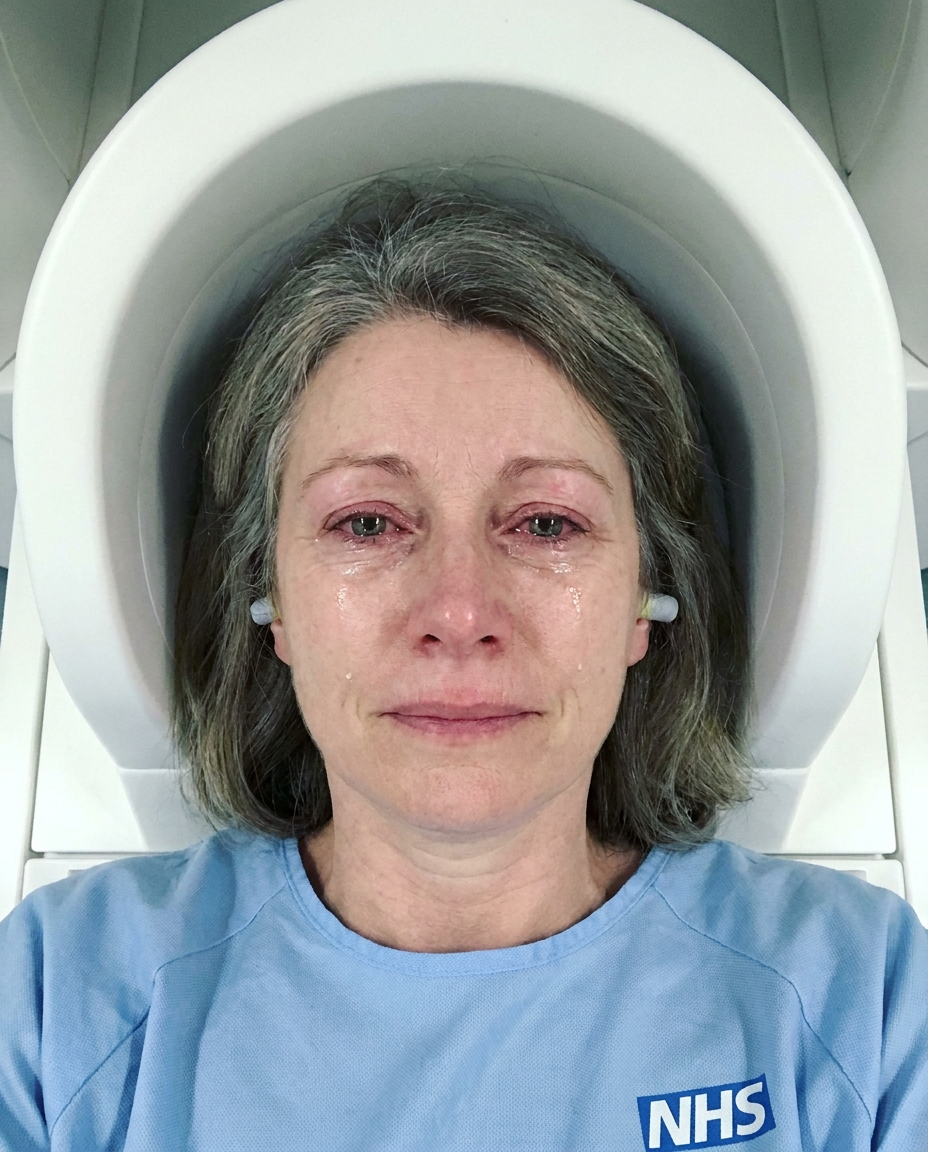
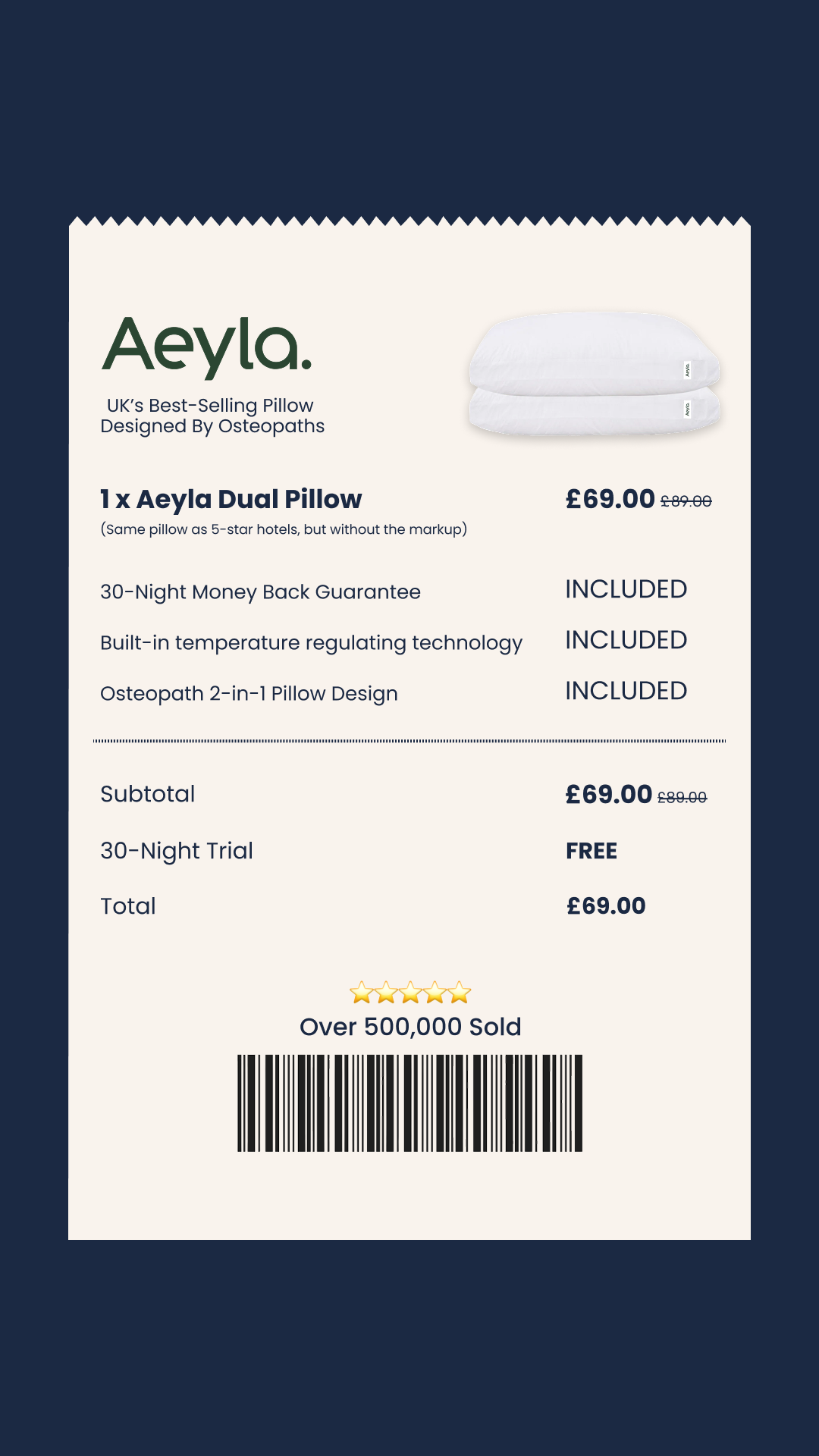
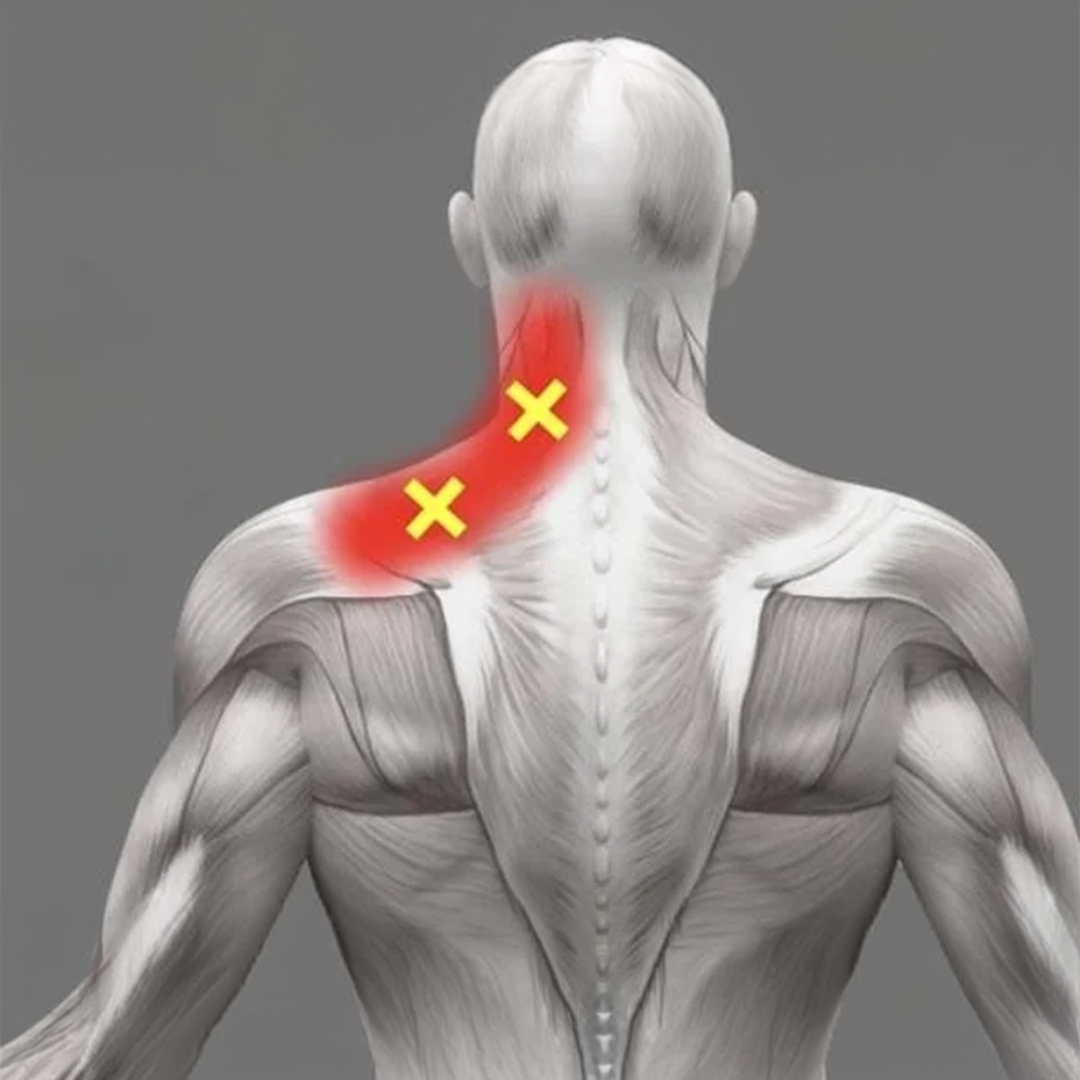
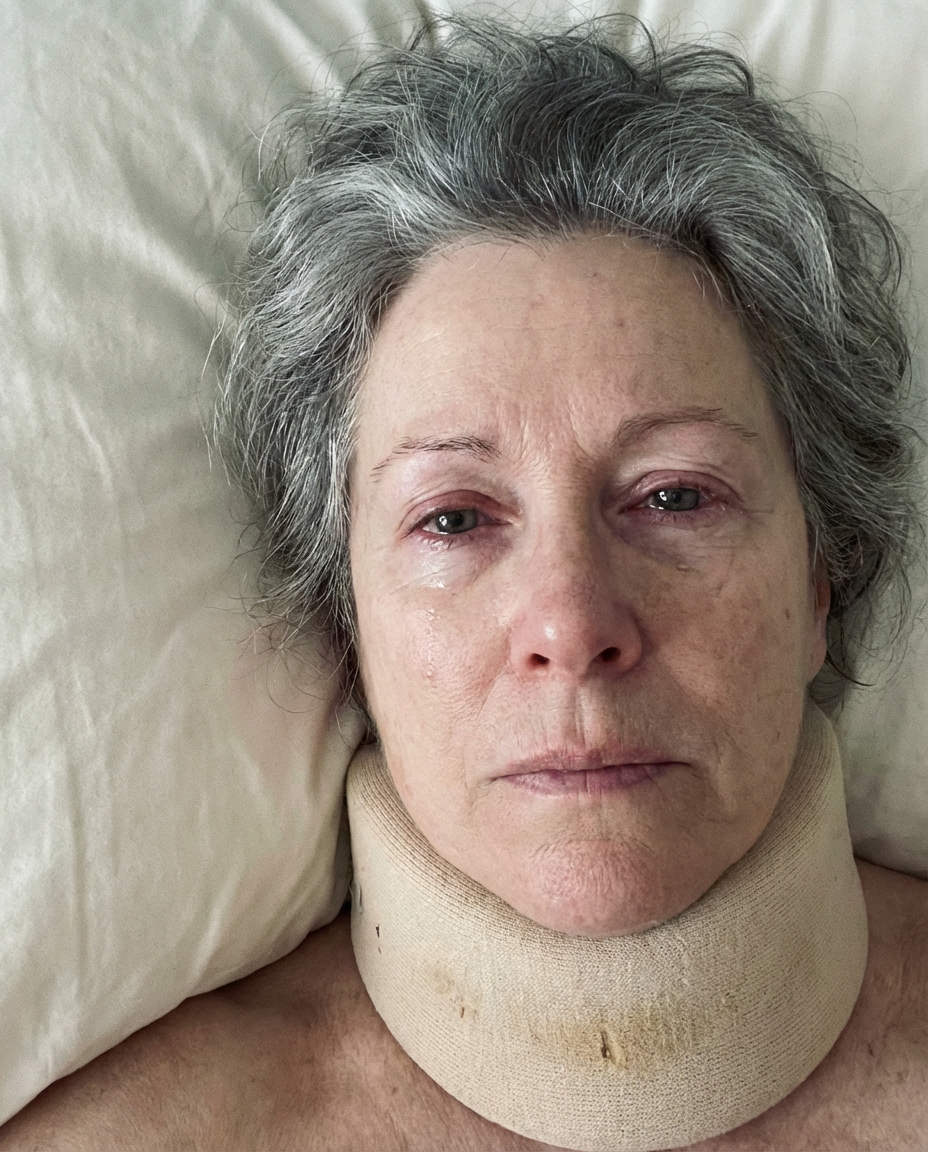
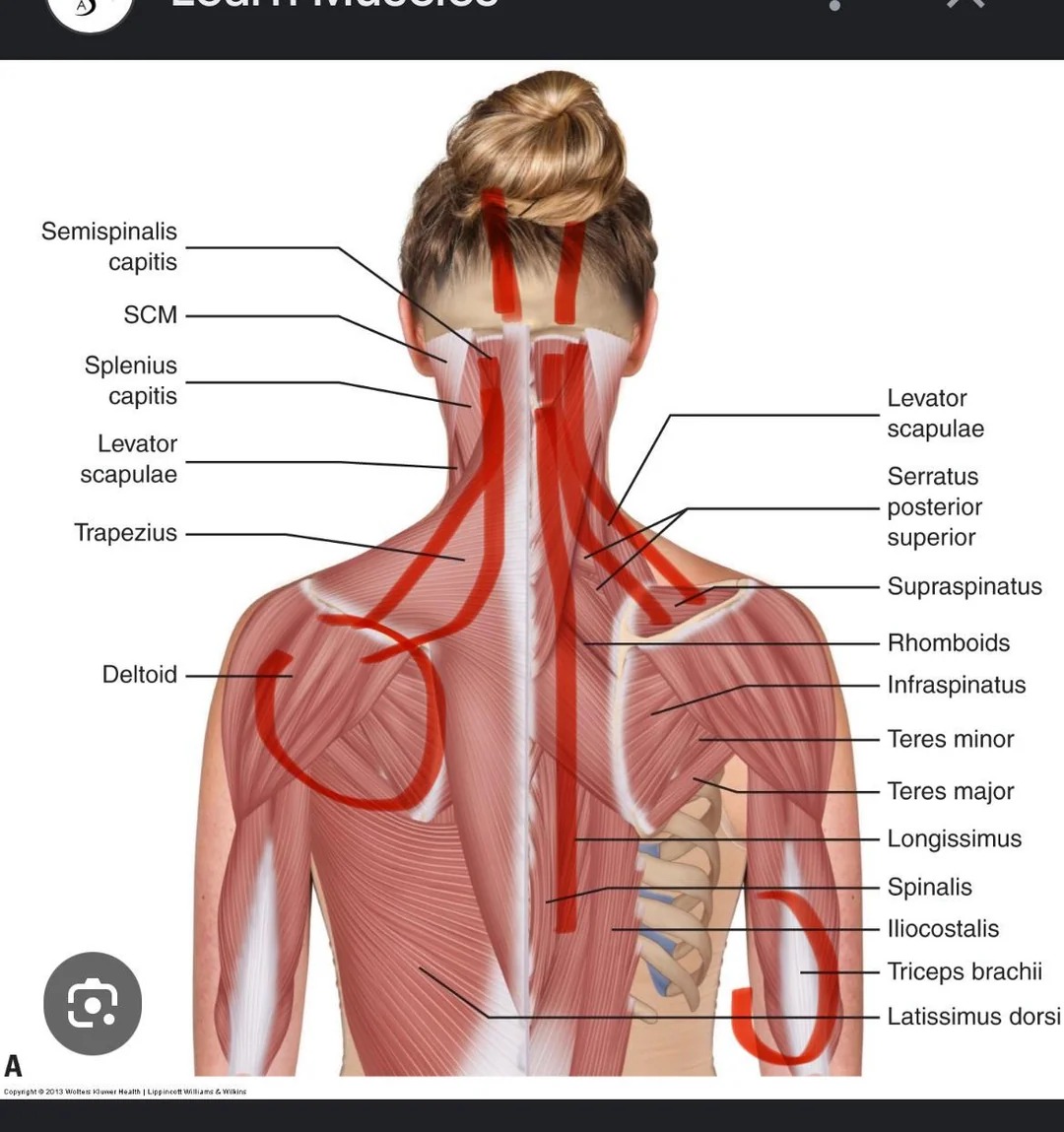
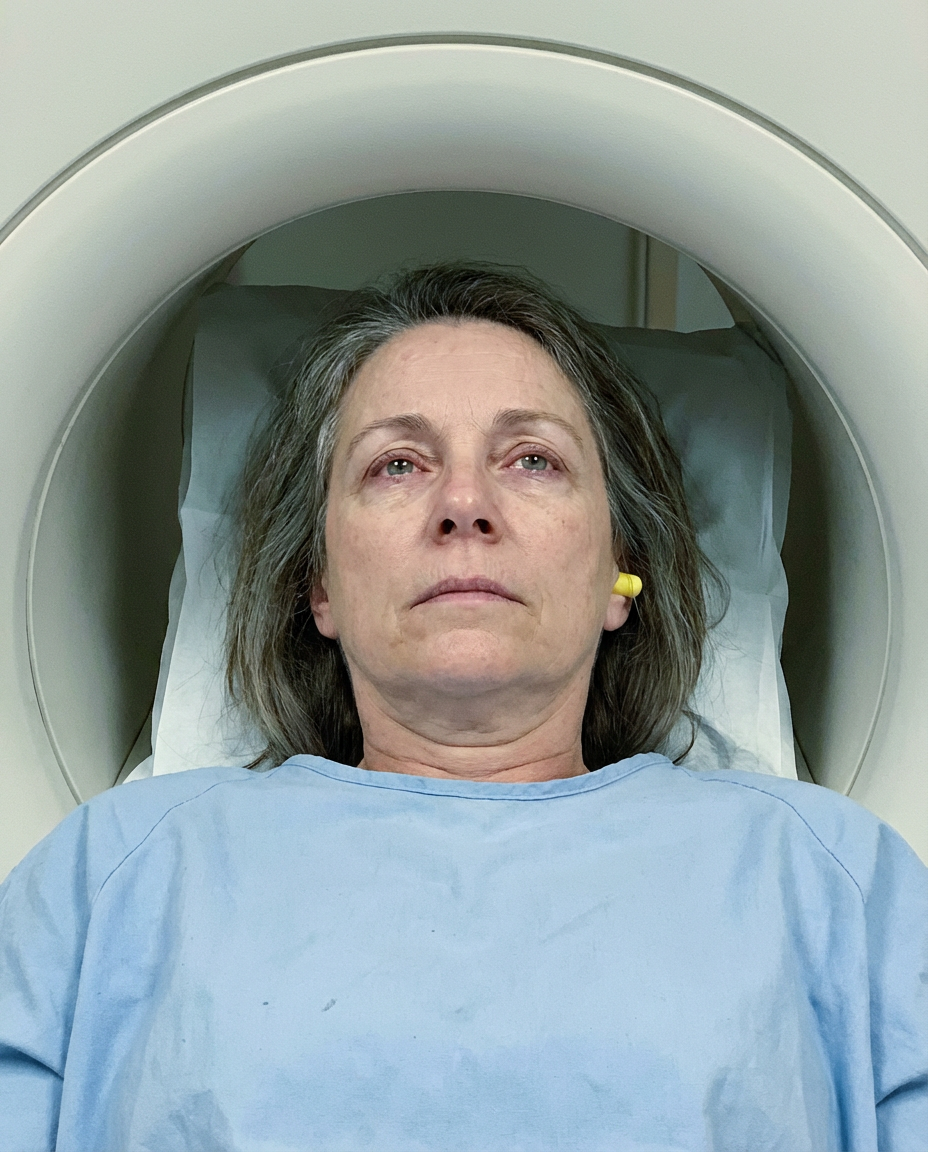
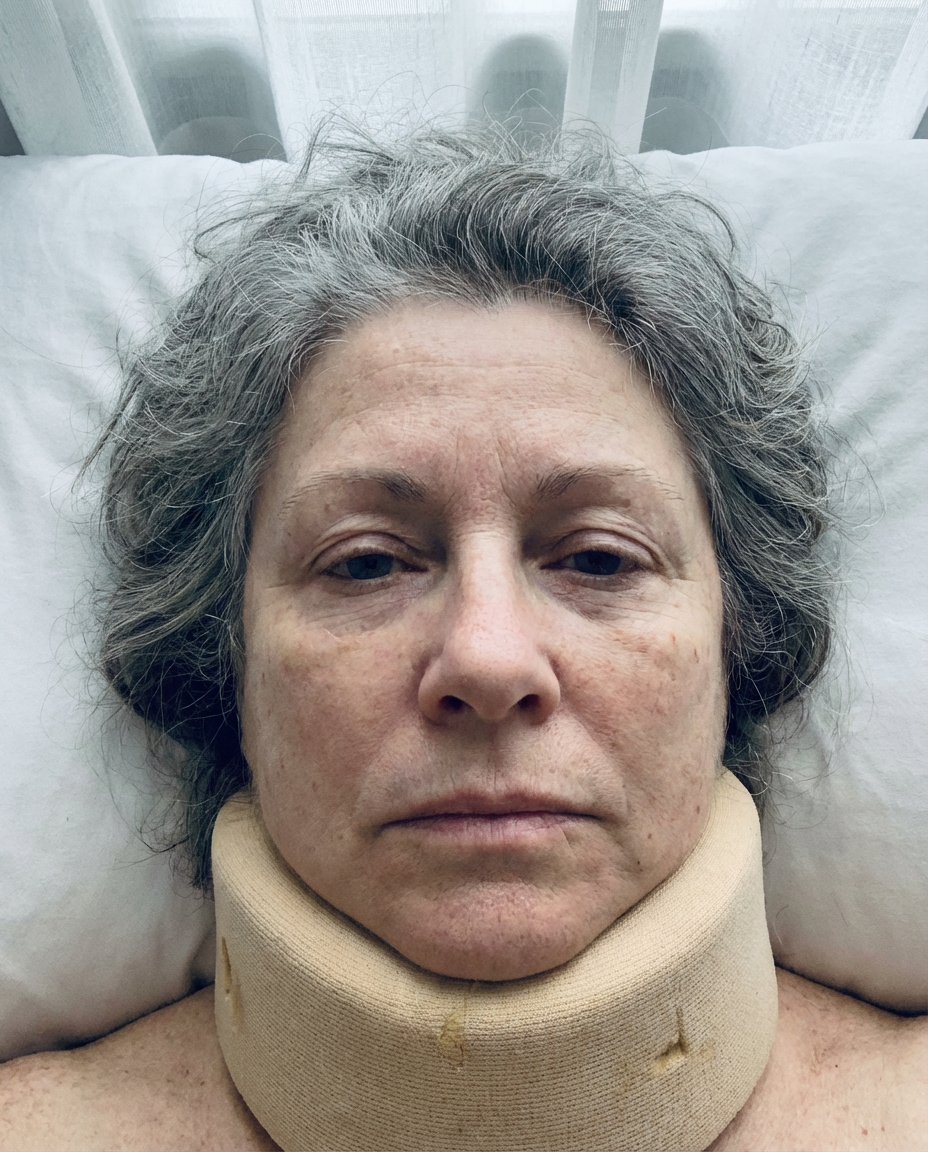
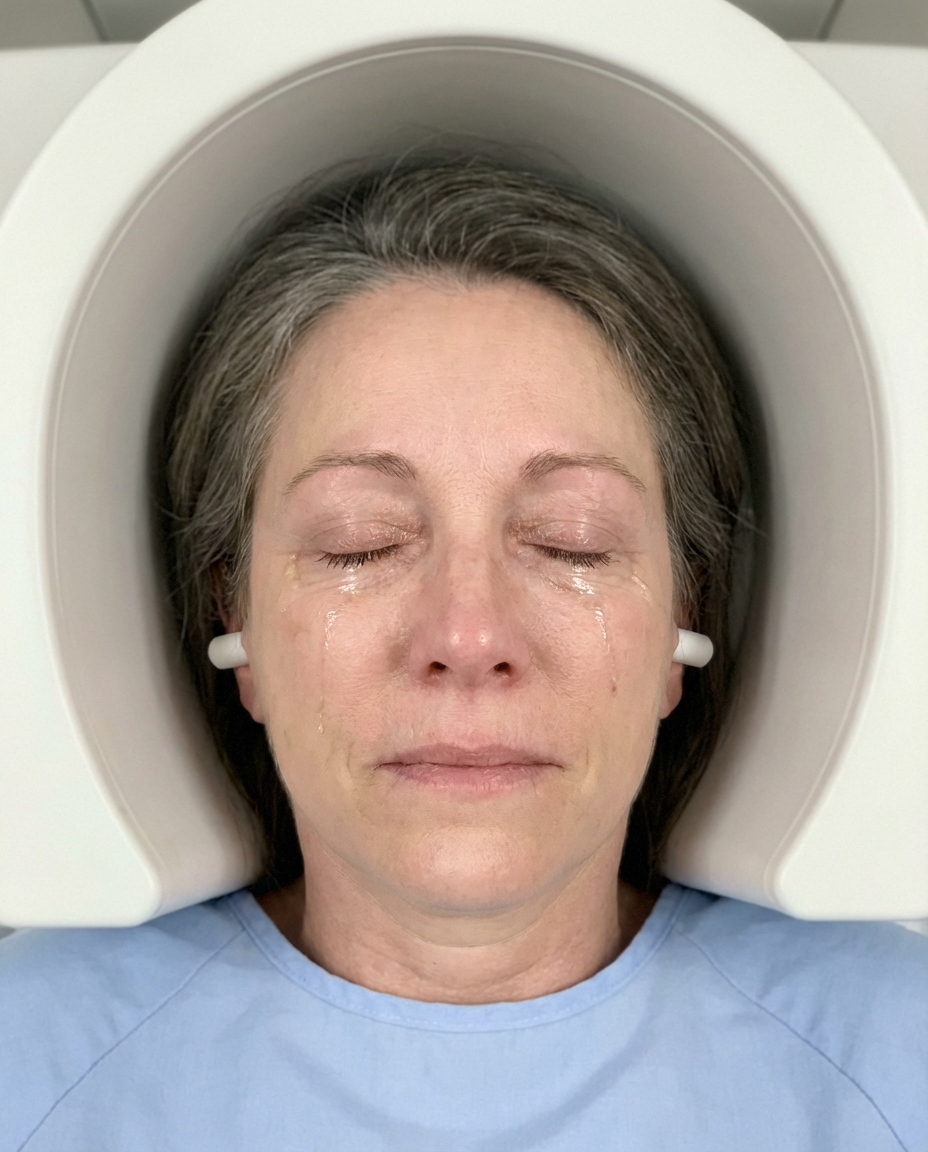
I went to the doctor because I couldn't turn my head. She sent me for an MRI. The results explained seven years of mornings in one image. My name is Barbara Holden. I am 61, I live in Shrewsbury, and I have been a stay-at-home mum for thirty-four years. I am not someone who goes to the doctor easily. I waited three weeks before I made the appointment. When I finally went, I expected to be told it was arthritis. I expected a referral to physiotherapy. I expected to be handed a leaflet about neck stretches and sent on my way. Instead my doctor asked me something I had never been asked in sixty-one years of GP appointments. She said: "Tell me about your morning routine. Specifically, what is the first thing you feel when you wake up?" I told her. The tightness. The careful movements. The twenty minutes it took for everything to loosen enough to function. The way I had woken up like that every single day for the better part of seven years. She asked when it was worst. I said always first thing. Always before I had moved. Always before I had done anything at all. She leaned back and said: "That pattern — pain that is worst before you have moved, that eases with movement, that has been consistent for years — that is not arthritis behaving normally. Arthritis tends to worsen with use and ease with rest. What you are describing is the opposite. It suggests the problem is happening during sleep, not because of what you do when you are awake." She referred me for an MRI of the cervical spine. The results came back two weeks later. I sat in the follow-up appointment and watched my doctor pull the images up on her screen. She pointed to the cervical vertebrae — the neck bones, C1 through C7 — and showed me something I had never been shown before. She said: "See this curve here. A healthy cervical spine has a gentle natural arc when you are in a neutral position. Yours has partially straightened. Not dramatically. Not the kind of finding that requires urgent intervention. But consistent with years of the neck being held in a subtly incorrect position for extended periods." She turned to me and said: "The MRI is showing me the cumulative result. The question is what has been causing it. And given that your pain is worst before movement — before you have done anything at all — the cause is almost certainly happening while you sleep." Then she asked: "When did you last replace your pillow?" I had to think about it. Two and a half years. Maybe three. She said: "Go home and take it out of its case. Have a proper look at it." I went home and did exactly that. It was yellow. Not the soft cream of an old cotton cover. Deeply, patchily, unmistakably yellow in the precise shape of where my head had rested for three years. Brown at the edges. I smelled it. I will not describe what it smelled like. I put it in the bin and rang my daughter. My doctor had explained something to me in that appointment that I want to pass on here, because I had never heard it before and I suspect most people haven't. Every night your body loses roughly 200ml of moisture through breath and perspiration. A third of that goes directly into your pillow. Over twelve months a pillow that cannot be properly washed absorbs somewhere between 15 and 20 litres of moisture. That moisture does not evaporate. It settles into the fill material, it oxidises, and it creates the biological conditions for dust mites to colonise. An average unwashed two-year-old pillow contains between 100,000 and 1 million dust mites. Their waste is the most common non-pet allergen in UK homes and a documented trigger for morning congestion, disrupted sleep, and the kind of 3am waking that has no obvious explanation. I had been waking at 3am for two years. I had blamed the central heating. But the hygiene problem was only half of it. My doctor explained the structural failure too. She called it Chronic Cervical Loading, and once she explained it I understood immediately why seven years of pillow-buying had never solved the problem. The MRI had shown her the result of it. Here is what causes it. Most pillows are made of one material at one density. Foam, down, polyester, latex — it does not matter which. Your skull weighs between 5 and 6 kilograms. You shift sleeping position between 20 and 40 times every night without knowing it. At every single transition, a single-material pillow either gives too much or resists too much. Your neck muscles compensate by holding low-level tension through the entire sleep cycle. You do not feel it during the night. You feel it before you have even opened your eyes in the morning. That was the stiffness. Not arthritis. Not age. Eight hours of sustained muscular compensation for a pillow that could not do two things at once — support the skull at the correct height while cushioning the pressure points softly enough that the muscles did not brace against it. Seven years of mornings. Visible on an MRI. And every pillow I had tried had the same structural limitation built into it. I spent the following week reading properly before I bought anything. Here is what I found. Silentnight Impress Memory Foam (£45–£65, the most widely owned pillow in Britain): single-density foam that softens progressively as body heat builds through the night. It is least supportive during the second half of sleep — precisely when it matters most. Simba Hybrid Pillow (£120–£175, regularly listed in best-pillow roundups): adjustable fill that migrates to the sides during sleep. By mid-cycle the area directly beneath the skull has lost 40 to 60 percent of its original density. It works at the moment you lie down. It does not work at 3am. Dunlopillo Super Comfort (£60–£90, marketed as naturally resilient): uniform latex density throughout. No adaptive layer. Optimised for one sleeping position. The moment you shift, the support no longer matches your neck angle. John Lewis Specialist Synthetic (£50–£70): microfibre fill that compresses under 90 minutes of sustained pressure. Measurable height loss by mid-sleep. "Medium support" means it underperforms at both firmness and comfort at the same time. Eve Sleep Premium Foam (£60–£85): single-layer foam, no differentiated zones. The marketing is very good. The structure is not. Not one of them had a structure designed to do two jobs simultaneously. I had owned three of those pillows at various points. I had thrown all three away without understanding why they had failed me. I rang my doctor back and told her what I had found. She said: "What you need is a pillow with two genuinely different layers — a firm inner that holds position through the night regardless of how you move, and a softer outer that cushions without collapsing the support underneath." I asked if she had a recommendation. She said: "Look at the Aeyla Dual Pillow. Several of my patients have come back and mentioned it." I was sceptical. I had heard confident claims about pillows before. But I looked it up. A UK brand. Osteopath-endorsed. Oeko-Tex certified — meaning independently verified free from harmful chemicals. A pillow-within-a-pillow construction: a firm adaptive inner core and a genuinely softer outer layer, two different materials doing two different jobs. Thirty-night trial. Full refund. Free returns. I ordered it that evening. £69. When it arrived I unzipped the outer and held the two components separately. The inner was genuinely firm in a way that felt structural rather than rigid. The outer was genuinely soft without any sense that the support underneath would give way. No chemical smell. No synthetic off-gassing. I put it on the bed and did not allow myself to expect very much. The first two nights felt different in a way I could not immediately describe. Not uncomfortable — just unfamiliar. My body had been bracing against a failing pillow for so long that the absence of something to brace against required adjustment. Night three I slept through to 5:50am without waking. Night four I lay still for a moment before moving, waiting for the stiffness to arrive. It was there, but faintly. Background rather than the first fact of the morning. Week two my husband Robert asked if I had changed something. I had apparently stopped doing the slow careful turns around the kitchen that I had not even realised had become part of my routine. Week four I woke up, turned my head to look at the clock, and noticed only afterwards that I had done it without thinking. I rang my doctor. She said: "That is what I hoped you would say." I thought about the MRI images. The partially straightened cervical curve. Seven years of accumulated loading, visible on a scan. And the neck pain I had accepted as a permanent feature of my sixties was gone inside a month. You do not need an MRI to act on this. You do not need a referral. You have 30 nights and a full refund if it does not work. But I would ask you to do one thing before you decide. Go and take your pillow out of its case right now. Have a proper look at it. Then make your decision. aeyla.co.uk/products/the-dual-pillow aeyla.co.uk/pages/best-hotel-pillows-uk-2026 £69. 30-night trial. Free returns. Barbara Holden, Shrewsbury. Stay-at-home mum, 61. Needed an MRI to understand what a cheap pillow had done to my neck. It was the pillow. P.S. The muscular compensation that builds from years of sleeping on a structurally compromised pillow does not resolve on its own. Every night it goes unaddressed the pattern reinforces — and over years it becomes visible on a scan. My doctor identified the problem by asking one question that no one had ever asked me before. If your pain is worst before you have moved, before you have done anything at all, the answer may be simpler than you think. P.P.S. Aeyla do not pay me to write this. I have no commercial relationship with any sleep brand. I am a 61-year-old woman from Shrewsbury who needed an MRI to find out what a cheap pillow had been doing to her neck for seven years. After four weeks on the Aeyla Dual Pillow, the pain I had accepted as permanent is gone. Your neck deserves that.
Read my story, so this doesn't happen to you.
We tested 8 hotel-quality pillows. The winner replicates the hotel pillow menu in a single product. From 19p a night.
LEARN MORELike this ad? Make it yours.
Crush rebuilds this exact creative around your product — your brand, your colors, your offer — in about a minute.