
Inactive· since Dec 25, 2025
- 65
- days it ran
- 0
- relaunches
Ad copy
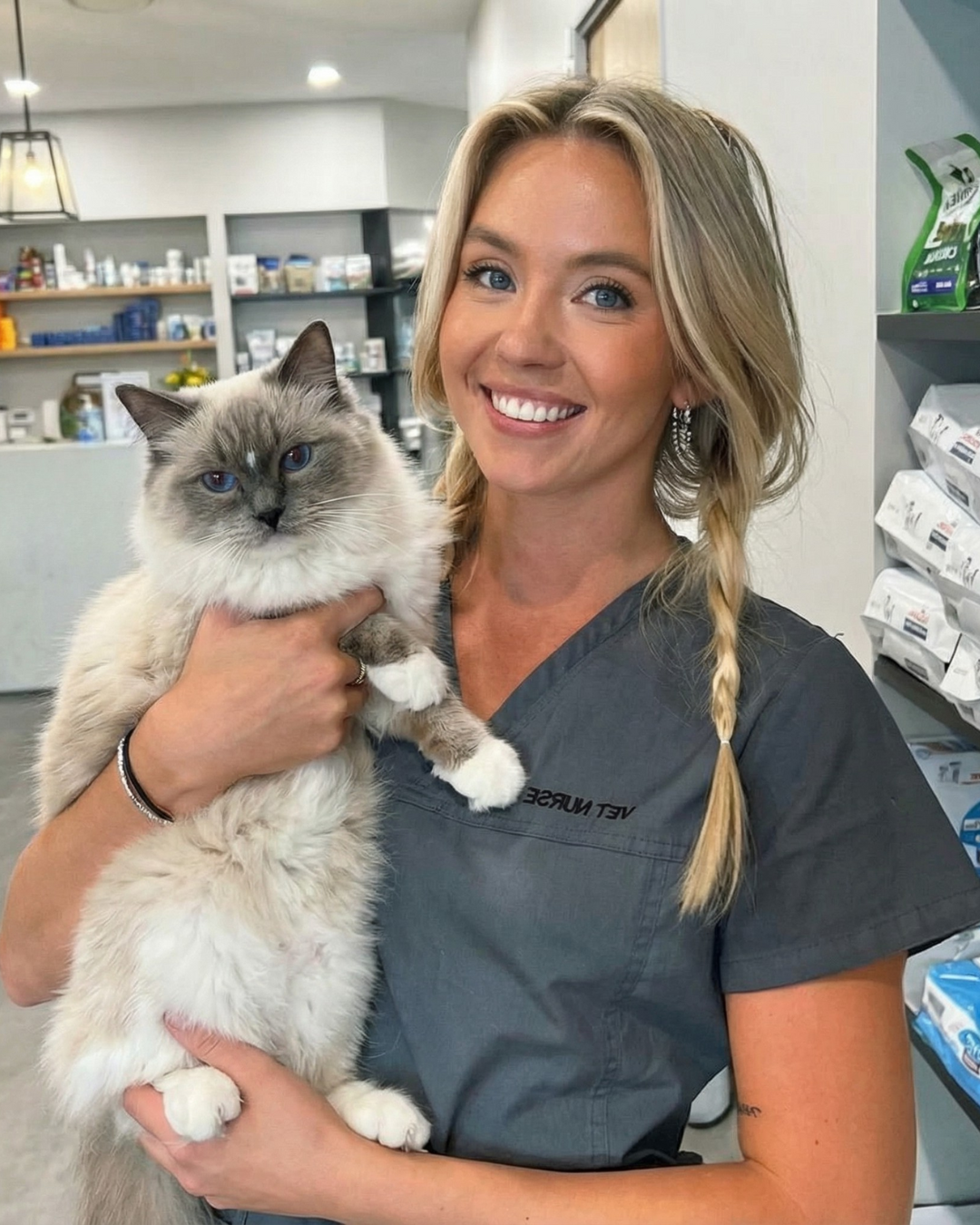
After 14 years at Harbor View Animal Hospital, I watched a client fill out the euthanasia form for her 11-year-old cat. She'd spent $4,800 on tests. Tried six different prescription diets. Watched him waste away for nine months. Everything had come back "normal" until it was too late. I finally asked her the one question nobody else had: "When did you first notice he was drinking more water?" She looked at me, confused. "About two years ago. But my old vet said that was normal for senior cats." My name is Dr. Rebecca Thomson, DVM. I've treated over 15,000 cats at Harbor View Animal Hospital. And here's what the pet food industry doesn't want you to know about that "normal for senior cats" advice. That client's name was Barbara. Her cat's name was Jasper. Jasper was 11 years old. Had been fed Purina ONE his entire life—a food I'd recommended myself for years as affordable and complete. But nine months ago, something changed. He started drinking more. A lot more. Barbara thought he was just staying hydrated. Her previous vet had told her "senior cats drink more—it's normal." Then he started losing weight. Slowly at first. A pound here, a pound there. The vet said "maybe he's just more active." Then he stopped grooming. His coat got dull and matted. "He's getting old. Cats slow down." Then he stopped eating. That's when Barbara finally brought him to me. I ran bloodwork immediately. Creatinine: 8.2. Normal is under 2.4. BUN: 124. Normal is under 30. Phosphorus: 12.8. Normal is under 6. Stage 4 kidney disease. End stage. His kidneys were barely functioning. I sat across from Barbara in the exam room and asked: "When did you first notice any changes? Any changes at all?" She thought for a moment. "He started drinking more about two years ago. Going through water bowls really fast. I mentioned it to my vet. He said it was normal for his age." Two years. For two years, Jasper's kidneys had been failing. And nobody caught it. Because here's what they don't teach you in vet school: By the time standard bloodwork shows kidney disease, your cat has already lost 70-75% of their kidney function. The increased drinking Barbara noticed two years ago? That was the warning sign. But because her vet dismissed it as "normal aging," by the time we caught it, there was nothing left to save. I had to tell Barbara that Jasper had maybe two weeks left. Maybe a month if we were lucky. We could try IV fluids. Prescription food. Medications. But we weren't treating kidney disease anymore. We were managing kidney failure. Barbara broke down. "I noticed something was wrong two years ago. I asked about it. Why didn't anyone tell me this could be serious?" I didn't have an answer for her. Because I'd done the same thing. Told countless clients "senior cats drink more—it's normal." It's not normal. It's the first sign their kidneys are failing. And we're trained to ignore it until the bloodwork confirms what we should have caught years earlier. That night, I went home and pulled every file from the past five years where I'd written "increased thirst—normal for age" in the notes. I found 89 files. I called every single owner and asked them to bring their cat in for an SDMA test—the only test that catches kidney disease early, before standard bloodwork shows anything. 52 came in. 41 had early to moderate kidney disease. 79%. These cats' owners had asked about increased drinking. I'd dismissed it. And now their cats had kidney disease that could have been prevented. I sat in my office that night, staring at those test results, feeling sick. Because here's what I finally understood: Cats evolved in the Arabian desert. They're biologically designed to get nearly all their water from prey—which contains 70-80% moisture. Dry kibble contains 7-10% moisture. Your cat has what's called a "low thirst drive." They don't feel thirsty until they're already dehydrated. So for their entire lives, cats eating dry food are in a state of chronic mild dehydration. Their kidneys working overtime. Every single day. Trying to concentrate urine. Trying to conserve every drop of water. No breaks. No relief. Just constant stress. By age 7-8, the kidney cells start to die. Not from disease. Not from infection. From exhaustion. And the first sign? Increased drinking. But we've been trained to dismiss it as "normal aging." It's not aging. It's kidney failure. After I discovered this, I started asking every client with a senior cat: "Have you noticed any increase in water consumption? Even subtle?" The answers were devastating: "Yeah, I refill his bowl twice a day now instead of once. I thought he was just drinking more." "She's obsessed with the faucet. Begs for it constantly. I thought she just liked running water." "I'm going through litter like crazy. A 15-pound container used to last a month. Now it lasts a week." "He drinks from the toilet now even though he has fresh water bowls. I thought it was weird but didn't think it was serious." Every single one of these cats tested positive for early kidney disease. Every single one. And their owners had noticed the signs months or even years before. But they'd been told it was "normal." If your cat shows ANY of these signs, their kidneys are likely already damaged: Drinking more than they used to—even subtly. Refilling water bowls more often. Going through litter faster than before. Begging at the faucet or sink. Playing in their water bowl. Urine looks clear or very pale. Subtle weight loss over months. Coat looks dull or matted. Less grooming than before. These aren't "normal aging" signs. These are early kidney disease signs. And by the time standard bloodwork catches it, 70-75% of kidney function is already gone. But there's a test most vets don't run. It's called an SDMA test. Standard kidney bloodwork doesn't show abnormalities until 75% loss. The SDMA catches it at 25-40% loss. When there's still time to intervene. When there's still kidney function left to save. But most vets don't run it. I didn't run it. Because the system doesn't prioritize early detection. After the Jasper case, I became obsessed with one question: Is there a way to protect kidneys BEFORE the damage starts—even if cats stay on dry food? Because I knew most cat owners couldn't afford prescription diets. And most cats won't switch from kibble to wet food after years of eating dry. That's when I found the research on osmoregulation. There's an amino acid called taurine that acts as an "osmolyte"—a molecule that helps cells hold onto water. Most people know taurine prevents heart disease. That's true. But taurine also regulates cellular hydration at the kidney level. Here's how it works: When your cat drinks water, most of it gets filtered through the kidneys and urinated out. But when taurine is present at therapeutic levels, it enters kidney cells and holds water there—like a microscopic sponge. The cells stay hydrated even when your cat isn't drinking enough. The kidneys don't have to work as hard to concentrate urine. Cellular hydration improves. Kidney stress decreases. It's called osmoregulation. It's how desert animals survive without constant water access. Your cat's body produces some taurine naturally. But nowhere near enough when they're chronically dehydrated from eating dry food. So their kidney cells constantly struggle to hold onto water. Overworking. Burning out. But if you supplement with pharmaceutical-grade taurine, you give their cells the tool they desperately need to hold water. Less kidney stress. Better hydration. Protection from progressive damage. I started putting every early kidney disease cat on taurine supplementation. 0.5 grams per day. Mixed right into their regular food—even if it was still dry kibble. Within 3-4 weeks: Water consumption normalized. Litter box frequency decreased. SDMA levels stabilized. In some cases, slight improvement. These cats were still eating the same dry food. But their bodies finally had the tool to protect their kidneys. One client—Sarah—had a cat named Oliver. Oliver was 9 years old. Fed Purina ONE his whole life. She'd noticed he was drinking more about eight months earlier. Mentioned it to her vet. Was told "normal for his age." When she brought him to me, his SDMA was 18. Stage 2 kidney disease. I put him on taurine supplementation immediately. Three months later, his SDMA dropped to 14. Still Stage 2, but no longer progressing. Sarah texted me: "Dr. Thomson, he's not camping out at the water bowl anymore. And I'm not going through litter like I was. Is this actually working?" Yes. It was working. Oliver is 11 now. Kidneys stable. Still eating the same food. Still healthy. Because his kidney cells finally have the tool to hold onto water. I thought: Okay, just recommend taurine supplements. Wrong. I went online. Searched "cat taurine supplement." Pages of products. All claiming "pharmaceutical grade" and "pure." I ordered the top 8 bestsellers and sent them to an independent lab for testing. What came back made me furious. PetHealth Taurine: Only 410mg actual taurine per scoop. Label claimed 500mg. 18% less. PurrVitality: Lead contamination 3.2x above safe limits for cats. VetEssentials: Cut with 35% rice flour filler that blocks absorption. Not disclosed on label. FelineAmino: So degraded from improper storage it was barely active. NaturalPaws: Mixed with additives that interfere with taurine absorption in the gut. One client's cat actually got worse on one of these supplements. When I tested that specific bottle, it contained only 62% of labeled taurine and had bacterial contamination. The pet supplement industry is almost completely unregulated. Companies can claim anything on a label. Nobody verifies it unless someone pays for independent testing. I spent weeks calling manufacturers. Demanding Certificates of Analysis, batch testing, purity documentation. Most wouldn't respond. Those who did sent fake certificates or refused to provide current batch data. I was about to give up. Then I found KittySupps. Skeptical at first. But when I called, someone answered immediately. I asked for their Certificate of Analysis. Emailed within 30 minutes. From an accredited independent lab. I verified directly with the lab. I asked about sourcing. Complete documentation: Pharmaceutical-grade taurine from Germany. Manufactured in FDA-registered, GMP-certified facility. I asked about batch testing. "We test every single batch. Here are the last six months of reports." They sent them. All from the same independent lab. Consistent 99%+ purity. I asked about degradation prevention. "Amber glass containers with oxygen absorbers and moisture-barrier seals. Every bottle induction-sealed and dated." Only company that could answer every question. I sent it to the same lab that failed the others. Results: 505mg pure taurine per scoop. Label claims 500mg—over-delivered. Zero heavy metal contamination. No fillers or additives. 99.7% pharmaceutical-grade purity. Proper therapeutic dosing. The only taurine supplement I could trust. KittySupps works with ANY food. Dry kibble, wet, raw, combination. You don't need to change your cat's food. The pure taurine bypasses the hydration problem. Gets absorbed in the small intestine. Goes straight to work holding water in kidney cells. I started recommending KittySupps to every client whose cat showed early signs of kidney stress. Within four months: "Water consumption is back to normal." "Not going through litter like before." "He stopped begging at the faucet." I've put over 620 cats on this protocol. 88% show measurable improvement within 3-4 weeks. Jennifer's cat Max, 10 years old, Purina ONE: "I noticed he was drinking more about a year ago. My vet said it was normal. Brought him to Dr. Thomson. SDMA was 19. Started KittySupps. Three months later: SDMA dropped to 15. Water consumption normalized." David's cat Luna, 8 years old, Blue Buffalo: "She was going through water bowls like crazy. I thought she was just thirsty. SDMA test showed early Stage 2. Started taurine. Within a month, water consumption dropped significantly. Six-month retest: SDMA stabilized at 16." Patricia's cat Shadow, 12 years old, Hill's Science Diet: "I'd been refilling his water bowl 3-4 times a day for over a year. Mentioned it to two different vets. Both said normal for age. Dr. Thomson ran SDMA: Stage 2 kidney disease. Started KittySupps. Within three weeks, back to refilling once daily. SDMA stable." These aren't miracles. This is what happens when you give kidney cells the tool to hold water—and it's actually pure and in the bottle. Next time you're at your vet, say this: "My cat is drinking more than they used to. I'd like an SDMA test to check for early kidney disease." If they say "your cat's bloodwork is normal" or "increased thirst is normal for age," say: "SDMA catches kidney disease at 25-40% loss. Standard bloodwork doesn't catch it until 75%. I want the SDMA test." But truth is: You don't need vet approval to start protecting your cat's kidneys. You don't need bloodwork first. You don't need to wait for symptoms to worsen. You don't need to change food. Taurine isn't a drug. It's an essential amino acid. Water-soluble. Your cat's body uses what it needs, eliminates the rest. No toxicity risk. You can start today. One scoop daily, mixed into current food. Taurine is tasteless and odorless. Mix into any food. They won't know it's there. 88% show improvement within 3-4 weeks. If your cat's in the 12% that doesn't respond, something else is happening—you need vet diagnostics. Most owners notice changes by week 2-3. Full stabilization by week 4-6. Existing damage won't reverse. But progression stops. Early intervention makes all the difference. But please—don't buy random taurine supplements without verifying what's inside. I tested them. Most are contaminated, under-dosed, mislabeled, or worthless. Some are dangerous. If your cat is showing signs right now—drinking more, going through litter faster, begging at faucets—every week you wait, more kidney cells die. Kidney cells don't regenerate. Once they're dead, they're gone forever. But if you start NOW—before standard bloodwork confirms irreversible damage—you can stop progression before it's too late. I've seen too many cases like Jasper. Owners who noticed the signs early. Asked about them. Were told "it's normal." By the time someone took it seriously, it was too late. Don't let your cat become another Jasper. The difference between starting today and waiting six months could be the difference between early intervention and end-stage kidney failure. I could have stayed quiet. Kept running expensive tests, prescribing costly prescription diets, managing late-stage kidney failure. But I became a veterinarian to help animals. Not to watch them die from something that could have been prevented. If you're reading this, you already sense something's wrong with your cat. Your instincts are right. The solution isn't waiting to see if it gets worse. Not dismissing increased drinking as "normal aging." Not waiting for bloodwork to confirm what you already suspect. It's pharmaceutical-grade, third-party tested, actually pure taurine that protects kidneys from chronic dehydration stress. The only brand I trust after testing them all: KittySupps. Get the same pharmaceutical-grade taurine I recommend at Harbor View Animal Hospital. Most cats show measurable improvement within 3-4 weeks. Start with a 90-day supply: https://kittysupps.com/products/taurine P.S. If your cat is drinking more than they used to—even subtly—their kidneys are already under stress. That's not "normal aging"—that's the first sign of kidney dysfunction. Most cats show improvement within 3-4 weeks of starting taurine. Every week you wait, the damage compounds. Don't wait for bloodwork to tell you what your cat is already showing you. P.P.S. I don't get paid by KittySupps to recommend this. I recommend it because after testing every major taurine brand on the market, they're the only ones who passed independent third-party testing with 99.7% purity. After 14 years and 15,000+ cats at Harbor View Animal Hospital, I've finally found something that's both safe and actually works. Your cat deserves that.
78% of cats over age 7 are silently developing kidney disease. Here's the warning sign vets dismiss as "normal"
After testing hundreds of cats, I discovered that the pet food industry has been hiding a massive kidney disease crisis.
ORDER NOWLike this ad? Make it yours.
Crush rebuilds this exact creative around your product — your brand, your colors, your offer — in about a minute.