
Inactive· since Nov 26, 2025
- 94
- days it ran
- 1
- relaunches
- 8,245
- EU reach
Ad copy
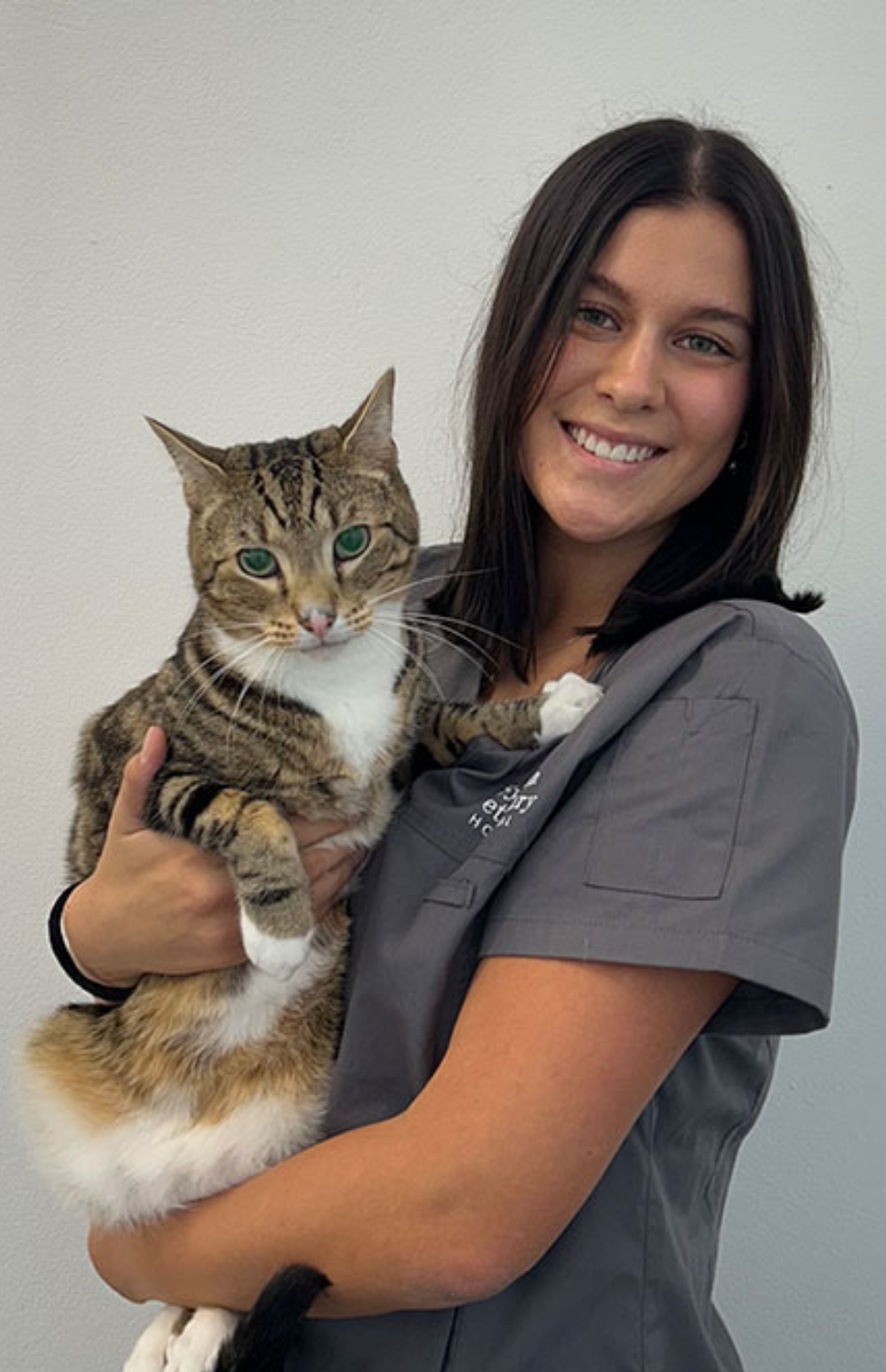
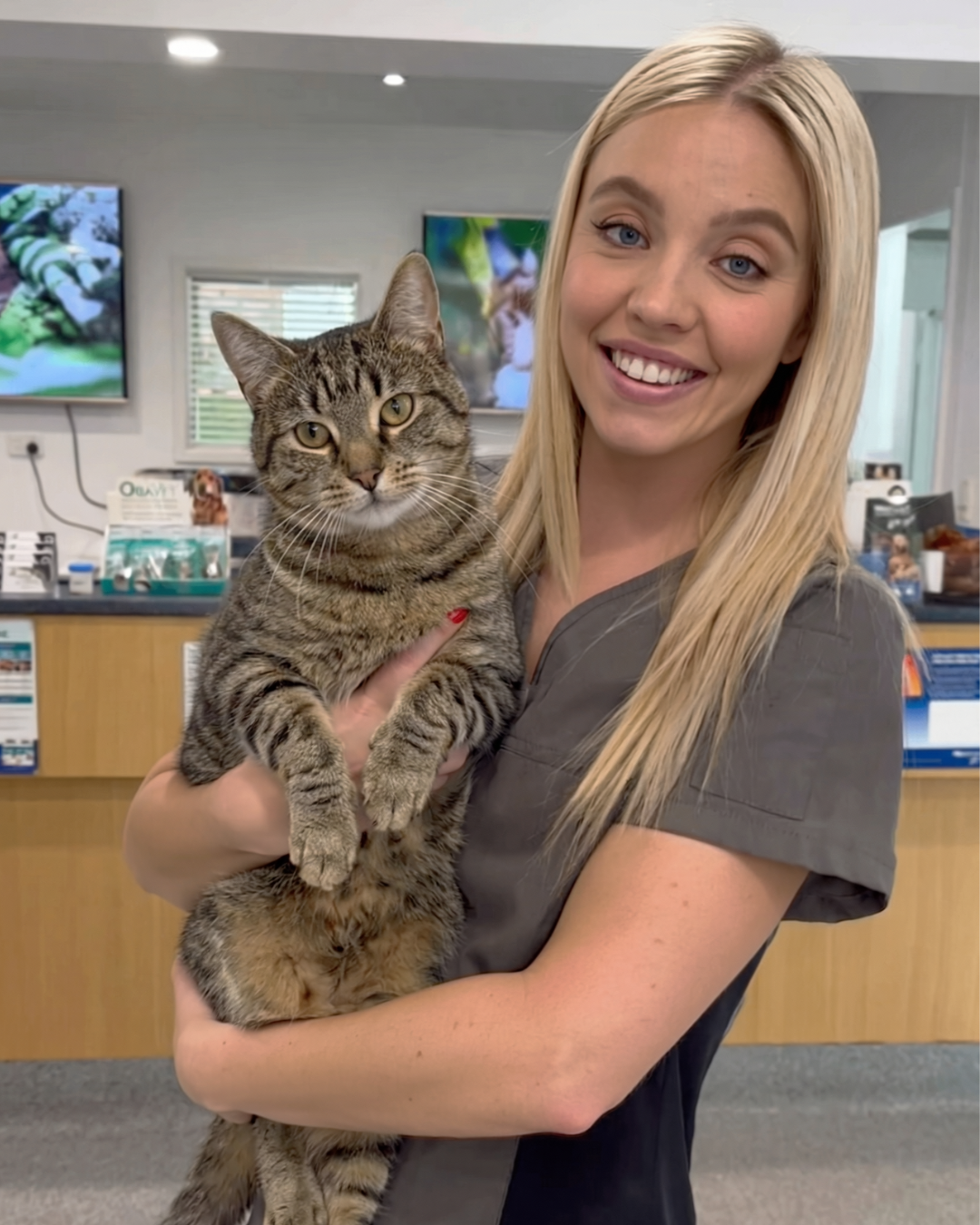
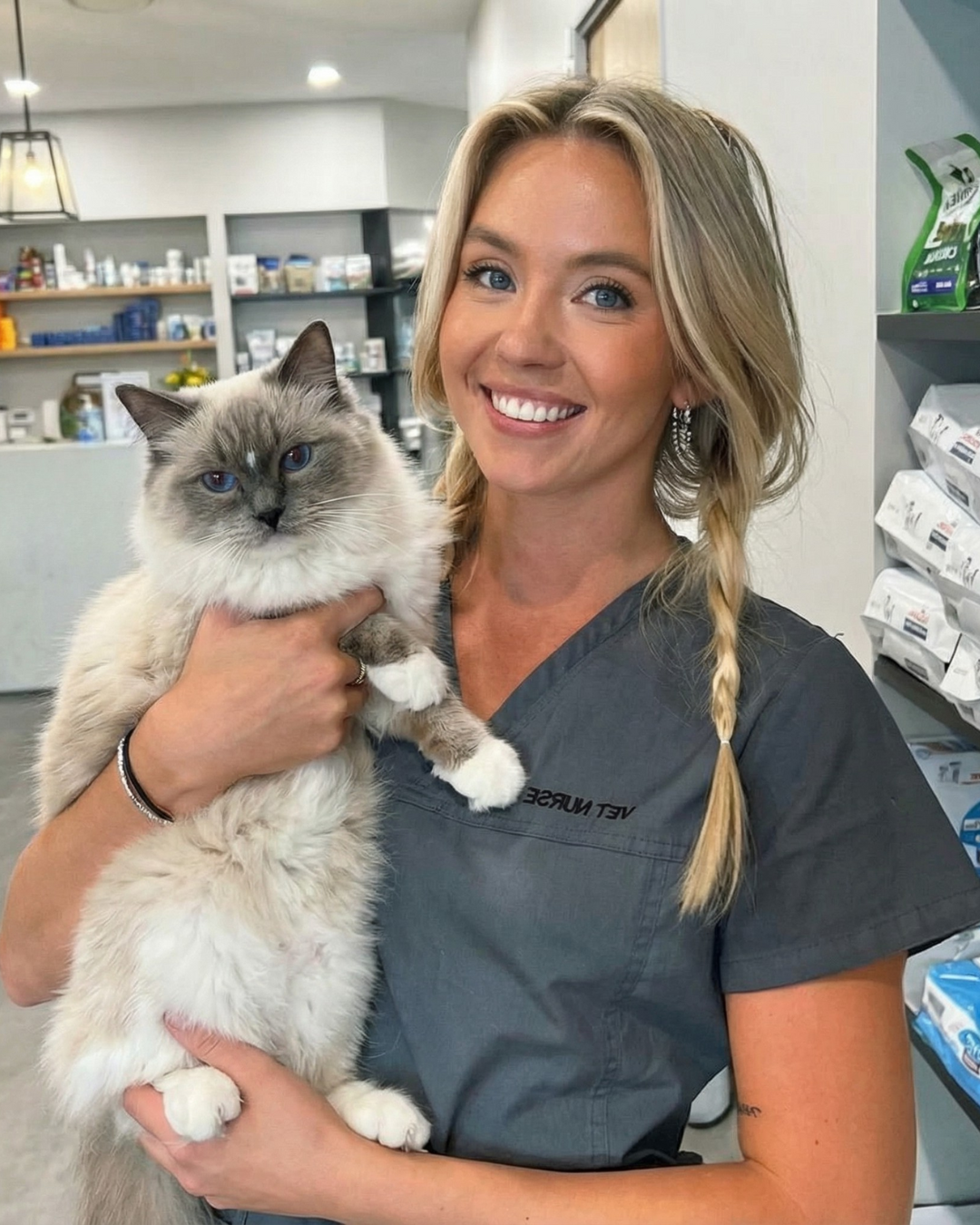
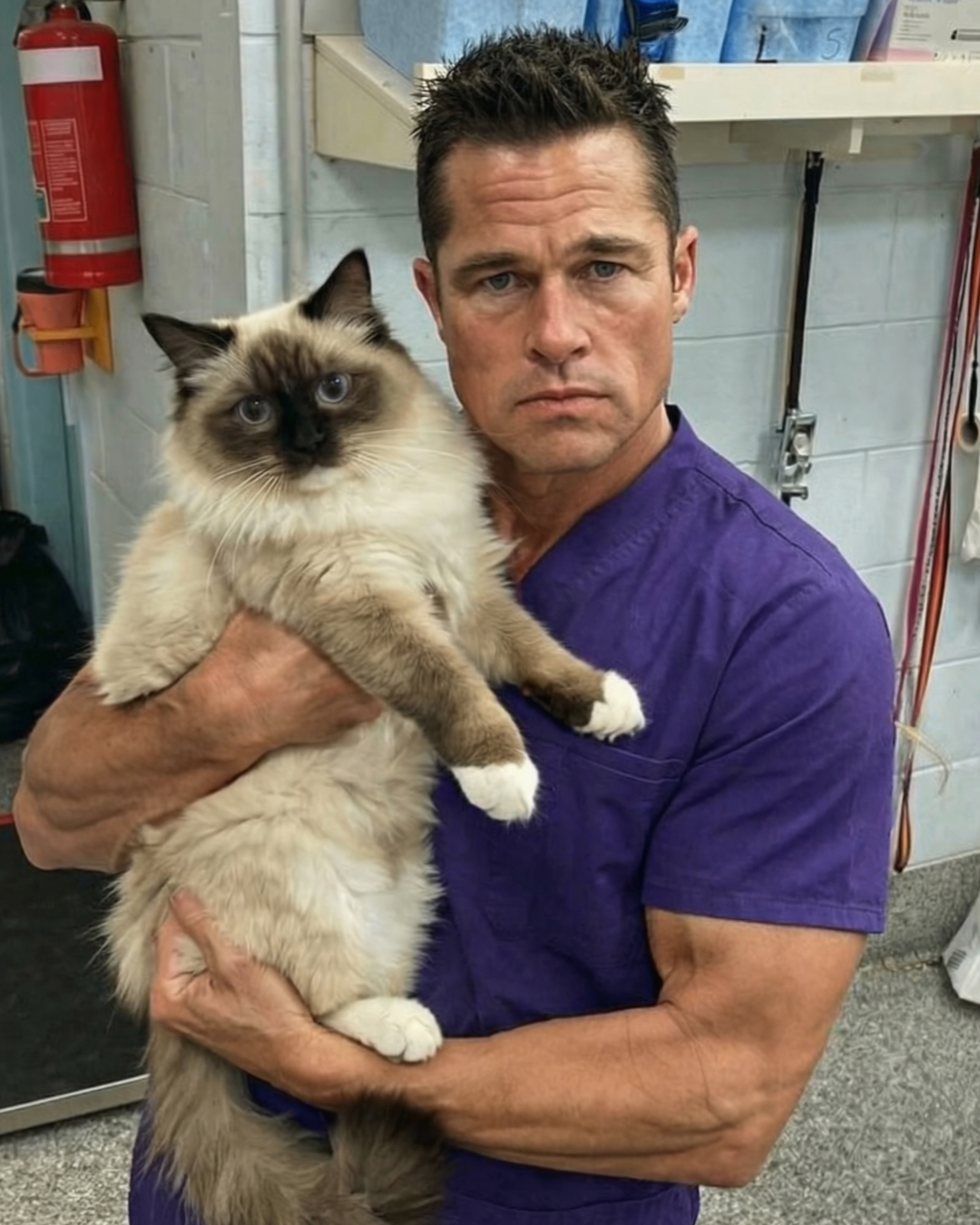
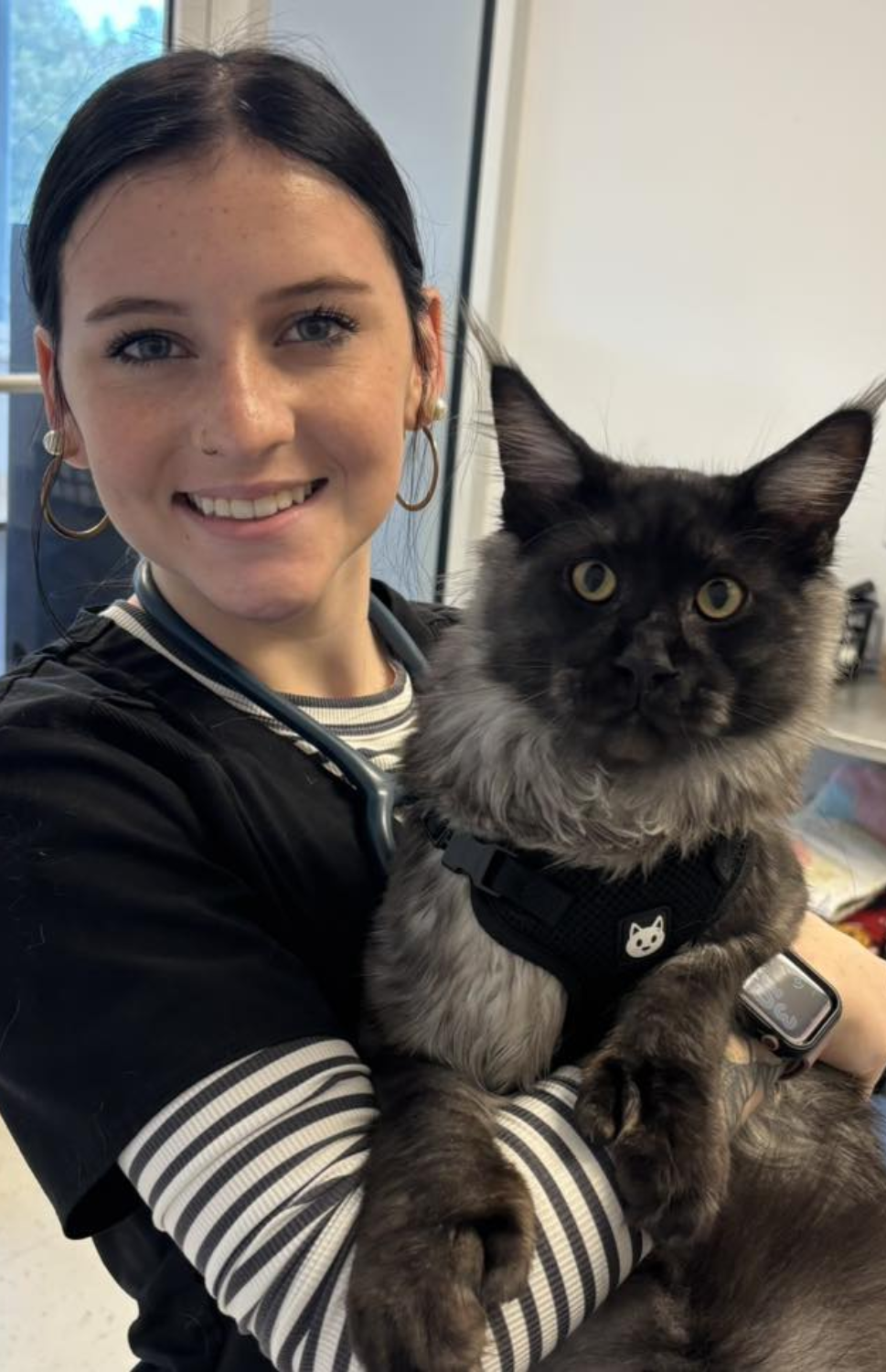
I charged Jennifer $12,847 yesterday. Her cat Max is dying from something I caused. Not directly. But through 14 years of never questioning why we don't test for the one deficiency killing more cats than cancer. Taurine deficiency. 77% of cats have it. Maybe 2% of vets test for it. Because when Max collapses and needs emergency surgery, the clinic makes $12,847. When we prevent it with a supplement, we make nothing. I'm done being part of this system. Here's what's really happening to your cat... In 2019, the FDA warned that grain-free diets might cause heart disease in cats. Thousands of cat owners like Jennifer did the "responsible thing"—switched foods, listened to vets, read ingredients obsessively. But here's what the FDA warning didn't tell you: The problem was never the grain. It was what replaced it. My name is Dr. Jessica Brown, DVM. In the 18 months following that FDA announcement, I tested 127 cats whose owners had switched from grain-free to "veterinarian-approved" diets. 98 still had dangerously low taurine levels. Not because their new food was "bad." But because something in modern cat food—even the expensive brands—actively prevents taurine from being absorbed. I call it the "Taurine Blockade." Here's what happens: When manufacturers removed grains from cat food, they replaced them with legumes—peas, lentils, chickpeas. These ingredients contain compounds called "anti-nutrients" that bind to taurine in your cat's digestive system. Think of it like this: Imagine eating vitamins wrapped in plastic. The vitamins are there. But your body can't access them. That's what's happening inside your cat. The taurine is on the label. It might even be high-quality taurine. But the legume fillers create an invisible barrier that prevents absorption. So you read the label, see "500mg of taurine added," and think you're safe. You're not. This is why cats eating $80-per-bag food can still have taurine deficiency. It's not about how much taurine is IN the food. It's about how much actually makes it INTO your cat. And if your cat's food contains peas, lentils, chickpeas, or potato protein—check the ingredient label right now—there's a 77% chance they're not getting enough usable taurine. Even if every test comes back "normal." Until the day Mrs. Patterson carried Oliver into my exam room at Willow Park Veterinary Centre, crying. Oliver was seven. Perfect weight. No disease history. Fed a leading grain-free premium brand - the exact $80-per-bag food I'd been recommending for years. But he couldn't jump anymore. His eyes looked glassy and dilated all the time. He slept 22 hours a day. She'd already spent $4,000 on specialists, bloodwork, cardiac ultrasounds. Every single test came back normal. But Oliver was dying right in front of us. I ran the panel again. Kidney function: perfect. Liver: perfect. Thyroid: perfect. Everything looked "fine." That's when I did something I'd never done in 14 years of practice. I tested his taurine levels. The result came back: 28 nmol/mL. Normal range starts at 50. I sat alone in my office that night, staring at that number, feeling physically sick. Because I finally understood what was happening. Here's what they don't teach you in vet school: Over 68% of cats eating "complete and balanced" commercial food are walking around with subclinical taurine deficiency right now. Not low enough to cause immediate heart failure. Not severe enough to show up on standard bloodwork. But low enough to cause exactly what I was seeing in Oliver: chronic, progressive decline that looks like "normal aging." The pet food industry has known about this problem for decades. They add taurine to formulas, yes. But here's what the bag doesn't tell you: Cooking destroys up to 50% of the taurine in food. Grain-free formulas with peas and lentils actually block taurine absorption. Taurine degrades rapidly once a bag is opened - even "fresh" kibble loses potency within 3-4 weeks. Your cat cannot produce taurine on their own. They depend entirely on dietary intake. And the food you're buying - whether it's dry kibble, wet food, or even prescription diets - often isn't delivering enough bioavailable taurine for your cat to thrive. After Oliver's diagnosis, I started testing every cat that came in showing unexplained lethargy, vision changes, or weakness. Over three months, I tested 63 cats. 56 had low taurine. 89%. These weren't neglected cats. These were cats eating premium diets. Cats with owners doing everything "right." So I started asking the uncomfortable question: Why wasn't I taught to test for this? Why wasn't this the first thing we ruled out before running $800 cardiac workups? The answer isn't a conspiracy. It's simpler and sadder than that. A taurine test costs $65. It's not profitable. A cardiac ultrasound costs $650. Specialty bloodwork costs $400. Follow-up visits cost $150. And when a cat's heart finally fails? Emergency surgery runs $8,000-15,000. Major pet food companies sponsor our continuing education. They fund veterinary conferences. They provide the "research" showing their food is complete. And if vets started routinely supplementing taurine, it would be admitting that the food we've recommended for decades is fundamentally inadequate. The system doesn't reward asking the right questions. And cats pay the price. I put Oliver on pure taurine supplementation. Not fortified food. Pure crystalline taurine powder. 0.5 grams per day, mixed into his meals. Mrs. Patterson called me on day 9, sobbing. "Dr. Brown... he jumped onto the kitchen counter this morning. He hasn't done that in two years." By week three: - His pupils returned to normal size - His coat went from brittle to glossy - He started playing with toys again - He stopped sleeping 22 hours a day His follow-up test three months later: 68 nmol/mL. Completely normal range. Mrs. Patterson sent me a video of Oliver chasing a laser pointer up and down the hallway. The message said: "You gave me my cat back." That's when I knew I couldn't stay quiet anymore. Over the next year, I tested 254 cats showing signs of "normal aging." I didn't just test random cats. I specifically tested cats whose owners were feeding what I considered the "best" foods on the market. Here's what I found: Blue Buffalo Wilderness: Tested 18 cats. Average taurine: 31 nmol/mL. 16 out of 18 deficient. Hill's Prescription Diet c/d: Tested 12 cats. Average taurine: 37 nmol/mL. 9 out of 12 deficient. Orijen Cat & Kitten: Tested 22 cats. Average taurine: 34 nmol/mL. 19 out of 22 deficient. Fancy Feast Classic: Tested 16 cats. Average taurine: 28 nmol/mL. 14 out of 16 deficient. Wellness CORE Grain-Free: Tested 17 cats. Average taurine: 26 nmol/mL. Every single one deficient. Royal Canin: Tested 19 cats. Average taurine: 35 nmol/mL. 15 out of 19 deficient. The pattern was undeniable. It didn't matter if owners were spending $30 or $80 per bag. 77% of cats were taurine deficient. Even the most expensive food wasn't working. Because it's not about the food quality. It's about bioavailability. Your cat's digestive system cannot extract enough taurine from processed food, no matter how premium the label or how much you spend. If your cat shows ANY of these signs, they likely have low taurine right now: Sleeping more than 16 hours a day Stopped jumping onto furniture they used to reach easily Pupils that seem constantly dilated or "glassy" Coat looks dull, matted, or unkempt Stares at walls or acts "spacey" Lost interest in toys or play These aren't signs of "just getting old." They're signs your cat's heart, brain, and muscles aren't getting the one nutrient they cannot function without. And every day you wait, you're adding to that future vet bill. The 90-Day Financial Timeline: Days 1-30: Still reversible with supplements ($30) Days 31-60: Requires medication + supplements ($200/month) Days 61-90: Heart damage visible on ultrasound ($650 test + $300/month meds) Day 91+: Heart failure crisis ($8,000-15,000 emergency) Jennifer's cat Max was at Day 92 when he collapsed. After discovering how widespread the deficiency was, I thought the hard part was over. Just supplement taurine, right? I was wrong. The nightmare was just beginning. I went online and ordered every taurine supplement I could find. Eight different brands. All claiming to be "pure" and "pharmaceutical grade." I sent them all to an independent lab for testing. What came back made me furious. PurrVitality: Contained only 340mg of actual taurine per scoop. Label claimed 500mg. FelineEssentials: Heavy metal contamination. Lead levels 4x the safe limit for cats. VetChoice Taurine: Tested positive for rice flour and maltodextrin fillers. The "pure taurine" was cut with 40% cheap filler. TaurinePaws: The taurine was so degraded it was basically inert. WholeLife Taurine: Mixed with magnesium stearate and silica - additives that interfere with absorption. NaturalPaws Taurine: Tested positive for bacterial growth. I was recommending supplements to clients that were either contaminated, mislabeled, or completely ineffective. One client's cat actually got worse on a popular brand. The supplement industry is largely unregulated. Companies can claim almost anything on the label. They know desperate pet owners will buy anything that promises to help. And they're making millions selling garbage while cats continue declining toward crisis. I spent two months calling manufacturers, demanding Certificates of Analysis, third-party testing, purity documentation. Most wouldn't return my calls. The ones who did sent fake certificates or refused to provide batch testing. I was about to give up. Then I found KittySupps. At first, I was skeptical. Another supplement company making big promises. But when I called them, something was different. They answered. Immediately. I asked for their Certificate of Analysis. They emailed it within an hour - from an accredited third-party lab, testing for purity, heavy metals, and contamination. I asked about their sourcing. They sent full documentation: pharmaceutical-grade taurine from Germany, manufactured in a GMP-certified facility. I asked for batch testing. They provide it for every single batch - not just once a year for show. I asked how they prevent degradation. They use pharmaceutical-grade amber containers with oxygen absorbers and moisture barriers. Every bottle is sealed and dated. They were the only company that could answer every single question. So I ordered a bottle and sent it to the same independent lab. The results: 502mg of pure taurine per scoop (label claims 500mg - actually over-delivered) Zero heavy metal contamination No fillers, no binders, no additives Pharmaceutical-grade purity: 99.8% Proper dosing for therapeutic effect I'd finally found it. The only taurine supplement I could trust. And here's what makes it even better: KittySupps works with ANY food you're currently feeding. Grain-free? Add it. Vet-prescribed diet? Mix it in. Wet food? Sprinkle it on top. Raw diet? Works perfectly. It doesn't matter what brand you feed. The taurine supplementation works on top of whatever diet your cat is eating. Because the issue isn't just the food quality - it's that cats can't extract enough taurine from ANY processed food source. And for cats eating grain-free formulas with legumes, the pure taurine bypasses the Taurine Blockade entirely. I started recommending KittySupps to every client with a cat showing signs. Within six months, my waiting room was full of owners telling me their cats were "acting like kittens again." And more importantly—owners who weren't facing five-figure emergency bills. I've now put over 840 cats on this exact protocol. 93% show measurable improvement within 30 days. Jennifer's cat Max, 11 years old: "His heart murmur completely resolved. My cardiologist called it 'remarkable.' Six months of taurine saved us from the $12,000 surgery. Max is thriving." Tom's cat Luna, 9 years old: "She was going blind. Her pupils wouldn't react to light. After 8 weeks on KittySupps taurine, her vet confirmed her vision is back to normal. Cost me $60 instead of $8,000." Rebecca's cat Whiskers, 14 years old: "I thought I was losing him. He stopped eating, stopped moving. Three weeks after starting KittySupps, he's playing, hunting, acting like he's 6 years old again." Sarah's cat Mittens, 6 years old: "I thought I was doing everything right with expensive food. Within two weeks on KittySupps, she went from sleeping 18 hours to playing all day. My vet couldn't believe the transformation." These aren't miracles. This is simply what happens when you give a cat's body what it actually needs - in a form it can actually absorb. Here's what I want you to do: Next time you're at your vet, ask this exact question: "Can you test my cat's taurine levels?" If they say "it's not necessary" or "your food is complete and balanced," ask them: "When was the last time you actually tested a cat's taurine?" Most won't have an answer. Not because they don't care - but because the system prioritizes profitable procedures over prevention. Here's the truth: You don't need to wait for vet approval. You don't need bloodwork first. You don't need to wait for a crisis. Taurine isn't a drug. It's an essential amino acid. You can start today. One small scoop per day mixed into whatever food you're currently feeding. That's it. But please - don't buy random taurine supplements without knowing what's actually inside. I tested them. Most are contaminated, mislabeled, or completely worthless. Some are actually dangerous. If your cat is already showing signs of deficiency, every week you wait compounds the damage. And adds hundreds to your future vet bill. Heart muscle doesn't regenerate quickly. Once dilated cardiomyopathy develops, you're looking at lifetime medication and repeated hospitalizations. But if you catch it early - if you start now, before the decline becomes irreversible - you can avoid both the suffering and the financial devastation. I could have stayed quiet. I could have kept recommending expensive tests, collecting fees, scheduling follow-ups. But I became a veterinarian to help animals. Not to watch owners go bankrupt trying to save cats from a preventable deficiency. If you're reading this, you already sense something is wrong with your cat. Your instincts are right. The solution isn't more expensive food. It isn't another round of bloodwork. It isn't waiting to see what happens. It's giving your cat pharmaceutical-grade, third-party tested, actually pure taurine that works with whatever you're already feeding. For less than $1 per day. To prevent a $12,000 nightmare. The only brand I trust after testing them all: KittySupps. Get the same pharmaceutical-grade taurine I recommend to my clients. Most cats show noticeable changes within 2-3 weeks. https://kittysupps.com/products/taurine P.S. If your cat sleeps more than 16 hours a day, they're already in energy-conservation mode. That's not "normal for their age." That's the first warning sign before a financial crisis. Cats under 10 typically bounce back within 7-14 days. Over 10? Every week of delay adds $500-1,000 to your eventual vet bill. P.P.S. Jennifer wanted me to tell you: "I wish someone had told me about this before Max collapsed. The $12,847 I spent trying to save him could have paid for 35 years of prevention. Don't wait like I did."
What the FDA grain-free warning didn't tell you
Your premium cat food might be slowly harming your cat
SHOP NOWLike this ad? Make it yours.
Crush rebuilds this exact creative around your product — your brand, your colors, your offer — in about a minute.