
Active· since Mar 27, 2026
- 172
- days running
- 0
- relaunches
Ad copy
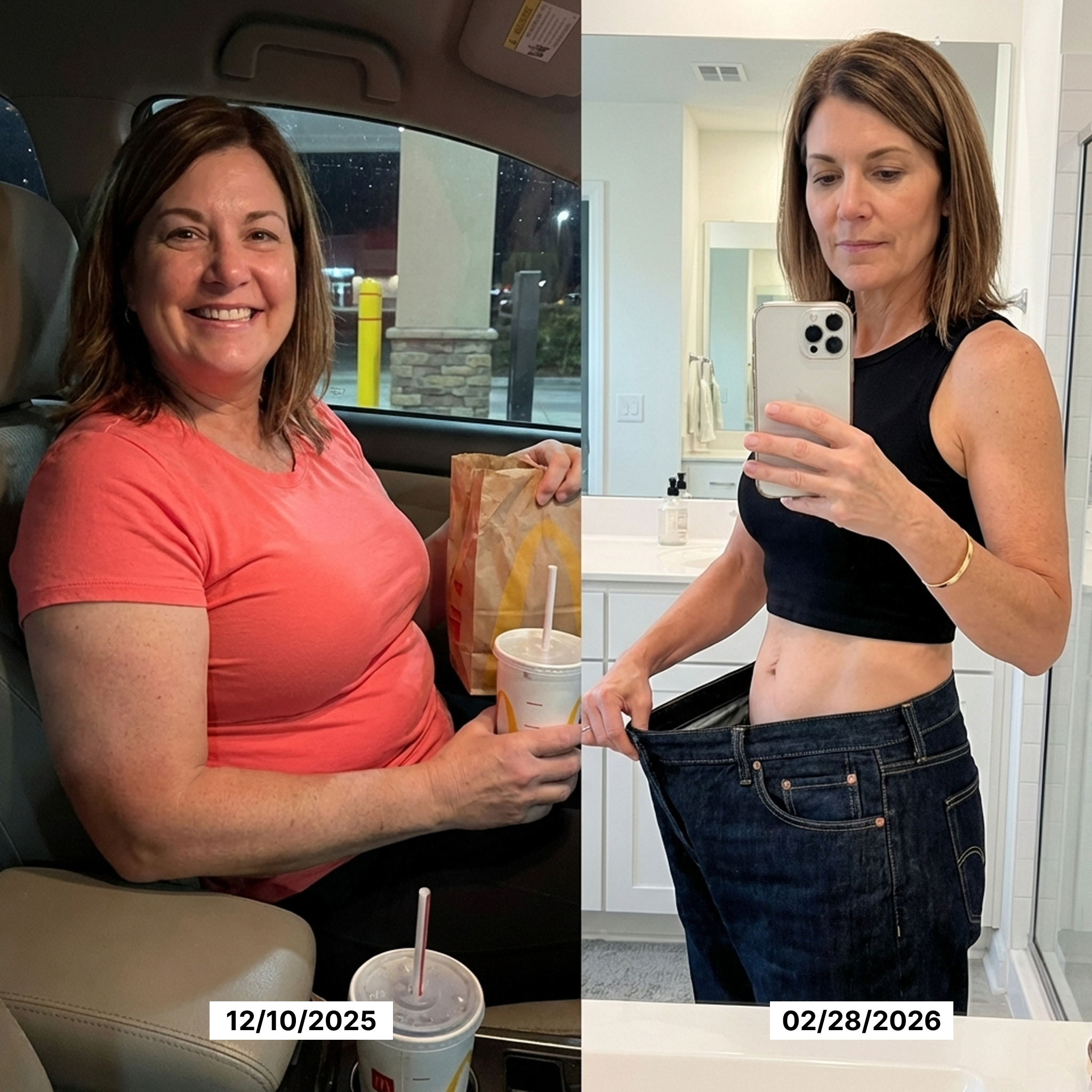
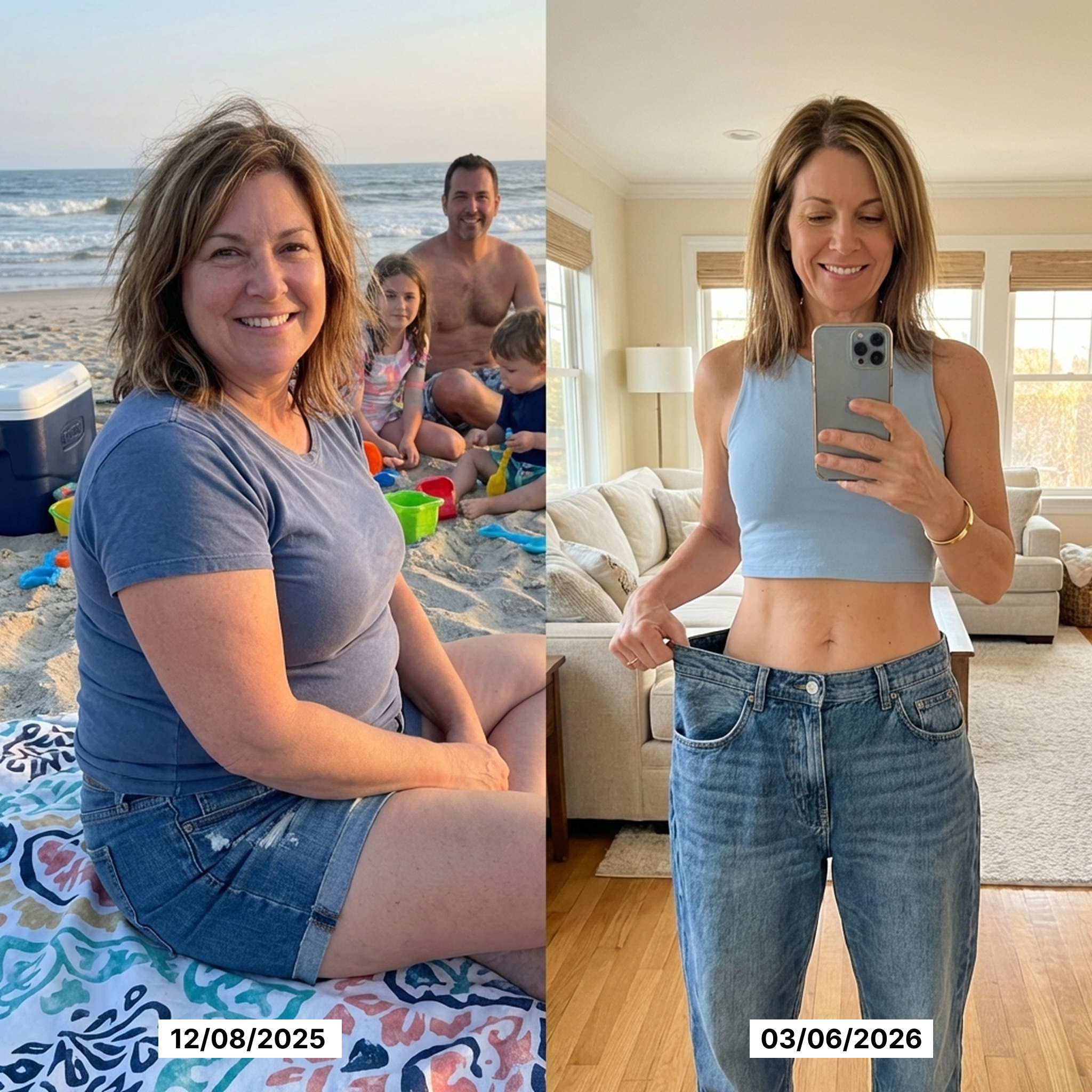
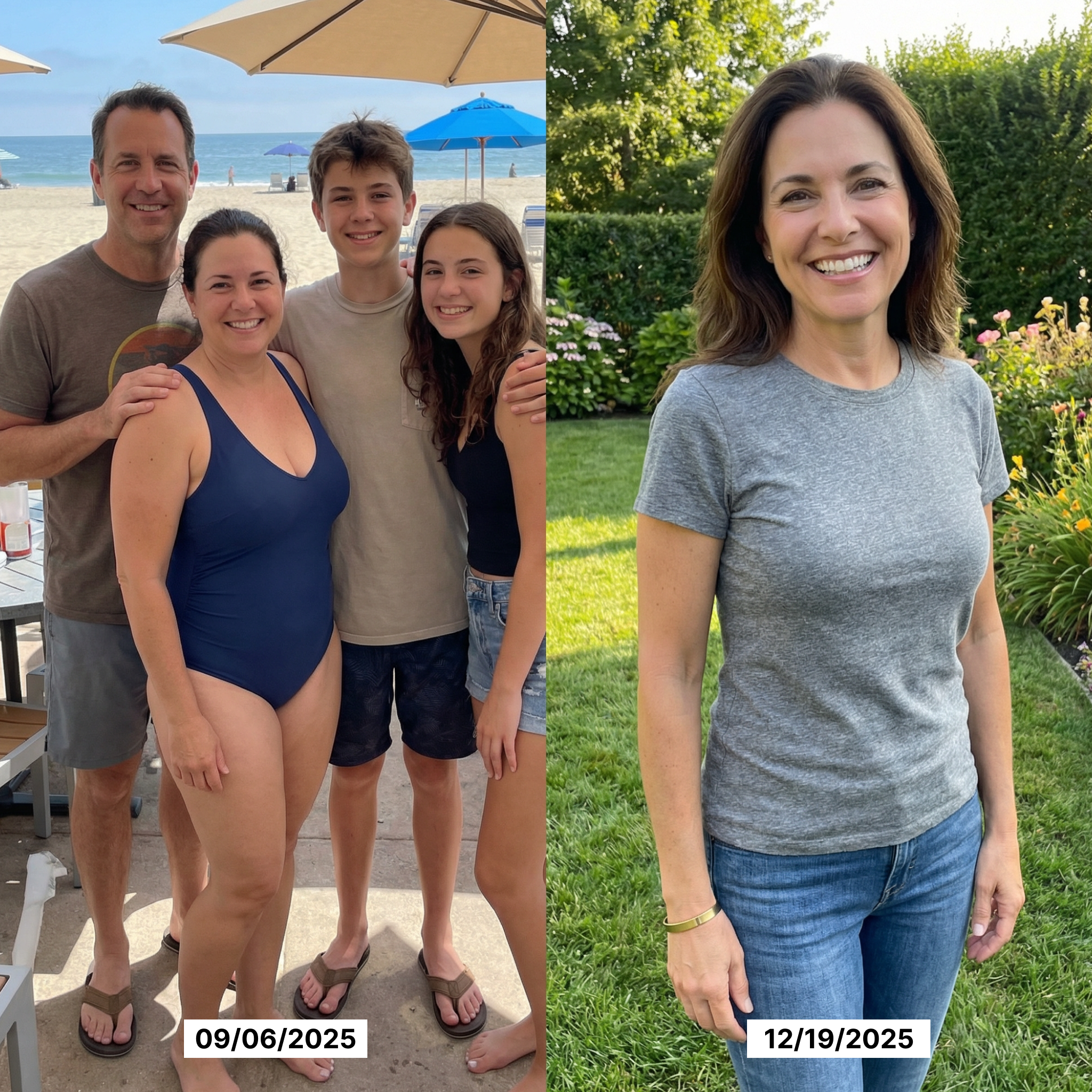
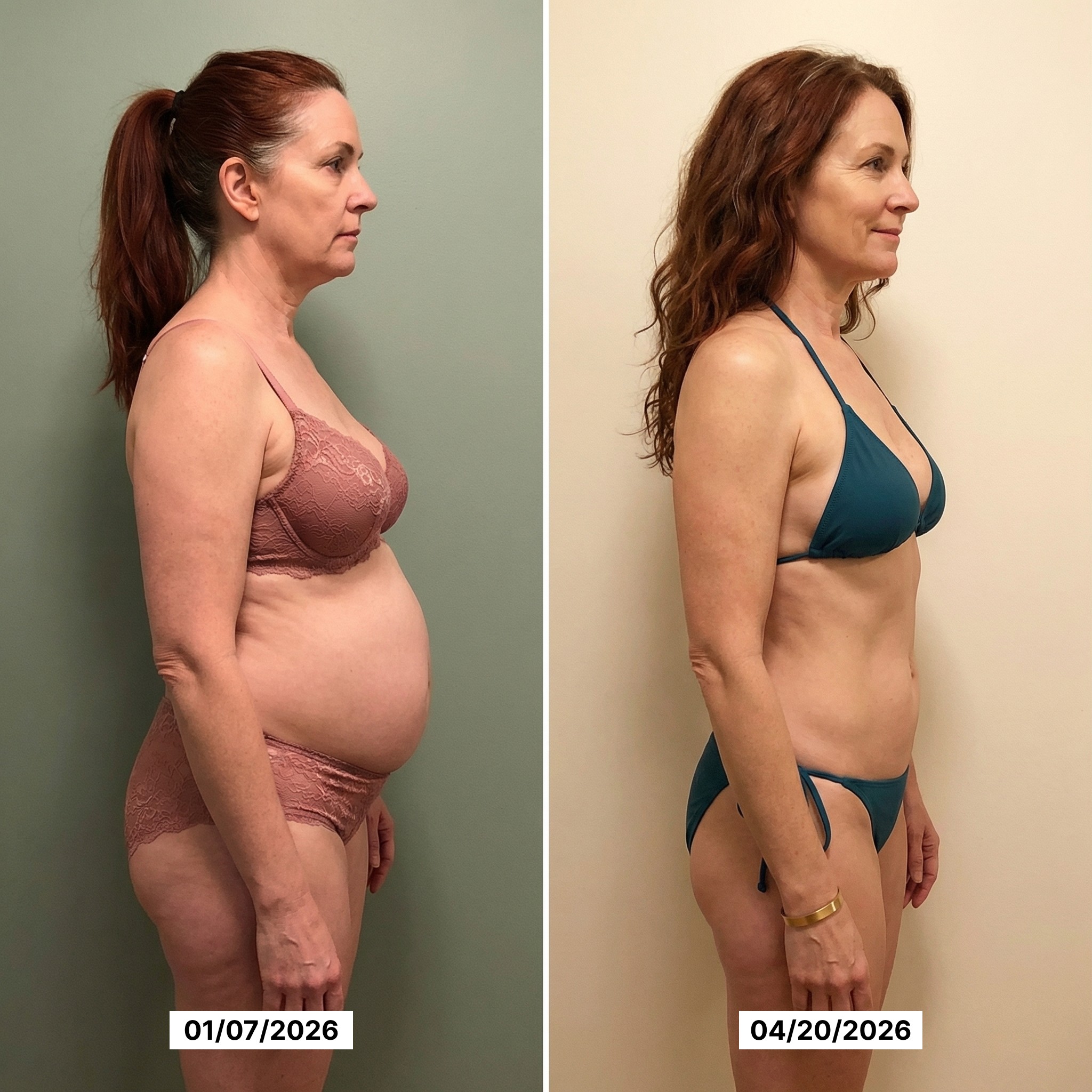
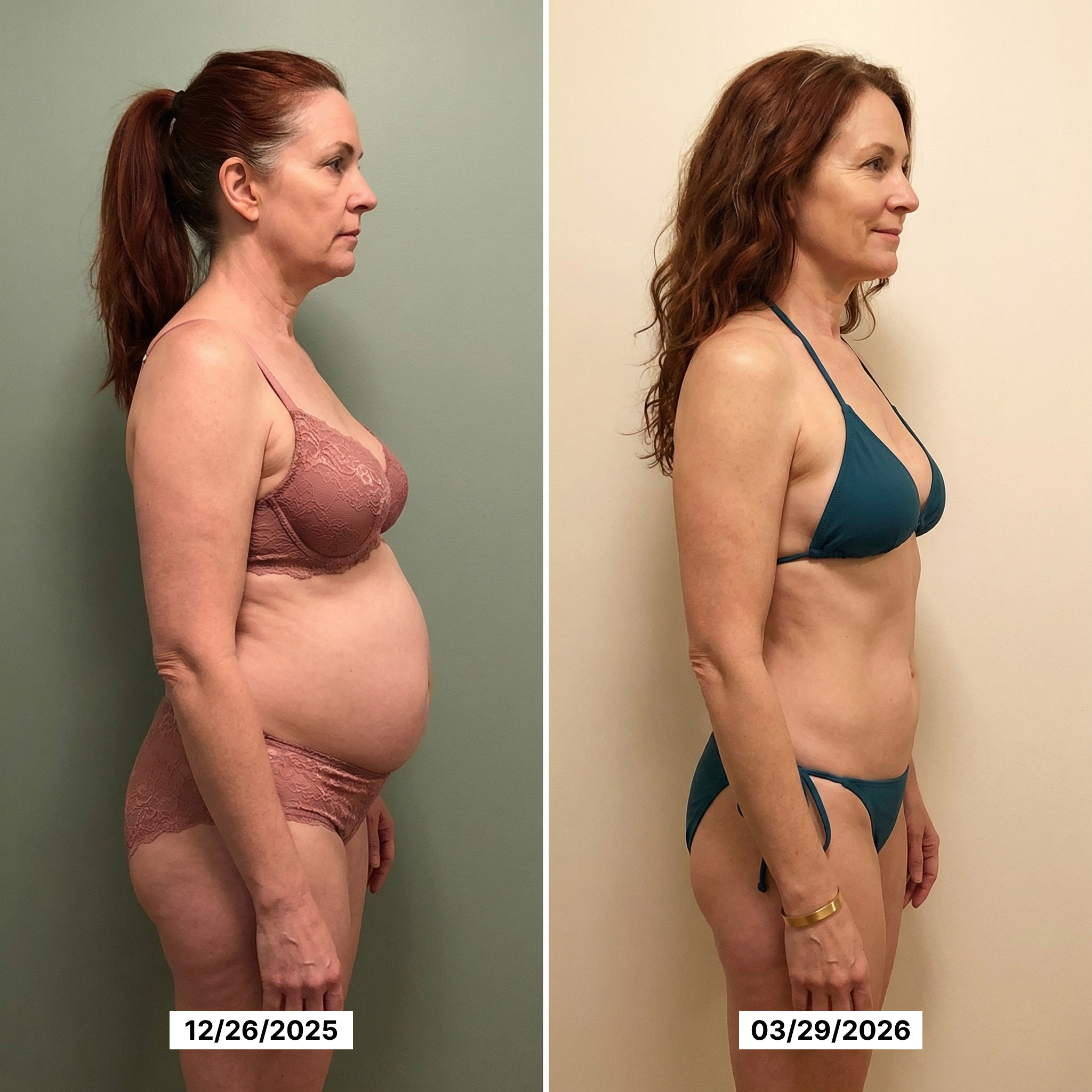
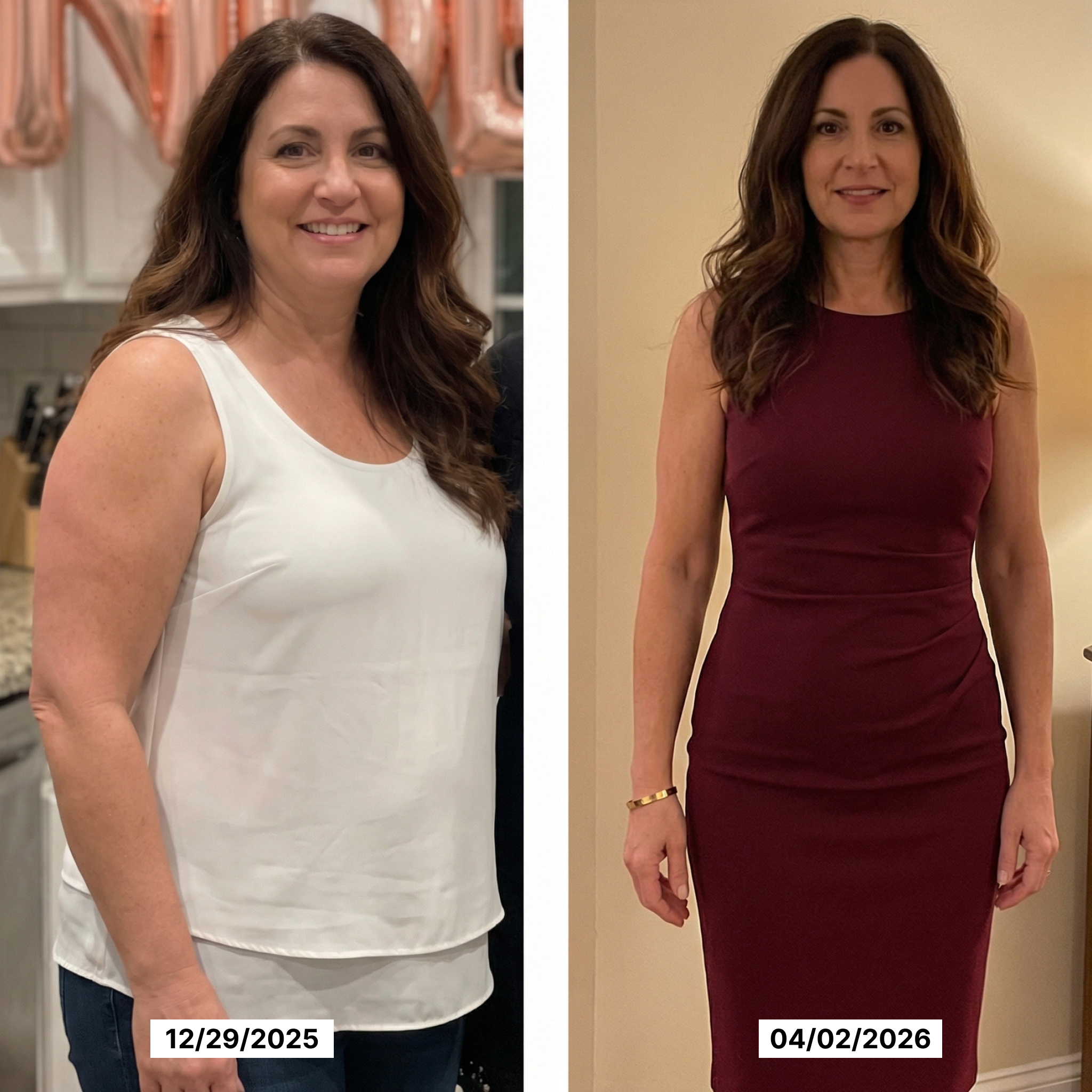
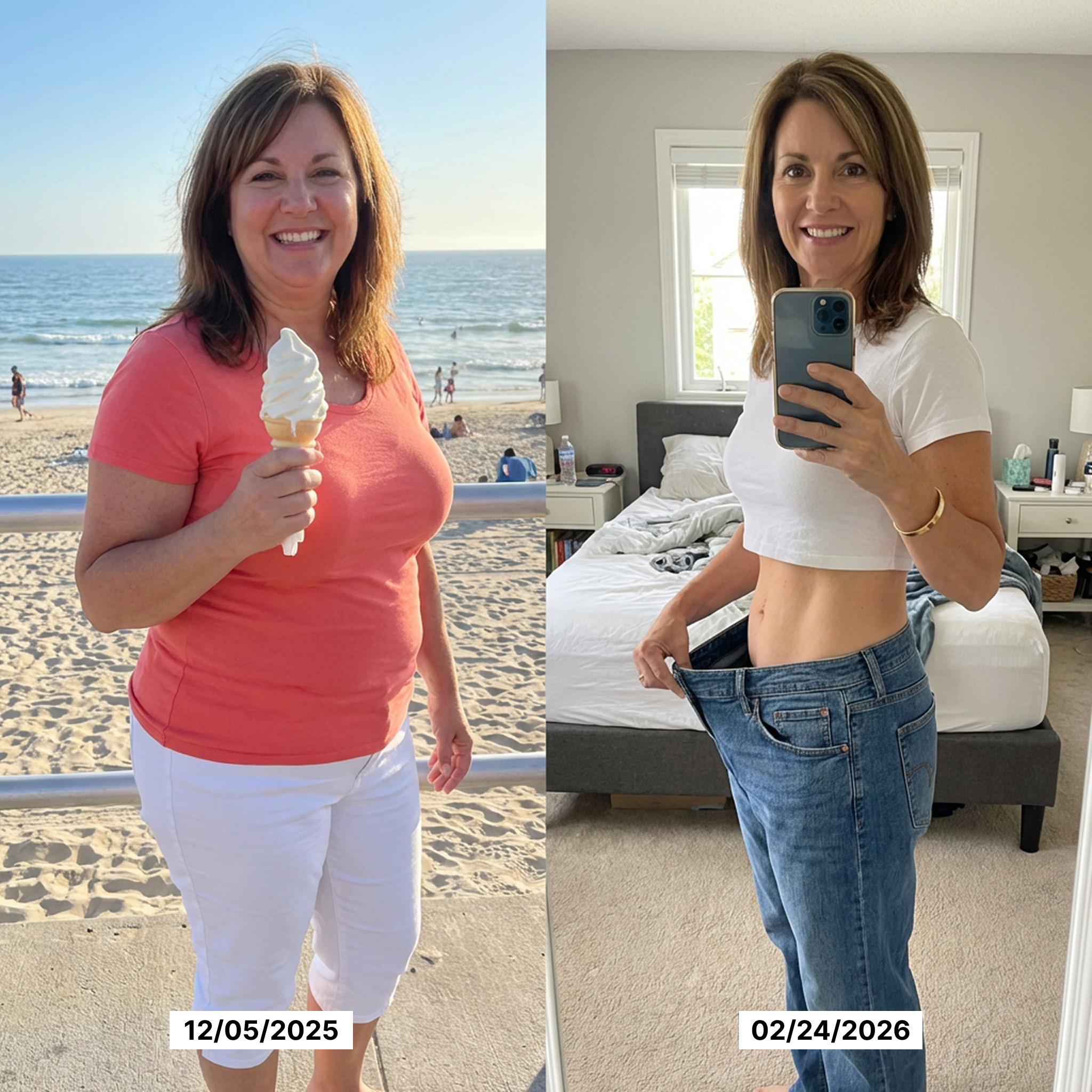
My endocrinologist called me in for an emergency appointment. She said no 57-year-old woman loses 61% of her visceral fat in 9 weeks without drugs. I wasn't on anything. She still doesn't understand how it happened. My visceral fat had dropped from 198 cm2 to 77 cm2. I'm a dialysis nurse. I've been running hemodialysis treatments on kidney failure patients for 30 years. Dr. Irene Feldman has been my endocrinologist since my late 40s. She's managed my thyroid, my hormones, and the metabolic collapse that menopause accelerated in my body year after year. After reviewing lab work I'd had drawn at an outside facility, she called me directly. Not her nurse. Not a message. Her. "I need you in my office this week. Your outside labs show a visceral fat reading of 77 cm2. Nine weeks ago you were at 198. That's a 61% reduction. Without any medication change I authorized. Without surgery. I need to see you and I need imaging confirmation before I can process what I'm looking at." I came in two days later. She ran a full abdominal CT. Confirmed: 77 cm2. She set the images down. "I've been treating metabolic and endocrine dysfunction for 26 years. This doesn't happen. Not in nine weeks. Not without pharmaceutical intervention. Not in a 57-year-old woman with your history. Tell me what you did." The Meno Belly That Was Destroying My Kidneys You sit across from a dialysis machine for four hours at a time. You monitor blood flow rates. You watch toxins leave the body through a filter because the kidneys can't do it anymore. You prime the lines, check the fistulas, manage the alarms. I know that visceral fat is the most dangerous fat in the body, it wraps around organs, releases inflammatory cytokines, drives insulin resistance, causes heart attacks. But I also know what most people don't think about: visceral fat destroys kidneys. It compresses renal vasculature. It drives the hypertension and diabetes that are the two leading causes of kidney failure. Every patient in my dialysis chair is living proof of what visceral fat does at the end of the road. And I'd been watching my own creatinine creep upward for three years. Between 45 and 57, I gained 39 pounds. All of it packed into my midsection. My waist went from 27 inches to 43 inches. Every shift I'd connect a patient to the machine and wonder how many years stood between my belly and their chair. They didn't start in dialysis. They started exactly where I was. Prediabetic. Hypertensive. Carrying visceral fat that was quietly crushing their kidneys until the kidneys quit. I clean the blood that kidneys can't clean anymore. And my own kidneys were starting to show the strain. The Numbers My Endocrinologist Had Been Fighting for Years My last full workup before the bracelet: Visceral fat: 198 cm2 (high risk is >100 cm2) Waist-to-hip ratio: 0.98 (high risk is >0.85) Fasting glucose: 126 (diabetic threshold) Triglycerides: 244 (elevated) Blood pressure: 152/96 (stage 2 hypertension) Creatinine: 1.4 mg/dL (borderline elevated, early renal stress) My mother went on dialysis at 59. She'd been diabetic since her mid-40s. Her kidneys failed over a decade of uncontrolled visceral fat, insulin resistance, and hypertension. She spent the last six years of her life in a chair identical to the ones in my unit. My aunt had a heart attack at 55. Same belly. Same metabolic profile. She survived but her kidney function never recovered. I hook patients up to the machine that does what their kidneys can't. My mother spent six years connected to that machine. And my creatinine was climbing the same way hers had. The Appointment That Changed the Conversation Dr. Feldman had been managing me carefully for years. Adjusting my thyroid. Balancing my estrogen. Tweaking every endocrine lever she could reach. She's methodical. She's patient. She doesn't alarm easily. At my last full review before the bracelet, she closed her laptop and folded her hands. "Corinne, I need to change the way we talk about your health. I've been managing your endocrine profile for eight years. Your thyroid is optimized. Your hormones are balanced. I've done everything within my specialty. And your visceral fat is still at 198 cm2. Your glucose just crossed the diabetic line. Your creatinine is at 1.4 and trending upward. Your kidneys are starting to show the same stress pattern I see in patients who end up in nephrology within five years." She looked at me across the desk. "You work in dialysis. You know what happens when kidneys fail under metabolic load. I don't need to describe it to you. What I need you to understand is that your visceral fat is driving this. It's driving the insulin resistance. It's driving the hypertension. It's compressing your renal arteries. And if we don't reverse it, dialysis is not a hypothetical for you. It's a destination." I've spent 30 years in dialysis units. I've watched patients accept that their kidneys are never coming back. And my own endocrinologist had just told me I was walking toward the same chair. The $4,320 I Spent Trying to Protect My Kidneys I tried everything she and my internist prescribed: Cardiac rehab visceral fat reduction program ($1,300 for 16 weeks) that helped marginally but didn't eliminate the risk. Prescription omega-3s, berberine, and alpha-lipoic acid for renal protection ($840 over 9 months) that shifted my markers slightly. Anti-inflammatory renal-protective meal protocol ($1,540 for 16 weeks) specifically designed for visceral fat and kidney stress. Supervised metabolic conditioning ($640 for 20 sessions) targeting abdominal fat reduction. My waist went from 43 inches to 41 inches. Visceral fat from 198 to 182 cm2. Creatinine held at 1.4. Not climbing. Not improving. My kidneys were holding but not recovering. My visceral fat was still compressing them. Dr. Feldman referred me to a nephrologist for baseline monitoring. She said she wanted someone tracking my kidney function independently in case she couldn't reverse the metabolic trajectory. What a Dialysis Patient's Wife Taught Me Then the Brennan family changed everything. Walter Brennan, 71, was one of my regular dialysis patients. Three sessions a week. He'd been in my chair for four years. His wife Dorothy came with him every single time. She was 68. She'd sit in the waiting area for four hours reading magazines and then drive him home. One Tuesday I noticed Dorothy looked different. She'd lost visible weight around her midsection. Her face was thinner. She moved through the waiting room with a quickness I hadn't seen before. After Walter's session, while I was disconnecting his lines, Dorothy said: "Can I ask you something? I know you're Walter's nurse, but you're also a woman my age dealing with the same belly I had." I didn't say anything. She was right. "Three years ago my doctor told me I was heading toward kidney problems. Same story as Walter. Visceral fat, diabetes risk, hypertension. I watched what happened to him. I wasn't going to let it happen to me." She held up her wrist. A bracelet. "My quilting friend is a licensed acupuncturist in Bozeman. She gave me this three years ago. My visceral fat went from 152 cm2 to 84 cm2. A 45% drop. My doctor said my kidney function actually improved. He'd never seen that without medication change." I'd been Walter's nurse for four years. Dorothy had been sitting in my waiting room the entire time, wearing the thing that kept her from ending up in the chair next to him. "How much was it?" "$65. That's less than one of Walter's dialysis copays. And it might be the reason I never need a chair of my own." My 9-Week Transformation As a dialysis nurse trained in renal physiology, I tracked every change: Week 1-3: Sleep quality improved dramatically. That crushing pressure across my abdomen and lower back started to drain away. Morning bloating went down. Waist: 40 inches. Week 4-6: Post-meal belly distension nearly gone. Inflammatory joint stiffness faded. Lost 17 pounds. Waist: 35.5 inches. Week 7-8: Belly visibly smaller. Could lean across the dialysis machine to adjust lines without my abdomen pressing into the console. Lost 14 pounds. Waist: 31 inches. Week 9: Abdomen soft instead of hard and swollen. Moving through 12-hour dialysis shifts with stamina I hadn't felt since my mid-40s. Lost 8 pounds. Waist: 28.5 inches. Total: 39 pounds lost. 14.5 inches off my waist. That's when the outside lab work came back and Dr. Feldman made the call. The Appointment That Left My Endocrinologist Without an Explanation When I showed Dr. Feldman the bracelet, she examined it under her desk lamp without saying a word. "Walk me through the mechanism." I explained: "Chronic stress keeps the autonomic nervous system in sympathetic overdrive. Elevated cortisol drives visceral fat storage around organs. When you regulate the nervous system, cortisol normalizes. The body releases the stored visceral fat." She pulled up my confirmed CT results. Visceral fat: 77 cm2. Down from 198 cm2. A 61% reduction. Deep into the normal range. She took off her glasses. "Corinne, nine weeks ago your visceral fat was compressing your renal arteries and driving you toward nephrology. Your glucose was diabetic. Your creatinine was climbing. I was preparing to co-manage you with a kidney specialist. And now you've reversed it. Without a single prescription from me. Without a single drug." She pulled up my full labs: Fasting glucose: 126 -> 80 Triglycerides: 244 -> 114 Blood pressure: 152/96 -> 112/70 Waist-to-hip ratio: 0.98 -> 0.72 Creatinine: 1.4 -> 0.9 (normal) "You eliminated the metabolic cascade that was destroying your kidneys and heading you toward a cardiac event, by addressing your nervous system." She looked at the creatinine number for a long time. "1.4 to 0.9. In nine weeks. I still don't understand how this happened. But your kidneys are no longer under stress and your cardiac risk has been eliminated." She cancelled my nephrology referral that afternoon. Ten Weeks Later Dr. Feldman now recommends it to her patients with central obesity and early renal stress before referring to nephrology. Five patients have seen 30-55% visceral fat reductions in 8-14 weeks. I've recommended it to seven dialysis nursing colleagues with meno belly. Five are reporting measurable waist reduction and improved labs. Last month, Dr. Feldman presented my case at the hospital's nephrology and metabolic disease conference: "Autonomic Nervous System Regulation as a Novel Intervention for Visceral Adiposity, Insulin Resistance, and Early Renal Stress in Menopausal Women." The Professional Truth Here's what 30 years running dialysis machines taught me: You can't crunch away visceral fat. You can't diet away belly fat driven by chronic cortisol. We can medicate metabolic syndrome, metformin, statins, GLP-1s. But if chronic stress is driving visceral fat accumulation, we're treating symptoms. For most menopausal women, the dangerous belly fat is a problem of a dysregulated nervous system pumping cortisol 24/7. That cortisol drives fat straight to your abdomen, around your organs, creating cardiac risk. Fix the nervous system. The belly fat releases. For me and my patients, that started with a $65 bracelet that did what no endocrine medication had: calmed the stress response driving the visceral fat. I'm still a dialysis nurse. I still sit across from patients whose kidneys were destroyed by what visceral fat started. But now I understand: you can't out-medicate a stress-driven meno belly. 👉 If you have visceral belly fat that won't respond to diet or exercise, if you want to address the cortisol driving dangerous fat accumulation... Click below to discover the Kalm Bracelet. Just $64.90 at the official store. Wear it consistently and measure your waist every 2 weeks for 16 weeks. https://mykalm.co/original-bracelet
Reduces menopause symptoms naturally
Don't miss out! Get TWO original Kalm Bracelet for the price of ONE. These are our largest discounts of the year. and supplies are running low. Secure yours now while they last!
LEARN MORELike this ad? Make it yours.
Crush rebuilds this exact creative around your product — your brand, your colors, your offer — in about a minute.