
Inactive· since Apr 3, 2026
- 122
- days it ran
- 16
- relaunches
Ad copy
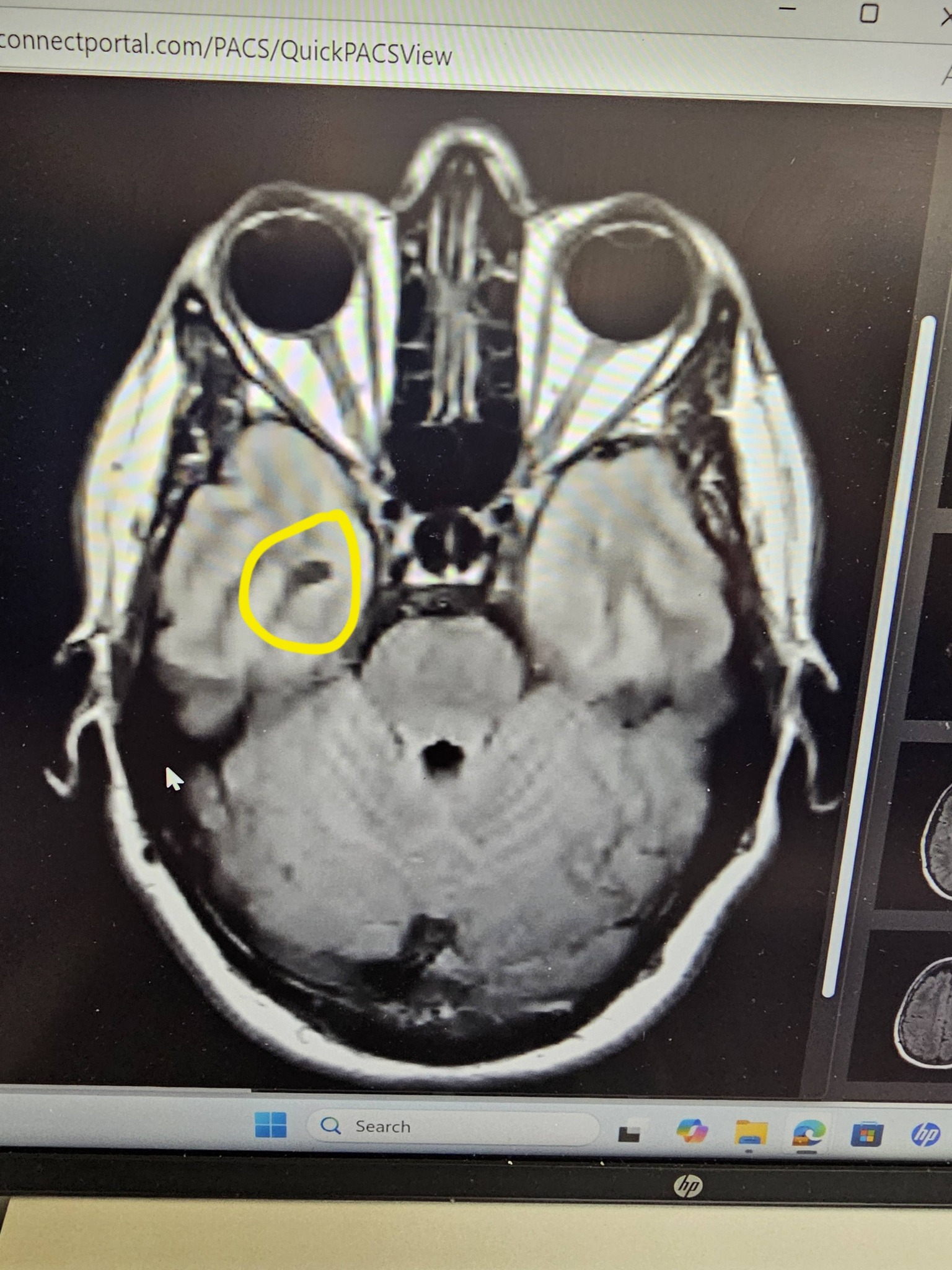
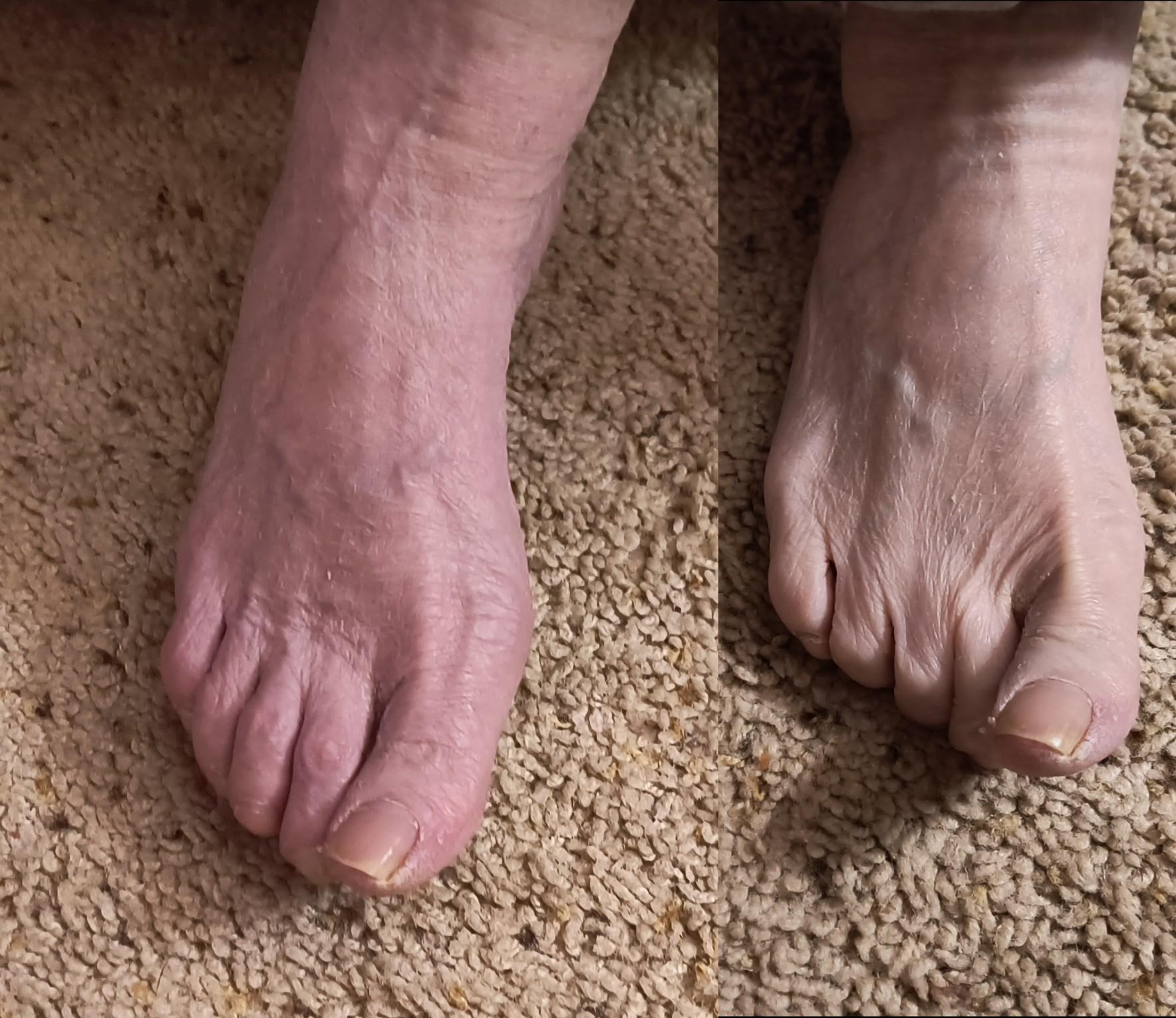
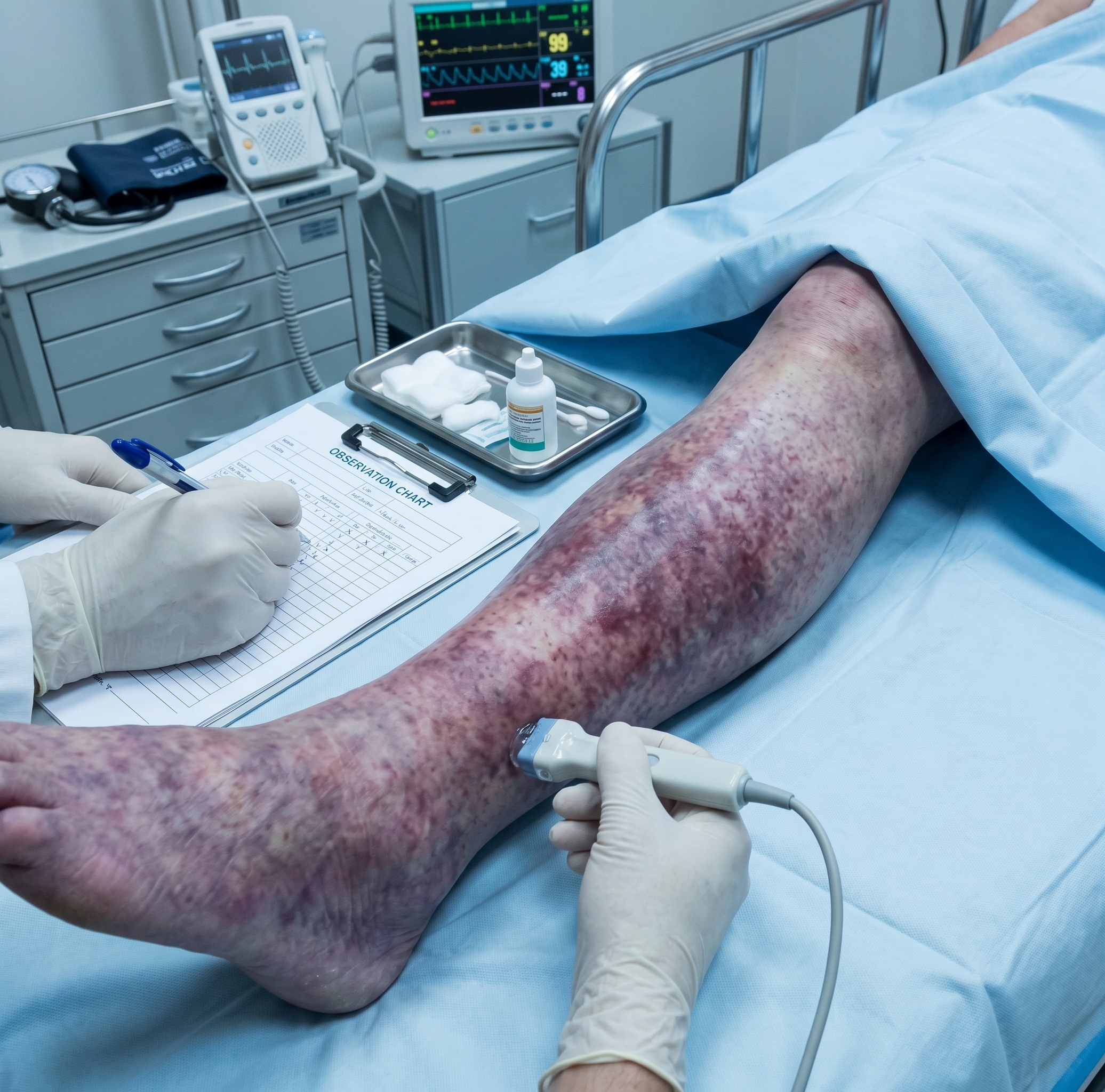
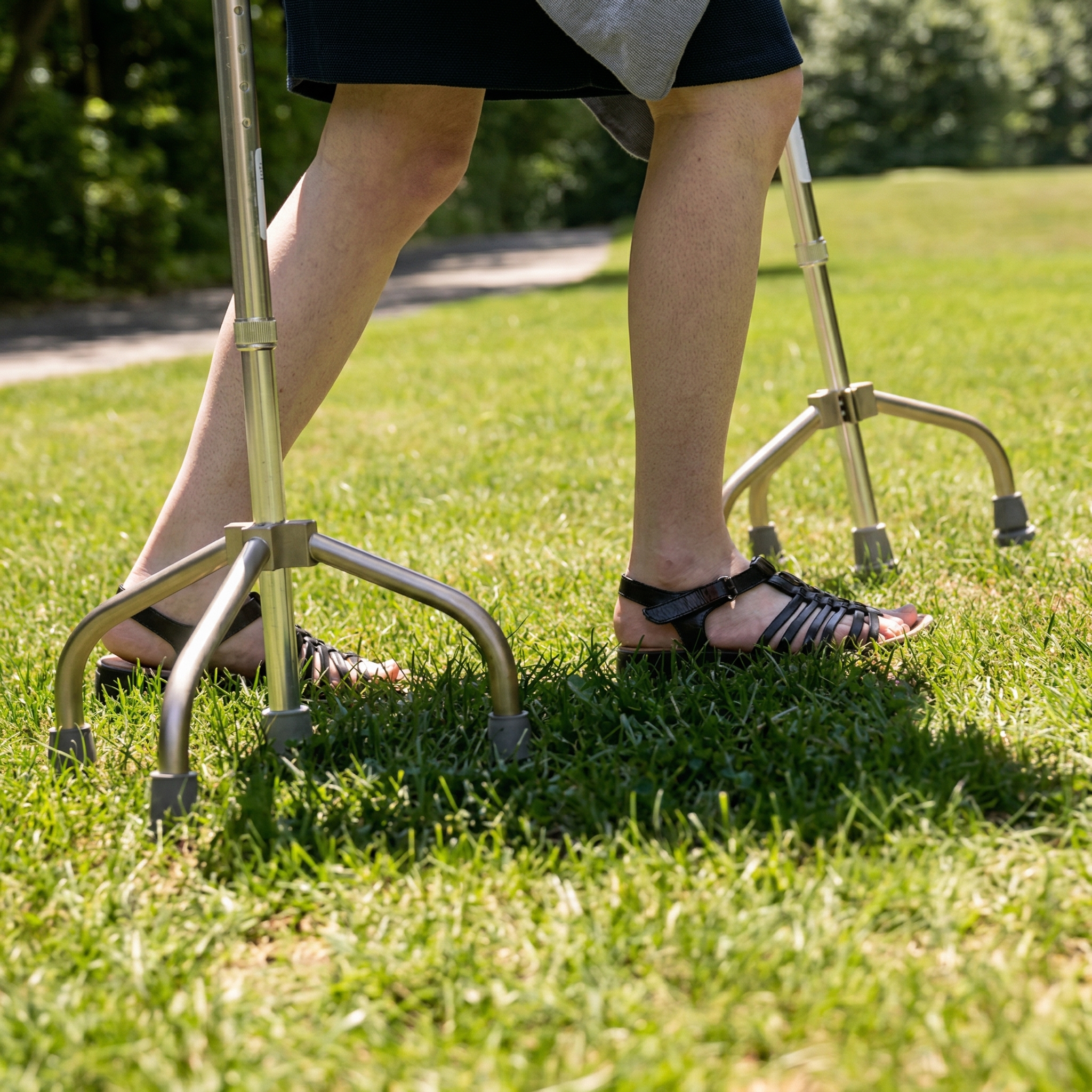
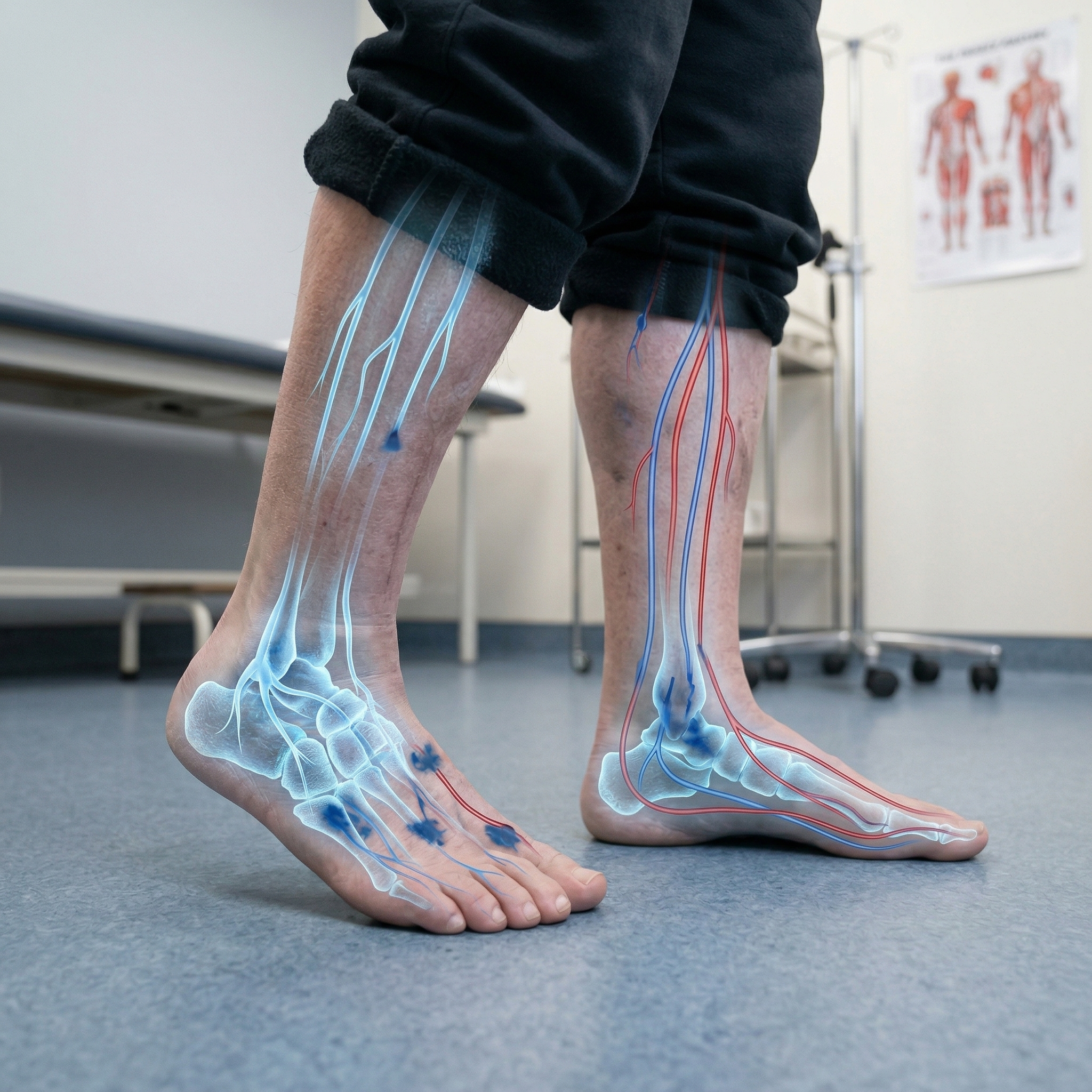
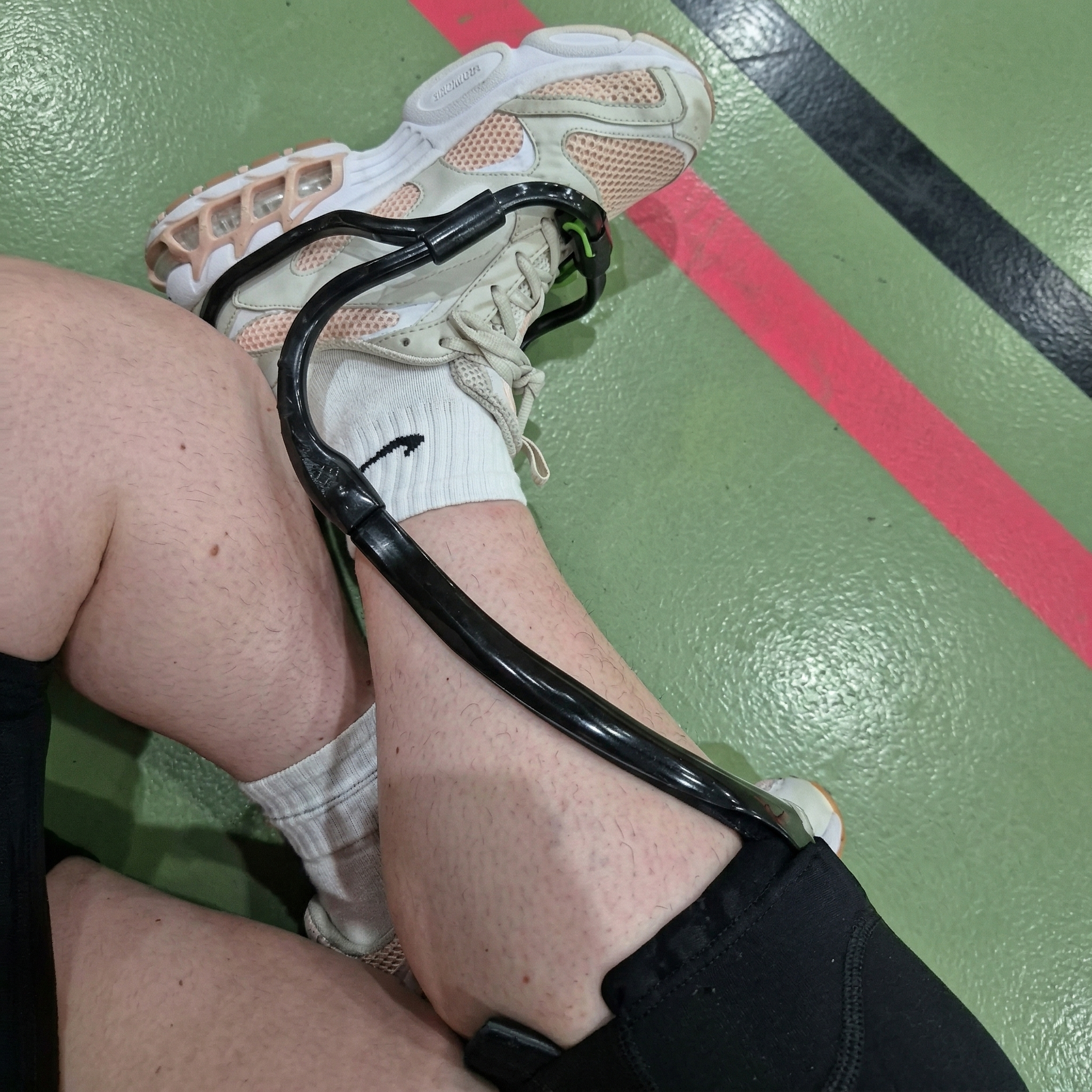
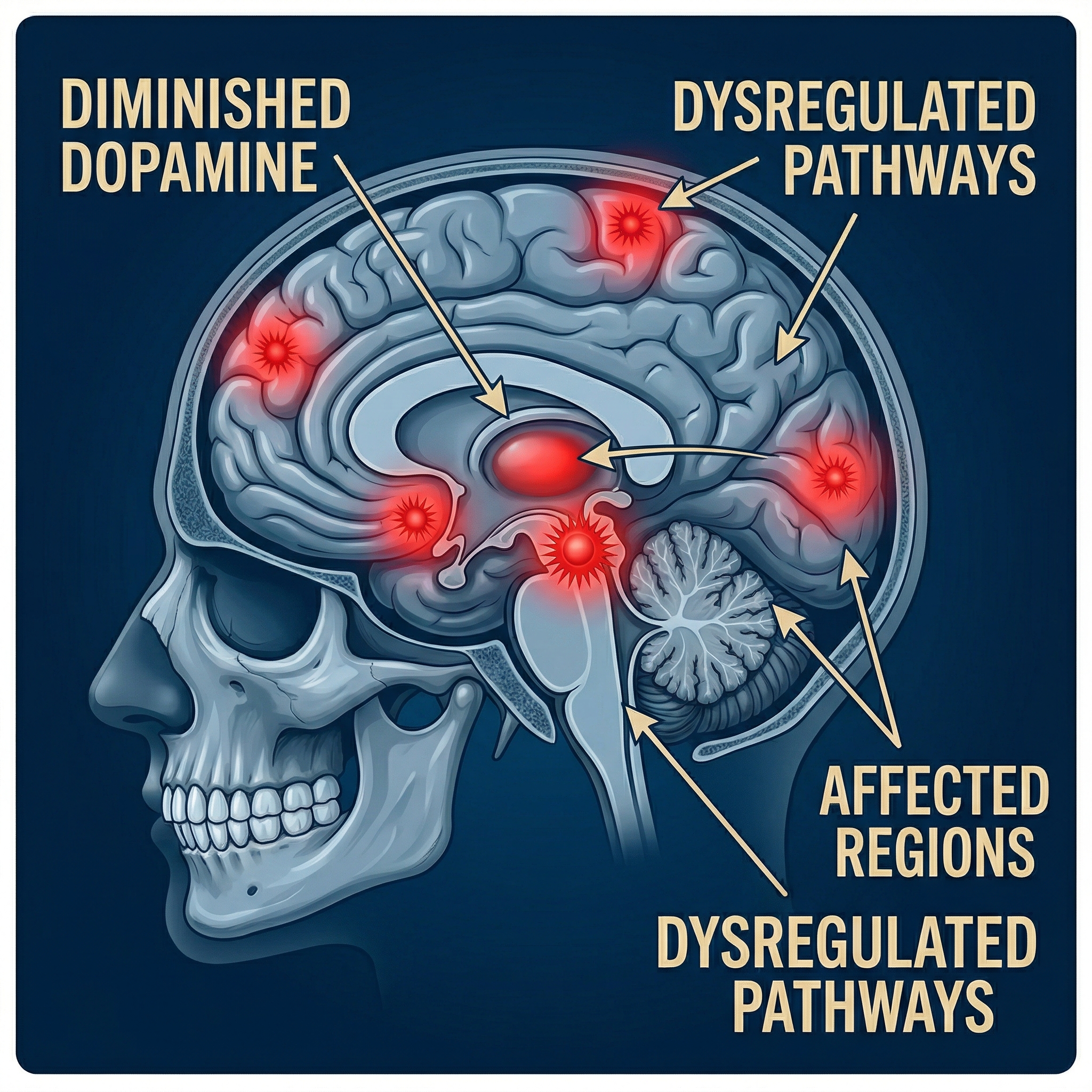
I've been a neurological rehabilitation specialist for 22 years. And if you walk like you're on the deck of a ship in a storm, you stagger and weave through your own house clinging to walls and furniture, and your neurologist keeps telling you "there's nothing we can do for gait ataxia"... I'm about to tell you exactly what they're missing and why canes, braces, and walkers will NEVER fix your walk. And by the end of this, you're going to understand what's actually happening inside your nervous system better than most of your doctors do. My name is Dr. Steven Jones. Board-certified neurological rehabilitation specialist. Twenty-two years treating movement disorders including multiple sclerosis. Over 3,100 patients. And I'm going against the grain of my own profession to tell you this. Because there are three things happening right now: One - MS has corrupted the coordination signal between your brain and your legs, and every walking aid you own is propping up the body without fixing the signal Two - The medical system has no pill for gait ataxia, so they hand you a cane and call it management And three - There's a rehabilitation model that profits from braces, walkers, and weekly therapy sessions that can't provide enough repetition to retrain a corrupted nerve pathway So let me tell you what happened with one of my patients, because her story is going to change how you understand MS gait ataxia forever. Her name was Margaret. 56 years old. Diagnosed with MS eleven years ago. For THREE years, and I mean three full years, she'd been losing control of her own walk. It started subtle. A slight weave walking down the hallway. A drift to the right she'd correct without thinking. She thought she was just tired. Then it got worse. Within a year, she was staggering. Not stumbling. Staggering. Her feet would land in places she didn't intend. Her legs would swing too wide or too narrow. She'd veer sideways mid-step like someone had shoved her, except nobody had. She bounced off doorframes. Clipped furniture. Grabbed countertops for balance the way a drunk grabs a bar rail. And the worst part? She had to stare at her feet with every single step. The moment she looked up, her brain lost track of where her legs were and she'd veer off course immediately. She couldn't hold a conversation while walking. Couldn't look at her husband while they walked side by side. Couldn't glance at a shop window without stumbling. Her entire visual world shrank to a six-foot patch of ground directly in front of her shoes. People stared. A woman at the supermarket once asked if she needed help "sobering up." At 10am on a Tuesday. She was stone sober. She went home and didn't leave the house for two weeks. She stopped going to the farmers market because the uneven ground was terrifying when she couldn't feel her feet. Stopped accepting dinner invitations because navigating a crowded restaurant made her look intoxicated. Stopped walking the neighbourhood loop she'd done every evening for fifteen years. Her husband started walking behind her everywhere. Not beside her. Behind her. Ready to catch her. She noticed. It broke her heart. The woman who'd run half marathons in her thirties was now mapping routes through her own house based on what she could grab onto. And here's what nobody tells you about MS gait ataxia: It's not your muscles. Your legs are strong. Your joints are fine. Every scan shows your legs are physically capable. The problem is your brain can't coordinate them anymore. MS has destroyed the communication signal, and no amount of leg strength helps when the steering is broken. It's like driving a car where the steering wheel is loose. You turn it, but the tires don't respond right. The car drifts. You overcorrect. It swerves the other direction. That's your walk right now. Not because the tires are flat. Because the connection between the wheel and the tires is corrupted. And here's what makes me angry: I was one of the specialists she came to see. Multiple doctors. Her neurologist. An MS specialist. A physiatrist. Me, the rehab expert. We're talking thousands of dollars in appointments, MRIs, infusion treatments, gait assessments, the works. And you know what every single one of us did? Handed her things to lean on. "Here's a custom AFO brace. $2,800." "You should use a rolling walker. $600." "Let's get you into physical therapy. $175 per session, three times a week." "Your Ocrevus is working. Your lesion load is stable. The ataxia? That's just how MS affects your walk." THAT'S JUST HOW MS AFFECTS YOUR WALK. This woman was staggering through her own kitchen and we were congratulating ourselves that her MRI looked stable while handing her a stick to lean on. But here's where it gets worse, and this is the part that changed everything for me. We fitted her with a $2,800 custom AFO brace. It locked her ankle in place. Her foot stopped dropping but now she walked like a robot. The rigid brace eliminated the natural ankle movement that healthy walking requires. She couldn't adapt to uneven surfaces. Couldn't feel the ground through the plastic. Her ankle muscles got WEAKER because the brace was doing all the work. We put her in physical therapy three times a week. $175 per session. She'd practice balance exercises for an hour, show modest improvement during the session, and by the time she drove home the stagger was back. The improvements evaporated within hours because one hour of practice three times a week isn't enough repetition to retrain a corrupted nerve pathway. Over three years she spent over $18,000. Two custom AFO braces. A specialized rolling walker. Physical therapy three times a week. Her neurologist tried 4-aminopyridine off-label. Modest improvement for a few hours, then back to staggering. $18,000. And she was still weaving, still looking down, still gripping furniture through her own house. I watched this woman do everything right, show up to every session, wear every brace, take every pill, and her walk kept getting worse. Not because the MS was progressing. Her MRI was stable. Because nobody was fixing the corrupted signal. We were propping up the body while the steering system deteriorated from neglect. And I didn't know how to help her. Until a neurorehabilitation researcher at a conference said something that stopped me in my tracks. November 2022. San Diego. Consortium of Multiple Sclerosis Centers annual meeting. I was reviewing our MS gait outcomes. The usual depressing data. Patients propped up with canes and braces, still staggering, still looking down, still exhausted. The kind of results we'd all quietly accepted as the best we could do. After my presentation, a man approached me. Early sixties. Lean. Moved with a deliberateness that suggested he understood movement at a level most clinicians don't. His name was Dr. Robert Acheson. Thirty-five years in MS neurorehabilitation research. Published extensively on gait coordination, proprioceptive restoration, and peripheral nerve stimulation. Still active in clinical trials. He looked at my data and said something I'll never forget: "You're propping up the car instead of fixing the steering. And every prop you add makes the steering worse." I asked what he meant. "Every cane, every walker, every rigid brace you give an ataxia patient does one thing: it removes the requirement for the brain to coordinate the legs. The brain doesn't need to balance if there's a walker doing it. The ankle doesn't need to adjust if a brace has locked it in place. And the proprioceptive pathway, the one your patient desperately needs to strengthen, gets ZERO stimulus because the aids are handling the load." He paused. "You're creating a dependency cycle. The aids compensate for the corrupted signal. Because the signal isn't being challenged, it gets weaker. Because it gets weaker, the patient needs more aids. More aids, less signal challenge, weaker signal. The ataxia gets worse not because of the MS. Because of the management strategy." He leaned forward. "But what if instead of propping up the body, you sent the signal the brain can't send? What if you bypassed the corrupted pathway entirely and provided the timing, the coordination, and the proprioceptive feedback from outside?" What he taught me completely changed how I understand and treat MS gait ataxia. He pulled out his tablet and showed me a diagram. "There are two things MS has destroyed in your patient's walking system. First: cerebellar coordination. The cerebellum is the brain's timing centre for movement. MS lesions have damaged the connections to it. Her brain can't time and sequence muscle movements anymore. Her foot lifts too early, lands too late, swings too far to one side." He tapped the screen. "Second: proprioception. That's the brain's subconscious GPS for the body. It tells the brain where the legs are in space without looking at them. MS has damaged the sensory pathways in the spinal cord that carry this information. Her brain literally does not know where her feet are unless she stares at them. That's why she looks down. Not out of habit. Out of neurological necessity." He looked at me directly. "Canes don't restore timing. Braces don't rebuild proprioception. Walkers don't retrain coordination. They all prop up the result of the corrupted signal without addressing the signal itself. But EMS can do something none of those aids can. It can act as an external pacemaker for the legs." Now pause for a second. You know what's maddening about this? The concept is simple. A cardiac pacemaker provides the electrical timing signal the heart can't generate on its own. An EMS device does the same thing for the legs. When the brain's coordination signal is corrupted by MS, the device provides an external rhythm that fires the muscles at the right moment, in the right sequence, at the right intensity. It doesn't wait for the broken signal. It provides its own. And it does three things simultaneously that no cane, brace, walker, or pill can do: 1. Signal bypass: the EMS sends precise electrical impulses directly to the peroneal nerve in your lower leg. It manually fires the muscles at the correct moment of the gait cycle, bypassing the corrupted brain signal entirely. Instead of your brain trying to send garbled timing instructions through damaged myelin, the device provides the timing externally. Your muscles fire in the right sequence because the device tells them to, not because your brain managed to get the message through 2. Proprioceptive restoration: every pulse sends a strong, consistent sensory signal from the feet back UP through the legs to the spinal cord and brain. This flood of structured proprioceptive data forces the brain to re-register where the legs are. It "wakes up" the deadened sensory pathways and rebuilds the ground connection that MS has severed. Patients describe it as "feeling the floor again for the first time in years." When you can feel the ground beneath you, your brain stops panicking. Your stance narrows. Your steps become more deliberate. And gradually, you can look up 3. Neural pathway reinforcement: when MS destroys a primary nerve pathway, your nervous system can build detour routes around the damage. Neuroplasticity allows the brain to reroute signals through undamaged pathways. But these detour routes only develop with massive, consistent repetition. One PT session a week provides 30 to 60 minutes of practice. EMS delivers hundreds of precisely timed muscle contractions per session, twice a day, seven days a week. This volume gives the nervous system the raw material it needs to build alternative neural pathways around the MS lesions. You're not waiting for the damaged nerves to heal. You're building new roads around the roadblock The science is published and peer-reviewed. Functional electrical stimulation improves walking speed, coordination, and proprioceptive function in MS patients. Clinical research confirms that peripheral nerve stimulation can drive neuroplastic adaptation even in the presence of demyelination. This isn't experimental. It's established neuroscience. But you'll never hear most MS neurologists recommend a home EMS device for gait ataxia. Because there's no FDA-approved drug for ataxia. No pharmaceutical company sponsoring research into peripheral stimulation for coordination. The conferences are funded by drug companies selling DMTs. So those get presented. Those get prescribed. And the corrupted signal that's causing your stagger gets ignored because nobody makes money fixing it. A patient on the standard MS ataxia pathway pays $150 to $300 per PT session, three times a week. $2,800 for a custom AFO brace, replaced annually. $600 for a walker. Plus specialist appointments. Easily $8,000 to $12,000 per year. For aids that prop up the body without touching the signal. An EMS device that bypasses the corrupted signal, restores proprioception, and reinforces new neural pathways? One-time purchase. The system isn't designed to fix your walk. It's designed to prop it up and bill you forever. Now here's the problem I ran into... Most "foot stimulators" on the market are useless for MS gait ataxia. I tried a TENS unit. It tingled the skin. Did nothing for the coordination problem underneath. Margaret said it felt like "buzzing on the surface while my legs still weaved." I tried a vibrating foot plate. It shook. That's it. No muscle timing. No proprioceptive restoration. No pathway reinforcement. I tested ten different devices over four months. Spent over $500 on things that either just vibrated the surface or delivered stimulation too weak and too unfocused to reach the specific motor neurons controlling gait coordination. Because here's the thing: vibration and TENS are NOT the same as EMS. TENS stimulates sensory nerves for pain relief. Vibration shakes the skin. Neither forces actual muscle contraction. Neither provides the precise timing signal your legs need. Neither floods the proprioceptive pathways with enough structured data to rebuild the ground connection. True EMS sends electrical impulses directly to the motor neurons, forcing real muscle contraction in the exact sequence and timing of a healthy gait cycle. Your muscles fire in the right order, at the right moment, with the right intensity. And every contraction sends proprioceptive feedback screaming back up to the brain: "HERE are the legs. THIS is where they are. THIS is what the ground feels like." Every device I tested failed at least one of the three requirements. Until I found Restural. True EMS foot plate. Not a TENS unit. Not a vibrator. Actual electrical muscle stimulation with deep motor nerve penetration. With ALL THREE mechanisms. Signal bypass through precise peroneal nerve activation. Proprioceptive restoration through structured sensory flooding. Neural pathway reinforcement through hundreds of correctly timed repetitions per session. When I dug into the technology? It was based on the exact protocols used in MS rehabilitation clinics and FES programmes. The same approach the clinical studies used. The same "external pacemaker" mechanism that makes functional electrical stimulation effective in hospital settings, but available at home for a fraction of the cost. They understood that gait ataxia isn't a strength problem. It's a signal problem. And they built something that provides the signal from outside when the brain can't deliver it from inside. And here's where I had to face what I'd done to my patients: When Margaret was in my clinic? We'd fitted her with two custom AFO braces at $2,800 each. A specialized rolling walker at $600. Physical therapy at $175 per session, three times a week. Her neurologist tried 4-aminopyridine with modest results. Over three years, she spent $18,000. And she was still staggering. She was spending over $500 a month. Every month. On aids that propped up her body while the corrupted signal got weaker because nothing was challenging it. The Restural EMS plate? One-time purchase. Under $60. Acts as an external pacemaker for your legs. True EMS that bypasses the corrupted brain signal entirely. Restores the proprioceptive ground connection so you can feel your feet again. Hundreds of correctly timed repetitions per session to build new neural pathways. 10 to 20 minutes, twice daily, while sitting in your favourite chair. No canes. No rigid braces weakening your ankles. No weekly appointments that fade by evening. Just the signal your brain can't deliver, provided from outside, every single day. I started using it with Margaret first. Week 1: The sensation was immediate. She could feel the pulses moving through her calves and into her feet, and something shifted. Not in her legs. In her awareness of her legs. For the first time in years, she could feel where her feet were on the ground without looking down. She sat in the chair after the session and wiggled her toes and cried because she could actually feel them. "I forgot what the floor felt like," she said. Week 2: Her husband noticed first. She walked to the kitchen without touching a single wall. He watched from the couch and didn't say anything. Didn't want to jinx it. When she came back to the living room his eyes were red. "You didn't weave. Not once." She hadn't even noticed. That was the point. She didn't have to notice. Her feet just knew where to go. Week 4: She walked into the supermarket and looked up. Not at her feet. Up. At the shelves. At the other shoppers. She walked three aisles without staggering, without gripping the cart for balance, without a single person staring at her. A woman asked her to reach something from the top shelf and she did it without thinking. She didn't know that was the most normal moment Margaret had had in three years. Week 8: Full gait assessment. Stance width decreased by 38 percent. Step timing improved by 41 percent. Walking speed up 33 percent. Walking endurance, the distance she could walk before fatigue forced her to stop, increased by 44 percent. And the biggest change: she was looking up. Not down. Up. At the world. At her husband. At the scenery on their neighbourhood walks. She walked into a restaurant with her husband. From the door to the table without bumping a single chair. She looked him in the eye while they walked side by side. She didn't look down once. After dinner, they walked along the waterfront and he held her hand. Not to steady her. Because that's what married people do when they take a walk together. She left the cane in the car. It's still there. Then I introduced it to every MS gait ataxia patient on my caseload. Twenty-two patients over the next six months. The results were consistent: Average improvement in gait coordination scores: 39 percent by week 8 Average decrease in stance width: 34 percent Average improvement in walking speed: 29 percent Average improvement in walking endurance: 37 percent Number of patients who voluntarily reduced cane or walker use: 15 out of 22 Number of patients who reported "feeling the ground again": 19 out of 22 Number of patients who reported being able to look up while walking: 17 out of 22 And the compliance rate: 21 out of 22 were still using it twice daily at six months. Because it's 10 to 20 minutes in a chair. Twice a day. Not another appointment. Not another brace. Not another aid. Not just better scores. People looking up. People walking into restaurants. People holding hands because they want to, not because they have to. That's the one that matters with MS ataxia. Because this condition doesn't just take your coordination. It takes your connection to the world around you. And anything that gives even a piece of that connection back is worth everything. This is the approach they're not telling you about. Because the second you start providing the signal externally, everything shifts. The proprioception rebuilds. The timing improves. The stagger softens. The stance narrows. And gradually, you look up. Not because you're being brave. Because your brain knows where your feet are again. You don't stop your DMT. Your MS treatment continues as normal. But now you're adding the one thing that was missing: the actual coordination signal your brain can't deliver, provided from outside, daily, with enough repetition to build new pathways around the damage. It's not a cure for MS. Nothing is. But it addresses the one piece that every cane, brace, walker, and pill misses: the corrupted signal between your brain and your legs, bypassed from below so your feet remember where the ground is and your muscles remember when to fire. Now here's what I need you to understand about timing: Every day you rely on aids instead of challenging the signal, the pathway gets weaker. The muscles your braces are immobilising atrophy further. The proprioceptive connections your brain needs deteriorate from disuse. And the detour routes your nervous system could be building never get started. Year 1 of significant ataxia: The pathways are corrupted but the muscles are intact and the nervous system is highly responsive to new input. EMS response is rapid. Most patients see meaningful improvement within 4 to 6 weeks. Year 1 to 3: Muscle atrophy has begun from brace use and reduced walking. Proprioceptive pathways are weaker. 6 to 8 weeks for significant improvement. Still very achievable. Year 3 to 5: More significant deconditioning. Recovery takes longer. 8 to 12 weeks with realistic expectations. Year 5 and beyond: Substantial muscle wasting and deeply weakened pathways. Improvement is still possible but more modest. 12 to 16 weeks. Margaret was at year 3. She responded beautifully. But the patients who'd been relying on walkers and braces for 6 or more years showed slower improvement because the muscles had atrophied further and the pathways had been unchallenged for longer. And here's the thing about MS that makes this urgent: unlike a one-time injury, MS can add new damage at any time. Every relapse potentially corrupts the signal further. The stronger your proprioceptive pathways and detour routes are going into a relapse, the better they survive it. Building coordination now isn't just about today's stagger. It's insurance against tomorrow's relapse. If you're reading this and your walk has been getting worse for over a year, your pathways are deteriorating every month that aids do the work instead of your nervous system. Your DMT is preventing new damage, which is crucial. But your cane and brace are ensuring the old damage never gets addressed. They're keeping you safe while quietly making the underlying problem worse. If you're someone who's been dealing with this, the stagger that makes people think you've been drinking, the looking-down walk, the furniture cruising through your own house, the exhaustion of concentrating on every single step, the independence you're watching slip away, and your neurologist keeps saying "there's nothing for ataxia"? It's not because the ataxia is untreatable. It's not because you've reached your limit. It's because nobody is providing the signal your brain can't deliver. Your cane props you up. Your brace locks you in. Your therapy can't provide enough daily repetition. And there's no pill. But there IS a device that acts as an external pacemaker for your legs, providing the timing, the coordination, and the proprioceptive feedback that your damaged myelin can no longer carry. The Restural EMS Stimulator has a 90-day money-back guarantee. If it doesn't fix your walk, you pay nothing. And honestly? Even if you're sceptical, try it for a month. See if your legs respond the way Margaret's did. The way 19 out of 22 of my patients did. Because the medical system isn't coming to fix your signal. They're too busy handing you things to lean on while the steering gets worse. A neurorehabilitation researcher taught me more about MS gait ataxia in two hours than I learned in two decades of treating MS patients. It's about time I passed that lesson on. Go get it. Stop propping up the car. Fix the steering. P.S. - I still believe in physical therapy for MS. It's valuable. But for gait ataxia specifically, one session a week can't provide the hundreds of daily repetitions your nervous system needs to build new pathways. EMS provides that volume, at home, twice a day, every day. It doesn't replace therapy. It gives therapy something to build on. P.P.S. - If your walking has been getting worse despite "stable" MS, that's not the condition progressing. That's your aids doing the work while your pathways deteriorate from disuse. Your brace is keeping your ankle safe while your ankle muscles waste away. Your walker is keeping you upright while your proprioception fades. Don't wait for your next MRI to confirm what your feet are already telling you. P.P.P.S. - Margaret: "I spent $18,000 on braces, walkers, and therapy that never fixed my walk. They propped me up while the steering got worse. Eight weeks with my feet on a pad in my living room and I walked into a restaurant, looked my husband in the eye, and left the cane in the car. $60. That's what it cost to look up again. Don't wait like I did."
Relieve Gait Ataxia - Naturally
Clinically designed 3-in-1 EMS technology developed to finally free you from ms foot drop, heavy legs...
LEARN MORELike this ad? Make it yours.
Crush rebuilds this exact creative around your product — your brand, your colors, your offer — in about a minute.