
Active· since Apr 15, 2026
- 153
- days running
- 3
- relaunches
- 1,355
- EU reach
Ad copy
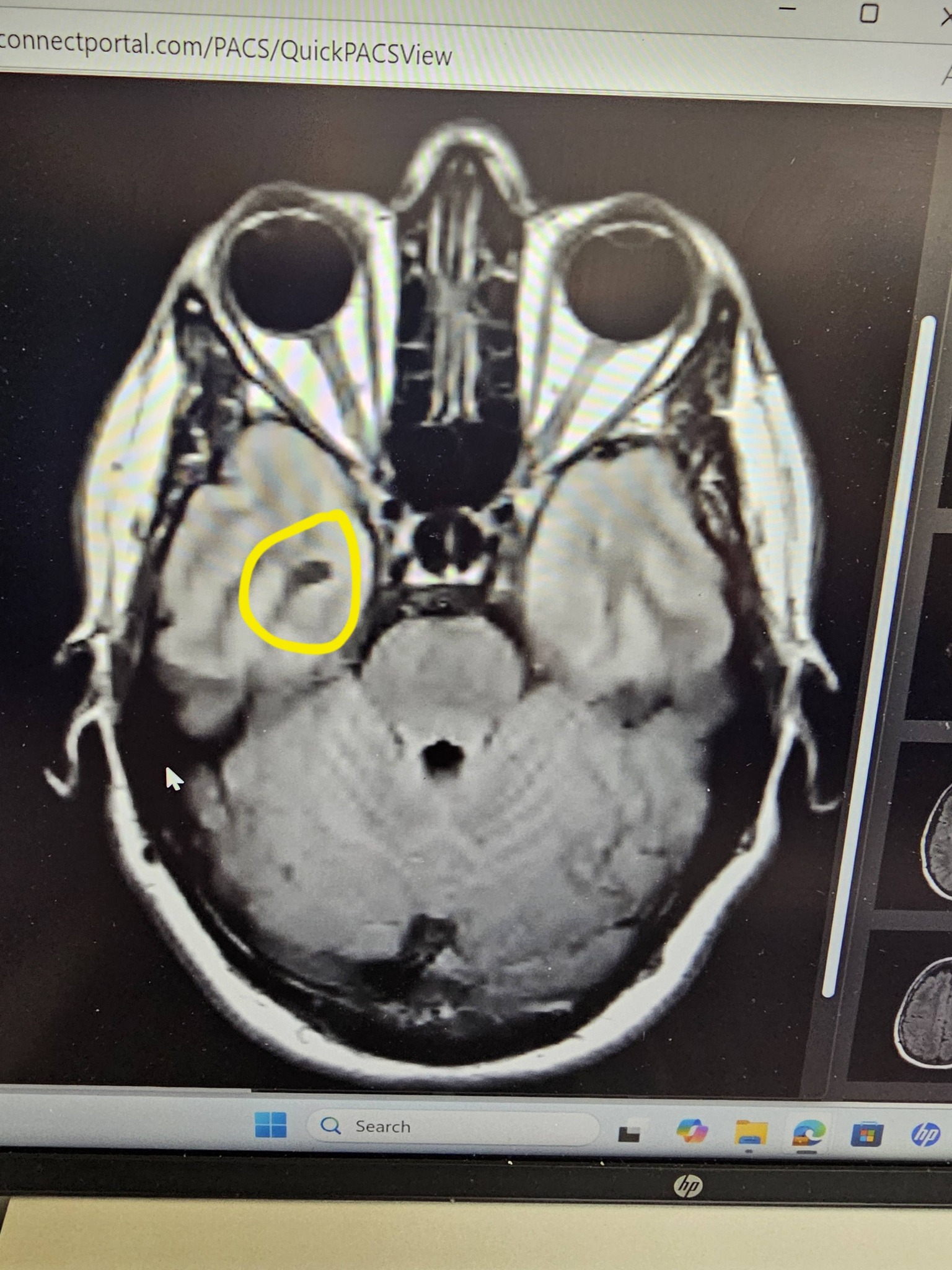
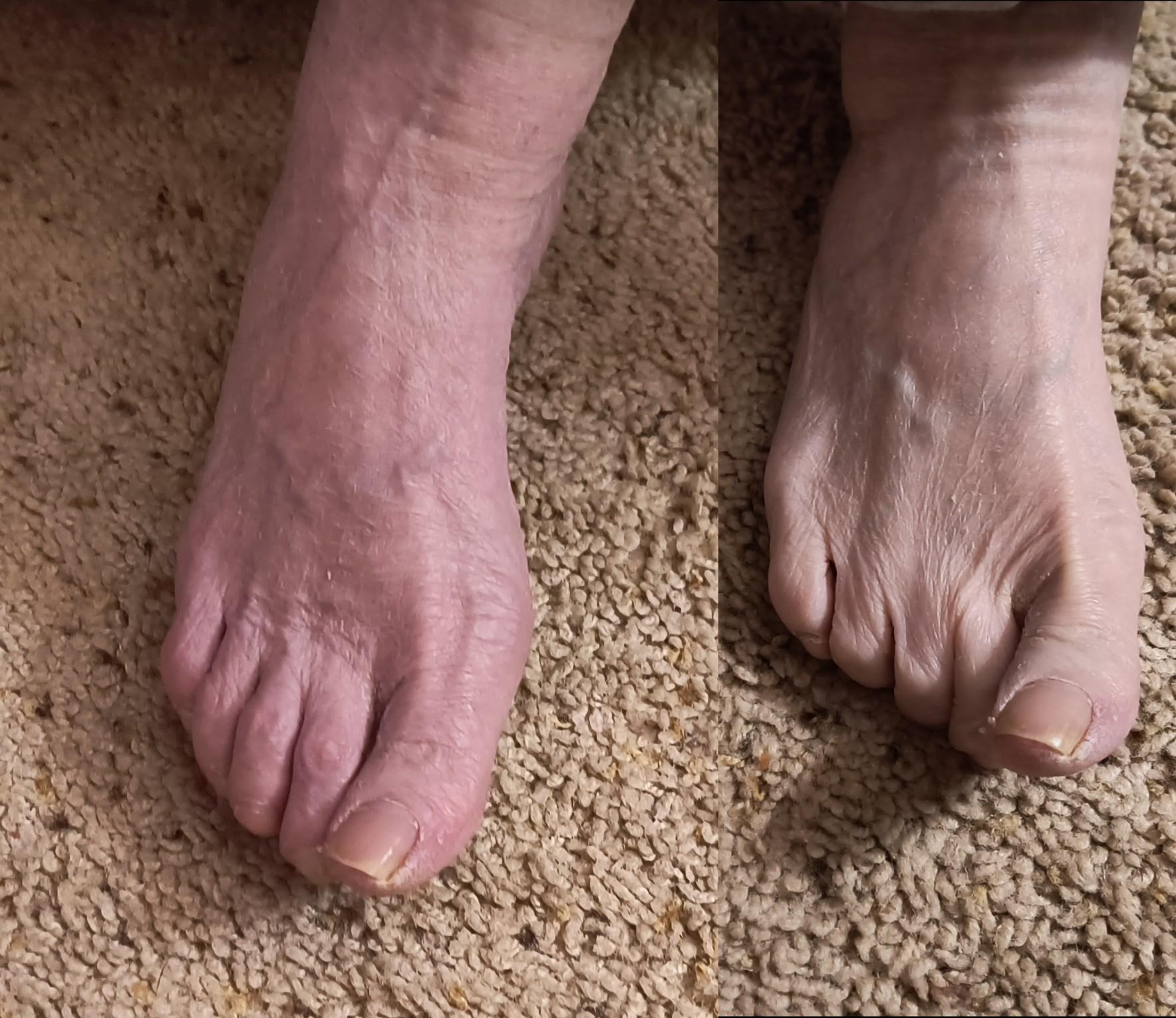
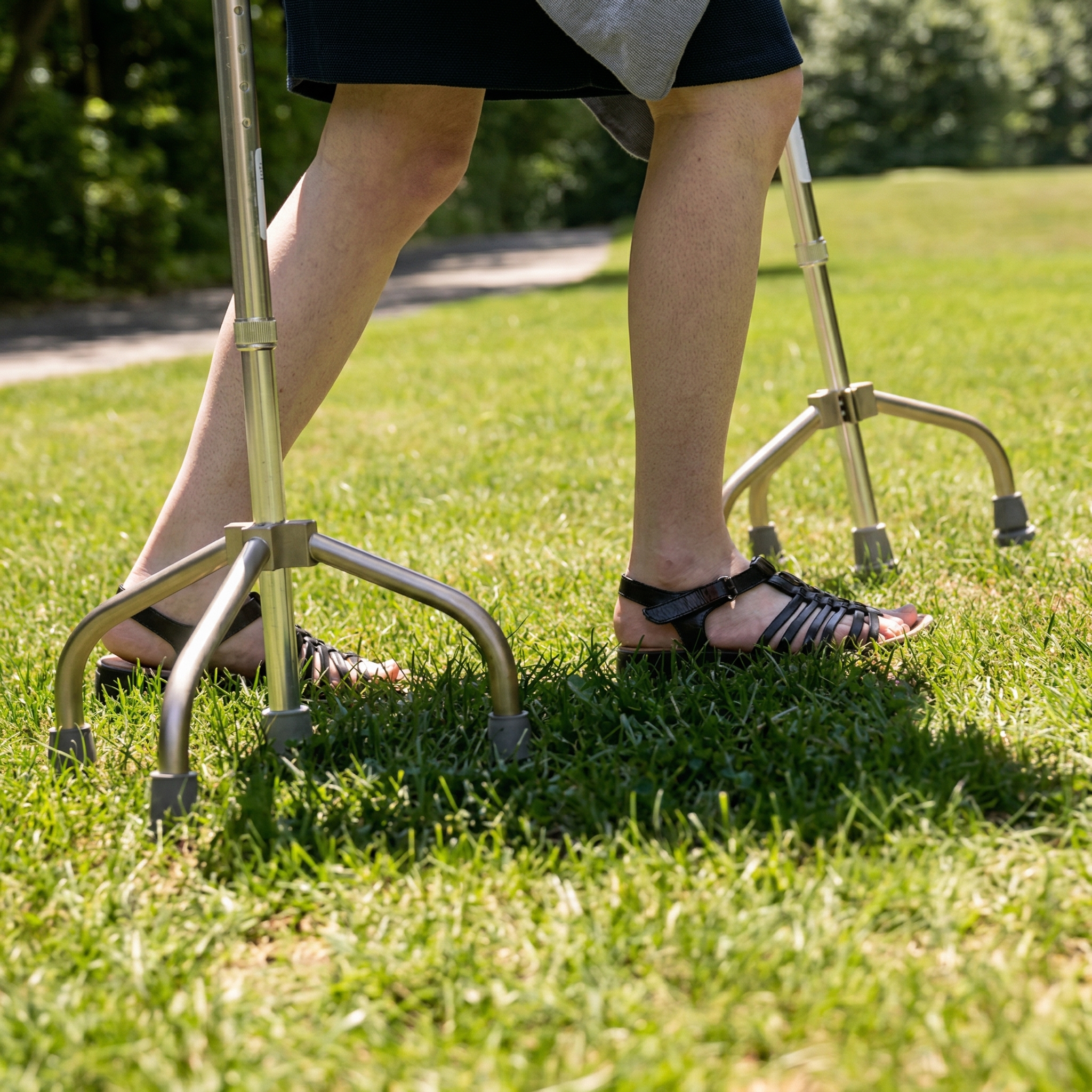
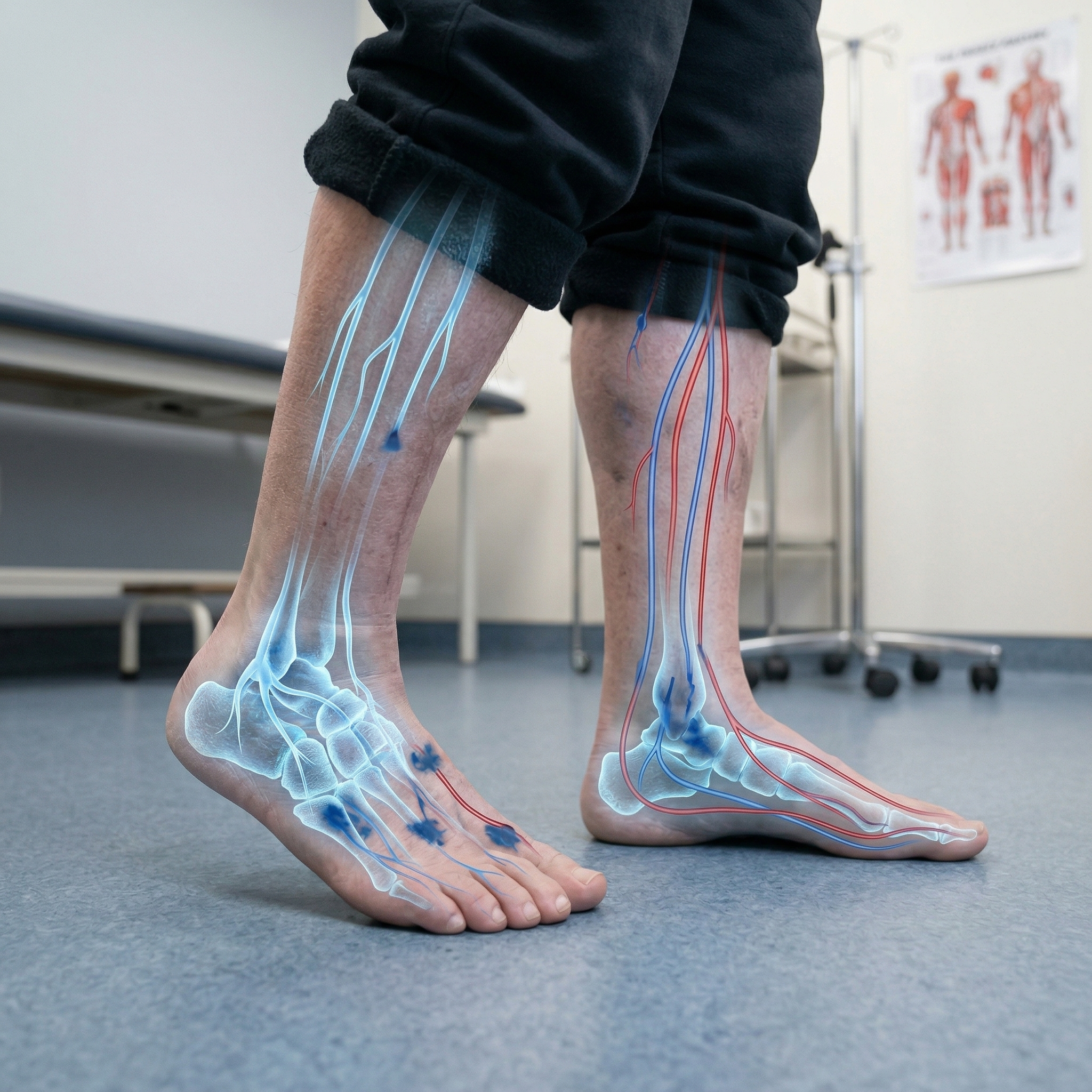
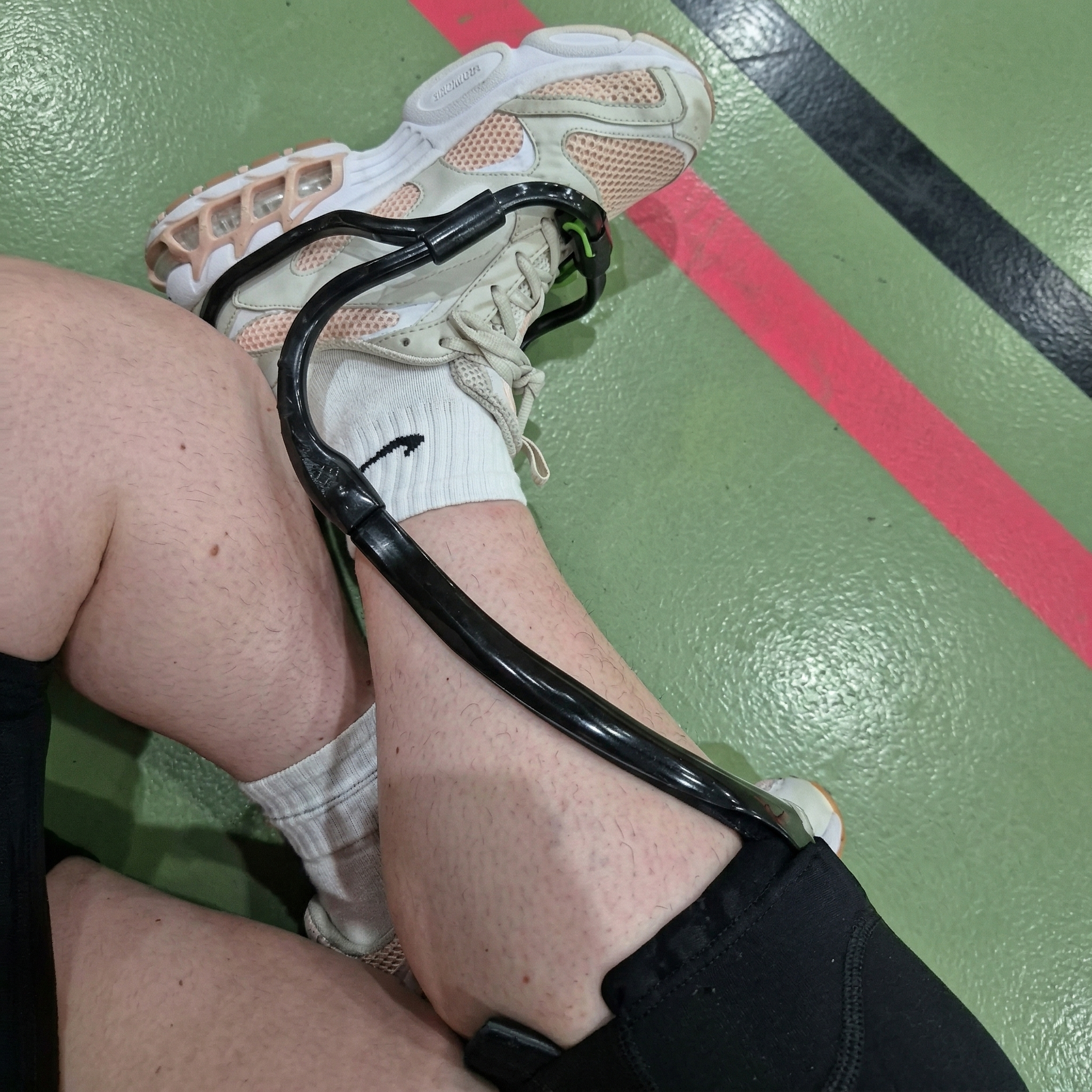
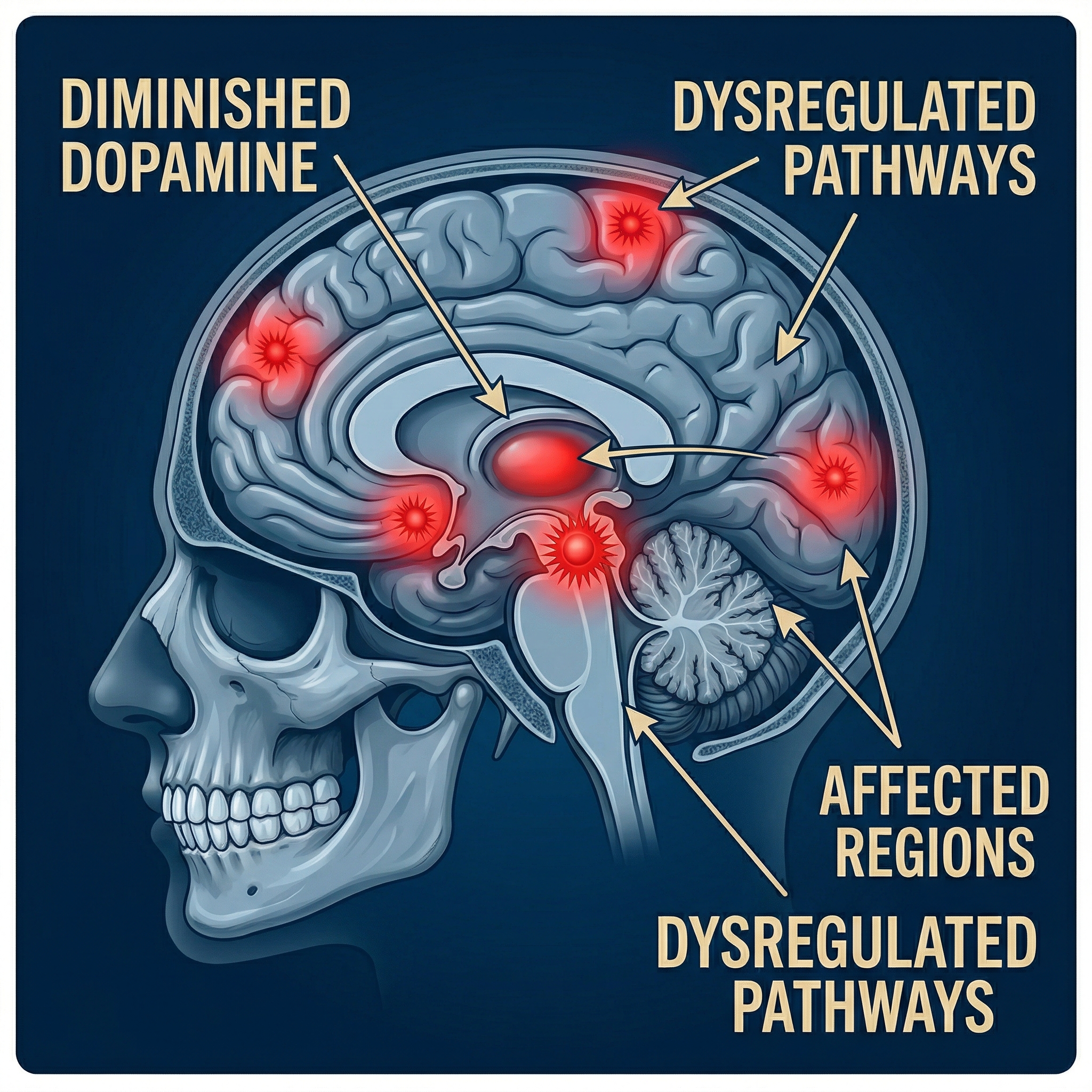
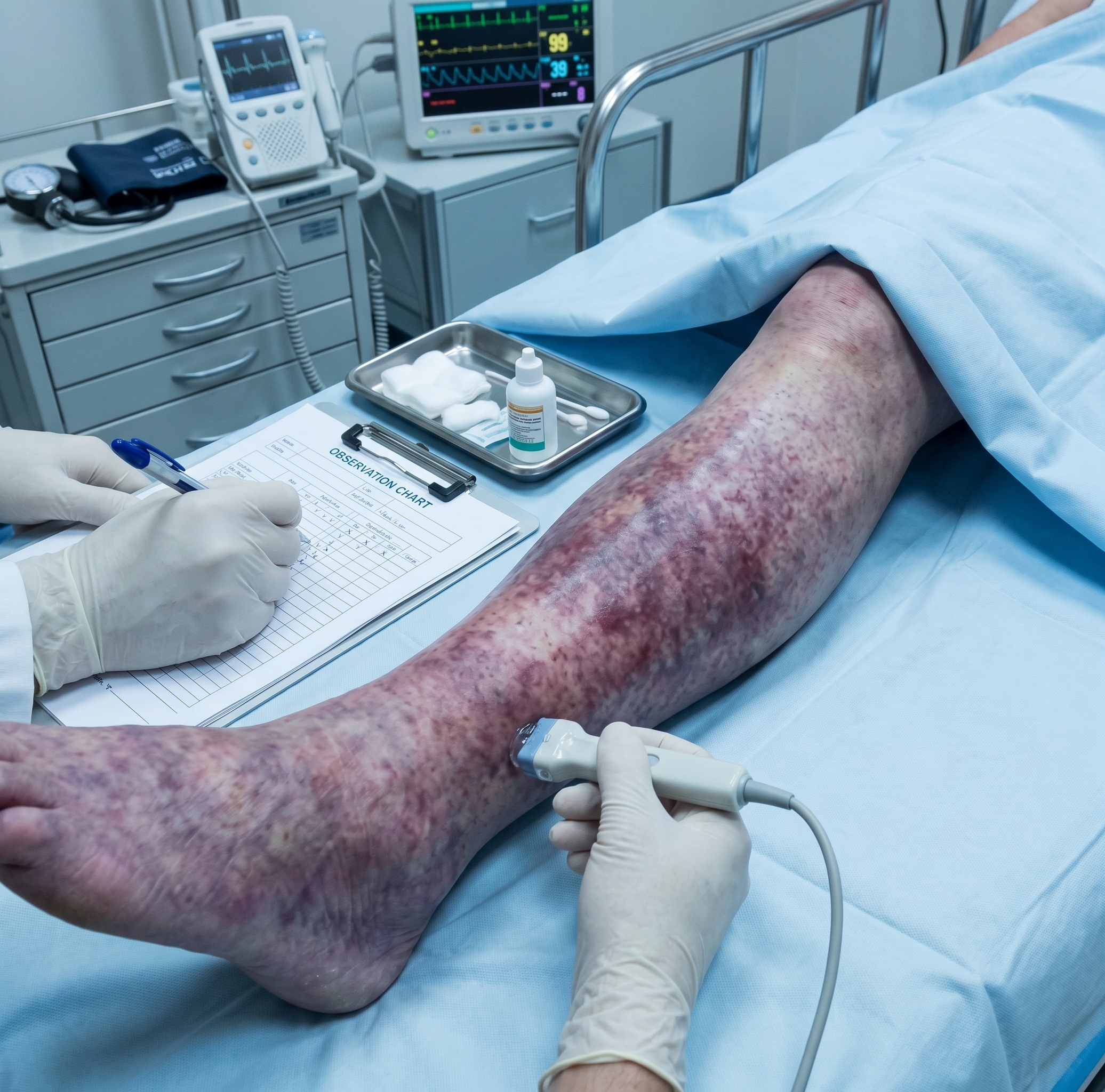
If you've been watching someone you love with MS stagger through their own house, gripping furniture, bouncing off walls, staring at their feet with every step because the moment they look up their legs forget where they are... and you're exhausted from hovering behind them, rearranging the furniture so there's always something to grab, and quietly grieving the person they used to be while everyone keeps saying "your MS is stable"... I need you to read this. Because their neurologist keeps celebrating clean MRIs. And their legs keep getting worse. And you already know those two things don't match. You've known for months. And by the end of this, you're going to understand what's actually happening in their legs better than most of their doctors do. And you're going to know exactly what to do about it. My name is Dr. Steven Jones. Board-certified neurological rehabilitation specialist. Twenty-two years treating movement disorders including multiple sclerosis. Over 3,100 patients. And I'm not writing this to the patient today. I'm writing this to YOU. The one who's actually watching it happen. The one who walks on their weak side ready to catch them. The one who's already started mapping routes through the house based on what they can grab onto. Because there are three things happening right now: One - MS has corrupted the coordination signal between their brain and their legs, and every cane, brace, and walker they own is propping up the body without fixing the signal Two - The medical system keeps saying "your MS is stable" while their walking gets worse every month because nobody is addressing the damage that's already been done And three - Nobody in that system is talking to YOU about what you can actually do, because the system is designed around pills that prevent new damage and braces that prop up old damage. There's nothing in between. So let me tell you about one of my patients, because her story is going to sound painfully familiar. And it's going to change everything. Her name was Diane. 51 years old. Diagnosed with MS eight years ago. But I'm not going to tell you Diane's story. I'm going to tell you her husband Mark's story. Because he's the one who lived it. For THREE years, Mark watched his wife lose her walk. Not all at once. Not like a stroke where it happens overnight. MS takes things gradually. So gradually that you don't notice the exact moment it changed. You just look up one day and realise the woman who ran half marathons in her thirties is now planning her entire day around how few steps she can take. It started with the weaving. She'd drift when she walked. Just slightly. A half-step off course that she'd correct without thinking. He noticed before she did. He always noticed before she did. Then the weaving became staggering. Her feet would land in places she didn't intend. She'd veer sideways mid-step. Bounce off doorframes. Clip furniture. And she had to stare at her feet the entire time. The moment she looked up, her brain lost track of where her legs were and she'd stumble. She couldn't hold a conversation while walking. Couldn't look at him while they walked side by side. Her entire world shrank to a six-foot patch of ground in front of her shoes. Then the stiffness came. Her calves locked tight. Her ankles wouldn't give. The spasticity turned her legs into rigid poles that fought her on every step. The faster she tried to move, the harder her muscles clamped down. She'd be sweating and exhausted after walking to the bathroom. From the BATHROOM. He started walking behind her everywhere. Not beside her. Behind her. Arms half-raised. She noticed on the first day. She hated it. She told him to stop. He couldn't. Because the alternative was not being there when she fell. And she fell eight times that year. A woman at the supermarket once asked if she needed help "sobering up." She was stone sober at 10am on a Tuesday. Mark wanted to say something. Diane shook her head. They drove home in silence. She didn't go back to that supermarket for three months. She stopped going to the farmers market. Stopped walking the neighbourhood loop. Stopped accepting dinner invitations because the walk from the car to the restaurant was a sweating, staggering humiliation. She stopped going to her book club because she couldn't sit in a chair without her legs twitching and jerking from the spasticity. Mark took over the dog walking without being asked. Took over the shopping. Started doing the cooking because standing at the stove exhausted her. Moved everything to lower shelves. Placed chairs at strategic points through the house so she always had somewhere to rest. He became a full-time architect of a life designed around her limitations, and neither of them ever discussed it directly. It just happened. Inch by inch. Like the MS itself. And here's what nobody tells the caregiver about MS: It's not just their legs that deteriorate. YOUR life restructures completely. You can't leave them alone without calculating risk. You can't go away for a weekend. You can't sleep without one ear listening. You become logistics manager, safety officer, and emotional anchor while pretending everything is fine so they don't feel worse than they already do. And the grief of watching someone you love lose their independence, one capability at a time, while the doctors keep saying "your MS is stable," is a particular kind of hell. Because how can things be stable when they're clearly getting worse? And here's what makes me angry: I was one of the specialists Diane came to see. And Mark was there for every single appointment. He drove. He dropped her at the entrance and parked. He walked behind her down the corridor. He sat in the chair next to her and asked the questions she was too frustrated to ask. He'd researched everything. He knew the names of her meds. He knew what gait ataxia was. He understood proprioception. He'd read about spasticity management. He tracked her walking distance and her "good days" versus "bad days" in a notebook. He brought it to every appointment. And you know what every single one of us did? Celebrated the MRI. Adjusted the pills. Fitted more braces. "Her Ocrevus is working. No new lesions. Great news." "The spasticity? Let's increase the baclofen." "The walking? That's damage that's already been done. Let's fit her for a better AFO." "Her gait ataxia? There's really nothing specifically for that. Let's focus on preventing new damage." And Mark would sit there, notebook in hand, and ask the same question every time: "But her walking is worse than last time. Her MRI is stable but she's staggering more. She's falling more. The baclofen makes her so drowsy she sleeps through the afternoon. What are we actually doing about the walking?" And we'd give him the same answer: "We're managing it. This is what MS looks like." He told me later: "I stopped trusting the word 'stable' about a year in. Stable MRI means nothing when your wife can't walk to the kitchen without bouncing off walls. But I kept showing up because I didn't know what else to do. You were the experts. And none of you had an answer for the one thing that was actually destroying her life." He was right. And I didn't have an answer. Until a neurorehabilitation researcher at a conference said something that stopped me in my tracks. November 2022. San Diego. Consortium of Multiple Sclerosis Centers annual meeting. After my presentation on MS gait outcomes, a man approached me. Dr. Robert Acheson. Thirty-five years in MS neurorehabilitation research. Published extensively on gait coordination, proprioceptive restoration, and spasticity management. He looked at my data and said something I'll never forget: "You're confusing disease stability with functional recovery. They're not the same thing. And every day you celebrate a clean MRI while handing her a cane, the pathways that could still improve get weaker from disuse." What he taught me is what I'm about to teach you, because your loved one's MS team probably doesn't know this, and even if they do, the system they work in isn't set up to act on it. Here's what Robert explained: "MS damages the myelin sheath around the nerves that control coordination, balance, and movement. The meds, Ocrevus, Tysabri, Kesimpta, they're brilliant at preventing NEW damage. But they do absolutely nothing to repair or strengthen the pathways that have ALREADY been weakened. They stop the fire. They don't rebuild the house." "Your patient's MS can be perfectly 'stable' while the pathways damaged years ago continue to deteriorate from disuse. Every day those muscles go without proper activation, the pathways get quieter. The muscles atrophy. The proprioception fades. And the walking gets worse. Not because of new MS activity. Because of neglect." "And the braces? The canes? The walkers? They compensate for the corrupted signal without challenging it. The brain doesn't need to coordinate if a walker is doing the balancing. The ankle doesn't need to adapt if a brace has locked it in place. The proprioceptive pathway gets zero stimulus because the aids are handling the load. You're creating a dependency cycle that makes the underlying problem worse." "But there's a way to bypass the corrupted signal entirely. Send the coordination signal from outside. Act as an external pacemaker for the legs. Provide the timing, the proprioceptive feedback, and the muscle activation that the damaged myelin can no longer carry." And here's what this means for you as the person watching: Their meds are preventing new damage. Good. Essential. Keep taking them. But the damage already done to the pathways controlling their walking? Nobody is addressing it. Their brace is propping it up. Their cane is compensating for it. Their weekly therapy can't provide enough repetition to retrain it. And the baclofen they take for the spasticity is sedating their entire brain just to loosen two legs, leaving them drowsy and foggy on top of everything else. It's not because the doctors aren't trying. It's because the system has two speeds: prevent new damage with pills, and brace around old damage with plastic. There's no speed three. Nobody is actively rehabilitating the corrupted signal. And here's the part that made my blood boil: The research world KNOWS that EMS can bypass damaged myelin and directly activate the muscles. They know it restores proprioception. They know it triggers reciprocal inhibition that releases spasticity locally without drugging the brain. They know it drives neuroplastic pathway reinforcement. The evidence is published. It's not experimental. But the system doesn't offer it. Because pharmaceutical companies fund MS conferences, not device companies. Because braces generate recurring revenue. Because there's no pill for proprioceptive restoration. Your loved one on the standard MS pathway pays $150 to $300 per therapy session. $800 for a custom AFO replaced annually. $300 to $800 monthly in pills that sedate the brain to loosen the legs. Plus the toll on YOU. The driving. The hovering. The rearranging. The nights you don't sleep. The weekends you don't leave. An EMS device that bypasses the corrupted signal, restores proprioception, releases spasticity locally, and reinforces new neural pathways? One-time purchase. Robert showed me how EMS addresses MS walking problems through three mechanisms: 1. Signal bypass and proprioceptive restoration: EMS sends precise electrical impulses directly to the motor neurons, bypassing the damaged myelin entirely. Every pulse also sends structured sensory feedback back up to the brain, forcing it to re-register where the legs are. The proprioceptive connection rebuilds. They can feel the ground again. Their brain stops panicking. And gradually, they can look up instead of staring at their feet 2. Reciprocal inhibition of spasticity: when EMS activates the muscles on the front of the leg, the spastic muscles on the back are neurologically forced to relax. The concrete calves soften. The locked ankles release. The stiffness melts locally, in the legs, without crossing the blood-brain barrier, without causing drowsiness, without the brain fog that baclofen creates. Their legs loosen AND their head stays clear 3. Neural pathway reinforcement: every correctly timed muscle contraction creates a stimulus for the brain to build detour routes around the damaged myelin. Neuroplasticity is real but it needs massive daily repetition. One therapy session a week provides 30 to 60 minutes. EMS delivers hundreds of precisely timed contractions per session, twice a day, every day. This volume gives the nervous system the raw material to build alternative pathways The science is published. FES improves walking speed, coordination, and proprioceptive function in MS patients. Reciprocal inhibition is one of the most effective non-pharmacological approaches to spasticity. This isn't fringe. It's established neuroscience. But you'll never hear most MS neurologists recommend a home device. Because the system isn't built for daily at-home rehabilitation. It's built for weekly in-clinic sessions and monthly prescription refills. Now here's the problem I ran into... Most "foot stimulators" on the market are useless for MS walking problems. I tried TENS units. Surface tingle. Did nothing for the coordination problem or the spasticity. I tried vibrating foot plates. They shook. That's it. No muscle activation. No reciprocal inhibition. No proprioceptive restoration. Because vibration and TENS are NOT the same as EMS. True EMS sends electrical impulses directly to the motor neurons, forcing real muscle contraction. It activates the muscles the MS has silenced, forces the spastic muscles to release through reciprocal inhibition, and floods the sensory pathways with structured proprioceptive data. All three mechanisms simultaneously. I tested ten different devices. Every one failed at least one of the requirements. Until I found Restural. True EMS foot plate. Not a TENS unit. Not a vibrator. Actual electrical muscle stimulation with deep motor nerve penetration. All three mechanisms. Signal bypass with proprioceptive restoration. Reciprocal inhibition of spasticity. Neural pathway reinforcement through hundreds of correctly timed repetitions. Built on the same protocols used in MS rehabilitation clinics and FES programmes. One-time purchase. Under 60 dollars. 10 to 20 minutes, twice daily, while they sit in their favourite chair. No drowsiness. No brain fog. No whole-body weakness. Just their legs, locally, specifically. At home. In their safe space. Every day. And here's what I need you to hear as the person who's going to make this decision: They might not buy this for themselves. That's not because they don't want to get better. It's because MS does something corrosive to hope. When the doctors keep saying "stable" while your legs keep getting worse, when every new brace is an admission that things won't improve, when the pills that loosen your legs steal your clarity, you start accepting the decline as inevitable. "Well, it's MS." The learned helplessness is real. But you haven't accepted it. You're reading this right now because you refuse to believe that watching them stagger and grip furniture is just how it is now. That's not denial. That's love refusing to let the system's limitations become their limitations. So let me tell you what happened when I gave this to Diane. Not from Diane's perspective. From Mark's. Week 1: He set it up for her. She was sceptical. "The baclofen barely works and you think a foot pad is going to help?" He didn't argue. He just put it in front of her chair and said "ten minutes. Just try it." She could feel the muscles on the front of her shins activating, and as they did, the iron grip in her calves began to ease. Not disappear. But ease. "It feels like someone turned off the vice," she said. And she wasn't drowsy. She wasn't foggy. Her head was clear and her legs were looser than they'd been in months. Mark watched from the kitchen and felt something he hadn't felt in a long time. He couldn't name it yet. Later he'd call it hope. But in that moment it just felt like breathing again. Week 2: He noticed before she did. She was walking differently. Less stiff. More fluid. The morning shuffle, the twenty-minute fight to get her rigid legs cooperating, had shortened to five minutes. And the staggering was slightly less dramatic. Her feet were landing closer to where she intended. She walked to the kitchen without touching a single wall. He was watching from the couch. He didn't say anything. Didn't want to jinx it. But his eyes were red when she came back. Week 4: The change was visible to everyone. Her calves were releasing. Her ankles had range they hadn't had in over a year. She walked the length of the hallway with a stride, not a shuffle. She wasn't looking down as much. Her brain was starting to feel the ground again. And she was alert. Clear-headed. Not sleeping through afternoons. Because nothing was crossing the blood-brain barrier. Her legs were getting looser while her mind stayed sharp. Mark hadn't seen that combination in over two years. Week 8: Full assessment. Spasticity reduced. Range of motion improved by 47 percent. Walking speed up 31 percent. Walking endurance up 42 percent. She'd reduced her baclofen by half with her neurologist's supervision. Less drowsy. Less foggy. More present. She walked the neighbourhood loop. The one she'd abandoned two years ago. Slowly. With rest breaks. But she did it. Mark walked beside her. Not behind her. Beside her. She held his arm. Not because she needed to. Because that's what couples do when they take a walk together. He called their daughter that evening. "Mum walked the loop today. The whole thing. She looked up at the trees. She pointed out the new fence the neighbours put up. She wasn't staring at her feet. She was looking at the world." Their daughter asked if he was okay. Mark said "I've been holding my breath for three years. I think I just started breathing again." Then I introduced it to every MS patient on my caseload. Twenty-one patients over the next six months. The results were consistent: Average improvement in walking speed: 28 percent by week 8 Average improvement in range of motion: 39 percent Average improvement in walking endurance: 34 percent Number of patients who reduced antispasmodic dosage: 14 out of 21 Number of patients who reported reduced drowsiness and brain fog: 16 out of 21 And the result that mattered most to the families: 18 out of 21 caregivers reported that they felt "less afraid and less exhausted" for the first time since the MS walking problems began. Not just patients walking better. The people around them breathing again. This is the approach nobody is telling you about. Because the second you start bypassing the corrupted signal, restoring the proprioception, and releasing the spasticity locally, everything shifts. The stagger softens. The stiffness melts. The feet find the ground. They look up. They walk smoother. They stay alert. And you stop holding your breath every time they stand up. They don't stop their DMT. Their MS treatment continues as normal. But now they're adding the one thing that was missing: direct rehabilitation of the damaged pathways and local release of the spasticity, without drugging the brain, without sedating the body, delivered daily with enough repetition to drive real neuroplastic change. It's not a cure for MS. Nothing is. But it addresses the three things that pills, braces, and weekly therapy all miss: the corrupted signal, the locked muscles, and the fading proprioception. All from the feet up. All locally. All without touching the brain. Now here's what I need you to understand about timing: Every day the aids do the work instead of the nervous system, the pathways get weaker. The muscles the braces are immobilising atrophy. The proprioceptive connections deteriorate. And the detour routes the brain could be building never get started. Year 1 of significant walking problems: Pathways are corrupted but responsive. Muscles are intact. Response to EMS is rapid. 4 to 6 weeks. Year 1 to 3: Muscle atrophy has begun. Proprioception is weaker. 6 to 10 weeks. Still very achievable. Year 3 to 5: More significant deconditioning. 8 to 12 weeks with realistic expectations. Year 5 and beyond: Substantial muscle wasting. Improvement is still possible but more modest. Diane was at year 3. She responded beautifully. But the patients who'd been relying on walkers and braces for 6 or more years showed slower improvement. The longer the aids do the work, the harder it is to wake up what's underneath. And here's the thing about MS that makes this urgent: MS can add new damage at any time. Every relapse potentially weakens the pathways further. The stronger those pathways are going into a relapse, the better they survive it. Building coordination and reducing spasticity now isn't just about today's walking. It's insurance against tomorrow's relapse. If their walking has been getting worse for over a year despite "stable" MS, the pathways are deteriorating every month. Their pills are preventing new damage. Their braces are weakening the muscles underneath. Their baclofen is sedating their brain. And nobody is actively rehabilitating the corrupted signal. You already know this. Your notebook tells the story the MRI can't. The Restural EMS Stimulator has a 90-day money-back guarantee. If it doesn't improve their walking, you pay nothing. There's no risk to trying except the time you lose by not trying. And honestly? You've spent years watching appointments produce nothing but "stable MRI" while the walking got worse. You've driven them to therapy that fades by evening. You've watched the baclofen steal their clarity while barely loosening their legs. You've spent hundreds a month on a system that manages the MS while ignoring the walking. This is 60 dollars. 10 to 20 minutes twice a day in their chair. 90 days to see if it works or your money back. You've done harder things than this. You do harder things than this every day. Because the medical system isn't coming to fix their walking. They're too busy celebrating stable MRIs while handing out braces and sedating pills. But you're not the medical system. You're the person who loves them. And sometimes that person finds the answer the system never will. A neurorehabilitation researcher taught me more about MS walking recovery in two hours than I learned in two decades of treating MS patients. It's about time I passed that lesson on to the person who's actually going to do something with it. Go get it for them. P.S. - They might resist trying something new. That's the MS exhaustion talking, not them. Years of decline disguised as "stability" creates a resignation. "Well, it's MS." You don't need their permission to order it. You just need to put it in front of their chair and say "ten minutes. Just try it." That's what Mark did. And it changed everything. P.P.S. - If their walking has been getting worse for over a year and the baclofen keeps getting increased while their head gets foggier, that's not management. That's trading one problem for another. Their legs need local intervention, not more brain sedation. And the pathways need daily rehabilitation, not weekly sessions that fade by bedtime. This arrives in days. Don't wait for the next MRI to confirm what their legs are already telling you. P.P.P.S. - Mark: "For three years I walked behind my wife like a bodyguard. I rearranged the furniture. I moved everything to lower shelves. I took over the shopping, the cooking, the dog walking. I stopped sleeping through the night. Her MS was 'stable.' Her walking was getting worse. And nobody could explain why. Eight weeks after I put the Restural in front of her chair, she walked the neighbourhood loop. She looked at the trees. She pointed out the new fence. She wasn't staring at her feet. She was looking at the world. And I was beside her. Not behind her. 60 dollars. That's what it cost to stop holding my breath and start breathing again."
Relieve 'Concrete Legs' Naturally
Clinically designed 3-in-1 EMS technology developed to finally free you from ms foot drop, heavy legs...
LEARN MORELike this ad? Make it yours.
Crush rebuilds this exact creative around your product — your brand, your colors, your offer — in about a minute.