
Inactive· since Jun 28, 2026
- 40
- days it ran
- 1
- relaunches
Ad copy
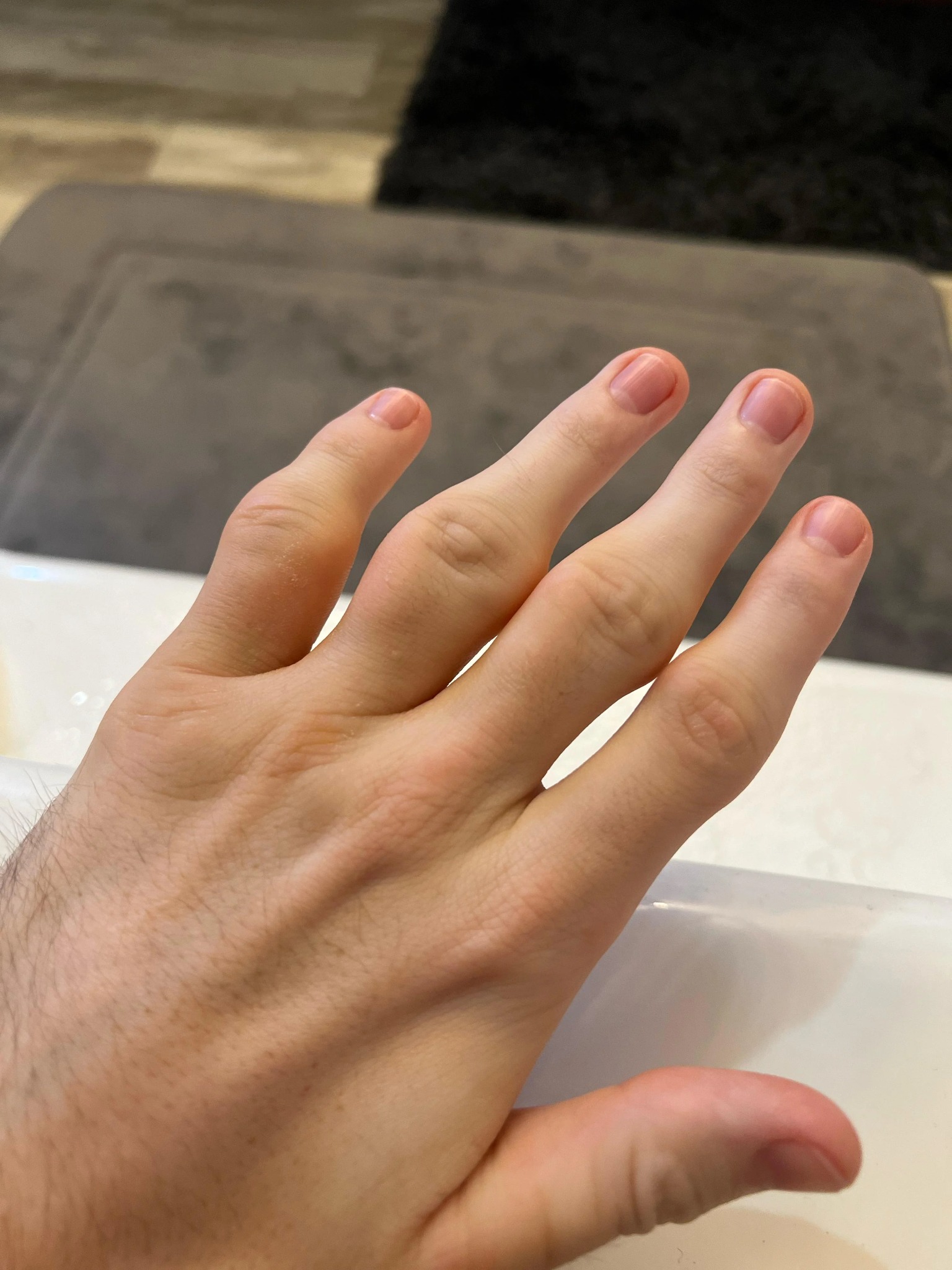
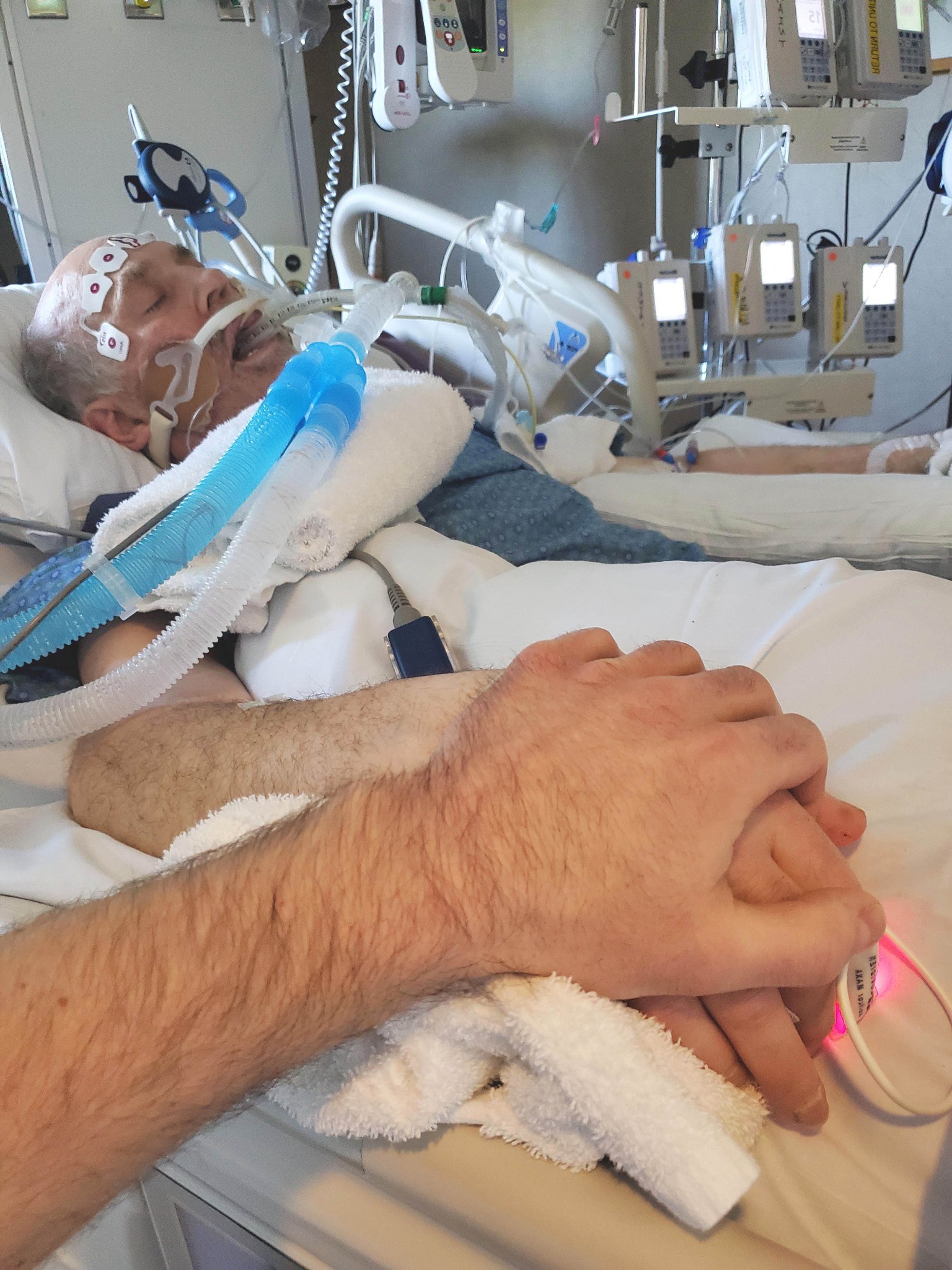
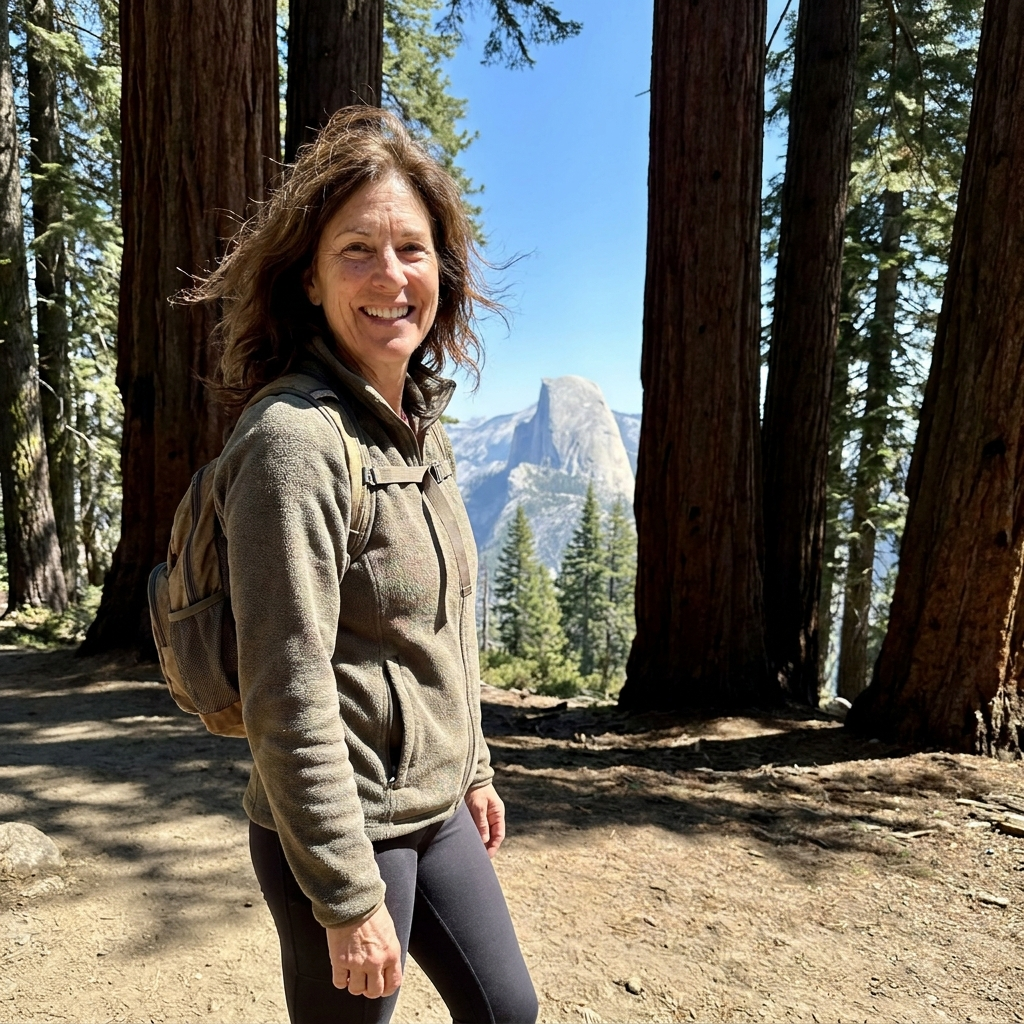
For 6 years I took my statin like I was told. First it took my legs. Then the day came when I couldn't remember my own grandson's name. Here's what happened when I stopped taking it. My LDL was 184 when Dr. Pham wrote the prescription. Atorvastatin. 20 milligrams. One pill every night. "This is the standard one," he said. "Most people tolerate it just fine. You'll barely know you're on it." My name is Julie and I am 58 years old. I took that pill every single night for six years. Never missed a dose. Never questioned it. I was a good patient. I did what I was told. For the first year, it worked. My LDL came down to 132. Dr. Pham was satisfied. I was relieved. Every visit, same conversation. "Numbers look better. Keep doing what you're doing." So I did. But somewhere in that first year, I felt it start in my legs. Not a cramp. Not a pulled muscle. A dull ache deep in my thighs that showed up after I climbed the stairs. I'd reach the top and have to stop and let it settle. I didn't think much of it. I figured I was just getting older. Everyone's legs ache at my age. Within a few months the ache was there before I even moved. A heavy, flu like soreness that sat in my thighs and shoulders all day long. The kind of ache you get when you're coming down with something, except I never came down with anything. It just stayed. I told Dr. Pham. "Probably you're overdoing the walking. Try cutting back. Maybe some magnesium." I cut back on my walks. I took magnesium every morning. The ache got worse. Later that year, it moved into my hands. I'd reach for the gallon of milk in the fridge door and my grip would give out halfway up. I started using two hands for things I'd carried in one my whole life. A bag of groceries. A full coffee pot. My husband David watched me set the milk back down on the shelf one morning and pick it up again with both hands. Some days my fingers were so stiff in the morning I couldn't open the pill bottle. The pill bottle. I'd run my hands under hot water at the sink until they loosened enough to twist the cap. Around the same time the tiredness started. Not regular tired. A bone deep drain that no amount of sleep touched. I'd sleep eight hours, sit up, and feel like I hadn't slept at all. I told Dr. Hollis next. He suggested I get my thyroid checked. We checked it. It was fine. The ache and the exhaustion didn't care. By year four, the fog rolled in. The first time it really scared me, I was standing in my own kitchen and I could not come up with my granddaughter's name. Lily. Four years old. I'd called her by name a thousand times. And for a long, cold few seconds it was just gone. I stood there with my hand on the counter waiting for it to come back. It came back. But that kind of thing started happening all the time. I'd walk into a room and forget why. I'd lose the word I was reaching for mid sentence and just stop, mouth open, while David waited. This was a different kind of slow than I'd ever known. Not sleepy. Heavy. Like someone had wrapped my thoughts in wet cotton overnight. David would find me at the kitchen table at 5 AM, awake, staring at nothing. "This isn't normal," he said. "Make him listen." At my next appointment, I was direct. "The ache started in my legs and over three years it spread into my shoulders and my hands. Now I can't lift a gallon of milk with one hand. I forgot my own granddaughter's name standing in my kitchen. I'm exhausted no matter how much I sleep." Dr. Hollis scrolled through my chart. "Your LDL is well controlled at 128. The Atorvastatin is doing its job." "It's also wrecking me. I can't open a jar. I lost my granddaughter's name. I'm so tired by noon I have to sit down." "Statins can cause some muscle aches and fatigue in a small number of patients. They're known effects. But the cardiovascular benefit outweighs..." "Outweighs what? I couldn't grip the railing going down your stairs just now. I can't get on the floor and play with Lily because I can't get back up." He looked at me. Then at his screen. "A lot of this can be psychosomatic. Once people read about side effects, they start noticing aches they'd have ignored before. Try not to focus on it." In my head. He was telling me it was in my head. I was already taking magnesium. I'd cut back the walking. I'd checked my thyroid. He knew this. It was in my chart. And the ache was real. It was in my hands every single morning. That night I typed something I'd never typed before. Atorvastatin long term side effects Forums full of people describing my exact symptoms. A deep ache first. Then stiffness in the hands and shoulders. Then a grip that gave out on simple things. One man wrote that he couldn't pick up anything mildly heavy without using two hands, that things that used to be an easy one hand lift now took both, and that he was baffled. Word for word, my life. Another wrote he'd started statins twice and quit twice for the same reason. The joint pain. The fog. The exhaustion. And every one of them had been told the same thing I was. It's in your head. One woman wrote she'd been on a statin for years. Same pattern. Same escalation. When she finally stopped, the ache faded within two weeks. Within two weeks. Six years. Three years of telling my doctor. And never once did either of them say, "This might be the medication." I called Dr. Pham the next morning. "I want to stop the Atorvastatin." "I strongly advise against stopping without something in place." "My numbers have been controlled. My body has been falling apart." "We could try another statin. A lower dose. Or a different class." My mother was on a statin too. For the last eight years of her life. She ached the whole time. She'd sit in her chair rubbing her knees, saying, "At least my cholesterol is good." She died of a stroke at 63. With good cholesterol. The drug managed her number. Didn't prevent the stroke. Didn't save her life. I told Dr. Pham I needed time to think. He documented it. "Patient declined to continue therapy against medical advice." I stopped the Atorvastatin that night. Within the first week I noticed something was different. The morning stiffness in my hands wasn't as bad. I opened a jar of pasta sauce without running my hands under hot water first. That hadn't happened in over two years. Week two. The deep ache in my thighs started lifting. Week three. I carried a full bag of groceries in from the car in one hand without thinking about it, set it on the counter, and stopped cold when I realized what I'd just done. The fog cleared too. I'd be talking to David and the word I wanted was just there, when I reached for it, the way it used to be. I read Lily a whole picture book on the phone and never once lost my place. David stood in the doorway watching me lift a cast iron pan off the stove with one hand. "Are you okay?" "I haven't been able to do that in two years." He didn't say anything. Just put his hand on my arm and held it there. The ache was fading. The fog was lifting. Six years of medication. Three years of escalating pain. And within a few weeks of stopping, my body started remembering how it used to feel. But I knew what was coming. I got my blood drawn. My LDL was 171 the first month. Climbing back toward where it started. I had traded one nightmare for another. No ache but high cholesterol. Or a controlled number and a body that ached every morning and a mind that lost my granddaughter's name. I knew I couldn't go back on the statin. And I knew I couldn't ignore a number like that. I spent three months trying everything. Switched to oatmeal every morning. Cut the saturated fat. Walked forty five minutes a day now that my legs would let me. Tried fish oil, ground flax, garlic capsules, psyllium fiber twice a day in a big gritty glass that I could barely choke down. Six weeks each. My LDL would budge a few points and stall. Nothing moved it past 160. Laura, my sister in law, called on a Sunday. She knew about the ache. She'd watched me leave Thanksgiving dinner the year before because I couldn't get up from the low couch without help. "My neighbor's wife was in your exact situation," she said. "On a statin for years, couldn't function. She found something completely different." "Laura, I've tried the natural stuff. Fish oil. Fiber. Garlic. None of it touched my number." "That's the thing. She told me why none of it works. Did you know your cholesterol gets damaged on its way through your blood?" "Damaged how?" "Your liver makes cholesterol and sends it out through your bloodstream. It's supposed to. It drops off what your cells need and moves on. That's a normal day. But your blood is full of these unstable molecules. Free radicals. They come from stress, processed food, sugar, just getting older. And they attack your cholesterol while it's traveling. They damage it." "Okay." "And damaged cholesterol doesn't finish the route. It doesn't move on. It sticks to the walls of your arteries. And once it's stuck, it stays stuck. More damaged cholesterol comes along and sticks right next to it. Layer after layer. That's the plaque. That's the blockage. That's the heart attack." "So the cholesterol itself isn't the problem. The damage is." "Right. And here's the part that got me. All that cholesterol stuck to your artery walls, your body doesn't know it's stuck. It just knows it sent cholesterol out and it never came back. So it does what any system does when a delivery doesn't show up. It sends more. It keeps making replacement cholesterol to make up for what it's losing to the buildup." "So that's why my number keeps climbing." "That's exactly it. More gets damaged. More gets stuck. More gets made to replace it. A cycle that feeds itself. And the longer it runs, the higher the number climbs. It's not that you're eating wrong. It's that the cycle's been running in you for years." "And the statin?" "The statin forces your liver to stop making cholesterol. The number on the chart drops, the doctor's happy. But the cholesterol still in your blood is still getting damaged. Still sticking. Still building up. The drug lowered the amount. It never stopped the damage. That's why you can never get off it." "And the side effects." "That's the cruel part she explained. The way the statin shuts down production, it blocks a pathway in your liver. And that same pathway makes CoQ10. The thing your muscles and your heart and your brain need for energy. The drug strips it out. That's your ache. That's your grip. That's the fog. It was never in your head. It was the drug draining the fuel right out of your muscles." I had to sit down. "Then what about the oatmeal and the fish oil?" "Oatmeal works in your gut. It grabs a little cholesterol before it ever gets into your blood. But it can't protect the cholesterol already circulating. Can't stop it from getting damaged. Fish oil works in your blood but it only really nudges your triglycerides. It can't stop the damage either. The garlic, the fiber, the red yeast rice, they all work somewhere else. The gut, the surface, the blood. None of them stop the one thing that makes your cholesterol stick in the first place. That's why none of it moved your number. You were aiming at the amount. Nothing was stopping the damage driving the amount up." "So what does?" "It's a superfruit. Amla. The Indian gooseberry. Look it up. It works on the damage itself." I spent two more days reading. Healers in the Himalayas had used amla for over five thousand years and called it "the nurse," the one thing they reached for when a body was breaking down from the inside. And modern science had caught up on why. Amla contains antioxidants called emblicanins. When researchers measure the antioxidant strength of foods, amla scores among the highest ever recorded. Higher than blueberries. Higher than green tea. Higher than turmeric. And it wasn't close. Here's what the emblicanins do. The free radicals that have been damaging your cholesterol in your bloodstream, the ones from stress and sugar and just getting older, the emblicanins find them and neutralize them before the damage happens. Not down in your gut like the oatmeal. Not on the surface like the fish oil. Right in your bloodstream, where the damage is actually happening. And when the cholesterol stops getting damaged, it stops sticking to your artery walls. And when it stops sticking, your body stops overproducing to replace what it was losing. The cycle breaks. The number comes down. Not because a drug forced your liver to shut down and stripped out your CoQ10 along with it. Because your body doesn't need to keep making more. I didn't need to force my liver to quit. I needed to stop the damage that was driving the whole thing. The number comes down on its own. Not because something overrode my body. Because my body stopped fighting a loss that was never supposed to happen. In one clinical trial, 500 milligrams of standardized amla extract went head to head with Simvastatin, one of the most prescribed statins in the world. Sixty patients. Forty two days. The amla performed comparably. LDL dropped as much as 40 percent. HDL, the good kind, went up. Triglycerides came down. Blood pressure improved. Without draining the CoQ10. Without the ache. Without the fog. Without the crash. But there was a catch. Most of the amla on the shelf is cheap ground up fruit powder. No standardization. No consistency. No guarantee that what's on the label is what's in the bottle. The amla in the studies was a standardized, pharmaceutical grade extract, verified to contain the exact amount of emblicanins that actually do the work. That's the difference between something that stops the damage and something that sits in your cabinet collecting dust. So I went looking for one that was actually standardized, organic, and third party tested. I'd read enough forums to be wary of supplements made overseas with no proof behind them. I wanted to know exactly what I was putting in my body. That's when I found Alevia. Organic amla extract. Standardized, not raw powder. Made in the USA. Third party tested for purity and potency, with the results published where I could read them. Small batches to keep the extract potent. No fillers. No heat processing. I ordered it on a Tuesday. The bottle arrived Thursday. Friday morning, first dose with my coffee. Two capsules. I didn't expect anything. The first week, the afternoon drain that used to flatten me by 2 PM didn't come. I felt clearer. Lighter. Like something had been lifted that I'd stopped noticing was there. Two weeks in I felt steady through a whole afternoon for the first time in years. I didn't have to sit down. I got my blood drawn at four weeks. LDL 152. Down from 171. Small. But moving in the right direction for the first time since I'd quit the drug. Eight weeks: 138. David noticed I was suggesting walks after dinner again. Noticed I was getting down on the floor to play with Lily and getting back up on my own. Twelve weeks: 129. The night before my appointment with Dr. Pham I felt steady. No ache in my hands that morning. I'd opened the pill bottle, the amla, without running them under hot water. I got the word I wanted every time I reached for it. The nurse drew my blood. Dr. Pham walked in a week later with the results on his screen. "129. And your HDL is up, your triglycerides are down. You started a new medication?" "No. An organic amla extract. My LDL dropped 42 points. Without a single ache." He pulled up the research on amla. Read the trial. The Simvastatin comparison. The lab results I'd printed. Long silence. "Keep taking it. We'll recheck in eight weeks. If this holds, we stay the course." If this holds, we stay the course. No new prescription. No switching statins. No wondering which part of my body the next pill would drain. I sat in my car and called David. "129. No medication. No ache. He said keep going." "You did this yourself, Julie." "Six years. It took me six years to realize the medication was the problem." That was fourteen weeks ago. My LDL this morning at my last home check in the same range. Steady. Last Saturday, David and I took our grandkids to the park. I got down in the sand and built a castle with Lily for half an hour. Then I stood up. On my own. No railing, no hand from David, no aching for an hour afterward. David looked at me. "You got right back up." I did. For the first time in years, I did. If you're reading this, you know what it's like to take a medication that's supposed to protect your heart and watch it slowly take something else away. An ache that won't quit. A grip that gives out. A fog that wasn't there before. Something that started small and spread. You told your doctor. They adjusted the dose. Suggested magnesium. Told you it was probably in your head. And it kept getting worse. You're trapped. You need to do something about your cholesterol. But the drug is wrecking your quality of life. And nobody is offering a way out that doesn't involve swapping one statin for another. Here's what I want you to know. I was trapped there for six years. I thought the statin was the only real option because my doctor told me it was. He was wrong. Not about my cholesterol. About the solution. Here's why the amla worked when six years of medication and three months of supplements didn't. It addresses the damage, instead of forcing your liver. Your statin forces your liver to quit making cholesterol while the cholesterol in your blood keeps getting damaged and sticking underneath. That's why you need it forever and your body keeps making more. Amla's emblicanins stop the damage so your cholesterol stops sticking and your body stops overproducing on its own. It works on the root, not the number. When the damage stops, the self feeding cycle finally breaks. And it doesn't block the pathway that makes your CoQ10, so it doesn't drain the energy out of your muscles and your brain. I felt the fog lift in the first week. It's a standardized extract, not a cheap powder. Most amla on the shelf is ground up scraps with no consistency. Alevia is organic, standardized, made in the USA, third party tested for purity and potency. I could show Dr. Pham exactly what I was taking. That mattered. Try Alevia for up to 90 days. Track your numbers. If you don't see improvement, full refund. No questions asked. You risk nothing. Every day you stay on a medication that's draining you is another day your body learns to live with the damage. The ache doesn't stay where it starts. It spreads. And your doctor will keep telling you it's in your head. Stop choosing between your cholesterol and a body that works. There is a third path. The one nobody told you about because it doesn't come from a prescription pad. ~ Julie Anderson 👉 https://alevia.com/amla/17 P.S. I felt the fog lift within the first week. Saw my number start dropping by week four. Reached a healthy range by week twelve. My hands stopped aching within days of stopping the statin. Your body knows what to do. It just needs that damage to settle down first. Alevia is made in small batches to keep the extract potent, and it sells out. If it's in stock, don't wait for the next batch. P.P.S. The side effects don't stay where they start. An ache in your legs becomes stiff hands becomes a grip that gives out on a gallon of milk and a fog that takes your own granddaughter's name. Every week you wait is another week that drug can keep draining the fuel your muscles and your brain depend on. Stop waiting for your doctor to connect the dots. Start working on the damage that's actually driving your number up. P.P.P.S. Remember Alevia has a 90 day money back guarantee. If you don't see improvement, full refund. No questions asked. You risk nothing. 👉 https://alevia.com/amla/17
Like this ad? Make it yours.
Crush rebuilds this exact creative around your product — your brand, your colors, your offer — in about a minute.