
Stopped· since Feb 25, 2026
- 90
- days it ran
- 3
- relaunches
Ad copy
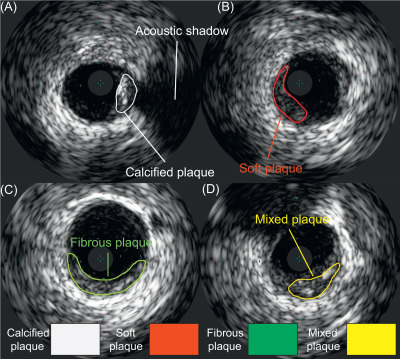
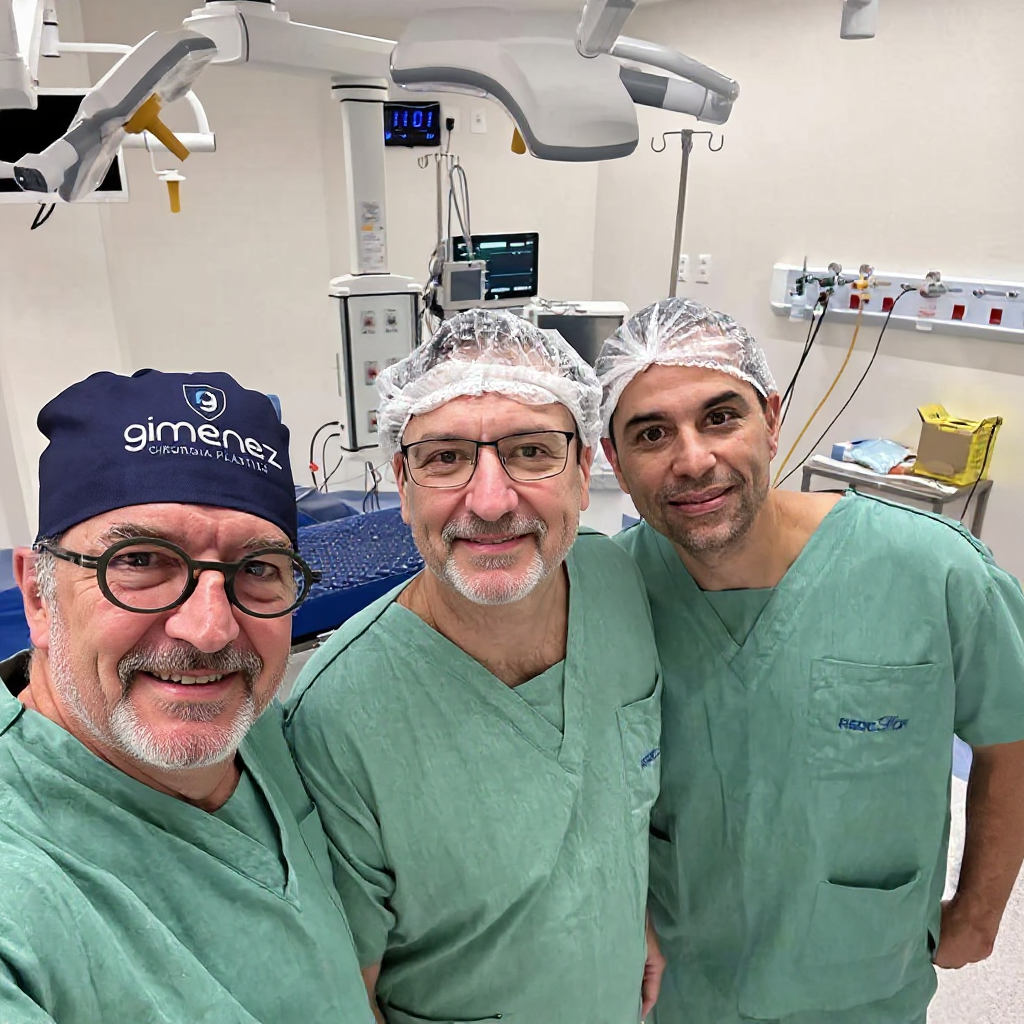
Lowering LDL and reversing arterial plaque are two different clinical objectives. One is a liver function. The other is an endothelial function. Standard cardiovascular care addresses the first. The second is rarely discussed. I'm Dr. Zilmann, cardiologist, specializing in preventive cardiology and vascular imaging. I've been reading CT angiograms and coronary calcium scores for 18 years. And I believe this distinction — between lowering a cholesterol number and actually repairing arterial damage — is responsible for thousands of preventable cardiac events every year. When a patient presents with elevated LDL, the standard of care is a statin. Atorvastatin, rosuvastatin. The mechanism is well understood. Statins inhibit HMG-CoA reductase in the liver. Less cholesterol is synthesized. LDL drops. 90 days later the lab comes back improved and the physician documents progress. This is prevention. It is essential. I prescribe statins daily and the data supporting their use is beyond question. But here is the clinical reality that a lipid panel does not capture. Every year a patient's LDL was elevated before the statin — 5 years, 10 years, sometimes longer — plaque was being deposited inside their arterial walls. Layer by layer. No symptoms. No imaging ordered. Just accumulation. The statin slowed new deposits. That is its function. But reducing cholesterol production is a liver function. Clearing existing plaque and restoring the arterial lining is an endothelial function. Statins do the first. They were never designed to do the second. In 18 years of cardiac imaging I have seen this pattern hundreds of times. A patient comes in with a well-managed lipid panel. LDL under 100. GP is satisfied. Then I run imaging. Coronary calcium score of 180. Visible plaque. Endothelial dysfunction. Arterial narrowing. The blood test said on track. The imaging said something very different. This matters far more than most physicians realize because of a basic principle in vascular physiology. The human arterial system does not fail all at once. It fails in order of vessel diameter. Smallest arteries first. Largest arteries last. The penile arteries are 1-2 millimeters in diameter. The coronary arteries feeding the heart are 3-4 millimeters. When plaque builds system-wide — which is what atherosclerosis does — the 1-2mm arteries become symptomatic first. The 3-4mm arteries become symptomatic years later. Same disease. Same plaque. Different timeline based on vessel size. This means erectile dysfunction in men is frequently the first clinical manifestation of systemic arterial disease. Not a bedroom issue. A vascular event occurring in the smallest arteries of the body. A 2011 meta-analysis published in the Journal of the American College of Cardiology — analyzing 12 prospective cohort studies involving 36,744 participants — found that ED significantly and independently predicted cardiovascular disease, coronary heart disease, stroke, and all-cause mortality (Dong et al., JACC, 2011). A separate analysis published in Circulation using data from the Multi-Ethnic Study of Atherosclerosis confirmed ED as an independent predictor of future cardiovascular events even after adjusting for traditional risk factors (Uddin et al., Circulation, 2018). And a 2021 umbrella review in BJU International concluded that ED normally precedes symptomatic cardiovascular disease, providing a window of opportunity for early detection (Mostafaei et al., BJU Int, 2021). But because of how medicine is structured, these two symptoms are treated in separate offices as unrelated conditions. The GP manages the lipid panel. The urologist manages the ED — typically with sildenafil or tadalafil. The cardiologist sees the imaging, usually after chest pain or an acute event. Three specialists. One disease. And the two early warnings — elevated LDL and erectile dysfunction — are never connected. I have seen this play out repeatedly. A 52-year-old male. LDL of 156. Started atorvastatin. LDL came down to 104. Textbook management. During that same period he developed ED. His urologist prescribed sildenafil. It worked. For 4 years his lipid panel looked excellent and his ED was chemically managed. Two prescriptions. Two satisfied physicians. Then he came to me with crushing chest pain. Emergency angiogram showed 70% blockage in his left anterior descending artery. Three stents. His LDL was 104 the week of his cardiac event. The statin was preventing new deposits. The plaque from before — accumulated during the years his cholesterol was elevated — had been advancing the entire time. His ED was the early warning. Nobody connected it to his arterial disease. It is also worth noting that an estimated 90% of generic sildenafil is manufactured in India with limited regulatory oversight — a fact rarely discussed at the point of prescription. This brings me to the gap I want to address. It centers on one molecule. Nitric oxide is the single most important compound in vascular health. It dilates blood vessels. It signals endothelial repair. It inhibits plaque adhesion to arterial walls. It prevents platelet aggregation. Sildenafil works by inhibiting PDE5, the enzyme that breaks down nitric oxide already present. It preserves whatever supply exists for 4-6 hours. Then the drug clears and the vasodilation stops. No repair occurs. No endothelial restoration. There is a separate mechanism. On the endothelial lining of every artery in the body is a receptor called TRPV1. When activated, the endothelium produces new nitric oxide at the cellular level. Not a temporary preservation of existing supply. Sustained production. The cells that line the arteries receive a continuous signal to produce the compound they need to repair and maintain themselves. The compound that activates TRPV1 is capsaicin — the active molecule in cayenne pepper. A study published in Cell Metabolism demonstrated that chronic TRPV1 activation by dietary capsaicin increased eNOS phosphorylation and nitric oxide production in endothelial cells, improved endothelium-dependent vasorelaxation, and lowered blood pressure in hypertensive models (Yang et al., Cell Metabolism, 2010). Research published in Hypertension using data from the Multi-Ethnic Study of Atherosclerosis found that chili consumption was negatively correlated with coronary artery calcification and conferred a smaller progression burden during follow-up (Hypertension, 2022). And a study published in Chemico-Biological Interactions found that capsaicin reduced atherosclerotic plaque area by 17.9% to 70.5% and improved endothelial function in subjects on a high-fat diet (Chemico-Biological Interactions, 2019). The mechanism is logical. Statins reduce the supply of cholesterol available for new plaque formation. Capsaicin activates the body's endothelial repair system through sustained nitric oxide production to address existing damage. They are not competing mechanisms. They are complementary. One prevents new damage. The other repairs what is already there. In 18 years of cardiology I had never seen these two mechanisms discussed together. Because lipid management is the GP's domain. Vasodilation is the urologist's domain. Arterial imaging is the cardiologist's domain. Nobody was combining the prevention mechanism with the repair mechanism. A managed LDL is not a clean artery. A managed cholesterol number is not the same as healthy endothelial function. And an ED symptom being chemically managed with sildenafil is not the same as the underlying vascular disease being resolved. These are three different things. The formulation I recommend is Aurivita Capsaicin Power. Each serving is 3 softgels delivering 3mg of capsaicin from 300mg of cayenne pepper — specifically formulated to reach the TRPV1 activation threshold identified in the endothelial research. Each bag contains 240 softgels, an 80-serving supply at one serving per day. For clinicians or patients interested in exploring the complementary mechanism: Aurivita Capsaicin Power alongside existing statin therapy, with baseline and follow-up cardiac imaging to track endothelial repair and plaque response. The prevention mechanism is well established. The repair mechanism is supported by published, peer-reviewed research. Lowering cholesterol prevents new damage. Activating endothelial repair addresses existing damage. Together they represent a more complete approach to atherosclerotic disease than either mechanism alone. — Dr. Harry Zilmann, MD, FACC
The Gap in Cardiovascular Care.
Dr. Michael Harris reviews the popular Aurivita Cayenne Pepper softgels currently trending on social media
LEARN MORELike this ad? Make it yours.
Crush rebuilds this exact creative around your product — your brand, your colors, your offer — in about a minute.