
Stopped· since Feb 14, 2026
- 101
- days it ran
- 1
- relaunches
Ad copy
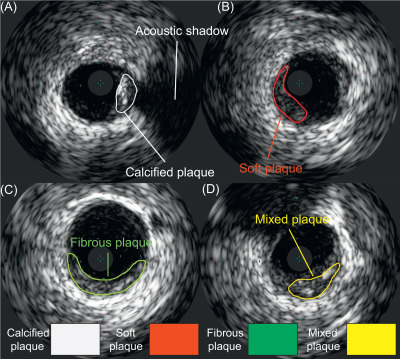
Most cardiologists will retire without ever telling their patients the difference between managing cholesterol and reversing arterial damage. Not because the science is controversial. Because it falls between three specialties and nobody owns it. I've been reading cardiac imaging for 18 years. CT angiograms. Coronary calcium scores. Arterial wall assessments. The images that show what's actually happening inside arteries — not just the numbers on a lab report. I'm Dr. Harris, cardiologist, specializing in preventive cardiology and endothelial dysfunction. And there's a gap in cardiovascular medicine that I believe is responsible for thousands of preventable cardiac events every year. It has to do with the difference between managing cholesterol and reversing arterial damage. Let me explain. When a patient presents with elevated LDL — say 152, 168, anything above 130 — the standard of care is a statin. Atorvastatin. Rosuvastatin. The mechanism is well understood. Statins inhibit HMG-CoA reductase in the liver. Less cholesterol is produced. LDL drops. 90 days later, the lab comes back. LDL 94. Down from 156. The physician documents improvement. The patient is told they're on track. And they are. The statin is doing exactly what it's designed to do. But here's what that lab result doesn't capture. Every year that patient's LDL was elevated before the statin — 5 years, 10 years, sometimes longer — plaque was being deposited inside their arterial walls. Layer by layer. Year by year. Silently. No symptoms. No imaging ordered. Just accumulation. The statin reduced new deposits. That's its function. But the plaque already embedded in the arterial walls from years of elevated LDL? It doesn't dissolve because the lipid panel improved. In 18 years of reading cardiac imaging, I've seen this pattern hundreds of times. Patient comes in with a well-managed lipid panel. LDL under 100. GP is satisfied. Patient believes they're protected. Then I run imaging. Coronary calcium score of 180. Visible plaque deposits. Endothelial dysfunction. Arterial narrowing. The lipid panel said they were on track. The imaging said something very different. This isn't a failure of statins. Statins work. They reduce cardiac events. The data is overwhelming and I prescribe them daily. This is a failure of monitoring. We track the number. We don't image the damage. And there's a reason this matters far more than most physicians realize. The human arterial system doesn't fail all at once. It fails in order. Smallest arteries first. Largest arteries last. This is basic vascular physiology, but the clinical implications are enormous. The penile arteries are 1-2 millimeters in diameter. The coronary arteries feeding the heart are 3-4 millimeters. The carotid arteries to the brain are even larger. When plaque builds system-wide — which is what atherosclerosis does — the 1-2mm arteries become symptomatic first. The 3-4mm arteries become symptomatic years later. Same disease. Same plaque. Different timeline based on vessel diameter. This means erectile dysfunction in men is frequently the first clinical manifestation of systemic atherosclerosis. Not a bedroom problem. A vascular event occurring in the smallest arteries of the body. The research supports this clearly. ED symptoms appear 3-10 years before cardiac symptoms in men with atherosclerotic disease. Men with ED have up to a 50-fold higher incidence of cardiovascular events. The correlation between ED and future cardiac events is stronger than smoking, stronger than family history, stronger than most conventional risk factors. This is published, peer-reviewed cardiovascular research. It's not debated in cardiology. But it's almost never applied in clinical practice. Because of how medicine is structured. The GP manages the lipid panel. They see cholesterol numbers. They prescribe statins. They monitor LDL quarterly. When the number drops, they document success. The urologist manages erectile dysfunction. They see a performance issue. They prescribe sildenafil or tadalafil. PDE5 inhibitors. The mechanism forces vasodilation for 4-6 hours. Symptoms are managed. The cardiologist — that's me — sees the imaging. I see the plaque. I see the arterial narrowing. I see the endothelial dysfunction. But I typically see it after the patient presents with chest pain, exertional symptoms, or an acute cardiac event. Three specialists. Three perspectives. One disease. And the two early warnings — elevated LDL and ED — are being treated in separate offices as unrelated conditions. I've seen this pattern play out in my cath lab for 18 years. A 52-year-old male. LDL was 156. Started atorvastatin. LDL came down to 104 over 18 months. Textbook management. During that same period, he developed ED. His urologist prescribed sildenafil. Worked perfectly. For 4 years, his lipid panel looked excellent and his ED was chemically managed. Two prescriptions. Two satisfied physicians. Two managed numbers. Then he came to me with crushing chest pain. Emergency angiogram showed 70% blockage in his left anterior descending artery. Three stents. Blood thinners for life. His LDL was 104 the week he had his cardiac event. Perfect number. But the plaque deposited during the years before his statin started — the plaque his lipid panel couldn't see — had been advancing in his coronary arteries the entire time. His ED was the early warning. His statin was managing new deposits. Nobody was addressing the existing damage. A 49-year-old male. LDL of 168. HDL only 34. Started a statin. LDL dropped to 95. Beautiful lipid panel. ED developed a year later. Sildenafil prescribed. Managed perfectly. Came to me with exertional chest pain. Coronary calcium score of 340. Severe disease. Bypass surgery. His LDL management was excellent. His arterial disease was advanced. Because managing a number and reversing damage are fundamentally different clinical objectives. These aren't unusual cases. I see variations of this pattern regularly. Well-managed lipid panels. Chemically managed ED. And advancing arterial disease that neither prescription was designed to address. This is the gap I mentioned. And it's the reason I'm writing this. Statins address the supply side of atherosclerosis. They reduce how much LDL enters the bloodstream. Less cholesterol available means less new plaque deposits. This is prevention. Essential prevention. But there's another side. The demand side. The repair side. The reversal of existing plaque and restoration of endothelial function. The clearing of deposits already embedded in arterial walls. Statins don't activate this mechanism. They were never designed to. PDE5 inhibitors like sildenafil don't activate it either. They force temporary vasodilation by preventing the breakdown of existing nitric oxide. When the drug clears, the vasodilation stops. No repair. No reversal. Just 4-6 hours of chemically overridden blood flow. So the standard of care for a man with elevated LDL and ED addresses prevention of new plaque and temporary symptom management of existing blockages. What it doesn't address is the reversal of arterial damage already present. And this is where the research I found changes the equation. October 8th, 11:47 PM. I was reviewing endothelial dysfunction research after a late shift. Not looking for anything specific. Just trying to understand why arterial repair wasn't keeping pace with arterial management in my patients. I found a study on capsaicin and nitric oxide production in endothelial cells. Capsaicin — the active compound in cayenne pepper — activates TRPV1 receptors on the endothelial lining of arteries. These receptors trigger sustained production of nitric oxide. Nitric oxide is the single most important molecule in vascular health. It's the body's primary vasodilator. It signals endothelial repair. It inhibits smooth muscle proliferation in arterial walls. It prevents platelet aggregation. It's the master regulator of arterial function. Sildenafil works by preventing the breakdown of nitric oxide that's already been produced. It preserves the existing supply for 4-6 hours. Then it's gone. Capsaicin works by activating the production of new nitric oxide at the receptor level. The endothelium makes more of it. Continuously. The cells that line the arteries receive a sustained signal to produce the compound they need to repair and maintain themselves. These are fundamentally different mechanisms. One preserves a temporary supply. The other activates the factory. But here's the finding that changed my understanding. "Sustained capsaicin exposure reversed early atherosclerotic changes and improved endothelial function in 67% of subjects over 90 days." Reversed. Not slowed. Not managed. The existing plaque — the deposits that statins can't address — showed measurable reduction through activation of the endothelial repair pathway. The mechanism makes sense. Statins reduce the supply of cholesterol available for new plaque formation. Capsaicin activates the body's endothelial repair system through sustained nitric oxide production, addressing the existing damage. They're not competing mechanisms. They're complementary. One prevents new damage. The other repairs existing damage. In 18 years of cardiology, I'd never seen these two mechanisms discussed together. Because lipid management is the GP's domain. Vasodilation is the urologist's domain. Arterial imaging is the cardiologist's domain. Nobody was combining the prevention mechanism with the repair mechanism. I want to share what happened when I applied this research personally — because the clinical results illustrate the mechanism clearly. My own LDL had been elevated for years before I started rosuvastatin. The statin brought it down to 98 — well managed. But during that same period, I developed ED. A CT angiogram showed a coronary calcium score of 47. Early atherosclerotic changes. Endothelial dysfunction. The statin was preventing new deposits. The ED was signaling that existing deposits were already significant enough to impair blood flow in the smallest arteries. And imaging confirmed plaque was present in the coronary arteries as well. I started Aurivita Capsaicin Power. Each serving is 3 softgels delivering 3mg of capsaicin from 3,000mg of cayenne pepper — specifically formulated to activate TRPV1 receptors at a therapeutic dose. I took one serving with breakfast. Continued the rosuvastatin. The timeline of response illustrates the vascular physiology precisely. Day 3. Improved morning blood flow. The smallest arteries — the ones showing symptoms first — responded first. This is exactly what the mechanism predicts. TRPV1 activation produces nitric oxide. Vasodilation begins in the smallest vessels. Day 6. Significant improvement in vascular response. Consistent with sustained endothelial nitric oxide production reaching therapeutic levels. Day 12. Complete resolution of ED symptoms. Morning function restored daily. Spontaneous vascular response normalized. The 1-2mm arteries were functioning as if the blockages had reduced. But resolving symptoms in the smallest arteries is only the early indicator. The critical question was whether the larger arteries — the coronary arteries — were showing the same repair. 8 weeks in. Follow-up CT coronary angiogram and calcium scoring. Coronary calcium score reduced from 47 to 31. 34% plaque reduction. LDL holding steady at 88 with the statin. The statin was still doing its job — preventing new deposits. But the existing plaque — the deposits built up over years of elevated LDL that the statin was never designed to address — had measurably reduced. The arterial walls showed improved endothelial function. The repair mechanism was working system-wide. I showed the comparative imaging to my colleague, Dr. Morrison. Both scans side by side. Both lipid panels. He studied them for a full minute. "The LDL didn't change. Statins don't reverse plaque like this. What activated the repair pathway?" I explained the TRPV1 mechanism. Sustained nitric oxide production. Endothelial repair activation. The specific dosage — 3mg capsaicin from 3,000mg cayenne pepper per serving — that matched the therapeutic threshold identified in the research. He looked at the scans again. "Prevention and repair. We've been doing one without the other." That's the gap. Statins are one of the most important pharmaceutical developments in cardiovascular medicine. They reduce cardiac events. They save lives. The evidence is beyond question. Every patient with elevated LDL who is prescribed a statin should continue taking it. PDE5 inhibitors like sildenafil serve a clear clinical purpose. They restore function. They work as designed. But neither mechanism addresses the reversal of existing arterial plaque and restoration of endothelial function. They manage the disease. They don't heal the damage. And in cardiovascular medicine, there's a critical difference between management and reversal. Management means the disease progresses slower. Lab numbers improve. Symptoms are controlled. The patient feels monitored and cared for. Reversal means the existing damage reduces. Arterial function improves. The endothelium repairs. Blood flow is restored not through chemical override but through actual structural improvement of the vessels. Management buys time. Reversal uses that time. The statin buys time by preventing new plaque. The capsaicin uses that time by reversing existing plaque. Together, they address both sides of atherosclerotic disease for the first time. I'm publishing this perspective because I believe the gap between lipid management and arterial repair is responsible for a significant number of cardiac events in men who believe they're protected by managed cholesterol numbers. A managed LDL is not a clean artery. A beautiful lipid panel is not the same as healthy endothelial function. And an ED symptom being chemically managed is not the same as the underlying vascular disease being resolved. These are three different things. And conflating them — as the current siloed approach to medicine does — has consequences visible on cardiac imaging every week. For any physician reading this: capsaicin does not replace statin therapy. It complements it by activating the endothelial repair pathway that statins don't address. Prevention and repair. Both mechanisms. Simultaneously. The gap between a managed lipid panel and actual arterial health is where the risk lives. And it's the gap where the repair mechanism — sustained nitric oxide production through TRPV1 activation — does its work. Eight weeks. That's how long it took to see 34% plaque reduction on imaging while continuing statin therapy. Prevention and repair working together. The body's endothelial repair system works. It just needs to be activated. That's what capsaicin does. That's what statins don't. And that's why combining them addresses atherosclerotic disease more completely than either mechanism alone. — Dr. Mike Harris, MD, FACC P.S. — The formulation I used is Aurivita Capsaicin Power. Each bag contains 240 softgels — an 80-serving supply at one serving per day. Each serving is 3 softgels delivering 3mg of capsaicin from 3,000mg of cayenne pepper, formulated to reach the TRPV1 activation threshold identified in the endothelial research. For clinicians or patients interested in exploring the complementary mechanism: Aurivita Capsaicin Power alongside existing statin therapy, with baseline and follow-up cardiac imaging to track endothelial repair and plaque response. The prevention mechanism is well established. The repair mechanism is supported by research and confirmed in clinical imaging. Together, they represent a more complete approach to atherosclerotic disease than either mechanism alone. One bag. 80 days of activation. Enough to see the difference on imaging.
Managed Is Not Healed
Dr. Michael Harris reviews the popular Aurivita Cayenne Pepper softgels currently trending on social media
LEARN MORELike this ad? Make it yours.
Crush rebuilds this exact creative around your product — your brand, your colors, your offer — in about a minute.