
Inactive· since May 12, 2026
- 21
- days it ran
- 0
- relaunches
Ad copy
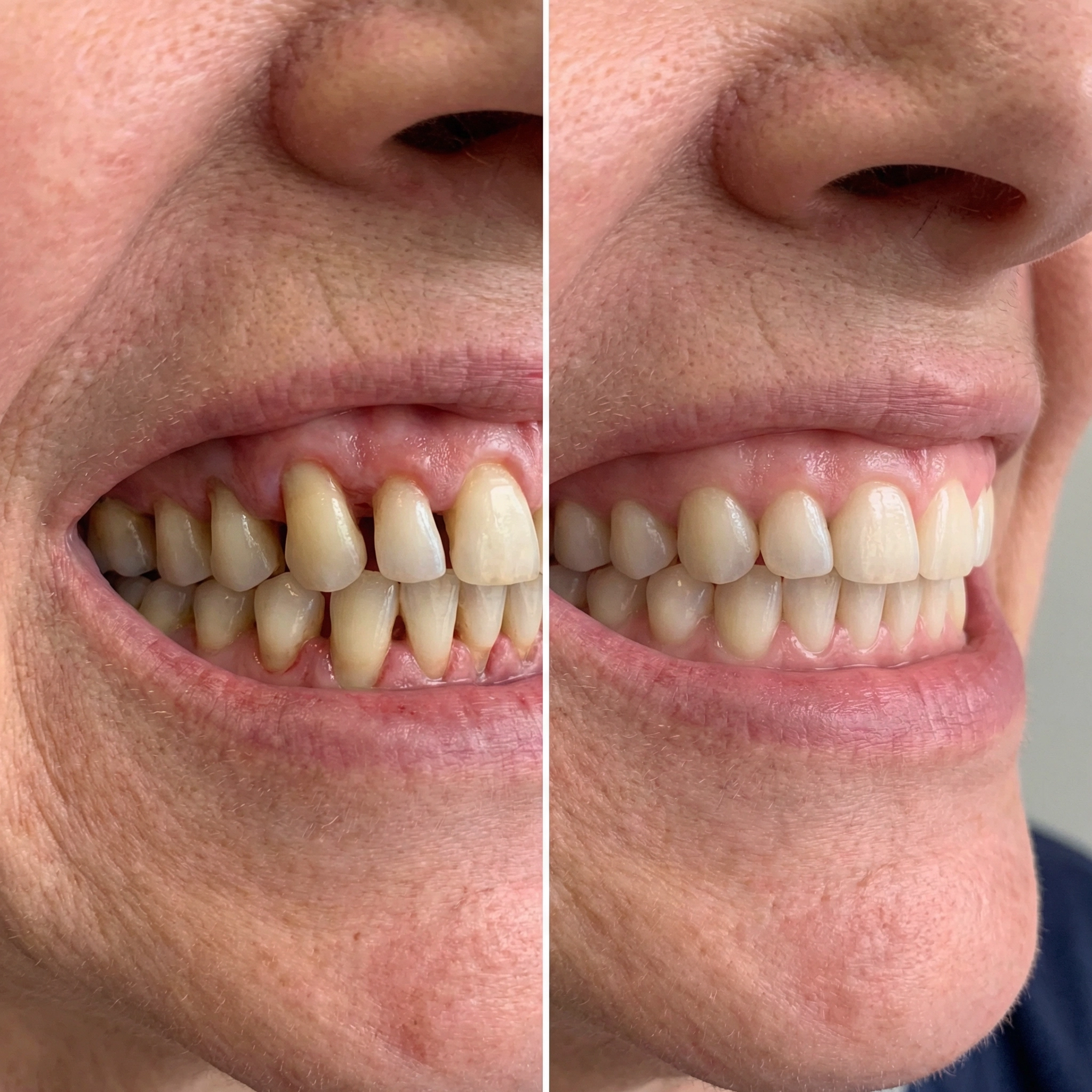
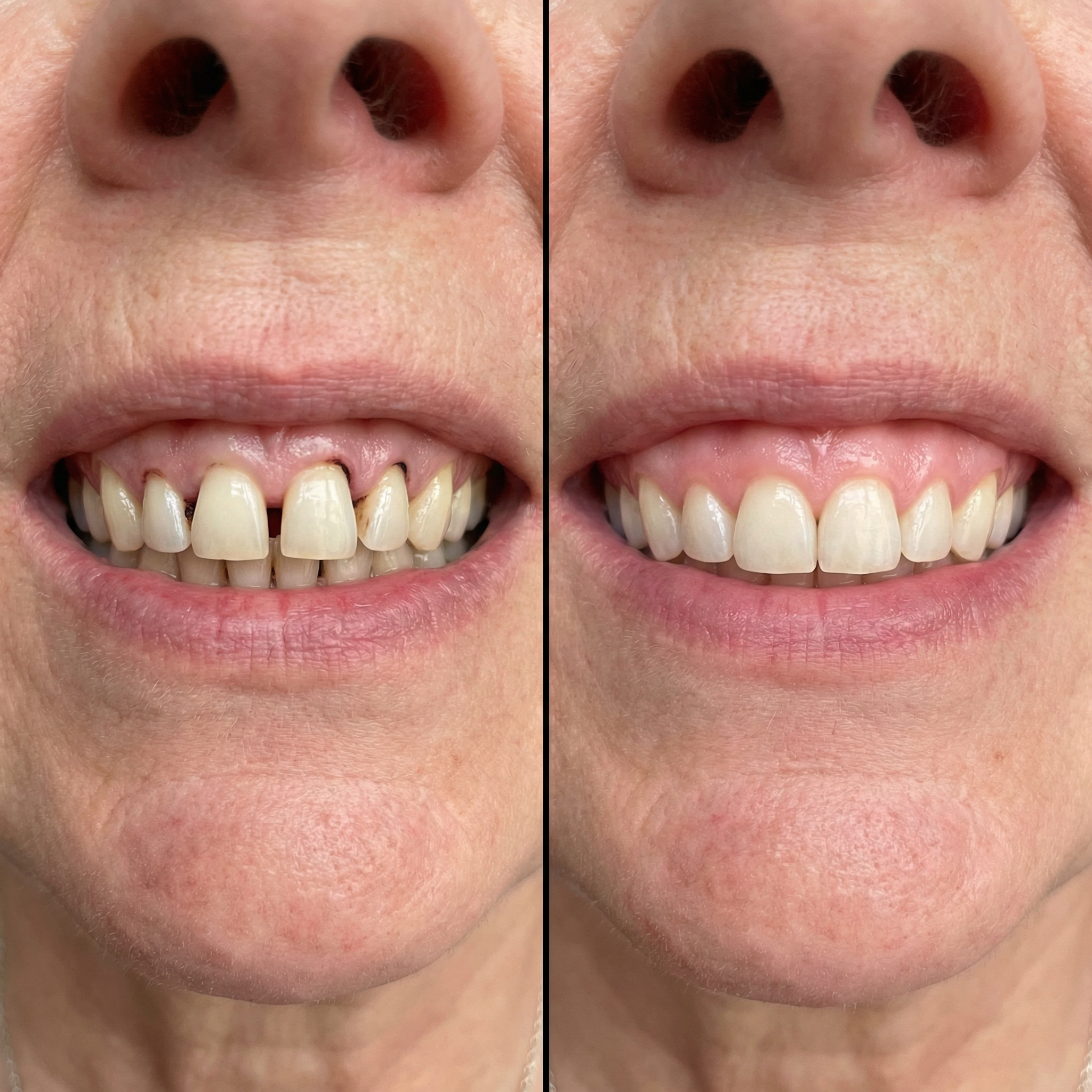
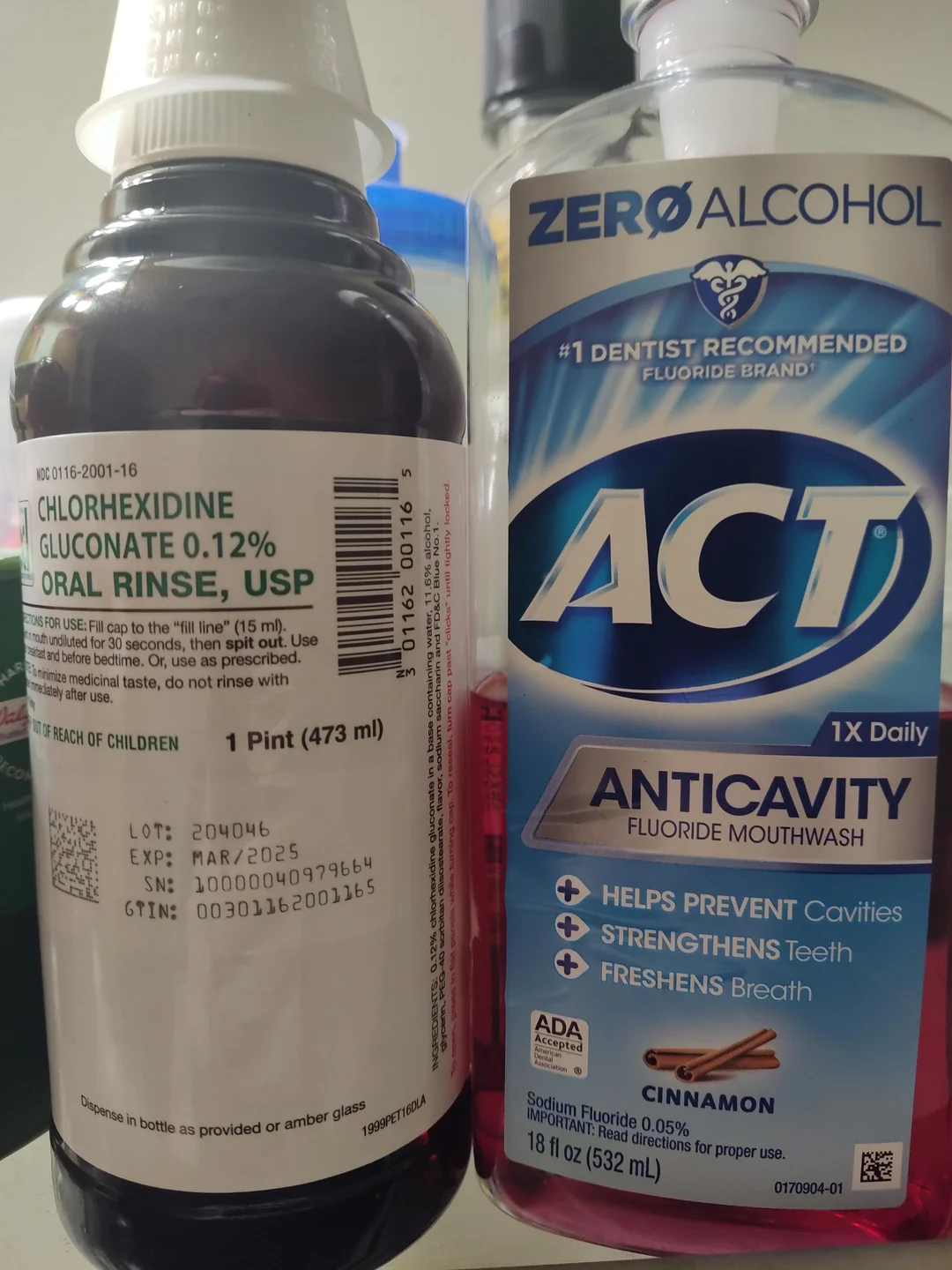
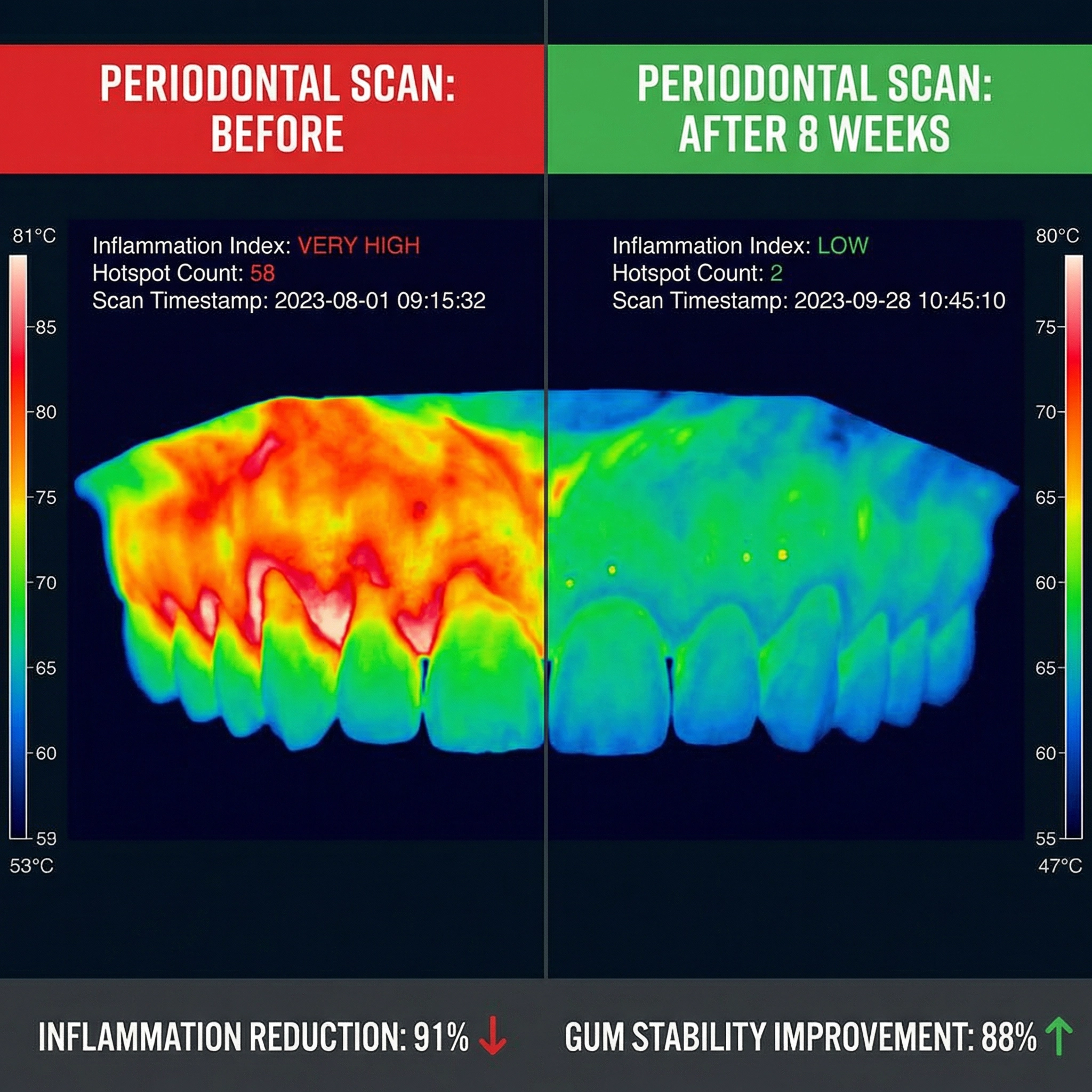
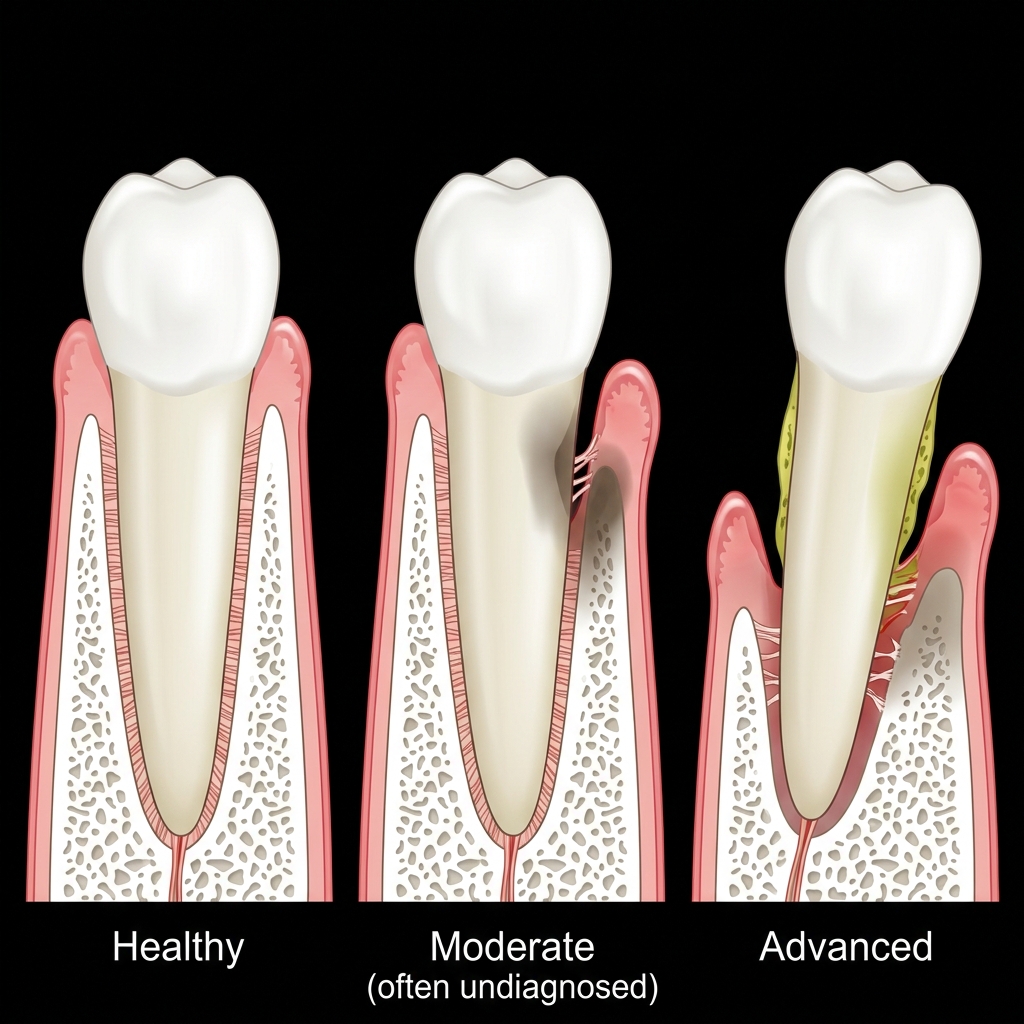
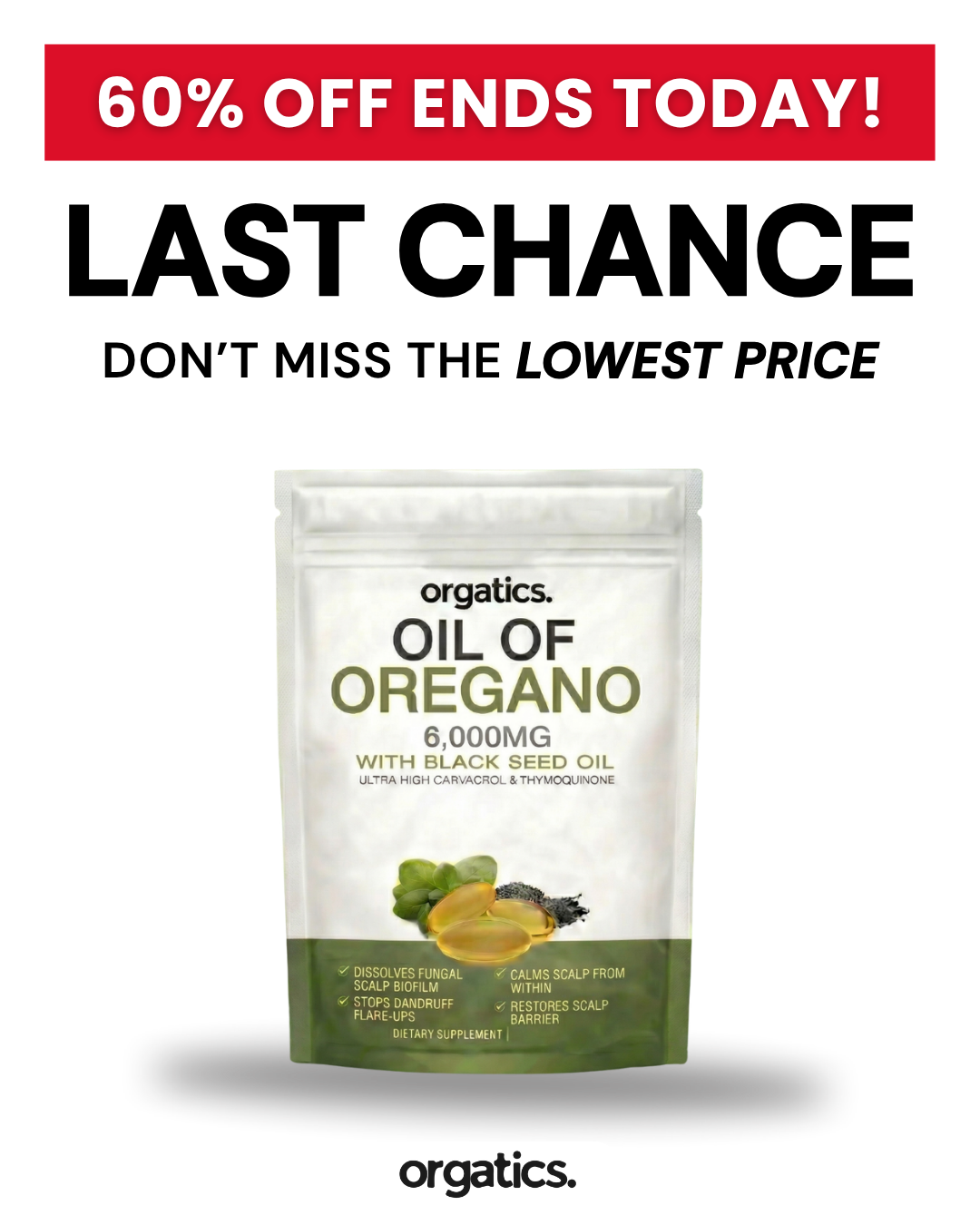
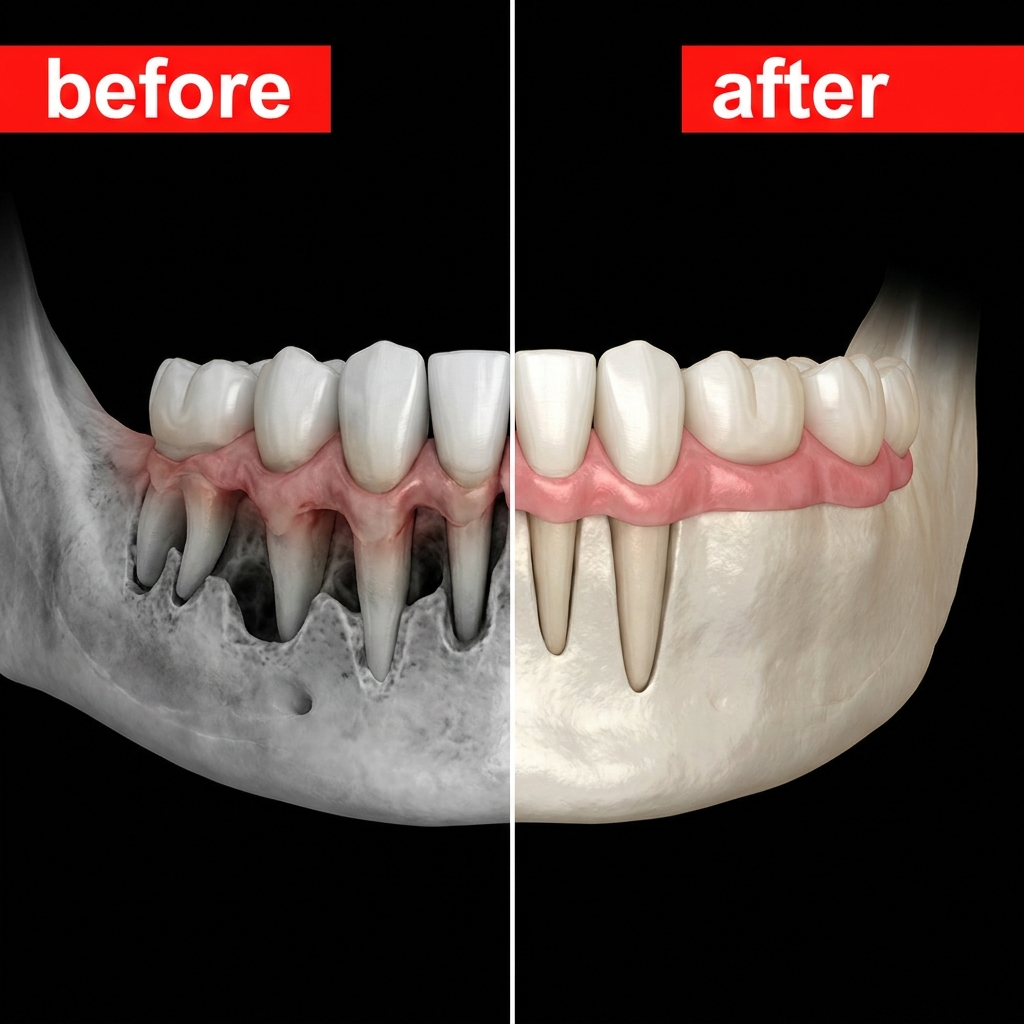
My father lost every tooth on his lower jaw after 11 years on chlorhexidine. I have the same chronic periodontal disease he had. The same family history. My periodontist wants to start me on the same prescription protocol. My father died at 71. With dentures. I'm 59. Three weeks ago, my periodontist closed the exam room door. The click echoed. She sat down. Pulled up my chart without looking at me. "Margaret. We can't wait anymore. I'm prescribing chlorhexidine gluconate 0.12 percent. Twice daily. Plus custom gel trays. You'll start this week." My throat constricted. The walls tilted. Chlorhexidine. The same prescription they gave my father. Eleven years of it. His teeth first — the little things that started year two. A bottom incisor coming out into a piece of toast. The next one shifting when he chewed gum. The dentist told him it was normal aging. "Your numbers look stable. Just keep rinsing." It wasn't normal. The afternoon my father couldn't eat his birthday dinner — the steak and baked potato my mother had been making for his birthday for thirty years. He cut it smaller and smaller and finally pushed the plate away and asked for ice cream instead. The man who'd eaten corn on the cob every July of his life couldn't bite into an ear of corn anymore. Year five: He stopped going to restaurants. Said the menu had too many things he couldn't eat. Year eight: He started wearing a partial denture for the lower front teeth he'd lost. Then another one for the molars on the right side. Then another one for the molars on the left. Year ten: He looked at the wedding photo on my parents' mantel — the one where he'd laughed open-mouthed at something my uncle said — and told me, "I don't even remember what my real smile looked like anymore." My mother's words at Christmas, barely audible over my own quiet crying: "The rinses didn't save him. They just polished the outside while his teeth came out one by one." Eleven years of prescription. Eleven years of watching my father lose his smile. He lost the rest of his teeth anyway. Full lower denture by 68. Full upper by 70. The chlorhexidine controlled his surface bacteria. Didn't save his bone. Didn't save his teeth. Just made his last eleven years a slow surrender into someone we didn't recognize laughing at family dinners. And here's the part that haunts me now that I understand what was really happening inside his mouth: His pocket numbers were "stable" the entire time. The chlorhexidine was doing its job — killing surface bacteria, keeping the gumline looking acceptable on the chart. But his body still couldn't REACH the bacteria that had been building behind the biofilm shield in his deep pockets for decades. The prescription was killing what it could touch. Nobody ever dissolved what it couldn't. He lost his teeth anyway. Because stable surface readings don't mean halted disease. Not when the bacteria that's actually resorbing your jawbone is protected by a barrier the chlorhexidine physically cannot penetrate. I sat in my car in the parking lot. Couldn't turn the key. Just gripped the steering wheel. The prescription crinkled in my coat pocket. I pulled it out. Stared at it. Chlorhexidine gluconate 0.12 percent. Rinse twice daily. Custom trays nightly. My hands shook. My husband was unloading groceries when I walked through the door. "Hey. How was your appointment?" The words stuck. I handed him the prescription without speaking. Pockets at 6mm. Bleeding on probing at 58%. The grocery bag hit the floor. Eggs shattered. Milk carton split. He didn't notice. Both hands covered his mouth. Tears streaming down his face. "No." His voice broke. "Margaret, I watched what those rinses did to your father. I can't. I can't watch you lose your teeth one by one. I can't watch you stop laughing in family photos. I can't —" He couldn't finish. Turned away. Shoulders shaking. That night I lay awake. The ceiling fan rotated. Over. And over. And over. Red numbers glowed on the clock: 11:52 PM. Rolled over. 12:41 AM. Again. 1:38 AM. At 2:23 AM I gave up. Went downstairs. Sat at the kitchen table. Opened my laptop. The screen's blue glow hurt my eyes. I typed: chlorhexidine bone loss The search results loaded. My chest tightened. Periodontology peer-reviewed paper: "Long-term chlorhexidine use does not arrest bone resorption in chronic periodontitis..." I clicked the first result. PubMed. "Patients on continuous chlorhexidine therapy for five or more years showed continued pocket deepening and recession progression despite stable surface inflammation markers..." Continued. Despite stable surface markers. I searched again: why chlorhexidine stops halting periodontal disease Article after article. "Chlorhexidine is water-soluble and cannot penetrate the hydrophobic biofilm matrix that mature periodontal bacteria establish in chronic cases..." "Surface antimicrobials show limited efficacy in pockets exceeding 5mm where bacterial colonies have established protective biofilm shields..." My father's face flashed in my mind. The blank look when he tried to eat his birthday steak. The fear in his eyes when his first denture didn't fit right. The shell of a man eating soft food at the last Thanksgiving dinner before he died. I searched: chlorhexidine dentures connection Forum posts loaded. "My husband's been on chlorhexidine for 7 years. He just lost his fourth tooth. The dentist says it's not the medication. But I watched it happen..." "Pockets so deep I had to get implants. Three years off the chlorhexidine and on a different approach and my new readings are finally improving..." "My mother rinsed with chlorhexidine for 12 years. The last four, she had dentures. Dentists blamed age. I blame the protocol." My heart hammered against my ribs. I closed the laptop. Rubbed my face with both hands. What do I do? The prescription sat on the counter. Five feet away. Mocking me. I didn't fill it. Three days passed. The periodontist's office called. "Mrs. Whitman, you haven't picked up your prescription. Dr. Chen needs confirmation you're starting the protocol." "I need more time." "Ma'am, your bleeding on probing is 58%. This is urgent. Dr. Chen was very clear —" "I said I need more time." I hung up. Five days. Seven. My husband found me on the back porch one evening. "Margaret. What are you doing out here?" "Thinking." "About?" "Options." "The doctor said you need the protocol." "The doctor said my father needed the protocol too. Didn't save him. Just polished his teeth while his bone disappeared underneath for eleven years. And his numbers were stable the whole time. He lost his teeth anyway." His chin trembled. "But what if she's right? What if your pockets keep deepening? What if you end up where your father ended up?" "What if the prescription does to me what it did to him? What if I end up with dentures by 68? What if I lose my teeth anyway — just slowly, while my chart says I'm stable, just like Dad?" He had no answer. That weekend I searched everything. Natural alternatives. Clinical studies. Research papers. I tried coconut oil pulling first. Everyone recommends it for gums. Three months later my pockets were still at 6mm. Turns out oil pulling moves bacteria around in your mouth but does nothing for the colonies protected behind the biofilm shield in your deep pockets. Generic oregano oil from Amazon. Probiotic lozenges. Salt water rinses. Hydrogen peroxide. Charcoal toothpaste. I built an entire supplement stack that cost me $140 a month. None of them moved my readings. Not in any way that lasted. Bergamot. Vitamin C with bioflavonoids. CoQ10. I'd read these were good for gum health. Monday morning I ordered the highest-rated CoQ10 supplement on Amazon. 4.5 stars. Over 10,000 reviews. Seven weeks later: pockets still at 6mm. I tried another brand of plant-based gum support next. Nine weeks. Never missed a day. Pockets: 6mm. Numbers barely moved. My follow-up appointment was in three weeks. Then two. Then one. Every time I felt the metallic taste creeping back into my mouth — that copper-penny flood that woke me up at 2 AM — I saw my father. The push-away of the birthday steak. The first denture appointment. The man who stopped laughing open-mouthed at family dinners and never started again. I was about to give up and just fill the chlorhexidine prescription. Ten days before my appointment, I was reading a research paper at 1 AM. Couldn't sleep. Couldn't stop. And I found something that changed everything. A 2019 meta-analysis in the Journal of Ethnopharmacology — covering 31 clinical trials on chronic periodontal infections — about something called lipid-soluble biofilm penetration. And it said something I had never heard anyone talk about. Not my periodontist. Not the supplement companies. Not a single article I'd read in months of research. Your chronic periodontal bacteria don't sit in your pockets waiting to be killed. They build a hydrophobic biofilm SHIELD around themselves that physically REPELS every water-based treatment. I sat up in bed. Read it again. The bacteria 6mm down in your deep pockets construct a lipid-based matrix — an oily fortress — around their colony. This shield is hydrophobic. Water repels it. Oil dissolves it. Here's how it works: Chlorhexidine — your prescription antimicrobial — is water-based. It hits the surface of your gumline where it can directly contact bacteria. It kills those surface bacteria effectively. But the bacteria 6mm down — the ones actually producing the inflammatory compounds that resorb your jawbone — are protected behind the shield. The chlorhexidine cannot reach them. Water and oil don't mix. The rinse physically bounces off the lipid matrix. From there, the deep colony keeps producing inflammatory compounds. The inflammation keeps eating bone. Pockets deepen. Teeth loosen. Recession progresses. Without compounds that can DISSOLVE the lipid shield, that entire halting process never starts. Surface bacteria can't reach the colony. Plaque builds. Pockets climb. And nothing you rinse with to reduce SURFACE bacteria will fix a SHIELD penetration problem. I stared at the screen. My hands were shaking again. But not from fear this time. From anger. Because I suddenly understood what happened to my father. Eleven years on chlorhexidine. The prescription was killing surface bacteria. Keeping his surface readings stable on the chart. And the whole time, his deep pocket bacteria were protected by a biofilm shield — completely unreached by anything he was rinsing with. The chlorhexidine was polishing the outside while the bacteria inside the shield kept eating bone. His numbers looked "stable." His jawbone kept resorbing. Nobody checked. Nobody addressed the shield problem. Nobody even mentioned it. Full lower denture at 68. Numbers "controlled" the entire time. He didn't lose his teeth because his oral hygiene was too poor. He lost his teeth because his prescription couldn't reach the bacteria that was already destroying his bone. And nobody — not one periodontist in eleven years — ever said the word "biofilm shield." I kept reading. Another study. A 2020 paper in the Journal of Clinical Periodontology. Found that biofilm shield formation was present BEFORE significant bone loss occurred. The shield establishes FIRST. Then the bacteria fortify. Then the inflammation chronic-cycles. Then the bone resorbs. And here's the part that made my stomach drop: Your immune system can't reach the bacteria either. Unlike acute infections, where your immune cells flood the site and clear the bacteria, your immune system depends on physical contact with the pathogens to neutralize them. When the bacteria are protected behind a hydrophobic shield, your immune cells bounce off the same way the chlorhexidine does. When you're young, your saliva and your immune system together keep the colonies from establishing the shield in the first place. Acute inflammation gets cleared. After 50, the chronic cycle has been running long enough for the shield to fully establish. The bacteria are fortified. The protective matrix gets thicker every year. Your body literally cannot reach them anymore. So the bacteria keep producing inflammatory compounds. The compounds keep resorbing bone. The bone keeps disappearing. Your pockets keep deepening because the bacteria have NOWHERE YOUR BODY CAN REACH THEM. That's why my oil pulling didn't work. That's why the probiotic lozenges didn't work. That's why the salt rinses didn't work. That's why the $140 a month supplement stack didn't work. I'd been doing everything everyone told me to do — better brushing, better flossing, surface antimicrobials, supplements for general gum health. Polishing the outside. But the shield was inside. And nobody told me. Every prescription. Every supplement. Every cleaning my periodontist gave me. All of them target SURFACE bacteria. Chlorhexidine kills bacteria on the gumline surface. Custom gel trays deliver antimicrobials to the surface where the tray can reach. Quarterly cleanings physically scale the bacteria off the surface of your teeth. Probiotic lozenges support your oral microbiome at the surface level. CoQ10 supports cellular energy in gum tissue — but doesn't open the shield. Not a single one addresses the SHIELD itself. It's like your front door has been locked from the inside for years, and everyone keeps polishing the doorknob. Sure — a clean doorknob looks better. But the door is STILL locked. The bacteria you can't reach are STILL multiplying behind it. And the moment you stop polishing, the surface looks worse and they double down anyway. That's why pockets shrink a little when you escalate cleanings — then climb right back when you relax even slightly. That's why people on chlorhexidine for twenty years still end up in dentures. That's why I tried coconut oil pulling, probiotic lozenges, salt rinses, hydrogen peroxide, charcoal toothpaste, bergamot, vitamin C, CoQ10, and two different gum support brands — and my pockets were STILL at 6mm. I'd been polishing the outside for months. Nobody had dissolved the shield. I searched until 4 AM that night. And I found that there are specific compounds — studied in 31 clinical trials — that target the biofilm shield directly. Carvacrol from wild Mediterranean oregano. Thymoquinone from cold-pressed black seed oil. Not random supplements. Not generic "oral health." Specific compounds that physically dissolve the lipid matrix protecting periodontal bacteria. And each one does something different: Pharmaceutical-grade carvacrol — the biofilm dissolver. It's lipid-soluble. It physically merges with the hydrophobic shield from inside through the bloodstream and dissolves the oily matrix protecting the bacteria. For chronic periodontal disease, it opens the protective barrier that bacteria 6mm down have been hiding behind for years. When the shield comes down, your immune system can finally reach the colony for the first time. Without this dissolution, the chronic inflammation cycle never breaks. Carvacrol opens the barrier. Verified thymoquinone — the inflammation modulator. From cold-pressed black seed oil, preserved in its bioactive form (not the heat-degraded version sitting in most supplement bottles). It calms the inflammatory cascade once the shield is dissolved and the bacteria are exposed, so the immune response doesn't trigger more bone loss before the healing settles. Without this modulation, you'd have an aggressive inflammatory response in chronically inflamed tissue that could actually accelerate the bone loss before it stops. Lipid-soluble softgel delivery — remember how chlorhexidine bounces off the shield because it's water-based? Lipid-soluble delivery is the bypass route. The compounds enter your bloodstream, are carried through the gum tissue from underneath, and reach the bacteria the rinse never could. This is what jumpstarts the whole halting process. I searched for a formula that combined both compounds at clinical concentrations in lipid-soluble delivery. Not one or two crammed into a generic blend. Both. Working together. Most periodontal supplements were garbage. Generic oregano oil at 5% carvacrol. Heat-degraded black seed oil. Powder formulations with no bioavailability. Stuffed with fillers and weak extracts. Like every other supplement that had already failed me. Then I found Orgatics. Pharmaceutical-grade wild Mediterranean oregano. Standardized to minimum 70 percent carvacrol — the clinical research concentration. Cold-pressed black seed oil with verified thymoquinone — the bioactive form. Lipid-soluble softgel delivery designed for bloodstream absorption. Pure, plant-based extracts. No fillers. No artificial additives. Third-party tested. Produced in trusted facilities. And they offer a 90 day money back guarantee. If you don't notice a difference within 90 days, just reach out and they'll refund you. No questions asked. I almost didn't order it. I'd been burned too many times. But I figured — 90 day guarantee. What do I actually have to lose at this point? One more try before I fill the chlorhexidine prescription. I ordered it that night. The pouch arrived two days later. I took the first dose that morning. Two softgels with my coffee. Sat at the kitchen table. Waited. Day one: Nothing dramatic. I wasn't expecting anything. I'd stopped expecting anything from supplements months ago. But by the afternoon, something subtle. The metallic taste I'd been blaming on "just how my mouth feels now" — that constant copper-penny flood that woke me up most nights — it wasn't there. I felt... cleaner. Not minty. Just less metallic. I didn't say anything to my husband. Didn't want to jinx it. One week: I brushed my teeth and looked into the sink. Pink. Still pink. But lighter than I'd seen it in over a year. I'd seen fluctuations before. Didn't get excited. But my bristles were lighter too. For the first time in months, the brush didn't come out of my mouth streaked dark. My husband noticed I stopped pressing my tongue against my front teeth at the dinner table — the nervous habit I'd developed when I was worried about a tooth shifting. Didn't comment. Just watched me eat dinner without checking my teeth between bites. Two weeks: Pink almost gone in the sink. The metallic taste I'd been waking up to for 18 months was lifting. I felt like I could taste my morning coffee for the first time since my father's funeral. Three weeks: Bristles came up white. I called my younger sister one evening. Her pockets had been creeping up too. She's 56. "White," I told her. Silence on the other end. "Margaret... how?" I explained everything. The biofilm shield. The shield penetration problem. The 31 clinical trials. The difference between killing surface bacteria and actually dissolving the matrix protecting the colony. "I'm sending you a pouch," I said. "Your last probing was 5mm on the back molars. Try it." Her voice cracked. "If this works — if I don't have to go through what Dad went through —" "It's working. I promise." The morning of my follow-up, I checked one last time: bristles still white. Sink clear. No metallic taste. At the periodontist's office, the hygienist probed every site. Wrote the numbers on the chart. Wrote them again. Dr. Chen walked in with her laptop. Pulled up my results. Stared at the screen. Frowned. Refreshed it. Looked at me. "Margaret. What happened?" Pockets at 4mm across the board. Down from 6mm. Bleeding on probing at 16%. Down from 58%. I told her. Biofilm shield. Pharmaceutical-grade carvacrol. Cold-pressed black seed oil. Lipid-soluble delivery. Orgatics. She typed notes. Nodding. "Well." She closed the laptop. "Whatever you're doing, continue. These numbers are excellent. No chlorhexidine necessary at this time." No chlorhexidine necessary. I walked to my car. Got in. Sat there. Then called my husband. "4mm." I heard his breath catch. Then a sob. "Thank God. Thank God, Margaret." That was nine weeks ago. My pockets this week? 4mm at the worst sites. 3mm at most of them. Healthy. Halting. No prescription. No staining. No watching my smile slip away. No becoming a woman who eats soft food at every family dinner. I'm not following my father's path. Yesterday I ate dinner with my daughter and her family. The roast. The corn on the cob. The crusty bread. I laughed at my grandson's stories with my mouth open. I let my daughter take a family photo and I didn't close my lips before she pressed the button. She grabbed me in a hug when we were leaving. "Mom! You laughed at every single one of his jokes!" My throat tightened. My eyes burned. Because I knew my smile. I knew my teeth. I knew where I was and who I loved and every single moment of that meal together. The answer was yes. If you're reading this, you see yourself in my story. Your gums are bleeding. Maybe already in the danger zone. Your father or mother lost their teeth on that prescription — the recession, the loose teeth, the slow surrender to soft food and partial dentures. Your periodontist's prescribed chlorhexidine or another surface antimicrobial. You've Googled the limitations at 3 AM. Read the clinical trial summaries about chronic case progression. Seen the forum posts from families who watched it happen. Felt paralyzed between two horrible choices. You've tried other supplements. Coconut oil pulling. Probiotic lozenges. CoQ10. None of them worked. Because none of them addressed the actual problem — the bacteria are hiding behind a shield that water-based treatments physically cannot reach. Here's what I want you to know: If I hadn't found that research paper at 1 AM, I'd be on chlorhexidine right now. For life. Watching the pink come back in my sink every morning. Wondering every time a tooth felt slightly different in my mouth if this was how it started for my father. The recession. The metallic taste. The first denture. Watching my grandchildren's faces while I cut my food smaller and smaller. Becoming a woman who eats soft food at every family gathering. Becoming someone with prosthetic teeth. All while knowing the prescription couldn't actually halt the disease that would take them anyway — because it was polishing the outside while my shield kept the bacteria untouched. But I had a choice I didn't know existed. I chose to try one more thing. To find a formula that actually addressed why pockets keep deepening in the first place — not just surface bacteria, but the shield protecting the deep colony. That choice changed everything. If you catch it early enough, you still have a window. But every day you wait, that window gets smaller. Biofilm shields don't dissolve themselves. They get thicker with age. More bacteria stay protected. More bone resorbs. The shield gets harder to penetrate every year. If you're where I was nine weeks ago — terrified of what that prescription might do to your teeth, desperate for an alternative that actually works — try Orgatics. Track your probings. Give it an honest trial. Your future self will thank you. I tried coconut oil pulling, probiotic lozenges, salt rinses, hydrogen peroxide, charcoal toothpaste, bergamot, vitamin C, CoQ10, and two different gum support brands before Orgatics. None of them worked. Here's why Orgatics did: It targets the SHIELD, not just surface bacteria. Every other supplement I tried was doing the same thing chlorhexidine does — trying to kill bacteria at the surface or support general oral health. Polishing the outside. Orgatics targets the biofilm shield. Pharmaceutical-grade carvacrol that physically dissolves the lipid matrix so your body can actually REACH the bacteria that's been protected in your deep pockets for years. That's the difference. That's why nothing else worked. Lipid-soluble softgels — not water-based rinses. The softgels enter your bloodstream and the compounds are carried through your gum tissue from underneath. They reach the deep pocket from inside the body, not from outside through the mouth. This matters when the shield is what's blocking everything else. Two compounds that each do something specific. Pharmaceutical-grade carvacrol dissolves the biofilm shield. Verified thymoquinone modulates the inflammatory cascade once the bacteria are exposed. Lipid-soluble delivery carries both compounds to the deep pocket from underneath. Both compounds. Working together. Not one random extract in a filler-packed capsule. Pure formula. No garbage. Plant-based extracts. Standardized to minimum 70 percent carvacrol — the clinical research concentration. Cold-pressed extraction for the black seed oil. No fillers. No artificial additives. Third-party tested. Produced in trusted facilities. 90-day money-back guarantee. If you're not satisfied for ANY reason — if you don't see improvement in your probings — if you don't feel the difference in your sink in the morning — contact them for a full refund. No questions asked. You risk absolutely nothing. You're at a crossroads right now. One path: Fill the prescription. Start chlorhexidine. Hope you're one of the lucky ones whose pockets don't keep deepening. Or whose teeth don't start coming loose. Or whose chart doesn't end with the word "denture." Watch yourself and wonder. Wait for the signs. And know that even with "stable" surface numbers, your biofilm shield is still in place, your bacteria are still producing inflammatory compounds, and the prescription isn't reaching any of them. Another path: Do what I did. Try a formula that actually targets why your pockets keep getting deeper in the first place. Dissolve the shield instead of just polishing the outside. Track your numbers. Give it an honest trial with zero financial risk. I chose the second path. It saved me from the prescription. From the staining. From following my father's path. From years of wondering if today was the day I'd see my first tooth come loose. It gave me my smile back. My family dinners back. Myself back. Nine weeks ago, I was paralyzed. My pockets were at 6mm. Bleeding on probing 58%. My periodontist prescribed chlorhexidine and gel trays. I was nine years younger than my father was when that same prescription started erasing his teeth one by one. I sat at my kitchen table at 2 AM reading about biofilm shields, lipid-soluble penetration, the difference between killing surface bacteria and dissolving the matrix protecting the colony. Reading forum posts from people whose family members lost their teeth on the "gold standard" prescription their dentists swore by. I felt trapped. Like there was no good choice. Just two different ways to lose my smile. But I was wrong. There was a third option I didn't know existed. This doesn't have to be your story. If you're where I was — terrified of losing your teeth, desperate for something that actually works — try Orgatics. Track your probings. Give it an honest 90-day trial. Your future self will thank you. — Margaret Whitman P.S. — I noticed the metallic taste lifting by day one. Saw measurable bristle color improvement by week one. Reached white bristles by week three. Avoided chlorhexidine entirely. Your timeline might be different. But you won't know unless you try. P.P.S. — Every day you wait is another day of bacteria multiplying behind a shield your chlorhexidine cannot reach. Every day the shield gets thicker. Every day closer to your first loose tooth, your first partial denture, your first family dinner cutting your food smaller than everyone else's. Don't wait until it's too late. Order now. 👉 tryorgatics.com/products/oreg-bso-periodontal
You Don't Need Chlorhexidine To Halt Your Receding Gums
Orgatics softgels are formulated to support your body's natural ability to dissolve the biofilm shield protecting the bacteria 6mm down in your deep pockets, where every water-based rinse you've tried physically cannot reach. Pharmaceutical-grade wild Mediterranean oregano combined with cold-pressed...
LEARN MORELike this ad? Make it yours.
Crush rebuilds this exact creative around your product — your brand, your colors, your offer — in about a minute.