
Inactive· since Apr 13, 2026
- 19
- days it ran
- 0
- relaunches
- 12
- EU reach
Ad copy
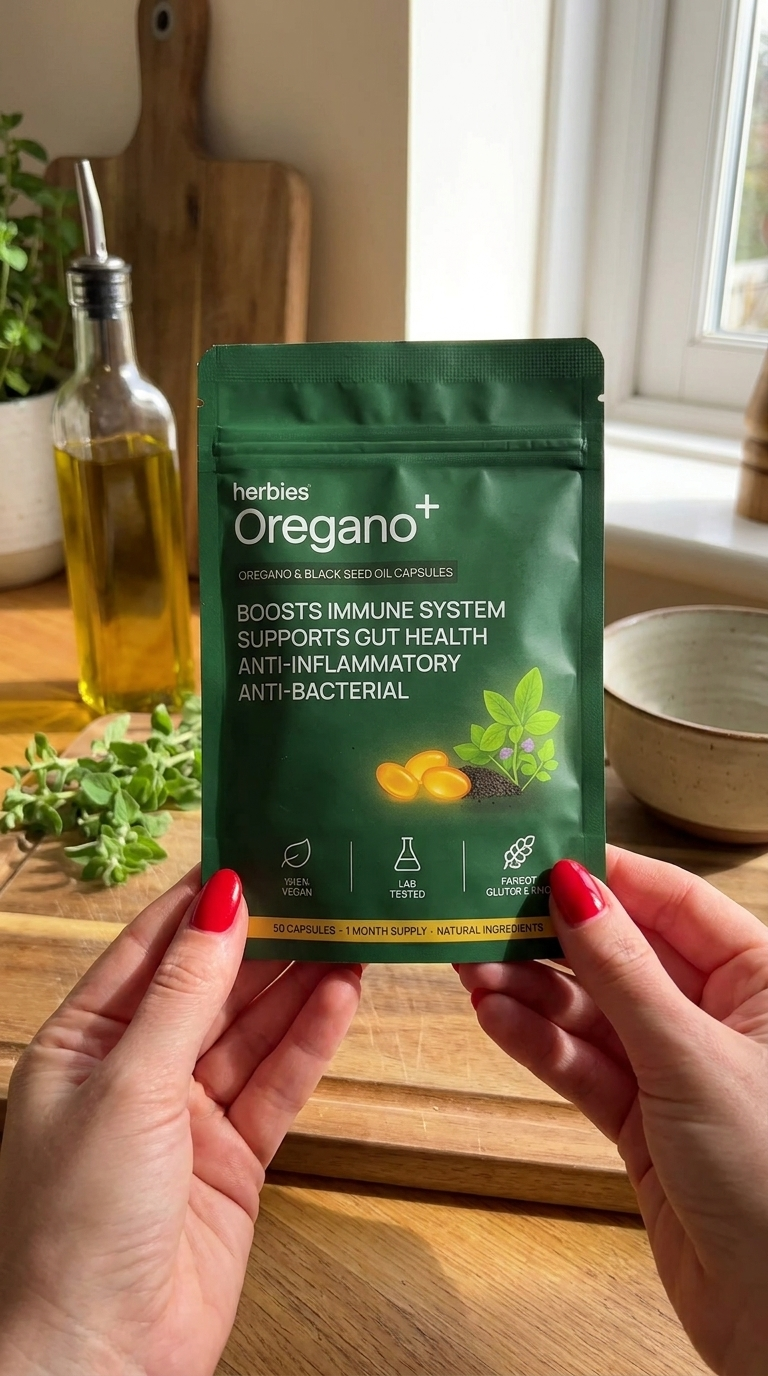
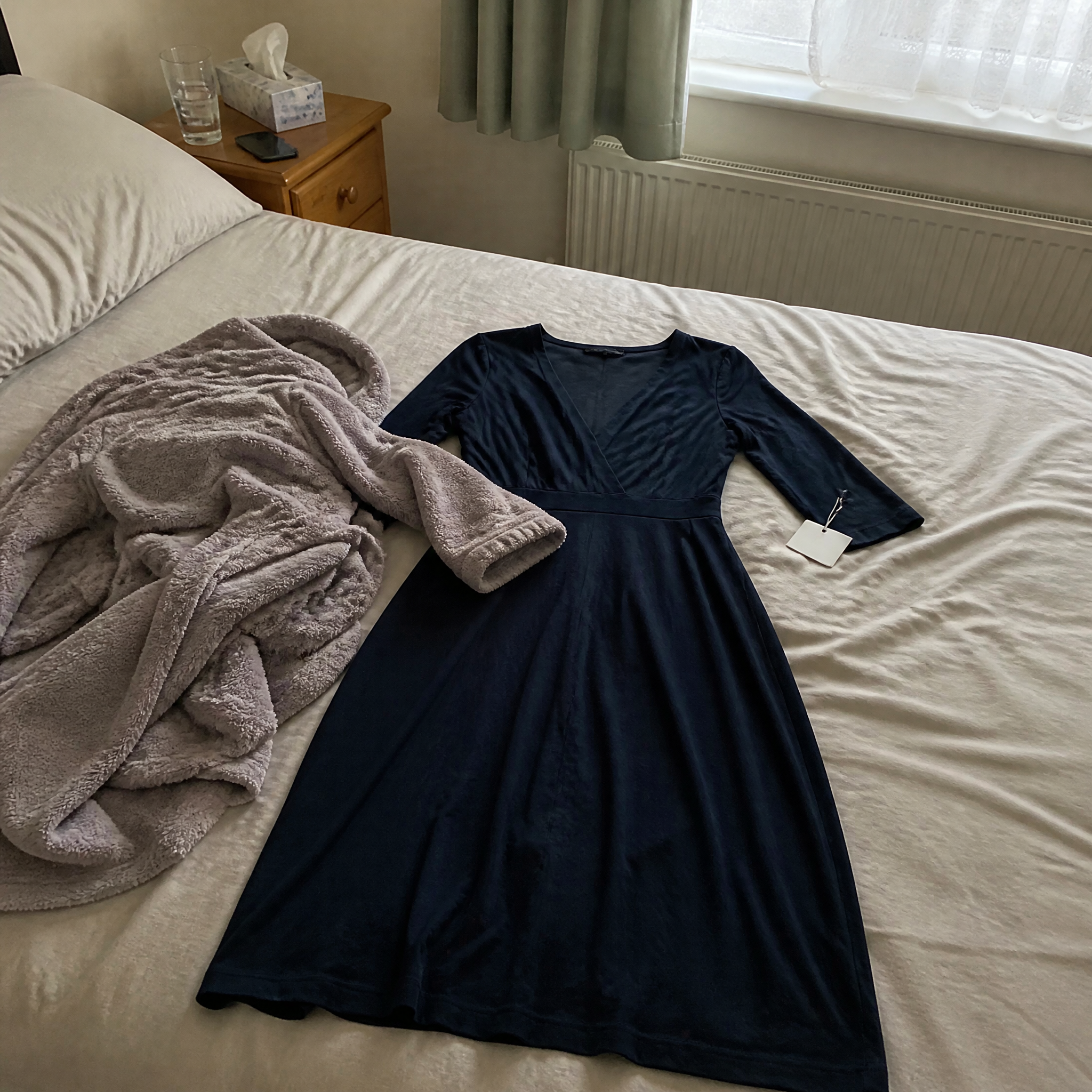
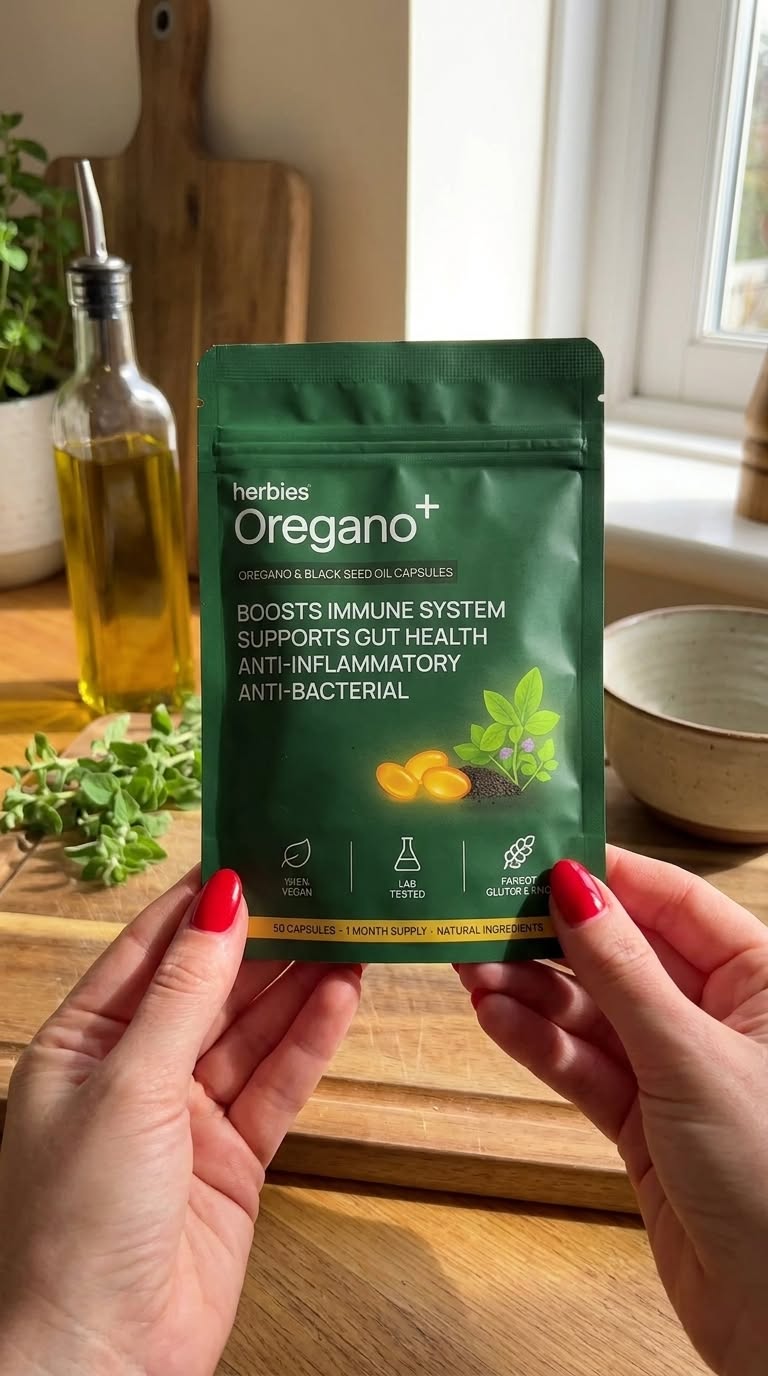
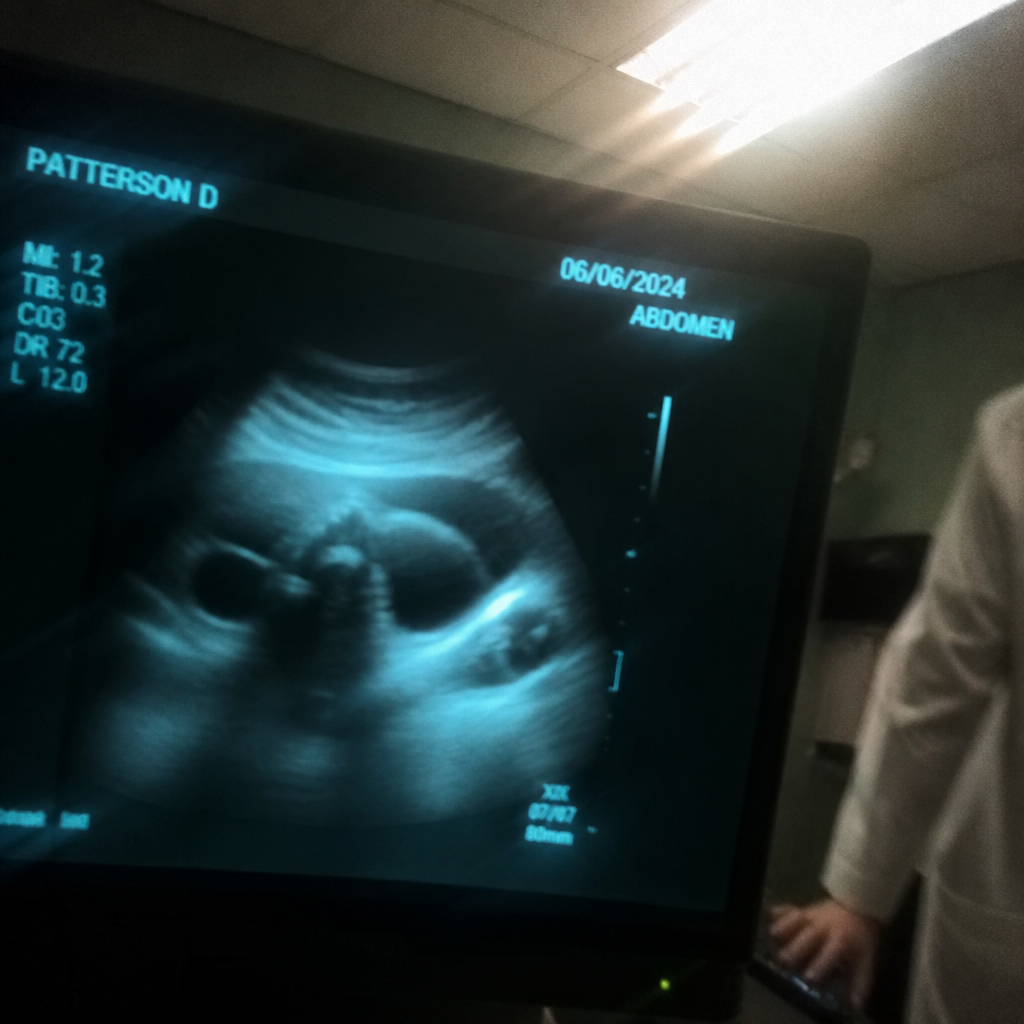
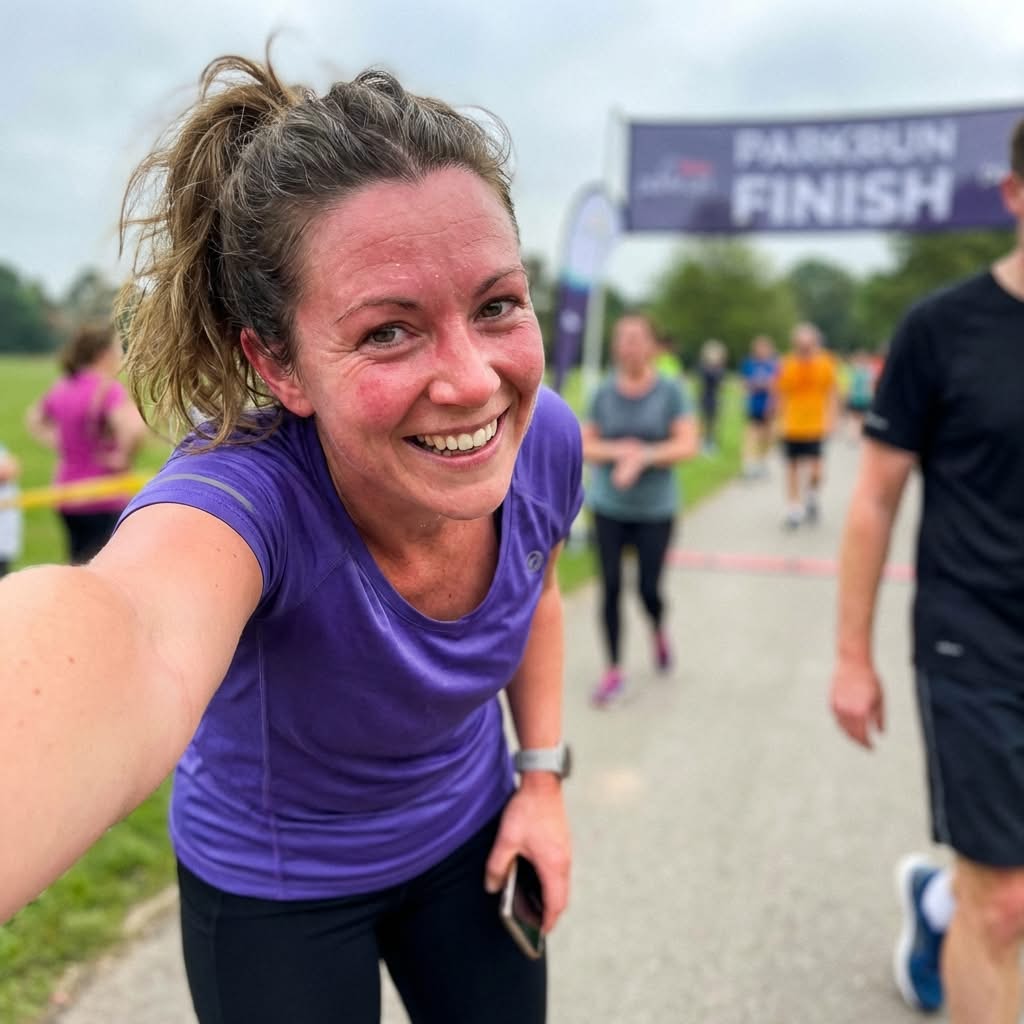
Sarah used to meal prep on Sundays. She ran three times a week. She was the friend who ordered the salad and actually wanted it. She was annoyingly, relentlessly, almost irritatingly healthy. She was 34 and she looked 28 and she never let you forget it. Then her body turned on her. It started with bloating. Not after-a-big-meal bloating. Every-single-day bloating. She'd wake up with a flat stomach and by noon she looked six months pregnant. She stopped wearing anything fitted. She bought "bloated day" jeans, a size up from her normal ones, and started wearing them more than the normal ones. Then the fatigue. Not tired. FATIGUE. The kind where coffee does nothing. Where you wake up after 8 hours and feel like you haven't slept. Where 2pm hits and your brain just... stops. She told me once she was in a meeting and forgot the word "budget." Just gone. Couldn't find it. Stared at her screen for ten seconds while everyone waited. She's a financial controller. Budget is a word she says forty times a day. Then the skin. She hadn't had acne since she was 16. Suddenly at 34 her chin and jawline erupted. Oily. Inflamed. Painful. She'd sit in front of the mirror and not recognise herself. Then the sleep. Waking at 2am. Every night. Like clockwork. Lying in the dark with her mind racing and her stomach churning, wondering what was happening to her. She went to the GP. Blood tests. "Everything looks normal." Told her it was probably stress. She went to a gastroenterologist. Private. £300. He scoped her. Found nothing. Told her it was probably IBS. Gave her a leaflet about the low-FODMAP diet. She tried the low-FODMAP diet. For six weeks. Still bloated. Still exhausted. She tried cutting gluten. Then dairy. Then sugar. Then all three. Nothing changed except she was miserable AND bloated. She paid £200 for a food sensitivity test. It came back with a list of 15 foods to avoid. She avoided all of them for two months. Nothing changed. She tried probiotics. The expensive fridge ones. The cheap Amazon ones. The one her yoga instructor swore by. The one with 50 billion CFU that cost £40 a month. Nothing. She tried gut powders. Green powders. Collagen powders. Turmeric shots. Apple cider vinegar. Bone broth. She tried everything that Instagram told her would fix it. Nothing fixed it. She went back to the GP. Asked for more tests. The GP said: "Sarah, your blood work is normal. Your scope was clear. Have you considered that this might be anxiety? I can refer you for CBT." That was the moment she stopped trusting the system. Not because the doctors were bad. Because the tests they were running were looking for the wrong thing. I watched this happen for three years. I watched my best friend, the healthiest person I knew, deteriorate in front of me. I watched her cancel plans. I watched her stop running. I watched her stop wearing the clothes she loved. I watched her sit on my sofa at 7pm, too exhausted to talk, too bloated to eat, too foggy to follow a conversation, and say: "I think this is just my life now." I didn't accept that. And I want to tell you what I found, because if you're reading this and you recognise even half of what I've just described, you need to hear this. Her doctors tested for coeliac disease. For Crohn's. For ulcerative colitis. For H. pylori. For ovarian cancer. They tested for every NAMED condition that could explain her symptoms. They all came back negative. And every time a test came back negative, she was told she was fine. But she wasn't fine. She was inflamed. Not visibly inflamed. Not the kind of inflammation you can see on a scan or measure with a standard blood test. The kind of chronic, low-grade gut inflammation that sits below the threshold of every test her NHS doctor was running, but ABOVE the threshold where you feel it every single day of your life. The kind of inflammation that the National Institutes of Health has been documenting for decades. The NIH, not a blog, not an influencer, not TikTok, confirms that chronic gut inflammation drives bloating, impairs nutrient absorption, feeds harmful bacterial overgrowth, and triggers systemic symptoms including fatigue, brain fog, skin disruption, and immune dysfunction. Her gut wasn't broken. It was on fire. And every solution she'd tried, the probiotics, the diets, the powders, the £200 food sensitivity test, was treating the smoke, not the fire. I found a study. Then another. Then another. I fell down a PubMed rabbit hole at midnight on a Tuesday. I found a compound called carvacrol, the primary active in concentrated oregano oil. The NIH confirms it's anti-inflammatory, antibacterial, and antifungal. The FDA recognises oregano oil as generally safe. WebMD, not a supplement blog, actual WebMD, ranked it the number one antibacterial essential oil out of every one they tested. A study published in 2025 in Frontiers in Pharmacology found it effective against MRSA, bacteria that resist prescription antibiotics. But the part that stopped me was this: zero cases of liver injury. Ever. In any country. In any global database. The NIH checked every major liver safety registry in the world. Nothing. Not one case. In decades of use. I bought her a bag. 165 mg of carvacrol per serving. 20:1 concentrated extract. Combined with black seed oil, which a separate clinical trial showed reduces gut inflammation and H. pylori bacteria. She took two capsules the first night. She told me later she didn't expect anything. She'd stopped expecting anything. Day 3: she texted me at 7am. "I slept through the night. The whole night. First time in months." Day 7: the bloating started to ease. Not gone. But the "six months pregnant by noon" had become "slightly uncomfortable by evening." She said it was the first week in three years where she didn't change into her bloated-day jeans. Day 14: her words, not mine. "I feel like someone turned the volume down on everything that was wrong with me. The bloating is almost gone. My skin is calming down. I have energy at 3pm. I didn't wake up at 2am once this week. I feel like myself again. I forgot what that felt like." Day 30: she ran a 5K. The first one in over a year. She sent me a photo at the finish line. She was wearing her normal jeans. Not the bloated-day ones. She's been taking it for four months now. 14 days on, 14 days off, repeat. The protocol that a long-term user in one of the reviews described: "14 days on, 14 days rest, repeated twice. Abdominal bloating disappeared. Cleanses the intestine thoroughly." Her GP still doesn't know what changed. She hasn't told her. She's not sure she'd believe her. I'm telling you because somebody told me. And because I watched my best friend lose three years of her life to a problem that had a name, inflammation, and a solution that cost £1.33 a day. And nobody in her entire journey through the NHS, through private specialists, through the supplement aisle at Holland & Barrett, through Instagram wellness, nobody once said the word inflammation to her. Not once. If your tests came back normal but you don't feel normal, this might be why. If probiotics didn't fix it, diets didn't fix it, and your doctor said it's IBS or stress, this might be why. If you look six months pregnant by lunch and you haven't eaten anything that should cause it, this might be why. 165 mg carvacrol. 20:1 extract. Anti-inflammatory, antibacterial, antifungal, confirmed by the NIH. FDA recognised as safe. Zero liver injury cases worldwide. Try 14 days. Sarah didn't get her three years back. But she got herself back. And she'll tell you, the hardest part wasn't the symptoms. The hardest part was being told nothing was wrong when everything was wrong. Something is wrong. And now you know what it is.
Like this ad? Make it yours.
Crush rebuilds this exact creative around your product — your brand, your colors, your offer — in about a minute.