
Inactive· since Apr 15, 2026
- 4
- days it ran
- 0
- relaunches
Ad copy
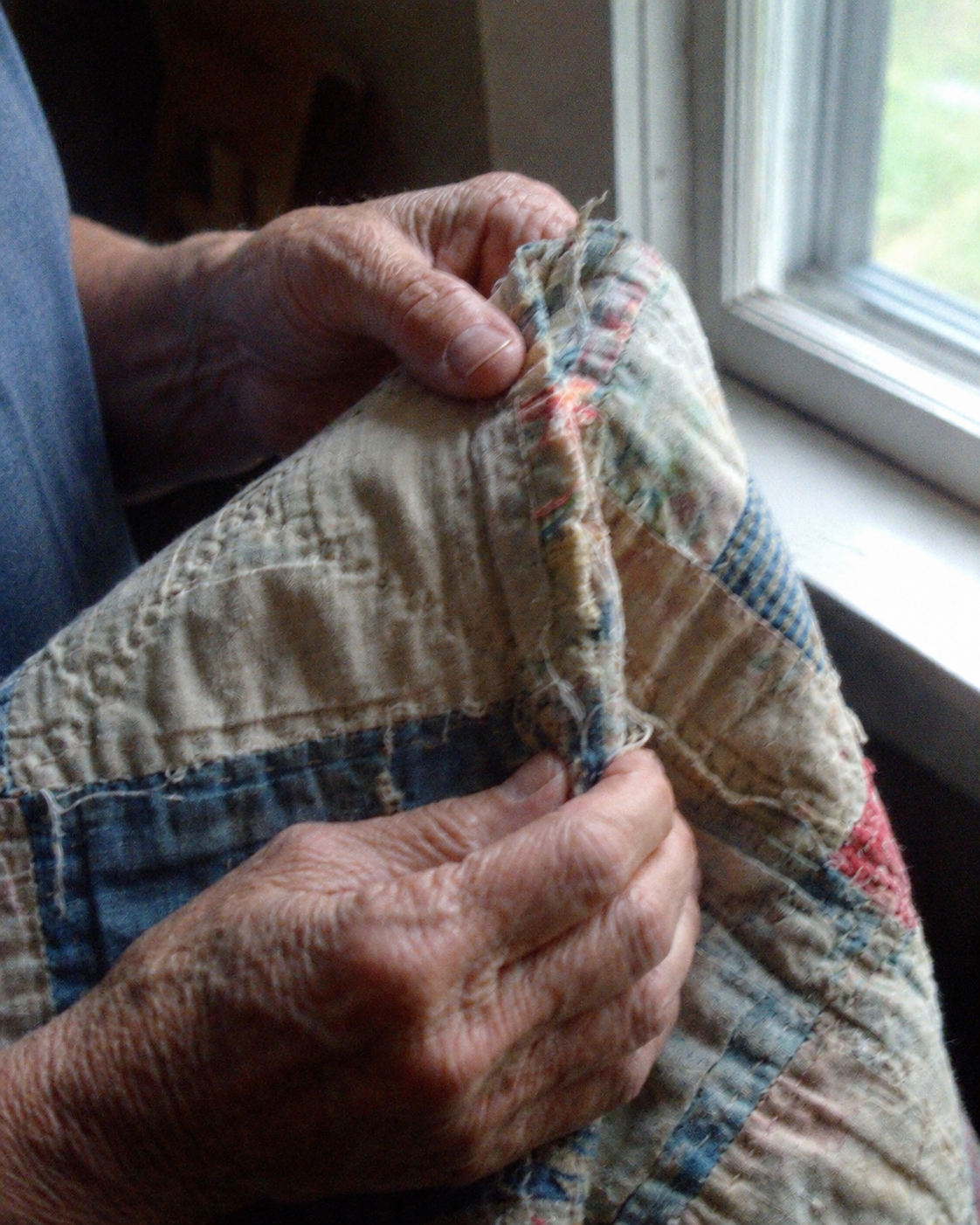
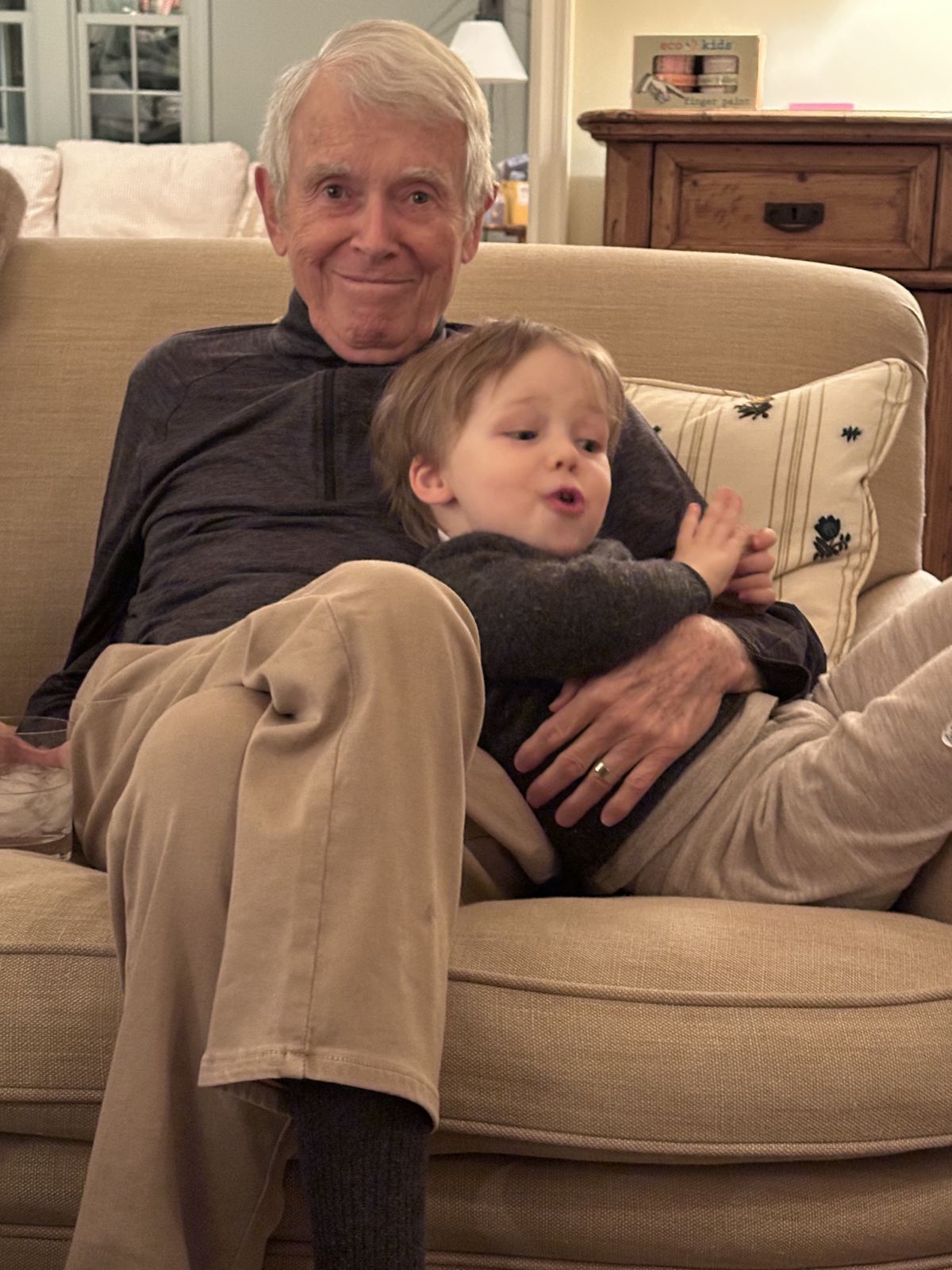
I saw a statistic that made me sick. 90% of people on blood pressure medication for twenty-plus years die from the exact condition the medication was supposed to prevent. Not 50%. Not 70%. 90%. The pills don't work. They just delay the inevitable while destroying your quality of life. If your doctor's talking about blood pressure medication but you're desperate to avoid it... this is for you. My father took blood pressure medication for 19 years. The side effects didn't just destroy him. They turned him into someone who was afraid to hold his own grandchildren. When my doctor tried to put me on the same medication, I refused. And what I found instead — in an Amish farming community in Pennsylvania — brought my blood pressure from 151/94 to 119/74 without a single pill. But to understand why I was desperate enough to drive six hours to an Amish farm at 6 AM, you have to know what happened in that hospital room the day my daughter was born. And what my father's hands looked like when they handed him his first grandchild. My father started on Lisinopril at 57. His doctor called it "the gold standard." Said it was "safe and effective." Said he'd be on it for life, but that was fine because it would protect him. The cough came first. That dry, persistent hack that never went away. Then the fatigue — a man who used to spend Saturdays building cabinets in the garage couldn't stay awake past dinner. They switched him to Amlodipine. The cough stopped. But his ankles swelled so bad he wore house slippers everywhere — grocery store, church, didn't matter. Then his fingers. His knuckles puffed up until his hands looked like they belonged to someone else. We had to cut off his wedding ring. Thirty-eight years he'd worn it. And the doctors kept saying the same thing: "The benefits outweigh the risks." He'd been on the medication for eleven years when my daughter was born. My parents drove three hours to meet her. Their first grandchild. My father walked into that hospital room and his face changed in a way I hadn't seen in years. Something came back. A flash of the man before the medication — before the slippers, before the swelling, before the chair he spent most of his life in. They handed her to him. He sat down carefully. Cradled her. She was six pounds, wrapped in a white blanket with pink stripes. His hands were underneath her — those swollen, stiff hands — and for a moment everything was fine. Then she shifted. It was small. Just a newborn stretching the way newborns do. But his fingers couldn't adjust. They were too swollen, too stiff. She shifted again and started to slide sideways in his arms. He tried to grip tighter. Couldn't. She slid further. My mother reached over and lifted the baby. Gently. Like she'd been planning to hold her next anyway. No rush. No alarm. Just a quiet lift. Nobody said anything. My father sat there with his hands in his lap. He looked down at them. Opened and closed his fingers slowly. Then he put his hands on his knees and didn't move them for the rest of the visit. He never asked to hold her again. Not that day. Not the next visit. Not ever. My daughter grew up running to Grandpa every time she saw him. Arms up. "Up! Up!" And every time, he'd bend down and pat her head. Ruffle her hair. But his hands stayed at his sides. Birthday parties — hands at his sides. Christmas mornings, grandkids climbing all over the couch — hands at his sides. Sunday dinners, my daughter crawling into his lap — he'd let her sit there, but he never wrapped his arms around her. Never picked her up. I asked him about it once. Years later. We were sitting on his porch watching the kids play in the yard. "Dad, she wants you to hold her. You know that, right?" Long pause. "I know what these hands are," he said. He didn't look at me. Just looked at his hands. "I won't drop her again." That was the only time he ever mentioned it. They had him on those medications for NINETEEN YEARS. Nineteen years of side effects. Nineteen years of feeling like garbage. Nineteen years of doctor appointments where they'd adjust the dose or switch the medication but never once — not ONE TIME — did anyone say, "Maybe we should look at what's actually causing this instead of just medicating it forever." And then the stroke took him anyway. Seventy-six years old. Nineteen years of medication. Didn't save him. Just made him suffer longer. At the funeral, my mother grabbed my arm while people were filing out. She waited until the room was almost empty. "He never held her again, you know," she said. "After that day in the hospital. He was afraid of his own hands." She wasn't crying. She was past that. "Nineteen years of pills. And the thing that destroyed him wasn't the stroke. It was that afternoon in the hospital when he couldn't hold his own granddaughter." So fast forward to three years ago. I'm 63 years old. I run three times a week. Eat clean. Read nutrition labels like they're novels. Don't smoke. Not overweight. I go to my annual physical. Nurse wraps the cuff around my arm. 151 over 94. Doctor frowns. Takes it again. 148 over 92. She pulls up my chart. Looks at me. "Robert, your blood pressure is elevated. Stage 2 hypertension. We need to talk about starting you on medication." My chest tightened. "What medication?" "Lisinopril is usually our first—" I stopped hearing her. Lisinopril. My daughter's daughter — my granddaughter, Emma — had just turned three. Every Sunday morning she ran to me the second I walked through the door. Arms up. "Pop-Pop! Up!" And I'd scoop her up and swing her onto my hip and she'd grab my face with both hands and laugh. Every Sunday. And now the doctor wanted to put me on the same class of medication that swelled my father's hands until he couldn't hold a baby. The same medication that turned the man who built cabinets into a man who was afraid of his own hands. I looked at my hands. Strong. Steady. Hands that picked up my granddaughter every Sunday without thinking about it. "No," I said. She blinked. "Excuse me?" "I'm not taking Lisinopril. My father was on blood pressure medication for nineteen years. I watched it swell his hands so bad he dropped my daughter when she was a newborn. He never held a grandchild again. And the stroke killed him anyway." She gave me that look doctors give difficult patients. "I understand your concern, but uncontrolled hypertension is serious. The risks—" "What's the point of the medication if it doesn't actually prevent anything? And if the side effects take away the only things that make life worth living?" She didn't have an answer. I told her to give me three months. Diet and exercise. She wasn't happy. Wrote something in my chart. Probably flagged me as difficult. I didn't care. For three months, I did everything right. Cut my salt intake in half. More vegetables than I'd ever eaten. Added another running day. Long walks every evening. Three months later, I went back. 147 over 90. Barely moved. Doctor pulls out her prescription pad. "Robert, I really think it's time. Lisinopril, low dose." I stared at that prescription pad and felt rage building in my chest. I'd done everything she told me to do. Everything the medical establishment says you're supposed to do. And it wasn't enough. And now the only solution is the same medication that stole my father's hands? That turned a man who built things into a man afraid to hold a baby? "Give me three more months." "Robert, we need to be aggressive—" "Three more months." She sighed. Made another note. I didn't care what she wrote. That night, I couldn't sleep. I kept doing the math. My father died at 76. But the man I knew — the real man, the one who built things and held people — died in that hospital room when my daughter was born. He was 68. I was 63. Same genetics. Same blood pressure. At 2 AM, I gave up trying to sleep. Went downstairs. Opened my laptop. I started researching everything. What causes high blood pressure. Why some people respond to lifestyle changes and others don't. What actually controls blood pressure at a cellular level. Every mainstream site said the same thing: Reduce sodium. Exercise. Lose weight. Take medication if that doesn't work. I'd done the first three. I refused to do the fourth. So I kept digging. Looking for people who'd actually solved this. Not managed it. Solved it. That's when I found the thread. A Reddit post with over 3,000 comments. The title: "Why don't Amish people die from heart attacks?" I almost scrolled past. Sounded like clickbait. But something made me click. Lancaster County, Pennsylvania. Cardiovascular death rate 74% lower than the rest of the state. Not 10% lower. Not 30%. Seventy-four percent. Person after person in the comments confirming it. Linking studies. Sharing data. Someone posted a Google Maps link. An Amish farm. I looked at the clock. 2:47 AM. By 6 AM, I was in my car. By noon, I was in Pennsylvania. I didn't have an address. Just drove until I saw farmland. Turned down a dirt road when I spotted a hand-painted sign: "Vegetables." First farm I came to, there was an old man unloading wooden crates from a wagon. Crates full of beets — deep purple, almost black. Lifting them like they weighed nothing. Setting them down, turning back, lifting another. No strain. No pause. Just easy, continuous movement. I parked and walked over. By the time I reached him, I was breathing hard just from crossing the yard. He had to be pushing eighty. But he moved like a man half his age. "Excuse me," I said. "How old are you?" He set down the crate. Looked at me with sharp, clear eyes. "Seventy-nine. Why?" I stood there — 63 years old, winded from a short walk, staring down a prescription I didn't want — and this man nearly twenty years older was hauling crates like it was nothing. "I'm 63," I said. "High blood pressure. My doctor wants me on medication. My father took those pills for nineteen years. They swelled his hands so bad he dropped his granddaughter. He never held another one. And the stroke killed him anyway." He nodded slowly. Like he'd heard this before. "You came here for a reason," he said. "Come. I'll show you something." We walked toward his fields. He moved easily over the uneven ground; I struggled to keep up. "Your pills," he said, without turning around. "They're sandbagging a flood." I didn't understand. He stopped at the edge of a field. Rows of beets stretched out before us, their leaves dark green, almost purple at the stems. "Sandbagging a flood," he said again. "You know what happens when you sandbag a flood?" I shook my head. "For a while, it works. Holds the water back. But the water's still there. Still rising. Still pressing." He turned to look at me. "Eventually, the water breaks through. Doesn't matter how many sandbags you stack. You're not fixing anything. You're just buying time." He gestured at my chest, where I was still breathing hard from the walk. "Your medication forces your blood vessels to relax. That's why you get the side effects — the cough, the swelling, the dizziness. You're forcing something that should happen naturally." He bent down and pulled a beet from the soil. Deep purple, almost black. Irregular shape. Nothing like the uniform red spheres at the grocery store. "What your body actually needs is the signal to relax on its own. That signal comes from what's in these beets. Without that signal, your blood vessels stay clenched. And no amount of forcing them open is going to fix what's actually wrong." He handed me the beet. It was dense, heavy for its size. The purple color went all the way through — I could see where the root had broken, and even the inside was dark. "This isn't like the beets you buy in stores," he said. He walked me further into the field. The soil here was dark — almost black — and rich. I could see earthworms moving near the surface. "My family has worked this land for six generations," he said. "Same fields. Same methods. Horse manure, chicken manure, cover crops. Never a chemical. The soil is alive." He crouched down, scooped up a handful of earth. "And we've been growing from the same seed line the whole time. My great-grandfather brought these seeds from the old country. We call them Blutwurzel. Blood root." He let the soil fall through his fingers. "Every year, we save seeds from the best plants. Replant them the next season. Same beet my great-grandfather grew. Same beet his father grew before him." He stood up, brushing off his hands. "Sometime around my grandfather's time, the English started breeding beets for sugar. Made them sweeter. Bigger. Prettier — nice uniform shapes for the grocery stores, bright red color for the packages." He shook his head. "They called it improvement. But they bred out what made beets valuable in the first place." "I don't understand," I said. "What did they breed out?" "The compounds," he said. "The things that make beets medicine, not candy." He started walking again, and I followed. "Your body needs nitric oxide to tell your blood vessels to relax. Nitric oxide comes from dietary nitrates. Beets used to be one of the richest sources." He stopped and turned to face me. "But when they bred beets for sweetness, they never measured the nitrates. Never thought about them. Never protected them. For 130 years, they selected for sugar content, for color, for size, for how long they'd last on a shelf." He pointed at the field. "Modern beets — the ones in your grocery store, the ones in those supplements you've probably tried — they've had the medicine bred out of them. They're just sweet red vegetables now. Some of them are 10% sugar. Might as well eat candy." He pulled up another beet, held it next to the one I was still carrying. "These haven't changed. Same genetics my great-grandfather planted. High in the compounds your body actually needs. Grown in living soil that makes them even more potent. Harvested after first frost, when the plant pulls everything into the root." I looked at the beet in my hand. Dense. Dark. Nothing like what I'd seen anywhere else. "Your pills sandbag the flood," he said. "These open the gates. They give your blood vessels what they need to relax on their own. The way they're supposed to." "Where can I get these?" I asked. He smiled. A small smile, but real. "My nephew. He's been working with one company — only one. Took him years to find people who would do it right." "What do you mean, 'do it right'?" "Most companies wanted to buy our whole harvest. Turn it into powder. Dry it in factories with heat." He shook his head. "Heat destroys what matters. You'd end up with red dust." He started walking back toward the farmhouse. "This company — Rosabella — they use cold extraction. No heat. Preserves the compounds. And they use our seeds. Beets from our fields, grown the way we've always grown them." We reached his driveway. He pointed at my phone. "Look them up. Rosabella Beetroot. Tell them Samuel sent you." I pulled out my phone right there. Found the website. 1300mg of organic beetroot per serving. Cold-extracted. Standardized to clinical nitrate levels. Third-party tested with published results. I ordered it standing in that farmhouse driveway. The bottle arrived two days later. I took the first capsule that evening. Sat on my back porch. Waited. Seventeen minutes. That's when I felt it. A lift. Like someone had turned up the oxygen in my blood. The fog that usually settled over my brain by evening — it cleared. The heaviness in my limbs — gone. I went inside and grabbed my blood pressure monitor. 149/92. Down from 153/95 that morning. Small. But something was happening. Week one: 144/89. I checked it obsessively. Morning. Afternoon. Evening. The numbers stayed consistent. My wife noticed I wasn't falling asleep in my chair after dinner anymore. She didn't say anything. Just watched me move around the house with energy I hadn't had in months. Week two: 138/85. Now I was paying attention. Week three: 131/81. I started taking walks again. Not because I was supposed to. Because I wanted to. Because I could. Week four: 124/77. I checked it three days in a row. 124/77. 122/76. 125/78. Consistent. Stable. Normal range. My follow-up appointment was at the end of month two. The nurse wrapped the cuff. Pumped it. Watched the screen. Frowned. Did it again. A third time. "121 over 75," she said. Dr. Patel pulled up my chart. Looked at the numbers. Looked at me. Back at the numbers. "Robert. What did you change?" I told her. The Amish farmer. The original seeds. The cold extraction. She typed notes. Nodding slowly. "Well," she said, closing her laptop. "Whatever this is, keep doing it. These numbers are excellent." Then she said the words I'd been waiting to hear: "No Lisinopril necessary." That was nine months ago. My blood pressure stays in the 117-124 range. Consistently. I have energy I haven't felt in years. I sleep better. My hands and feet aren't cold all the time anymore. Last month, I walked 18 holes of golf. No cart. Didn't need one. Last Sunday, Emma ran to me. Arms up. "Pop-Pop! Up!" I picked her up. Swung her onto my hip. She grabbed my face with both hands and laughed. My hands were steady. My grip was sure. I held her and I thought about my father — sitting in that hospital chair, looking down at his hands, opening and closing his swollen fingers. A man who built cabinets with those hands. A man who was afraid to hold a six-pound baby because the medication had stolen his grip. He never got that back. Not once in nineteen years. I'm not going to lose it. If you're reading this, you probably see yourself in my story. Your blood pressure's been creeping into the 140s, 150s, even though you're "doing everything right." Your doctor's mentioned medication — or you're already on it and wondering if this is just your life now. You've tried beetroot supplements before. They didn't work. You figured maybe beets just don't work for you. But now you know the truth: those supplements were made from beets that had the medicine bred out of them 130 years ago. Processed with heat that destroyed whatever was left. Doses so low they couldn't move the needle if they tried. You weren't taking beetroot. You were taking red dust. Rosabella is different. Heirloom seeds: Grown from the same genetic line for over 150 years. Never hybridized for sweetness. Still rich in the compounds modern beets have lost. Living soil: Six generations of organic cultivation. No chemicals. Soil that's actually alive, producing beets with maximum potency. Cold extraction: No heat processing. The compounds that matter reach your bloodstream intact. Clinical dose: Standardized to the nitrate levels used in research. Not the trace amounts in typical supplements. Third-party tested: Certificate of Analysis available. You can see exactly what you're getting. Try Rosabella for 90 days. Track your blood pressure weekly. If you don't see improvement — if you don't feel the energy shift — if you're not convinced this is different from everything else you've tried — contact customer service for a full refund. No questions asked. You risk nothing. You're at a crossroads. One path: Keep doing what you're doing. Watch the numbers climb. Start the medication your doctor's been pushing. Hope you're one of the lucky ones who doesn't get the cough, the swelling, the dizziness, the kidney problems. Spend the next 20 years managing side effects while the underlying problem gets worse. And one day — maybe sooner than you think — your hands start to swell. And your granddaughter reaches up and you hesitate. And that hesitation becomes permanent. Another path: Try what I tried. Give your body what it's actually missing. Track your numbers. See what happens. I chose the second path. It gave me my hands back. It gave me my Sundays back. It gave me Emma's laugh when I swing her onto my hip. The medical system isn't coming to save you. They don't make money when you get better. They make money when you stay on medication for life. You have to save yourself. Because every day you wait is another day of damage. Another day of your arteries stiffening. Another day closer to becoming my father — a good man, a strong man, sitting with his hands at his sides because he was afraid of what they'd become. You don't have years to waste. And neither do your blood vessels. — Robert Callahan P.S. — I felt the energy shift within 17 minutes of my first dose. Saw measurable blood pressure improvement by week two. Hit normal range by week four. Avoided Lisinopril entirely. My hands are still steady. My granddaughter still runs to me every Sunday. Your timeline might be different. But you won't know until you try. P.P.S. — My brother started taking Rosabella four months ago. His numbers dropped from 149/93 to 126/80. Last week he watched his grandson take his first steps and scooped him up without thinking. He called me that night. "I keep thinking about Dad," he said. "About his hands. About all those years he sat there and didn't reach for them." Long pause. "That's not going to be me." It's not going to be me either. It shouldn't be you. https://track.tryrosabella.com/feb71eaf-4594-4b50-b39e-f5e5eeea7537?ad_id=%7B%7Bad.id%7D%7D&adset_id=%7B%7Badset.id%7D%7D&campaign_id=%7B%7Bcampaign.id%7D%7D&ad_name=%7B%7Bad.name%7D%7D&adset_name=%7B%7Badset.name%7D%7D&campaign_name=%7B%7Bcampaign.name%7D%7D&source=%7B%7Bsite_source_name%7D%7D&placement=%7B%7Bplacement%7D%7D
Support stamina and heart health every day
"Best customer support ever. My issue was resolved quickly and professionally. I so love how the beetroot capsules are helping manage my blood pressure."
LEARN MORELike this ad? Make it yours.
Crush rebuilds this exact creative around your product — your brand, your colors, your offer — in about a minute.