Capsaicin Research Institute
Capsaicin Research Institute Facebook ad: “Permanent, they said”
Ran for 22 days, from May 11 to June 2, 2026, the last day Crush saw it.
Run by Capsaicin Research Institute on Facebook. Crush is not the advertiser and does not verify its claims. See this ad in Meta's Ad Library(opens in a new tab)
Want an ad like this for your product?
Crush makes new ad images for your product from this ad: your logo, your product photo, your offer.
Trials from $19.95 USD, then $79.95 USD a month. Cancel anytime.
About this ad
- Meta Ad Library ID
- 1289135840011008
- Platforms
- Facebook, Instagram, Audience Network, Messenger and Threads
- Relaunches
- 1
Ad text
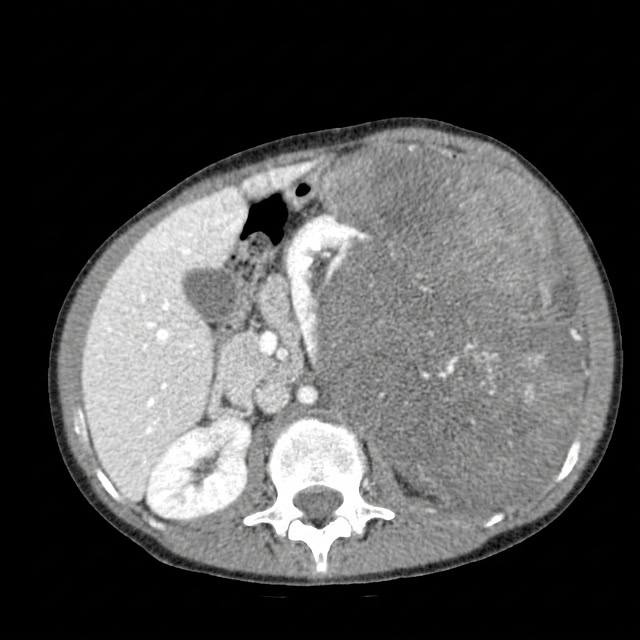
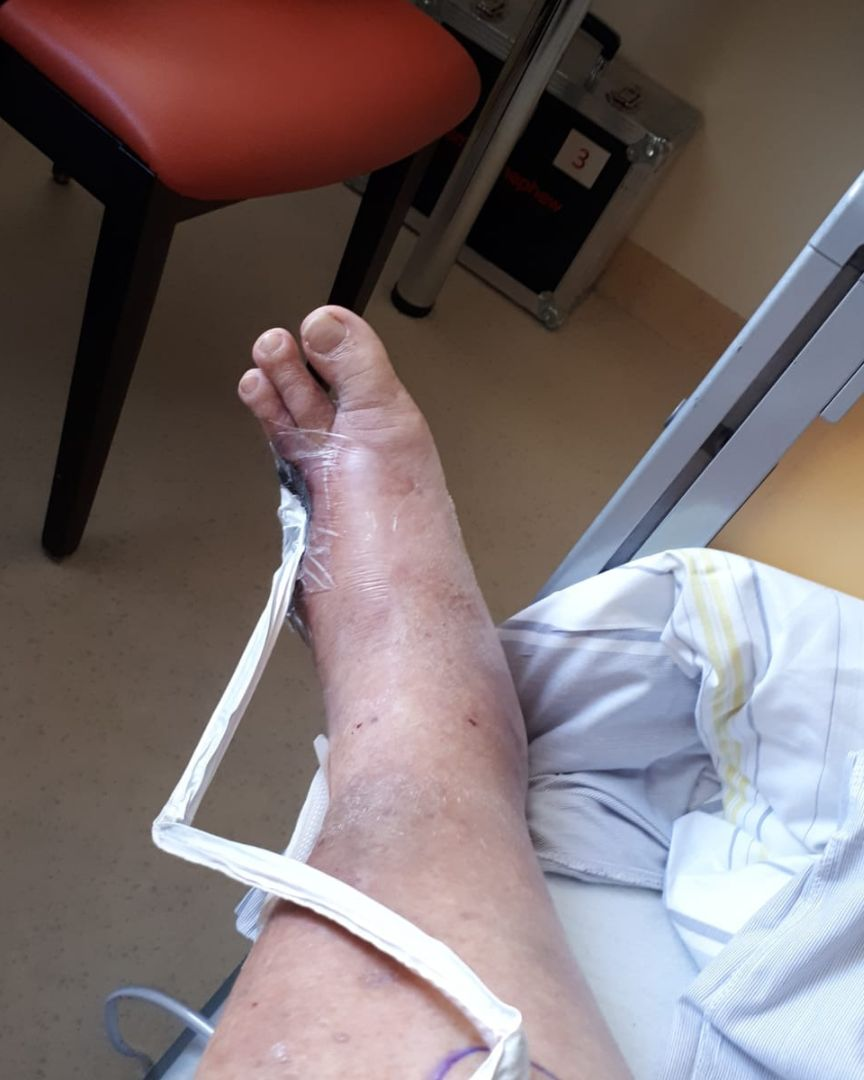
I've reviewed too many A1C trends to not share this with you. If you're on metformin right now, I need to tell you something your endocrinologist isn't seeing. I've reviewed 4,800+ diabetic patient charts in 22 years as an endocrinologist. And when a man walks into my office complaining his A1C won't move, I already know what his next check will show 18 months before he ends up on insulin or in dialysis. Advanced microvascular damage. The same sugar-destroyed capillaries causing his ED are destroying his kidneys, his eyes, and his nerves right now. I'm Dr. Daniel Reyes. I'm an endocrinologist specializing in diabetic vascular complications and insulin resistance. And when my own A1C hit 7.8 at 51, I knew something most endocrinologists never tell their patients. Your diabetes isn't a blood sugar problem. It's a vascular emergency happening cell by cell. I've been tracking A1C trends for 22 years. I've seen thousands of diabetic men. Thousands who got prescribed metformin or Ozempic and thought their problem was being managed. And I've seen the follow-up microvascular function tests most endocrinologists never run. Because most endocrinologists see your A1C. Adjust the dose. Send you home. They don't see you 6-8 years later when you're in my colleague's office getting fitted for a dialysis catheter. But I do. Because I see what happens to the men who masked their vascular emergency with another prescription. The 58-year-old who took metformin faithfully for 6 years. A1C kept climbing. Added Ozempic. Added insulin. Then came in with vision blurring and ankle ulcers. Retinopathy in both eyes. Stage 3 kidney disease. Dialysis prep starting next month. His diabetes had been destroying him the entire time. The medications just slowed the number. The 64-year-old. "A1C is just a number, Doc." Metformin for 8 years. Ozempic for two. Then the foot ulcer. Then the surgeon explained why amputation below the knee was safer than letting the infection spread. He came to his post-op appointment in a wheelchair. His ED had been gone for 6 years. His warning system had been screaming since the day his metformin stopped working. I see them in follow-up appointments. They don't complain. They're grateful I "saved" them. But I know what they lost. They had years to reverse the vascular damage. Years to repair the capillaries. Years to save themselves from dialysis suites and amputation theaters. Their climbing A1C was screaming the warning. The medications just turned down the volume. My lab work showed a different story than my symptoms. A1C climbing despite max metformin. Fasting glucose averaging 168. ED already gone for two years. My wife was understanding, but I saw it in her eyes. The shift. From kissing me goodnight to checking my blood sugar. My endocrinology colleague looked at my chart and said what endocrinologists say to every patient. "Standard protocol. Add Ozempic 0.5mg weekly. Should bring your A1C down. Insulin in 18 months if it doesn't." I know it would work. That's not the point. I'm an endocrinologist. I immediately ordered my own continuous glucose monitoring and microvascular function testing. Because I know what a climbing A1C actually means. Early vascular damage. A1C of 7.8. Insulin resistance. Microvascular dysfunction starting in my retinas and kidneys. My A1C wasn't just a number. It was my vascular system being destroyed. And Ozempic would have masked the destruction while it accelerated underneath. Here's what most endocrinologists don't tell you because they don't run microvascular function tests. Your retinal capillaries are 5-10 microns. Your kidney capillaries are 7 microns. Your large arteries are 3-4 millimeters. When sugar starts destroying capillaries system-wide, the smallest vessels fail first. ED appears 5-7 years before kidney failure. Vision changes appear 3-5 years before legal blindness. Foot numbness appears 4-8 years before amputation. You're not "just diabetic" or "managing it well" or "in normal range for your age." Your capillaries are dying. Your microvasculature is collapsing. The same sugar-driven damage causing your ED is destroying your kidneys, your eyes, and your nerves. Right now. Diabetic men with ED have a 4-fold higher risk of cardiovascular death than diabetics without ED. Diabetic ED is the strongest predictor of major vascular events in men under 65 — stronger than HbA1c, blood pressure, or LDL combined. Your diabetic ED isn't embarrassing. It's life-saving. It's the warning that everything else is being destroyed faster than the medications can manage. And metformin and Ozempic silence the alarm while your kidneys and eyes deteriorate. But most endocrinologists don't run microvascular function tests. They don't connect your A1C to the capillaries it's destroying. So they adjust the dose and book the next A1C check. My next step was clear. Not insulin. Not yet. But I knew where this was heading. I tried what patients try. Lifestyle changes. Diet. Exercise. Helped marginally but A1C persisted at 7.8. Supplements. Berberine. Cinnamon. Didn't move the needle. My A1C was stable but not improving. My microvascular function was still impaired. Nothing was reversing the vascular damage that was destroying everything. But I kept thinking about something that made no sense. Microvascular damage CAN reverse. Insulin sensitivity CAN restore in early stages. The research proves it. So why wasn't mine reversing? October 8th. 11:47 PM. I was reviewing endocrinology journals after a late shift. Couldn't sleep. The A1C was getting worse. ED gone for two years. I was scrolling through research on diabetic vascular interventions. Not looking for anything specific. Just desperate. I found a study on capsaicin and TRPV1 activation in diabetic endothelial cells. Capsaicin from cayenne pepper activates TRPV1 receptors. These receptors trigger sustained nitric oxide release. Nitric oxide causes vasodilation - blood vessel expansion. The exact mechanism the diabetic vasculature has lost. But here's what stopped me cold. "Sustained TRPV1 activation restored microvascular function and improved insulin sensitivity in 73% of diabetic subjects over 90 days." Not masked. Restored. I sat there at 11:47 PM staring at the mechanism pathway. Metformin reduces hepatic glucose output by blocking gluconeogenesis. Ozempic mimics GLP-1 to slow your stomach and squeeze more insulin out of your pancreas. Both lower the number. Neither repairs the damage the high glucose has been doing for years. Capsaicin activates your body's natural TRPV1 receptors. Continuous nitric oxide release. Microvascular flow restores. Insulin sensitivity returns. The capillaries the sugar has been destroying actually start to heal. The vascular damage that's been destroying your kidneys, your eyes, and your nerves — and your erectile tissue — actually starts to reverse. I've been an endocrinologist for 22 years. I've studied diabetic vascular complications my entire career. And I'd never connected therapeutic capsaicin to microvascular restoration. Because endocrinology focuses on the number. Microvascular damage was always considered untreatable. At 12:03 AM, I ordered pharmaceutical-grade cayenne extract softgels. 300mg capsaicin per serving. I didn't expect miracles. But the mechanism was sound. I started October 9th. 3 softgels twice daily with meals. October 12th - 3 days in. I woke up and my fasting glucose was 96. First time below 110 in three years. I stared at the meter testing it. Thinking it was a fluke. But it wasn't. The physiology was working. October 15th - 6 days in. Morning erection. Full strength. We hadn't had successful intimacy in over a year. She pulled back and looked at me. "Daniel. What's different?" I hadn't told her I was taking anything. I wanted to see if the physiology would show results before I said anything. "Different approach," I said. "Whatever you're doing, keep doing it." October 21st - 12 days in. Fasting glucose averaging 92. ED resolved. Energy I hadn't felt in a decade. I felt 35 again. But more importantly, I wanted proof this was structural, not subjective. December 4th - 8 weeks in. Follow-up A1C and microvascular function testing. I positioned myself for the draw. Waited for the results. When they came up, I stared at the screen for a full minute. A1C dropped from 8.4 to 6.7. Below the diabetic diagnostic threshold for the first time in 9 years. Morning erections that had been gone for two years — back, full strength, every single day. NT-proBNP normalized. Insulin resistance markers normalized. The diabetic complications I'd been watching tick toward inevitable — reversing. I pulled up the comparison labs. April panel vs December panel. Insulin resistance markers normalized. Microvascular function studies showed restored flow. My A1C was dropping because my vasculature was healing. Not masked. Restored. I printed both panels. Walked down to my colleague's office. Dr. Morrison looked at the labs. Looked at me. Looked back at the labs. "Daniel, what did you do? A1C doesn't drop 1.7 points in eight weeks without insulin." I explained the TRPV1 receptor activation. The continuous nitric oxide pathway. The capsaicin mechanism. He studied the labs for another minute. "Your A1C normalized. Your insulin sensitivity is back. And... you said your ED resolved?" "Completely." He was quiet for a moment. "I need to start asking my diabetic patients about their microvascular function — not just their A1C." I cancelled nothing. Because I wasn't avoiding anything anymore. But I started telling patients something most endocrinologists don't. There's something else most diabetic men aren't told. The same vascular destruction causing your climbing A1C is destroying your erectile tissue. The same capillary damage taking your eyesight is taking your morning erections. They're the same disease at different vessels — and the same mechanism reverses both. I'm not telling you this because I'm against metformin or Ozempic. These medications save lives. They lower the number. They work exactly as designed. But they don't repair the capillaries the sugar has been destroying. They don't reverse insulin resistance. They don't restore the microvasculature. They don't bring back what's already been lost. They lower the number while the damage advances underneath. And I see what happens 6-8 years later when those men become dialysis patients. Or amputation patients. Or both. Your ED isn't failing you. It's warning you. The same vascular destruction causing your ED is destroying your kidneys, your eyes, and your nerves right now. And you have two choices. Manage the number for another 6-8 years while your kidneys fail, your eyes blur, your feet go numb, and your wife stops touching you. Or repair the vascular damage destroying everything. I think about what I almost did. Not just accepting an A1C escalation. That's not the point. I almost added Ozempic to a pancreas that was already failing me. I almost masked a vascular emergency with another prescription. I almost became the patient I see 8 years later in my colleague's dialysis suite, wishing someone had told them the medications were managing the number while everything else got destroyed. Because once you need insulin, you're on it for life. Once your retinopathy crosses to legal blindness, the vision doesn't come back. Once you lose a foot, you don't grow it back. You don't get a second warning. Your ED and your climbing A1C are your first warnings. The only warnings you can still act on. I'm sharing this because if you're on metformin and your A1C is climbing, you deserve to know what I know. Not from a textbook. From A1C trends I track every single day. Your A1C isn't the problem. It's the symptom. Your capillaries are dying. Your microvasculature is collapsing. Cell by cell. And every month you manage the number with another drug is another month the damage advances through your body. The capillaries fail first because they're smallest. Your large arteries take longer. They'll show symptoms later. By then, you're not looking at ED and a climbing A1C. You're looking at dialysis. Vision loss. Amputation. Insulin dependence. Or all four. Or worse. Eight weeks. That's how long it took my A1C to drop from 8.4 to 6.7. Eight weeks of letting my vasculature do what it was designed to do. Heal. I'm not saying don't take the medications. I'm saying understand what you're masking. Your A1C is your check engine light. Metformin and Ozempic are electrical tape over the warning indicator. The engine is still failing. You just can't see the light anymore. But I see it every day on A1C trends. Men who managed the number for years. Then came to me with end-stage diabetic complications. Every single one says the same thing. "I wish someone had told me my diabetes was destroying my circulation, not just my blood sugar." I'm telling you now. Your ED is connected to everything diabetes is destroying. The same vascular failure causing all of it. Fix the vasculature, and you potentially save your kidneys, your eyes, your nerves, and your sex life. Or manage the number, and risk everything. I'm an endocrinologist. I understand diabetic vascular damage at a molecular level. And I chose to repair my vasculature before it took my eyes, my kidneys, and my feet. That's all I'm asking you to consider. Give your vasculature a chance to heal before you accept insulin for life or watch your kidneys fail. Because once your kidneys fail, once your retinopathy crosses to blindness, once you lose a foot, it's permanent. Your climbing A1C and your fading erections are giving you years of advance warning. Use them. Eight weeks. That's all it took to reverse early vascular damage and pull my A1C below the diabetic threshold. Eight weeks of repairing the vasculature instead of masking symptoms. * Dr. Daniel Reyes, MD, FACE Endocrinologist, 22 years Board Certified in Endocrinology, Diabetes, and Metabolism P.S. - The pharmaceutical-grade cayenne extract I used is called Aurivita Capsaicin Power. 3mg capsaicin from cayenne per serving, specifically formulated to activate TRPV1 receptors for sustained nitric oxide release. Medical-grade formulation with supporting compounds for enhanced absorption. If you're on metformin or Ozempic and your A1C is climbing despite compliance (above 7.0, dose escalation, doctor discussing insulin), consider this. Get baseline A1C and fasting glucose. Try therapeutic capsaicin for 8-12 weeks. Get follow-up A1C. Let your body show you what it can do when you repair the vasculature instead of managing the number. You can always go back to metformin and Ozempic if this doesn't work. But you can't undo a lost foot. You can't grow back kidneys that have already failed. And you can't get back the years your wife spent watching you decline while the medications were "managing it."
Where the ad sends people
aurivita.co
Permanent, they said
Support your cardiovascular health with our capsaicin softgels, a premium supplement meticulously formulated for those who prioritize long-term heart vitality.
Learn more: aurivita.co(opens in a new tab)