Dr. James Kreischer - Trichologist, MD
Dr. James Kreischer - Trichologist, MD Facebook ad: “Dermatologist Discovers Peptide Breakthrough That…”
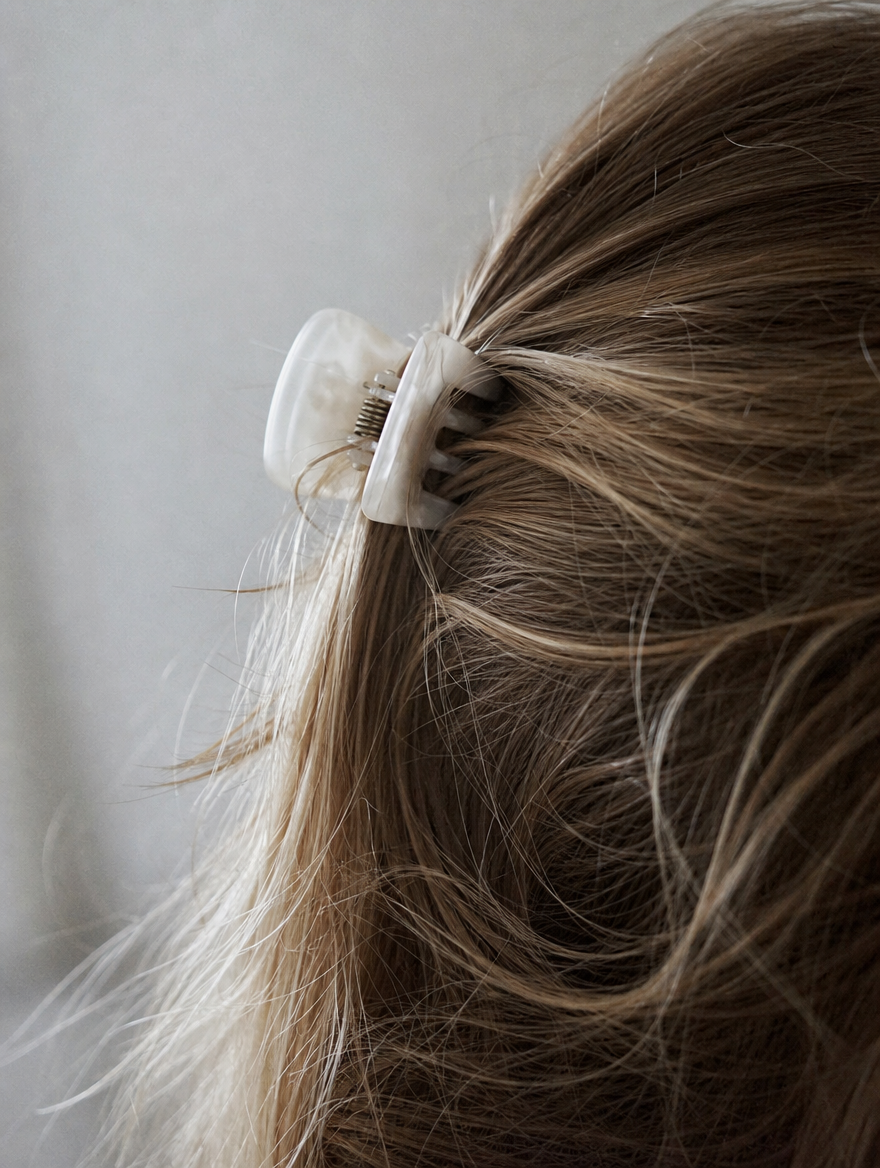
Ran for 15 days, from June 2 to June 17, 2026, the last day Crush saw it.
Run by Dr. James Kreischer - Trichologist, MD on Facebook. Crush is not the advertiser and does not verify its claims. See this ad in Meta's Ad Library(opens in a new tab)
Want an ad like this for your product?
Crush makes new ad images for your product from this ad: your logo, your product photo, your offer.
Trials from $19.95 USD, then $79.95 USD a month. Cancel anytime.
About this ad
- Meta Ad Library ID
- 1290766096558412
- Platforms
- Facebook, Instagram, Audience Network, Messenger and Threads
- Relaunches
- 2
- Niche
- Hair Care
Ad text
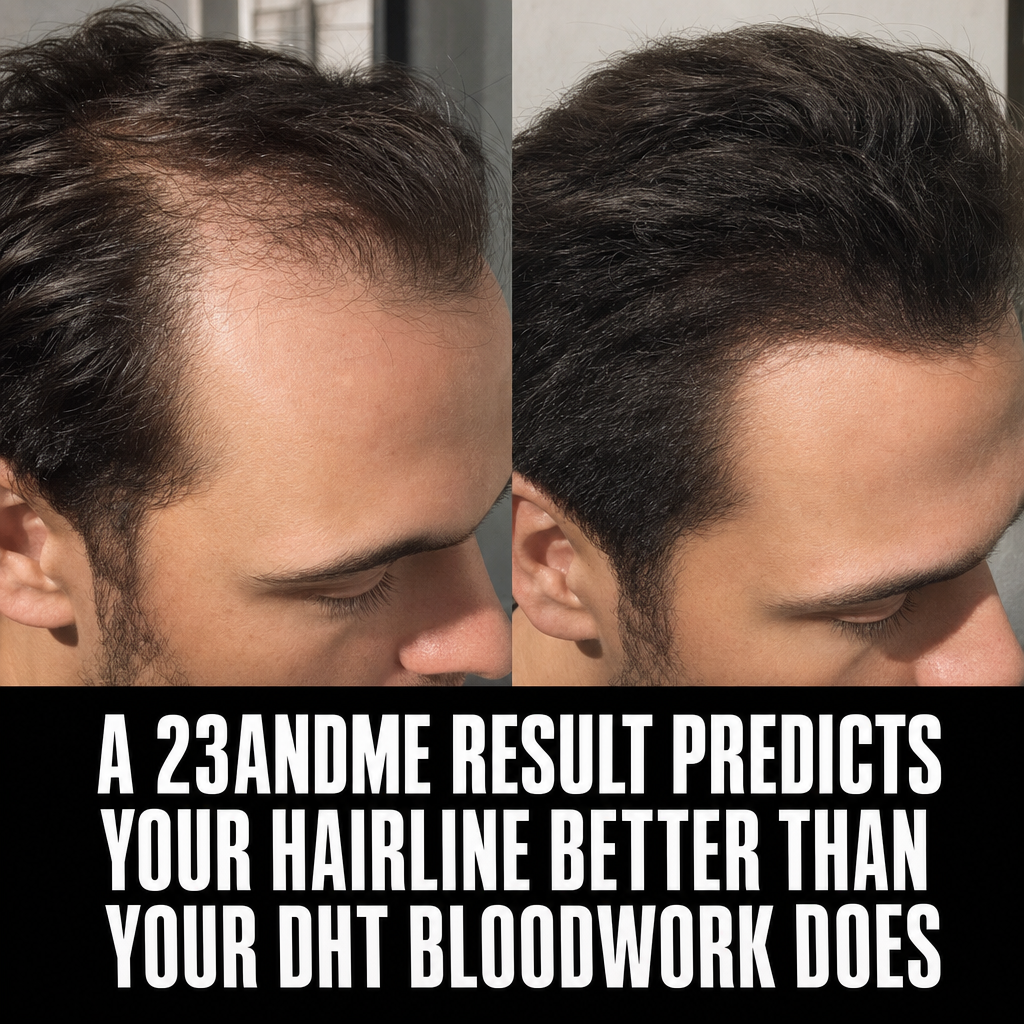
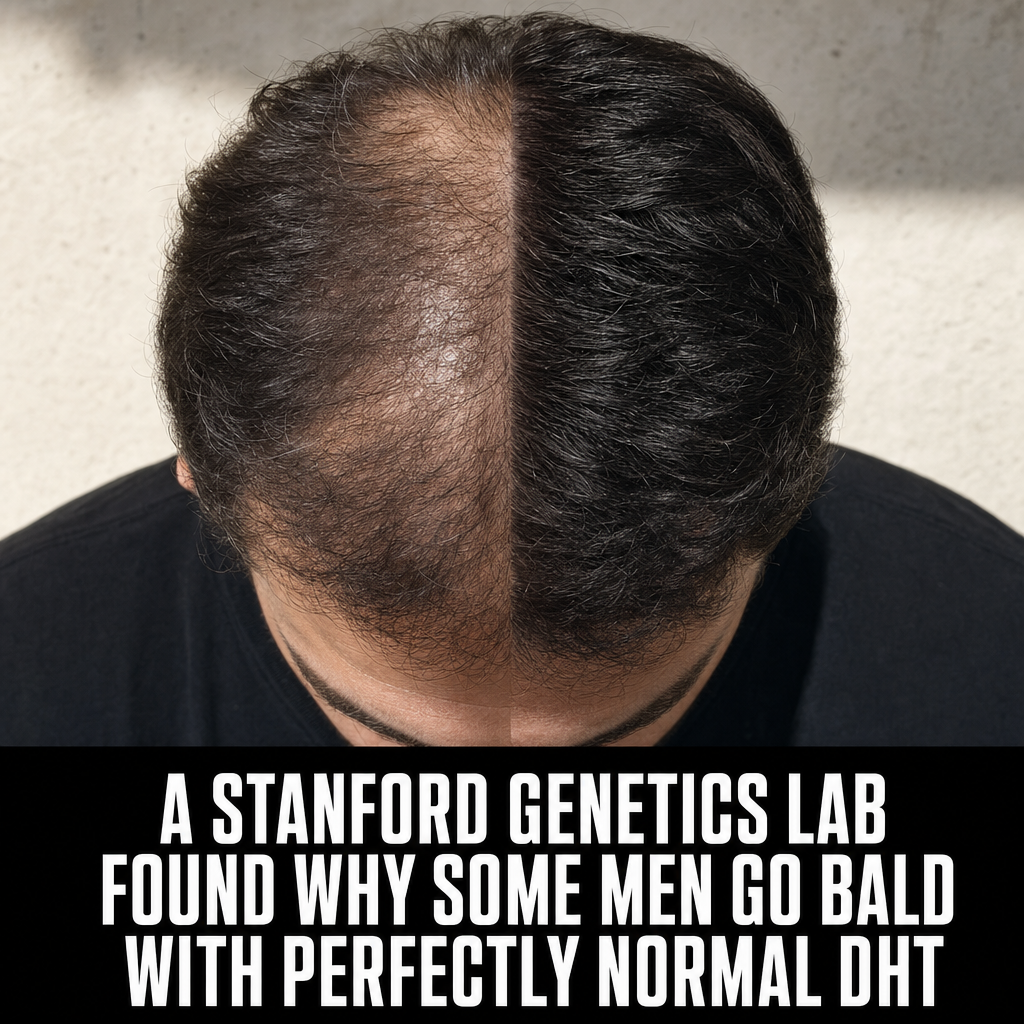
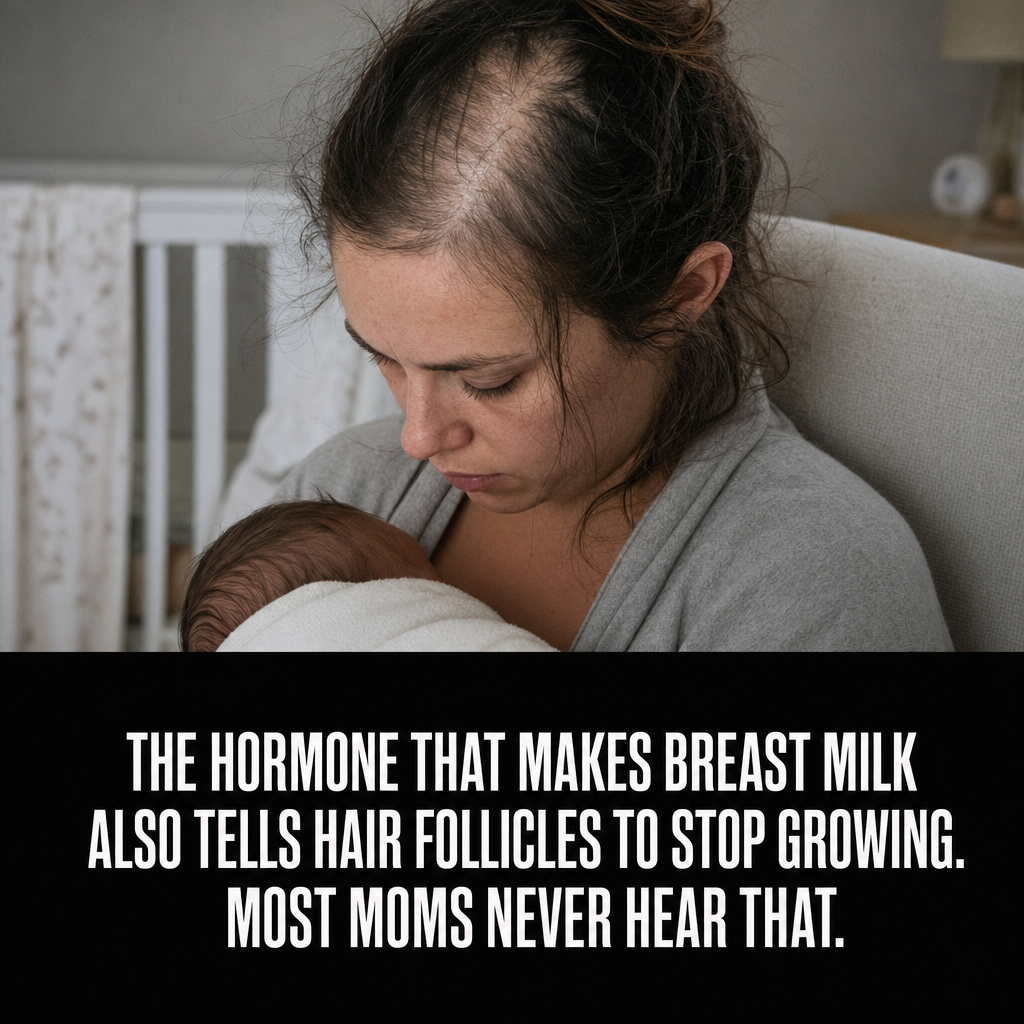
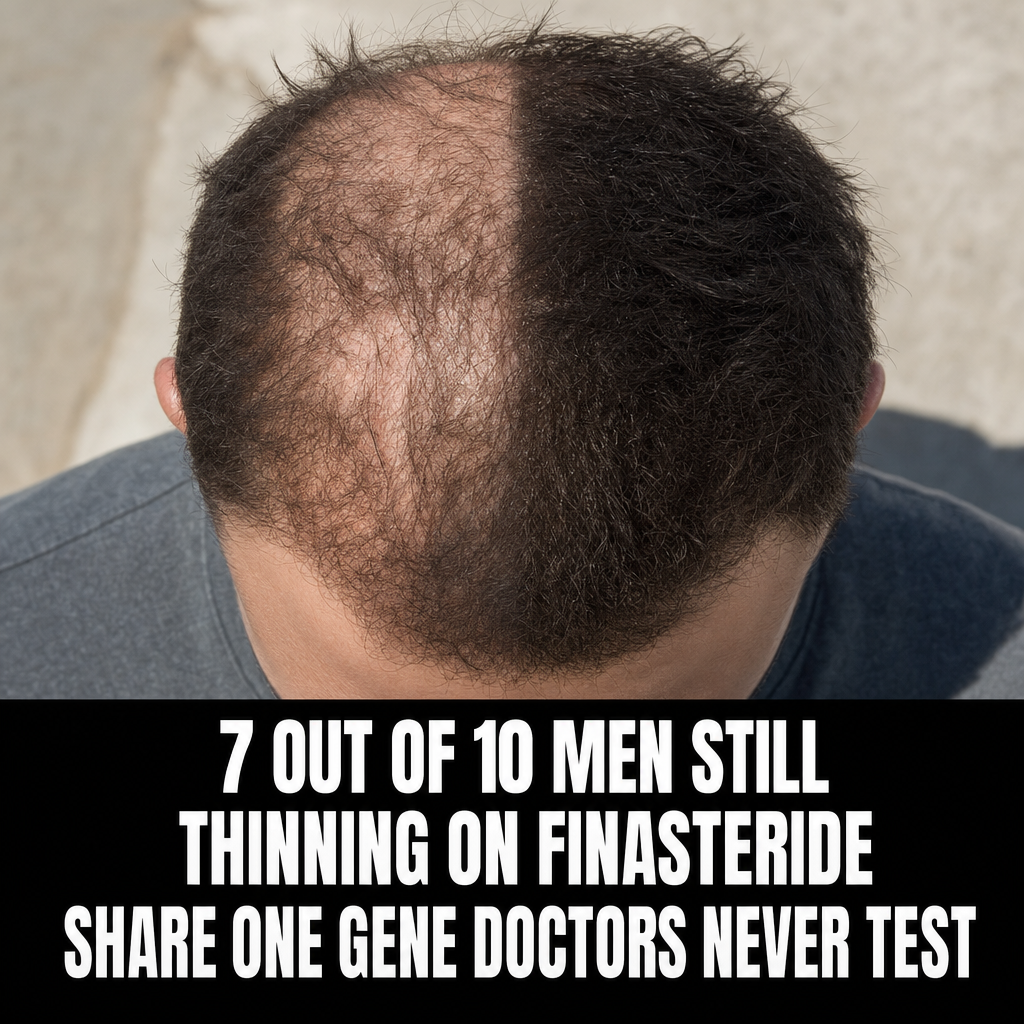
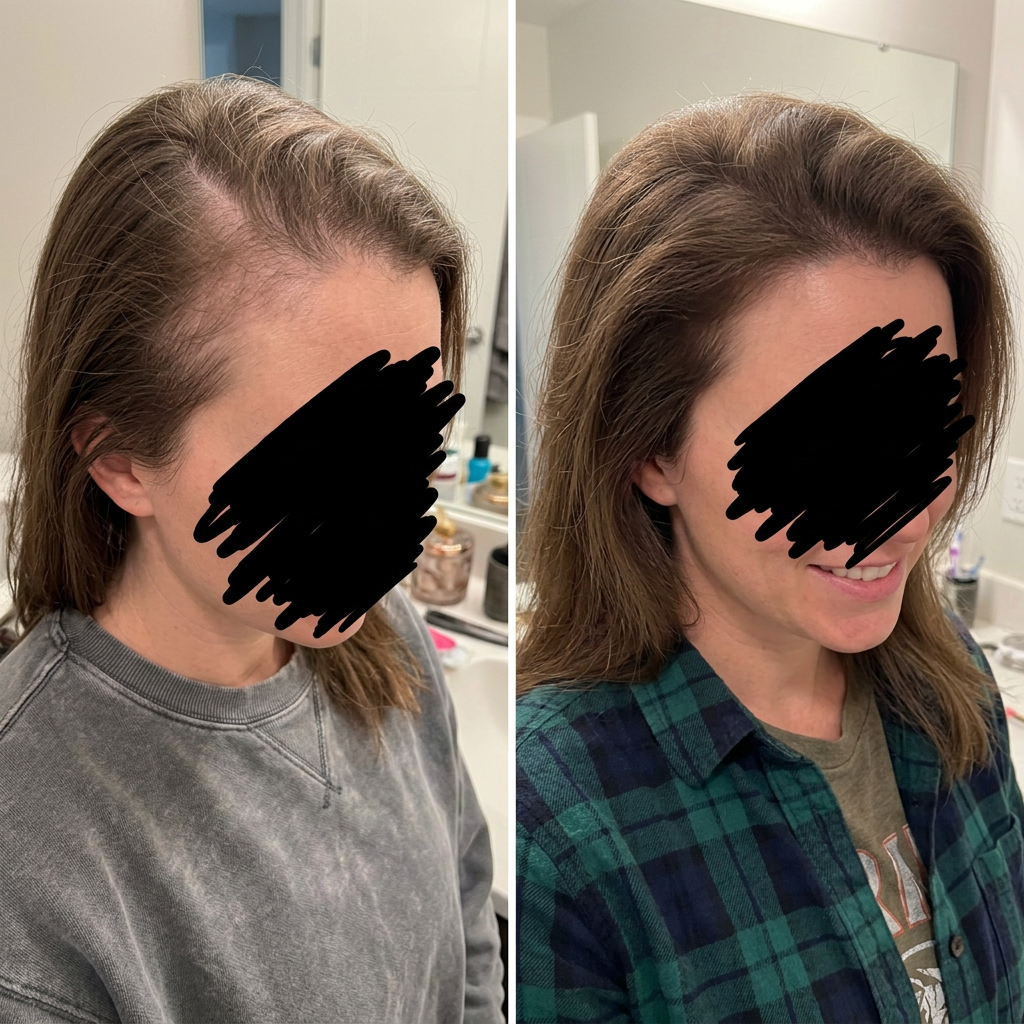
If your hair is thinning, your bloodwork keeps coming back "normal," and everyone keeps telling you it's just stress or just your hormones settling down — please read this. Especially if it started after a baby, or in a hard season of your life. By the end, you're going to be a little angry. Because the answer was simple, and nobody looked for it. There are three things happening right now. One — there's a specific hormone acting directly on your hair follicles, telling them to cut their growth phase short. Two — that hormone is almost never on a standard blood panel, so the people you trust keep telling you everything's "fine." Three — while you wait for it to "bounce back on its own," your part keeps widening, because the signal slowing your hair down hasn't gone anywhere. Let me tell you about my sister, because her story is probably your story too. My sister had her second baby at thirty-three. Around four months postpartum, the shedding started — and not the cute, "oh everyone loses a little after a baby" kind. Handfuls in the shower. Hair wrapped around the bristles of every brush. A ponytail that got thinner every month until she could feel how little was left in her hand. Everyone told her the same thing. "It's postpartum, it'll grow back. Give it a few months." So she waited. Six months. Then nine. Then a year. It didn't bounce back. It kept going. She was still nursing, exhausted, running on broken sleep, and watching her hairline quietly recede in every photo. She finally went to her doctor and asked for bloodwork. Thyroid, iron, the usual. Everything came back in range. "Your labs are normal," she was told. "It's just postpartum hair loss, plus stress. Try to relax." Relax. With a newborn and a toddler and hair coming out in her hands. I'll let you imagine how that landed. But here's what her doctor never tested, and never mentioned. Prolactin. Prolactin is the hormone that makes breast milk. It climbs enormously during pregnancy — by the end it can be twenty times higher than normal — and it stays elevated the entire time you're nursing. Chronic stress and broken sleep push it up too. My sister had all three at once: postpartum, breastfeeding, and running on fumes. And it turns out your scalp follicles aren't bystanders to prolactin. Researchers found that human scalp follicles carry receptors for it — and when prolactin binds them, it shortens the hair's growth phase and pushes follicles into rest early. They even found the follicle itself can produce prolactin locally. Your hair is listening to this hormone directly. When prolactin runs high, more of your follicles slip out of growth and into rest, the hairs that remain come in finer, and you get exactly what my sister had: diffuse thinning, a see-through ponytail, a part that widens month over month. Studies of women with elevated prolactin show the majority have this kind of diffuse shedding. It looks just like "stress hair loss" or "postpartum hair loss" — because in a sense it is, but with a name and a mechanism nobody told you about. So why did everyone keep saying her labs were normal? Because prolactin wasn't on the panel. Thyroid was. Iron was. The one hormone acting straight on her follicles wasn't even measured. You can't find what you don't look for. And here's the quietly maddening part. Postpartum and perimenopausal shedding are so common that the whole system treats them as background noise — something every woman just endures and is told to wait out. So nobody digs. Nobody asks which hormone, or whether it's still elevated a year later, or why "it'll bounce back" turned into eighteen months of watching your part widen. The very commonness of it is what makes it invisible. My sister wasn't an unusual case. She was the typical case — handed the typical shrug. I watched what that shrug did to her. She stopped wearing her hair down. She started dreading the harsh light over the bathroom mirror, the one that turned her part into a stranger's. She'd catch her reflection in a dark window and physically deflate. For a hormone "everyone has after a baby," it was quietly running her confidence into the ground — because no one had given her a name for it, let alone something to do about it. Now — here's the hopeful part, and it's the reason I'm writing this. You may not be able to drop prolactin overnight (that's a conversation with your doctor, and worth having). But you do not have to sit and wait for a hormone while your hair thins. You can support the follicle directly, right at the scalp, so it gets back into a growth phase regardless of what the hormone is doing. Here's what that takes, in plain terms. Every follicle has a reserve of stem cells and a tiny command center at its base called the dermal papilla. Prolactin signaling nudges those follicles to cut growth short and rest. To turn that around, you do four things locally. First, wake the resting follicles. sh-Polypeptide-1 and sh-Polypeptide-11 reactivate the stem cells that got pushed into early rest, signaling them back into a true growth phase. Second, rebuild what thinned down. sh-Oligopeptide-2 and sh-Oligopeptide-10 remodel the miniaturized root so each new strand can come in fuller. Third, feed the follicle. Arginine converts to nitric oxide, opens the tiny vessels under the scalp, and delivers the oxygen and nutrients a re-firing follicle needs. Fourth, calm the scalp. Botanical anti-inflammatory extracts quiet the low-grade inflammation that a stressed, sensitized scalp piles on top of everything else. My sister could have tried to buy all of these separately. She actually started to — and gave up after pricing five different specialty products and realizing she had no idea how to layer them without turning her scalp into a flaky, irritated mess on top of everything. So she used FST-5 Peptide Complex instead. One daily serum with the whole stack — sh-Polypeptides, sh-Oligopeptides, Arginine, botanical extracts — dosed to work together. The first weeks were quiet. Around week six the shower shedding noticeably eased. By month three the baby hairs along her part were coming in thicker instead of vanishing. By month five she put her hair up for a wedding without three bobby pins of anxiety, and someone told her it looked great — and meant it. Let me answer the questions I know are already forming, because they're the ones that kept my sister stuck for a year. "Is it safe while I'm breastfeeding?" The serum is applied topically, to the scalp, and works locally at the follicle — it isn't a hormone and it isn't a pill. Still, while nursing or pregnant, run anything past your own doctor first; that's true of every product, and we'd rather you ask than wonder. Once you've got the green light, it slots into your routine in seconds. "Do I have to lower my prolactin first?" No. That's the whole point. Lowering prolactin is a conversation worth having with your doctor if it's elevated — but you do not have to wait on that to support your follicles. The serum works at the scalp regardless of what the hormone is doing, which is why women see movement even while life is still stressful and sleep is still broken. "How do I actually use it?" Once a day, a few drops worked into your part and thinning zones with your fingertips, on dry or towel-dried hair. Thirty seconds. No pills to remember between feedings, no appointments, no bloodwork. "Isn't this just another hair vitamin?" No — and that distinction matters. Biotin, collagen and gummies feed your body raw materials and hope some reaches the follicle. They do nothing about a follicle being signaled to rest. FST-5 works at the follicle itself, signaling resting hairs back into growth. That's why women who "tried everything" often find this is the first thing that moves. And about the cost, gently: you've probably already spent money on vitamins, special shampoos, toppers and root powders that hide the problem instead of changing it. A daily serum that actually supports regrowth is a fraction of a year of cover-ups — and it's working on the cause, not the camouflage. There's also a reason not to keep waiting "to see if it stops on its own." Every cycle a follicle spends resting, it comes back a little finer. Resting follicles wake easily. Follicles that have shrunk for years are far harder to bring back. The hair still shedding now is hair still in play — which is exactly why starting sooner protects more of it. Here's what I need you to take from her story. She didn't fix this by "relaxing." She fixed it by understanding what was actually slowing her hair down, and then supporting her follicles directly instead of waiting on a hormone nobody had even measured. If your shed started after a baby, or while you were nursing, or in the hardest season you've been through — and your "normal" labs never explained it — this is very likely your missing piece. Think back to the three things I said would make you angry. One: a real, named hormone was acting directly on your follicles, telling them to slow down — and the conversation pretended it was a vague mystery. Two: because that hormone almost never makes it onto a panel, you were told everything was "fine" while your part kept widening. Three: every month you spent waiting for it to "bounce back on its own" was a month your follicles got no support at all. None of that was your fault. All of it is now yours to change. And let me name what I think you're actually feeling, because my sister felt it too. It isn't vanity. Hair is tied up with how you recognize yourself in the mirror, how you feel walking into a room, how you show up in photos you'll keep forever. Being told "it's just hormones, wait it out" while that quietly erodes is its own particular kind of lonely. You're not being dramatic. You're responding to something real, and you deserve an answer that's just as real. Here's the timing piece, said plainly. A follicle that's only resting wakes up readily. A follicle that's spent years resting shrinks toward the point where it's far harder to recover. The hair still shedding now is hair still in play. So the kindest thing you can do for the version of you a year from now is to start supporting those follicles while they're still reachable — not after another year of waiting confirms the wait was the mistake. A reader named Priya wrote to me: "Eighteen months of postpartum shedding everyone swore would stop. Three months on the serum and for the first time my ponytail feels thicker, not thinner. I cried, the good kind." And another, Dana: "Off the pill, thinning everywhere, labs 'normal.' This serum is the first thing in two years that grew anything back." That's not luck. That's what supporting the follicle does. So here's my honest advice. Try FST-5 Peptide Complex every day for at least three months. Take a photo of your part today, because regrowth comes back slowly enough that you forget how thin it used to be. It's backed by a 100-day money-back guarantee. Use it for the full window, and if your hair doesn't respond, send it back and pay nothing. The risk is ours, not yours. That's not a slogan — it's the only fair way to sell something to a woman who's already been let down by products that promised and didn't deliver. Your follicles aren't finished. Most of them are resting, waiting for a signal to grow again. You can keep waiting on a hormone nobody measured — or you can give your follicles that signal yourself, starting tonight, with the hair you still have to work with. 👉 https://richvell.com/pages/the-fst5
Where the ad sends people
richvell.com
Dermatologist Discovers Peptide Breakthrough That Reactivates Hair Growth Like You're 17 Again
The FST-5 Peptide Complex by Richvell ™
Shop now: richvell.com(opens in a new tab)