
Inactive· since May 18, 2026
- 42
- days it ran
- 0
- relaunches
Ad copy
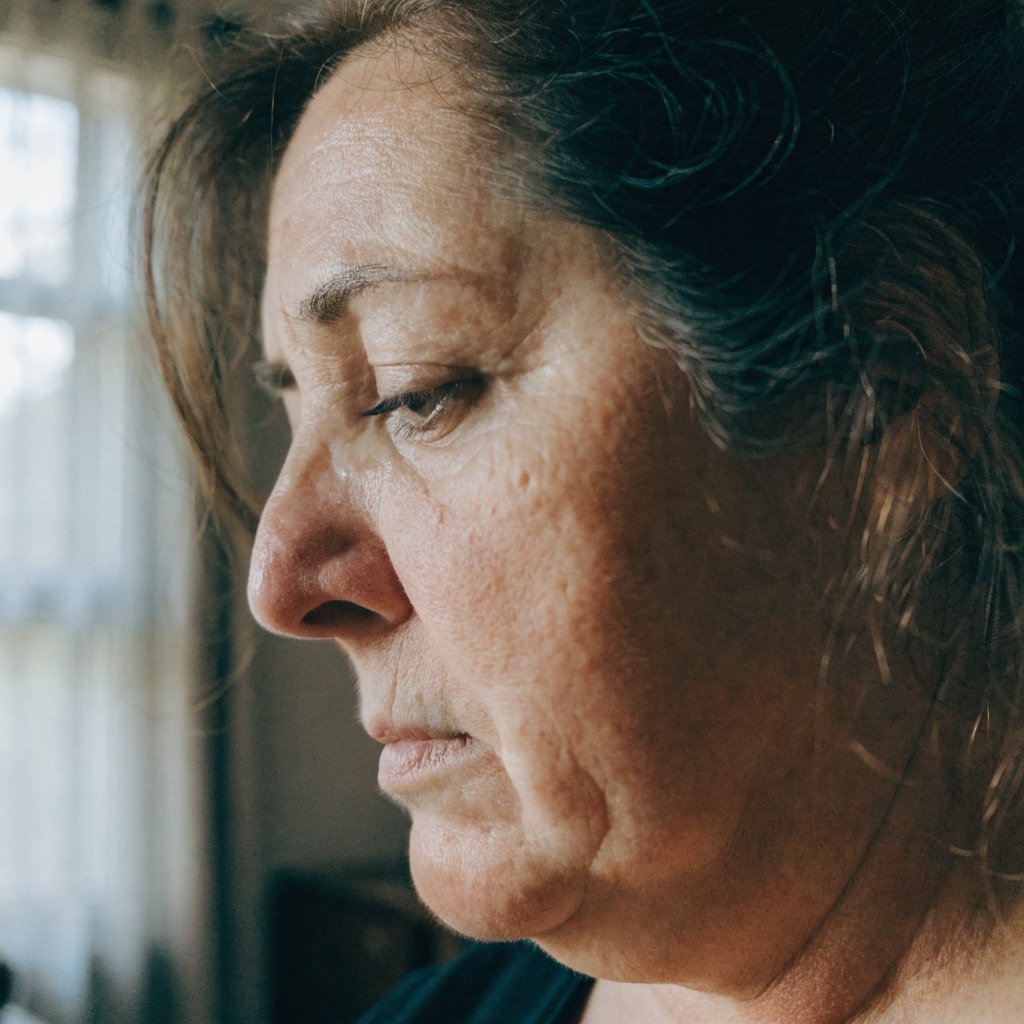
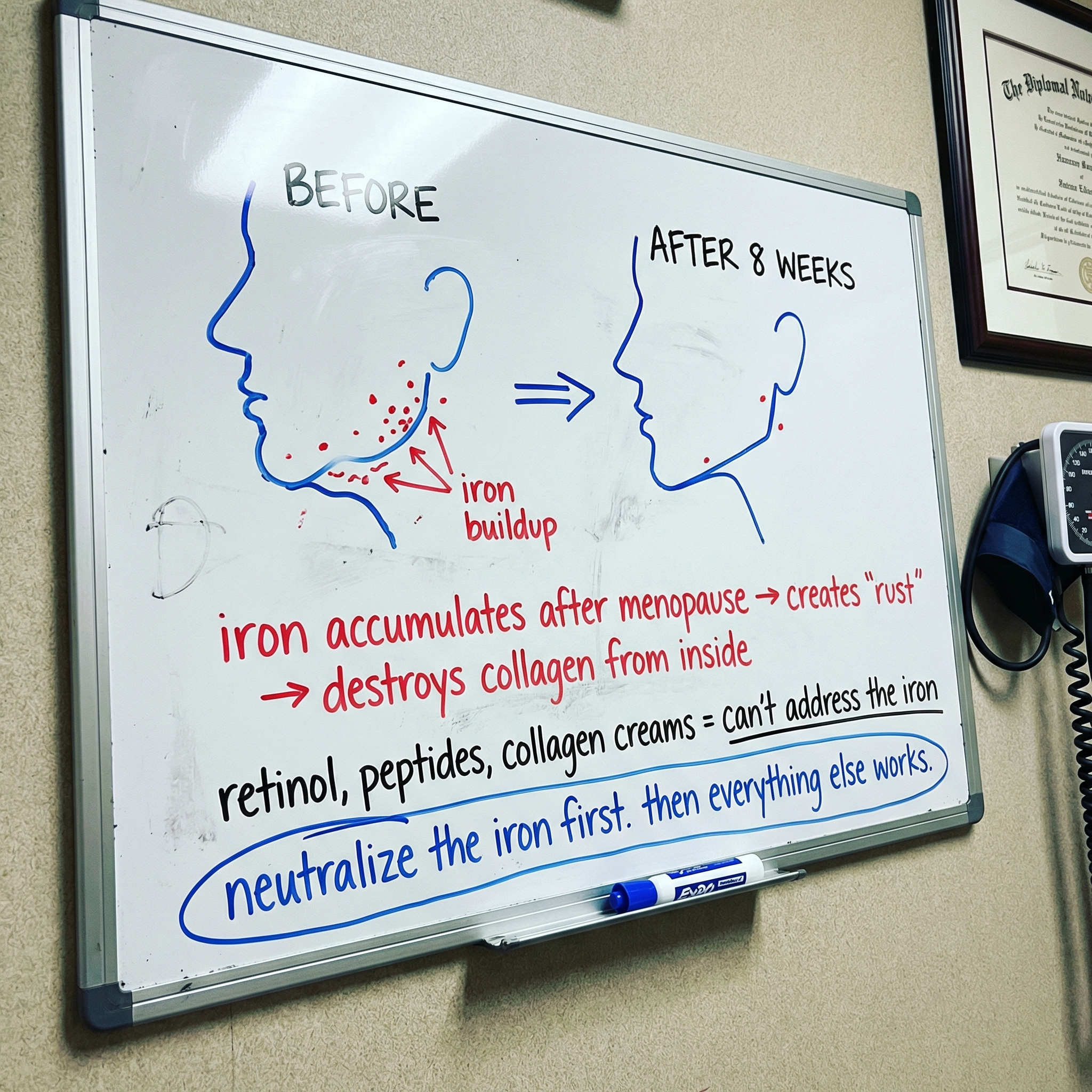
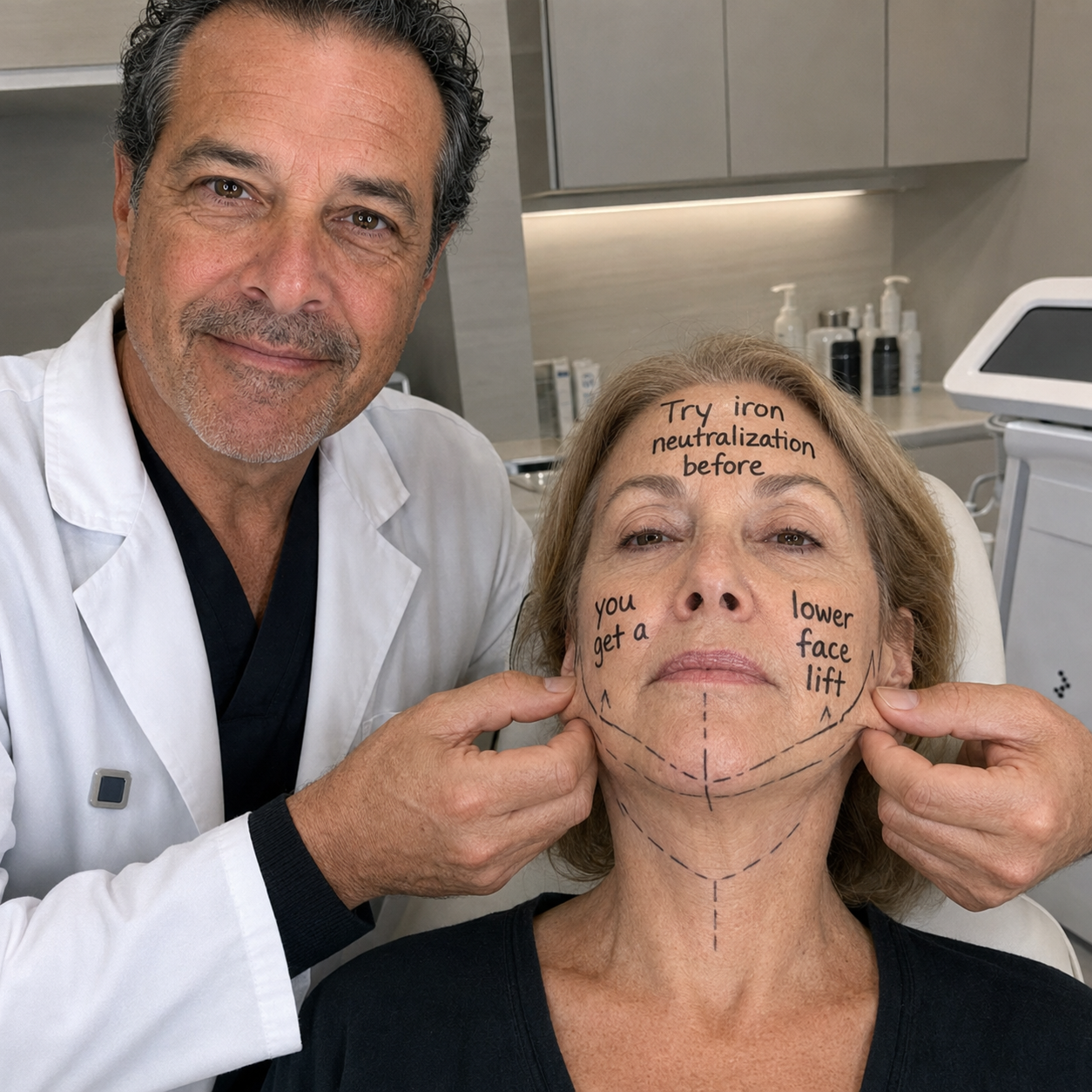
I've performed over 2,800 facelifts. Last Tuesday I told a patient to cancel hers. She was 61. She had the money. Her skin was a textbook case for a lower facelift, the kind of jaw and neck laxity I could correct in four hours with a result she'd be happy with for years. I sent her home anyway. I want to tell you why, because if you are a woman over 55 reading this with $14,000 saved for a procedure you've been quietly researching for two years, there is something you need to understand before you sit in a consultation chair across from someone like me. I am not writing this to talk you out of surgery. I am writing this because I spent 26 years of my career not understanding what was actually happening to my patients' skin, and once I understood it, I couldn't keep operating the same way. Let me explain what changed. The pattern I couldn't ignore anymore About four years ago I started keeping a private log. Every facelift patient who came back for a revision. How many years out from their primary surgery. What had loosened. Where. By year three of tracking, the pattern was undeniable. Roughly 60% of my post-menopausal patients were back in my chair within seven years. Not because my technique had failed. The deep plane work was holding. The SMAS was anchored. The incision lines healed clean. But the skin itself was deteriorating again. From underneath. In the exact same pattern as the first time. I started asking my colleagues. Quietly, at conferences, over coffee. Same numbers. Same pattern. We all just called it "aging" and booked the revision. That answer stopped being good enough for me around the time my own sister-in-law asked me to perform her facelift. What the research actually says I sat down one weekend in early 2022 and started reading skin biology papers the way I should have read them in residency. A 2020 study published in Aging Cell by Oblong et al. broke something open for me. Before menopause, a woman's body clears 30 to 40 milligrams of iron every month through menstruation. After menopause, that clearance stops completely. But iron intake doesn't. Food, supplements, fortified grains, cookware, all of it keeps going in. That iron has to go somewhere. It accumulates in tissue. Including skin. The study measured iron stores in post-menopausal facial skin and compared them to pre-menopausal samples. The post-menopausal tissue contained 42% more stored iron. Here is why that matters, and why no amount of retinol, peptide, vitamin C serum, or surgery addresses it. The Fenton Reaction When excess iron sits in skin tissue, it catalyzes a chemical reaction called the Fenton Reaction. The iron interacts with hydrogen peroxide (which your cells produce naturally) and generates hydroxyl radicals. Hydroxyl radicals are the most aggressive free radical the human body produces. They have a half-life measured in nanoseconds. They do not travel. They damage whatever is adjacent to them. In post-menopausal facial skin, what's adjacent to them is collagen and elastin. So the iron sits in the dermis, generating hydroxyl radicals continuously, day and night, and those radicals are shredding structural protein from inside the skin. Not from sun exposure. Not from "aging. " From a chemical reaction running 24 hours a day in tissue that has nowhere to dump excess iron anymore. Topical antioxidants applied to the surface cannot reach it. Collagen supplements taken orally cannot stop it. Ultherapy and microcurrent cannot deactivate it. And a facelift, my facelift, your surgeon's facelift, any facelift, does nothing to address it. We tighten the skin. The reaction continues underneath. The collagen we tightened keeps degrading. The patient comes back in five to seven years. What I changed in my practice I am still a cosmetic surgeon. I still perform facelifts. There are women for whom surgery is the right answer, and I am good at what I do. But I changed my consultation process. Every post-menopausal patient who comes in for a lower facelift consultation now hears a version of this conversation: "Before we schedule, I want you to address the underlying mechanism for 90 days. If at the end of that window you still want surgery, we'll book it. If you don't, I'll be relieved for you. " About 40% of them come back and tell me they no longer want the procedure. I lose roughly $4,800 in revenue per patient who walks away. I have done this several hundred times now. I do it because I cannot in good conscience tighten skin that is being chemically destroyed from underneath and pretend I have given that patient a solution. What addressing the mechanism actually looks like There are a small number of formulations on the market that are designed specifically to chelate (bind and neutralize) free iron in dermal tissue and interrupt the Fenton Reaction. They do not look like normal anti-aging skincare. The ingredient profile is built around iron chelation chemistry, not collagen stimulation. I recommend a specific one to my patients. I have no financial relationship with the company. I started recommending it because the formulation is precise and because the women I sent home with it came back at the 90-day mark with measurable improvement in jawline definition that I could see with my own clinical eye. Not surgical-level tightening. I want to be honest about that. A serum cannot replicate what a scalpel does in a single afternoon. But it does something a scalpel cannot do. It addresses the cause. It reduces the iron load. It interrupts the radical generation. It gives the skin's own repair mechanisms a chance to function again instead of running uphill against constant chemical damage. For a meaningful percentage of my patients, that turns out to be enough. Why I'm telling you this Because the cosmetic surgery industry generates roughly $9 billion a year in the United States, and a large portion of that revenue comes from post-menopausal women being told that surgery is the only remaining option after creams have failed. That framing is incomplete. The creams didn't fail because surgery was inevitable. The creams failed because none of them addressed iron-induced oxidative damage, which is the actual mechanism driving collagen loss in post-menopausal skin. If you are sitting at your kitchen table at night, researching surgeons, comparing before-and-after galleries, opening a credit line, I want you to do one thing before you book a consultation. Read the research on ferro-aging. Understand what's happening in your dermis. Try addressing the mechanism for 90 days. If at the end of that window you still want surgery, book it. You'll go in informed instead of desperate, and that matters more than you realize. If you don't want surgery anymore, you will have saved yourself $14,000, a month of recovery, and a revision in seven years that no one warned you about. There is an article that explains the iron mechanism, the published research, and the specific formulation I send my own patients home with. I'd rather you read it before you sit across from me, or anyone like me. Read it before you book that consultation → https://www. fezeli. com/pages/snap-back
Like this ad? Make it yours.
Crush rebuilds this exact creative around your product — your brand, your colors, your offer — in about a minute.