
Inactive· since Jul 8, 2026
- 65
- days it ran
- 1
- relaunches
Ad copy
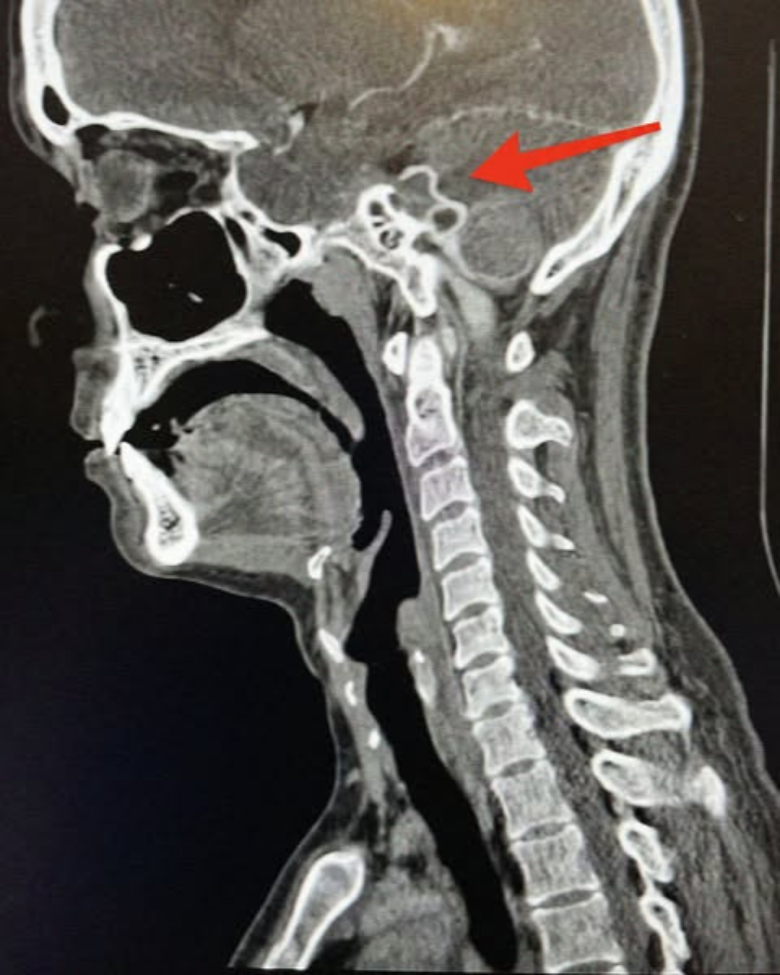
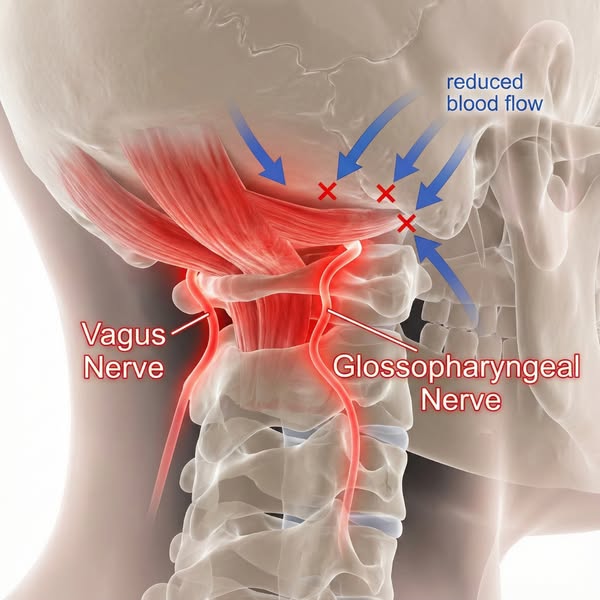
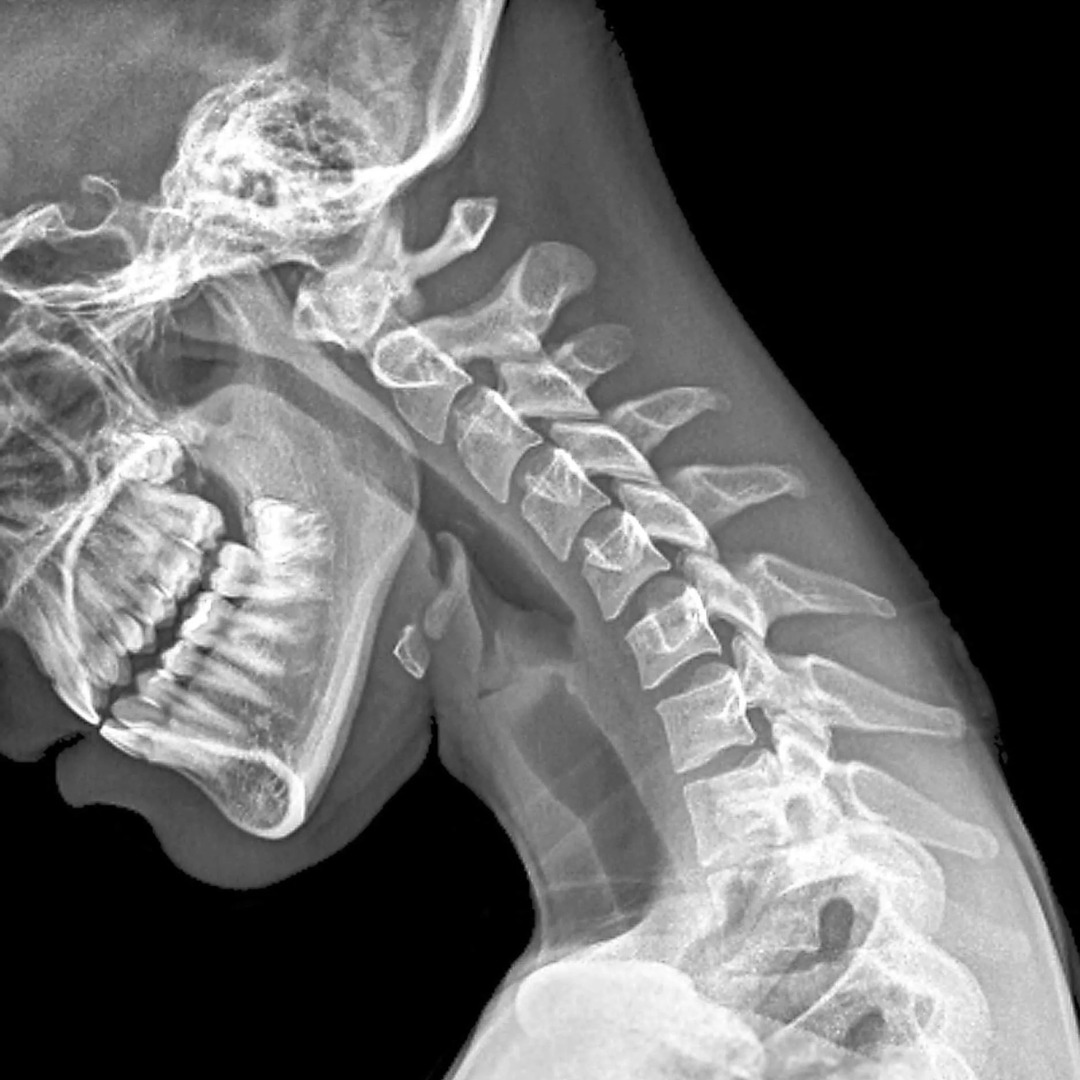
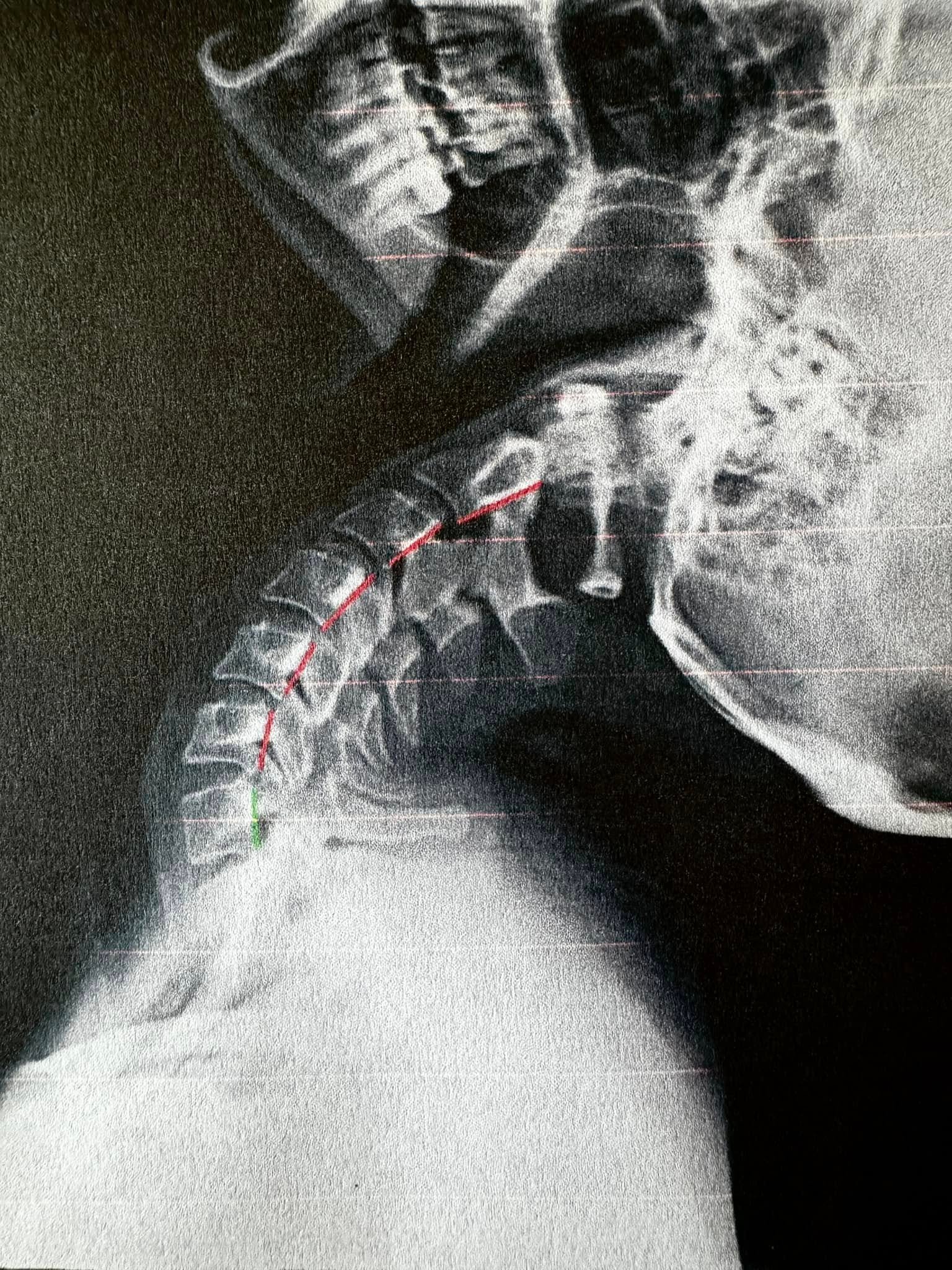
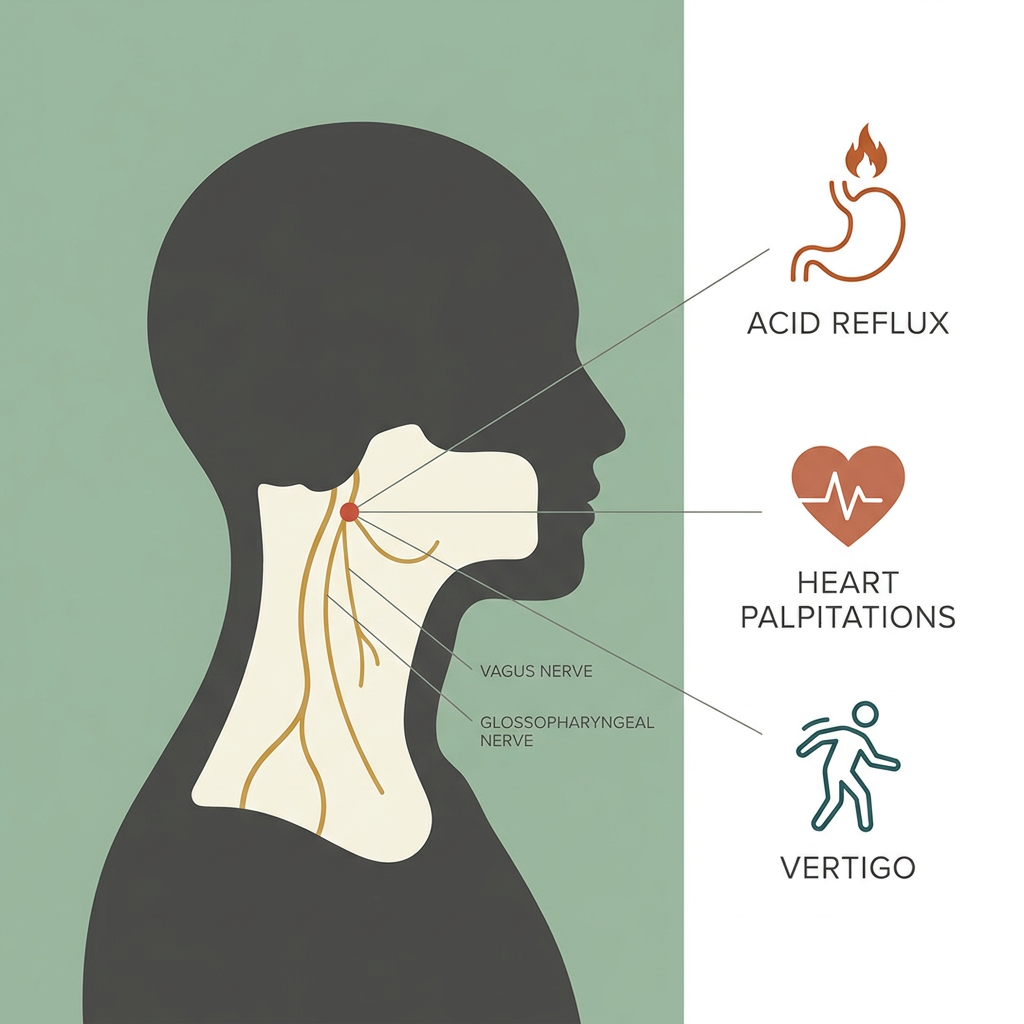
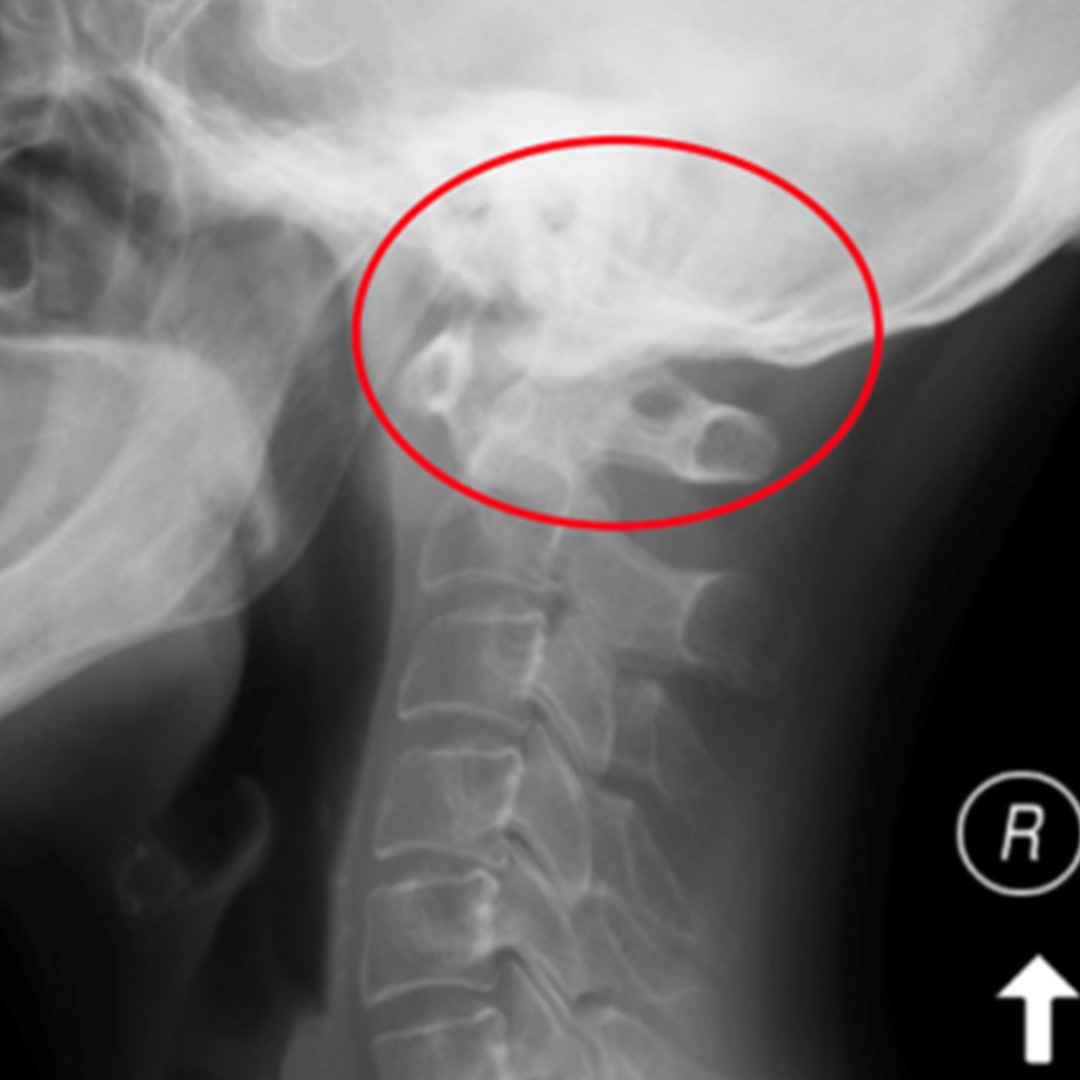
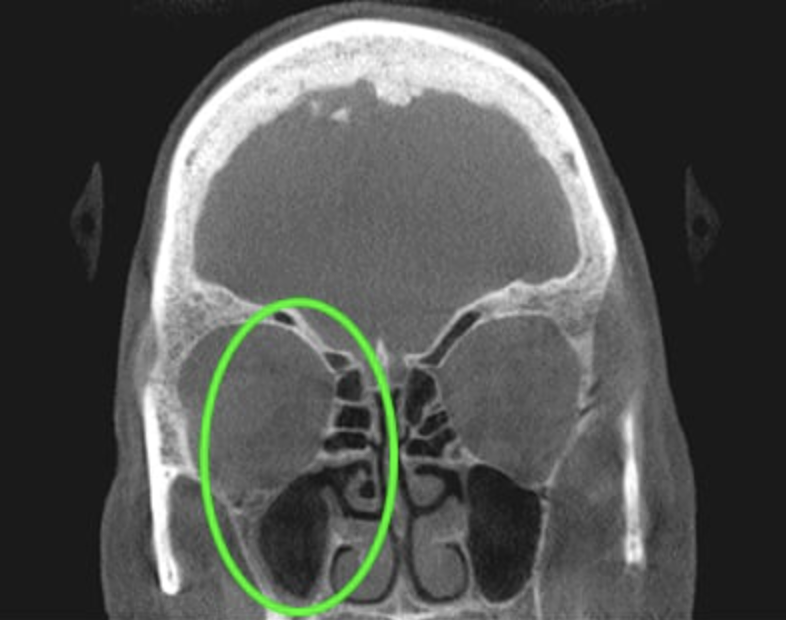
I've been a board-certified physical therapist for 19 years. And if your ears are ringing day and night, you haven't slept properly in months, and your ENT keeps telling you to "just learn to live with it"… I'm about to tell you exactly what they're hiding from you and why they'll NEVER tell you the truth. And by the end of this, you're going to be angry. My name is Chris Walters. Board-certified physical therapist specializing in cervical spine disorders. Nineteen years treating chronic neck pain and its hidden consequences. Published in the Journal of Manual & Manipulative Therapy. Over 2,800 patients. And I'm breaking ranks with my own profession to tell you this. Because there are three things happening right now: One — Your body is screaming at you that something is wrong. Two — The medical system is gaslighting you into thinking it's an ear problem. And three — There's a multi-billion dollar industry that profits every single day you stay sick. So let me tell you what happened with one of my patients. Because her story is going to open your eyes to how broken this really is. Her name was Janet. She was 61. For YEARS — and I mean seven straight years — she lived with this. A constant buzzing in both ears. Louder than her television. Louder than her husband's voice across the dinner table. The moment the house went quiet at night, it was like a swarm of bees living inside her skull. By bedtime, the buzzing was so loud she'd lie there staring at the ceiling until 3 in the morning. Some nights she cried. Some nights she just prayed for five minutes of silence. She stopped going to restaurants. Stopped attending her book club meetings. Started making excuses whenever anyone invited her anywhere she'd have to strain to hear. And the exhaustion? She'd wake up feeling like she'd been hit by a truck. Couldn't focus long enough to finish a conversation without asking people to repeat themselves. Her coworkers thought she was just "getting older" — but this woman was genuinely suffering. Forgetting what she walked into rooms for. Snapping at her grandkids. Losing herself a little more every week. And here's what makes me sick to my stomach: I was one of the therapists she came to see. Multiple specialists. Her GP. An ENT. An audiologist. Me — the physical therapist treating her chronic neck pain. We're talking thousands of dollars in appointments, hearing tests, MRIs, custom hearing aids… the whole nine yards. And you know what every single one of us told her? "Your hearing looks fine." "There's no damage we can see." "It's just age-related. Normal." "Try a white noise machine." "Learn to live with it." LEARN TO LIVE WITH IT. This woman hadn't slept more than four hours in a row in seven years and we were telling her to download a rain app. But here's where it gets worse — and this is the part that haunts me now. She spent over $5,000 on treatments. Custom hearing aids that amplified everything including the ringing. Supplements that promised to "support ear health." Sound therapy apps. Even anti-anxiety medication because one doctor told her stress was making it worse. You know what happened? She swallowed pills every morning. Wore expensive hearing aids that made the buzzing LOUDER. Fell asleep to white noise and woke up to the same screaming in her head. And the ringing? Still there. Every single day. The treatments went into her body — but the noise didn't go down at all. I watched this woman — who did everything the medical system told her, spent over $5,000, tried every recommendation — get worse. Not better. Worse. And I didn't understand why. Until a 68-year-old neurologist from Melbourne taught me more about tinnitus in twenty minutes than I'd learned in two decades of physical therapy training. March 2024. Denver. North American Spine Society Conference. I was standing alone during a lunch break, absently rubbing the base of my skull because my own neck had been killing me all morning — and the high-pitched ringing in my left ear that had started eight months earlier was spiking from the tension. Because at 47, my own tinnitus had appeared out of nowhere. And nothing I'd been recommending to patients for 19 years was working on me either. That's when I saw him. Dr. Michael Chen. 68 years old. A neurologist who had spent forty years hunched over surgical microscopes and patient charts. Every reason in the world to have a wrecked neck. And yet there he was — relaxed, calm, loose in the shoulders, none of that tense, hollow-eyed look I saw in the mirror every morning. I walked over. "Excuse me — I'm a physical therapist. Forty years bent over microscopes and charts… how is your neck not destroyed? How are you sitting that loose?" He smiled. The kind of smile that knows something you don't. Then he looked at me a second too long. And asked me something I wasn't expecting. "How long have your ears been ringing?" I froze. Because I hadn't said a word about my ears. I hadn't told a single soul about the ringing. And I — a physical therapist who couldn't fix my own problem — admitted it out loud for the first time. "About eight months ago." His face changed. And what he said next made my stomach drop. "It's not your ears." "It never was." He let that sit for a second. "What you're hearing isn't coming from inside your ears. It's coming from your neck." I just stared at him. Nineteen years as a physical therapist. And I'd never once made that connection on myself. "Sit down," he said. "Let me show you something. Twenty minutes. It will change how you understand this completely." What he taught me in twenty minutes changed everything. He pulled out a napkin and drew a simple diagram. "Your profession treats cervical pain. Audiologists treat tinnitus as an ear problem. So you stretch the neck. They check the cochlea. They mask the sound with noise. They prescribe supplements that pass through the stomach. That is like trying to stop a car alarm by changing the radio station." He tapped the napkin. "But this is not an ear problem. It is a nerve compression problem. Your suboccipital muscles have compressed the C1-C2 nerve roots." Now pause for a second. You know what's insane? We learned about cervical anatomy in school. The vertebrae. The muscles. The disc spaces. But nobody — and I mean nobody — ever taught us that chronic suboccipital tension could cause auditory phantom perception. Not even in my doctorate program. And that's not an accident. Because once you understand what suboccipital compression does, you realize why Janet's hearing aids didn't work. Why MY neck stretches didn't work. Here's what suboccipital compression actually is. It's a cluster of four tiny muscles at the base of your skull — right where your neck meets your head. When you spend years hunched over a desk, looking down at a phone, or sleeping with your head in the wrong position, these muscles get chronically shortened and rock-hard. When that happens, they compress the C1 and C2 nerve roots that exit right next to them. Those nerves communicate directly with the trigeminal nerve and the vestibulocochlear nerve — the pathways to your ears. When those nerves get irritated? The brain receives scrambled signals. And the brain interprets those scrambled signals as sound. A sound that doesn't exist. Coming from inside your own head. When the muscles are working properly? The nerves fire cleanly. The brain stays quiet. The ears stay silent. But when those muscles stay locked in chronic contraction — especially after years of poor posture or stress? That's when everything falls apart. The compression continues. The nerves misfire constantly. And the brain starts generating a phantom sound where none exists. And here's the key thing I learned: Supplements don't work for nerve compression. Oral tinnitus pills are designed to "support ear health" or "improve circulation." But your ears aren't the problem. The compressed nerves at the base of your skull are. A pill can't release muscle tension. A pill can't decompress a nerve root. Sixty to ninety percent of the active compound gets destroyed in your stomach anyway. Of what's left, none of it reaches the four tiny muscles crushing your cervical nerves. So the pills made Janet's wallet lighter — but the nerve compression in her neck? It wasn't going anywhere. Because it's not an ear problem. It's a structural neck problem. And here's the part that made my blood boil: The medical system KNOWS about this. Neurologists talk about cervicogenic tinnitus in research papers. Physical therapists see the muscle knots every single day. Manual therapists can feel the suboccipital tension with their hands. But unless you specifically ask about the connection between your neck and your ears, nobody in mainstream medicine is going to connect the dots for you. Why? Because there's no pharmaceutical pill that can release suboccipital tension. You can't patent a muscle release. There's no money in telling you to fix your neck. There IS money in keeping you on supplements, sound therapy subscriptions, $6,000 hearing aids, and anxiety medication for the rest of your life. See how that works? Dr. Chen showed me the actual protocol for releasing chronic suboccipital compression. He looked at me. "Chris, think about what's needed. You cannot reach these muscles with a pill. You cannot reach them with a hearing aid. You cannot reach them with stretching alone — the tension is too deep. The only way is through targeted heat, electrical muscle stimulation, and sustained traction at the exact spot where C1 and C2 exit the spine." He tapped the back of his own neck, right at the base of his skull. "Here. Right at the suboccipital triangle. That is the only door." Then he laid out the protocol. Four things had to happen at the same time. Deep heat therapy to increase blood flow and soften the chronically contracted muscle fibers. Electrical muscle stimulation (EMS) to break up the neurological "guarding" pattern that keeps the muscles locked tight. Gentle cervical traction to create space between the vertebrae and take direct pressure off the nerve roots. Consistent daily application — because years of compression don't reverse in a single session. The suboccipital region is the most neurologically dense area of your entire spine. Four tiny muscles control your entire head position and directly influence the nerves to your ears. Release those muscles, and the nerve irritation stops. Stop the irritation, and the phantom sound fades. But you'll never hear most physical therapists mention this connection. Because we're trained to treat neck pain and refer ear problems to audiologists. Not to think about the nerve roots sitting two centimeters below the muscle tissue we work on every day. The financial model is backwards. A patient on traditional tinnitus "protocols" spends $150 to $300 every month on supplements, sound apps, and co-pays. Forever. Average lifetime value: $9,000 to $14,000. A device that releases suboccipital tension at home? Under $120. The system isn't designed to solve the problem. It's designed to manage it forever. Now here's the problem I ran into… Most "neck traction" devices on the market are garbage. I tried an inflatable cervical collar. It stretched my neck vertically but did nothing for the suboccipital muscles. The ringing stayed exactly the same. I tried a foam cervical pillow from a wellness brand. It felt nice. Helped me sleep slightly better. But no heat. No EMS. No targeted release of the muscle knots. The tension was still there every morning. I tested six different cervical devices after Denver. Spent over $300 on things that either stretched the wrong area (front of neck instead of base of skull) or provided passive support without any active muscle release. Because here's the thing: lying on a foam pillow is NOT the same as actively releasing chronic suboccipital tension with heat, EMS, and traction combined. Random neck pillows just support your head. They feel comfortable. They do nothing for compressed C1-C2 nerve roots. The real protocol delivers targeted heat, electrical stimulation, and gentle sustained traction directly to the suboccipital triangle where the nerve compression is happening. Every device I tested failed at least one of the four requirements. Until I found the Neckline. It was the first device I'd seen that met all four. Infrared heat therapy — not just surface warmth. Electrical muscle stimulation with adjustable intensity — not passive support. Gentle C-curve traction that targets the base of the skull — not generic neck stretching. Designed for 15-minute daily sessions — not one-time physical therapy visits. When I dug into the design? It was based on the exact cervical decompression principles used in clinical settings. The same suboccipital release techniques I'd been doing manually on patients for years. The same EMS parameters shown in neuromuscular research. They weren't just selling a foam pillow. They understood why the nerves get compressed. They built something to actually help release them. And here's where I had to face what I'd done to my patients. When Janet was buying supplements from her doctor? About $45 a month. Plus the sound therapy app at $15 per month. Plus the two different neck pillows I'd recommended at $60 each. Plus co-pays for endless appointments. Plus the $4,800 pair of hearing aids the audiologist sold her. She had spent well over five thousand dollars. On things that managed the symptom and never once addressed the compressed nerves at the base of her skull. Neckline? A one-time purchase. Around $120. Lasts for years. Fifteen minutes a day before bed. I started using it myself first. Night 1: The very first time I used it, I lay down on my living room floor with the device under my neck. The heat kicked in. Then the EMS pulses. Then I felt the gentle stretch at the base of my skull. When I stood up fifteen minutes later, my neck felt lighter — and the high-pitched ringing in my left ear was noticeably quieter. Not gone. But turned down like someone had adjusted the volume. Day 7: I fell asleep without needing white noise for the first time in eight months. Week 3: I went an entire workday without noticing the ringing. I came home, sat in my quiet house, and it was actually quiet. I stood in my kitchen and cried. Week 8: I did a full tinnitus assessment on myself. My subjective loudness rating had dropped from an 8 out of 10 to a 2. Some mornings I woke up and didn't hear it at all. My suboccipital muscles had finally released. The nerve compression was gone. Then I called Janet. And every other patient I'd failed. "I need to tell you something. I've been treating your neck pain for months while you complained about ringing in your ears, and I never connected the two. I didn't know. But I do now." Janet, Week 7: "Chris, I heard birds this morning for the first time in years. Not through the buzzing. Just birds." Her tinnitus loudness rating: down from a 9 to a 2. Money spent on supplements, hearing aids, and failed treatments: $5,000. Money spent on what actually helped: $120. She's back at her book club. She's having dinner with friends without asking them to repeat themselves. She falls asleep at 10:30 like a normal person. She got her silence back. This is the protocol they don't want you to know about. Because the second your suboccipital muscles release and your cervical nerves decompress, you don't need their supplements anymore. You don't need their sound masking apps. Your own nervous system starts functioning the way it's supposed to. Now here's what I need you to understand. The longer those muscles stay locked, the deeper the tension sets in. The neck has been pulling on those nerves for months. Maybe years. And every day it goes unaddressed, the pattern gets more stubborn. That's not a reason to panic. It's a reason to start. Because the muscles can release. The nerves can settle. The ringing can quiet down. But only once you actually go after the real cause instead of masking the sound. Janet waited seven years. She still got her silence back. The point isn't that you're too late. The point is that nobody ever pointed you at the right thing. Until now. If you're someone who's been living with this — the high-pitched whine, the constant buzzing, the nights where silence feels like torture — and nothing has worked? It's not because you didn't try hard enough. It's not because you damaged your ears at too many concerts. It's because your suboccipital muscles compressed your cervical nerves. And nobody is addressing it. Neckline comes with a 30-day money-back guarantee. If it doesn't help, you pay nothing. And honestly? Even if you're skeptical, give it two weeks. See if your neck responds the way mine did. The way Janet's did. Because the medical system isn't coming to save you. They profit too much from keeping you on supplements that don't release muscle tension. A 68-year-old neurologist taught me more in twenty minutes than I'd learned in two decades of training. It's about time I passed that lesson on. 👉 https://neckline-us.com/neckline-usa/adv-t2-3 Go get it.
It Might Not Be Tinnitus
Most tinnitus patients assume their ringing is fixed. Constant. Unchanging. But yours isn't. When you push on certain spots behind your ear, the volume shifts. Sometimes louder. Sometimes the pitch changes. Sometimes one side responds more than the other.
SEE DETAILSLike this ad? Make it yours.
Crush rebuilds this exact creative around your product — your brand, your colors, your offer — in about a minute.