
Inactive· since Feb 7, 2026
- 19
- days it ran
- 0
- relaunches
Ad copy
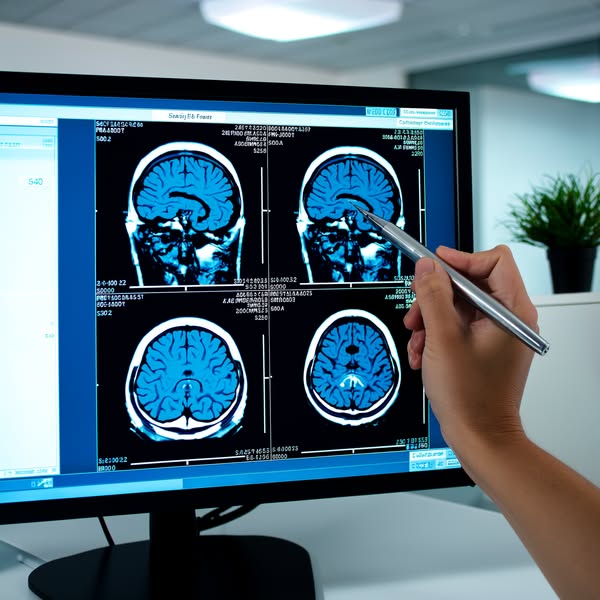
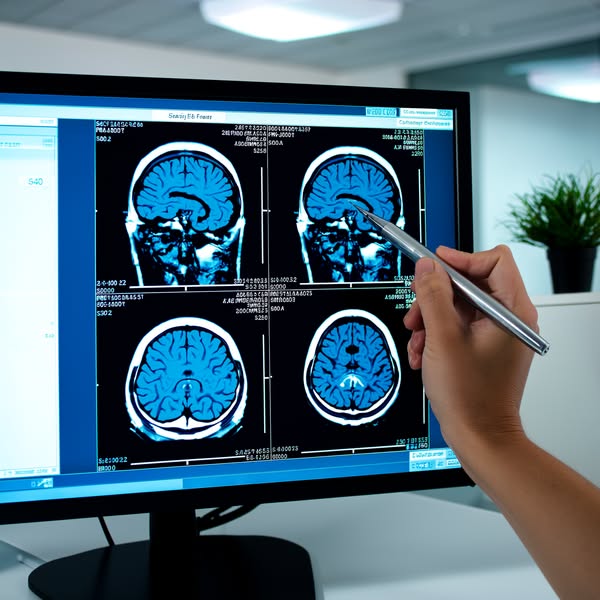
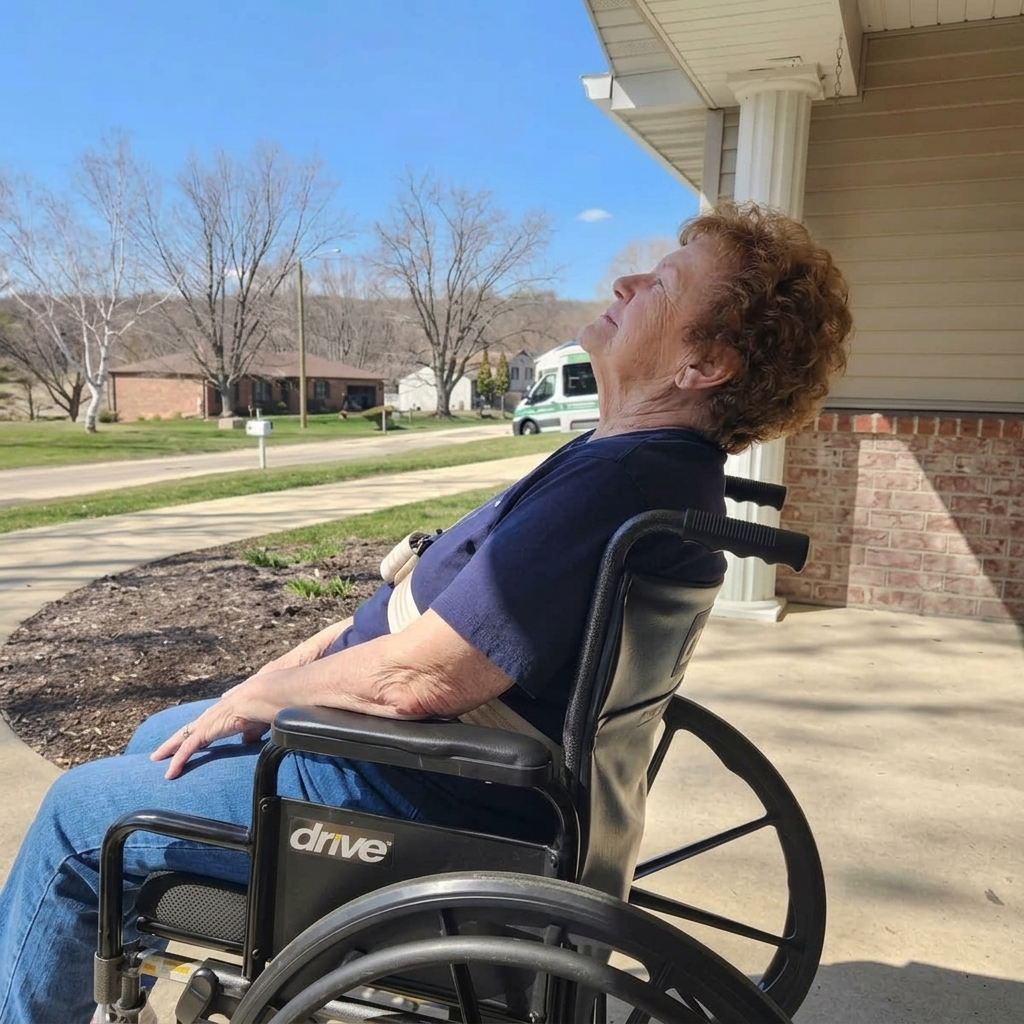
I don't care what your doctor said. I don't care what the tests showed. I don't care how many times you've been patted on the head and told that what you're experiencing is "normal aging." You're not crazy. And it's not "just stress." You know your own body. You know your own mind. And you know something is wrong. You've sat in that exam room, trying to explain what's happening — the fog, the memory lapses, the words that vanish mid-sentence — and watched your doctor nod politely before suggesting you "get more sleep" or "try to relax." You've had blood drawn. Maybe a scan. The results came back "normal." But you don't feel normal. You haven't felt normal in months. Maybe years. And every time you try to tell someone, you get the same dismissive response: "You're fine. It's just part of getting older." Here's what I need you to know: You were right. Something IS wrong. And it has a name — a name your doctor was never trained to recognize. It's called The Estrogen Void. It doesn't show up on standard tests. It won't appear on a brain scan. Your bloodwork will come back perfectly normal. But it's real. It's affecting millions of women over 50. And it explains everything you've been experiencing. You weren't imagining it. You weren't exaggerating. You weren't being a "difficult patient." You were right all along. And by the time you finish reading this, you'll finally have the answers that the medical system failed to give you. I'm 62 years old, and I spent two years being told nothing was wrong with me. Two years of knowing — KNOWING — that something in my brain had changed. Two years of being dismissed, patronized, and made to feel like I was wasting everyone's time. It started about a year after menopause ended. The hot flashes were gone. The night sweats had stopped. I thought I was through the worst of it. My doctor said my hormones had "stabilized" and that I should be feeling great. But I wasn't feeling great. I was forgetting things. Not big things at first — just little slips. Where I put my glasses. What I walked into a room to get. The name of that actress in that movie. But it got worse. I started losing words. I'd be in the middle of a sentence and the word I needed would just disappear. I'd stand there, grasping at nothing, while whoever I was talking to waited awkwardly. I'd read an email and forget what it said by the time I got to the end. I'd have a conversation and have no memory of it an hour later. My brain felt like it was wrapped in cotton wool. Heavy. Slow. Unreliable. This wasn't normal. I knew it wasn't normal. The brain I'd had for 55 years didn't work like this. So I went to my doctor. I sat in that sterile little room and explained everything. The memory lapses. The brain fog. The mental fatigue. The feeling that something fundamental had changed. She listened. She nodded. And then she said the words I'd hear a dozen more times over the next two years: "Your tests came back normal." Blood work: normal. Thyroid: normal. B12: normal. "It's probably just stress," she said. "Maybe try getting more sleep. Exercise can help. Have you tried meditation?" I left that office feeling like a hypochondriac. Like I was making something out of nothing. Like maybe I was just being dramatic. But the symptoms didn't stop. They got worse. So I went back. Different doctor this time. Younger. Maybe she'd take me more seriously. She ordered more tests. An MRI. A cognitive screening. Everything came back normal. "Good news," she said brightly. "There's nothing wrong with you." But there WAS something wrong with me. I could feel it every single day. I knew my own mind. I knew how it used to work. And this wasn't it. "Maybe it's anxiety," she suggested. "Brain fog can be a symptom of anxiety. I can prescribe something if you'd like." I didn't have anxiety. I had anxiety BECAUSE my brain wasn't working. But I took the prescription anyway. It didn't help. I tried another doctor. A neurologist this time. Surely a brain specialist would understand. He ran his own tests. Looked at my scans. Asked me to remember three words and count backwards from 100 by sevens. "I don't see anything concerning," he said. "Your brain looks healthy for your age. This is probably just normal cognitive changes that come with getting older." Normal cognitive changes. I wanted to scream. This wasn't NORMAL. I used to remember everything. I used to be sharp. I used to be the person everyone relied on to recall details, names, dates. Now I couldn't trust my own memory from one hour to the next. But what could I say? I had no evidence. Every test said I was fine. Every scan showed a healthy brain. On paper, I was perfectly normal. I started to wonder if I really was crazy. Maybe I was imagining it. Maybe I was just getting older and couldn't accept it. Maybe everyone felt this way and I was the only one making a big deal about it. I stopped bringing it up. What was the point? No one believed me anyway. My husband tried to be supportive, but I could see the doubt in his eyes. He'd been there for the appointments. He'd heard the doctors say everything was fine. I think part of him wondered if I was being a hypochondriac. My sister told me I was probably just "going through a phase." My best friend said, "We're all forgetting things at our age. It's normal." But it wasn't normal for ME. I know the difference between occasionally misplacing my keys and feeling like my brain has been replaced with a slower, foggier version of itself. I wasn't being heard. I wasn't being believed. And after two years of trying, I had completely given up on getting answers from the medical system. I was angry. I was exhausted. And I was starting to accept that maybe I'd just have to live like this forever. The conversation that changed everything happened at my niece's baby shower. I almost didn't go. I'd been avoiding social gatherings — too afraid of embarrassing myself, too tired of pretending everything was fine. But my sister would never have forgiven me for missing it. So I went. I was standing in the corner, trying to stay out of conversations, when my friend Margaret walked over. We'd known each other for almost 25 years — our kids went to the same school, we'd been in the same book club for a decade. She looked at me and said, "You don't look like yourself." I don't know why that broke me. Maybe because she didn't say "You look tired" or "Are you feeling okay?" She said I didn't look like MYSELF. Like she could see that the woman standing there wasn't quite the woman she'd known all these years. I told her a sanitized version. That I'd been struggling with brain fog. That I'd seen doctors but they couldn't find anything wrong. Margaret got very quiet. "Did they check your hormones?" she asked. "They said my hormones were fine. Stabilized. Normal for my age." She shook her head. "That's what they told my cousin Linda too. Normal tests. Normal scans. 'Just aging.' She spent three years being told nothing was wrong with her." "What happened?" "She finally found someone who actually understood what was going on. A researcher named Dr. Sarah Chen. She specializes in what happens to women's brains after menopause — the stuff regular doctors don't know about." I felt a familiar wave of skepticism. I'd been to so many doctors. I'd heard so many promises. Why would this be any different? "I've already been to a neurologist," I said. "I've had MRIs. Everything is normal." "That's exactly the problem," Margaret said. "What Linda had doesn't show up on normal tests. It's something most doctors have never even heard of. They're not trained to look for it." She told me that Linda had been completely transformed. That whatever Dr. Chen had explained to her — and whatever she'd done about it — had brought her back to herself. "Linda says she feels sharper now than she did at 50. She's herself again." I didn't want to hope. Hope had hurt too many times. But Margaret could see me wavering. She put her hand on my arm. "You've been fighting for two years to get someone to believe you. What if there's actually an answer? What do you have to lose?" I took Dr. Chen's information. I sat on it for almost a week. Part of me was terrified of being dismissed again. Another doctor. Another round of tests. Another pat on the head and a suggestion to "manage my stress." But a bigger part of me was tired of not knowing. Tired of being told I was fine when I knew I wasn't. Tired of feeling like I was going crazy. I made the call. When I sat down with Dr. Chen two weeks later, I braced myself for the same experience I'd had with every other doctor. Instead, she listened. Really listened. She asked questions I'd never been asked before. She nodded in recognition as I described my symptoms. And when I finished, she didn't tell me I was fine. She said, "I know exactly what's happening to you. And I can explain why no one else has been able to find it." What she told me next changed everything. "It's not what you fear most," she said. "And it's not just 'normal aging.' What you're experiencing has a name. Doctors just aren't trained to recognize it." Dr. Sarah Chen is a women's health researcher who spent 17 years studying the connection between hormones and brain function. She's not the type to make dramatic claims. So when she leaned forward and said the next words, I listened. "You're experiencing something called The Estrogen Void." I'd never heard that term before. But as she explained it, every symptom I'd been living with suddenly made sense. Here's what she told me: When menopause happens, women lose up to 90% of their estrogen. Most of us know that. What most of us don't know is that estrogen (specifically estradiol) wasn't just managing our reproductive system. It was secretly running five critical operations inside our brains. For our entire adult lives. And when estrogen dropped, those five systems didn't slow down. They stopped completely. "Think of estrogen as a manager who's been running five departments in your brain for 30 or 40 years," Dr. Chen explained. "One day, that manager walks out the door. Doesn't train a replacement. Doesn't hand off responsibilities. Just... leaves." "Those five departments don't know what to do. So they stop functioning." She walked me through each one: The first is what she called The Repair Signal. Estrogen used to trigger something called BDNF — Brain-Derived Neurotrophic Factor. It's the protein that tells your neurons to grow, regenerate, and repair themselves. When estrogen leaves, that signal goes silent. Your neurons stop regenerating. Brain cells that die aren't replaced. They actually begin to shrink. The second is The Structural Support. Estrogen regulated the enzymes that kept your brain cells tight, firm, and structurally sound. Without it, your brain cells lose their integrity. They weaken. They become sluggish. The cellular "scaffolding" starts to collapse. The third is The Cooling System. Estrogen controlled neuroinflammation — it kept your brain cool and calm. Without it, chronic low-grade inflammation sets in. Researchers call it "inflamm-aging." It's why your thinking feels heavy and sluggish. Your brain is literally running hot. The fourth is The Cleaning Crew. Estrogen acted as a powerful antioxidant, scrubbing away oxidative damage while you slept. When it left, the cleanup stopped. "Biological rust" started building up on your mental gears. That's why recall gets slower and slower. The fifth is The Gut-Brain Connection. Estrogen supported something called the "estrobolome" — healthy gut bacteria that communicate with your brain through the vagus nerve. When estrogen dropped, that communication line filled with static. The gut-brain axis broke down. Stress signals increased. Mood and cognition suffered. I sat there in silence as she finished. "These five systems don't fail in isolation," she said. "They create a cascading breakdown. Each failing system makes the others worse." Without the Repair Signal, neurons shrink. Without Structural Support, they weaken further. Without the Cooling System, inflammation accelerates the damage. Without the Cleaning Crew, oxidative stress compounds. Without the Gut-Brain Connection, the brain can't regulate mood or receive proper signals. It's a chain reaction. And it's been happening inside my brain for years. "This is why your doctor couldn't find anything wrong," Dr. Chen continued. "This doesn't show up on standard tests. Brain scans look normal. Bloodwork comes back fine. Doctors aren't trained to connect cognitive symptoms to something that happened during menopause years ago." That's when I understood why I'd been dismissed. Why I'd been told it was "just stress" or "normal aging." The real cause was invisible to every test they ran. But here's the part that finally let me breathe again: "The Estrogen Void is NOT dementia," Dr. Chen said firmly. "The symptoms can look frighteningly similar. But the underlying cause is completely different. Dementia is a neurodegenerative disease. The Estrogen Void is a structural and functional failure — and unlike dementia, it can be addressed." I felt tears welling up. For months I'd been terrified that I was disappearing. That I was watching the beginning of the end. But this wasn't the end. This was a problem with a cause. And maybe — just maybe — a solution. Now, I'll be honest with you. I didn't immediately believe everything Dr. Chen told me. I'd been burned before. I'd bought supplements that promised miracles and delivered nothing. I'd tried things that worked for other women but didn't move the needle for me. So when she started talking about a solution, part of me shut down. "Here we go," I thought. "Another thing that won't work." But I let her continue. And she started by explaining why everything I'd already tried had failed. HRT — Hormone Replacement Therapy. Some of my friends swore by it. But when I'd asked my doctor, she hesitated. My health history made her nervous. And honestly, the research I'd seen scared me too. Dr. Chen explained why HRT doesn't work the way most women think it does. "HRT replaces the chemical," she said. "But it doesn't restart the five systems that shut down. Your brain's estrogen receptors go dormant after prolonged absence. Flooding a dormant system with synthetic hormones doesn't just wake it up." She pointed me to the Women's Health Initiative study — the largest study ever conducted on HRT. Women who started hormone therapy after age 60 didn't see their dementia risk go down. It doubled. There's a "window of opportunity," she explained. HRT might help if you start it early in menopause. But most women don't. By the time the cognitive symptoms get bad enough to take seriously, the window has already closed. HRT treats the hormone level. It doesn't fill the operational void. Brain games and cognitive exercises. I'd done the crosswords. I'd downloaded the apps. I'd forced myself to do Sudoku even though I hated it. "Those stimulate a brain that's structurally unsupported," Dr. Chen said. "It's like doing physical therapy on a broken leg that was never set. Without the Repair Signal, Structural Support, and Cooling System functioning, stimulation alone can't restore function." Band-aid on a broken engine. Generic brain supplements. I had a cabinet full of them. Ginkgo biloba. Omega-3s. B vitamins. Random nootropics with names I couldn't pronounce. "Scattered approach," Dr. Chen said. "None of them address the five specific voids. They're one-size-fits-all formulas that weren't designed for the Estrogen Void. They might help a 30-year-old who's stressed at work. They won't help a 57-year-old whose brain has been running without a manager for a decade." Lion's Mane. This one stung. I'd actually tried Lion's Mane. I'd read the articles. I'd bought a bottle from the health food store. I took it for two months. Nothing happened. Dr. Chen nodded when I told her. "Lion's Mane only addresses one void — the Repair Signal. It's like sending one worker to rebuild an entire house. One room might improve. But the roof is still leaking. The foundation is still cracked. The plumbing is still broken." The other four voids had remained wide open. Lifestyle advice. Get more sleep. Reduce stress. Exercise more. Every doctor had said some version of this. "Doesn't address the structural failure," Dr. Chen said. "And honestly? It's dismissive. Women in your situation are already exhausted. Telling them to 'try harder' helps no one. Good habits matter. But they can't fill a void that requires specific functional support." I left that first conversation feeling a strange mix of validated and hopeless. Everything she said made sense. But I still didn't have an answer. And then two weeks later, I hit rock bottom. I was at my granddaughter's birthday party. She'd just turned seven. The whole family was there — my kids, their spouses, all the grandchildren. We were about to sing Happy Birthday. I was standing right next to her, holding the cake. And I could not remember her name. My own granddaughter. The little girl I'd rocked to sleep as a baby. Whose first first steps I'd recorded on my phone. Whose face I'd seen a thousand times. I stood there frozen while everyone waited. My daughter gave me a strange look. I mumbled something and set the cake down. I went to the bathroom and cried. Forty-five minutes of a seven-year-old's birthday party, and I spent half of it locked in a bathroom stall, terrified that I was losing my mind. That night, I couldn't sleep. I stared at the ceiling and made a decision. I had nothing left to lose. I called Dr. Chen the next morning and told her I was ready to hear whatever she had to say. "There is a way to fill the void," Dr. Chen said. "Not by replacing estrogen. But by doing the jobs estrogen used to do." She explained that researchers had identified five specific functional mushrooms — each one capable of stepping into one of the roles estrogen left behind. Not one mushroom. Five. Working together. She called it "The MenoMind Protocol." I was skeptical. Mushrooms? For something this serious? But she reminded me that in Japan, mushroom compounds are actually prescribed by doctors. These aren't wellness trends or Instagram fads. They're functional ingredients with decades of research behind them. I agreed to try it. What did I have to lose? I started taking all five mushrooms daily. The first two weeks were subtle. I didn't notice any dramatic changes at first. But around day 10, I realized I was sleeping better. Not perfectly — but I wasn't waking up at 3am with my mind racing. I was staying asleep longer. And there was something else. That heavy, foggy feeling I woke up with every morning? It was lighter. Not gone. But lighter. Like someone had opened a window in a stuffy room. Weeks three and four is when things started to shift. I was having a conversation with my sister on the phone. We were talking about a trip we'd taken years ago — a weekend in Vermont with our mother before she passed. And I remembered the name of the bed and breakfast we'd stayed at. It just... came to me. No searching. No grasping. It was just there. My sister didn't notice. But I did. Later that week, I was at the grocery store without a list. Normally that would be a disaster. I'd forget half of what I needed and come home with things I already had. But I walked through the store and remembered everything. Every item. In order. I sat in my car afterward and cried. Different tears this time. By week six, I felt like myself again. That's the only way I can describe it. The fog had lifted. The heaviness was gone. Words came when I called them. Names came when I needed them. I wasn't second-guessing myself constantly. I wasn't terrified of every conversation. I wasn't avoiding people. I felt sharp again. Clear. Present. My husband noticed. He didn't say anything dramatic — that's not his style. But one night at dinner, he looked at me and said, "It's good to have you back." I knew exactly what he meant. I started sharing what I'd learned with friends. Women my age who I knew were struggling with the same things. My friend Patricia is 62. She'd been convinced she had early-onset. Her mother had it, and she was just waiting for her turn. She started the five-mushroom protocol after I told her about The Estrogen Void. Three weeks later, she called me in tears. "I just had a two-hour conversation with my daughter without losing my train of thought once. I can't remember the last time that happened." My neighbor Diane is 54 — younger than me, but she'd been experiencing brain fog since perimenopause started. She's a project manager, and she'd started making mistakes at work. She was terrified she'd have to retire early. Six weeks after starting the mushrooms, she told me her boss had commented on how "on top of things" she'd been lately. Another friend, Carol, is 67. She'd given up. She thought it was just too late for her. The damage was done. But she tried it anyway. "I'm remembering my grandchildren's schedules again," she told me last month. "I know who has soccer practice on Tuesday and who has piano on Thursday. That probably sounds small to someone else. But for me, it's everything." It's not just me. It's working for women at 54, at 62, at 67. Women who thought it was too late. Women who'd tried everything else. Women who'd lost hope. Now that I've felt the difference, I want to share exactly how this works. Because when I understood the science, I understood why nothing else had worked — and why this did. Let me walk you through each of the five mushrooms and the specific void it fills: Lion's Mane — The New Architect This mushroom restarts the Repair Signal. It stimulates something called Nerve Growth Factor — NGF — which is the protein that tells your neurons to regenerate. Remember, when estrogen left, that signal went silent. Neurons stopped regenerating and began to shrink. Lion's Mane flips the repair switch back on. Studies have shown it can actually reverse some of the atrophy caused by the estrogen drop. In one 16-week clinical trial, adults between 50 and 80 with mild cognitive impairment showed significantly improved cognitive function scores after taking Lion's Mane daily. Cordyceps — The Structural Engineer This mushroom rebuilds the Structural Support your brain cells lost. It reinforces cellular integrity and fuels your mitochondria — the "power plants" inside every brain cell. When estrogen left, those power plants started failing. Brain cells lost their structure and energy. Cordyceps restores both. Research has shown it increases ATP production — that's cellular energy — and reduces fatigue at the cellular level. One study showed a 62% improvement in cognitive function tests in subjects taking Cordyceps. Reishi — The System Coolant Known as the "Queen of Mushrooms," Reishi restores the Cooling System. When estrogen left, chronic low-grade inflammation — "inflamm-aging" — set in. Your brain has been running hot for years. Reishi calms neuroinflammation at the source. It inhibits the NF-κB inflammation pathways and reduces the inflammatory markers that make thinking feel heavy, sluggish, and foggy. In an 8-week trial, over half of participants reported reduced fatigue and improved well-being. Studies have also shown it significantly decreases sleep latency — meaning you fall asleep faster and stay asleep longer. Chaga — The Heavy-Duty Cleaner This is one of the most powerful antioxidants found in nature. When estrogen left, the Cleaning Crew stopped showing up. Oxidative damage started piling up — "biological rust" building up on your mental gears. Chaga scrubs that rust away. In one study, it reduced oxidative DNA damage by nearly 55% in patients and 35% in healthy controls. It has one of the highest ORAC scores — that's a measure of antioxidant capacity — of any natural substance ever tested. Turkey Tail — The Connection Restorer This mushroom repairs the Gut-Brain Connection that broke down when estrogen left. It contains powerful prebiotics that feed the healthy gut bacteria responsible for communicating with your brain through the vagus nerve. When that communication line filled with static, stress signals increased and mood and cognition suffered. Turkey Tail clears the static. It's been shown to significantly increase beneficial bacteria like Bifidobacterium and Lactobacillus while reducing harmful bacteria. In Japan, a compound from Turkey Tail is actually approved as a prescription drug for immune support. That's how seriously the medical establishment there takes this mushroom. Now here's the critical part — and the reason why that bottle of Lion's Mane from the health food store didn't work: All five mushrooms are required. Taking one fills one void. The other four remain open. Lion's Mane alone means the Repair Signal is on, but the Cooling System is still broken. The biological rust is still building. The gut connection is still static. It's like sending one worker to rebuild an entire house. One room might get fixed. But the roof is still leaking. The foundation is still cracked. The plumbing is still broken. The power is in the synergy. All five working together. Each one doing the job estrogen left behind. This is non-negotiable if you want real results. And here's something that made me even more confident in this approach: In Okinawa — the Japanese island famous for having more healthy centenarians than anywhere on Earth — these five mushrooms have been consumed for centuries. The elders there demonstrate remarkable cognitive clarity well into their 80s and 90s. They didn't know about estrogen. They didn't know about the void. But they were filling it intuitively through daily consumption of these mushrooms. Modern science is now validating what ancient cultures discovered through generations of practice. So why doesn't your doctor know about this? I asked Dr. Chen the same question. Her answer made me angry — but it also made sense. "Most doctors receive very little training on menopause," she said. "Some studies show as few as a few hours across all of medical school. They're not trying to dismiss you. They just don't have the specialized knowledge to help." And there's another uncomfortable truth. There's no pharmaceutical company funding research on functional mushrooms. You can't patent a mushroom. There's no blockbuster drug to sell. HRT, on the other hand? That's a multi-billion dollar industry. The incentives don't line up for the medical establishment to take this seriously. So they don't. But the research is there. The clinical trials are there. The centuries of traditional use are there. And now, for me at least — the results are there too. After I experienced what these five mushrooms did for me, I knew I wanted to keep taking them for the rest of my life. But I also realized how inconvenient it was. I was buying five different supplements from different brands. Some were powders, some were capsules. The quality varied wildly. It was expensive and complicated. That's when I found Sky Nutririon. It's a single gummy that contains all five mushrooms plus another five — Lion's Mane, Cordyceps, Reishi, Chaga, and Turkey Tail — in one delicious daily dose. But here's what sold me: These aren't the cheap mushroom supplements you find at the health food store. Those usually use mycelium — basically mushroom roots grown on grain. The active compounds are diluted, and you're paying for filler. Sky Nutrititon uses 10:1 fruiting body extracts. That means the most potent part of the mushroom, concentrated 10 times. This is what the clinical studies actually use. They're third-party tested for purity and potency. Made in an FDA-registered, GMP-certified facility. No artificial preservatives. Vegan and gluten-free. And honestly? They taste amazing. Natural raspberry flavor. I actually look forward to taking them every morning. No horse pills. No earthy mushroom taste. Just two gummies with my coffee. Now, if you were to buy all five of these mushroom extracts individually — at this quality level — you'd spend over $200 per month. I know because that's what I was doing before I found Sky nutrition, which are nowhere near that expensive. Considering the alternative, you’ll actually be shocked at how affordable they are once you click over to the next page. But here's the part that made this a no-brainer for me: You're completely protected by a 90-day "Feel Like Yourself Again" Guarantee. Try Sky Nutrition for a full 90 days. Give it time to fill all five voids. Let the fog lift. Feel the clarity return. If you don't feel sharper, clearer, and more like yourself — if the fog doesn't lift and the fear doesn't fade — simply return the bottles, even if they're empty, for a complete refund. No questions asked. No hassle. No hard feelings. You either feel like yourself again, or you pay nothing. They’re so confident in making this promise because they’ve seen what happens when women finally give their brains the complete support they need. But I know you won't truly believe it until you experience it yourself. That's why all the risk is on them. Now, I have to be honest about something: Sky Nutrition sells out frequently. The specialized extraction process takes time. The commitment to using only premium fruiting bodies means they can't just rush production. Each batch takes weeks to properly extract and test. And they will never compromise quality to meet demand. This means that when they’re out, they’re out. I'm not saying this to pressure you. I'm saying it because I've seen women wait, come back a week later, and find either the price has gone up or the product is backordered. If this message is resonating with you, the time to act is now. I want you to imagine something with me. Imagine waking up 30 days from now and noticing the fog has started to lift. The heaviness is lighter. You slept through the night. Imagine 60 days from now, words come when you call them. You remember the name of that restaurant your friend mentioned. You follow a conversation without losing the thread. Imagine 90 days from now, feeling like yourself again. The sharp, clear-headed woman you remember being. Confident. Present. Engaged. Your husband notices. Your kids notice. Your friends notice. The fear is gone. You're not worried about dementia anymore. You're not hiding from conversations. You're not dreading social situations. You're just... you. The you that you thought might be gone forever. This is what's waiting on the other side of filling the void. But I also want you to consider the alternative. What happens if you do nothing? The Estrogen Void doesn't close on its own. The five systems estrogen used to manage will continue running without a manager. The fog won't lift. The symptoms won't improve. In fact, they'll likely get worse. The damage accumulates. Year after year. The cascade continues. I don't say this to scare you. I say it because I wasted years not understanding what was happening. Years of fear. Years of feeling like I was disappearing. Years of thinking I was losing my mind. I don't want that for you. You have a choice right now. You can close this page and go back to hoping things get better on their own. Back to the fear. Back to the fog. Back to watching yourself slip away. Or you can take action. You can fill the void. Give your brain the support it's been missing. And finally — finally — feel like yourself again. The woman you used to be is still in there. She's just been waiting for the right support. Give her what she needs. https://skynutrition-us.com/products/ultimate-mushroom-daily-gummies
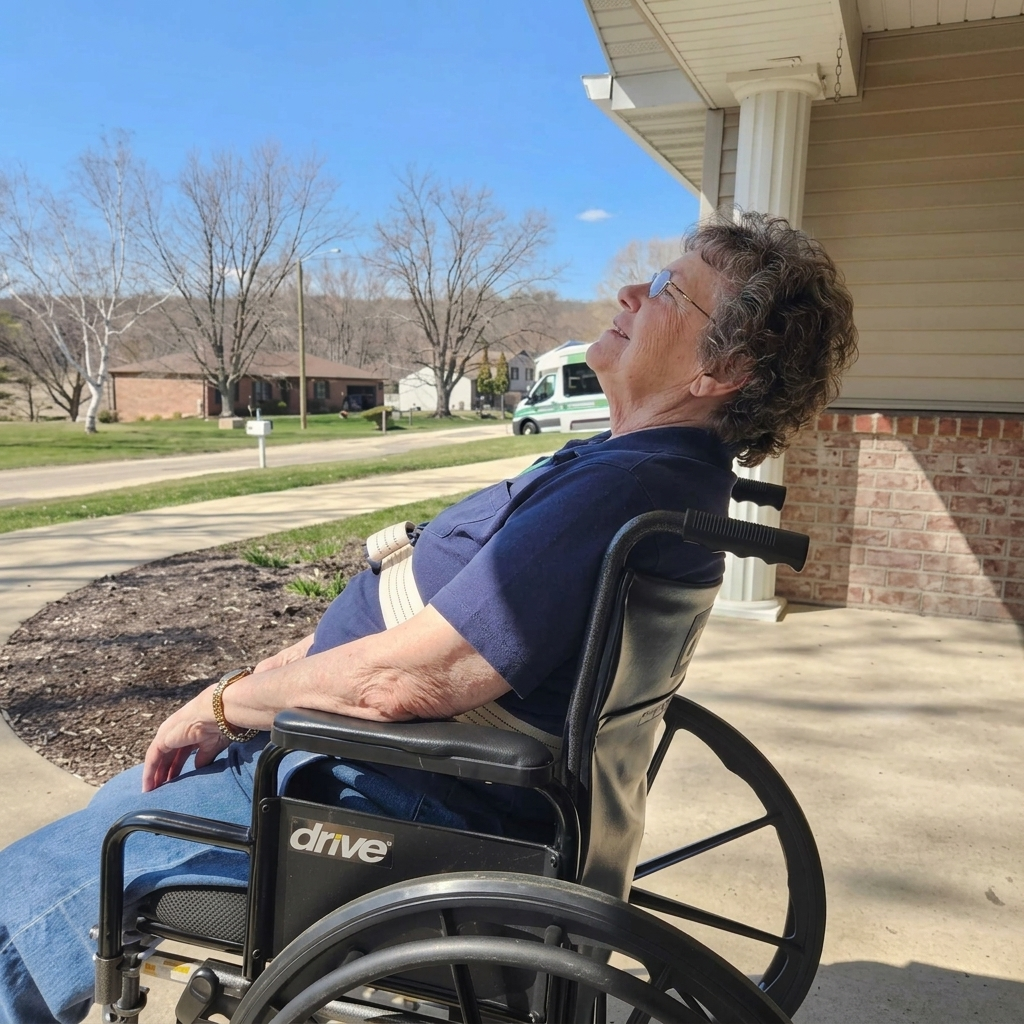
My Mom Lost Her Mind But I'll Save Us All, READ THIS ☝️
You might be in the early stage of dementia, and your doctor can't see it
LEARN MORELike this ad? Make it yours.
Crush rebuilds this exact creative around your product — your brand, your colors, your offer — in about a minute.