The Cholesterol Circle.
The Cholesterol Circle. Facebook ad: “Fix Yourself at the Cellular Level”
Ran for 85 days, from May 26 to August 19, 2026, the last day Crush saw it.
Run by The Cholesterol Circle. on Facebook. Crush is not the advertiser and does not verify its claims. See this ad in Meta's Ad Library(opens in a new tab)
Want an ad like this for your product?
Crush makes new ad images for your product from this ad: your logo, your product photo, your offer.
Trials from $19.95 USD, then $79.95 USD a month. Cancel anytime.
About this ad
- Meta Ad Library ID
- 1303067635297182
- Platforms
- Facebook, Instagram, Audience Network, WhatsApp and Threads
- Relaunches
- 2
- EU reach
- 55,504
- Niche
- Food & Beverage
Ad text
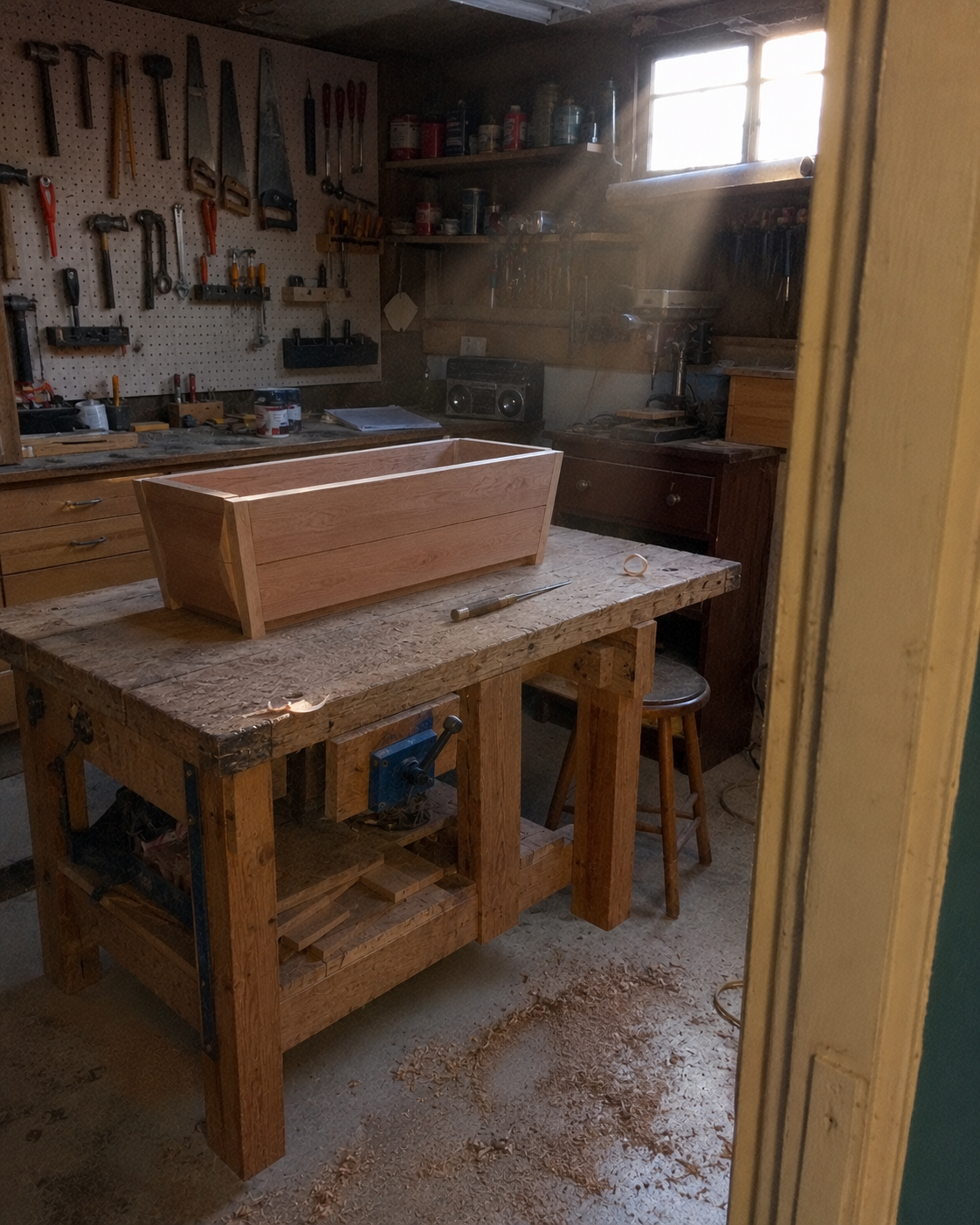
The Woman Who Sat Down at Our Table on a Tuesday Morning at the Coffee Shop Was a Stranger. By the End of the Conversation She Was the Reason My Husband Started Feeling Like Himself Again. It was a Tuesday morning in March and my husband and I were having coffee at the little place near our house. The one we've been going to every Tuesday morning for about nine years. The owner knows our names. The woman who runs the espresso machine knows our orders. The dog who lives behind the counter knows my husband by his shoes. We were sitting at our usual table by the window when a woman about my age came in carrying a paperback book and a leather satchel and looked around for an open seat. The place was busy. There weren't any. She stood by the door for a second. I looked at my husband. He looked at me. He stood up halfway out of his chair and said: "We've got two open seats at our table if you don't mind sharing." She smiled with what I can only describe as relief. She walked over, set her satchel down, and sat in the chair across from us with her paperback in front of her like a polite signal that she wasn't expecting us to entertain her. She said: "Thank you. I'm so sorry. I'll just be a few minutes." My husband said: "Take as long as you need. The dog is the only one who minds and the dog has opinions about everyone." She laughed. That was the first thing. The laugh was full. Open. The laugh of a woman who was about my age and who had not been quietly running below herself for the last four years. I noticed it because I had not laughed like that in I didn't know how long. Her name was Eleanor. She was 63. She lived two towns over and had driven into our town for a doctor's appointment and was killing time before lunch with her sister. She'd brought a book because she always brought a book. The book was about birds. She'd been a birder since she was a girl. She was reading about migration patterns on the Atlantic flyway because she had a trip planned to Cape May in May. She wasn't trying to impress us with any of this. She was just answering the small polite questions you ask a stranger at your table on a Tuesday morning while you wait for your coffee to cool. But the way she answered them. She remembered the names of the warblers she'd seen last spring. She remembered the year her sister had moved to our town. She remembered the title of the book she'd read just before the bird book and she remembered, with a small laugh, that she hadn't liked it but had finished it anyway because she's the kind of woman who finishes books. She remembered everything. Not in a showy way. In the way a person remembers when remembering is still easy. I sat at our table next to my husband and I sipped my coffee and I watched her remember. My husband is 64. His name is David. We have been married 39 years. By any measurable standard, David is a healthy man. His bloodwork is excellent. His blood pressure is the blood pressure of a 45-year-old. His cholesterol is fine. His blood sugar is fine. His weight is fine. He sleeps eight hours a night. He walks two miles every morning with our dog. He eats the food I cook, which is the food a registered dietitian friend of mine has been gently coaching me on for years. He doesn't smoke. He drinks one beer on Friday nights and a glass of wine with dinner on Sundays and that's the extent of it. He is, by every chart, doing everything right. And for the last four years he has been quietly fading. Not in a way I could put my finger on. Not in a way his doctor could put a finger on. We have been to two physicals in the last four years where the doctor has clapped him on the shoulder and said: "David, you're the healthiest 64-year-old I see in this office. Whatever you're doing, keep doing it." And David has nodded and smiled and said thank you and gotten in the car and held the steering wheel for a minute before turning the key. And on the way home he'll say: "Linda. Why don't I feel like the healthiest 64-year-old he sees in this office." And I won't have an answer. What does the fading look like. It looks like the slow disappearance of the small things he used to do without thinking. He used to make me laugh at breakfast. Not a polite laugh. A real laugh. The kind where you have to put your toast down because you're going to drop it. He had a way of reading the newspaper out loud in the voices of the politicians being quoted and the voices were dead-on and I'd laugh into my coffee every Tuesday for thirty years. He doesn't do that anymore. He still reads the newspaper. He still comments on it. But the voices are gone. The performance is gone. The little spark of mischief that he used to bring to the breakfast table at 7:15 in the morning is gone. He used to whistle when he was working in his shop in the garage. He has a small woodworking shop. Has had it for twenty years. He builds small things. Birdhouses, jewelry boxes, the kind of furniture you make for your grandchildren. He used to whistle the whole time he was out there. I'd be in the kitchen with the window open in the summer and I'd hear him whistling from across the lawn. He still goes out to the shop on weekends. He still works on small things. He doesn't whistle. He used to call me from work at 3 in the afternoon for no reason. Just to say hi. Just because he'd thought of something funny. Just because he wanted to hear my voice in the middle of his day. He doesn't call anymore. He still works. He's an actuary at an insurance company. He'll retire in three years. He still goes in three days a week and does the work he's been doing for thirty-six years. But the 3 PM call is gone. He used to flirt with me. Not in a big way. Small ways. A hand on the small of my back when he walked past me in the kitchen. A whistle when I came out of the bathroom in a new sweater. A look across the dinner table that said something the other people at the table couldn't see. The looks have gotten softer. The hand on the small of my back is still there but the squeeze that used to come with it has gone. The whistles when I come out in a new sweater are kind. They are not the whistles they used to be. He is not in pain. He is not sick. He is not depressed in any way I would name. I asked him once if he was depressed. He thought about it for a long time and said: "Linda. I don't think so. I just feel like the volume on me has been turned down." That was the phrase he used. The volume on me has been turned down. He said it on a Saturday in February two years ago at the kitchen sink while he was drying a coffee mug. He said it like he was describing the weather. Then he kissed the top of my head and walked out of the kitchen. He didn't say it again. I have thought about that sentence a thousand times. The volume on me has been turned down. What do you do with that. You can't take a sentence like that to a doctor. The doctor will say David's bloodwork is excellent and look at you with a kind face and tell you that some of this is just where the body is at 64. He'll be right. Some of this is just where the body is at 64. But David has been doing everything right. David has been doing what 64 is supposed to look like when 64 is doing everything right. And the volume on him has still been turned down. Eleanor was telling us about the warblers when David asked her how she stayed so sharp. He asked her gently. The way he asks things. He said: "Eleanor. I don't mean this as a strange question. I'm asking because you've been telling us about warblers and migration routes and the book you read before this book, and you have remembered everything. My wife and I have been sitting here marveling. We are about your age. What's your secret?" She laughed. She said: "Oh, I don't have a secret. I have a sister." We waited. She said: "My older sister is 68. She's the family scientist. She was a biochemist for thirty-five years before she retired. She's the kind of woman who reads journal articles at the breakfast table and underlines them. She's been retired for three years and she's bored, so she reads more journal articles now than she did when she was working." "About four years ago she started telling me about cellular wellness." "Not in a wellness-influencer way. In a scientist way. She was reading the research on antioxidant balance, on cellular energy, on what happens at the cellular layer as the body gets older. She said the bloodwork doctors run is great for what it measures, but it doesn't measure the cellular layer at all. The cellular layer is the layer where you actually live." "She said that to me about four years ago. The cellular layer is the layer where you actually live." "I'd been doing everything right for about ten years by then. I sleep eight hours. I walk every morning. I eat the way you're supposed to eat. I see my doctor. My bloodwork has been excellent for two decades. And I had been quietly going off-tune for about four years and I couldn't tell anyone because I didn't have a word for it." She looked at David. She said: "Forgive me. I don't know why I'm telling you this. You asked a polite question and I'm answering it like you signed up for a conversation." David said: "Please. Keep going." I held my coffee cup with both hands because I could feel them starting to shake. She said: "My sister gave me the word. She said, 'Eleanor, the doctor is watching the chart. The chart is one snapshot of one layer. The layer you live in is underneath the chart. You can be perfect on the chart and quietly off-tune in the layer you live in. The chart isn't lying. The chart just isn't looking at the part of you that's gone quiet.'" "That was the conversation. Sitting on her back porch in Maine. She had a glass of iced tea in her hand and she said it like she was explaining the weather." "And I sat there and I started crying because I had been off-tune for four years and nobody had given me a word for what I was feeling." David and I were both looking at her now. She didn't seem to notice. She said: "She'd been looking at the research on molecular hydrogen. It had come up in three or four of the journal articles she'd been reading. She'd been taking it herself for about a year and she said her own off-tune had gotten quieter. She wasn't selling me on anything. She was just telling me what she'd learned and what she'd been doing with what she'd learned." "I asked her to send me what she had." "She sent me a stack of printouts. I read them over a weekend. I'm not a scientist. My sister is the scientist in our family. I'm an English teacher. Was an English teacher. But I read enough to know it wasn't fringe. There's been research on molecular hydrogen for over twenty years. Real journals. Studies on cellular wellness, antioxidant balance, healthy cellular energy. The structure-function research is robust." "It's a small molecule. The smallest, my sister said. Two hydrogen atoms bonded together. The whole reason it's interesting is the smallness. It supports the body's natural antioxidant balance at the cellular layer. That's the structure-function claim. It's not a medicine. It's not a treatment for anything. It's a supplement." "My sister had been taking it as a rapid-dissolve tablet. Dropped into a glass of cool water. Drunk fresh, right away." "She told me the why on the protocol. Hydrogen is so small it escapes the moment it's exposed to heat or left sitting. The brand she was using had chosen to deliver it as a tablet you dissolve fresh in cool water and drink immediately. Tablet, cool water, fresh, right away. That was the whole protocol." "Third-party tested for purity. Added to whatever else she was already doing. Not replacing any of it." She looked at us. She said: "I'm so sorry. I don't know how I got here. You asked a polite question." David said: "Eleanor. What's the name of the brand." She said: "PrimeCell H2." She took her phone out and wrote it down on a notepad app and turned the phone toward David and David took a picture of the screen with his own phone. She looked from him to me. She said: "I'm not telling you to take it. I'm not a doctor. My sister is a scientist, not a doctor. I'm telling you what I did. I called my doctor's office before I started. I told the nurse what I wanted to add to my routine. I gave her the brand name. She called me back the next day and said the doctor said it was a sensible thing to add and to mention it at my next appointment." "That was three years ago." "I have been adding one tablet to a tall glass of cool water every morning for three years. Drunk fresh, right away. Added to everything else I'm already doing. Not replacing any of it. And the off-tune has gotten quieter." She said: "I don't know if it would do for either of you what it has done for me. Bodies are different. Some people notice something quickly. Others take longer. Some don't notice much at all. But you asked a polite question, and I have answered it the only way I know how." She closed her phone. She picked up her bird book. She said: "I'm going to go meet my sister for lunch now. I've been sitting at your table for forty-five minutes. Thank you for the chair." She stood up. She put her satchel on her shoulder. She walked out of the coffee shop. The bell over the door rang as she left. David and I sat at our table and looked at each other. We didn't say anything for a long time. Then David said: "Linda. Did that just happen." I said: "I think it just happened." He looked at his phone. At the picture he'd taken of Eleanor's notepad. He said: "Should we?" I said: "We should call your doctor's office first." He said: "Yes." We finished our coffee. We drove home. David called his doctor's office on Wednesday morning. He talked to the nurse. He gave her the brand name. He asked whether there was any reason he shouldn't add it to what he was already doing. The nurse talked to the doctor and called him back Thursday afternoon. The doctor said it was a sensible thing to add. No interactions to worry about. Mention it at the next physical. David ordered a bottle on Thursday night. The bottle came on Monday. Tuesday morning we were at the coffee shop again — at our usual table — and we both ordered our usual coffees, and back home David took out the bottle, dropped a tablet into a tall glass of cool water, watched it fizz, and drank it fresh, right away. He sat there for a minute. He said: "Doesn't taste like much." I said: "I don't think it's supposed to." He laughed. That was the first thing. I want to be careful about what I tell you next, because I don't want to overstate what I watched. David is one man. His body is his body. What happened for him might not happen for the man you love. It might happen slower. It might happen differently. It might not happen at all. Bodies are different. What I can tell you is what I watched. For the first six or seven days I didn't notice anything. David didn't say anything either. On Sunday morning of the second week — about nine days in — I was in the kitchen making pancakes and David was reading the newspaper at the kitchen table and he started reading a quote out loud in the voice of the politician being quoted. The voice was the voice. The voice I hadn't heard in four years. I stopped mid-pancake. I turned around. He kept reading. He finished the quote. Looked up at me. Saw my face. He said: "What." I said: "You did the voice." He looked confused for a second. Then he looked at the newspaper. Then he looked back at me. He said: "I did the voice." We both started laughing. We laughed for a long time. Longer than the voice was funny. The kind of laughing you do when you're laughing about a thing that isn't really the thing. I burned the pancakes. A few days after that, on a Saturday afternoon, I was in the kitchen and I heard a sound from the garage I hadn't heard in four years. David was whistling. He was building a small cedar planter for our daughter for her birthday. He was working on the joints with a small chisel. And he was whistling some song from the 1970s I didn't recognize. I stood at the kitchen window for a long time and listened. I didn't go out there. I didn't say anything when he came in. I just watched him from the window and let him whistle. About three weeks in, on a Wednesday afternoon at 3:15 PM, my phone rang. It was David. I answered. He said: "Linda. I just thought of something funny that the new intern said at the meeting today and I wanted to tell you about it before I forgot." I sat down on the couch because my legs were going. I said: "Tell me." He told me. It was a small story. Two minutes, maybe. The intern had said something deadpan at a meeting about quarterly projections and David thought it was the funniest thing he'd heard in a year. When he finished telling me he said: "Anyway. I love you. I'll be home around 5:30." He hung up. I sat on the couch with my phone in my hand and I cried for a long time. Quietly. The way a woman cries when her husband calls her at 3 in the afternoon for the first time in four years to tell her something funny. About six weeks in, David and I were at dinner at our daughter's house. Our daughter is 34. She has two small children and a husband who travels for work and a busy life that doesn't have a lot of room in it for paying close attention to her parents. We were at the table eating chicken and roasted vegetables. The kids were eating and not eating in the way kids do. Our daughter was telling a story about something that had happened at her toddler's daycare that week. David tracked the whole story. He laughed at the right moments. He asked a follow-up question at the end of it about the daycare teacher's name, which he then remembered for the rest of the dinner and used twice more. After dinner our daughter came into the kitchen where I was rinsing plates. She said: "Mom. Dad seems really good tonight." I said: "He is." She said: "I mean really good. He told that story about the intern at his office and I haven't seen him tell a story like that in a long time. Are you guys okay? Did something happen?" I told her about Eleanor. About the coffee shop. About the call to her father's doctor. About the cool water and the tablet and the second week. She listened the whole way through. She didn't say anything for a while. Then she said: "Mom. Can you write the name down for me. I want to ask my doctor about it. I've been doing everything right for ten years and I have been off-tune for the last three. I have just been telling myself it was the kids." I wrote the name down on the back of a grocery receipt. I told her to call her doctor's office first. She said she would. She did. She started a few weeks later. About two months in, David had his annual physical. He'd had it scheduled before any of this started. The doctor walked into the exam room. Looked at the chart. Looked at David. He said: "David. Your bloodwork is still excellent. Same as always. But you came in here today and joked with my receptionist on the way back and you remembered her dog's name from last year. I haven't seen that David in three or four years. What's going on with you." David told him. About Eleanor. About PrimeCell. About the call to the nurse. About two months of one tablet in cool water in the morning, added to everything else he was already doing. The doctor listened the whole way through. When David finished he said: "David. I'm glad you called the office before starting. That's the right way to do it. There's interesting research on molecular hydrogen and antioxidant support. I'm not going to start recommending it as a first-line approach but I'm not going to tell you to stop. Whatever you're doing is part of a sensible routine. Keep doing it. Talk to me before adding anything else on top of it. I'll see you next year." David thanked him. We walked out to the parking lot. David held the car door for me. He said: "Linda." "Yeah." He said: "I want to go back to the coffee shop. I want to be there on a Tuesday morning when Eleanor might come in for a doctor's appointment again. I want to say thank you." I said: "Okay." We went to the coffee shop every Tuesday morning for three months. We didn't see her. On the fourth month, on a Tuesday in July, the bell over the door rang and Eleanor walked in carrying a different paperback book and the same leather satchel. She saw us and her face broke into a smile. David stood up. She walked over. He hugged her. She hugged him back. She didn't say anything because she didn't know yet why she was being hugged. David said: "Eleanor. I called my doctor's office the day after we met you. I have been drinking a tablet in cool water every morning for almost four months. I told a joke at dinner last Sunday and my granddaughter laughed at it. I called my wife at 3 in the afternoon yesterday to tell her something funny one of my coworkers said. I whistled in the garage on Saturday. The volume on me has been coming back up." Eleanor sat down at our table. She put her satchel on the floor. She looked at David. Then at me. Then back at David. She said: "David. You have made my year." We all sat there at the table for a long time without saying very much. The owner of the coffee shop brought Eleanor a cappuccino on the house because he had been watching us through the espresso machine and apparently he had figured out from a distance that something good was happening at table by the window. I'm telling you this because I think there's a chance you're where I was on that Tuesday morning in March. You've been watching the man you love quietly run below himself for years. He isn't sick. He isn't in pain. His bloodwork is fine. His doctor pats him on the shoulder and tells him he's the healthiest 64-year-old in the office. But the volume on him has been turned down. The small things he used to do without thinking — the breakfast voice, the whistle, the 3 PM call, the hand on the small of your back with the squeeze that meant something — those things are gone. Or quieter. Or softer. Or kinder than they used to be in a way that breaks your heart because the original wasn't kind, it was alive. You can't take any of that to a doctor. The doctor will say his bloodwork is excellent and look at you with a kind face and tell you that some of this is just where the body is at his age. He'll be right. But your husband has been doing everything right. He has been doing what his age is supposed to look like when his age is doing everything right. And the volume on him has still been turned down. I'm not a doctor. Eleanor isn't a doctor. Eleanor's sister is a scientist, but she's not a doctor. PrimeCell H2 isn't a treatment for anything. It isn't a cure. It isn't a medicine. It isn't a stimulant. It is a rapid-dissolve tablet you drop into a glass of cool water and drink fresh, right away. It supports the body's natural antioxidant balance. It supports healthy cellular energy. It supports cellular wellness. That's the whole thing. It's added to whatever else he's already doing. Not replacing any of it. Whether his body responds the way Eleanor's body did, or the way David's body has been responding, neither I nor Eleanor nor anyone else can promise you. Bodies are different. Some people notice something in the first weeks. Others take longer. Some don't notice much at all. What I can tell you is what I watched. I watched a man who had been reading the newspaper quietly for four years pick up the voice of a politician at the breakfast table on a Sunday morning. I watched him whistle in the garage on a Saturday afternoon. I watched him call me at 3 in the afternoon to tell me about an intern. I watched him track a four-minute story at our daughter's table and remember the daycare teacher's name. I watched his doctor say "I haven't seen that David in three or four years." I watched Eleanor sit down at our table in July and say David had made her year. That's what I can tell you. The rest is your phone call to your husband's doctor. P.S. If you're the wife reading this and your husband has been quietly running below himself for years even though his bloodwork is fine and his doctor pats him on the shoulder, you're not imagining it. You're not being dramatic. You've been watching something real. Trust what your eyes have been seeing. The chart has been watching the test results. You've been watching the man. You're closer to the truth than the chart is. Eleanor was right about us at a coffee shop in March. I hope this paragraph is right about you wherever you're reading it. P.P.S. Our daughter has been on PrimeCell for a couple of months now. She called me last week to tell me she'd taken her toddler to the park on a Saturday morning and played with him for an hour and a half and gone home and made dinner without sitting on the couch first. She told me she'd forgotten that was something a 34-year-old mother could do. I cried into the phone. She cried into the phone. We hung up and I went out to the garage to find David and he was whistling. P.P.P.S. Here's what I'd tell you to do: call your husband's doctor or pharmacist first. That's the most important step. Tell them what you want to add, give them the brand name, and ask whether it's a sensible thing for him to add to what he's already doing. If they say yes, get a bottle. Drop a tablet into a tall glass of cool water in the morning. Watch it fizz. Have him drink it fresh, right away — that's the whole point of the protocol. Don't change anything else he's doing. Just add this. Give it at least a month before you decide anything. Some people notice something in the first weeks. Others take longer. Bodies are different. Be patient with his. P.P.P.P.S. PrimeCell H2 has a 90-day money-back guarantee. If you're not satisfied for any reason, every penny back. No questions asked. That's a sensible policy for a supplement — it gives you time to actually see how his body responds. I'd take the full 90 days before deciding anything. P.P.P.P.P.S. PrimeCell is a small company. They've sold out before. I keep an extra bottle in the house because I don't like to think about running out. If you decide to try it, get a couple of bottles so you don't have to think about it again for a while. The thinking is the hardest part of any of this. Once you're past the thinking, it's just a tablet in a glass of cool water in the morning. https://track.getamalahealth.com/5548c06d-d9c3-4785-b466-fec64a6fdb28 Individual experiences vary. These statements have not been evaluated by the FDA. This product is not intended to diagnose, treat, cure, or prevent any disease.
Where the ad sends people
shop.getamalahealth.com
Fix Yourself at the Cellular Level
PrimeCell H2 is a next-generation molecular hydrogen tablet formulated to support your body's natural antioxidant defenses — helping you feel sharper, more energized, and more like yourself.
Learn more: track.getamalahealth.com(opens in a new tab)