
Inactive· since Feb 20, 2026
- 9
- days it ran
- 5
- relaunches
Ad copy
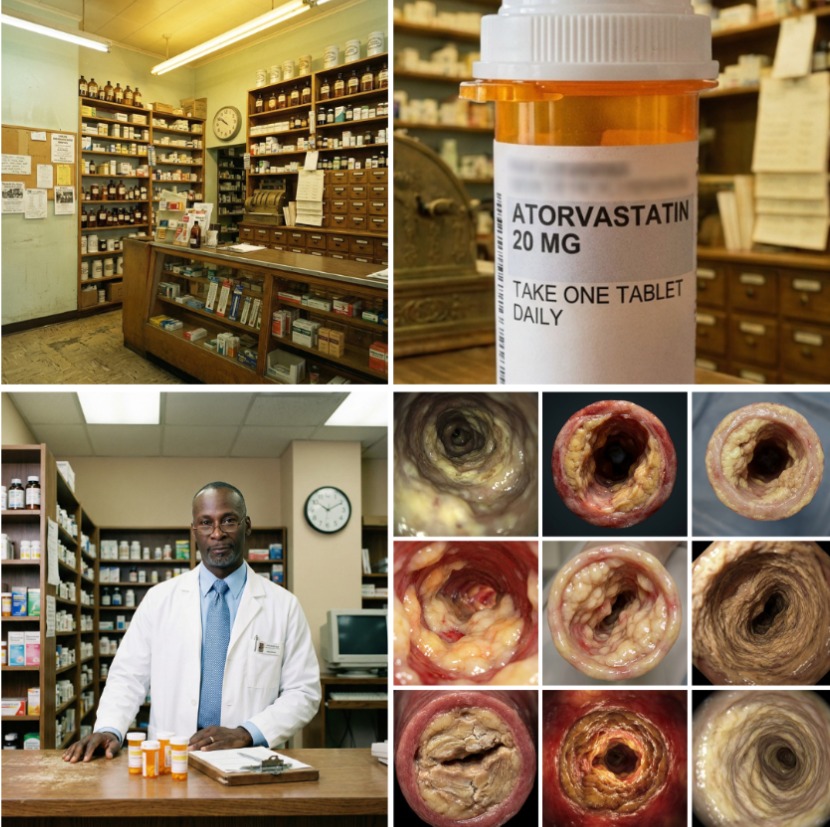
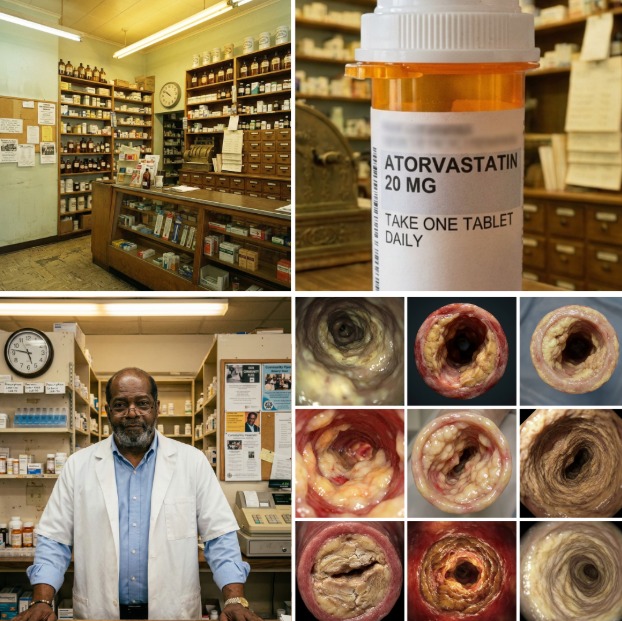
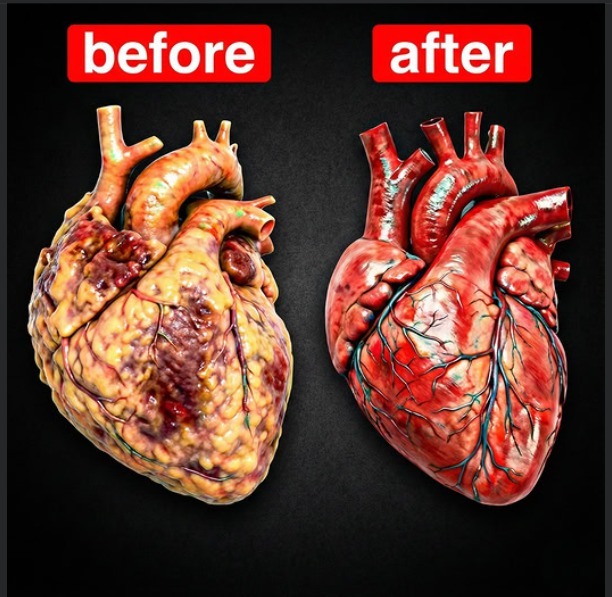
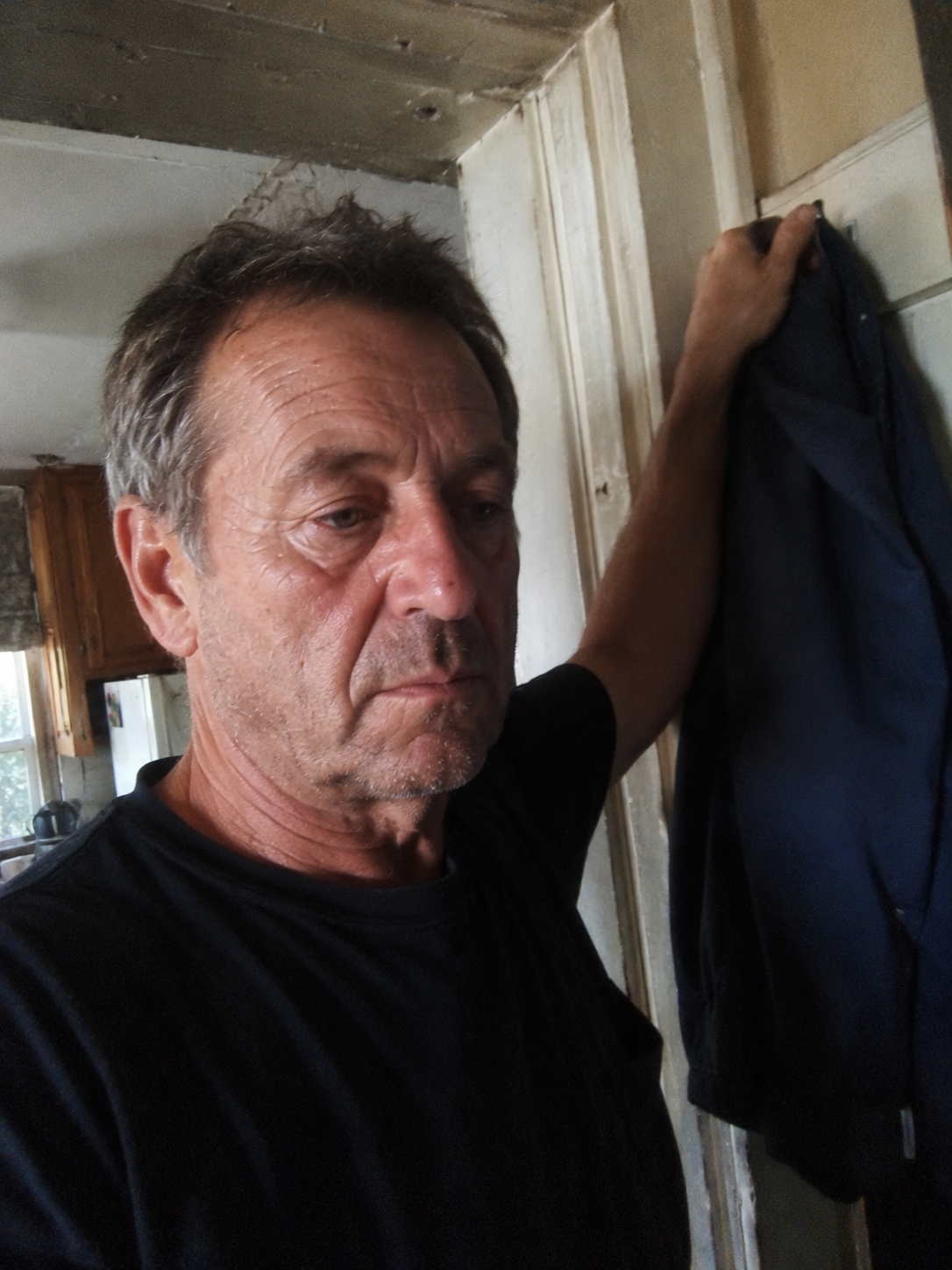
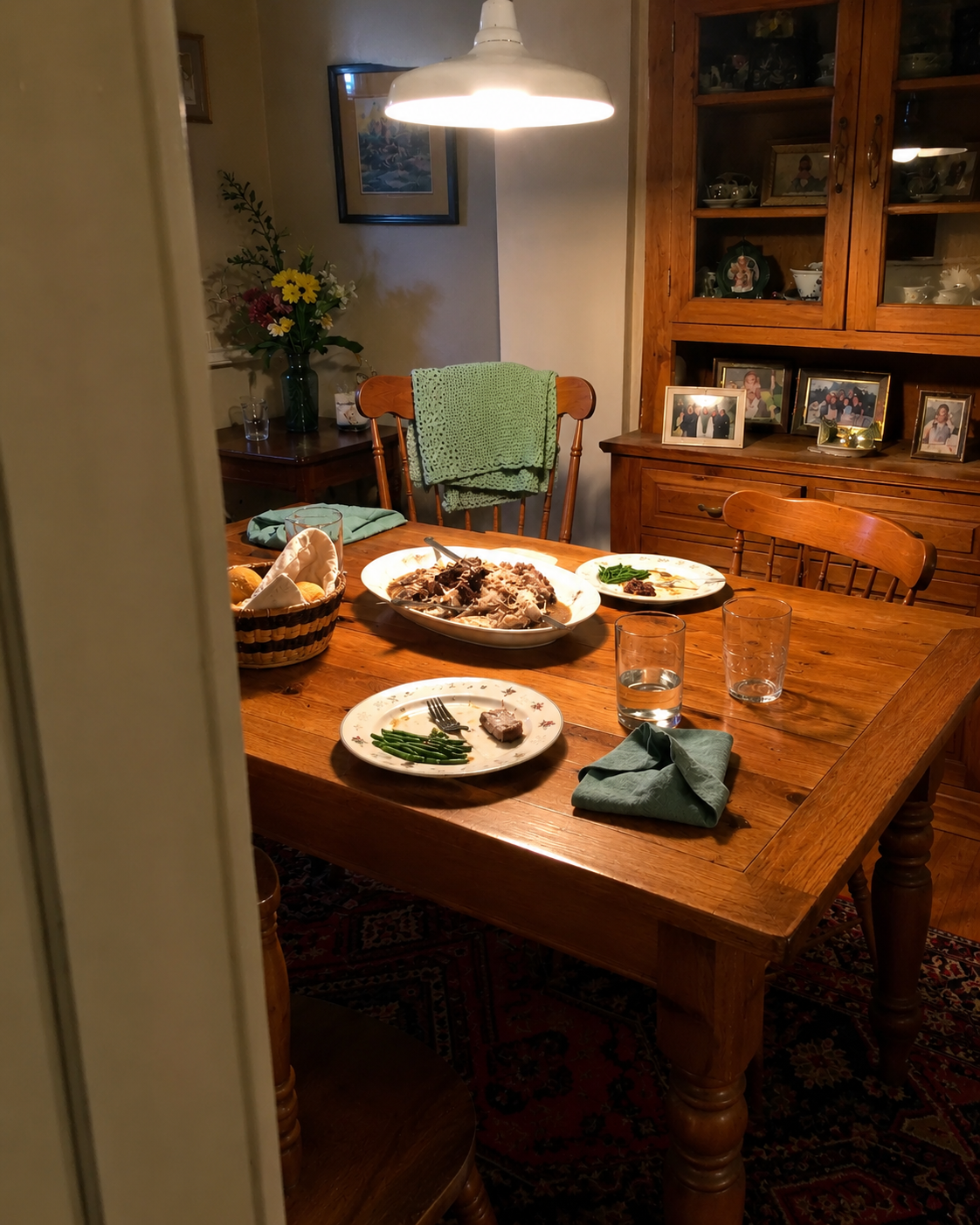
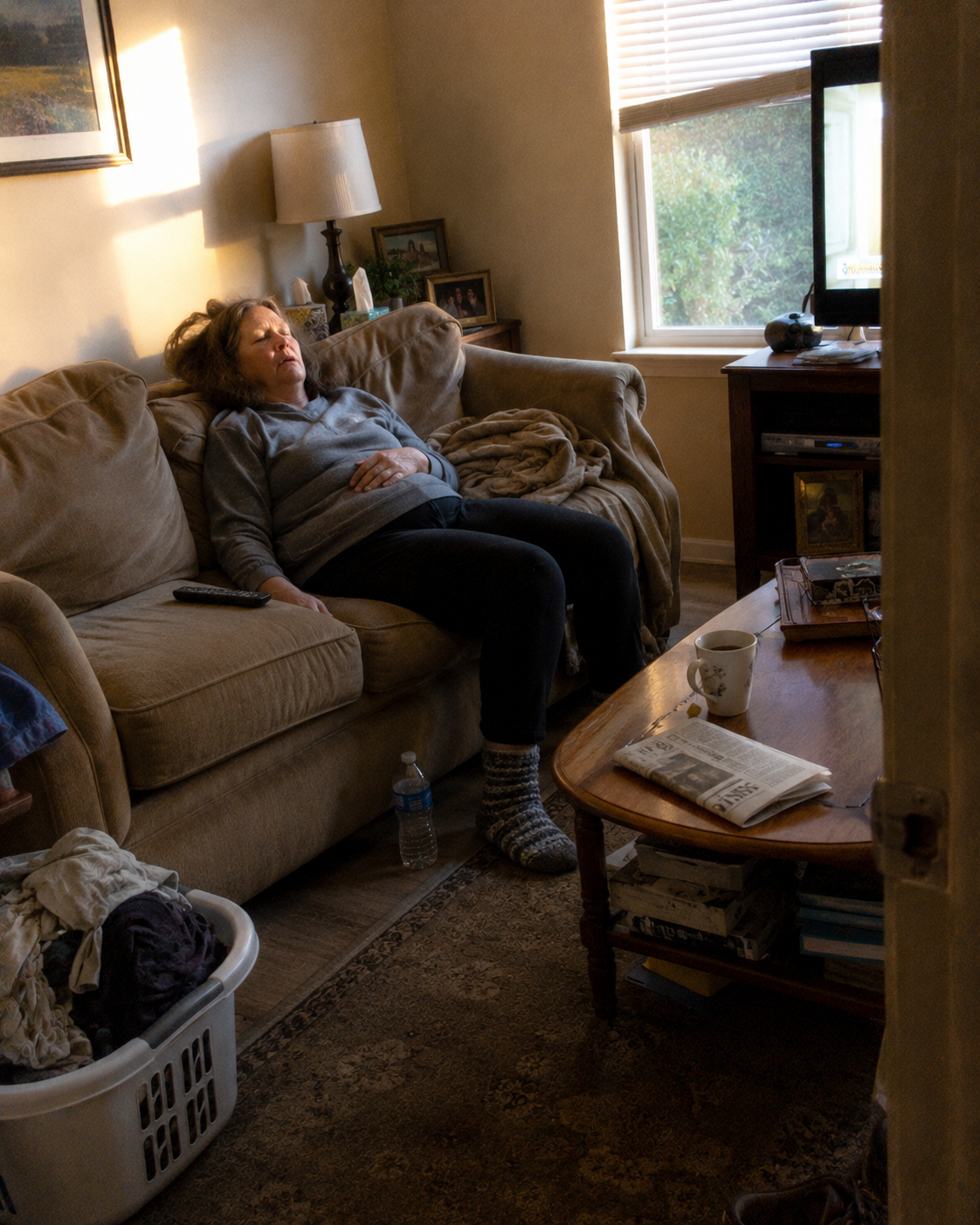
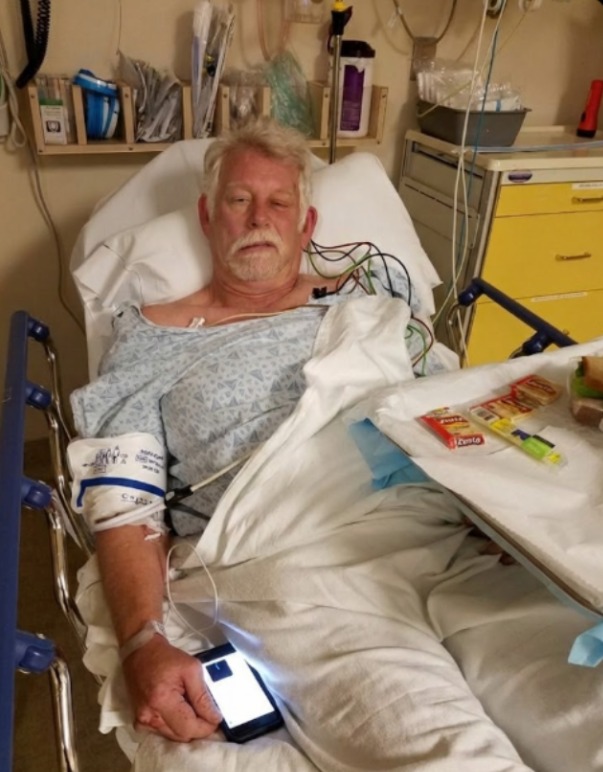
My husband took Rosuvastatin for 14 years. His numbers were perfect the entire time. LDL of 94. His doctor was thrilled. Then he had a massive stroke in our kitchen. Plaque rupture. The medication didn't prevent a thing. Now he can't button his own shirt. Can't drive. Struggles to say the word "water" without fighting for it. When MY doctor tried to put me on the same medication, I said no. And what I found instead — in a buried university cardiology lecture with 847 views on YouTube — brought my LDL from 174 to 128 and my oxidized LDL to 31. Without a single pill. But to understand why I was willing to spend four days reading clinical studies and watching obscure medical lectures at 1 AM, you have to know what I watched that medication fail to do for my husband. Richard was on Rosuvastatin — rosuvastatin, 20 milligrams — for FOURTEEN YEARS. His cardiologist called it essential. Said his numbers were excellent. Said the medication was protecting him. Within a few years, the fog started. Not the normal forgetfulness you laugh off. I'm talking about a man who restored antique radios as a hobby — traced circuit diagrams in his head, identified blown components by sight, soldered connections with steady hands — slowly losing the ability to concentrate long enough to follow a schematic. His sharpness? Gone. Used to do the Sunday crossword before church. By year six, he'd start it and put it down. Said the clues wouldn't stick in his head. Then the muscle pain crept in. His legs ached after walking to the mailbox. His hands — those precise, careful hands that rewired seventy-year-old radio circuits — started cramping so bad he couldn't grip a screwdriver. He stopped going to the garage. Said it wasn't fun anymore. It wasn't that it wasn't fun. He couldn't do it. The exhaustion settled in like weather. Gradually. So slowly we both mistook it for aging. He'd sleep nine hours and wake up tired. Stopped suggesting weekend drives. Stopped wanting to go out to dinner. Just... contracted. His world got smaller every year. And you know what his doctor said at every checkup? "Your numbers look great, Richard." "LDL of 94. Excellent." "Whatever you're doing, keep it up." Keep it up. Year after year. The muscle pain. The brain fog. The exhaustion. The man I married slowly dimming like a bulb on a bad circuit. And every six months his doctor would smile at a number on a screen and tell him he was doing great. Nobody questioned the medication. Nobody ordered a different test. Nobody asked why a man who used to build things with his hands couldn't grip a screwdriver anymore. They were happy with the number. The number was all that mattered. Then came the morning his coffee mug shattered on the kitchen tile. I heard it from the bedroom. By the time I got to the kitchen, he was on the floor. The left side of his face was completely slack. Mouth drooping open. Left eye half-closed. His right hand gripping the counter leg. His left arm curled against his chest. "Rich? Rich, look at me." His right eye found mine. Terrified. His mouth moved. No words came out. I called 911 with hands shaking so bad I dropped the phone twice. Eleven minutes. I counted every one of them on the kitchen clock while I held his head in my lap and told him he was going to be okay. At the hospital, they confirmed it. Ischemic stroke. Blood clot from a ruptured plaque in his carotid artery. The neurologist pulled me into the hallway. "Mrs. Brennan, your husband's stroke was caused by arterial plaque rupture. A section of plaque in his carotid artery broke loose, traveled to his brain, and blocked blood flow." Then she said something that made the floor shift under my feet. "His cholesterol has been well-managed for years. His most recent lipid panel was excellent. LDL of 94." She paused. "His statin therapy was working exactly as intended." I stared at her. "Then how did this happen?" She was quiet for a moment too long. "Plaque can build up and rupture even when LDL numbers are in range. It's... not fully understood." Not fully understood. Fourteen years of medication. Perfect numbers every single time. A man who couldn't grip a screwdriver because of the side effects. And the plaque that caused the stroke? Built up anyway. While everyone watched the wrong number and called it protection. --- The first three months after the stroke were the hardest thing I've ever lived through. Richard came home after twelve days in the hospital. But the man who came home wasn't the man I'd been married to for thirty-eight years. His left arm barely worked. His left leg dragged. He could walk with a cane, but slowly. Carefully. Like a man crossing a frozen pond, testing every step. The speech was the worst part. Richard was a talker. A storyteller. The man who could hold a dinner table captive for twenty minutes with a story about something that happened at the hardware store. Quick wit. Perfect timing. After the stroke, words got stuck. He'd reach for a noun and it wouldn't be there. His mouth would hang open — you could see him searching — and then he'd close it. Shake his head. Look at the table. Three weeks after he came home, we were eating dinner. He pointed at his water glass. "Can you hand me the..." He paused. His jaw worked. "The... the..." His eyes filled with tears. "Water?" I said. He nodded. Wouldn't look at me. I handed him the glass. Went to the kitchen. Gripped the edge of the sink until my knuckles turned white. I didn't cry in front of him. Not once. I cried in the shower. In the car. In the cereal aisle at the grocery store when a song came on that we used to dance to in the kitchen. I became his caregiver. Full time. I buttoned his shirts because his left hand couldn't grip the buttons. I drove him everywhere because the neurologist said no driving for at least a year — maybe ever. I sat next to him at speech therapy twice a week and watched him struggle to say words our grandchildren could say. And every night, I'd see that bottle of Rosuvastatin on the bathroom counter. Still there. The neurologist kept him on it. Higher dose now. 40 milligrams. I wanted to throw it in the garbage. --- Five months after Richard's stroke, I went to my own doctor for a routine physical. I hadn't been taking care of myself. Hadn't been sleeping. Eating whatever was fast. Running on coffee and adrenaline and the stubborn refusal to fall apart. The nurse drew blood. Routine lipid panel. A week later, my doctor called. "Carol, I need to see you about your results." I sat in the exam room. Paper crinkling under me. Dr. Patel opened his laptop. "Your LDL is 174. Total cholesterol is 247. Your numbers have climbed significantly since your last panel." I felt my stomach drop. "Given your family history and Richard's recent event, I want to start you on rosuvastatin. Low dose. 10 milligrams." Rosuvastatin. Rosuvastatin. The same medication that sat on Richard's bathroom counter for fourteen years while plaque built up in his arteries and no one noticed. "No." Dr. Patel looked up from his screen. "Carol, with your numbers and Richard's history—" "That medication didn't protect my husband. He took it for fourteen years. His numbers were perfect every single time. LDL of 94. And he still had a stroke. He still has plaque in his arteries. He still can't say the word 'water' without fighting for it." My voice cracked but I kept going. "So don't tell me rosuvastatin is going to protect me. I watched what 'protection' looks like. I'm buttoning my husband's shirts every morning because of it." Dr. Patel was quiet. "I understand this is emotional—" "It's not emotional. It's factual. The medication was supposed to prevent exactly what happened. It didn't. So either the medication doesn't do what you say it does, or you're measuring the wrong thing. Either way, I'm not taking it." He sighed. Made notes in my chart. "I'd like to see you back in three months. If the numbers haven't improved, we need to have this conversation again." I agreed to three months. Not to the medication. --- I drove home and sat in the driveway for twenty minutes. LDL 174. Richard's stroke. The same medication. I was terrified. Not just of my cholesterol. Of something worse. If something happened to me — if I had a stroke, a heart attack, anything — there was no one to take care of Richard. Our daughter lived in Portland. Our son was in the military overseas. I was it. The only person standing between my husband and a nursing home. I couldn't afford to get sick. And I couldn't trust the medication that was supposed to prevent it. I had to find another way. Not eventually. Now. That night, after Richard fell asleep, I sat in the living room with my laptop. I typed: "cholesterol medication didn't prevent stroke" The results were clinical. Vague. "Statins reduce risk but don't eliminate it." "Residual cardiovascular risk remains even with optimal LDL levels." Residual risk. That's what they called it. Like it was a footnote. A small asterisk on an otherwise successful treatment. Richard's face on the kitchen floor wasn't a footnote. I searched again: "why do people on statins still have heart attacks and strokes" More of the same. Risk factors. Genetics. Inflammation. Lifestyle. None of it explained why a man with an LDL of 94 — ninety-four — had a stroke caused by arterial plaque. If his cholesterol was that low, where did the plaque come from? I kept searching. It was past midnight. My eyes ached. But I couldn't stop. That's when YouTube's algorithm did something useful for once. Buried in the sidebar, between a clip about Mediterranean diets and a news segment about statin recalls, was a video with 847 views. A lecture. Posted by a university medical channel. The title: "Oxidized LDL: The Cardiovascular Risk Factor Your Doctor Isn't Testing For." The speaker was Dr. Michael Reeves. Cardiologist. University of Colorado Anschutz Medical Campus. Thirty-one years in practice. Research focus on oxidative stress and cardiovascular disease. He was standing at a podium. Slides behind him. Audience of maybe forty people. The kind of lecture that gets recorded and uploaded and never promoted. I almost didn't click. 847 views. It looked like nothing. But that title. "The risk factor your doctor isn't testing for." I clicked. And for the next forty-three minutes, everything I thought I understood about cholesterol — everything Richard's doctors had told us for fourteen years — collapsed. --- Dr. Reeves started with a question. "How many of you have had a patient with optimally controlled LDL who still experienced a major cardiovascular event?" Every hand in the room went up. "That's the question we should be asking. Not 'how do we get the number lower?' But 'why do people with excellent numbers still have heart attacks and strokes?'" He clicked to his first slide. A diagram of an LDL particle. "LDL cholesterol is not inherently dangerous. I need you to hear that. Your body manufactures it on purpose. It transports essential lipids to your cells. Your brain is approximately 25% cholesterol by dry weight. Your hormones depend on it. LDL is not the enemy." He paused. "Oxidized LDL is the enemy." He clicked again. The same LDL particle, but now surrounded by small, aggressive-looking molecules. "When LDL gets attacked by hydroxyl radicals — the most destructive free radicals in your body — its structure changes. It oxidizes. And oxidized LDL behaves completely differently than normal LDL." Another click. An animation showing oxidized LDL particles burrowing into an artery wall. "Your immune system doesn't recognize oxidized LDL as your own cholesterol anymore. It tags it as a foreign invader. Sends white blood cells to destroy it. Those white blood cells gorge themselves on the oxidized particles until they become what we call foam cells — bloated, stuck inside the arterial wall. That is the beginning of plaque." I paused the video. My hands were trembling. Plaque. The thing that ruptured in Richard's carotid artery and caused his stroke. I hit play. "Here is the critical point," Dr. Reeves continued. "Statins lower the AMOUNT of LDL in your bloodstream. They do this effectively. Your doctor tests your LDL, sees a low number, and tells you you're doing well." He let the silence hang. "But statins do not stop the OXIDATION process. The LDL that remains in your body — even at that lower amount — is still vulnerable to hydroxyl radical attack. It can still oxidize. It can still become sticky. It can still damage your arteries and form plaque." I pressed pause again. I thought about Richard. LDL of 94. "Perfect" numbers. Fourteen years. The medication had lowered the amount of cholesterol in his blood. But it hadn't stopped the oxidation. So the cholesterol he DID have — even at that low level — had been oxidizing the entire time. Turning sticky. Burrowing into his artery walls. Building up. Year after year. While his doctor smiled and said "your numbers look great." They were measuring the wrong thing. I hit play again. "Now," Dr. Reeves said, leaning forward. "The obvious question. If oxidation is the real driver of plaque formation, how do we stop it?" He clicked to a new slide. A molecular diagram. Two small circles bonded together. "This is molecular hydrogen. H2. The smallest molecule in existence." He traced the diagram with his laser pointer. "For over twenty years, researchers — primarily in Japan and Korea — have been studying H2's effects on oxidative stress. There are now over 2,000 peer-reviewed publications on molecular hydrogen. And what they've found is remarkable." "H2 is a selective antioxidant. Most antioxidants — Vitamin C, Vitamin E, the ones in your supplements — are non-selective. They neutralize ALL free radicals, including beneficial ones your immune system needs for signaling and defense." "Molecular hydrogen is different. It specifically targets hydroxyl radicals — the most destructive free radical species. The ones directly responsible for oxidizing LDL cholesterol. H2 neutralizes hydroxyl radicals and converts them into water. Harmless water. While leaving beneficial free radicals completely untouched." He showed a comparison chart. "Because H2 is the smallest molecule that exists, it penetrates everywhere. Every cell. Every tissue. It crosses the blood-brain barrier. It enters mitochondria. It reaches places no other antioxidant can reach — including the interior of arterial walls where oxidation is actively occurring." I was sitting forward now. The laptop screen the only light in the room. "A 24-week randomized controlled trial showed participants taking molecular hydrogen experienced an 18.5 milligram per deciliter reduction in total cholesterol and up to an 18.2% reduction in LDL. But more importantly — and this is the key — their oxidized LDL levels dropped significantly. The cholesterol they had was being PROTECTED from oxidation." He let that sit. "This is not about lowering the number. This is about protecting the cholesterol your body needs from becoming the cholesterol that kills you." I paused the video one more time. Fourteen years of Rosuvastatin. Fourteen years of lowering the number. And no one — not one doctor, not one blood test, not one annual physical — had ever tested Richard's oxidized LDL. Had ever checked whether the cholesterol he DID have was being attacked. Was turning into the very plaque that would rupture and send a blood clot into his brain. They watched the wrong number. For fourteen years. While the real damage happened where no one was looking. --- I watched Dr. Reeves' lecture three more times that night. Then I went looking for everything I could find on molecular hydrogen. Published studies. Clinical trials. Mechanism papers. The research was overwhelming. And it was legitimate. Not wellness blogs. Not influencer testimonials. Peer-reviewed journals. Nature Medicine. The Journal of the American College of Cardiology. Research institutions in Japan, Korea, Germany, the United States. All saying the same thing. Molecular hydrogen selectively neutralizes hydroxyl radicals. Protects LDL from oxidation. Crosses the blood-brain barrier. No side effects because it doesn't interfere with beneficial free radicals. The research had been there for over twenty years. I felt sick. Not because the science was wrong. Because it was right. And no one had told us. --- But I had a problem. Dr. Reeves had mentioned in his lecture that most molecular hydrogen products on the market don't actually deliver therapeutic concentrations. "The challenge with H2," he'd said, "is delivery. Hydrogen is the smallest molecule in existence. It escapes through almost any container — plastic, metal, even glass. Hydrogen water products lose most of their H2 before consumption. By the time you drink them, you're getting trace amounts. Not enough to meaningfully impact oxidation." He'd been specific. Most products deliver 2-4 parts per million. Clinical studies showing results used concentrations of 10-12 PPM or higher. "The delivery method matters more than the molecule itself," he'd said. "If the hydrogen doesn't reach your cells at therapeutic concentration, it doesn't matter how good the science is." So I couldn't just buy any hydrogen product. I needed to find one that actually worked. I spent four days researching. Hydrogen water machines — same problem Dr. Reeves described. The H2 escapes while it's being generated. You lose most of it before you can drink it. Pre-made hydrogen water bottles — even worse. By the time they ship, sit on a shelf, and reach your kitchen, almost all the hydrogen is gone. Hydrogen tablets. This is where the research pointed. Specifically, magnesium-based effervescent tablets. You drop them in water, drink immediately while the reaction is still happening, and the hydrogen generates in your stomach. Absorbs directly into your bloodstream through your stomach lining. No time to escape. No concentration loss. But not all hydrogen tablets are equal either. Most brands use weak formulations. Low concentrations. Poor dissolution. No third-party verification of what's actually in them. I read forums. Compared lab results. Checked certificates of analysis. Cross-referenced clinical study dosages. One brand kept coming up. In the research forums. In the clinical discussions. In the reviews from people who had actually tested concentrations with dissolved hydrogen meters. PrimeCell H2. 12 parts per million concentration. The highest verified concentration I could find. Magnesium-based effervescent formula — the delivery method used in clinical studies. Third-party lab tested with published results. Certificate of Analysis available on their website. Made in the USA in GMP-certified facilities. 12 PPM. When most brands deliver 2-4. Clinical studies showing results used 10-12. I ordered it that night. --- The bottle arrived on a Thursday. I stood in the kitchen — the same kitchen where Richard collapsed four and a half months earlier. The tile had been scrubbed, but I still saw him there. Every time I walked across that floor. I filled a glass with water. Dropped a tablet in. Watched it fizz. Drank it immediately, the way everything I'd read said to. While the reaction was still happening. While the hydrogen was still generating. Sat down at the kitchen table. Waited. Richard was in the living room watching television. I could hear the low murmur of a baseball game. Twenty-two minutes. That's when I noticed it. Not dramatic. Not a lightning bolt. More like someone had wiped fog off a windshield I didn't realize was dirty. A clarity. A sharpness in my thinking that I hadn't felt in months. The heaviness I'd been carrying — not just emotional, physical. The weighted-blanket exhaustion that had become my baseline since October — it eased. Not gone. But lighter. I sat there for a long time. Feeling the difference. Wondering if I was imagining it. I wasn't imagining it. --- I bought a home cholesterol monitor the next day. Baseline: LDL 171. Slightly down from my doctor's reading. Close enough to confirm. I took PrimeCell H2 every morning. One tablet. Glass of water. Drink immediately. I tracked everything. Week one: LDL 166. Energy noticeably better by afternoon. The fog I'd attributed to stress and sleep deprivation was lifting. I was remembering things — appointments, grocery lists, where I put my reading glasses — without writing everything down. Week two: LDL 158. The ache in my knees that I'd had for the past year — the one I assumed was just aging — was fading. I hadn't taken ibuprofen in five days. That was a first. Week three: LDL 149. I called my daughter in Portland. We talked for an hour. She said I sounded different. "Mom, you sound like... you. I haven't heard you sound like this since before Dad's stroke." My throat tightened. I changed the subject. Week four: LDL 143. I stared at the number on the monitor. Blinked. Tested again. In four weeks. No medication. No statin. Just one tablet every morning in a glass of water. I sat at the kitchen table and cried. Not the quiet tears I'd been crying for five months. Big, ugly, heaving sobs that I couldn't stop. Richard heard me from the living room. Came in with his cane. Shuffled over. Put his right hand — the good hand — on my shoulder. "Carol? What... what's wrong?" I looked up at him. This man. This man who couldn't button his own shirt. Who paused for ten seconds searching for every third word. Who had taken that medication faithfully for fourteen years and ended up on our kitchen floor anyway. "Nothing's wrong," I said. "Something's finally right." --- My three-month follow-up with Dr. Patel was six weeks later. The nurse drew blood. Full lipid panel. I'd asked Dr. Patel to add one test he doesn't normally order. Oxidized LDL. He'd raised an eyebrow when I requested it. "That's not a standard panel, Carol." "I know. I want it anyway." The results came back four days later. I sat in the exam room. Paper crinkling. Dr. Patel walked in. Opened his laptop. Looked at the screen. Looked at me. Back at the screen. "Carol." "Yes?" "Your LDL is 128." Down from 174. In ten weeks. No medication. "Your total cholesterol is 201. Down from 247." He scrolled. "And your oxidized LDL..." He paused. Read it again. "31 units per liter." He looked at me. "Based on your starting LDL of 174, I'd expect your oxidized LDL to be in the 60-70 range. You're at 31. That's..." He trailed off. Typed something. "That's well below the risk threshold." He closed his laptop halfway. Looked at me over the screen. "What have you been doing?" I told him. The research. Dr. Reeves' lecture on oxidized LDL. Molecular hydrogen. The selective neutralization of hydroxyl radicals. PrimeCell H2. He listened. Didn't interrupt. Took notes. When I finished, he was quiet for a moment. "I'll be honest with you, Carol. I'm not familiar with the specific research on molecular hydrogen for cardiovascular protection. But these numbers are speaking for themselves." He opened his laptop again. Looked at the screen one more time. "LDL of 128. Oxidized LDL of 31. These are excellent. Better than what I typically see with statin therapy at your age." Then he said it. "I see no reason to start rosuvastatin at this time." I walked to my car. Got in. Closed the door. Sat there in the parking lot with the engine off. No rosuvastatin. No statin. No medication. My numbers were better than Richard's ever were on Rosuvastatin. And I hadn't taken a single pill. But it wasn't just the numbers. Richard's LDL had been 94. "Perfect." And the plaque built anyway. Because no one was testing — no one was even LOOKING at — whether his cholesterol was oxidizing. My oxidized LDL was 31. Not just low numbers. Protected numbers. Cholesterol that wasn't being attacked. Wasn't turning sticky. Wasn't burrowing into my artery walls. For the first time since October, I felt something I'd forgotten existed. Safe. --- I need to say something about Richard. He started taking PrimeCell H2 three weeks after I did. His neurologist didn't object — no contraindications, no interactions with his other medications. He's not healed. I won't pretend that. The stroke damage is permanent. His left side will never be what it was. His speech is better — much better — but he still searches for words. But the fog lifted. That's the only way I can describe it. The mental haze that had hung over him since the stroke — thicker than what the medication had caused before — started to thin. Two weeks after he started, he asked me to bring his radio equipment down from the garage shelf. He can't do the fine soldering work anymore. His left hand won't cooperate. But he sits at the bench. Studies the schematics. Points to components and tells me — slowly, sometimes pausing for the word — what each one does. Last Tuesday he looked up from a diagram and said, without hesitation, without searching: "This capacitor is blown. That's the problem." A full sentence. Technical vocabulary. No pause. I turned away so he wouldn't see my face. --- If you're reading this, I know exactly where you are. Your cholesterol numbers are climbing. Maybe already in the danger zone. Someone you love — your husband, your father, your mother, your sister — had a heart attack or a stroke. Maybe on medication. Maybe with "good" numbers. Maybe while everyone was telling them they were protected. Your doctor wants to put you on a statin. Rosuvastatin. Atorvastatin. Simvastatin. One of them. You've seen what those medications do. The muscle pain. The brain fog. The exhaustion. Or worse — the failure. The event that happens anyway despite years of compliance. You've tried the alternatives. Diet. Exercise. Fish oil. Plant sterols. Red yeast rice. None of them moved the needle enough. And you feel trapped. Between a medication you don't trust and a disease that terrifies you. I know. Because that's exactly where I was sitting in my living room at 1 AM with my laptop, searching for answers while my husband slept in the next room with half his face still not working right. Here's what I wish someone had told me then: The problem isn't the amount of cholesterol in your blood. The problem is what's HAPPENING to that cholesterol. When hydroxyl radicals attack your LDL, it oxidizes. Changes structure. Becomes sticky. Your immune system attacks it. Foam cells form. Plaque builds. And that plaque can rupture at any time — causing the stroke or heart attack that the medication was supposed to prevent. Statins lower the amount. They don't stop the oxidation. So the cholesterol you DO have — even at a lower level — is still vulnerable. Still getting attacked. Still turning into the very thing that causes heart attacks and strokes. That's why people with "perfect" numbers still have cardiac events. That's why Richard had a stroke with an LDL of 94. That's why your doctor's approach — lower the number, check the box — leaves you exposed to the thing that actually kills. You're not being protected. You're being managed. And there's a difference. --- PrimeCell H2 is different from anything you've tried because it addresses the actual problem — oxidation — not just the number on a lab report. Magnesium-Based Tablet Technology Hydrogen water machines and bottles lose most of their H2 before you drink it. Molecular hydrogen is the smallest molecule in existence — it escapes through plastic, metal, glass. By the time you drink hydrogen water from a machine or pre-made bottle, you're getting trace amounts. PrimeCell uses magnesium-based effervescent tablets that generate H2 directly in your stomach. Drop the tablet, drink immediately while the reaction is happening, and the hydrogen generates inside your body. Absorbs into your bloodstream through your stomach lining. No escape. No concentration loss. The full therapeutic dose reaches your cells. 12 PPM Concentration Most hydrogen products deliver 2-4 PPM by the time they reach your body. Clinical studies showing cardiovascular results used concentrations of 10-12 PPM or higher. PrimeCell delivers 12 PPM at the moment of absorption — four to six times more than typical products. This is the clinical threshold. The concentration that actually moves the needle on oxidative stress. The dose that works. Selective Antioxidant Action Standard antioxidants — Vitamin C, Vitamin E — are non-selective. They neutralize all free radicals, including beneficial ones your immune system needs. Molecular hydrogen only targets hydroxyl radicals. The most destructive free radicals. The ones directly responsible for oxidizing your LDL into artery-damaging plaque. H2 leaves beneficial free radicals untouched. That's why it has no side effects — confirmed across over 2,000 peer-reviewed studies. Third-Party Tested and Verified PrimeCell publishes their Certificate of Analysis. Exact H2 concentration. Purity testing. Heavy metal screening. All results available on their website. Made in the USA in GMP-certified facilities. You can verify exactly what you're getting before you take the first dose. You'll Know It's Working Within 15-20 minutes of your first dose, you'll feel it. The clarity. The lift. The fog clearing. That's the hydroxyl radicals being neutralized in real time. It's unmistakable. Then over weeks, you watch the numbers change. Track them yourself. Verify the results with your own blood work. Prove it to yourself — and then prove it to your doctor. --- Try PrimeCell H2 for 90 days. Track your cholesterol. Get your blood work done. Ask your doctor to include oxidized LDL — the measurement that actually tells you whether your cholesterol is dangerous. If you're not satisfied — if you don't see improvement — if you don't feel the difference — contact customer service for a full refund. No questions asked. You risk nothing. --- You're standing where I stood ten months ago. One path: Fill the prescription. Start the statin. Hope it does what it promises — even though you've seen what happens when it doesn't. Watch for the side effects. The muscle aches. The fog. The exhaustion that seeps in so slowly you don't notice until you can't remember the last time you felt like yourself. And underneath it all, the quiet dread. Because you know. You've seen the evidence with your own eyes. Someone you love took that medication. Did everything right. And it didn't protect them. Every headache, every moment of forgetfulness, every day your legs ache — you'll wonder. Is this it? Is this how it starts? And the medication can't stop the oxidation. It can only lower the number. And as Richard proved — as millions of people on statins prove every year — the number isn't what kills you. Another path: Do what I did. Address the oxidation directly. Try a molecular hydrogen supplement that reaches your cells at therapeutic concentration and neutralizes the free radicals that are turning your cholesterol into plaque. Track the numbers yourself. Watch them improve. Feel the clarity return. Verify with your doctor. Give it 90 days with zero financial risk. If it doesn't work, get your money back. All of it. I chose the second path. My LDL went from 174 to 128. My oxidized LDL is 31 — well below the danger threshold. My doctor sees no reason for medication. And I'm still here. Still standing. Still able to take care of my husband. Still able to drive him to therapy and cook his meals and sit with him while he studies his radio schematics and says full sentences again. If something had happened to me — if I'd had a stroke like Richard, if I'd become another person who needed care instead of giving it — I don't know what would have happened to him. To us. That thought kept me up at night for five months. It doesn't anymore. --- The medical system didn't fail Richard on purpose. I believe his doctors cared. But they were measuring the wrong thing. Treating the wrong target. Using a tool that lowers numbers but doesn't stop the process that actually causes the damage. And I was not going to let that happen to me. You don't have to let it happen to you either. But every day you wait is another day of unprotected cholesterol oxidizing in your bloodstream. Another day of hydroxyl radicals attacking your LDL. Another day of damage accumulating in your artery walls — damage that a statin can't prevent and a standard cholesterol test can't even see. You have a window right now. Your arteries haven't built up decades of plaque. Your body hasn't been depleted by years of statin side effects. You can still address the oxidation before it becomes the rupture. Before it becomes the ambulance. Before it becomes the kitchen floor. I found that window. I climbed through it. Richard didn't have that chance. His window closed on a Tuesday morning in October. Yours is still open. — Carol Brennan https://shop.getamalahealth.com/pch/sp P.S. — I felt the mental clarity within 22 minutes of my first dose. Saw measurable LDL improvement by week two. My doctor cancelled the statin prescription at my 10-week follow-up. Your timeline may be different. But you won't know until you try. P.P.S. — PrimeCell is a small company. They sell out frequently — I've seen it happen twice since I started ordering. If you click the link and they're in stock, I wouldn't wait. I keep two bottles in the house now because I can't afford to run out. Neither can Richard. https://shop.getamalahealth.com/pch/sp
Fix Yourself at the Cellular Level
PrimeCell H2 is a next-generation molecular hydrogen tablet designed to selectively neutralize the most damaging free radicals in your body - at the cellular level, right where aging actually happens.
LEARN MORELike this ad? Make it yours.
Crush rebuilds this exact creative around your product — your brand, your colors, your offer — in about a minute.